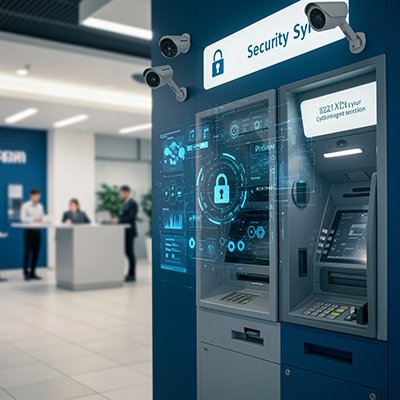
The growing emphasis on security underscores the critical role of Door Access Control systems within modern business environments.
These systems are essential for regulating entry and safeguarding assets, ensuring that only authorized individuals can access certain areas within a facility.
This not only protects physical resources but also aligns with compliance mandates, making these systems indispensable as part of a broader digital security infrastructure.
Global Demand for Access Control Technologies
The global market for access control technologies is experiencing significant growth, driven by heightened security awareness and regulatory needs. Forecasts from Markets and Markets, as well as Frost & Sullivan, highlight a robust compound annual growth rate (CAGR) of approximately 16.9%, suggesting the market will reach about $2.1 billion in revenue soon. Additionally, research from Fortune Business Insights projects that the industry will surpass $20 billion by the decade's end, fueled by concerns surrounding workplace safety and data protection.
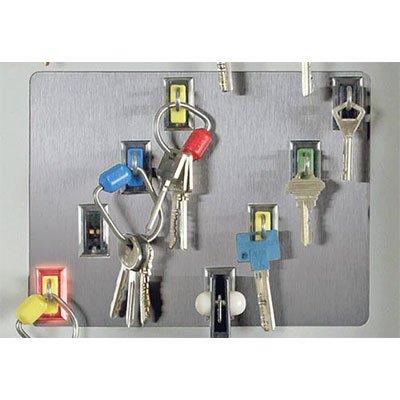
Traditional methods like physical keys are becoming obsolete in favor of systems that provide comprehensive, real-time monitoring and integration capabilities. A modern Door Access Control system is pivotal in this transformation, offering businesses the necessary tools to adapt to these evolving security challenges.
Understanding Door Access Control Systems
A Door Access Control system orchestrates who can enter specific areas through doorways by verifying user identities and their authorization status using digital credentials. These credentials include:
- RFID cards
- PIN codes
- Biometric data, such as fingerprints or facial features
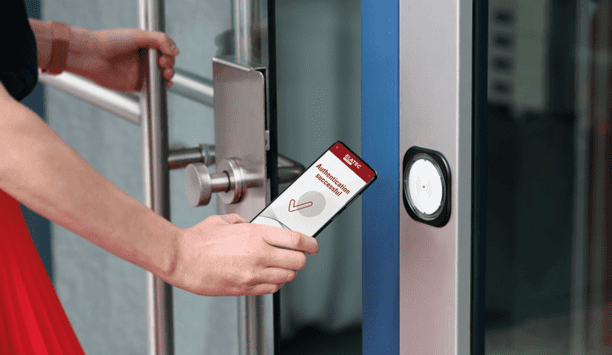
- Mobile devices leveraging Bluetooth, NFC, or QR codes
Upon credential presentation, the system checks them against access policies to grant or deny entry, all while maintaining comprehensive audit trails for security and compliance checks.
Benefits of Implementing Access Control Systems
A robust door access control system improves security, manages movement, and prevents credential misuseOrganizations face multiple security-related challenges, such as unauthorized access and compliance obligations. Implementing a robust Door Access Control system addresses these issues by enhancing overall security, controlling movements within facilities, and preventing credential misuse.
Access control systems offer features like anti-passback, which curtail users from sharing their credentials, and allow seamless integration with other security systems, including video surveillance and building management.
Key Components of Door Access Control Systems
A typical system framework includes several key components:
- Control Panel: The system's core, storing credentials, managing user access, and controlling door operations.
- Door Controllers: These connect the doors to the control panel, managing locking mechanisms and interacting with credential readers.
- Credential Readers: These devices capture and verify credentials, supporting technologies like RFID and biometric authentication.
- Electronic Locks and Exit Devices: Allow or restrict door access, while providing safe exit options.
- Management Software: Enables administrators to configure policies, monitor usage, and generate reports.
Key Features to Consider
When selecting an access control system, organizations should consider several crucial features:
- Advanced access policies factoring in user, location, and time.
- Real-time alerts for unauthorized attempts or system malfunctions.
- Scalability and integration with existing infrastructure.
- Data security through encrypted communication.
Applications Across Industries
Door Access Control systems find application in diverse environments such as corporate offices, healthcare facilities, manufacturing sites, and educational institutions.
Each industry utilizes these systems uniquely, such as restricting access to sensitive areas in hospitals or enforcing strict authentication in data centers.
Future of Access Control
Emerging trends are continually reshaping access control technologies. Innovations like touchless authentication using facial recognition, centralized cloud-based management, and AI-driven analytics are transforming traditional access solutions into comprehensive security frameworks. Moreover, the shift towards mobile-first access is making smartphones a primary tool for authentication.
With growing security demands, investing in advanced Door Access Control system solutions becomes essential for organizations seeking to safeguard both physical and digital assets. These systems not only enhance security protocols but also contribute to creating a more streamlined, efficient, and secure operational environment.
Security has become a fundamental requirement for modern businesses. From protecting physical assets to ensuring employee safety and regulatory compliance, organizations increasingly rely on digital security infrastructure.
One of the most important components of this infrastructure is the Door Access Control system, which determines who can enter a facility, where they can go, and when they can access specific areas.
Global demand for access control technology
The global demand for access control technologies is expanding rapidly. According to industry forecasts by Markets and Markets and Frost & Sullivan, the access control market has experienced strong growth, with projections indicating it would grow at a compound annual growth rate (CAGR) of around 16.9%, reaching approximately $2.1 billion in revenue within a few years.
Another report by Fortune Business Insights estimates that the global access control market will exceed $20 billion by the end of the decade, driven by increasing concerns around workplace security, data protection, and compliance.
At the same time, organizations are becoming more aware that traditional security methods—such as physical keys or basic card systems—are no longer sufficient. Businesses need systems that provide real-time monitoring, flexible access policies, and seamless integration with other operational technologies. This is where a modern Door Access Control system becomes critical.
This article informs what a Door Access Control system is, how it works, its key components, and what businesses should consider when selecting the right solution.
About: Door access control system
A Door Access Control system is a security solution that regulates entry and exit through doors by verifying a user’s identity and determining whether they are authorized to access a particular area.
Instead of relying on traditional locks and keys, these systems use digital credentials such as:
- RFID cards
- PIN codes
- Fingerprint biometrics
- Face recognition
- Mobile credentials (Bluetooth, NFC, QR codes)
Once a credential is presented, the system verifies it against predefined access policies. If the credentials match the rules, the door unlocks. If not, access is denied, and the event is logged.
Modern systems also record every entry and exit event, allowing organizations to maintain detailed audit trails for security, compliance, and operational analysis.
Why smart businesses are adopting door access control systems?
Organizations today face multiple security challenges: unauthorized entry, insider threats, compliance requirements, and asset protection. A well-implemented Door Access Control system helps businesses become more efficient by addressing these challenges in several ways.
- Enhanced Security: Access control ensures that only authorized individuals can enter specific areas. Sensitive locations such as server rooms, laboratories, or finance departments can be restricted to selected personnel.
- Controlled Workforce Movement: Access control policies can regulate who enters which zone and during what time periods. For example, employees may access office floors during working hours but not after hours.
- Detailed Activity Monitoring: Every access event is recorded, creating a comprehensive log of movement inside the facility. These logs can be used for investigations, audits, or compliance reporting.
- Prevention of Credential Misuse: Features such as anti-passback prevent employees from sharing their credentials with others. The system ensures that one credential cannot be used multiple times without proper exit registration.
- Operational Integration: Modern access control systems can integrate with:
- Time and attendance systems
- Video surveillance
- Fire alarms
- Building management systems
- Payroll software
This creates a unified security and operational environment.
Key components of a door access control system
A typical Door Access Control system consists of several interconnected components that work together to secure entry points.
- Access Control Panel: The control panel is the central brain of the system. It stores user credentials, processes authentication requests, and controls door operations. Modern Access control panels are powerful computing units that manage thousands of users and multiple doors simultaneously.
- Door Controllers: Door controllers connect individual doors to the central panel. They manage door locking mechanisms and communicate with credential readers.
- Credential Readers: Readers capture user credentials. Depending on the technology used, they may support:
- RFID card reading
- Fingerprint recognition
- Face recognition
- Mobile-based authentication
New-generation readers support multiple credential types simultaneously for higher flexibility.
- Electronic Locks: Electronic locks replace traditional mechanical locks. They open automatically once authentication is successful.
- Exit Devices: Exit buttons or motion sensors allow people to exit controlled areas safely and easily.
- Management Software: Management software allows administrators to configure access policies, manage users, generate reports, and monitor system activity in real time.
Important features to look for in a door access control system
When selecting a Door Access Control system, organizations should evaluate several critical features.
- Three-Dimensional Access Policies: Advanced systems manage access based on three factors:
- User – who is requesting access
- Location – which door or zone is being accessed
- Time – when access is allowed
This model allows precise control over workforce movement.
- Real-Time Alerts and Notifications: Modern systems generate instant notifications for security events such as unauthorized access attempts, forced doors, or device failures.
- Scalability: A robust solution should support expansion without requiring major infrastructure changes. Some enterprise systems can manage hundreds of doors and tens of thousands of users from a single control panel.
- IP-Based Architecture: IP-based systems use standard network infrastructure, simplifying installation and reducing cabling complexity.
- Integration Capabilities: Integration with other security and business systems increases the value of access control solutions.
- Data Security: Encrypted communication protects credential data from hacking or interception.
Industrial positioning of door access control systems
A Door Access Control system is useful across many industries and environments, including:
- Corporate offices
- Manufacturing plants
- Warehouses
- Hospitals and laboratories
- Educational institutions
- Data centers
- Retail outlets
- Hotels and hospitality facilities
Each industry uses access control differently. For example:
- Hospitals restrict access to operation theaters and laboratories.
- Manufacturing plants control entry into hazardous areas.
- Data centers enforce strict authentication policies to protect critical infrastructure.
The future of access control
Access control technology continues to evolve rapidly. Several trends are shaping the next generation of systems.
- Touchless Authentication: Face recognition and mobile credentials are becoming more popular due to convenience and hygiene concerns.
- Cloud-Based Access Control: Cloud platforms allow organizations to manage multiple locations from a centralized dashboard.
- AI-Driven Security Analytics: Artificial intelligence can analyze access patterns to detect suspicious behavior automatically.
- Mobile-First Access: Smartphones are increasingly replacing traditional access cards.
These innovations are transforming access control from a basic door management tool into a comprehensive security ecosystem.
Conclusion
As organizations expand and security risks increase, the need for intelligent security infrastructure becomes unavoidable. A modern Door Access Control system provides the foundation for protecting people, assets, and information while enabling efficient facility management.
Businesses today require solutions that combine strong security, operational flexibility, and ease of deployment. Systems designed with IP-based architecture, advanced biometric credentials, and integrated monitoring capabilities deliver exactly that.
Solutions like Matrix COSEC Access Control systems are built to address these evolving requirements. With support for modern credentials such as face recognition, mobile authentication, and biometrics, along with flexible access policies and seamless integration with business systems, they provide organizations with a scalable and future-ready approach to physical security.
For businesses looking to upgrade their security infrastructure, investing in the right Door Access Control system is no longer optional—it is a strategic step toward building a safer, smarter, and more efficient workplace.