Thermal imaging




News

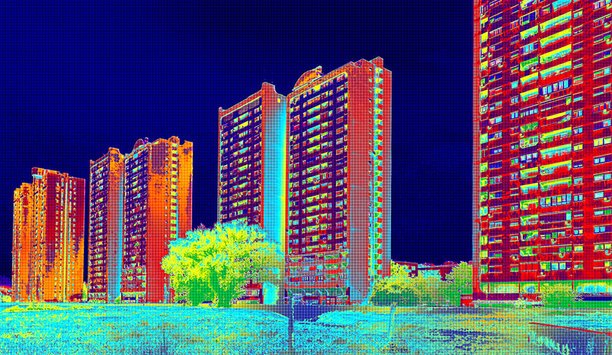
Teledyne FLIR's A40 and A70 (Axx-Series) thermal imaging cameras are the first models to achieve UL 2684 listing. They are listed as thermal image fire detectors under ANSI/CAN/UL 2684, the Standard for Video and Thermal Image Detectors for Fire Alarm Systems. Although UL 2684 is a North American standard, the Teledyne FLIR milestone has important implications for Europe. European fire detection is supported by a mature standards and certification environment covering established technologies such as smoke, point heat, aspirating, and flame detection. National certification schemes Radiometric thermal image detection has no harmonised European product standard of its own, and is addressed through project-specific approval pathways and national certification schemes, including VdS in Germany and CNPP in France. These pathways support the assessment of systems that continuously measure temperature across a scene and identify abnormal heat before smoke or flame develops. EN 54-10 covers flame detection, including the flame-response capability of certified thermal cameras. UL 2684 is written specifically for video and thermal image detectors, evaluating and testing them as fire detection devices. Thermal image fire detectors In the United States, the 2025 edition of NFPA 72, the National Fire Alarm and Signaling Code, created a dedicated category for thermal image fire detection (Sec. 17.12), which requires thermal image fire detection systems to be listed for the purpose of fire detection. UL 2684 is a North American product standard that provides an independent benchmark for the performance of video and thermal image fire detectors. In Europe, it can support the technical evidence presented through the applicable European approval pathway. European regulatory requirements, CE marking obligations, relevant EN 54 standards, national certification schemes such as VdS and CNPP continue to apply, and the approving authority determines project acceptance. Defined response criteria “Fire engineers work from evidence, and the strongest evidence is a published benchmark with an accredited laboratory behind it,” said Matthew Hasty, Global Vertical Director for Science, Automation, and Early Fire Detection at Teledyne FLIR. “That is what the listing adds for Europe. It gives the people building the technical case something independent to build on.” What the listing changes is the strength of the evidence behind the specification. A consultant, a risk engineer, or a fire protection professional can now put forward a detector whose fire performance has been tested against a published benchmark by an accredited laboratory and show the reviewer where that benchmark came from. Calibrated measuring instrument That benchmark is concrete: flaming wood, flammable liquid, and polyurethane fires with defined response criteria, plus the environmental, electrical, and durability program around them. In a submission that has to be argued rather than ticked off against a standard, that is a considerably stronger position than manufacturer test data. The listing tests fire performance. The everyday value sits in the instrumentation. A radiometric thermal camera is a calibrated measuring instrument, not a camera that renders heat in color. Every pixel in the scene reports a temperature, many times a second. Teledyne FLIR Early Fire Detection solutions monitor defined regions of interest and report minimum, average, and maximum values for each, with alarms set on absolute thresholds, on the difference between regions, and on rate of rise. Temperature based monitoring The system responds to how heat is behaving rather than only to how hot something is, and it leaves a record: a measured value, a location in the scene, a history behind it. That record is what an approving authority or an underwriter can actually review. Demand is coming from operators. Waste and recycling sites deal with deep-seated fires in stored material. Manufacturers run bearings, motors, and hydraulic lines that heat up well before they ignite. Battery energy storage installations face thermal runaway. Data centres concentrate electrical load, and a failing connection runs hot long before it smokes. Rooftop solar arrays develop hotspots at connectors and modules, often on roofs with no conventional detector at all. In each case, thermal imaging provides continuous temperature based monitoring that can identify developing heat conditions before smoke, flame, or conventional heat thresholds are reached. Providing independent evidence Thermal imaging is line-of-sight, so a camera protects what is in its field of view. In practice that means specific high-value assets: a switchboard, a battery enclosure, a conveyor run. It works alongside conventional detection rather than in place of it. The cameras are also multispectral: detection is thermal, while an integrated visible camera supplies the picture, so an alarm arrives with video of what caused it. An operator can see what they are dealing with before stopping a line, and a stoppage that turns out to have been unnecessary is money the site never gets back. For projects being designed in Europe today, the UL 2684 listing provides independent evidence that can strengthen the specification and approval case. It works alongside the applicable European, national, and project-specific approval pathway

As millions of people jet off for their summer holidays or make their way home, airports are under increased scrutiny. For many, their eagerly awaited trip begins and ends in the airport. Meeting passenger expectations with a seamless and secure journey from check-in to boarding is critical at a time when passenger numbers are rising, with almost 1.1 billion air passengers traveling through EU airports in 2025, an increase of 4.8% year-on-year. Increased complexity ahead But there are headwinds that airport leaders must navigate through. As critical infrastructure, airports are targets for malicious actors including insiders, cyber-attackers, terrorist groups, and more. Misuse of drone technology threatens the perimeter. Intruders may attempt access to restricted areas, including the airfield. Missing people, left luggage, theft, vandalism, and anti-social behavior are other challenges that teams have to respond to. Moreover, the EU Entry/Exit System (EES) is adding pressure to border processing and queue management. Some airports are under pressure to increase capacity to meet future demand. Profitability and growth are other areas feeling the strain. European airports achieved a net profit of €11.8 billion in 2025, averaging just €4.5 per passenger. Leaders are being tasked with finding new efficiencies, diversifying income, attracting repeat passengers and driving more non-aeronautical revenue through retail, hospitality, car parking and advertising. Improving daily operations All of these challenges are interconnected. Accommodating more passengers, strengthening security and resilience in line with Civil Aviation Authority (CAA) requirements, and delivering a seamless experience all require airport teams to understand what is happening across the site in real time. Modern AI-powered video solutions provide that much-needed visibility. Helping leaders secure airports while improving daily operations and boosting the passenger experience. Traditionally, cameras have been used at airports to monitor sites, record incidents, and provide evidence after an event has occurred. AI-powered video changes this, enabling security teams to take a more proactive approach to securing airport sites, assets, and passengers, while also delivering insights to inform strategy and improve the passenger experience. License plate recognition For example, advanced video analytics can identify queues and alert operators, allowing them to open additional check-in desks and security screening areas, or redirect passengers to quieter areas. Maintenance, cleaning and staffing schedules can also be adjusted around busier periods. Outside the terminal, license plate recognition and dwell-time analytics can support traffic management, helping teams respond to congestion and direct vehicles to available areas for rapid pick-up and drop-off. Increasingly complex threats As for security, comprehensive oversight of all areas, supported by continuous monitoring and automatic alerts for objects or events of interest, is critical. This is particularly important as airports contend with increasingly complex threats, from incursion by drones and terrorism to unauthorized access. Rather than relying solely on human operators to monitor numerous screens, AI video surveillance highlights the most critical events requiring human input. Proactive intelligence supports teams to intervene and respond to events requiring their attention quickly and with essential situational awareness using semantic and similarity search. For example, a missing child can be rapidly located with video footage searched based on what the child was wearing and where they were last seen. Similar footage can be brought up for investigation into their potential direction of travel. Detecting unusual behavior AI-powered video can also detect unusual behavior such as loitering, people or vehicles in unexpected locations or outside of opening hours, and stopped vehicles. In cargo and back-of-house environments, video analytics can identify events such as slips and falls and alert ground teams to respond. There is also a compliance benefit. Comprehensive event logs can help airports maintain clearer records of incidents and safety activity, supporting reporting and providing evidence that appropriate procedures are being followed. Post-event investigations AI-powered forensic search can speed up post-event investigations by allowing operators to search footage using visual characteristics and similar attributes. That could help investigate a security incident or establish what happened during an operational disruption. If an investigation is escalated, relevant footage can also be shared with law enforcement. AI-powered video is far more than a surveillance tool. It can support the wider business of running a safe, efficient and resilient airport, from managing passenger flows and protecting staff to responding to incidents and improving operational efficiency. As airports become more digitally connected, video can also work alongside other smart-airport technologies, from biometric boarding to automated baggage handling. Barcode-reading cameras, for example, can connect baggage and cargo identification data with video footage, helping operators locate items more quickly, investigate incidents and maintain a visual record of their journey through the airport. Personal protective equipment Video can also support both safety and operational efficiency in fleet maintenance areas. Analytics can help identify hazards such as Foreign Object Debris (FOD), monitor whether technicians are following safety procedures and wearing appropriate personal protective equipment, and detect slips and falls. Thermal imaging can also flag unusual temperature changes in equipment, providing an early warning of potential failures or fires. Acting on these alerts quickly can help prevent incidents, reduce unplanned downtime and inform preventative maintenance decisions. Integrating AI-powered video with these technologies can create a more connected view across IT, physical security and operations, helping teams share information and make faster, better-informed decisions. Airports are an integral part of the global economy, with passenger numbers set to continue growing as more people take to the skies. Meeting the needs and expectations of the modern traveler will require intelligent systems that give airport teams the information they need to respond in real time, so passengers can get on with what they came to the airport for: starting their journey.
DICE Corporation announces a new edge artificial intelligence platform that runs AI processing inside the customer's network and reports into Ceila.ai as a native component. The platform was previewed with corporate and national account clients at GSX 2026 in Atlanta this week. It is currently in trials with monitoring centers and enterprise accounts including Clear Watch, one of the industry's larger interactive virtual guarding services, with general availability planned for the first quarter of 2027. Most video monitoring deployments today rely on a round trip. The customer selects a third-party analytics provider, motion events are sent out to that provider for evaluation, and the result is forwarded into the monitoring platform. Separate vendor relationship The monitoring center becomes a destination for someone else’s decision, and the customer carries a separate vendor relationship, a separate bill, and a separate support path when something misses. DICE supports that model and will continue to, integrating whichever analytics provider a customer chooses. That already includes a wide range of edge and analytics platforms, such as OpenEye, Camect, and CloudEye. DICE remains camera-agnostic by design. The platform is built to the industry’s established protocols, including ONVIF, and where a device falls outside those standards it connects directly by RTSP, with events delivered into the center by SMTP. Rather than maintaining a fixed list of certified devices, DICE built to what the industry already runs on and kept a path open for everything else. DICE edge platform The DICE edge platform offers a second path. Processing happens on site, on DICE hardware, with results delivered directly into the same workflow that handles the alarm signal, the video, the audio, and the dispatch. There is no external analytics hop and no clip leaving the customer’s premises for evaluation elsewhere. Local processing also simplifies network configuration. Because the appliance operates inside the customer’s network and communicates outbound to DICE, cameras are reached across the LAN rather than through inbound access, which suits enterprise environments where IT policy restricts changes at the firewall. Custom detection projects The platform is built to carry the full DICE detection library on premise rather than a reduced subset. Beyond person and vehicle classification, the platform detects behaviours and interactions between objects, reads license plates, counts people and vehicle traffic, applies privacy masking to sensitive areas, processes thermal imaging, and performs safety and compliance review including personal protective equipment use and lifting technique. Detection models are developed by DICE and extended for individual customers, including custom detection projects built for Fortune 500 companies, national retailers, and municipal operations. Development has been driven by national retail chains and multi-site enterprise accounts DICE supports, where event volume and bandwidth cost make on-premise filtering essential. Over the past year DICE has seen a significant increase in monitoring centers and guarding operations migrating onto its platform, and the company has expanded its installation and onboarding capacity to meet a growing schedule of committed deployments. Co-pilot architecture Clear Watch runs its AI video detection on the DICE platform today and states publicly that it identifies more than three times the object types of any other provider. “In virtual guarding, our reputation is built on catching what matters and staying quiet about what doesn't. Three object classes never gave us the resolution to do that reliably,” said Glen Carter, President of Clear Watch. “Running DICE's full detection library on the edge means the call gets made on site, in real time — we're not dependent on a third party's turnaround to protect our clients.” Virtual guarding providers Ceila.ai extends its digital operator and co-pilot architecture to virtual guarding providers and enterprise GSOC teams. Because DICE manufactures its own PBX and softswitch, Ceila.ai evaluates live phone audio alongside live video in a single decision path, an integration DICE believes is unique in the industry. Dispatches are delivered through the DICE message broker, which is connected to more than 700 PSAPs and sends alarm dispatches directly into their CAD systems. “Everyone in this industry says they have AI. Most of them mean they have a connector to somebody who does,” said Cliff Dice, President, CEO, and Founder of DICE Corporation. “We built Ceila.ai with AI at the core of the event management platform rather than as a service we forward events to. If a customer wants to bring their own provider, we integrate it and we do that every day. But they should also be able to get it from the same company that handles their alarm, their video, their phone call, and their dispatch, with one throat to choke when something misses.” Global buildout of artificial intelligence The DICE platform runs entirely on Linux, on a runtime engine and virtualisation layer DICE developed itself, inside UL-listed hosting centers the company owns and operates. That architecture allows processing capacity to expand and contract automatically with load, which matters in an industry where event volume is uneven by hour, by season, and by incident. Development is performed by a United States based engineering team. The approach also gives DICE direct control over compute cost at a moment when the global buildout of artificial intelligence has made processing capacity significantly more expensive. In the round-trip model, a customer’s analytics cost is set by a third party and can be repriced at renewal. DICE provides the compute inside its own centers and prices it as part of the platform. GPU computing environment DICE has invested millions in the infrastructure behind the program, including its own GPU computing environment inside facilities it owns and operates, with the objective of keeping AI processing and the data governance around it under DICE’s control as the technology advances. The company has filed more than 20 patents tied to Ceila.ai, adding to a portfolio that includes patents for Video Arm/Disarm and Gatekeeper technology. DICE Corporation has been in business for 40 years and today supports approximately 3.5 million alarm subscribers and 6.5 million telecom subscribers, handling more than 10 million calls per month.

Secutech Vietnam 2026 came to a close on 12 September at the Friendship Cultural Palace in Hanoi, with exhibitors and visitors exploring how safety, security, fire protection and smart building technologies can be applied across Vietnam’s buildings, factories and infrastructure projects. Held alongside Fire & Safety Vietnam and SMABuilding, the fair highlighted solutions for facility management, emergency response, automation and connected building operations. The 19th edition spanned 13,000 sqm and featured 480 exhibiting brands from 16 countries and regions, including Bulgaria, China, Germany, Hong Kong, India, Japan, Korea, Malaysia, Singapore, Spain, Switzerland, Taiwan, Türkiye, the UAE, the US and Vietnam. It welcomed 15,898 trade visitors, including project owners, system integrators, distributors, installers, consultants, engineers, facility managers and end users. Smart building technologies “Vietnam’s continued investment in buildings, factories and infrastructure is creating stronger demand for safety, fire protection and smart building technologies that can be applied in real operating environments,” commented Ms Regina Tsai, General Manager of Messe Frankfurt (HK) Ltd – Taiwan Branch. “This year’s edition showed how the market is moving from standalone products to more connected systems that support prevention, monitoring, response and facility operations. For the industry, this shift creates new opportunities for suppliers, integrators and end users to work more closely on solutions that are practical, scalable and suited to Vietnam’s development.” AI-enabled operations software Across the exhibition floor, suppliers showcased a wide mix of security, fire safety and smart building technologies, from AI-enabled operations software, access control, CCTV and monitoring systems to flame detectors, fire alarm devices, intelligent circuit breakers, sprinkler components, fire pumps and protective gear. For exhibitors, the fair offered opportunities to connect with project decision-makers and share technical knowledge through training sessions. Marking the company’s 10th appearance at Secutech Vietnam, Mr Nguyen Xuan Son, Chairman, Nha An Toan, said: “We are presenting AI-powered surveillance, AI fire detection cameras and advanced robotics to industry traders and decision-makers for major infrastructure projects. Secutech Vietnam has supported us through event promotion and direct engagement at our booth. Workshops and dealer training sessions on the exhibition floor also allow us to showcase products and provide hands-on technical training for our partners.” AI-integrated solutions Demand for AI-integrated solutions also shaped discussions about project requirements and industry collaboration. Mr Tran Luong, Executive Vice President, G20+ Alliance, an association of 47 enterprises in the security camera and extra-low-voltage (ELV) sectors, said: “Our target customers are mainly clients involved in infrastructure projects, including industrial parks, aviation and government facilities. Today, customers are showing a strong preference for AI-integrated solutions. In response to this trend, we have also been upgrading our technologies and equipment to keep pace with the market. Participating in Secutech Vietnam has helped us build partnerships and strengthen industry connections.” Fire safety technologies International pavilions broadened the sourcing opportunities, with the Japan Pavilion, Korea Pavilion and UL Pavilion presenting fire safety technologies, certification services and advanced protection systems. For UL Solutions, the fair reflected rising interest in international standards and certification. Mr Suresh Shanmugam, Regional Business Head, South & Southeast Asia, UL Solutions, noted: “We see Vietnam as a very strong and fast-growing market, with local manufacturers looking to grow internationally and global manufacturers also entering the country. The market is becoming more open to international products, certifications and best practices. Visitors including government authorities, traders and manufacturers, showed interest in UL certification and our testing process.” Battery-related facilities The needs of critical facilities were another focus. Mr Takashi Ito, General Manager, International Division, Nohmi Bosai Ltd, emphasized the importance of identifying smoke at an early stage: “One of our key strengths is early smoke detection, especially for data centres, semiconductor factories, large warehouses and battery-related facilities. In these environments, customers need to identify smoke as early as possible before a fire becomes serious. Through the fair, we hope to introduce our systems to more Vietnamese companies, particularly those operating data centres and other high-security facilities.” Visitors also explored how the technologies on display could serve the Vietnamese market. Mr Park Kyung Hoon, Team Leader, Korea Testing & Research Institute (Korea), attended with a focus on product evaluation and certification: “I am interested in the fire safety sector and in understanding what is available in the Vietnamese market. Our work includes research, evaluation and certification for industrial products, including fire prevention, CCTV and security-related systems. I saw relevant solutions such as IR cameras and fire extinguishers, and I also visited the Korea Pavilion, which I was pleased to see.” Building management equipment Local sourcing interests included smart security and firefighting equipment. Mr Vu Manh Quan, President, IT-CCTV Ho Chi Minh, said: “I am looking for smart security hardware and software solutions, as well as fire protection products such as fire alarm systems, firefighting equipment and safety gear. I am particularly interested in fire safety technologies and security solutions powered by AI software. I have already seen quite a few firefighting robots and upgraded devices that integrate AI technology.” For property operators, the focus was on reducing fire risks in day-to-day operations. Mr Duong Van Chinh, Chief Engineer, Lotte Property & Development Vietnam Co Ltd, said: “Fire protection is a key priority for our company. I was particularly interested in building management equipment, fire alarm cameras, thermal imaging cameras and AI-integrated camera systems that can identify fire risks and issue early warnings. Vietnam’s rapid urban development, high-rise construction and industrial growth are creating strong demand for reliable fire protection systems. For property managers, the main challenges are finding compliant, durable equipment and qualified installation contractors.” Smart building systems Beyond sourcing, the fringe program combined product showcases with technical discussion, covering AI, robotics, factory automation, fire prevention, emergency planning and smart building systems. Installer-focused training addressed system design, installation and operation, while live demonstrations allowed visitors to see automation equipment and AI-enabled tools in use. Speaking at one of the seminars, Mr Do Huy Hoang, R&D Manager, RTC Technology Vietnam, highlighted the value of technical exchange: “My presentation was about how AI cameras and robotics can be applied in modern industry. These technologies can help reduce machine downtime and improve accuracy in operations. For companies like us, it is also a good opportunity to share our technology and speak with people who may be interested in applying AI solutions in their businesses.”
Expert commentary
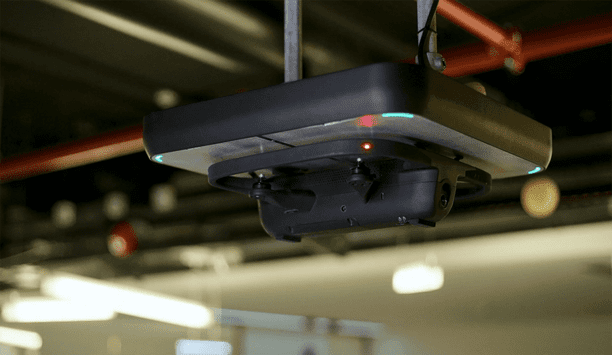
There’s a new security paradigm emerging across malls, server farms, smart office buildings, and warehouses, and its advantage over the status quo are so broad they are impossible to ignore. Instead of a lecture, let’s start with a short narrative scenario to illustrate my point. Darryl's work Darryl works as a security guard at the Eastwood Mall. Like any typical evening, tonight’s shift begins at 9:30 PM, as the stores close and the crowds thin. His first task: Ensure that by 10 pm, all mall visitors have actually left and that all doors, windows, and docks are locked securely. As he walks through most major areas throughout the mall, he checks them off his list. All’s quiet, so after a 45-minute patrol, he stops for a quick coffee break before heading out again. He repeats the process throughout the night, happy to finish each round’s checklist and rest his feet for a few minutes. Challenge: Vandalism during the shift A few cameras located sporadically throughout the mall recorded two dark figures moving in and out of the shadows As usual, there’s nothing notable to report, he clocks out and heads home. The next morning, however, he's greeted by an angry mall manager. He learns that sometime during his shift, three stores were robbed and a back hallway vandalized. A few closed-circuit cameras located sporadically throughout the mall recorded two dark figures moving in and out of the shadows at about 4 am. The mall manager demands an explanation, and Daryl has none, “They must have been hiding during closing time and then waited for me to pass before acting,” he says. “I can only be in one place at one time. And if they were hiding in a dark hallway, I would never have seen them.” Theft explanation “Actually,” explains the manager, “we found a loading door ajar near the furniture store. We’re guessing that’s how they got in, but we can’t be sure. Do you check all the docks? We need to know if we need to replace a lock. Look at your logs - tell me exactly what you saw and when.” Daryl tries to recall. “I'm pretty sure I checked that one a couple of times. I checked it off my list.” Darrell decides not to mention that at 4:00 AM, he was feeling the night's fatigue and might have skipped that area a couple of times. That's the end of our tale. Poor Daryl is not a bad security guard, but he’s only human. His job is repetitive and unstimulating. Darryl's work log He checks off each location for the record, but there's no way for him to record the thousands of details Let’s discuss his hourly log. He checks off each location for the record, but there's no way for him to record the thousands of details he sees to later zoom in on the few observations that might be helpful for an investigation. He has walked by that loading dock door hundreds of times, and it's all a blur. This isn’t an unusual story; Darryl is doing the same job that humans have been doing in almost precisely the same way for millennia. And, like last night, the criminals have always found a way to avoid them. But there is a better way. Solution: Fully-automated indoor drone Replacing a human guard with a fully-automated indoor drone eliminates virtually all the problems we've identified in this story as it flies through the facility: Drone teams can work 24/7: While each drone needs to dock to recharge its battery periodically, a fleet working in concert can patrol around the clock in multiple areas simultaneously. This makes it much more difficult for an intruder to move freely, without risk of discovery. A drone can even keep an eye out and keep recording while docked. Drones see and log everything: Everything is recorded and stored in full detail as they compare what they see with what they expect to see High-resolution onboard cameras and ultrasensitive sensors can detect heat, movement, and moisture, and see into dark areas much more effectively than the human eye. As they aren't limited to the floor, they can also fly high in the air to look above obstacles and at high windows or warehouse shelves. And they don’t lose focus or get bored as the night drags on: Everything is recorded and stored in full detail as they compare what they see with what they expect to see based on a previous flight. Anything unusual triggers an alert. Drones don’t need vacations, snack/bathroom breaks, or new-recruit training: Without the need to deal with biological requirements, you aren't paying for non-work hours, and there’s no overtime for extra hours or holiday shifts. In a high-turnover business like security, there's no time spent training new employees; adding drones to your fleet simply means installing your existing procedures onto each. There is certainly room for judgment calls that require human intervention, but these can often be handled remotely using a control panel that provides all relevant data and alerts from the drones on duty. That means no scrambling to the office in the middle of the night for a false alarm. Drones outshine stationary cameras and the people staring at those screens: A guard in the security office staring at dozens of these screens usually loses their attention span throughout the shift Close-circuit cameras are expensive to install, maintain, and periodically replace. In addition, they are limited in their scope and, almost by definition, leave large blind spots. A guard in the security office staring at dozens of these screens (that generally show nothing notable) usually loses their attention span throughout the shift. Conclusion In short, there is a good reason that our industry is following close on the heels of the manufacturing industry, which has been eagerly adopting robotics as a more cost-effective and precise solution for years. It is simply becoming harder and harder to justify the expense of the traditionally error-prone and monotonous work that we ask of our security guards.
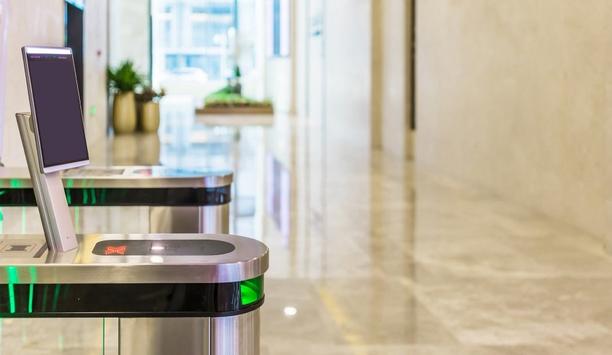
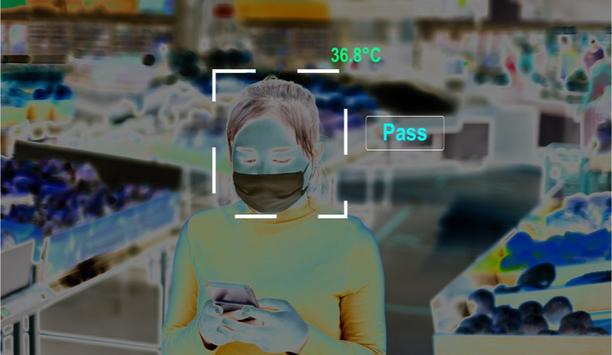
The last year revolutionized the way people work. When offices transitioned to work-from-home and worksites implemented social distancing, the security industry saw an overnight shift in what technologies our customers wanted. Now that businesses are bringing employees back to work in-person, management has broadened their focus to include healthy access in their security plans. Healthy access is a modern security concept that uses the latest technologies to blend employee and visitor health with automated security and digital transformation. This year, more leaders than ever are concerned with the health of their people – for good reason. Touchless Solutions Touchless solutions are at the forefront of security conversations because, suddenly, no one wants to touch anything in public. As a result, biometric solutions using face recognition have adapted to deliver a powerful and highly effective trifecta of solutions for physical security, health and workforce management. Face recognition is now considered to be the most accurate non-invasive method to identify and authenticate individuals Face recognition is now considered to be the most accurate non-invasive method to identify and authenticate individuals. Ongoing improvements like smarter algorithms, neural networks and artificial intelligence (AI) continue to improve face recognition’s performance. Well-known enhancements like faster processing and better camera functionality are quality-of-life improvements for traditional face recognition applications. Other advancements – like mask detection, face recognition while wearing a mask, mobile enrollment and more – are unique additions to this technology that effectively answer the needs of today without adding complex workflows. Biometric Face Recognition for Physical Security Even as pandemic mask restrictions lift, many businesses still require people to wear face masks to enter their facilities – a policy that will be with us for years to come. The sudden requirement for face masks in public stimulated the rapid development of a new face recognition application where security systems need to authenticate people with half their face covered. The ability to use a person’s biometrics to gain access eliminates the need for PINs or cards that can be forgotten, shared or stolen, so businesses familiar with the high security of biometrics cannot turn to less-secure means of authentication, and fingerprint is not a feasible option because that technology involves touching shared surfaces. Face recognition while wearing a mask is a highly relevant, timely advancement for businesses that need high security at their entry doors without compromising on mask mandates or personal comfort levels with illness avoidance. Biometric Face Recognition for Health Face recognition is touchless by nature and took center stage during the pandemic Face recognition is touchless by nature and took center stage during the pandemic as buildings migrated to contactless security to limit the spread of surface-borne illnesses. As more businesses reopen and bring office staff back, the demand for this fast, easy-to-use and touchless technology will continue to surge. Additionally, advanced face recognition solutions can be enhanced with thermographic cameras for elevated body temperature detection, which enables businesses to limit access to only people with healthy temperatures and prove that they are protecting healthy staff. To adhere to social distancing guidelines, businesses can take advantage of our society’s affinity for mobile apps. Remote enrollment is a feature of high-end face recognition solutions where people can enroll their faces using their phones – limiting the amount of time spent waiting in line, standing in front of a device or interacting with other people. Some solutions are also integrated with attestation questionnaires that allow people to self-declare symptoms or exposure to illnesses, which can help businesses make informed decisions to protect the health of their staff. The more your solution can accomplish, the more confidence your personnel can have that they are healthy at your building. Biometric Face Recognition for Workforce Management Returning to work is now a monumental undertaking. One of the biggest challenges for business owners is balancing hybrid work-from-home schedules and socially distanced in-person shifts. Every business will have a unique approach to what work in a post-pandemic world looks like. Touchless, mask-inclusive technology and attestation are user-friendly solutions that help businesses protect staff health This adds a new layer of complexity to shift scheduling that management must address to maintain the simplicity of shift changes and accuracy of time tracking. Touchless, mask-inclusive technology and attestation are user-friendly solutions that help businesses follow mask rules, ensure high security, protect staff health and keep shift changes fast and easy. Advancements in face recognition align with the timing of getting employees back to work because of work done by proactive security leaders. The “face” of biometrics has forever changed. This industry is no longer represented by antiquated fingerprint technology. Instead, we are represented by modern, accessible face recognition with room to grow for physical security, health and workforce management – the trifecta of healthy buildings.

James Twigg is the Managing Director of Total Integrated Solutions (TIS), an independent life safety, security and communication systems integrator, specializing in design & consultancy, technology and regulatory compliance. Total Integrated Solutions work primarily with retirement villages, helping to ensure the safety of residents in numerous retirement villages across the country. In this opinion piece, James shares how smart technology is helping security teams and care staff alike in ensuring the safety and security of their spaces, amid the COVID-19 pandemic and beyond. Impact of smart technology Smart technology is having an impact on pretty much every aspect of our lives Smart technology is having an impact on pretty much every aspect of our lives. From how we travel, to how we work, to how we run our homes. It’s not unusual to have Alexa waking us up and ordering our groceries or Nest to be regulating the temperature and energy in our homes. And while there’s a popular misconception that people in their later years are allergic to technology, retirement villages and care homes are experiencing significant innovation too. And the result is not only improved quality of life for residents, but also improved safety and security systems for management teams. Switching to converged IP systems I’ve been working in the life safety and security industry for over fifteen years. When I first joined TIS, much of the sector was still very analog, in terms of the technology being installed and maintained. Slowly but surely, we’ve been consulting and advising customers on how to design, install and maintain converged IP systems that all talk to each other and work in tandem. I'm excited to say retirement villages are some of the top spaces leading the way, in terms of technological advancement. Improving the quality of life for residents A move into a retirement village can be daunting and one of the key concerns that we hear about is the loss of independence. No one wants to feel like they are being monitored or to have someone constantly hovering over them. One of the ways we’ve used smart technology to maintain residents' independence is through devices, such as health monitors and motion sensors. For example, instead of having a member of staff check-in on residents every morning, to ensure they are well, sensors and analytics can automatically detect changes in routine and alert staff to possible problems. Similarly, wearable tech, such as smart watches give residents a chance to let staff know they are okay, without having to tell them face-to-face. As our retirement village customers have told us, a simple ‘I’m okay’ command can be the difference between someone feeling independent versus someone feeling monitored. Simplifying and improving security systems Smart technology gives care staff and security oversight of the needs of residents For the teams responsible for the safety of the people, places and spaces within retirement villages, smart technology is helping to improve and simplify their jobs. Smart technology gives care staff and security oversight of the needs of residents, and ensures rapid response if notified by an emergency alert, ensuring they know the exact location of the resident in need. And without the need to go and physically check-in on every resident, staff and management can ensure staff time is being used effectively. Resources can be distributed where they are needed to ensure the safety and wellbeing of those residents who need extra consideration. 24/7 surveillance When planning the safety and security for retirement villages, and other residential spaces, it’s no use having traditional systems that only work effectively for 12 hours a day or need to update during the evening. Surveillance needs to be 24/7 and smart technology allows that without the physical intrusion into people’s spaces and daily lives. Smart technology ensures that systems speak to each other and are easily and effectively managed on one integrated system. This includes video surveillance, which has also become much more effective as a result of advanced video analytics, which automatically warn staff of suspicious behavior. Securing spaces amid COVID-19 This year has, of course, brought new challenges for safety. COVID-19 hit the retirement and residential care sectors hard, first with the initial wave of infections in mid-2020 and then, with the subsequent loneliness caused by the necessary separation of families. As essential workers, we worked closely with our customers to make sure they had everything they needed As essential workers, we worked closely with our customers to make sure they had everything they needed during this time, equipping residents with tablet devices to ensure they could stay connected with their families and friends. It allowed residents to keep in touch without risking transferring the virus. Thermal cameras and mask detection And now that we’re emerging out of COVID-19 restrictions and most residents can see their families again, we’re installing systems like thermal cameras and mask detection, so as to ensure that security will be alerted to anyone in the space experiencing a high temperature or not wearing proper PPE. Such steps give staff and families alike, the peace-of-mind that operational teams will be alerted at the earliest possible moment, should a COVID-19 risk appear. Thinking ahead to the next fifteen years, I’m excited at the prospect of further technological advancements in this space. Because at the end of the day, it’s not about how complex your security system is or how you compete in the industry. It’s about helping teams to protect the people, spaces and places that matter. I see smart technology playing a huge role in that for years to come.
Security beat
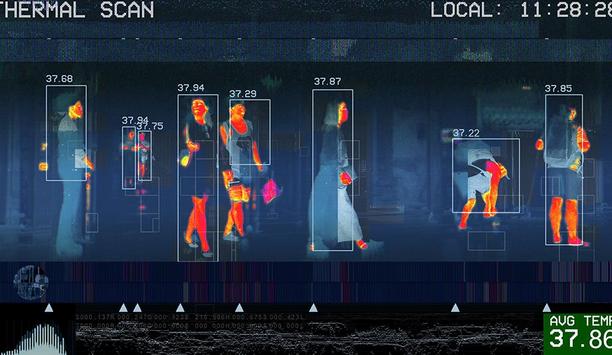
Thermal cameras can be used for rapid and safe initial temperature screening of staff, visitors and customers. Used the right way, the cameras can help prevent unnecessary spread of viruses like the novel coronavirus. During the global pandemic, use of thermal cameras has increased, but they have not always been used correctly, and therefore, not effectively. Hikvision’s temperature screening thermal products are currently assisting users in initial temperature screening across the global market. During 2020, demand increased in most markets, and the company highly recommends that Hikvision’s thermographic cameras be used in accordance with local laws and regulations. Limitations of the technology include throughput and the impact of ambient conditions. Detect viruses and fever Hikvision releases a video that illustrates how skin temperature measurements are normalized within minutes Thermal cameras cannot detect viruses and fever and should only be used as a first line of screening before using secondary measures to confirm, says Stefan Li, Thermal Product Director at Hikvision. “We also believe it is important for businesses and authorities to use [thermal cameras] alongside a full program of additional health and safety procedures, which includes handwashing, regular disinfection of surfaces, wearing protective clothing such as masks, and social distancing.” Hikvision has released a video that illustrates how skin temperature measurements are normalized within minutes after someone emerges from the cold. Mr. Li says the video demonstrates the accuracy of forehead measurement under difficult circumstances when people come inside from a cold outdoor environment. Temperature screening facilities “There have been some claims that measuring the forehead temperature is not as accurate as measuring the inner canthus, and we believe this video demonstrates the accuracy of forehead measurement very well,” he says. “We also illustrate how the skin temperature will experience a process of recovery (warming up), no matter if it is measured by a thermal camera or a thermometer.” Mr. Li adds that people should wait five minutes in such circumstances before starting a temperature measurement. “We hope that stakeholders who are involved in the design of temperature screening facilities and associated health and safety procedures will recognize how important it is to consider the skin temperature recovery time, and that forehead measurement can provide accurate test results,” says Mr. Li. Thermal imaging manufacturers The algorithm is based on a large number of test results to obtain a value that tends to be dynamically balanced The temperature measurement principle of thermal imaging is to detect the heat radiation emitted by the human body. The detected heat value often does not reflect the true internal body temperature of an individual. Furthermore, the temperature varies among different parts of the human, such as the forehead, ears, underarms, etc. A temperature compensation algorithm can be used to adjust the measured skin temperature to align with the internal body temperature. The algorithm is based on a large number of test results to obtain a value that tends to be dynamically balanced. At present, thermal imaging manufacturers in the market, and even forehead thermometer manufacturers, have developed their own algorithms to map the skin temperature measured by the camera to the internal body temperature, so as to compensate the skin temperature to the internal body temperature. Thermal cameras This is also why Hikvision recommends that the "actual body temperature" should be checked with a secondary device for confirmation. The calibration work for a thermal camera is completed in the production process at the factory, including calibration of reference values and detection point and so on. At the same time, the equipment parameters should be adjusted before on-site use to ensure accurate temperature reads. Hikvision does not deny the accuracy of temperature measurement at the inner canthus but prefers forehead temperature measurement and algorithms based on actual use scenarios, says Mr. Li. A large amount of test data and practical results indicates that the forehead is a correct and easy-to-use temperature measurement area, says the company. There are advantages and disadvantages of choosing different facial areas for temperature measurement. Default compensation temperature Two main approaches direct the measurement area and how compensation algorithms are applied: Forehead area + default forehead compensation algorithm value Upper half face (forehead + canthus) + default inner canthus compensation algorithm value. Both methods deploy compensation algorithms, but the default compensation temperature of the inner canthus will be less than the default compensation temperature of the forehead, generally speaking. The reason is that the temperature of the inner canthus of most people is higher than their forehead, so the temperature compensation is relatively low (i.e., closer to the actual temperature inside the body.) Upper face area Hikvision found that selecting the upper face area plus the default compensation value for the inner canthus resulted in situations when the calculated temperature is lower than the actual temperature. For the Hikvision solution, the forehead is a relatively obvious and easy-to-capture area on an entire face Mr. Li explains: “The reason is that when the camera cannot capture the position of the inner canthus (for example, when a person is walking, or the face is not facing the camera), the camera will automatically capture the temperature of the forehead. Then the result that appears is the sum of the forehead temperature plus the default compensation temperature of the inner canthus, which is lower than the actual temperature of the person being measured. Therefore, errors are prone to occur.” Thermal imaging products But for the Hikvision solution, the forehead is a relatively obvious and easy-to-capture area on an entire face. Also, the default forehead compensation temperature is based on rigorous testing and can also correctly mimic the actual temperature of the person being measured, says Mr. Li. After many test comparisons, considering that the results of forehead temperature measurement are relatively more stable, and in order to avoid the false results from inner canthus temperature measurement, Hikvision chose the forehead temperature measurement approach. “We look forward to bringing thermal imaging products from a niche market where there is a relatively high-end industry application to a mass market and serving more users,” says Mr. Li. Facial recognition terminals Additional application parameters can maximize effectiveness of thermal cameras for measuring body temperature: Positioning and height - All cameras must be mounted appropriately to avoid loss of accuracy and performance. The installation height of each camera must be adjusted according to camera resolution and focal length, and stable installation is needed to avoid errors caused by shaking. Ensuring a ‘one-direction path’ - The detection area must ensure that cameras capture the full faces of all those passing by or stopping, and obstacles should be avoided in the field of view, such as glass doors that block the camera. Adequate start-up and usage - A waiting time of more than 90 minutes is required for preheating, after the initial start-up. Before conducting a thermal scan, people should be given three to five minutes to allow their body temperature to stabilize. When Hikvision MinMoe facial recognition terminals are used, people must stand at a fixed distance, pass one by one, make a short stop, and face the camera directly. Hikvision cameras support efficient group screening, but one-by-one screening is suggested for more accurate results, says Mr. Li. Unstable environmental condition An unstable environmental condition may affect the accuracy of thermal camera systems Environmental factors can impact the accuracy of thermal cameras, and the idea of using a black body is to provide the camera with a reference point that has a stable temperature. The black body is heated to a specific temperature and helps the thermal camera to know how much error is caused by environmental factors in the room, and how the camera should calibrate itself in real time to improve its accuracy. A black body can help increase the temperature measurement accuracy, and the most common improvement is from ±0.5 degrees to ±0.3 degrees. However, it also increases the cost of the installation. In some markets, customers may require black bodies in order to comply with regulatory accuracy requirements. An unstable environmental condition may affect the accuracy of thermal camera systems for measuring temperature. Medical temperature measurement Therefore, Hikvision suggests that the ambient conditions should be met for installation and use. First of all, users should avoid installing devices in hot or changeable environments. All cameras require indoor environments with calm air, consistent temperature and no direct sunlight. Installation should also be avoided in semi-open locations that may be prone to changes in ambient conditions, such as doorways, and there should be enough stable, visible light. All devices should be installed to avoid backlighting, high temperature targets, and reflections in the field of view as far as possible. “We often see the misconception that thermal cameras can replace medical temperature measurement equipment, which is not the case,” says Mr. Li. Rapid preliminary screening “Temperature screening thermographic cameras are designed for the detection of skin-surface temperatures, and the measurement should be conducted to achieve rapid preliminary screening in public areas. It is really important that actual core body temperatures are measured subsequently with clinical measurement devices.”

The coronavirus pandemic had a monumental impact on all aspects of the business world, including the security industry. However, amid the gloom and doom, many security professionals also saw opportunity: New ways the industry’s products could be applied to address the challenges of coping with the virus. This article will review some of those opportunities, based on our reporting throughout the year and including links back to the original articles. During and after the pandemic, security systems are an important asset when it comes to helping to keep occupants and buildings safe as employees return to work. For example, video analytics can provide insight into how spaces have previously been used and can help to predict where and when occupants encounter each other or congregate. Role of thermal cameras These foot-traffic patterns can inform settings for a variety of devices - like ventilation and temperature controls - and even help owners create social distancing plans and monitor personal protective equipment (PPE) compliance. Thermal surveillance, a mainstay of traditional physical security and outdoor perimeter detection, began being deployed early in the pandemic to quickly scan employees, contractors and visitors as part of a first line of defense to detect COVID-19 symptoms. These systems provide flexibility and can offer integrations with multiple VMS platforms and access control devices These systems provide flexibility and can offer integrations with multiple VMS platforms and access control devices. Thermal cameras can be a tool for detecting fever, but any use of the technology for this purpose is full of qualifications and caveats. Importantly, how the camera system is configured makes all the difference in whether temperature readings are accurate, and the downside of inaccurate readings is obvious - and potentially deadly. Temperature detection systems FDA guidelines limit how the cameras are used, not to mention guidance from other regulatory/government bodies such as the CDC. One of our Expert Roundtable panelists compares the market to a “wild west scenario,” and almost all the panelists are clear about how customers should approach the market: Buyer beware. There are many companies jumping into selling temperature detection systems to the state, local governments, hospitals, airports and local businesses, but do they know how to drive one? Anyone can get behind a car and drive it into a wall by accident. The same can happen with a temperature detection system. Customers need to know what questions to ask to ensure they maximize the accuracy of body temperature detection systems. Rise of contactless Spread of the novel coronavirus has jolted awareness of hygiene as it relates to touching surfaces such as keypads. No longer in favor are contact-based modalities including use of personal identification numbers (PINs) and keypads, and the shift has been sudden and long-term. Both customers and manufacturers were taken by surprise by this aspect of the virus’s impact and are therefore scrambling for solutions. Immediate impact of the change includes suspension of time and attendance systems that are touch-based Immediate impact of the change includes suspension of time and attendance systems that are touch-based. Some two-factor authentication systems are being downgraded to RFID-only, abandoning the keypad and/or biometric components that contributed to higher security, but are now unacceptable because they involve touching. "Users do not want to touch anything anymore,” says Alex Zarrabi, President of Touchless Biometrics Systems (TBS). Facial recognition system Another contactless system that benefits from concerns about spread of COVID-19 is facial recognition. New advancement in software, specifically in the areas of algorithms, neural networks and deep learning and/or artificial intelligence (AI), have all dramatically improved both the performance and accuracy of facial recognition systems, further expanding its use for an increasing number of applications. A low-tech solution - the face mask - became a leading preventative measure during the pandemic. But, a high-tech solution is necessary to ensure that everyone is wearing them. Cameras powered by artificial intelligence can now identify whether or not people entering a facility are wearing facemasks and help enforce adherence to mask mandates. This technology is proving to be a cost-effective solution that reduces risks of confrontations over masks policies and gives managers the data they need to document regulatory compliance and reduce liability. Smart video analytics Other technology approaches, including artificial intelligence (AI), were also brought to bear during the pandemic. The German data analytics powerhouse G2K, for example, has developed a Corona Detection and Containment System (CDCS) that is ready for immediate use in record time. Detection takes place in combination with AI-supported data analysis to specifically identify virus hotspots and distribution routes, as well as to identify other potentially infected persons. One specific AI application fuels the reopening of the world and successfully keeps the spread of the virus abated One specific AI application fuels the reopening of the world and successfully keeps the spread of the virus abated. A “collaborative security” application includes a synthesis of smart video analytics, facial recognition, object identification/detection, and thermal cameras that can support the reopening of businesses globally when installed within those facilities frequented by customers. Enforcing social distancing Several applications have been successful to date and will increase in usability in the foreseeable future, creating “smart cities” working together towards a safer, more secure world. The site of one pilot program is the 250,000-square-foot HID Global facility in Austin. For the pilot program, 80 HID Location Services readers were installed in a wide area in the facility, including a variety of environments. Initially 30 badges and 30 fobs, all BLE-enabled, were issued to employees. If a badge identifies another nearby beacon (suggesting a social distancing failure), it emits a blinking LED light, which can be seen by the offending co-worker. To ensure social distancing, a Bluetooth Low Energy (BLE) beacon is emitted from an employee’s fob (or from a badge that has the same functionality). The beacon communicates peer-to-peer with a beacon emitted by another employee’s fob or badge to alert if the location of the two employees is less than six feet apart. For contact tracing, the beacons communicate via a nearby “reader” (a BluFi BLE-to-Wi-Fi gateway) to the Bluzone cloud-based software-as-a-service. COVID-19 White Papers In addition, we published several White Papers in 2020 that addressed various aspects of the coronavirus pandemic. They included: The top five security lessons learned that apply across all industries navigating COVID-19. Using video analytics to keep staff, visitors and customers safe by enforcing social distancing. How antimicrobial treatment on door handles and levers can reduce disease spread. How companies can put in extra precautions that will continue to grow and adapt with their environment over the long-term. Determining the practicalities and capabilities of today's thermal cameras to accurately detect body temperature.

Sooner or later (hopefully sooner), the novel coronavirus global pandemic will allow workplaces to reopen. But as we move into this recovery phase, there are many questions surrounding the transition. How can companies ensure facilities are in acceptable working order to reopen? How do they decide who is coming back and when? How will social distancing impact the operation of a company’s physical access control system? How can companies ensure that both visitors and employees are aware of the policy changes and extra controls? For answers to these and other salient questions, we called on Ian Lowe, Product Marketing Director of HID SAFE Identity and Access Management (IAM) solutions. “There’s no doubt about it: the global pandemic will change the way we live, work, and conduct business for some time,” says Lowe. “Over the past several weeks, we have been working with customers to enable a safe return to the workplace. We have observed that the number of challenges in the mid-to-long-term level and the associated complexity vary by location.” Lowe shares some of the proactive measures and best practices that can assist in a safe return to the workplace as we settle into a “new normal”. Challenge 1: Ensuring building readiness After being unoccupied for weeks or months, building readiness must be addressed completely before welcoming anyone inside. Even though employees may be eager to return, the workplace itself may not be ready. Companies may want to consider continuing remote work while facility operations are prepped. Challenge 2: workforce management There’s no doubt about it: the global pandemic will change the way we live, work, and conduct business for some time While it is dependent on location and industry, taking a phased approach is the best course of action when allowing employees, contractors and visitors back into facilities. First, facilities management will want to survey the property for readiness and then provide an estimate as to when employees may begin reporting back into the office. Next, it’s important to consider that office density needs are interrelated to the facility architecture. It is possible to accommodate a higher capacity of workforce in an airy, open office space than in a constrained one. A good rule of thumb is to start by introducing no more than 30% of employees back into the workplace at first. This could be a rolling group model in which the population total remains controlled and constant, but specific individuals vary from day to day. This option is good for a workforce that needs to be together in person but not necessarily all at the same time due to office density concerns. Welcoming visitors or customers into the office should be delayed as long as possible. If that’s not feasible, visitor numbers should be factored into the total density count. A cloud-based visitor management system can help with implementation. Challenge 3: Controlling access The ability to vet staff, employees, contractors and visitors before and during the return will vary greatly depending on the location. Policies should be implemented that require employees to be screened regularly — and for an extended amount of time. Look to answer the following questions: Where have you visited in the days since last entering the workplace? Have you come into contact with anyone else who has recently visited high-risk areas? Have you shown any symptoms of infection in the past xx number of days? Policies should be implemented that require employees to be screened regularly — and for an extended amount of time If there is cause for concern, refuse the visitor and/or supplement the screening process with additional steps. Temperature checking is mandatory in many organizations— often multiple times a day. This applies to interactions at delivery bays, too. A policy-based physical identity and access management solution integrated with existing physical access controls makes it possible to enforce, monitor and report this type of activity. Challenge 4: Social distancing and contact tracing plan Social distancing may continue within the office, which will impact restrictions and guidelines related to access control. The office layout may be reworked for proper distance between cubicles, workplace positions and employees. Specific entrances, exits and pathways may be designated as one-way-only. Assigning Bluetooth LE beacons to employees once they are inside the workplace will allow companies to monitor proximity to others and measure localised density in real-time by using location services, contact tracing, and surge response technologies. Challenge 5: Reduced physical touchpoints Contactless technologies can help enforce social distancing and reduce touchpoints on common surfaces Reducing the number of physical touchpoints is desirable throughout a workplace. Contactless technologies can help enforce social distancing and reduce touchpoints on common surfaces such as faucets, doorknobs, coffee pot handles, etc. While introducing additional security checks and screenings, it’s important to not increase touchpoints and further infection risks. There have been more requests for a contactless experience to secure workplace access, including automatic doors and turnstiles, contactless cards and mobile access. Challenge 6: Communicating for confidence Proactive communication is key to provide reassurance that appropriate safety measures have been taken and that both visitors and employees are aware of the policy changes and extra controls. Equally important is to communicate a policy change – and the reasoning behind it – before it happens. While there may not be an exact expiration date on these new policies, ensuring that impacted individuals will have a safer experience is universally appreciated.
Case studies

Gümüşdoğa Aquaculture is a professional fish farming company based along Turkey’s Mediterranean coastline, managing several large-scale offshore cage farming sites. Located approximately five kilometers from shore, these sites are essential to the company’s core fish production activities. Operating in an offshore environment created the need for a dependable system to support feeding management, real-time monitoring, theft prevention, and stable communication between offshore facilities and the onshore control center. To meet these requirements and enhance overall operational efficiency, a comprehensive smart surveillance and monitoring solution developed by Dahua was implemented. Key challenges in offshore fish farm operations The offshore fish farming environment presented several operational challenges, including frequent nighttime theft by unauthorized individuals using small boats, which was difficult to detect due to poor visibility and delayed response capabilities. At the same time, the onshore monitoring center lacked real-time visibility of offshore cages and could not rely on stable backup communication links. These issues were compounded by inconsistent offshore power supply, which made continuous operation of traditional CCTV systems impractical. In addition, the absence of underwater monitoring limited visibility into fish feeding behavior, resulting in inefficient feeding practices, increased feed waste, and higher operating costs. Implementing an intelligent monitoring solution To address these challenges, Dahua developed an integrated surveillance and monitoring solution specifically designed for offshore aquaculture operations. It comprises: Thermal Imaging for Night Security: Thermal imaging PTZ cameras were deployed to enable reliable detection of unauthorized activity at night, significantly improving security and response efficiency. Wireless Data Transmission: Wireless transmission technology greatly ensures stable, long-distance communication between offshore cameras and the onshore monitoring center. Solar-Powered Camera Systems: Solar-powered solutions provide a dependable energy source, enabling uninterrupted 24/7 camera operation in offshore areas with limited power supply. Underwater Monitoring for Feeding Control: Cameras integrated with professional waterproof housings enable real-time underwater observation of fish behavior, allowing operators to stop feeding when fish were no longer actively eating. A sustainable fish farm management The deployment of the smart surveillance system delivered clear and lasting improvements to fish farm operations. Nighttime theft was effectively eliminated, reducing annual financial losses by at least USD 10,000. The onshore monitoring center now benefits from stable, continuous video transmission, ensuring reliable visibility without data loss caused by network disruptions. Solar-powered camera systems enabled uninterrupted 24/7 operation in the offshore environment, while real-time underwater monitoring optimized feeding management, reducing feed costs by more than 30% and significantly improving overall operational efficiency. “This is something we can do entirely thanks to Dahua. It allows us to stay connected with offshore units. Normally, this kind of setup can only be done on land. Achieving this at sea when there’s constant movement is very difficult. We believe we’ve succeeded with Dahua,” says Mert Deveci, Security Camera Maintenance and Management Supervisor at Gümüşdoğa Aquaculture. Takeways By combining intelligent surveillance, wireless communication, solar energy, and underwater monitoring technologies, Gümüşdoğa Aquaculture successfully overcame the challenges of offshore fish farming management. The project not only enhanced security and operational visibility but also delivered significant cost savings and efficiency improvements, setting a strong foundation for sustainable offshore fish farming operations.
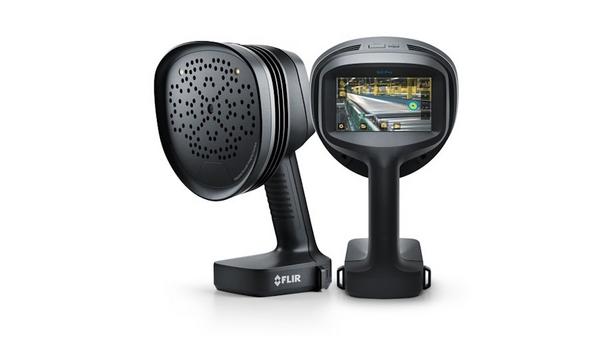
Acoustic imaging offers a powerful early warning solution, enabling operators to detect issues before they escalate and keep turbines running efficiently. For any government, sourcing energy involves complex decisions that extend beyond logistics, finance, and environmental considerations to include geopolitical factors. While all of these elements have influenced the rapid expansion of wind turbines worldwide, environmental and geopolitical concerns have been particularly instrumental in driving their significant growth. The global rise of wind energy In 2023 the global wind industry installed a record 117 gigawatts of new capacity, a 50% increase compared to the previous year. This surge brought the total global wind capacity to over 1,000 gigawatts. China led the way in new installations, followed by the United States, Germany and India. The vast majority of wind turbines are land based, with offshore making up the remaining 7%. However, offshore is experiencing faster growth and is expected to play a more significant role in the future as more countries develop and invest in the new technology. Looking to the future, the wind energy sector is expected to continue its growth trajectory, with an anticipated compound average growth rate of 8.8% according to the Global Wind Energy Council. Offshore wind capacity, where stronger and more consistent winds are experienced, is expected to grow tenfold from its current level by 2030, exemplifying the sector’s staggering growth. Challenges in turbine maintenance The very nature of wind capture means that wind turbines are usually located in remote, hard the reach areas. Offshore windfarms clearly pose logistical challenges both in terms of construction and maintenance, but even land-based turbines often create real challenges for maintenance crews when positioned in remote mountainous terrain where wind capture is maximized. Maintenance logistics even within the turbine itself can be a challenge. The nacelle, which houses the gearbox must be accessed via the tower with very limited space to move around. Inserting heavy components and lubricating oil into the nacelle is often difficult. For this reason, any measure that enhances the durability and reliability of key nacelle components is highly valuable to wind farm operators. Monitoring of critical components One of the critical components of a wind turbine is the gearbox. It is responsible for increasing the rotational speed from the blade shaft to the electrical generator, decreasing torque and increasing speed. Many designs incorporate planetary gearbox systems, given the efficiency of these systems to increase speed from the shaft. Containing an array of helical gears and multiple bearings these gearboxes are both intricate and expensive. Failure can prove extremely expensive both in terms of replacing components, but also in turbine downtime, as logistical challenges of getting replacement parts often proves difficult. For these reasons, proactive condition monitoring of critical components is essential. Early detection of potential issues allows operators to address problems before they escalate, reducing costly downtime and extending the lifespan of the turbine. Acoustic imaging as an effective early warning system Flir have introduced a series of advanced acoustic imaging cameras capable of detecting abnormal sounds that occur when a bearing is showing early signs of failure. These handheld cameras are non-obtrusive and can pick up sounds from a significant distance, keeping the operator safe and allowing for inspections without halting operations. The Flir Si2-Series features a 12 MP camera that captures sound, and the signal is displayed on a 5-inch, 1280 × 750 high-definition color screen providing clear, concise, real-time results. These lightweight, cutting-edge devices are designed to provide an early warning system for preventative maintenance. Detecting abnormalities in bearings and gearbox systems is just one of their many applications. They can also identify leaks in compressed air or gas systems and detect partial discharge in electrical systems, offering not only significant cost savings but also ensuring health and safety in potentially hazardous environments.
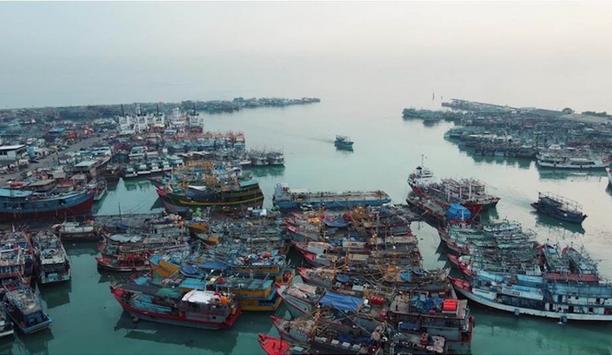
Nizam Zachman Port, one of Indonesia's most important fishing hubs, supports thousands of local fishermen and maritime businesses. Recognizing the potential to enhance operations and better serve the community, the port management deployed Hikvision’s AIoT (AI-powered Internet of Things) technologies to make the port smarter and more efficient. Standard AIS signaling Port management identified several key areas where they believed technology could make a significant difference Every day, Nizam Zachman Port handles huge volumes of fish destined for both the Indonesian domestic market and for export around the world. Such an operation relies heavily on technologies that can make the port safer, more efficient, and more secure. Recently, the port management identified several key areas where they believed technology could make a significant difference. The first was to develop comprehensive capabilities to identify ships entering their waters, including unregistered fishing boats that don't use standard Automatic Identification System (AIS) signaling. They wished to adopt a unified detection approach that would operate effectively in all weather conditions, from foggy mornings to dark nights. Traditional communication methods The management team also recognized the value of upgrading their ship-counting and reporting systems. While their experienced staff performed excellent manual counting, management knew that combining human expertise with automated technology could deliver even more accurate records. This would be particularly valuable during busy periods, and when ships arrive at night and depart before dawn. Another area for improvement was communication. Here, the management team wanted to replace traditional communication methods with a modern audio system for efficient message delivery across the harbor. Innovative technologies for a smarter port To put their plans into action, Nizam Zachman Port partnered with PT. Dea Global Niaga, who designed a comprehensive system that perfectly matched the port's ambitious goals. Ship detection and identification: At the heart of the new system is an Anti-corrosion Thermal & Optical Bi-spectrum Network Positioning System (DS-2TD6267-100C4L/WY). This specialized camera uses thermal imaging to detect heat signatures from ship engines and hulls up to 2 km away and works equally well in fog, rain, or darkness. The casing meets the NEMA-4X anti-corrosion standard, ensuring durability in the salty sea environment. The camera is complemented by a Security Radar (DS-TDSB0W-FK/2km). At any point in time, this can identify and track the movement of up to 32 vessels in the harbor, providing detailed speed and distance information. When the radar detects movement, it automatically directs the camera system for seamless coordination. Enhancing perimeter security: To enhance perimeter security, two DarkFighter IR Network Speed Domes (DS-2DE5425IW-AE(T5)) have been installed. These cameras, with their Pan-Tilt-Zoom (PTZ) functionality, offer flexible movement and orientation. They come equipped with a 25x optical zoom, enabling them to provide detailed views of the port’s perimeter, ensuring that any incidents are quickly identified, even in low-light conditions. Improving communications across the port: For communication, seven Network Speakers (DS-QAZ1310G1T-E) have been installed across the port. These speakers allow the command center to broadcast announcements and alerts much more efficiently than before. Centralized intelligence: Everything connects through Hikvision’s 64-Channel 8K Network Video Recorder (DS-9664NI-M16/R), to the HikCentral Professional Platform. This video management platform serves as the system’s brain, automatically counting ships, analyzing patterns, and generating comprehensive reports that provide valuable insights into port traffic. Enhanced efficiency, accuracy, and community safety According to Mr. Al Fajar Alam, a Port Master at Nizam Zachman Port, the results have been remarkable. “The capability to maintain high performance in all-weather ensures that no ship goes undetected,” he said. The automated ship counting system delivers accurate information that improves everything from fee collection to capacity planning. As a result, port operations became significantly more efficient, with automated systems handling routine monitoring while staff focus on higher-value activities. Benefit from enhanced security and smoother processes For the broader fishing community, these advances mean a safer, more organized port experience “Communication has also been improved dramatically,” Mr. Alam added, “Port staff can now deliver clear messages instantly throughout the harbor. Emergency announcements, docking instructions, and routine communications now flow smoothly through the IP speaker system.” For the broader fishing community, these improvements mean a safer, more organized port experience. Fishing operations benefit from enhanced security and smoother processes, while the entire local maritime economy gains from having a truly modern facility. Maritime tradition meets AIoT The transformation showcases what's possible when maritime tradition meets AIoT. Nizam Zachman Port hasn't just upgraded technology–they've reimagined how a fishing port operates in the modern era. As other ports across Indonesia seek modernization, this project stands as an inspiring example of how AIoT can enhance community-focused maritime facilities while preparing them for future growth.
Furnaces play a critical role in refining and petrochemical operations, providing the high temperatures required for essential processes. When they fail, the consequences can be severe both in terms of safety and operational losses. A single day of unplanned downtime can result in losses exceeding $1 million. This is why companies like PROtect, under the leadership of Jason Czajkowski, are leveraging modern infrared (IR) technologies to conduct smarter, safer, and more cost-effective furnace inspections. Evolution of IR furnace cameras IR technology in furnace inspections has evolved significantly over the past three decades. Early tools like the Agema 550 and Inframetrics 390 laid the groundwork for remote temperature diagnostics in extreme environments. These early cameras were bulky and required extensive setup, but opened the door to non-contact thermal inspections. Real-time thermal imaging FLIR’s GF309 became the workhorse of the industry, offering real-time thermal imaging through flames Later, FLIR’s GF309 became the workhorse of the industry, offering real-time thermal imaging through flames with improved ergonomics. However, the GF309’s 320 × 240 resolution limited its ability to detect fine anomalies, especially at a distance. Czajkowski recognized the need for greater clarity and transitioned PROtect to the FLIR G609, which features a 640 × 480 detector. This allows PROtect technicians to detect smaller anomalies such as hot spots, coke buildup, or insulation breakdowns earlier and from safer distances. Introducing the FLIR G609: A smarter tool for a safer job The G609 represents the latest in FLIR’s IR camera evolution. It is built specifically for high-temperature applications and comes equipped with a re-engineered heat shield, factory-calibrated furnace lens, and a modern touchscreen interface. PROtect’s field teams report that the camera’s intuitive controls and robust design make it a reliable tool in even the harshest conditions. With its increased resolution, the G609 can accurately measure temperatures on narrow furnace tubes deep within radiant sections something older models struggled with. "It’s not just clearer images," Czajkowski explains, "It’s better decisions, faster." Complete solutions: Pairing the G609 with software With the Route Creator tool, inspections are no longer reactive they’re pre-planned and executed with precision What truly transforms the inspection process is the integration of FLIR’s Thermal Studio Pro software. With the Route Creator tool, inspections are no longer reactive they’re pre-planned and executed with precision. Technicians follow a defined route with inspection points loaded into the camera, eliminating guesswork and ensuring consistency. Manual sorting and documentation After inspections, images are automatically organized by inspection point, and reports are generated in minutes using professional templates. This saves countless hours of manual sorting and documentation, freeing up inspectors to focus on analysis and decision-making. According to Czajkowski, "This combination of camera and software creates a seamless workflow from planning to reporting." Real-world results: Safer plants, better uptime Early detection of a developing hot spot let a refinery to schedule a repair during planned downtime By adopting the G609 and an integrated software approach, PROtect has helped clients detect issues like burner misalignment and developing coking conditions early, preventing costly shutdowns. In one instance, early detection of a developing hot spot allowed a refinery to schedule a repair during planned downtime avoiding an emergency outage and saving hundreds of thousands in potential losses. Conclusion Infrared furnace inspections have matured from a specialty technique to an essential maintenance strategy. With modern tools like the FLIR G609 and expert leadership from professionals like Jason Czajkowski, PROtect is setting new standards for asset reliability. IR inspections now provide not only sharper thermal images but also faster workflows, greater safety, and measurable ROI. As Czajkowski affirms, "We’re not just taking pictures we’re delivering solutions that protect assets, budgets, and people."
Round table discussion
Many of us take critical infrastructure for granted in our everyday lives. We turn on a tap, flip a switch, push a button, and water, light, and heat are all readily available. But it is important to remember that computerized systems manage critical infrastructure facilities, making them vulnerable to cyber-attacks. The recent ransomware attack on the Colonial Pipeline is an example of the new types of threats. In addition, any number of physical attacks is also possibilities. We asked this week’s Expert Panel Roundtable: What are the security challenges of protecting critical infrastructure?

Large public events were out of the question during the depths of the pandemic. However, public events are likely to experience a resurgence along with a more optimistic outlook in the coming months. In addition, there will likely be pent-up enthusiasm for these events among individuals weary from months of isolation. We asked this week’s Expert Panel Roundtable: What are the security challenges of public events planners in 2021?
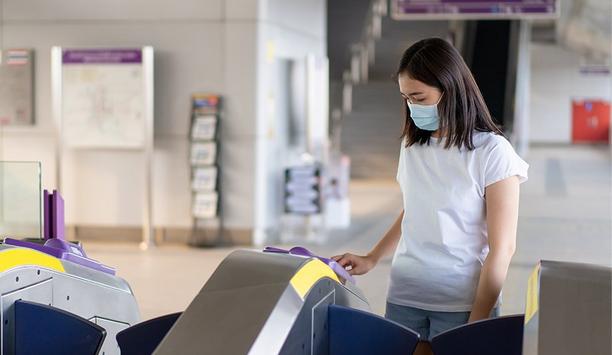
In the past few weeks, the light at the end of the COVID-19 tunnel has brightened, providing new levels of hope that the worst of the pandemic is behind us. Dare we now consider what life will be like after the pandemic is over? Considering the possible impact on our industry, we asked this week’s Expert Panel Roundtable: Which security technologies will be most useful in a post-pandemic world?
Products
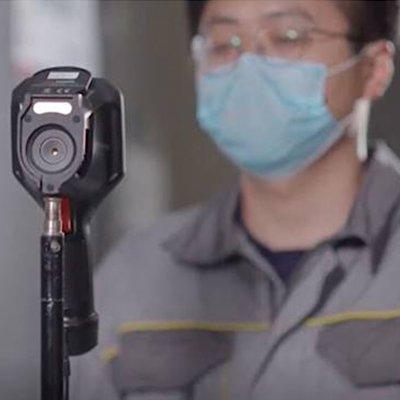
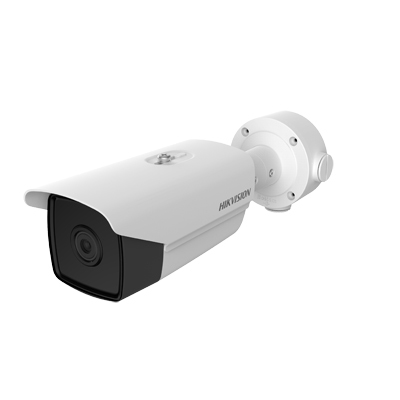
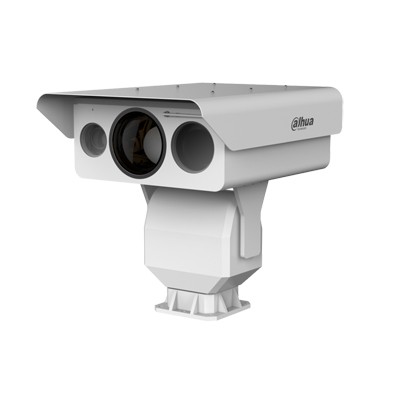
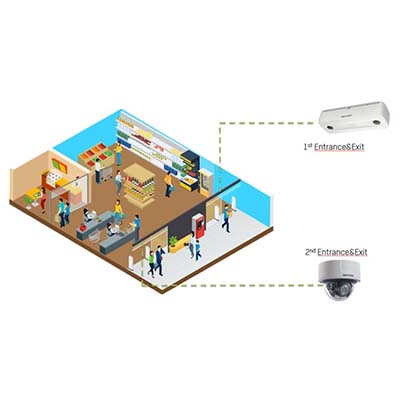
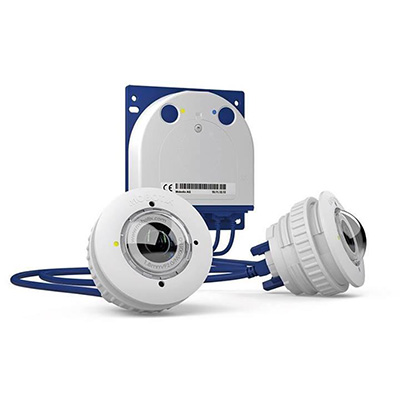
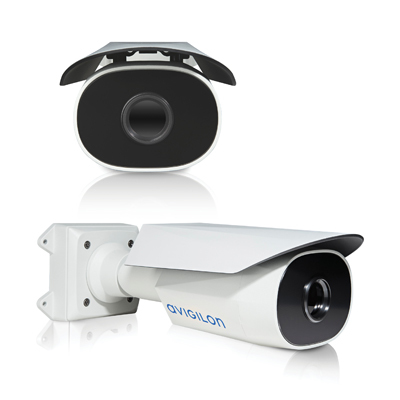
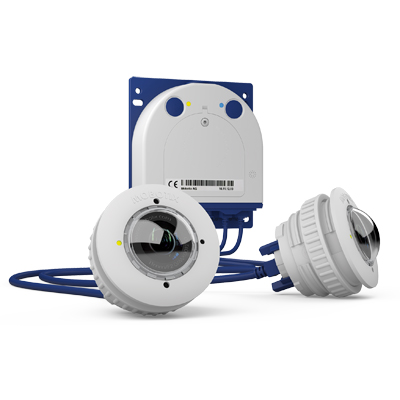
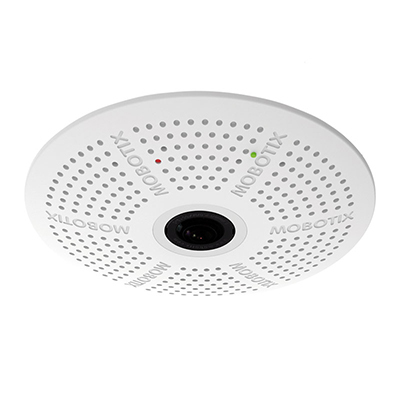
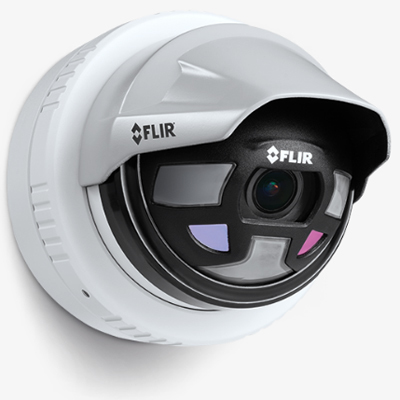
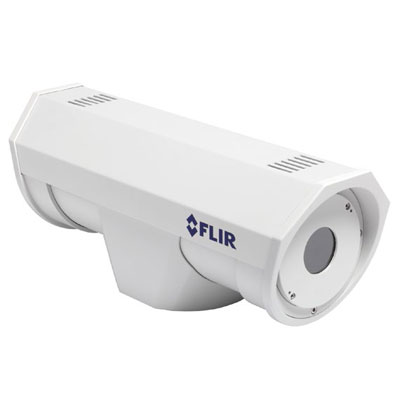
White papers
How Security Systems Ensure Healthy Workplaces During COVID and After
Download
Delivering a Smart, Secure and Healthy Workplace with Cloud
Download
Building A Safe Ecosystem For Visitors Post COVID-19
Download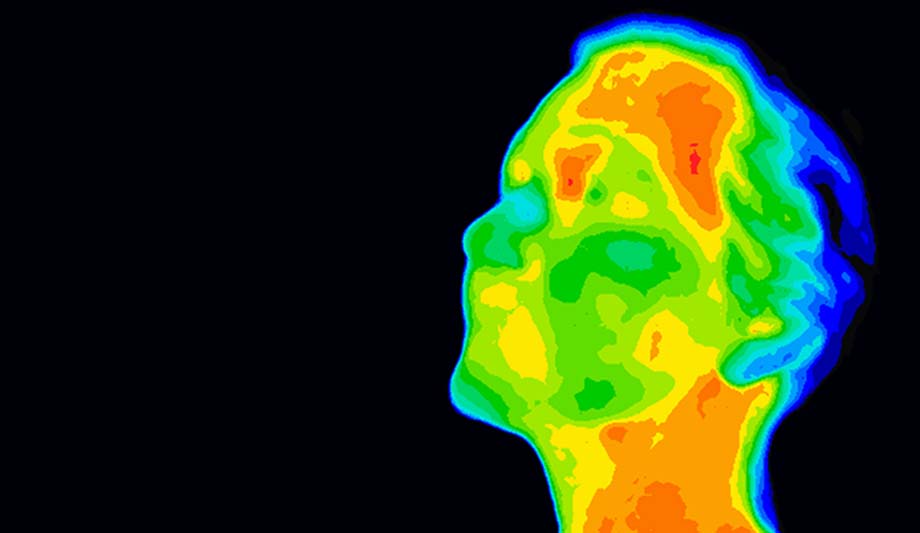
Thermal Cameras: Can They Accurately Detect Body Temperatures?
Download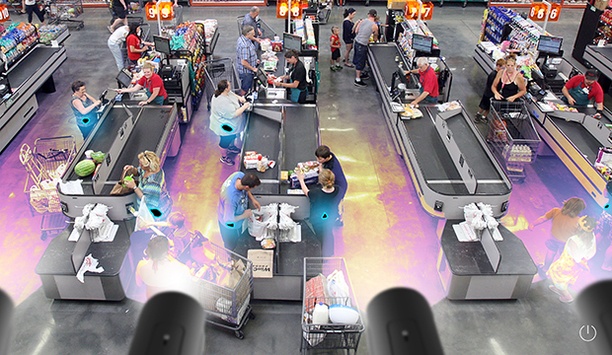
How To Catch Shoplifters With Thermal Imaging
Download




Thermal imaging: Manufacturers & Suppliers
- FLIR Systems Thermal imaging
- DRS Thermal imaging
- Axis Communications Thermal imaging
- DALI Thermal imaging
- Bosch Thermal imaging
- Honeywell Security Thermal imaging
- Guide Infrared Thermal imaging
- Geutebruck Thermal imaging
- Videotec Thermal imaging
- Dahua Technology Thermal imaging
- RIVA Thermal imaging
- Pelco Thermal imaging
- LTV Europe Thermal imaging
- Panasonic Thermal imaging
- Hanwha Vision Thermal imaging



