Cyber security








News

GISEC Global 2026, the Middle East & Africa’s largest and most impactful cybersecurity event, concluded its 15th edition following three days of international collaboration, technology innovation and high-level dialog on the future of cyber resilience. Held for the first time at Dubai Exhibition Centre, Expo City Dubai, the 2026 edition welcomed thousands of visitors from more than 130 countries, alongside 750+ global cybersecurity brands and 350+ speakers. The international turnout brought governments, national cyber authorities, global CISOs, technology leaders, cybersecurity experts and emerging talent to Dubai, reinforcing GISEC Global’s role as an international meeting point for the cybersecurity community. National cyber authorities Under the theme ‘Cyber First: The New Digital Order’, GISEC Global examined how artificial intelligence, digital sovereignty, nation-state threats, critical infrastructure security and quantum technologies are reshaping national and enterprise cyber resilience. The inaugural Cyber First Leadership Summit brought ministers, national cyber authorities, global CISOs and technology leaders together to examine the geopolitical and economic implications of an increasingly contested digital environment. The program was complemented by the Global Leaders Series, including an invitation-only Global Leadership Roundtable bringing together H.E. Dr Mohamed Al Kuwaiti with senior cybersecurity leaders from Visa, Schneider Electric and Under Armor to examine AI sovereignty and the protection of the US$28 trillion digital economy. Building resilient digital economies Across three days, more than 350 speakers explored the implications of AI, digital sovereignty, operational resilience and quantum computing for cyber defense, while exhibitors, government partners and technology companies announced new partnerships and initiatives spanning threat intelligence, workforce development, secure AI adoption and national cyber resilience. H.E. Dr Mohamed Al Kuwaiti, Head of the UAE Cyber Security Council, said: “Cybersecurity challenges increasingly transcend borders, making international cooperation essential to building resilient digital economies. The participation of cybersecurity leaders and professionals from across more than 130 countries at GISEC Global reflects the importance of bringing the international community together to exchange knowledge, strengthen partnerships and develop coordinated responses to emerging threats. The UAE remains committed to advancing this dialogue and supporting a secure and trusted digital future.” Global cybersecurity business Trixie LohMirmand, Executive Vice President of inD and organiser of GISEC Global, said: “The attendance of international executives and cyber leaders at GISEC Global reaffirms the confidence in Dubai and the UAE as a global nexus of tech collaboration. Leaders from corporates, economies and governments from more than 130 nations came with renewed commitment and conviction, affirming this as the stage for global cybersecurity business and partnerships.” "That confidence carries real momentum, as Global Quantum X in partnership with the UAE Cyber Security Council joins GISEC Global in May 2027, bringing new quantum and cybersecurity dynamics to one stage. Before then, GITEX GLOBAL this December in Dubai converges the global tech ecosystem, closing an extraordinary year for innovation, investment and collaboration.” Security certification training Among the strategic partnerships announced at GISEC Global 2026, the UAE Cyber Security Council and Group-IB unveiled a collaboration spanning threat intelligence exchange, incident response and cybersecurity capacity building, alongside plans to establish a joint Innovation Center of Excellence in the UAE. GISEC Global also witnessed the launch of the second cohort of ‘She Protects’, the national cyber talent initiative led by Microsoft and CPX, a G42 company, with the support of the UAE Cyber Security Council. Building on the inaugural cohort, which graduated 50 women and helped more than 10 participants secure internships and full-time roles, the program will expand to welcome more than 150 university students and recent graduates from across the UAE. The initiative combines security certification training, threat education, immersive cyber simulations and career-readiness support to help build the next generation of cybersecurity talent. Discussions spanning sovereign AI As Lead Strategic Partner of GISEC Global 2026, Huawei showcased its approach to cybersecurity in the AI era through discussions spanning sovereign AI, security operations, cyber resilience and proactive defense. Huawei Cloud also launched its MaaS Security Whitepaper, outlining a shared-responsibility approach to secure large-scale enterprise AI adoption. As Official Government Cybersecurity Partner of GISEC Global, the Dubai Electronic Security Center (DESC) showcased a series of initiatives spanning government cyber capability, innovation and talent development. Strengthening deepfake detection capabilities The second edition of the Dubai Cyber Challenge Government Edition convened 30 teams from Dubai Government entities across web security, digital forensics, reverse engineering, cryptography and artificial intelligence. Digital Dubai secured first place, followed by the Federal Authority for Identity, Citizenship, Customs and Port Security – GDFRA Dubai in second, and the Roads and Transport Authority (RTA) in third, with AED 100,000 awarded to the top three teams. The School of Cyber Defense attracted more than 400 registrations from university students across the UAE, supporting aspiring cyber professionals with specialized skills and practical experience. In parallel, DESC unveiled SARAAB, the region’s first government-developed open-source AI model designed to detect deepfake videos, enabling researchers and developers to strengthen deepfake detection capabilities. The Centre also introduced the Dubai Cyber Skills Framework, establishing a unified reference for cybersecurity qualifications, certifications and career progression across the emirate. Quantum-secured communications GISEC Global 2026 also looked ahead to the next major shift in the global technology landscape with the announcement of Global Quantum X (GQX), a new event launching alongside GISEC Global in Dubai in 2027. Bringing together governments, researchers, technology companies and cybersecurity leaders, GQX will address quantum computing, quantum-secured communications and next-generation sensing, while its co-location with GISEC Global will put particular focus on post-quantum security, cryptographic transition, critical infrastructure protection and national quantum readiness. The launch builds on the quantum security discussions held at GISEC Global 2026 and extends the event’s focus from today’s cyber threats towards the technologies and security challenges expected to define the next decade. GISEC Global will return to Dubai Exhibition Centre, Expo City Dubai, from 4–6 May 2027.

Cyble, a global AI-native cybersecurity company, announces the signing of a Memorandum of Understanding (MOU) with the Cyber Security Council of the United Arab Emirates (UAE), the federal entity responsible for strengthening the UAE's cybersecurity posture. The agreement formalizes a strategic collaboration centered on Cyble's threat intelligence capabilities, marking a significant milestone in Cyble's engagement with the UAE's national cybersecurity ecosystem. The MOU establishes a framework for Cyble to support the Council's mission of protecting UAE's digital infrastructure, with a focus on delivering advanced threat intelligence, early warning capabilities, and actionable insights into emerging cyber risks facing government and critical-infrastructure entities across the country. Sophisticated cyber threats This collaboration reflects the UAE's continued commitment to building a resilient, forward-looking cybersecurity posture at the national level, and positions Cyble as a trusted technology partner within that effort. By working closely with the Council, Cyble aims to help strengthen visibility into threat actors, malicious campaigns, and vulnerabilities that could impact the UAE's most critical systems and services. "This is not just a partnership announcement. It is a strategic validation of Cyble's capabilities at the national cybersecurity level and potentially a gateway to the UAE government and critical-infrastructure ecosystem," said Beenu Arora, CEO and Co-Founder, Cyble. "Working alongside the Cyber Security Council underscores the trust placed in our threat intelligence platform and reflects the growing importance of proactive, intelligence-led defense in protecting nations against increasingly sophisticated cyber threats." National security priorities "The Cyber Security Council is committed to building strategic partnerships with world-class technology providers that strengthen the UAE's cyber resilience at every level," said H.E. Dr. Mohamed Al Kuwaiti, Head of Cyber Security for the UAE. "This MOU with Cyble reflects our shared commitment to safeguarding the nation's digital infrastructure through advanced threat intelligence and proactive, intelligence-led defense — ensuring the UAE remains at the forefront of global cybersecurity readiness." The agreement builds on Cyble's broader strategy of deepening engagement with government and regulatory bodies across the Middle East, reinforcing its position as a trusted partner to national cybersecurity authorities navigating an increasingly complex threat landscape. Cyble's threat intelligence platform, Cyble Vision, powered by Blaze AI, will play a central role in the collaboration — delivering rapid detection, automated analysis, and contextual insights into ransomware, phishing, fraud, and other evolving threats relevant to national security priorities.

The sell-out success of the 15th edition of GISEC Global, attended by thousands of cyber professionals from over 130 countries on the opening day at the Dubai Exhibition Centre (DEC) has reaffirmed the high international demand for tech collaboration in Dubai, catalysing the launch of a new show uniting the world’s quantum and cybersecurity sectors. Global Quantum X (GQX) by GITEX, announces, will convene governments, quantum technology leaders, national cybersecurity authorities, research institutions, enterprise adopters and investors to explore the technologies, applications and security frameworks shaping a new quantum era that could unlock trillions of dollars’ worth of global economic value. Global economic value GQX 2027 by GITEX is launched in partnership with GISEC Global – among the world’s top three largest cyber intelligence events – and GITEX, the world’s largest AI and tech ecosystem network. GQX 2027 will be hosted alongside GISEC Global 2027 in strategic partnership with UAE Cyber Security Council, converging the rapidly advancing worlds of quantum technology and cybersecurity as governments and businesses prepare for a new era of digital risk and opportunity. The announcement comes as quantum technology moves rapidly from scientific research towards commercial application. According to McKinsey's Quantum Technology Monitor 2026, one-third of global enterprises now allocate more than US$10 million annually to quantum initiatives, with quantum technologies potentially unlocking US$2.7 trillion in global economic value over the next decade. Protecting sensitive data For the cybersecurity community, however, the transition also presents an urgent challenge. The computing capabilities being developed today have the potential to transform industries from financial services and life sciences to logistics and advanced manufacturing, while requiring governments and organizations to rethink how they protect sensitive data, critical infrastructure and digital identities for the decades ahead. H.E. Dr Mohamed Al Kuwaiti, Head of the UAE Cyber Security Council, said: “As we welcome the world to GISEC Global’s largest edition yet, the transition to the post-quantum era is one of the most pivotal shifts our industry faces. Meeting it requires the same international collaboration we have championed through this show.” Accelerating commercial adoption “Launching Global Quantum X allows us to bring quantum-safe migration, sovereign cryptographic capability and national readiness testing to a truly global stage, and to help governments and enterprises everywhere close the gap between today’s defences and tomorrow’s threats.” GQX 2027 advances the growing focus on quantum security globally, where post-quantum readiness, sovereign cyber capability and the protection of critical systems form part of the wider Cyber First: The New Digital Order agenda this week at DEC Expo City Dubai. GQX formalises and accelerates this momentum, where the quantum technology and cybersecurity communities can address both sides of the transition – accelerating commercial adoption while developing the security, governance and cryptographic capabilities required to support it. Spanning quantum computing Trixie LohMirmand, Executive Vice President of inD, organiser of GISEC Global and GQX, said: “Quantum computing has crossed the threshold from scientific promise to commercial strategy, and the pace of that shift is accelerating faster than most enterprises have planned for. The same computing power that will unlock breakthroughs in medicine, materials and finance will also put today’s encryption at risk, which is why quantum and cybersecurity can no longer be dealt with separately. GQX by GITEX at GISEC Global creates a powerful convergence between the best minds and companies developing the next generation of computing and those responsible for securing it.” The introduction of GQX by GITEX alongside GISEC Global 2027 from 4-6 May 2027 at the Dubai Exhibition Centre will accelerate cross-border collaboration and investment into one of technology’s fastest-developing frontiers. GQX will focus on an emerging quantum ecosystem spanning quantum computing, quantum-secured communications and next-generation sensing, while its co-location with GISEC Global will create a particular focus on post-quantum security, cryptographic transition, critical infrastructure protection and national quantum readiness.

Fime announces the acquisition of Red Alert Labs, taking a further step in its strategy to become a global Digital Trust Provider. The acquisition adds cybersecurity evaluation, certification expertise and compliance automation to Fime’s established capabilities across payments, smart mobility and digital identity. Trust infrastructure As digital ecosystems become increasingly interconnected, trust can no longer be addressed in silos. Payments, digital identities, connected devices and emerging AI-enabled services increasingly rely on the same foundations: security, interoperability, compliance and the ability to demonstrate that technologies continue to operate as intended. Fime’s ambition is to provide the trust infrastructure that enables these ecosystems to scale, combining expertise, testing and assurance platforms, independent evaluation and certification capabilities across the lifecycle of digital products and services. Red Alert Labs strengthens this strategy with deep cybersecurity expertise and its CyberPass compliance automation platform. Alongside accredited security evaluation, CyberPass enables manufacturers to assess and continuously improve their compliance readiness, while helping schemes and certification ecosystems manage and industrialize assessment and certification processes at scale. This capability is increasingly critical as new cybersecurity regulations come into force. From 11 September 2026, Cyber Resilience Act (CRA) reporting obligations apply, with the Act’s main obligations taking effect from 11 December 2027. Manufacturers will increasingly need to demonstrate cybersecurity compliance not simply at launch, but throughout the lifecycle of their products. Together, Fime and Red Alert Labs will support customers from advisory and security by design through implementation, testing, evaluation and certification to continuous assurance. This extends Fime’s established approach in payments and digital identity into cybersecurity, enabling customers to bring trusted technologies to market faster and maintain trust as products, regulations and threats evolve. Expert insights “Our ambition is to make Fime a global Digital Trust Provider,” said Lionel Grosclaude, CEO of Fime. “For more than three decades, we have helped build trust in payments, and we have extended that expertise into digital identity and smart mobility. Cybersecurity is the next natural step. These markets are converging: customers increasingly need to prove not only that a product works and interoperates, but that it is secure, compliant and remains trustworthy throughout its lifecycle. Red Alert Labs brings us world-class cybersecurity expertise together with a platform approach that will help us deliver that trust at scale.” “Red Alert Labs was built around the idea that cybersecurity assurance needs to become scalable and continuous,” said Roland Atoui, founder and Managing Director of Red Alert Labs. “Joining Fime gives us the opportunity to combine our accredited evaluation expertise and CyberPass platform with Fime’s global testing, certification and digital trust capabilities. Together, we can help manufacturers continuously assess their compliance readiness, help schemes industrialize certification, and extend cybersecurity trust into digital identity, wallets and emerging agentic ecosystems.” Future of Red Alert Labs Red Alert Labs will continue to operate as an accredited and independent cybersecurity laboratory, preserving the accreditations and technical autonomy that underpin its reputation. Under the identity Red Alert Labs, cybersecurity by Fime, it will combine its established security expertise and technology with Fime’s global capabilities and reach. Roland Atoui will continue to lead Red Alert Labs, with an expanded scope encompassing Fime’s security activities globally,
Expert commentary
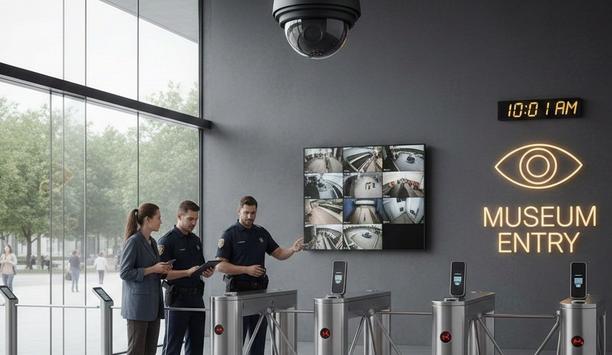
It took just seven minutes to steal more than $100 million in jewels from the Louvre, in an operation so swift and precise it exposed a deeper flaw in how even the most secure institutions protect what matters most. It's reignited global scrutiny of both physical and digital security, revealing how gaps in coordination can turn sophisticated systems into operational failures. Video intelligence and integrated monitoring Across museums, government facilities, and corporate campuses, video security, analytics, and access control often operate in isolation. In the Louvre’s case, investigators later discovered that the only exterior camera near the Apollo Gallery was pointed west, leaving a point of entry completely unseen. Emerging video intelligence and integrated monitoring technologies show how unified systems could have changed the outcome by preventing the breach altogether or dramatically accelerating the investigation that followed. As threats grow more sophisticated, so must the systems that defend against them. Disciplined system design, measurable performance standards, and continuous validation are what close security gaps. The Louvre incident highlights the industry’s shift toward a new expectation: security systems must not only capture video but understand context, anticipate failure points and maintain reliable performance under real-world conditions. From blind spots to comprehensive awareness Modern systems combine wide dynamic range, infrared and low-light capabilities, and flexible mounting designs Fragmented visibility and weak system governance often create the very conditions that allow sophisticated breaches to occur, where technology can exist, but coordination, oversight, and accountability often fall short. A high-performing perimeter begins with quantifiable coverage targets — field of view, redundancy thresholds, and camera utilization rates — rather than assumptions about what “should” be visible. Modern systems combine wide dynamic range, infrared and low-light capabilities, and flexible mounting designs to ensure 24-hour situational awareness, even in visually complex environments like the Louvre. When combined with redundant recording and cross-camera correlation, these features ensure that even if one device is compromised or obstructed, others maintain continuous visibility. The result is a perimeter with resilient coverage. Systems should be engineered to maintain visibility under failure conditions, measure performance against predefined KPIs, and surface anomalies automatically. Intelligent detection and real-time response Advanced analytics would have recognized the Louvre intrusion sequence as it unfolded. For instance, detecting the window breach, identifying unauthorized movement, and immediately notifying on-site security. What became a seven-minute heist could instead have been a single, automated alert cycle. These systems interpret what’s happening by reading patterns of movement, environmental cues, and timing. They learn to tell the difference between ordinary activity and something that’s off. Here’s how that works in practice: Unauthorized Access Detection: Spots break-ins or forced entry by recognizing sudden motion or environmental changes that don’t match normal use, like a window opening when it shouldn’t. Loitering and Suspicious Behavior Recognition: Flags individuals lingering too long near restricted areas, giving security teams an early signal to check in before a situation escalates. Abnormal Motion Tracking: Picks up on unusual movements like running, erratic pacing, or carrying hidden objects. Object and Intrusion Differentiation: Knows the difference between a person and a passing shadow, cutting down on false alarms triggered by lighting shifts or reflections. Real-Time Alerts and Escalation: Sends instant notifications to control rooms or mobile devices so teams can coordinate a response within seconds. Together, these capabilities shift security from passive recording to active interpretation, enabling faster decision-making that can be measured, refined, and validated over time. Cybersecurity: The overlooked layer of physical security The foundation of strong digital power lies in protecting the technology that protects everything else Investigators later discovered that the Louvre’s security system was protected by the password: “Louvre.” It’s a reminder that even the most sophisticated physical security system can be undone by the weakest digital link. A state-of-the-art camera system or motion sensor grid can underperform if the software is exposed or improperly managed. The foundation of strong digital governance lies in protecting the technology that protects everything else. Cybersecurity: Defences and system access controls Protection of the security system itself. One of the most fundamental defenses is enforcing robust credentials and multi-factor authentication for every user. Many organizations still rely on static passwords or shared logins for convenience, leaving systems vulnerable to both external intrusion and insider misuse. Multi-factor authentication ensures that even if a password is stolen, attackers can’t gain access without a verified secondary factor. Whether that’s a physical token, mobile verification, or biometric check. For security operations centers, where access often extends across multiple facilities or cloud environments, this extra layer can mean the difference between a minor attempt and a full-scale breach. Vetted system administration management. Another equally important defense is the establishment of tiered administrative privileges. Not every user needs full access to system configurations, live feeds, or stored recordings. Limiting permissions based on role and responsibility not only reduces the potential impact of human error but also minimizes the damage if an account is compromised. Tiered access also introduces operational accountability, ensuring that sensitive functions, such as disabling cameras or altering detection zones, are limited to authorized personnel and subject to approval of workflows. Secure audit trails. Comprehensive audit logging is what brings digital oversight and accountability full circle. Every access attempt, system change, and data export should be recorded, timestamped, and monitored for anomalies. When properly implemented, audit trails not only support investigations after an incident but can also serve as early warning systems for suspicious behavior. Automated alerts tied to unusual access patterns or repeated failed login attempts can prevent breaches before they escalate. Integrating these principles aligns physical security with modern cybersecurity standards, ensuring resilience against both external and insider threats. Future designs for resilient security High-profile cases like this year’s security breach at the Louvre rarely stem from a single flaw. They arise from the absence of integrated oversight and collaboration between physical, digital, and operational layers. The path forward lies in a unified model of security that blends comprehensive coverage, intelligent analytics, and secure system governance into a continuous, adaptive framework. When these elements work together, institutions can evolve from reacting to incidents toward anticipating and preventing them. Again, as threats grow more sophisticated, so must the systems that defend against them. Whether protecting cultural landmarks, critical infrastructure, or enterprise environments, the future of video security must anticipate, protect, and build trust by design.

A lot has been said about door security — from reinforced door frames to locking mechanisms to the door construction — all of which is crucial. But what security measures are in place beyond the perimeter door in case the worst happens and it’s somehow breached? Hopefully, many more levels of access control are in place to prevent, or at least slow down, a perpetrator’s ability to compromise protected assets. Additional interior layers Interior security measures must operate as an integrated, multilayered system that eliminates single points of failure. These inner protections safeguard not only the physical infrastructure but also the operational integrity, confidentiality, and availability of the systems housed within. Beyond simply preventing unauthorized individuals from getting inside, the goal is to create a controlled, monitored, and resilient environment in which every movement, action, and access attempt is verified, logged, and, when necessary, challenged. As modern buildings, data centers, and infrastructure sites host critical functions and potentially sensitive intellectual property, these additional interior layers become essential to protecting both organizations and their proprietary assets. Interior security controls One of the most important interior security controls is granular access segmentation One of the most important interior security controls is granular access segmentation. While a perimeter door may verify an individual’s right to enter the building, the interior should treat every room, cage, and corridor as its own security zone. Role-based access control and strict least-privilege principles should limit personnel to only the areas they absolutely require. For example, a network engineer may need access to routing equipment but not storage racks; a janitorial contractor might be allowed into shared hallways but not any equipment rooms at all. These access restrictions should be enforced using intelligent keys, biometric scanners, mantraps, and, at particularly sensitive locations, two-factor authentication. Segmenting access in this way limits the potential damage from a single compromised badge or insider threat and ensures that a single breach does not cascade into a total facility compromise. Low-light and infrared capabilities Biometric authentication within a building adds a layer of confidence beyond perimeter controls. Technologies such as facial identification help prevent the use of stolen, cloned, or borrowed credentials. These systems complement anti-tailgating measures, such as sally ports or mantraps, which ensure that only one authenticated person passes through at a time. Interior surveillance is another essential measure. High-resolution cameras equipped with low-light and infrared capabilities should cover every hallway, door, rack row, and logistical pathway. Camera feeds must be continuously recorded, and retention policies must align with regulatory requirements. Intelligent video analytics, such as motion pattern recognition and heat mapping, enable the detection of atypical behaviors — such as someone lingering near a cage they are not authorized to access or movement at odd hours. Physical tamper-detection mechanisms Cabinet security provides a vital layer of granularity in the access hierarchy, ensuring that even within secure facilities Integrating surveillance with access control systems creates a strong correlation; when someone successfully passes through a secured door and enters a room, the system can track whether the number of people seen on camera matches the number authenticated, and alert security if a discrepancy occurs. However, it is increasingly important that access control not stop at the room level, because the most sensitive assets are often housed in cabinets, racks, or storage units within already-secured spaces. Cabinet security provides a vital layer of granularity in the access hierarchy, ensuring that even within secure facilities, assets remain protected. Physical tamper-detection mechanisms on racks, cable trays, and server chassis add another dimension: they can detect if a panel is opened, a cable is unplugged, or a device is removed without authorization. Secure destruction protocols Another internal measure is the use of secure storage and chain-of-custody procedures for any components that contain intellectual property or personally identifiable information. Hard drives, backup media, and even printouts should be stored in locked cabinets accessible only to people with proper clearance. When decommissioning hardware, secure destruction protocols such as shredding or degaussing should be performed in controlled areas and thoroughly logged. Every movement of sensitive equipment should be traceable, from installation through end-of-life disposal. Such processes reduce the risk of data leakage from improperly discarded or undocumented devices. Consequences of improper behavior Staff should be trained to recognize social engineering attempts, unusual behaviors, and procedural deviations Operational security procedures also contribute significantly to interior protection. Background checks, ongoing employee vetting, and mandatory training ensure that individuals with access to sensitive areas understand their responsibilities and the consequences of improper behavior. Staff should be trained to recognize social engineering attempts, unusual behaviors, and procedural deviations. Maintaining a strict visitor escort policy prevents non-employees from wandering unobserved. All visitors should wear highly visible identification badges and be monitored continuously by authorized personnel. The building's interior should be treated as a controlled environment at all times, not merely a workspace. Continuous auditing and logging form Continuous auditing and logging form another pillar of interior security. Access logs from intelligent keys, biometrics, video, and environmental systems must be stored securely and evaluated regularly for anomalies. Automated systems can flag irregular patterns, such as repeated attempts to access unauthorized areas or entering rooms at odd hours. Manual audits validate that the access control list remains accurate, that no inactive or former employees retain credentials, and that documentation matches reality on the floor. These logs are indispensable during investigations, compliance assessments, and incident response efforts. Interior security controls Security networks should be isolated from the main IT networks to prevent a cyber incident Finally, redundancy and resiliency must be built into interior security controls. Electrical power for access control, intelligent keys, biometrics, and video systems should be backed by secondary sources, generators, or uninterruptible power supplies. Security networks should be isolated from the main IT networks to prevent a cyber incident from disabling physical protections. The goal is to ensure that interior security remains functional even during outages, disasters, or cyber disruptions. Multilayered approach Together, these additional interior measures create a layered defense that makes a secure building, data center, or infrastructure site extremely difficult to compromise. Rather than relying on a single barrier at the entrance, the environment becomes an ecosystem of mutually reinforcing controls — physical, operational, digital, and procedural. This multilayered approach allows structures to maintain high levels of protection even as threats evolve, ensuring that the systems inside remain secure, resilient, and trustworthy.

In today’s connected world, attacks are more likely to target digital than physical entry points. From ransomware and firmware tampering to remote hijacking, AI-driven phishing and automated vulnerability discovery, the nature of threats is evolving rapidly, and no industry can afford to neglect them. As our industry has moved from mainly mechanical to increasingly digital solutions, we have long recognized the importance of constantly monitoring and assessing the risks we face. This means not only meeting mandatory regulations but also voluntarily adopting international standards such as ISO 27001, which protects data and systems through a structured and independently audited framework. Today’s fast-changing risk environment is also why the EU introduced the Network and Information Security Directive 2 (NIS2) – to raise the bar for cybersecurity across Europe. But what do measures like NIS2 and the Cyber Resilience Act (CRA) mean in practice? How does the rise of AI fit in? And most importantly, what should our industry be doing to stay secure in such an unpredictable digital landscape? The new regulations Compliance is not just about meeting regulations, it is also a competitive advantage NIS2 is reshaping cybersecurity expectations by setting higher standards to reduce risk, improve transparency, and protect data and services. Alongside it, the CRA introduces mandatory requirements for products with digital components. This makes “secure by design,” regular updates, and compliance checks essential before products can enter the EU market. For companies in our industry, responsibilities now extend well beyond internal systems. Organizations must also ensure that suppliers and service providers comply, with regular risk assessments forming a central part of the process. The consequences of falling short are severe, ranging from significant fines and audits to the potential withdrawal of products from the market. For our customers, the message is clear: security must be built in from the start. Compliance is not just about meeting regulations, it is also a competitive advantage. At ASSA ABLOY Opening Solutions EMEIA, security is part of our DNA. We embed these standards into everything we do, giving customers solutions they can trust to be compliant and resilient. The rise of AI Artificial intelligence is transforming the digital security landscape and it cannot be separated from the regulatory framework shaping our industry. With AI advancing rapidly and new regulations coming into force, we have established a digital compliance framework to stay ahead of the curve and use AI as an enabler for improving security and achieving compliance. On one hand, AI brings powerful benefits, including more intelligent monitoring, faster anomaly detection, and smarter tools for operational efficiency. These capabilities directly support NIS2 and the CRA, particularly in the areas of proactive risk management and incident response. AI and building cybersecurity standards On the other hand, AI introduces new risks. The attack surface is expanding and threats such as deepfakes and smarter phishing create serious threats that regulators are determined to address. Both NIS2 and the CRA emphasize continuous monitoring, transparency and accountability, principles that must now also guide the responsible use of AI. At ASSA ABLOY Opening Solutions EMEIA, we see AI not just as a risk to mitigate, but as a capability to strengthen resilience and trust. That is why we are embedding strong governance practices around AI and building cybersecurity standards into every stage of product development. By doing so, we help our customers align with new regulations while ensuring AI serves as a tool for greater security and confidence. Trust and compliance Beyond our own operations, we are also committed to supporting customers on their compliance journey At ASSA ABLOY Opening Solutions EMEIA, we are taking NIS2, the CRA and the rise of cyber-threats seriously, ensuring compliance and enhancing trust with all our customers. We have reinforced supplier oversight, streamlined incident reporting, and embedded cybersecurity into every stage of product development and lifecycle management. Our teams also conduct ongoing risk assessments and post-incident reviews, ensuring that lessons are learned and improvements are made. By taking these steps, we not only meet regulatory requirements but strengthen the resilience of our supply chain and the trust customers place in us. Beyond our own operations, we are also committed to supporting customers on their compliance journey. Initiatives such as our recently released whitepaper “Enhancing Cyber–Physical Resilience with Digital Access Solutions” and a detailed NIS2 whitepaper developed in Germany last year provide clear, practical guidance. By showing what these regulations mean in practice and how intelligent access solutions can directly support compliance, we aim to make the path forward less complex and more achievable for our customers. Looking ahead The days when security threats to businesses and products were only physical are long passed. Today, we find ourselves in a world where the digital realm poses even more serious and constantly evolving challenges. It is therefore crucial that, as an industry, we take the necessary steps to meet the directives of NIS2 and the CRA and also constantly monitor the rise of AI. Only by doing so can we protect our customers, preserve our reputations, and build the trust that defines true leadership in security.
Security beat

Multiple technology trends are transforming the physical access control market. There is a fundamental shift away from physical cards and keys toward digital identities — mobile credentials, digital wallets, biometrics, and cloud-native access platforms. These next generation access solutions are radically reshaping how buildings operate, protect staff, and perform functionally. At the same time, AI and analytics solutions are being layered onto these physical access control systems to support predictive threat detection and behavioral insights. Access data itself is becoming an asset for sustainability, space optimization, and smart building initiatives. Risk, impact operations and experience The annual HID Global Security and Identity Trends Report highlights these and other issues The annual HID Global Security and Identity Trends Report highlights these and other issues. The survey cites improving user convenience as a priority for nearly half of organizations, while 41% are focused on simplifying administration, and 28% struggle with system integration. These are not theoretical challenges, they are day‑to‑day friction points that add cost, increase risk, impact operations and experience, and, of course, must be addressed. HID Global’s commercial focus HID Global’s commercial focus is to help organizations digitize their access control — with mobile identities, biometrics, and cloud platforms — and then to use the data to deliver more value. “We are turning access control from an operational cost into a software-driven asset that improves efficiency, supports Environmental, Social, and Governance (ESG) goals and even creates new revenue opportunities,” says Steven Commander, HID Global’s Head of Consultant Relations. The impact of digital transformation Digital transformation is the method of moving access control from hardware and physical credentials Digital transformation is in the process of moving access control from hardware and physical credentials to a software-driven, integrated experience. The transformation strengthens security while also improving user convenience — transforming the “pavement to the desk” journey. HID enables this shift through mobile credentials, biometrics, cloud-native platforms, and solutions that allow third-party applications to run on door hardware. “This helps customers turn access data into operational and commercial outcomes, while also improving the overall user experience,” says Commander. Digital transformation in access control is not focused on chasing the latest trends. Rather, transformation is about turning software, data and integration into outcomes that matter to customers, says HID. “Security becomes stronger and more adaptive,” says Commander. “Operations become simpler and more cost‑effective. Experiences become seamless and consistent. Sustainability moves from ambition to action. And the financial case becomes clearer as efficiencies are banked and new value streams emerge.” The challenge of futureproofing with long lifecycles Given that physical security technologies will be in place for 15 to 20 years, it is important to plan for how systems can evolve over time. Considering how rapidly security threats, compliance standards, and user expectations change, 15 to 20 years is a long time. The decisions made at the beginning of a system’s lifecycle can either limit flexibility later (which will be costly) or enable long-term adaptability. Support for open standards such as Open Supervised Device Protocol (OSDP) is therefore important Choosing products and platforms that are open, interoperable, and designed for updates can enable future-proof projects. Support for open standards such as Open Supervised Device Protocol (OSDP) is therefore important. In addition, systems built on open controller platforms — such as Mercury — enable organizations to switch software providers or expand functionality without replacing core door hardware. Architectural openness is key to system lifecycles and maximizing the return on investment (ROI) from a chosen solution. Digital credentials and mobile access Flexibility and upgradeability should also be top of mind when it comes to endpoints like access control readers. While RFID cards are still commonplace, there is a clear trend toward digital credentials and mobile access. Readers that support both allow organizations to transition at their own pace, without committing to a full system overhaul. A long system lifecycle does not mean technology should remain static. Security, particularly cybersecurity, demands more frequent updates. Technologies that support firmware upgrades in the field extend the value of a deployment while helping organizations keep pace with emerging threats. In that sense, lifecycle thinking is not just about longevity — it’s about maintaining resilience and readiness over time. Applying biometrics and mobile identities Biometrics is becoming mainstream as a credential alternative, strengthening security without adding friction Biometrics is becoming mainstream as a credential alternative, strengthening security without adding friction. Many organizations are now deploying biometrics to support fast, seamless access journeys, with adoption already around 39% in access control according to HID’s recent research. In addition, 80% of organizations surveyed expect to deploy mobile identities within the next five years. Full technology integration enables tap‑to‑access without opening an app; the user journey becomes faster, safer, and more convenient. “It is where the industry is headed and we are at the vanguard of this,” says Commander. Ongoing challenge of cybersecurity At HID Global, cybersecurity is embedded into everything, from corporate processes and development practices to the solutions they bring to market. “Our approach ensures that customers can strengthen their overall security posture, not only by deploying secure products but by benefitting from HID’s commitment to the highest industry standards,” says Commander. HID holds multiple globally recognized certifications, including ISO 27001, ISO 14298, SOC Type 2, and CSA STAR, which demonstrate their robust information security and cloud security practices. In addition, HID’s SEOS® secure chipset is independently SEAL-certified, providing one of the most advanced levels of protection available on the market today. “Ultimately, this means organizations are not just purchasing isolated secure products; they are implementing solutions developed and delivered within a comprehensive, cybersecure framework,” says Commander. “When deployed according to best practices, HID solutions enable customers to achieve the highest levels of resilience against evolving physical and cyber threats.” Developing green and sustainable solutions A huge amount of waste is generated from the manufacture of plastic RFID access cards Digital credentials align with the sustainable solutions that everyone wants. A huge amount of waste is generated from the manufacture of plastic RFID access cards. Over 550 million access cards are sold annually. This creates 2,700 tons of plastic waste and 11,400 tons of carbon, based on a PVC card weighing 5 grams. Therefore, digital credentials self-evidently reduce the reliance on plastic cards (helping reduce carbon emissions by up to 75% according to HID’s research), while leveraging access control system data supports energy optimization by shutting down or reducing systems in unused spaces. Energy use and CO₂ emissions can be cut dramatically, showing how access systems can contribute to sustainability goals and green building certification. What is the latest in smart buildings? Smart buildings increasingly rely on mobile access control as the backbone for digital services. Real-time access data enables new services such as automated room bookings, HVAC control, lift/elevator calling, e-bike hiring, and so on. Smart buildings increasingly rely on mobile access control as the backbone for digital services The financial upside is clear; smart, digitally transformed buildings can deliver around 8% higher yields per square foot versus traditional office space. Operational savings accrue from reduced administration, the removal of card production and shipping, and lighter IT support. This creates a value cycle — better experiences drive adoption, adoption fuels monetization, and monetization funds further improvements. Achieving technology impact in the real world One standout project is One Bangkok – a $3.9 billion mixed-use development in Thailand – which demonstrates the scale of what can be achieved when access control data is used for optimization, particularly when it comes to monitoring facilities usage and occupier behaviors. By switching lights off or lowering the temperature in unused rooms, for example, the One Bangkok building demonstrates this potential with a 22% reduction in energy consumption, saving 17,000 MWh and 9,000 tons of CO₂ annually. Sustainability is a key factor in contributing to how properties are valued. And sustainability extends far beyond digital credentials having a lower environmental impact than plastic cards. Buildings with recognized sustainability certifications often command rental premiums of around 6%, and three‑quarters of security decision‑makers now consider environmental impact in their procurement assessments.

The practice of executive protection changed forever on Dec. 4, 2024, when UnitedHealthcare CEO Brian Thompson was shot outside a Manhattan, New York, hotel. The shocking event raised awareness in board rooms around the world about the need for, and challenges of, executive protection. Questions followed immediately, including why was the high-level executive not protected? Combination of risk and reward UnitedHealthcare’s stock price has gone down more than 20% since the shooting The event also highlighted what is at stake for companies, extending beyond the safety of executives and impacting many factors, even including a company’s stock price. UnitedHealthcare’s stock price has gone down more than 20% since the shooting, equating to tens of billions of dollars. “Companies are considering the combination of risk and reward like never before when it comes to executive protection,” says Glen Kucera, President of Allied Universal Enhanced Protection Services. “What are the chances this could happen? Before Dec. 4 many thought it was zero. And what are the financial implications for a company if it happens? Executive protection is a small investment to protect against a worst-case scenario.” Evaluation of an executive protection Before the UnitedHealthcare shooting raised awareness, fewer than 50% of executives had protection. But concerns that previously fell on deaf ears now have the full attention of companies, says Kucera. “Boards of directors are having to figure this out,” he adds. “They may not have executive protection, but now they have to do it.” A threat assessment, conducted by a company such as Allied Universal, provides an independent evaluation of a company’s executive protection needs. The assessment evaluates factors such as an executive’s travel habits, the safety of their home, etc. Does the executive need protection 24/7, or just when they travel into more dangerous areas? Risks increase related to corporate earnings Sometimes, cases increase the need for executive protection, such as an internal threat In assessing threats, security professionals also look beyond the individual to consider the safety of a corporate facility, for example. “Is there a visual deterrent, controlling who comes and goes?” asks Kucera. “If there is good security, it all ties together. We do home assessment, facility assessment, route assessment, and travel assessment as needed.” Sometimes, circumstances increase the need for executive protection, such as an internal threat. Timing is a factor, and risks increase related to corporate earnings releases, new product announcements, and corporate layoffs or consolidation. Monitoring social media tracks shifting threats that impact the need for executive protection. UnitedHealthcare shooting “He didn’t have it and probably didn’t think he needed it,” comments Kucera about the UnitedHealthcare executive who was gunned down in the streets of New York City. “He was staying at the hotel across the street and was used to walking down the street every day.” “Sometimes executives want to preserve their privacy and be able to walk down the street,” says Kucera. “Getting protection can be seen as a sign of weakness. Some CEOs in the past have said they just didn’t want it.” However, the UnitedHealthcare shooting raised the stakes of the need for more vigilance. “The bottom line is you have to yet beyond objections and make the investment to protect against a worst-case scenario,” says Kucera. Anti-capitalist sentiment in the general population An internal police bulletin warned of an online hit list naming eight executives and their salaries Threats to executives sometimes arise from anti-capitalist sentiment in the general population about perceived inequalities in wealth and power. Executives provide symbolic targets for anyone who fights the system, and social media has amplified the voices of those who oppose capitalism. For example, a "Most Wanted CEO” card deck seeks to shine a spotlight on "titans of greed." Also, in the aftermath of the UnitedHealthcare shooting, CEO "wanted" posters appeared across New York City, threatening various executives of large companies. An internal police bulletin warned of an online hit list naming eight executives and their salaries. Careful monitoring of social media posts Careful monitoring of social media posts and other sources enables executive protection professionals to analyze data and separate the dangerous threats from the merely negative ones. Sadly, positive support of the UnitedHealthcare shooting was expressed by the 300,000 or so followers of the shooter, who became a celebrity of sorts. A huge outcry of negative sentiment toward the insurance industry led to fear that copycat incidents might occur. “There has been an unprecedented amount of positive support for committing murder,” commented Kucera. Executive protection requests HR executives can be at risk, especially at a time of layoffs or consolidation “Let’s face it, there has been a lot of controversy, from COVID to the Middle East crisis, to the political campaign, and there is negativity on both sides,” says Kucera. “People have opportunities to pick sides, and there is a lot of sentiment going both ways, and there is a small percentage of people who will act aggressively.” Executive protection requests now extend beyond the CEO to include others in the management ranks of companies. Basically, any public-facing executive is at risk, including anyone who makes statements to the press. Human resource (HR) executives can be at risk, especially at a time of layoffs or consolidation. Private information on the Internet Typically, an executive is assigned a single armed operative for protection. The firearm serves primarily as a visual deterrent that hopefully makes a potential perpetrator think twice. “When they plan an event like this, their expectation is that it will be a soft target,” says Kucera. “If there is an officer, it gives them pause.” Controversial or high-profile CEOs are typically protected 24/7, including when they travel with their family. Adding risks is the fact that private information is now posted on the Internet, including where an executive lives and where their children go to school. Internet monitoring Internet monitoring also includes the “dark web,” which includes sometimes dangerous information “We offer social media monitoring, and we advise them to be more careful with what they post,” says Kucera. “We monitor reactions to posts including any that might be threatening. We watch social media carefully if a company announces earnings or a change in their service or product offering.” Internet monitoring also includes the “dark web,” which includes sometimes dangerous information that is intentionally hidden and requires specific software, configurations, or authorization to access. Own layer of protection Public and government officials can also come under fire in a variety of scenarios. FEMA officials faced threats after the recent floods in the Southeast, for example, among other situations where perceived unfair treatment promotes thoughts of retribution. Although government agencies have their own layer of protection, there are instances when they call on companies such as Allied Universal for additional help. Ad hoc protection for various executives In the aftermath of the UnitedHealthcare shooting, calls to Allied Universal’s Command Center increased by 600%, reflecting requests for ad hoc protection for various executives. These requests are in addition to the company’s business providing “embedded” operatives that travel with executives all or some of the time. On that side of the business, requests for services are up probably 300%, says Kucera.
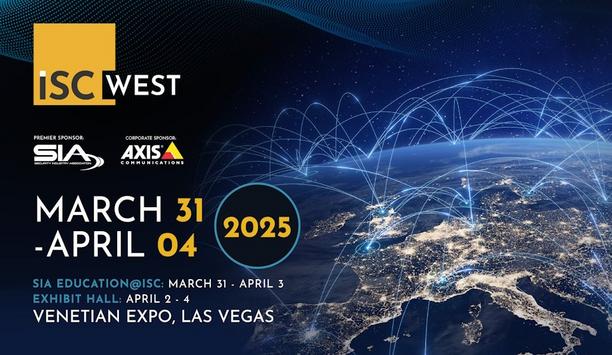
As the pioneering security event in the United States, ISC West is truly the global focal point for bringing together professionals across the physical and cybersecurity landscape. The event seeks to showcase innovation in security technology, nurture professional development, and explore the security implications of today’s connected world. Future of security With the growth of cybersecurity programming and the established Cybersecurity & Connected Internet of Things (IoT) pavilion, ISC West is addressing the future of security head-on. “As the lines between the digital and physical worlds blur, collaboration and shared learning among defenders have never been more critical,” says Mary Beth Shaughnessy, Event Vice President at RX USA, who oversees all aspects of the ISC brand. Shaughnessy previews what’s new at ISC West 2025 and shares other insights in our interview. Q: For long-time attendees at ISC West, what will be the biggest surprise at the 2025 show? Shaughnessy: Long-time attendees know to expect top-tier educational content through the SIA Education@ISC West program (produced by the Security Industry Association (SIA)) in addition to cutting-edge security innovations showcased by 700+ exhibitors. New this year is our focus on technology, training, and education around cyber-physical threats. In today’s connected world, physical and cybersecurity defenders must take a unified, holistic approach to protecting their people, assets, and data. ISC West serves as a bridge between those two worlds, helping organizations tackle the complex security landscape. Q: Presenting a high-profile music concert as part of ISC West is a fun value-add for attendees. Describe how this feature has been embraced by longtime attendees, and the plans for 2025. Shaughnessy: We’re thrilled to announce that the legendary Gin Blossoms will headline the ISC West Concert, sponsored by Wavelynx. This tradition began last year and became a celebrated highlight, offering professionals a chance to unwind and connect with colleagues and peers after a productive day on the show floor. When choosing a performer, we focus on acts that resonate across generations, making the experience both entertaining and memorable for our diverse audience. We are excited to continue this fun and exciting event and networking opportunity. Q: In the past, the education program at ISC West has been seen as secondary to the Expo event. How have you sought to increase the profile of the education program, and what new features will attract more attendees in 2025? Shaughnessy: We’ve expanded the SIA Education@ISC programming from three to four days, now beginning two days before the expo hall opens. These dedicated education days ensure professionals can engage in thoughtful discussions and gain actionable insights without overlapping with the Expo. This year, we’re proud to partner with RSA to introduce a new “IT for Security Professionals” track while also offering our core tracks, including AI & Digital Transformation, Critical Infrastructure & Data Protection, Cybersecurity & IT, InfraGard National Members Alliance @ ISC, and Video Surveillance. We will also be welcoming powerful keynote speakers — Rachel Wilson, Director of Cybersecurity, Morgan Stanley Wealth Management; Will Bernhjelm, Vice President of Security, Mall of America; and Kate Maxwell, Chief Technology Officer, Worldwide Defense & Intelligence, Microsoft. Q: What else is “new” at ISC West in 2025? Shaughnessy: Our educational programming has grown significantly — this year’s SIA Education@ISC program is our most extensive yet, offering more than 115 sessions led by over 200 distinguished experts. With broader and deeper topics, the program emphasizes the critical convergence of cyber and physical security, providing unparalleled insights for today’s security professionals. We are also significantly ramping up our cybersecurity offerings and expect to have more than 50 exhibitors in our Cybersecurity & Connected IoT pavilion with names such as Entrust and Ontic. Q: Networking is a critical aspect of ISC West. How are show organizers working to increase networking opportunities? Shaughnessy: Networking remains a top priority at ISC West, with countless opportunities to build valuable connections. Professionals can join peers at popular spots like The Bridge, The Cyber Hub, and the Career Zone (sponsored by: TEECOM). These spaces offer the chance to learn from industry experts, explore the challenges and innovations shaping the security workforce, and engage in dynamic discussions with peers. Also, returning by popular demand, the ISC West Concert, proudly sponsored by Wavelynx, delivers a vibrant evening of music and networking in a relaxed atmosphere. Together, these experiences ensure networking at ISC West is both impactful and memorable. Q: What is the biggest challenge for organizers of ISC West (and related events), and how are the organizers seeking to address the challenges? Shaughnessy: As with most events, there is a lot of pressure on organizers to ensure there’s “something for everyone,” add meaningful value, and introduce fresh, exciting features. At ISC West, we work to raise the bar each year by expanding our content with more thought pioneers, showcasing a broader range of innovative technologies, and fostering additional networking opportunities. Achieving top-quality results is no small task — it demands careful planning, collaboration, and a dedication to continuous improvement. This means actively listening to the needs of our attendees and exhibitors, staying ahead of industry trends, and ensuring we provide an experience that informs, inspires, and connects the security community.
Case studies

Barnet Council recently undertook a major upgrade of its CCTV infrastructure, partnering with i-PRO and systems integrator DSSL to enhance security, improve urban planning, and drive smart city initiatives. The project was driven by the need to replace an aging and largely non-functional CCTV network while maximising cost efficiency and scalability. With i-PRO’s market-leading edge computing analytics, the council was able to implement a future-proof technology that not only delivers high-quality security and safety but also provides valuable data insights for business and community planning. Future-proof technology The Customer - Barnet London Borough Council, also known as Barnet Council, is the local authority for the London Borough of Barnet in Greater London, England. The borough's major urban settlements are Hendon, Finchley, Golders Green, Friern Barnet, Chipping Barnet, Whetstone, and Edgware; there are also village settlements notably Totteridge and Arkley along with rural areas and countryside part of the Green Belt. As such, the area is geographically diverse and is also the largest London borough by population, with close to 350,000 residents. Business Challenge - The council’s previous CCTV system was in a state of disrepair, with only 15-20 of its 3000 cameras operational across the entire estate. Further to this, the council also looked ahead and made the decision to future-proof existing technology and enhance the capabilities of the system by strategically upgrading to smarter technology, capable of providing deeper insights, finding new efficiencies and generally improving the quality-of-service Barnet Council could provide to constituents and local businesses alike. Prominent AI capability The Solution - To address this, Barnet opted for a phased upgrade and system enhancement using the X-series AI Processing Relay Application, integrating i-PRO cameras with a newly upgraded control room and an enhanced Genetec video management system (VMS). The decision to go with i-PRO was influenced by its prominent AI capability and the substantial cost savings— an estimate of £600,000 over five years — when compared to server-based alternatives. Additionally, the system’s scalability allowed Barnet to expand its camera network without requiring extra server infrastructure, space, or cooling requirements. “A key factor in the decision was the ability of i-PRO cameras to serve as multifunctional sensors, capturing both security footage and valuable urban analytics. The cameras are used for people and vehicle counting, feeding real-time data into Power BI for internal council reports,” states Aaron Stephens, Managing Director at DSSL Systems. Planning future expansions The analytics data has become instrumental in planning future expansions, which will include additional coverage in parks, railway stations, and high-traffic areas. The insights generated help local businesses understand customer footfall, assist in investment decisions for town infrastructure, and support the council in managing traffic and public spaces more efficiently. “Unlike traditional server-based AI technology, which place a heavy burden on network infrastructure, i-PRO cameras process analytics on the edge, transmitting only metadata rather than large video files,” continues Stephens. Video management solution This approach significantly reduces costs while enabling faster and more efficient data analysis. The system was deployed with strict cyber security compliance, in alignment with regulations such as NDAA. Installed by DSSL, the network adheres to stringent firewall policies and integrates seamlessly with the Genetec video management solution, ensuring secure and reliable data management. "The i-PRO forensic capabilities are directly embedded within Genetec Security Center, which enables control room operators to quickly find specific objects or events by filtering through attributes and characteristics captured by the cameras. This speeds up the investigative process and enhances collaboration with the Metropolitan Police," said Benjamin Durrant, Account Executive, Genetec UK & Ireland. Culturally diverse community The deployment included 127 X-series bullet cameras for general safety and monitoring, 10 fisheye cameras in libraries for heat-mapping and people counting, and dual-view 5G re-deployable units for festivals and outdoor events. In Barnet’s unmanned libraries, the cameras also play a critical role in security, with audio detection triggering alerts for disturbances and automated people counting ensuring buildings are empty before lockdown procedures are initiated. Barnet Council’s investment in smart city technology extends beyond security. Re-deployable 5G cameras are being used to track attendance at public events, festivals, and religious gatherings, providing valuable crowd insights for better planning within a culturally diverse community. Return on investment and planning “With an initial £1 million investment, the council has maximized existing infrastructure to expand its data capabilities without significant additional spending. Phase two of the project, which has already been approved, will see the addition of 60-70 new i-PRO bullet cameras,” states Stephens. Beyond security, the smart city and community safety teams are leveraging i-PRO’s capabilities for advanced applications such as people and vehicle analytics. A new trial for automatic number plate recognition (ANPR) is also set to begin, potentially leading to a larger rollout. The council has already started benefiting from i-PRO’s analytics, such as heat-mapping in libraries, but is awaiting governance approval before publicly sharing results. The system complies with data privacy regulations as it does not use facial recognition. Smart city infrastructure Looking to the future, Barnet is exploring additional IoT integrations, including environmental sensors, flood detection, and traffic signal coordination. These efforts will further enhance the council’s smart city infrastructure. “This transparency, combined with i-PRO’s compliance with strict security standards, solidified the council’s trust in the solution. The i-PRO team came in to answer questions from the council and really won them over with their knowledge and honesty,” said Stephens. “Furthermore, i-PRO’s deep integration with the Genetec security solutions portfolio created a seamless ecosystem, reinforcing its market position as a leading smart city solution provider.” Looking to the future As Barnet Council continues its journey towards a fully integrated smart city, the focus remains on future scalability and efficiency gains. The initial return on investment is still being assessed, but the long-term impact is clear: by leveraging real-time data insights, the council can optimize public spending, justify infrastructure investments, and drive smarter, more connected urban development. As more councils recognize the benefits of data-driven planning, projects like Barnet’s will set the standard for the future of smart city technology.
A leading K-12 school district in the southeastern United States, recognized for its excellence in education, innovation, and community engagement, faced the growing challenge of keeping students and faculty safe while managing a complex video infrastructure. To maintain its high standards for safety and modernization, they turned to Arcules cloud-based Video Surveillance as a Service (VSaaS). The result is a flexible, scalable foundation that enhances visibility, strengthens cybersecurity, and simplifies daily operations. With hundreds of cameras deployed across multiple campuses, the district now manages its video infrastructure more efficiently than ever before. Challenge: Growing district, growing demands The district’s on-premises video systems were aging, difficult to maintain, and expensive to upgrade. The addition of planned new schools and expanding facilities created greater coverage requirements that their existing technology could not meet. Administrators needed a secure, cost-efficient solution that could scale quickly, reduce maintenance time, and improve access for security staff across multiple campuses. They wanted a platform that could evolve with their needs, provide reliable visibility during emergencies, and ensure consistent performance with limited local IT resources. The system also had to align with cybersecurity and data privacy requirements while supporting the schools’ long-term digital transformation strategy. By modernizing through the cloud, administrators saw an opportunity to standardize technology across campuses and free IT staff from constant system upkeep. Solution: Modernizing security through the cloud After evaluating several options, the district selected the Arcules cloud-based VSaaS platform to replace its legacy systems. Built on Google Cloud, Arcules provides centralized monitoring, automatic updates, and strong cybersecurity protections. The subscription-based model turned large capital investments into predictable operating costs, allowing the district to expand video coverage as new schools were added, without the expense of physical servers or extensive reconfiguration. The transition also simplified security management, turning what was once a patchwork of local systems into one cohesive, always-up-to-date network, accessible from anywhere. Results: Safer campuses, simplified management The new Arcules VSaaS system gives security teams the ability to monitor all campuses from a single, intuitive interface. Real-time video access improves situational awareness and speeds up investigations. Automated updates reduce IT workload, while the cloud-based structure ensures consistent performance and uptime. With improved accessibility and lower maintenance demands, the district has gained a more reliable and cost-effective solution that supports its goal of creating safer learning environments. This success demonstrates how modern, cloud-connected infrastructure can strengthen campus safety while reducing the IT burden — a vital combination for growing school districts.
The multi-national Retail and Consumer organization was concerned about their lack of awareness regarding potential threats. Securitas tailored solution significantly enhanced their confidence and decision-making capabilities, providing them with a competitive advantage and assurance in critical business decisions. The challenge The multi-national Retail and Consumer organization, with stores in major cities worldwide, including a diverse tenant and occupant environment, was concerned about their lack of awareness regarding potential threats to their people, properties, third parties and brand reputation. They had limited interaction with authorities, and the information they received was often outdated, irrelevant or lacking in analysis needed to guide security decisions effectively. The complex nature of their locations further complicated matters. Limited engagement with authorities meant they may have missed out on crucial information about emerging threats. As a result, decision-makers may have struggled to respond effectively to security challenges, potentially leading to disruptions in operations, safety incidents and other negative impacts. It was vital for thier client to address these challenges promptly and proactively to protect their people, assets and reputation. The solution In response to the challenge, Securitas implemented a tailored intelligence service for thier client, leveraging advanced technology and expert insights. This service included: Real-time monitoring of threats and incidents, operating 24/7 throughout the year. Instant alerting systems to promptly notify responders and decision-makers of early warning indicators and any unfolding incidents. Regular Daily Updates to provide ongoing assurance and maintain situational awareness. Monthly Intelligence Summaries (INTSUMs) offering management a strategic overview of incidents, threats and risks, coupled with in-depth analysis of the security landscape. Additionally, Securitas offered a Request For Intelligence (RFI) service, delivering specific intelligence outputs such as reports and investigations, along with intensified monitoring during major events to ensure comprehensive security coverage. The result This tailored solution has significantly enhanced thier client's confidence and decision-making capabilities, providing them with a competitive advantage and assurance in critical business decisions, while maximizing their security and resilience. Through Securitas Risk Intelligence Services, they received advance notification of potential threats, allowing them to proactively mitigate disruptions, safeguard staff and customers, and minimize reputational impact. In the event of an incident, Securitas facilitated effective incident and crisis management, enabling swift response and recovery. Moreover, understanding of their threats supported comprehensive security risk management, empowering them to address priority risks effectively. By integrating cutting-edge technology and intelligence expertise with Securitas’ six protective services, Securitas delivered an industry-leading intelligence-led security service. With improved security and reduced business interruptions, thier client could focus on core operations, enjoying added value and peace of mind.
Securitas discovered serious threats aimed at a top executive of a global corporation, both in their professional and personal life. Addressing these challenges requires urgent and proactive measures to safeguard both the executive and the organization from harm. The challenge Securitas discovered serious threats aimed at a top executive of a global corporation, both in their professional and personal life. These threats put their work and home life in jeopardy. What's more, Securitas found signs that the culprits were planning to take action during a crucial business period to cause maximum disruption. Adding to the complexity, Securitas uncovered an insider threat perspective, meaning the culprits could exploit someone with insider knowledge and access to harm the executive and the entire organization. The threats targeting the executive client posed serious risks - safety concerns for themselves and loved ones, damage to their reputation and that of the organization, and disruption of crucial business operations and a major announcement. Addressing these challenges requires urgent and proactive measures to safeguard both the executive and the organization from harm. The solution Securitas swiftly notified their client and promptly launched an extensive assessment into the threat. Additionally, Securitas provided Protective Intelligence services, conducting a comprehensive defensive screening assessment for the Executive, identifying potential vulnerabilities that could be exploited by threat actors. Utilizing the insights gleaned from these investigations, Securitas collaborated with their protective services to fortify the principal's safety and safeguard the organization from disruption. The measures included: Bolstering security protocols to safeguard the Executive's professional and personal information. Implementing continuous monitoring of the Executive's online presence and activities for any red flags. Strengthening executive protection measures, such as providing escorts and regular check-ins. Offering lone worker solutions equipped with alarm and tracking functionalities. Enhancing operational security by disseminating threat briefings, including indicators and warnings, to relevant personnel. Coordinating with authorities as necessary to address the threat effectively. Conducting awareness communications to educate key stakeholders on personal threats, workplace violence and insider threats and risks. The result Through the effective integration of intelligence-driven security measures and Securitas' renowned protective services, the collaborative efforts with this client yielded profound results, offering unparalleled protection to the Executive during a critical business phase. This approach not only ensured the safety and well-being of the principal but also instilled a sense of reassurance and confidence throughout the organization. By leveraging cutting-edge intelligence capabilities, Securitas proactively identified and mitigated potential threats, thereby safeguarding the Executive's interests and preserving operational continuity during a pivotal business period. This comprehensive strategy not only mitigated immediate threats and associated risks but also established a robust framework for ongoing security resilience. In essence, the successful implementation of their solution epitomizes the transformative impact of intelligence-led security, fostering a culture of proactive risk management and instilling a sense of confidence in their client's ability to navigate challenges effectively.
Round table discussion

Next-generation (Next-Gen) technologies are products, services, or infrastructures that represent a significant leap forward rather than a small, incremental update. In the physical security industry, NextGen products are those that enable disruptive change, breakthrough performance, and a fundamental change that renders previous products obsolete. We asked our Expert Panel Roundtable: What is the next generation of physical security solutions, and how will they change the industry?

When working in the technology marketplace, it’s always good to expect the unexpected. Increasingly, readiness to anticipate and embrace uncertainty is the baseline for survival in the world of technology. If we in the physical security industry know anything, it is that technology is in a state of perpetual disruption. Therefore, looking ahead to the next 12 months, surprises are inevitable. We turn to our Expert Panel Roundtable for guidance, asking our panelists: What will be the biggest surprise for security in the year ahead?

Installing physical security systems requires integrating diverse technologies (e.g., cameras, access control, alarms) that often use different protocols and must be adapted to a building's unique physical layout and legacy infrastructure. Specialized technical expertise is required for seamless networking and proper configuration. Hopefully, no important factors are overlooked in the installation process. We asked our Expert Panel Roundtable: What is the most overlooked factor when installing physical security systems?
Products
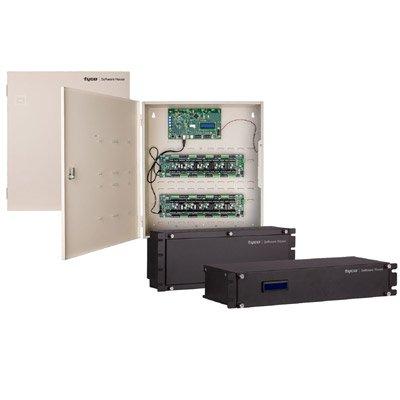
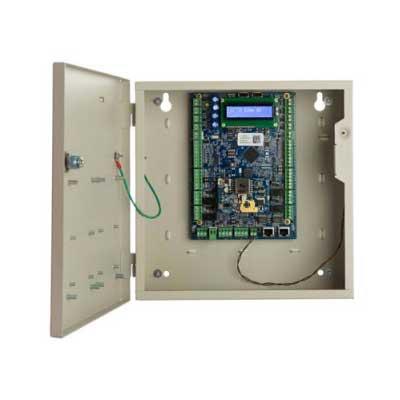


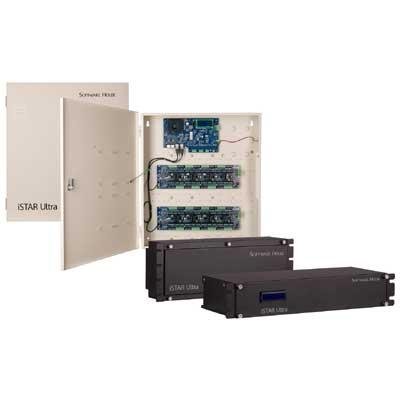
White papers

Technology's Role In Securing Banks And Financial Institutions
Download
Security Technologies Promote Real-Time Awareness In K-12 Schools
Download
An End User's Guide To Physical Security For Data Centers
Download
Hospital Safety In A High Risk World
Download
Unlocking Smarter Decisions With Key Control
Download
Aligning Physical And Cyber Defence For Total Protection
Download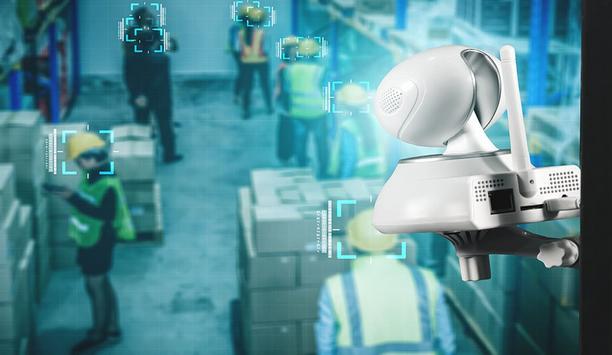
Combining Security And Networking Technologies For A Unified Solution
Download
System Design Considerations To Optimize Physical Access Control
Download
Milestone Cloud Deployment Guide
Download
Maximizing Enterprise Security Systems In The Cloud
Download
The 4 Pillars Of AI In Managing High-Stakes Critical Events
Download
The Power Of Integration In Physical Security Systems
Download
A Modern Guide To Data Loss Prevention
Download
Palm Vein Recognition
Download
Cybersecurity For Enterprise: The Essential Guide To Protecting Your Business
Download