
 |
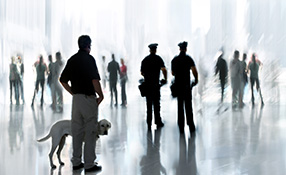
| A force of 85,000 police and military will patrol the Olympic grounds and environs to provide security |
A week before the Rio Olympics were slated to begin, Brazil fired the private security firm assigned to hire personnel to screen people entering the various Olympic venues located around Rio De Janeiro. The security plan called for 3,400 screeners. The security firm had only found 500.
What happened? Today, prospective security officers must undergo background checks that do not raise red flags. Observers noted that unsatisfactory background checks and drug tests probably explain why it has been so difficult to find and hire the large numbers of security people needed in the short period of time allotted.
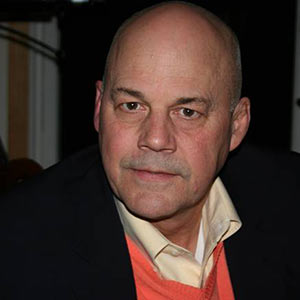
That problem aside, a force of 85,000 police and military will patrol the Olympic grounds and environs to provide security. “Security officers and soldiers have different ways of thinking,” says Ron Lander, a principal with Norco, Calif.-based Ultrasafe Security Specialists. “Soldiers may be more aggressive than security officers. That may be appropriate for an event like the Rio Olympics.”
“Then again, security officers are trained to de-escalate aggressive behavior and calm unruly customers so that everyone walks away with a handshake,” says Lander. “The army may not have had that kind of training.”
Olympic Security Technology
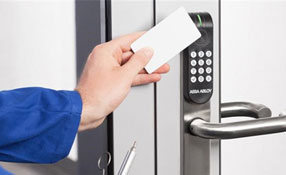
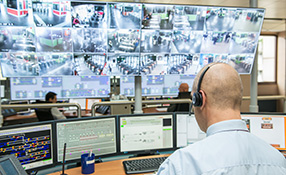
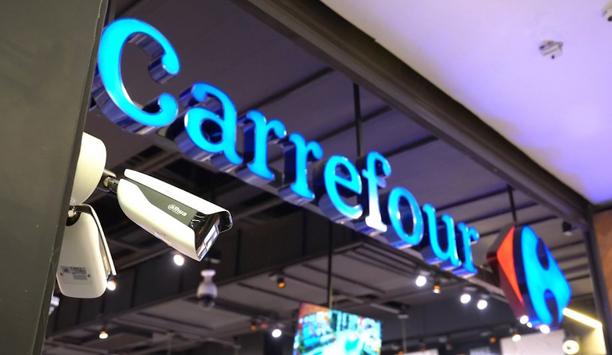
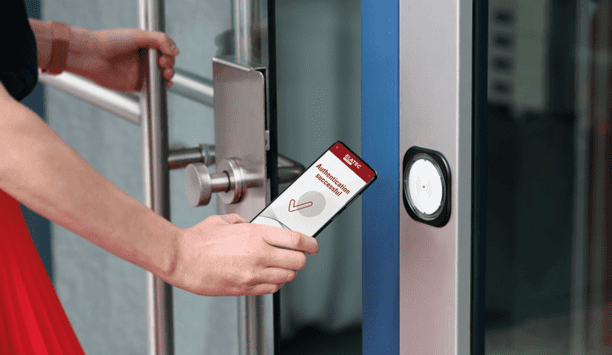
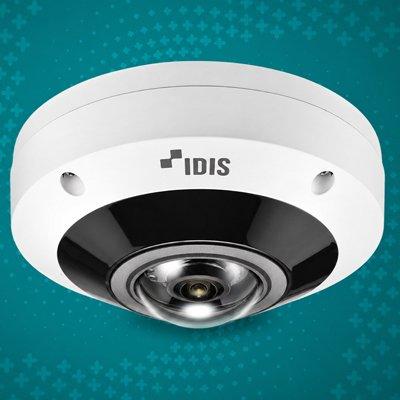
Olympic size events make liberal use of technology. The Olympic grounds in Rio have surveillance cameras as well as access control points.
In addition, there are cameras connected to facial recognition systems. “Facial recognition is getting better and better,” says Lander. “Camera placement is an important key. There are mullion cameras placed in doors that take head on video that is required for reliable facial recognition. As the camera system clears people, the access control system checks them in.”
Checkpoint technologies also include magnetometers that check for metal weapons.
 |
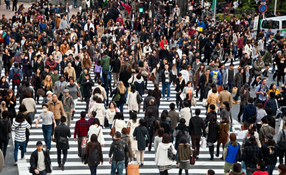
| It is recommended to create two or more concentric security circles around the perimeter of an event, with attendees passing through access points in the circles |
Concentric Security Circles
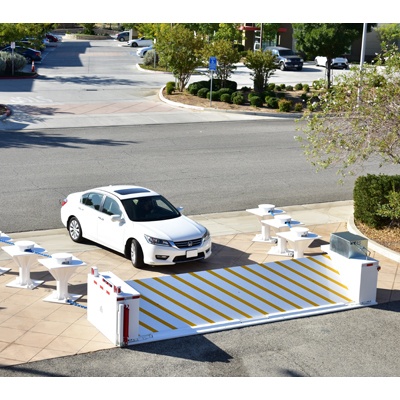
Lander recommends creating two or more concentric security circles around the perimeter of an event. Physical barriers and ropes can create the barriers and funnel people to checkpoints that also provide access.
Why concentric circles? “It is a security technique called progressive redundancy,” Lander says. “There could be many steps. In a security facility, for instance, you lock the door, place an alarm at the perimeter, put up a fence and assign a patrolling guard.”
So security at an Olympic-style event will feature two concentric security circles around the location of the event. Attendees will pass through access points in the circles. At one checkpoint, they may pass through a magnetometer.
At the second, two officers will check purses and bags, while a third officer looks for telltale behavioral recognition signs — individuals who are nervous and sweating, wearing a heavy coat on a warm day or exhibiting behavior that is unusual in some way.
Video Analytics
“Today, some organizations are moving toward video analytics,” Lander says. “There are cameras with analytics software and network video recorders with analytics inside the engine. I prefer analytics on the front end.”
Users can program video analytics cameras to look for and alarm on certain kinds of video. For instance, analytics can be set to alarm when people run through a camera’s field of view. Analytics can look for motion in a place and at a time when nothing should be moving. The technology can identify abandoned packages and alert security to investigate. There are a number of security scenarios that video analytics can stand in for human beings, who often get tired. Video analytics don’t tire out and fall asleep.
In the end, the role of security technology is to support security officers, and their role is to remain alert, aware and responsive to alarms.