Crowd Management

For decades, surveillance intelligence meant faster detection, more cameras, sharper resolution, and quicker alerts. That equation is now being rewritten. As video systems move from recognizing objects to understanding context, the real differentiator is no longer accuracy in ideal conditions, but reliability amid chaos: monsoon distortion, fluctuating crowds, inconsistent infrastructure. In this conversation, Tuhin Bose, Senior Vice President and CTO at Videonetics, unpacks what “True AI...

Stadiums host massive crowds, driving significant revenue but also presenting unique safety and security challenges. Taylor Swift concerts draw crowds of 50,000 to 70,000 people per night, and events like the Indianapolis 500 can see attendance swell to 300,000 or more. Effective stadium crowd control is essential to keep spectators safe, comply with federal and municipal regulations, protect personnel, and prevent damage to installations. Stadium crowd control objectives What are the elemen...

It is the time of year when city centers transform, as outdoor Christmas markets fill town squares and high streets. An estimated 6,000 markets will open across Europe during the festive season, with some of the largest — including Nuremberg’s Christkindlesmarkt, London’s Hyde Park Winter Wonderland and Craiova in Romania — welcoming millions of visitors. Sadly, these popular events have in recent years been the subject of attacks, most notably Berlin in 2016 and the tra...
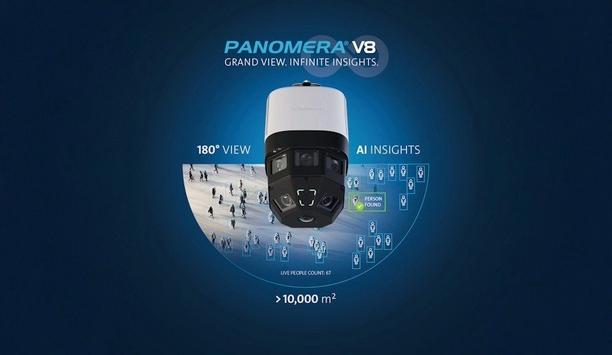
With the new Panomera® V8, Dallmeier presents a revolutionary camera that combines state-of-the-art multifocal sensor technology and artificial intelligence in one system – for a seamless 180° view without blind spots and the most precise analytics, even over large areas. Security redefined: 180° without compromise With eight lenses, eight sensors, and eight AI chips, the Panomera® V8 achieves a 180-degree field of view and enables coverage of a very large area...
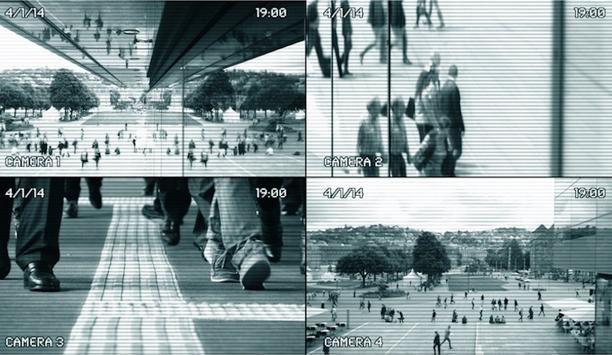
The terrorism threat in the UK is very real. In fact, since July 2019, the threat level has never dropped lower than “substantial” or “severe.” To ensure preparedness across public places and events, the UK government has introduced the new Terrorism (Protection of Premises) Act 2025, more commonly known as Martyn’s Law in memory of Martyn Hett, a victim of the 2017 Manchester Arena bombing. Overarching aim The new legislation requires operators of public spaces...

Every event is unique, and so are its security needs. Factors such as the type of event, the number of guests, the layout of the venue, and the location can all affect the kind and extent of security users will need. Thoroughly assess these factors to determine their specific security requirements. When planning an event, one of the most important considerations is the security of the venue. Ensuring the safety and well-being of their guests, staff, and property is a responsibility that should...
News

Delta Scientific Corporation, the global pioneer in high-impact vehicle barricade systems, is proud to announce the launch of its newest innovation: the DSC50 “S” Barrier, a lightweight, crash-rated security solution tailored for temporary deployment across high-traffic urban environments. Motivated by recent public safety challenges and a mounting global awareness of vehicular threats, Delta’s engineering team designed the DSC50 “S” Barrier to provide rapid, visually cohesive, and budget-sensitive protection for municipalities, venue operators, and security leaders. DSC50 S Barrier “The DSC50 'S' Barrier was born out of urgency and built for agility,” said Keith Bobrosky, President of Delta Scientific. “We challenged our engineers to rethink how protection can be delivered, not just permanently but responsively.” “The result is a crash-rated barrier that deploys in minutes, integrates into diverse environments, and remains accessible to communities at every level. At Delta, proactive safety isn’t just our mission, it’s our edge.” Sleek profile With a sleek profile and modular design, the DSC50 “S” seamlessly aligns with the aesthetic character of its surroundings, making it an ideal solution for: Events, parades, and civic celebrations Tourist corridors and pop-up activations Protest areas and emergency crowd control Short-term construction or traffic redirection zones Requiring no permanent infrastructure, the barrier delivers exclusive, secure access and pedestrian protection without compromising visibility or ease of use. Delta’s patented anti-ram technology, used in critical infrastructure across the globe, is now available in a portable format. The DSC50 “S” Barrier is currently available for deployment in select cities, with a national rollout scheduled over the coming months.
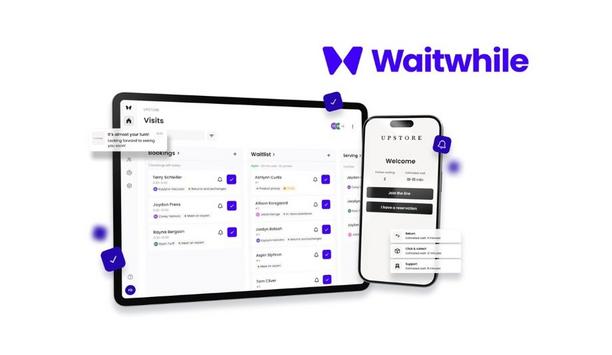
Allegion plc, a pioneering global security products and solutions provider, through one of its subsidiaries, has acquired privately owned Waitwhile Inc., a pioneering software-as-a-service provider that specialises in cloud-based appointment scheduling and queue management with offices in the US and Sweden. Waitwhile’s software platform provides virtual wait list and scheduling capabilities that enable businesses to facilitate access to places, services, appointments and events – whether online or in person. Queue management and work experiences Real-time status updates and instant messaging, paired with powerful analytics, improve operational efficiency for both enterprise customers and their end users through reduced wait times and crowd management. Primarily sold in the U.S., Waitwhile has a large footprint of multinational customers who use the platform to power their queue management and appointment experiences globally across healthcare, education, commercial, government and retail markets – supporting more than 300 million end-user visits to date. Queue to secure and seamless physical access Real-time status updates and instant messaging, paired with analytics, improve operational efficiency “Adding Waitwhile to the Allegion portfolio aligns with our strategy of investing in complementary software products that differentiate our hardware and deliver recurring value to our customers,” Allegion President and CEO John H. Stone said. “This is an opportunity to deliver value by connecting the virtual queue to secure and seamless physical access at the door in core non-residential markets that we know well. Together, Waitwhile and Allegion can provide the right access to the right people at the right time, all while streamlining operations.” Digital and physical access Waitwhile was founded in 2017 by CEO Christoffer Klemming, who is joining Allegion. Klemming will continue pioneering the Waitwhile business. “As market pioneers in both digital and physical access, Waitwhile and Allegion are uniquely positioned to shape the future of seamless, in-person customer experiences,” Klemming said. “Together, we can accelerate innovation and deliver even greater value to the businesses we serve.” Terms of the transaction were not disclosed.

Airbus Defense and Space has signed a Memorandum of Understanding (MoU) with Cluster 2 at the Paris Air Show to deliver next-generation digital solutions that enhance airport efficiency, security and collaboration across Saudi Arabia. The ceremony was attended by H.E. Abdulaziz Al-Duailej, President of the General Authority of Civil Aviation (GACA), Wouter Van Wersch, Executive Vice President of Airbus International, Gabriel Semelas, President of Airbus in Middle-East and Africa, and Mr. Saad A. Alajlan, General Manager of Commercial Operations and Business Development at Cluster 2. The partnership will introduce advanced technologies including Agnet Turnaround by Airbus , a smart platform that enables real time coordination of airport operations. Improve situational awareness Through this MoU, Airbus and Cluster 2 aim to raise operational standards This will empower Cluster 2 to streamline workflows, enhance on-time performance and elevate the passenger experience across its network of 22 international and domestic airports. Through this MoU, Airbus and Cluster 2 aim to raise operational standards, improve situational awareness and drive seamless collaboration between ground staff, security teams and control rooms. Agnet Turnaround “This partnership underscores our commitment to driving digital innovation in aviation. With Agnet Turnaround, we are enabling smarter, safer and more connected airports that align with the Kingdom’s vision for the future of transportation,” said Antoun Farra, Managing Director of Airbus Defense and Space in Saudi Arabia. “Airports are vital gateways to the Kingdom, and digital transformation is at the heart of our strategy. Partnering with Airbus allows us to enhance safety, reduce response times and create a unified operations ecosystem across our airports,” commented Eng. Badr Al-Dalami, Chief Executive Officer of Cluster 2. With multiple communication and automation capabilities, Agnet Turnaround is a smart and secure solution that aims at solving daily operational challenges for aviation stakeholders and enhancing On Time Performance (OTP).

Motorola Solutions has today been named the Official Safety Technology Supplier of the 2025 and 2027 Ryder Cup, professional golf’s renowned biennial team competition between the United States and Europe. The company’s critical communications and video security technology will be integrated at the 2025 Ryder Cup at Bethpage Black in Farmingdale, New York, and the 2027 Ryder Cup hosted at Adare Manor in Limerick, Ireland. Overall attendance throughout the event weeks is anticipated to exceed 250,000, representing patrons from over 100 countries. Motorola to provide security In collaboration with the PGA of America, Ryder Cup Europe and public safety agencies supporting the competitions, Motorola Solutions’ two-way radios will connect event and security operations teams and AI-powered video security cameras across the venues will help keep spectators, staff and athletes safe. Additionally, specialized radios for the U.S. and European Teams will securely enable strategic on-course communications between Captains and their teams. Security for a global sporting event “A global sporting event like no other requires a safety and security ecosystem like no other,” said Jack Molloy, executive vice president and COO, Motorola Solutions. “The Ryder Cup is one of the world’s most watched and attended events, so the need to protect and connect everyone in attendance - from workers to spectators and teams alike - is critical. We look forward to working alongside the Ryder Cup and public safety agencies in protecting this global event.” PGA – Motorola Partnership Motorola Solutions currently provides safety and security technologies to over 100 professional sports and entertainment venues around the world, ranging in size, scale and configuration. "The PGA of America is proud to stage several of the most prestigious events, not just in golf, but in all of sports,” said David Charles, Senior Director, Championships at PGA of America. “We are pleased to partner with Motorola Solutions, leveraging their cutting-edge safety technology to ensure the security of all attendees at the upcoming Ryder Cup at Bethpage Black. Their expertise will be crucial in providing a safe and enjoyable experience for everyone involved in this iconic team event." Motorola and Ryder Cup “Motorola Solutions has a storied history and an exciting future in Ireland,” said Richard Atkinson, Chief Ryder Cup Officer for Ryder Cup Europe. “We look forward to working closely together to develop a comprehensive safety and security technology program. This will help ensure that the story remains focused on the competition between the teams, and nothing else.”

The Association of University Chief Security Officers (AUCSO), the prioneer global organization for security professionals in Higher and Further Education, is pleased to announce the launch of a new suite of free online training courses exclusively for its members. This initiative is part of a newly signed three-year partnership with Ciphr eLearning, a cloud based HR software company that integrates HR, payroll, learning and recruitment, that is transforming how organizations deliver training and development. Through this collaboration with Ciphr eLearning, who work with over 80 universities across the UK and Ireland, AUCSO will provide members with access to up to 30 professionally developed courses from its extensive training portfolio. Courses on a wide range of topics The courses will cover a wide range of essential topics including: Neurodiversity, Islamophobia, Antisemitism, Fraud Awareness, Modern Slavery, Gender Equality at Work, Safeguarding in Higher Education, Customer Service, Mental Health Awareness, Freedom of Speech, Bystander Training, Personal Safety, Managing Self-Care and Wellbeing, Responding to Student Mental Health Issues, Disclosure of Sexual Violence, Consent on Campus, and Supporting Students Experiencing Domestic Violence, among others. Julie Barker’s comments Commenting on the launch, Julie Barker, COO at AUCSO, said: “We are delighted to partner with Ciphr eLearning to offer our members a wide-ranging and high-quality set of online learning opportunities. This collaboration allows us to continually update and tailor our Learning and Development offerings to meet the evolving needs of the sector.” “It’s a significant value-add for our members, supporting their professional growth, wellbeing, and the continued development of skills to serve and safeguard our diverse campus communities effectively.” Ciphr eLearning’s Founder’s words David Marshall, Founder and Managing Director of Ciphr eLearning, also welcomed the partnership: “We are proud to be supporting AUCSO in delivering critical training to security professionals across the Education sector.” “Our mission at Ciphr eLearning is to help organizations unlock the power of learning, and we’re excited to see how our platform can enhance AUCSO’s training capabilities and support their members’ ongoing development.” Licenses AUCSO currently holds 200 user licenses, with each license granting full access to all available courses through the AUCSO training platform free of charge. Additional licenses can be purchased by member organizations at a competitive rate.

CIOSO Global, a premier cybersecurity advisory services provider dedicated to democratizing Fortune 100-level expertise, announced a strategic partnership with Q-Net Security, a pioneer in silicon-based cybersecurity solutions. This collaboration underscores CIOSO Global's mission to discover and champion innovative approaches to cybersecurity in an ever-evolving threat landscape, which includes AI and quantum computing-driven cyberattacks. Revolutionizing protection The partnership combines CIOSO Global's extensive cybersecurity expertise with Q-Net Security's revolutionary The partnership combines CIOSO Global's extensive cybersecurity advisory expertise with Q-Net Security's revolutionary hardware-based encryption technology, creating a unique offering for organizations seeking robust protection against emerging cyber threats. “Cybersecurity threats are an unsolved problem demanding constant innovation, and Q-Net represents the kind of breakthrough thinking that can redefine how organizations protect critical systems,” said Greg Sullivan, Founding Partner at CIOSO Global. “This partnership aligns with our mission to raise awareness of cutting-edge cybersecurity capabilities, ensuring businesses, governments, and infrastructure providers have access to next-generation defense mechanisms.” Cybersecurity with Silicon-Based Protection To address organizations' struggles with increasingly complex but porous cybersecurity frameworks, Q-Net delivers a hardware-based, quantum-resistant security solution that eliminates many weaknesses inherent in traditional, software-based defences. Unlike conventional cybersecurity models that require constant updates, software patches, the potential for embedded vulnerabilities, and firewall rule adjustments, Q-Net’s technology provides a drop-in, set-and-forget solution that operates independently of the software environment. This makes it resistant to zero-day exploits, quantum-based decryption, and AI-driven cyber threats. Cybersecurity reinvented "Unlike most software-based cybersecurity startups, our solution leverages physical logic gates; you cannot manipulate physical objects on the internet – this encapsulates a core part of what we do," said John Pyrovolakis, CEO of Q-Net Security. “We are excited that CIOSO Global recognises our unique offering. Their counseling and cybersecurity validation expertise, combined with our unique silicon-based approach, will give organizations an entirely new way to secure their most valuable assets.” Hardware-Based Security Q-Net’s technology has been validated by the National Institute of Standards and Technology's National Cyber Security Center of Excellence and deployed by the U.S. Department of Defense and energy utilities. Key benefits include: Quantum-resistant encryption Q-Net ensures long-term data security and resilience to withstand future quantum computing threats. No software dependencies Unlike software-based security solutions that require constant updates and patching, Q-Net’s silicon-based approach operates outside traditional attack surfaces. Seamless network protection Q-Net seamlessly integrates with existing IT and OT (Operational Technology) environments, including power grids, manufacturing systems, and water supply infrastructure. Low-latency, high-security performance With a minimal 2.7% overhead, Q-Net delivers real-time threat mitigation without impacting network performance. Quantum-ready protection As AI-driven cyberattacks and quantum computing threats become more sophisticated, Q-Net’s technology bridges the gap between emerging threats and next-generation defences, ensuring organizations remain protected without costly, disruptive upgrades. The partnership is effective immediately. Both companies will collaborate to bring these advanced cybersecurity solutions to organizations across various industries.

Expert commentary
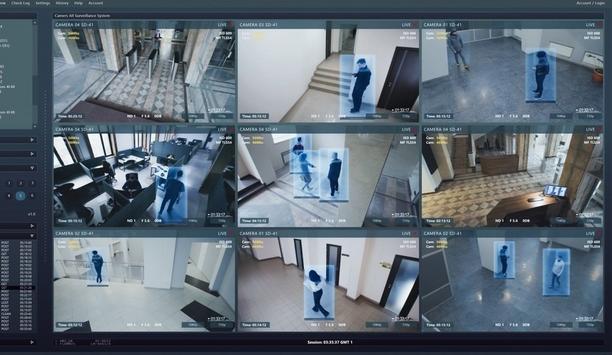
In 2021, New Orleans took bold steps to modernize its public safety strategy after experiencing a dramatic increase in criminal activity. The city invested $70M in advanced video security systems, placing smart cameras in high-risk areas like busy transit hubs and crowded public spaces to promote community safety. The cameras weren’t just traditional CCTV setups—they were smart security solutions equipped with real-time alerts that leverage AI-powered analytics, facial recognition and cloud-based technology. Reinforcing public safety Law enforcement agencies improved their response times and investigative outcomes Within months, the impact was clear: theft and burglaries of vehicles, residential and business properties reduced up to 48% total between 2022 and 2023. With 24-hour monitoring and rapid access to critical footage, law enforcement agencies improved their response times and investigative outcomes, reinforcing public safety across the city. The role of video security in community safety One of the most effective ways to keep communities safe is through video security solutions that allow real-time monitoring and provide rapid responses. Modern Video Surveillance as a Service (VSaaS) platforms allow security professionals to monitor spaces continuously, providing instant alerts for any suspicious activities. Advances in this technology are transforming the way businesses and organizations approach community safety, playing a pivotal role in creating safer environments, deterring crime, and enabling faster incident response. Video security solutions Video security solutions also contribute significantly to public safety by monitoring high-traffic areas such as public parks, busy transportation hubs, and crowded city streets. When security cameras are visible, not only do they act as a deterrent to potential criminals, but they can also significantly reduce the likelihood of theft, vandalism, and violent crime. Video security solutions also contribute greatly to public safety by monitoring high-traffic areas Similarly, large gatherings such as concerts, sporting events, and festivals present unique challenges that require a multifaceted approach to security. With thousands of attendees in a confined space, effective security measures are essential to prevent overcrowding, unauthorized access, and potential threats. In situations like these, advanced video security systems can aid in efficient crowd management, allowing event organizers to respond and react quickly in the event of an emergency. The future of smart security solutions Today, video security solutions are becoming smarter and more adaptable than ever before. For example, innovations such as solar-powered security units ensure continuous monitoring even in remote or off-grid locations, contributing to broader, more sustainable coverage. Recent developments like AI-enhanced analytics help filter out false alarms while focusing on threats, improving response times and efficiency. By embracing modern security solutions, municipalities, businesses, and event organizers can take proactive steps to protect their communities when it matters most. Public safety will always be an ongoing challenge for businesses and organizations alike for a multitude of reasons; however, the role of advanced video security systems in promoting public safety is more important than ever before.
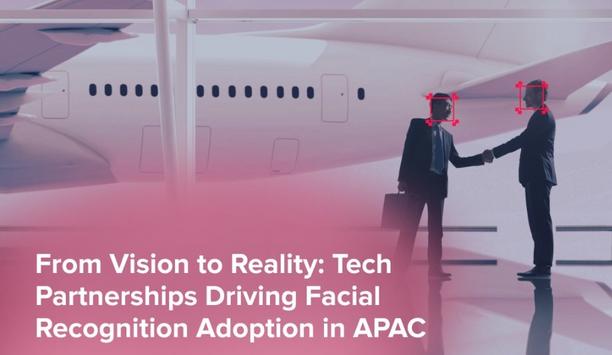
In today’s fast-evolving aviation landscape, innovation isn’t optional — it’s essential. With passenger traffic in the Asia-Pacific continuing to surge, the region is facing a pivotal moment: adapt with scalable tech, or fall behind. In January 2025 alone, APAC carriers accounted for 56.6% of global passenger traffic growth. Airports are operating at near capacity, with a record-high Passenger Load Factor (PLF) of 82.1%, leading to pronounced congestion at check-in counters, security checkpoints, and boarding gates. Increasing passenger volumes As airports strive to manage increasing passenger volumes without resorting to costly and time-consuming infrastructure expansions, technology — particularly facial recognition and biometric automation — emerges as a viable solution. However, the full realisation of these innovations requires more than just installing new system However, the full realisation of these innovations requires more than just installing new systems. It’s about building the right ecosystem of partners, processes, and policies to ensure sustainable, secure, and scalable growth. Presenting physical documents According to their estimates, over 120 APAC airports have already deployed biometric solutions at key travel touchpoints, including check-in, bag drop, security, and boarding. Thailand exemplifies this shift, with facial recognition deployed at six major airports — Suvarnabhumi, Don Mueang, Chiang Mai, Chiang Rai, Phuket, and Hat Yai — dramatically reducing passenger processing times. These systems allow travelers to verify their identities seamlessly at multiple touchpoints, from check-in and security screening to boarding gates, without presenting physical documents. This case reflects the Airports of Thailand’s (AOT) commitment to leveraging technology to improve operational efficiency and passenger experience. Digital identity programs Biometric solutions also extend beyond the airport: digital identity programs enable travelers to verify their identities before arriving at the terminal, creating seamless journeys from curb to gate. In this environment, facial recognition is not merely a futuristic innovation; it has become an operational imperative. Airports that fail to adapt risk falling behind, unable to manage burgeoning passenger volumes or meet evolving traveler expectations. True operational efficiency Despite its transformative potential, biometric technology cannot be successfully deployed in isolation. Achieving true operational efficiency through facial recognition requires strategic collaboration among technology vendors, IT integrators, airports, airlines, and regulatory authorities. Several pillars underpin a successful biometric implementation: Interoperability: Biometric systems must integrate seamlessly with a wide array of airline platforms, security protocols, and airport infrastructure. Lack of interoperability can lead to fragmented systems that frustrate staff and passengers alike. Scalability: Passenger volumes are forecasted to continue rising. Biometric solutions must be designed to scale rapidly in response to demand surges and future security challenges. Data Privacy and Security: With growing public scrutiny over personal data usage, airports must implement robust security frameworks that prioritize privacy and transparency. Encryption, consent-based use, and strict access controls are critical to gaining and retaining passenger trust. Future security challenges BKI can achieve significant throughput gains without major construction disruptions A case study illustrates these points: Malaysia’s planned revamp of Kota Kinabalu International Airport (BKI) aims to boost capacity by 33% over the next few years. Rather than expanding physical infrastructure alone, authorities are exploring facial recognition solutions to increase efficiency within existing spaces. By integrating biometric checkpoints at key touchpoints, BKI can achieve significant throughput gains without major construction disruptions. Such outcomes are only possible through well-coordinated technology partnerships, where vendors, airports, and integrators work toward a shared vision of future-ready travel. AI-powered computer vision What’s Next: Fully Biometric-Enabled Travel Looking ahead, the pressure on APAC airports is set to intensify. Airports Council International projects 9.5 billion air travelers globally by the end of 2025, a volume traditional processing methods cannot manage effectively. In response, AI-powered computer vision and facial recognition will continue to refine biometric processes, delivering higher accuracy rates and faster verification. Future systems will leverage real-time liveness detection, predictive analytics for crowd management, and seamless integrations across all travel stages. A fully biometric-enabled journey is becoming reality: Check-in with a glance at a kiosk Drop bags without producing an ID or boarding pass Clear security with automated facial recognition portals Board flights through biometric-enabled gates — without ever presenting a physical document. Experiencing significant growth Seamless integration across touchpoints creates a unified, frictionless journey In this vision of the future, identity becomes the ticket. Seamless integration across touchpoints creates a unified, frictionless journey. For APAC airports experiencing significant growth, full biometric enablement is becoming increasingly important for maintaining efficiency and staying competitive. At the same time, such a future demands robust technology ecosystems, where ongoing innovation is supported by partnerships that align regulatory, operational, and technological goals. Expanding physical infrastructure Building the Smart Airports of Tomorrow: Join the Conversation The aviation sector in APAC stands at a critical crossroads. Passenger growth, operational challenges, and heightened security requirements are converging, creating an urgent need for innovation. Facial recognition and biometric automation offer a clear path forward, enabling airports to handle growing volumes, enhance security, and deliver superior passenger experiences without necessarily expanding physical infrastructure. Facial recognition solutions Yet, the success of these innovations hinges on strategic, trusted technology partnerships. Airports must collaborate with technology vendors, IT system integrators, airlines, and regulators to ensure interoperability, scalability, and data security. At RecFaces, they believe the future of APAC airports is fully biometric-enabled. To explore how tech collaborations and advanced facial recognition solutions can transform airport operations, they invite users to join their free online panel discussion on April 30: ‘Smart Airports Start With Smart Tech: Facial Biometrics for APAC Airports.’

In the early stages of childhood education, kindergarten imparts foundational principles that shape future behavior. Today, you can think about cloud computing in a similar manner: it has become a fundamental element in the architecture of modern technology. The cloud now plays a critical role in digital interaction, security, and infrastructure development. Far from being just another tool, the cloud is a cornerstone, providing essential support for the intricate network that supports today's digital ecosystem. Vomplex digital systems Much as kindergarten lessons lay the groundwork for cognitive development, the cloud offers base capabilities that are vital for constructing and operating complex digital systems. Recent advancements in cloud-based security — particularly in access control and video surveillance — emphasize the importance of cloud computing. It has been instrumental in unifying fragmented security systems, similar to how basic social principles taught in kindergarten help diverse children come together as a unit. The role of cloud computing in our technological world is multifaceted and continuously growing The role of cloud computing in our technological world is multifaceted and continuously growing. It has evolved into a space where innovation is cultivated and security commitments are maintained with vigilance. The fusion of artificial intelligence and analytics into cloud services signifies a concerted effort toward a future that is more cohesive, intelligent, and secure. Significant technological progress As we delve deeper into this topic, it will become evident that cloud computing, like the pivotal lessons of kindergarten, is indispensable. It quietly enables significant technological progress, mirroring the foundational principles taught in our formative years in both its essential nature and its growing influence. Play Fair: Technological Developments in Cloud-Based Security The past year has been a period of significant innovation in cloud-based access control and video surveillance. Cloud computing has evolved into a robust platform that fosters the creation of integrated security systems. These systems consolidate access control and video surveillance into a unified experience, demonstrating the cloud's potential to seamlessly combine disparate systems. Substantial industry progression The advent of edge computing has boosted bandwidth efficiency and accelerated data processing The incorporation of artificial intelligence and analytics into cloud services marks a substantial industry progression. This development provides businesses with advanced tools for in-depth analysis and intelligent decision-making, enabling them to not only gather comprehensive insights but also strengthen their security measures. The cloud has eased the transition to new technologies and emphasized a commitment to cybersecurity, with encryption protecting data integrity in transit and at rest. Simultaneously, the advent of edge computing has boosted bandwidth efficiency and accelerated data processing, highlighting a consistent drive to refine and adapt. The trend of integrating cloud security systems with other business platforms help create unified ecosystems, reflecting a broader narrative of security professionals’ pursuit of progress and enhancement. Potential future disruptions Wash Your Hands: Pandemic-Induced Transformation in Cloud Services As we all know, the COVID-19 pandemic necessitated a swift transition to remote operations, with cloud computing forming the backbone. i The urgent need for cloud solutions was apparent as businesses adopted remote collaboration tools, work-from-home policies, and virtual workspaces. This transition increased the demand for cloud services and prompted more adaptable and cost-effective pricing models. Recognizing the critical role of cloud services, organizations enhanced their investment to safeguard operations against potential future disruptions. The pandemic fundamentally altered the perception and valuation of cloud computing, emphasizing its critical role in sustaining business operations. Scaleable digital infrastructures The growing demand for SaaS has led integrators to create scaleable digital infrastructures Share Everything: Systems Integrators and the Adoption of Cloud Systems integrators have done much to realize the cloud’s potential. The growing demand for Software as a Service (SaaS) has led integrators to create scaleable digital infrastructures tailored to specific business needs.. The use of the cloud for data backup has improved efficiency and increased organizations’ ability to cope with disruptions. Although there has been a gradual shift among integrators toward cloud solutions, effectively marketing and supporting SaaS business models remains a challenge. But the possibility of continuous revenue streams through managed services is promoting broader adoption of cloud technologies. Cloud-based security solutions Live, Learn, Think: Enterprise-Level Cloud Adoption There is an increasing trend among large enterprises to adopt cloud-based security solutions. The shift toward VSaaS indicates a move towards subscription models that offer financial and scalability advantages. This transition is more than a mere operational change. Rather, it represents a commitment to the expansive potential for growth and innovation that the cloud offers. But let’s face it: the ‘cloud’ journey is accompanied by challenges, particularly concerning data security. Providers must deliver robust data protection measures to ensure the success of cloud-based security services, which depends not just on technological progress but also on fostering trust with clients. Addressing cybersecurity concerns The hybrid model offers a balanced solution for businesses looking to merge these two environments Baby Steps: Hybrid Cloud and On-Premises Infrastructure The hybrid model, which combines cloud with on-premises infrastructure, continues to be a strategic choice for many organizations. While the cloud provides flexibility and ease of access, on-premises solutions offer control over data security and comply with regulatory demands. The hybrid model offers a balanced solution for businesses looking to merge these two environments. Be Trustworthy: Cybersecurity Measures and Communication Transparent communication is key in addressing cybersecurity concerns with customers and partners. Companies that are transparent about their security protocols, including encryption and regular updates, build trust. Certifications such as SOC 2 Type II affirm a dedication to security, and proactive educational resources ensure that users are well-informed about best practices. Decision-making processes Cloud computing has become the cornerstone of modern security strategies Look: The Future Outlook for Cloud-Based Security Solutions Looking forward 5-10 years, cloud-based security solutions are expected to become even more central to organizational decision-making processes. The cloud is poised to become the hub for predictive decision-making, using AI algorithms and extensive data to proactively manage security risks. This vision of an intelligent, integrated approach to security, with the cloud enabling swift, collaborative responses to threats, is almost at hand. Cloud computing has become the cornerstone of modern security strategies, moving beyond its initial role as a digital transformation tool. As we look to the future, the cloud is set to redefine security paradigms and anchor a new era of intelligent, predictive security operations.
Security beat

Companies at GSX 2023 emphasized new ways that technologies such as artificial intelligence (AI) and the cloud can address long-standing issues in the security market. Among the exhibitors at the event in Dallas were companies seeking creative ways to apply technology, lower costs, and make the world a safer place. Reflecting on the exhibition, here are some additional takeaways. Expanding AI at the edge i-PRO is a company reflecting the continued expansion of edge AI capability in the security market. Today, more than half of the company’s lineup supports AI at the edge so the customer has a wide choice of form factors when seeking to leverage the feature set. AI processing relay, extended warranty i-PRO is increasing their warranty period from 5 to 7 years, which could be a lifetime warranty in some cases I-PRO also has an “AI processing relay” device that accepts non-AI video streams and applies edge analytics. AI has progressed from a high-end technology to a feature available in a variety of cameras at different price points. i-PRO is also increasing its warranty period from 5 to 7 years, which could be a lifetime warranty in some cases depending on a customer’s refresh schedule and lifecycle management. Active Guard, MonitorCast The company’s video management system (Video Insight) is continuing to build new features including “Active Guard,” an integrated metadata sorter. Their access control platform, MonitorCast, is a Mercury-based solution that is tightly integrated with Video Insight. Their embedded recorders now have PoE built in. “We can move at a faster pace to fill out our product line since leaving Panasonic,” says Adam Lowenstein, Director of Product Management. “We can focus our business on adapting to the market.” Emphasis on retail and other verticals Shoplifting is a timely issue, and retail is a vertical market that got a lot of attention at GSX 2023. “We see a lot of retailers who are primarily interested in protecting employee safety, but also assets,” says Brandon Davito, Verkada’s SVP of Product and Operations. “Shrinkage is a CEO-level priority.” “Retailers are getting more engaged with security posture, instead of letting perpetrators walk,” Davito adds. Intrusion detection Verkada has an intrusion product that will notify a central station if there is an alarm On the alarm side, Verkada has an intrusion product that will notify a central station if there is an alarm, and operators can review videos to confirm the alarm. Other capabilities seeking to discourage trespassers include sirens, strobes, and “talkdown” capabilities. International expansion Verkada continues to expand internationally with 16 offices in all, including Sydney, Tokyo, and London. The core value proposition is to enable customers to manage their onsite infrastructure more simply, including new elements such as PTZ cameras, intercoms, and visitor management. Verkada emphasizes ease of use, including a mobile application to allow access to be managed across the user base. Forging partnerships “We are committed to the channel and industry, and we continue to build relationships and expand our reach,” says Davito. Among the industry relationships is a new partnership with Convergint, which was hinted at during the show and announced later the same day. They are also expanding their partnerships with Schlage, Allegion, and ASSA ABLOY. Working with other verticals They offer new features for K -12 schools, and a new alarm platform is easier to deploy and manage Verkada has also found success across multiple other verticals, notably healthcare, where they integrate with an electronic medical records system. They offer new features for K-12 schools, and a new alarm platform is easier to deploy and manage. They are integrating wireless locks to secure interior doors in schools, looking to secure the perimeter, and installing guest management systems. Transitioning the Mid-Market to the Cloud Salient is squarely focused on the “mid-market,” a large swath of systems somewhere between small businesses and enterprise-level systems. Pure cloud systems are not as attractive to this market, which has a built-out infrastructure of on-premise systems. Adding a camera to an existing system is easier and less expensive than tying it to the cloud. Benefits of cloud It’s a market that may not be ready for pure cloud, but there are benefits to be realized from adding a cloud element to existing systems. “We are continuing to augment our premise-based solutions with added cloud capabilities and flexibility,” says Sanjay Challa, Salient’s Chief Product Officer. The feedback Salient hears from their customers is “I want to own my data.” The hybrid cloud approach offers the right mix of control, flexibility, and unit economics. Cloud add-on capabilities We want to provide the flexibility for customers to go full-cloud as it becomes more economically attractive" Cloud add-on capabilities include bringing more intelligence about system operation to the user via the cloud. Over time, Salient expects to sell more cloud-centric offerings based on feedback from integrators and customers. “We want to provide the flexibility for customers to go full-cloud as it becomes more economically attractive over time,” says Challa. Vaidio AI technology Salient seeks to be a transition pioneer to help customers realize the path to the cloud. Their approach is “crawl, walk, run,” and helping customers make the transition at each stage. Salient has added AI to its product offering, incorporating Vaidio AI technology from IronYun into a powerful suite and broad array of on-premise analytics, which are gaining traction. The seamless approach makes it easy for customers to embrace AI analytics, although Salient remains broadly committed to open systems. Addressing ‘Soft’ Features for Integrators AMAG is in the process of enhancing its product line with the next generation of access control panels. However, “product” is just part of the new developments at AMAG. In addition to “hard” features (such as products), the company is looking to improve its “soft” features, too; that is, how they work with the integrator channel. Integrator channel Rebuilding a process to make your organization more efficient, is relatively easy; it just takes a lot of persistence" “We have the depth of our legacy customer base we can learn from, we just need to close the feedback loop quicker,” says Kyle Gordon, AMAG’s Executive Vice President of Global Sales, Marketing, and commercial Excellence, who acknowledges the value of reinstating face-to-face meetings after COVID. “We are laser-focused on nurturing our integrator channel,” he says. “Developing new features takes time, but rebuilding a process to make your organization more efficient, that’s relatively easy; it just takes a lot of persistence,” says Gordon. More cohesive internal communication is another useful tool, he says. Disrupting the cloud based on price Wasabi is working to make cloud applications less expensive by offering a “disruptive” price on cloud storage, $6.99 per terabyte per month (80% less than hyperscalers). Contending “hyperscalers” like AWS are charging too much for cloud storage, Wasabi is using its own intellectual property and server equipment co-located in data centers around the world. Wasabi sells “hot cloud storage,” which refers to the fact that they only have one tier of storage and data is always accessible. In contrast, a company such as AWS might charge an “egress fee” for access to data stored in a “colder” tier. Cloud storage “We saw that several video surveillance companies had not yet adopted cloud storage, and we saw an opportunity to make it easy to use,” said Drew Schlussel, Wasabi’s Senior Director of Product Marketing. “We just install a little bit of software that allows them to store data in the cloud and bring it back from the cloud.” Performance, protection (cybersecurity), and price Wasabi works with integrators, resellers, and distributors and also integrates with VMS companies Wasabi works with integrators, resellers, and distributors and also integrates with VMS companies such as Genetec and Milestone. Emphasizing performance, protection (cybersecurity), and price, their data centers are certified to SOC 2 and ISO 27001 standards. Faster throughput for weapons detection Xtract One is a young company focusing on weapons detection in a time of accelerated concern about gun issues post-COVID. Founded in Canada and based on technology developed at McMaster University, Xtract One has found a niche in providing weapons detection at stadiums and arenas. These customers already have budgets, and it is easy to shift the money to a newer, faster technology. Madison Square Garden in New York City is among its customers. Cost savings solution Xtract One can increase throughput to 30 to 50 people per entrance per minute (compared to 5 to 6 people per minute when using metal detectors). The solution doesn’t require anyone to empty their pockets and the system alarms on items beyond guns and knives. Using Xtract One allows customers to reduce the number of screening lanes and security staff, providing additional cost savings, all while getting fans through the screening process in half the time. Purpose-built sensors The system uses purpose-built sensors looking for specific characteristics, such as reflective and density properties In addition to stadiums and arenas, Xtract One, formerly Patriot One, is also getting “inbound” interest from schools, hospitals, manufacturers, and other verticals that makeup 50% of their business. “We’re on a rocket ride, mainly because the weapons issues are not going away,” says Peter Evans, CEO and Director at Xtract One. The system uses purpose-built sensors looking for specific characteristics, such as reflective and density properties, all correlated by an AI engine. Providing early warning of violence ZeroEyes is another company focused on weapons detection. Their AI gun detection system works with video images to identify if someone is “brandishing” (carrying) a weapon. In other words, the system does not detect concealed weapons. Identifying someone carrying a weapon provides early warning of a possible violent act. Increased response with AI-enables images Images are identified by AI and sent to a monitoring center where a human confirms the image before contacting first responders. Knowing the location of a shooter enables staff to lock entry points, move people to safety, and direct first responders. The company was founded to leverage existing camera views to stop mass shootings and gun violence by reducing response times.

Shoplifting is often viewed as petty theft by individuals, but that is not always the case. Overall, shoplifting is becoming more sophisticated and coordinated. Sometimes, retail crimes are strategic and expertly choreographed. Every step is carefully thought out — from the brand to the location to the items that are taken. Shoplifting, a major safety concern Also, the violence that accompanies these events is rising. Shoppers are rightly concerned about their safety while shopping, and the brand reputations of retailers are under threat. Traditional ‘shoplifting’ has two major differences, when compared to organized retail crime (ORC). The differences are numbers and motivation. ORC consists of groups working together to monetize theft, very different than an individual taking an item they need. Rise in organized retail crimes (ORC) ORC groups take in-demand items that they can resell for a profit, either online or at a physical location ORC groups take in-demand items that they can resell for a profit, either online or at a physical location. Also, ORC attacks are not random - they come with a high level of strategic thinking. “Armed with the right tools, retailers can identify ORC patterns that allow them to potentially anticipate and take steps to mitigate future events,” said Craig Szklany, the Vice President and Product General Manager - Loss Prevention & Liability at Sensormatic Solutions. Although ORC was rising before 2020, the COVID-19 pandemic and its impact on people’s lives and livelihoods accelerated the trend. Economy impacts shoplifting The economy also impacts shoplifting. “When consumers have less money to spend, they are more likely to steal necessities,” said Craig Szklany, adding “Keeping food on the table or finding an alternate source of income to pay the mortgage can be powerful motivators, and some individuals turn to retail crime to keep up.” One tool to fight shoplifting is analytics, which can be used to determine where shrink is occurring. Craig Szklany continues, “Understanding where crimes take place helps retailers make strategic decisions about where to place their loss prevention efforts.” Loss prevention systems with artificial intelligence (AI) Some of these systems are equipped with artificial intelligence (AI) that can identify ‘red’ and ‘green’ shoppers (thieves versus well-intentioned customers), as they move throughout the store, so retailers can respond proactively to potential threats. With enough data on these patterns, systems can alert retailers of at-risk locations" “Widespread use of these technologies can also help track ORC groups, as they move around regions or countries,” said Craig Szklany, adding “With enough data on these patterns, systems can alert retailers of at-risk locations.” He continues, “The increased use of scan-and-go and other forms of self-service checkout has made it easier for consumers to steal. Implementation of these systems has been one of the biggest factors in increased shrink for retailers.” Store visibility technology “The purpose of scan-and-go is to provide a seamless shopping experience for consumers, with smoother checkout and to help retailers reduce the need for employees,” stated Craig Szklany, adding “However, with increased theft, retailers need some form of monitoring at these sections.” He continues, “With store visibility technology and AI, retailers can both monitor self-checkout for theft, while also gathering insights that enable them to better identify and predict theft at these checkouts.” Intelligence-led loss prevention technology Craig Szklany adds, “Intelligence-led loss prevention technology provides a huge return on investment (ROI). Traditionally, items that left the store were as good as gone. With RFID and smart-exit technology, that is no longer the case.” These systems allow retailers to quantify theft events and include data on what was stolen and how much it cost. With that information, retailers can take a proactive approach to theft prevention, by providing enhanced evidence packages to law enforcement, which increases the chances of the items being returned to stores. Challenge of shift to the Internet of Things (IoT) The biggest change in retail technology in the last five years is the shift to the Internet of Things (IoT) The biggest change in retail technology in the last five years is the shift to the Internet of Things (IoT) and Store Visibility technology. Stores outfitted with integrated tags, pedestals, and AI-enabled video cameras can be connected holistically, so that retailers have a clearer insight into the thieves’ journeys in real-time. That data helps prevent future theft. These technologies provide a more accurate look into what exactly went missing, when, and where, which allows retailers to respond to shoplifting, in a way that they had not been possible in the past. Modern loss prevention technologies offer flexibility “The great thing about modern loss prevention technologies is that they’re flexible,” stated Craig Szklany, adding “The same system that tracks ORC events can provide insight into energy use, floor optimization, customer experience, and more.” RFID tags allow retailers to track inventory at the item level, so they are better prepared to make decisions about stocking and promotions. Computer-vision-based AI (artificial intelligence) that identifies ‘red’ and ‘green’ shoppers can also track customer sentiments and demographics, to enable retailers to offer special discounts and enhanced customer service, in order to improve customer experiences and establish loyalty. Benefits of video loss prevention technologies Ahead of busy shopping seasons, many retailers hire extra employees to serve as physical deterrents against theft, but labor shortages may take this practice out of reach this year. Video loss prevention technologies can reinforce retailers’ workforce, allowing them to be proactive against theft without drawing associates from their main goal: helping customers.

Technology is driving new opportunities in the security industry. Innovation trends include artificial intelligence (AI), edge-based systems, mobile systems, a greater focus on software, and efforts to simplify operation of security systems, even as capabilities become more complex. ISC West 2022 reflected these changing trends. “In addition to emphasizing technology innovation, ISC West also reflected an industry that is resilient, dedicated and passionate,” said Mary Beth Shaughnessy, the Event Director of ISC Security Events. ISC West 2022 “Almost 12,000 dealers, installers, integrators, end users and consultants reconnected at ISC West 2022, and there were nearly 20,000 total industry professionals in attendance (including manufacturers),” adds Mary Beth Shaughnessy. The 550 exhibitors and brands on display reflected an industry that has come through the COVID-19 pandemic in better shape than ever, poised for even greater success in the years ahead. Turning video and access control into knowledge Deployment of AI to ‘watch video’ can inform users of what’s happening in real-time Motorola Solutions emphasized several themes that were heard repeatedly throughout the show. “One trend is fulfilling the need to turn video and access control into sources of knowledge, inside the enterprise,” said John Kedzierzski, Motorola Solutions’ Senior Vice President of Video Security and Access Control. Deployment of AI to ‘watch video’ can inform users of what’s happening in real-time, while monitoring access control yields the equivalent of an operating system inside a building. Using the Cloud offers consumer ease-of-use to systems The second trend listed by Motorola Solutions is working to bring the consumer ease-of-use experience into enterprise security solution applications. Professional security systems were previously complicated to buy, install, manage and upgrade. However, using the Cloud, even distributed enterprises can bring consumer ease-of-use to systems, from improving the out-of-box installation experience to boosting the ability to manage the system. Transition to ‘mobile first’ interfaces The third trend emphasized by Motorola Solutions is transition to ‘mobile first’ interfaces, reflecting the need for busy security executives to be on-the-go, but with full access to their systems, without being chained to their desks. Since the last springtime ISC West show in 2019, Motorola Solutions has grown rapidly, both organically and through acquisition of IndigoVision, Pelco, Openpath, Envysion, and Ava Security. Cloud-based Orchestrate system Integration is simple through a ‘drag-and-drop’ approach that doesn’t involve writing code In addition, the company is making it easier to integrate video and access control systems with Motorola’s radio systems, typically carried by security guards. The cloud-based Orchestrate system translates ‘events’ from access control and video, to trigger notifications on a mobile radio. Integration is simple through a ‘drag-and-drop’ approach that doesn’t involve writing code. Simplifying implementation of AI Artificial Intelligence (AI) has traditionally been associated with the use of large servers or even intelligence in the Cloud. Several exhibitors at ISC West helped to change that misconception. For example, Oosto offers a simpler and more economical approach. They supply edge appliances for AI. The purpose-built Vision AI appliance, a small box, puts intelligence at the ‘near edge’, by connecting to up to five cameras. Easy and dependable ‘failover’ ensures redundancy without a big investment, and the system can work with any IP camera, including an end user’s installed base of cameras. Oosto’s TCO (total cost of ownership) calculator Oosto’s TCO (total cost of ownership) calculator spells out how much a customer can save versus using a big server, including lower costs such and power and cooling. AI was probably the biggest buzzword at ISC West, but there was also emphasis on the practical results of applying AI to physical security. Artificial Intelligence (AI) - the biggest buzzword at ISC West I believe our purpose is to bring buzzwords, like Cloud and AI together in a way that is useful to end-users" “What surprises me (at the show) is that there is a lot of generic marketing of AI, but we are trying to step back from our analytics and look at applications that serve certain end-users,” said Jeff Corrall, Vice President - Product Management at March Networks, adding “As an industry, we are still at the stage of AI as a buzzword.” Jeff Corrall further said, “I believe our purpose is to bring buzzwords, like Cloud and AI together in a way that is useful to end-users. We have to live with the buzzwords, but what we really want is to apply them. That creates a stickiness with the end-user — when high technology is making a difference.” March Networks Labs address specific end-user problems and then apply their systems to provide a solution. Jeff Corrall adds, “A lot of AI is responding to what the customer is asking for, and we are stepping back and making sure the end-user will use it on a consistent basis.” ‘Edge versus cloud’ was a common theme at ISC West Edge versus Cloud ‘Edge versus cloud’ was a common theme at ISC West, pondering where in a system the ‘intelligence’, such as AI and machine learning, as well as other functionality, should reside. Among the companies addressing the quandary was Axis Communications, which focused on the issue using a racing theme at their presentation to the industry press. The winner of the ‘race?’ - The combination of both approaches working together as a team, of course. AXIS Speed Monitor on exhibit One introduction at the show was the AXIS Speed Monitor, a speed detection app available using ACAP Axis Communications also highlighted the deep learning analytics of the ARPEC 8 camera chip (introduced during the COVID-19 pandemic), which will be deployed across their camera line. One introduction at the show was the AXIS Speed Monitor, a speed detection app available using ACAP (Axis Camera Application Platform), the capability to load ‘apps’ onto camera chips at the edge. They also introduced the D4100-E Network strobe siren (a smart edge device), the Audio Manager Pro (a cloud-based software system enabling zoning and callouts for specific areas in a building), the W101 body worn cameras with GPS capabilities, and a Barcode Reader for doorstop applications (another ACAP app). ‘App Store’ approach to expanding applications Azena is at the center of expanding applications at the edge, promoting new applications through an ‘App Store’ approach that sells software apps that can be loaded onto cameras that are equipped with Azena’s operating system. In the last couple of years, the company (formerly known as Security and Safety Things) has expanded its offerings. There are currently 108 apps in the store from 30 to 40 app developers. There are 14 camera models (from six manufacturers) that are commercially available and run their operating system. The newest camera is a fisheye model from Vivotek. “What we have seen is that a lot of the use cases are pretty unique,” said Fabio Marti, Vice President - Marketing for Azena. Two examples are an application that monitors a flame to ensure it is burning cleanly (no smoke). Another system monitors nets covering fish farms to avoid birds getting tangled up in the nets. Fabio Marti said “A challenge is to find new business avenues for integrators. Everybody is not eager to look beyond their comfort zone.” Focusing on software to ensure user experience Software systems are one of the major focal points for innovation in security systems Software systems are one of the major focal points for innovation in security systems and Verkada is focusing on how software innovation can improve systems. “For decades, innovation was on the hardware front,” said Filip Kaliszan, Verkada’s Founder and Chief Executive Officer (CEO), adding “We saw an opportunity for more innovation on the software side. The customer experience revolves around software.” Ensuring an end-to-end experience “We want to guarantee an end-to-end experience,” adds Filip Kaliszan. As a new company with a ‘hybrid cloud’ approach, Verkada focused on appealing to end users to convince them of the value proposition. Once an end user was convinced, Verkada brought in an integrator partner to deliver the solution. In effect, Verkada finds demand and brings that demand to the integrator. Software-centric operation of a modern building Verkada is broadly focused on ‘software-centric operation of a modern building.’ After starting out in video, Verkada has since expanded into systems for access control, alarm systems, and other categories. They use a combination of third-party hardware and equipment that is custom designed to work seamlessly with their software systems. Verkada’s end goal is to put the various systems together into a platform. They will continue building each product category, which will eventually be unified into ‘the operating system for the building of the future.’
Case studies

Managing the public safety concerns for a major university with an average daily population of roughly 60,000 is challenging enough. Add the needs of an on-site hospital and state-wide healthcare network, and the surveillance requirements can become burdensome, highlighting the importance of the right security infrastructure. The University of Kentucky (UK) recently completed a campus-wide security system upgrade to Hanwha Vision cameras. The UK police and security team, including Police Chief Joseph Monroe, Deputy Chief Nathan Brown and Security Technology Group leader Stephen Cornett, oversees the surveillance infrastructure, covering security for the University, a major hospital and healthcare system (UK HealthCare, located on-campus and under the police department’s responsibility), and other UK Health hospitals and healthcare facilities across the state. Right security infrastructure Monroe described the University of Kentucky Police Department as a growing organization. “When I started 30 years ago, we had 35 officers,” he said. “Now we’re nearly 90, plus campus police, hospital police, crisis management teams, and a security technology group. But our mission hasn’t changed: provide a safe and secure environment for students, faculty, and staff to learn and work.” UK’s previous surveillance system was a fragmented collection of more than 60 disparate, mostly analog, systems across various colleges and departments. This patchwork resulted in significant gaps in security coverage with no firm foundation for centralization or standardization. “Investigating an incident meant logging into multiple platforms,” said Brown. “It was slow and inefficient.” Real-time information Now, the school’s network boasts nearly 5,000 cameras, including Hanwha Vision’s advanced multi-sensor, 8K, and edge-based analytics models deployed across campus, remote sites, the football stadium, and classroom buildings. The team also built a new Security Operations Center (SOC) to monitor and manage its new camera network. The SOC also uses the Fusus platform for real-time information sharing with city cameras and the City of Lexington’s Real-Time Crime Center. Full situational awareness “We can respond to incidents faster and more accurately,” Brown said. “We recently received a swatting call (a false report of a dangerous situation) claiming an active shooter in the library. Our operators pulled up live video immediately, saw normal activity, confirmed it was false, and adjusted our response procedures accordingly, still deploying officers but with full situational awareness.” The University previously used single-sensor cameras, which limited their coverage and also required more labor-intensive configurations. Multi-sensor cameras “We could only cover a small area,” Cornett said. “To get full coverage, we’d need 10-plus cameras, which also meant multiple cable runs, licenses, and mounts. Now, with our new Hanwha Vision multi-sensor cameras, one device, one cable, and one license gives us 360° situational awareness, especially at building corners and hard-to-mount locations. It’s expanded our view dramatically.” Brown added, “A single-image camera often loses context when a subject moves off-screen. The Hanwha Vision multi-sensor cameras provide 360° wide-area coverage from one unit, eliminating blind spots without relying on an operator. They deliver continuous, comprehensive visibility, critical for tracking incidents from start to finish.” Metal detector lines The University police and security teams can now also share video data with other departments, which has proven useful especially during sporting events and other large gatherings. They use the cameras’ onboard analytics to conduct people counting, object recognition to support operational efficiency, crowd management, and real-time oversight of metal detector lines. On football gamedays, the University’s population doubles, which means the surveillance challenges increase accordingly. “That requires special event planning, more views of parking lots, and extended coverage beyond the stadium,” Monroe said. High-resolution images The team installed a Hanwha Vision 4K camera at the stadium, describing the improvements in coverage as a “game-changer.” “The 8K camera captures the entire footprint,” Cornett said. “We can digitally zoom in on any incident and still get high-resolution images. We pair it with surrounding cameras to track suspects, identify perpetrators, and build a complete picture with no blind spots and no missed moments. It ensures patron safety, smooth operations, and the best possible fan experience during games, concerts, and events.” Comprehensive public safety The UK team plans to add more cameras as their security and surveillance requirements expand. They are confident that the Hanwha Vision camera network can easily scale with their needs, accomplishing their mission of comprehensive public safety and more efficient operations. Brown said, “We’re giving our community a tangible sense of protection by demonstrating that safety is a priority, every day.”
This July, Delta Scientific expanded its partnership with American Family Field, home of the Milwaukee Brewers, delivering new levels of crowd protection for fans and staff alike. After deploying MP5000 portable barriers for perimeter safety, stadium officials turned to Delta again, this time for a flexible solution at tighter access points. The answer: the MP100, Delta Scientific’s newest portable barrier with M30/P3 crash rating, rapid setup, and custom Brewers decals. Whether protecting large entries or smaller choke points, Delta solutions help keep the focus on the game, not the risks.

Summer is here, and with it comes the height of music concerts and festival season. As thousands of music fans gather at venues worldwide, security professionals face increasing challenges in protecting these large-scale events. Milestone Systems, a globally renowned provider of open platform video management software (VMS), is helping security teams leverage integrated technology solutions to enhance safety and create seamless experiences for the thousands of fans attending these events. Comprehensive security via unified technology Securing large-scale public events like music festivals and concerts has become increasingly complex Securing large-scale public events such as music festivals and concerts has become increasingly complex amid evolving threats ranging from severe weather and crowd surges to targeted attacks. To meet these challenges, security professionals are adopting open-platform video management technologies that unify data from fixed cameras, drones, mobile devices, thermal sensors, and AI-driven analytics into a single, real-time operational interface. Flexible VMS platforms These advanced systems support coordinated decision-making between venue security, law enforcement, and emergency services, streamlining both response and prevention. Flexible VMS platforms are particularly valuable for overlaying event-specific venue maps, an essential feature when layouts change frequently for different events throughout festival season. Key technologies for event security Event security professionals are increasingly deploying integrated technology solutions to enhance safety at large gatherings: Video Management Software (VMS): Central platforms that integrate and manage multiple security technologies Thermal Cameras: Detect unauthorized fires, overheating equipment, and monitor crowd density Drone Surveillance: Provides aerial overwatch for large areas with real-time video feeds AI-Powered Analytics: Identifies unusual patterns, counts crowds, and detects potential threats Access Control Systems: Manages entry points with credential verification Mobile Command Centers: Specially equipped vehicles that serve as on-site security headquarters Real-world applications demonstrate value The Jelling Music Festival in Denmark exemplifies how effective video security enhances event safety. This year's festival, hosting nearly 40,000 attendees over four days, features 60 cameras throughout stages, entrances, and the campsite. All video feeds are monitored via Milestone's video management software on 65-inch smart screens in a specially equipped emergency command truck. Thermal cameras at the campsite offer advanced detection capabilities, enabling quick identification of unauthorized fires or barbecues. Open VMS technology Security teams are testing new abilities, including software that accurately counts attendees in specific areas The festival has grown from 1,000 spectators and 16 performances in 1989 to its current scale, thanks to open VMS technology that helps prevent overcrowding around the stages. Security teams are testing new capabilities, including software that accurately counts attendees in specific areas, providing critical data for crowd management and emergency response. Response times and overall crowd safety The synchronization of video, audio, and geospatial data across agencies creates a shared operating view that improves response times and overall crowd safety. Security professionals can implement thermal imaging, IR-enabled cameras, and drone surveillance to create more adaptive and resilient event security strategies.

Located in Petrópolis, RJ, the Imperial Museum houses one of the most important collections from Brazil’s imperial period, including the iconic crown of Dom Pedro II. As the nation's pioneering repository of artifacts from the Second Reign, the museum showcases over 300,000 historical items—from museological and archival pieces to rare books—making it a vital resource for researchers and history enthusiasts. With more than 300,000 visitors annually, the museum plays a vital role in preserving the nation’s cultural heritage. To further enhance security and optimize visitor management, the museum turned to its long-term partner, VIVOTEK, for a cutting-edge surveillance upgrade. Challenge As visitor numbers grew and security demands evolved, the museum required a smarter surveillance system to address key concerns: High-value Artifact Protection: The Crown Room, where Dom Pedro II’s Imperial Crown is displayed, required continuous high-level monitoring. Visitor Flow Management: Real-time tracking was needed to prevent congestion and improve the visitor experience. Intelligent Security Features: Upgrading to AI-powered analytics would provide enhanced intrusion detection, more precise monitoring, and reduced false alarms. Solutions VIVOTEK, the pioneering security solution provider, partnered with ALCA NETWORK to implement an AI-driven surveillance system tailored to the museum’s needs: VSS PRO Video Management System: Centralized control with seamless AI integration enabled precise monitoring and real-time surveillance management. AI-powered Cameras: Installed in key areas, including the Crown Room, these cameras offer 24/7 surveillance with advanced intrusion detection capabilities. 3D People Counting Cameras: Deployed in high traffic zones, these cameras provide real-time visitor flow tracking, offering valuable insights for effective crowd management. Integrated Security Upgrade: The new deployment seamlessly integrated with the existing 88-camera system, enhancing the museum’s security and ensuring comprehensive monitoring of critical areas. Result and customer feedback With VIVOTEK’s advanced AI security solution in place, the Imperial Museum now benefits from robust protection for its most prized artifacts and gained powerful tools for managing visitor flow. The unified VMS and AI-driven analytics provided more accurate monitoring, significantly reducing the risk of false alarms and improving operational efficiency. Claudio Leal, Head of Electronic Security at the Imperial Museum, commented: “Thanks to the partnership with VIVOTEK and ALCA NETWORK, we now have a modern, intelligent security system that not only protects our collections but also helps us better manage the flow of visitors. The real-time data and reports have been incredibly useful for operational planning, and we are more confident than ever in the safety of our artifacts”.
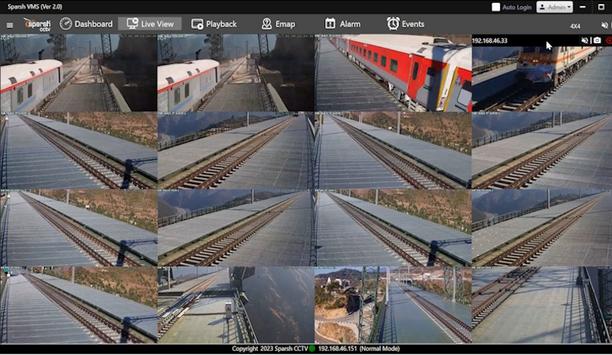
Sparsh CCTV, a pioneer in electronic surveillance, has partnered with Indian Railways to enhance security and operational efficiency for the newly inaugurated Jammu Railway Division. This collaboration coincides with the inauguration of three new trains and marks a historic milestone in enhancing connectivity between Kashmir and the rest of India. Additionally, Sparsh CCTV played a key role in ensuring comprehensive security during the Maha Kumbh at Prayagraj, safeguarding millions of pilgrims. Sparsh’s comprehensive solutions Sparsh’s comprehensive solutions have been integral to ensuring the success of the Udhampur-Srinagar-Baramulla Rail Link (USBRL), a project of immense strategic and economic significance for India. By enabling seamless rail connectivity in this sensitive region, USBRL underscores the Government of India’s commitment to infrastructure growth and national security. Sparsh’s integrated CCTV solutions Sparsh’s integrated CCTV and video management keys set up a control room to oversee operations Also, during the Maha Kumbh, Sparsh CCTV ensured comprehensive security for millions of pilgrims arriving at Prayagraj’s railway stations. Key highlights include cyber-secured STQC-certified cameras installed across all major stations, end-to-end video management systems for real-time monitoring and efficient crowd control, 360-degree security coverage at Prayagraj (PRYJ), Prayagraj Junction (PYGS), Phaphamau Junction (PFM), and Rambag (PRRB), and crowd management analytics deployed at major locations, ensuring seamless handling of large gatherings. Sparsh’s integrated CCTV and video management solutions established a control room to oversee operations, providing a secure and seamless experience for pilgrims. Challenging railway undertakings Mr. Sanjeev Sehgal, Founder & CEO of Sparsh CCTV, stated, “We are immensely proud to contribute to both the USBRL project and the Maha Kumbh, two monumental initiatives that reflect India’s spirit of progress and unity. By delivering innovative, 100% Made in India solutions, we have reinforced our commitment to safety, quality, and the vision of Atmanirbhar Bharat.” The USBRL project, hailed as one of the most challenging railway undertakings in post-independence India, features engineering marvels such as 38 state-of-the-art tunnels spanning 119 kilometers, 927 bridges covering 13 kilometers, and the iconic Chenab Bridge—the world’s highest arch railway bridge, standing at 359 meters above the riverbed. Advanced AI and SCADA systems Sparsh CCTV has ensured the safety and active efficiency of this task by surveillance technologies Sparsh CCTV has ensured the safety and operational efficiency of this project by deploying advanced surveillance technologies, including fire and smoke detection, abandoned object monitoring, face recognition, and train speed analytics. An integrated Command and Control Center, equipped with advanced AI, SCADA systems, and an Emergency Calling System, facilitates real-time monitoring of train movements and signaling, ensuring improved safety, efficiency, and operational management. Integrating cutting-edge surveillance Security has been a paramount concern in the Kashmir region, and the USBRL project sets a benchmark for integrating cutting-edge surveillance and operational systems in such a sensitive area. For the first time in India, an entire railway surveillance system has been executed by a single OEM/ manufacturer. Sparsh has deployed a range of solutions, including explosion-proof cameras, stainless steel cameras, advanced video management software, Video Analytics and Integrated Control Command Center (ICCC), all designed and manufactured in India. This achievement highlights the country’s capability to address complex challenges with indigenous technology. Advanced LiDAR 3D technology The implementation of this surveillance infrastructure has been driven in alliance with key stakeholders The implementation of this surveillance infrastructure has been managed in collaboration with key stakeholders such as RailTel, Konkan Railways, Ircon, and renowned integrators like L&T, TATA, Honeywell and Siemens, PSJV ensuring a world-class safety framework for the project. Sparsh’s solutions have been pivotal in addressing critical challenges, including monitoring overhead cable operations, detecting track obstructions, and integrating advanced LiDAR 3D technology to enhance operational efficiency, enabling seamless functioning even in the region’s rugged and unpredictable terrain. Sparsh CCTV’s advanced surveillance systems With the inauguration of the Jammu Railway Division, the operational readiness of the Vande Bharat Express between Katra and Srinagar signifies the completion of the Kashmir-to-Kanyakumari rail link. This rail journey offers passengers a unique and extraordinary experience, crossing engineering marvels like the Chenab Bridge and the Anji Khad cable-stayed bridge. The successful execution of this monumental project not only strengthens national unity but also ensures a robust security framework in one of India’s most sensitive regions, thanks to Sparsh CCTV’s advanced surveillance systems.

As one of the main tourist destinations in the Caribbean, The Bahamas welcomes nearly seven million visitors every year. Unfortunately, the City of Nassau, the capital of the Bahamas, has seen increased crime in certain parts of the city over the last several years from pickpockets and vehicular crimes to armed robberies and kidnappings. Policing, safety, and security Based in Nassau, the Royal Bahamas Police Force (RBPF) employs over 3,000 officers and provides policing, safety, and security services to residents and visitors. However, the RBPF was challenged to keep up with the rising tide of criminal activity. The government fully supported the RBPF’s initiative to expand the country's surveillance system as a strategic tool in the fight against crime. Track and monitor, situational awareness The RBPF added system infrastructure and hundreds of new IP-video cameras to increase police presence" “There are known criminal hotspots across the city that people of interest frequent," said Ethan Munnings, CTIO at Proficient Business Services, Bahamas, and the lead engineer for the City of Nassau video surveillance project. “To curb incidents in those areas and to better track and monitor suspects, gain situational awareness, and to be able to help locate or identify people after leaving the scene, the RBPF added system infrastructure and hundreds of new IP-video cameras to increase police presence. One of those areas, for example, is the surroundings of the house of the Prime Minister.” Milestone video management system In 2011, the city set up its initial Milestone video management system, overseeing around 250 cameras. Later, in 2019, Nassau officials collaborated with Proficient Business Services to integrate almost 500 additional cameras and edge devices into the system. A restructuring of the network infrastructure was required to consolidate all data feeds to the city's Real-Time Crime Center. The new crime center, located at the police headquarters, opened in February 2021, acting as the Royal Bahamas Police Force's technological epicenter. Innovative technology Integration In early 2020, the Ministry of National Security of the Bahamas began expanding its existing Milestone XProtect video management system. Milestone's open platform data-driven video technology system is compatible with various hardware and software vendors. The upgrade led to redesigning of the network infrastructure and the addition of over 500 high-quality network cameras from Axis Communications. Facial recognition and video analytics ShotSpotter, the gunshot detection system was also integrated into the greatly expanded system The project involved several Milestone technology partners, including system servers from Rasilient Systems, and video analytics applications such as License Plate Recognition (LPR) and facial recognition from BriefCam. ShotSpotter, the gunshot detection system from SoundThinking, was also integrated into the greatly expanded system. Artificial intelligence and deep learning Within the Milestone VMS, the cameras and servers integrate with BriefCam’s video analytics, providing facial recognition and person/object tracking. By harnessing the power of artificial intelligence and deep learning, integrated BriefCam technologies transform video data into valuable insights for rapid video review, search, and real-time alerting. Two types of LPR The system also offers two types of License Plate Recognition. The first is via the Milestone LPR add-on, and the second is through direct integration with BriefCam. A team of 14 operators relies on Auvik for device monitoring and SolarWinds to manage the core network. The fiber network, with a 10G backbone, is based on Cisco technologies. Traffic safety revolutionised Video technology was pivotal in this endeavor, with fatal accidents in New Providence dropping to 33 in 2019 Beyond enhancing security, Nassau's updated city video system has proved instrumental in monitoring traffic accidents and holding drivers responsible for their behavior. Eyewitness News from Nassau reported 69 deaths related to traffic in 2018. After witnessing an almost 30 percent surge in fatalities from 2017 to 2018, authorities committed to reducing traffic-related deaths and accidents. Video technology was pivotal in this endeavor, with fatal accidents in New Providence dropping to 33 in 2019. Traffic surveillance “The cameras we have strategically installed on traffic lights around the city use LPR integrated with Milestone Systems, which have helped control hit-and-run accidents,” said Munnings. “There have been cases of pedestrians being hit by vehicles that didn’t stop; now the police can track those vehicles and bring those drivers to justice. The new surveillance system has also helped prevent human abductions.” Technology and innovation For more than 12 years, the City of Nassau has been relying on and expanding the capabilities of its video surveillance system. With the help of technologies and deep integration within an open platform VMS ecosystem, the city's authorities and police have effectively addressed evolving challenges to ensure safety for both residents and tourists. “Technology and innovation have taken off at the speed of light and this will only accelerate. Embracing the innovations that improve police work is no longer optional," said Zhivago Dames, Assistant Commis.
Round table discussion

There is safety in numbers, or so the expression goes. Generally speaking, several employees working together tend to be safer than a single employee working alone. Even so, some environments require that workers complete their jobs alone, thus presenting a unique combination of security vulnerabilities. The U.S. Occupational Safety and Health Administration (OSHA) defines a lone worker as “an employee working alone, such as in a confined space or isolated location.” We asked this week’s Expert Panel Roundtable: How can security technologies help to protect "lone workers?"
The role of the integrator/installer in the physical security marketplace is shifting as technologies evolve and applications expand. Integrators are being faced with a need to augment their expertise both in a wider range of systems and deeper into the specifics of each increasingly complex technology. At the end of the day, it falls to the integrator/installer to ensure a system performs as promised, however much a consultant or even a manufacturer might be involved in the process. We asked this week’s Expert Panel Roundtable: How is the role of the security installer/integrator changing?

Deployed across a wide range of devices, the Internet of Things (IoT) collects data to help business owners make decisions on a macro scale as well as at a granular level. The IoT is a network of physical devices embedded with sensors, software, and network connectivity that allows them to collect and share data. We called on this week's Expert Panel Roundtable to comment on the intersection of the IoT and physical security. We asked: How is the Internet of Things (IoT) increasing the effectiveness of security systems?