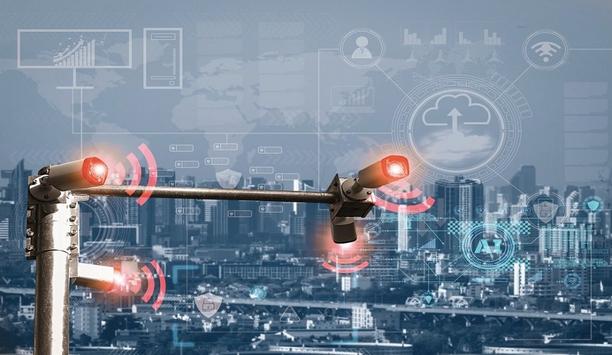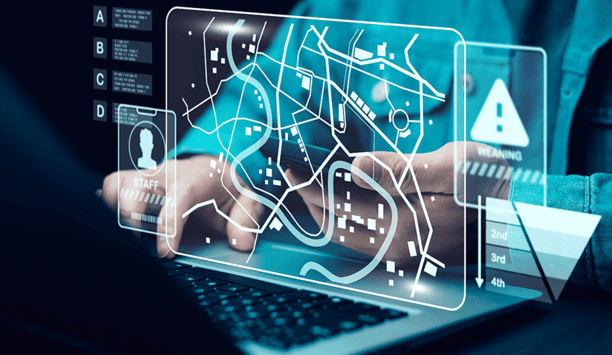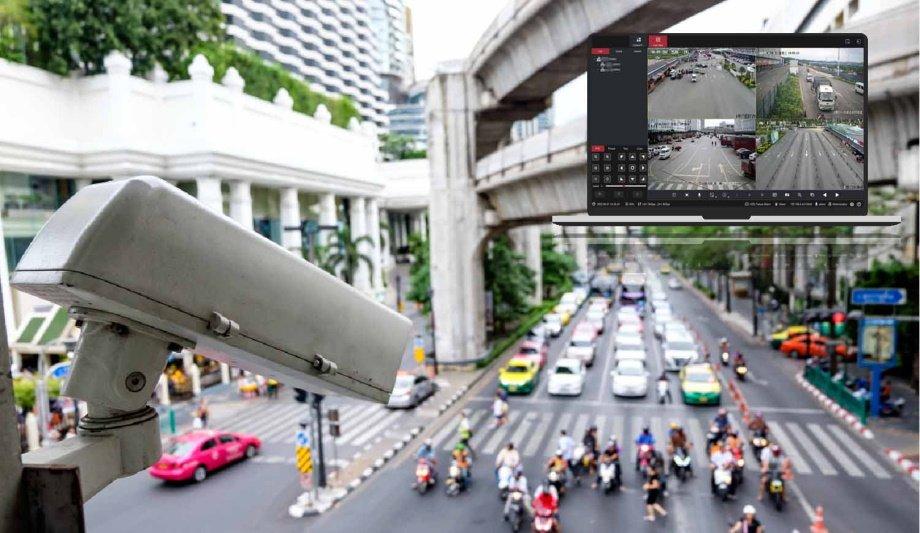


Enable third-party application system quickly to incorporate the visual data, as part of their solutions. Each and every user has a unique set of platforms that they need to efficiently run their business. In the security and surveillance field, increasing interest in visual sensor networks drives the development of multi-camera applications in private and public areas.
Thus, middleware is needed to facilitate video data sharing connections between software platforms. It works like video plumbing, as it connects two ends of software platforms together so video data and databases can be easily passed between the ‘pipe’ for various applications.
- How does a middleware for video surveillance work?
Video retrieval
The middleware should work as software platform to receive and collect video from multi-cameras
First, the middleware should work as software platform to receive and collect video from multi-cameras. Thus, those features are required for the middleware to work with video that can help user easily add various video sources into the application.
The middleware platform should support many protocols, such as ONVIF, GB/T28181, GA/T1400 etc. The more protocols it supports, the more cameras it can access. Set ONVIF protocol for example. Nearly 80% famous overseas video surveillance manufacturers in the world all support the standard protocol ONVIF, if the middleware system supports ONVIF, which means it can communicate with above 80% cameras and receive the video from them with no problem.
And, also the middleware platform can be set up to work with an RTSP,HLS,HTTP-FLV, WebSocket video source with an URL – for example, a synthetic video source, like VLC stream server, which make the integration process simple and easy.
Video management
Second, after collecting the video, middleware should allow the integrating application to manage video archives from multi-cameras in geographically distributed locations, and realize video management functions, such as video monitoring, local or network or cloud-based storage options, intuitive E-map display, gathering information on remote objects alarms, quick and convenient search and playback etc.
After realizing video management performance, the middleware becomes video management middleware. And, it should contain a ready video management mechanism available via REST API, while integrating application defines management policy.
Easily integrate with third-party application
The video management middleware is better to designed as an SDK
Third, the middleware should easily integrate with third-party application, so that video data sharing connections between software platforms can be put through, and the third-party application can easily incorporate video, as part of their own video solution.
In order to realize this, the video management middleware is better to designed as an SDK. That is every piece of functionality implemented in middleware is available via programming interface, and the functionality is said to be implemented.
Standard video data for third-party industry platforms
And what’s more, standardized media stream formats, such as HTML5 are better to provide for the convenient interaction with third-party applications, particularly in media interchange. So that it will be easily to push the standard video data to many third-party industry application platforms, and make video playback possible on most of popular browsers, and mobile devices.
When you are giving those information to a third party application system, it will be able to acquire the video data and sync information to perform other task via middleware.
- What are benefits the video management middleware brings?
Enable third party application system quickly to incorporate the visual data as part of their solutions. As the easy integration features the video management middleware brings, the third parties don’t need to put more energy on aggregating video sources from multi-cameras and waste more cost on developing.
All they need is to enjoy the visual data via convenience and quick integration from the video management middleware, and then focus more energy on application-level development, while saving developing costs.
Easy deployment and saving cost
With the progress of the security technology, some old security infrastructures need to be upgraded as well, such as community security project, school security projects. If replacing all the front-end cameras, it will cost a lot. The most economical and efficient way is to add new functional cameras at most important monitoring spot, while still keep some old cameras.
Thus, the video management middleware is needed. Users only need to install middleware software on the computer. By the video management middleware, users can collect and manage the video resources from various brands front-end video device without replacing the original monitoring equipment and deployment, thus making full use of old devices and greatly reduce the cost of video integration and application.

- Network / IP
- Remote surveillance
- Digital video surveillance
- Remote video surveillance
- IP video surveillance
- Remote security
- Perimeter security
- Security devices
- Security installation
- Security cameras
- Covert cameras
- Security camera systems
- Remote video monitoring
- Wireless security
- Network cameras
- Security software
- IP Surveillance
- ONVIF
- Green security
- Outdoor video surveillance
- IP security solutions
- Covert Surveillance
- Integration software
- Perimeter protection
- Network Video Recorders
- Video surveillance