Security software

Riverbed, the pioneer in AIOps for observability, announced new Riverbed intelligent network observability solutions that combine 360-degree network visibility with agentic AI to help network operations teams accelerate troubleshooting, identify root causes, predict emerging issues and increasingly prevent disruptions before they impact users. About Riverbed Network 360 The new Riverbed Network 360 offerings natively integrate the powerful agentic AI capabilities of Riverbed IQ and Q into Rive...

Fime announces the acquisition of Red Alert Labs, taking a further step in its strategy to become a global Digital Trust Provider. The acquisition adds cybersecurity evaluation, certification expertise and compliance automation to Fime’s established capabilities across payments, smart mobility and digital identity. Trust infrastructure As digital ecosystems become increasingly interconnected, trust can no longer be addressed in silos. Payments, digital identities, connected devices...

As autonomous agents make the digital world more dangerous, Rubrik, the Security and AI Operations Company, unveils Rubrik Code Guardian, a custom Claude Mythos 5 harness that red-teams customers’ code based on an air-gapped copy of their repository. Bringing cyber resilience up to speed of AI “Rubrik is one of the partners we are working with to put Claude Mythos 5's cyber capabilities in defenders' hands, so they can find and validate attack paths before attackers do," said Micha...
Genetec Inc, the global pioneer in enterprise physical security software, is now inviting contributions for the 7th annual edition of its global State of Physical Security report. In 2025, Genetec’s survey received responses from over 7,300 participants across six continents, offering valuable insight into emerging trends within the industry. The report found that interest in adopting AI has more than doubled among end users since the previous year. Additionally, security is increasingly...

Five months after joining forces, March Networks®, a global pioneer in video surveillance and business intelligence, and VIVOTEK, a foremost global security solutions provider, will exhibit jointly at Global Security Exchange (GSX) 2026 for the first time. At booth 1823, September 14–16 at the Georgia World Congress Center in Atlanta, the combined organization will demonstrate how Connected Intelligence for Modern Security brings together video, AI, cloud, business intelligence a...

Cozaint Corporation, the Intelligent Video Lifecycle Management company, announced the commercial availability of its patented MARCIA™ platform for Milestone XProtect® video management software environments. About MARCIA MARCIA enables organizations using Milestone XProtect to extend video retention beyond traditional primary-storage limits while continuing to use XProtect exactly as they do today. MARCIA continuously replicates newly recorded video in the background to LTO-ba...
News
HiveWatch, a physical security software company reimagining how organizations keep their people and assets safe, announced today that Dinesh Coca has joined the company as GM & SVP, Product & Engineering – along with a wave of new capabilities and integrations built around one idea: operators shouldn’t spend their shifts digging through noise. HiveWatch will showcase all of these during GSX 2026, Sept. 14-16, in Atlanta, at booth #4459. Meet Dinesh Coca joins HiveWatch with the experience to lead these efforts: he has spent more than 20 years building and scaling technology products, starting as a software engineer before moving into product and leadership roles. “HiveWatch stood out because the problem is so clear,” said Coca. “Security teams already feel the pain of working across a dozen systems just to understand and respond to one incident. There’s a huge opportunity to make that experience dramatically simpler.” Dinesh spent nearly a decade at Medallia, helping grow the company from pre-Series A through the public markets. At BigPanda, he helped customers cut through noisy monitoring and observability data. Most recently, he built a new SaaS product line at Motive, taking it from zero to 500 customers in 18 months. “My focus is going to be listening closely to customers and making sure we’re building products they want to use, while also giving security leaders a clearer view into the value those products are delivering,” Coca said. Part of that effort will be building on the AI-centric focus of the platform. Let AI handle more of the noise HiveWatch is also focused on a common challenge in security operations centers: the hundreds (if not thousands) of calls that come into an enterprise organization’s security operations center (SOC). Many aren’t emergencies. Someone might be reporting a broken window, water leak, or another facility issue, something that needs to be documented and routed, but shouldn’t require a SOC operator to drop everything and respond. That’s changing with AI Operator Communicate, a new HiveWatch capability designed to handle and route incoming calls to SOCs. “There’s been plenty of conversation about using AI to replace people. That’s not how we think about it,” said Ryan Schonfeld, Co-Founder & CEO, HiveWatch. “The operator is still at the center of the experience. We’re using AI to clear away the boring, repetitive work around them, so they can spend more time on the situations where human judgment actually matters.” Answering incoming calls HiveWatch can now answer an incoming call, figure out what's happening, and guide the caller through a decision tree built on the organization's own security protocols and SOPs. It responds in the caller's language, too, with support for 40+ languages across global security operations. If the call is an emergency, it escalates immediately and brings a human operator into the loop. If it isn't, the platform documents the issue and routes it where it belongs without pulling an operator off more important work. Every interaction delivers a transcript and audit trail inside HiveWatch: what happened, what was said, and how the call was handled. The call-in capability is initially rolling out in beta with a major U.S. telecom company, which has seen early results better managing a monthly volume of 1000+ inbound calls. Keep making the operator’s job easier AI Operator Communicate is part of a broader push at HiveWatch to make the day-to-day operator experience simpler. A few more updates working toward the same goal: Program recommendations surface patterns that are easy to miss, such as recurring hardware issues, faulty alarm configuration rules, or risky employee behavior patterns. With this new feature, teams can track each recommendation through completion, building a clear record of how their security program is improving over time. One beta program customer decreased false incident volume by ~95% based on HiveWatch GSOC OS recommendations. Configurable workflows turn SOPs into step-by-step, dynamic instructions inside HiveWatch, with no digging through a PDF or hunting for a phone number mid-incident. Every incident response follows the SOP and documents it, automatically. Email alert ingestion for older systems without a clean API. If it can send an email, HiveWatch can ingest it, and bring that alert into the same operator workflow as everything else. Together, the updates reduce the manual work on operators and paint a clear picture of the next step. HiveWatch brings security stack into one place with key partnerships HiveWatch has always been built to work with the tools you already own, not replace them. New partnerships with Acre Security, Arcules Video Surveillance-as-a-Service from Milestone Systems, and Lumana add more ways to connect what's already there: Acre Security (booth #4170): HiveWatch can ingest access control events from acre security, bringing those events into the same queue where operators manage alarms and incidents from the rest of their physical security stack. Arcules VSaaS (Milestone Systems, booth #2312): Teams can bring video from the Arcules VSaaS into HiveWatch to add visual context around access control events and help operators understand what happened without jumping between systems. Lumana: HiveWatch can ingest Lumana video and video-based analytics, including alerts for scenarios such as slip-and-fall events, people of interest, license plate recognition, occupancy, traffic activity, and line crossing. Those alerts can then be standardized and managed alongside other security events inside HiveWatch. Join us at GSX 2026 Learn more about these product updates and integrations at GSX 2026, Sept. 14-16. Come find HiveWatch at booth #4459.

Safetrust today introduced the Safetrust Aliro 1.0 Migration Credential, a physical credential designed to help enterprises move from proprietary access technologies to the open Aliro standard without replacing their existing reader infrastructure. Enterprises can issue, manage, and update the credential themselves, while one organization-controlled identity can operate across Aliro-compatible readers from multiple vendors. Organization-controlled digital trust Traditional credentials often rely on proprietary keys controlled by an access control vendor. Aliro credentials instead use digital certificates the organization issues and controls. As with the certificates that secure websites and enterprise IT systems, the organization determines which identities are trusted, where they can be used, and how certificates are issued, updated, and revoked. Organizations can also authorize external partners, including landlords, parking operators, and workplace service providers, to trust the same credential. One badge can therefore provide access to corporate offices, shared buildings, parking facilities, and other approved environments without requiring a separate credential from each provider. For large enterprises, this provides direct control over credential security, less dependence on any single hardware vendor, and alignment across physical access, enterprise PKI, identity and access management, and Zero Trust strategy. The credential implements the Connectivity Standards Alliance's Aliro 1.0 specification and works with Aliro-compatible hardware from multiple vendors. Aliro was developed through collaboration among more than 220 CSA member companies, including Apple, Google, Samsung, and Safetrust. A new model for enterprise identity "Aliro represents the first time customers and vendors outside the government sector have come together around a common standard for organizational identity," said Jason Hart, CEO and co-founder of Safetrust. "For enterprise security leaders, this creates a path to stronger security and greater vendor choice without requiring a disruptive replacement of their existing access infrastructure." Passport model for access As an open, multi-vendor standard, Aliro is becoming the enterprise equivalent of a passport: the issuer establishes a trusted identity, while independent organizations decide whether and where to accept it. Moving beyond proprietary credentials For decades, physical access customers have migrated from one proprietary credential technology to the next, often replacing readers, credentials, and key infrastructure with each generation. While the cryptography improved, the underlying model often did not: the credential vendor continued to control the technology and the critical trust infrastructure. When that vendor-controlled trust infrastructure was compromised, the security of the credentials customers relied upon was compromised with it, restarting the migration cycle all over again. Open migration path Aliro changes that model. Instead of asking customers to migrate to Safetrust's next proprietary credential, Safetrust is providing a migration path to an industry standard that any compliant vendor can implement. The organization, not Safetrust, generates and controls its keys and establishes its trust relationships, bringing physical access in line with the certificate-based security practices already familiar to enterprise IT. Supporting legacy infrastructure The Safetrust Aliro credential simplifies migration by consolidating multiple legacy credentials onto a single card. Safetrust has independently developed emulation technology that enables interoperability with installed legacy reader ecosystems, including readers configured for HID® Seos® Standard and Elite credentials, LEAF credentials, vendor-specific credentials used with MIFARE® DESFire® data models, and more than 30 low-frequency proximity technologies. Safetrust independently developed these legacy-compatible applications, and they are not HID or other third-party credentials. This allows one physical credential to work with existing legacy readers without modifying the installed infrastructure, while also supporting migration to Aliro. Phased migration without disruption Organizations can therefore migrate to Aliro at their own pace without disrupting day-to-day operations. Existing readers can remain in service while Aliro-capable infrastructure is introduced progressively, starting with the highest-risk areas such as data centers, schools, production and warehouse environments, and other sensitive or unsupervised openings. As reader infrastructure is upgraded, the same credential transitions from legacy compatibility to Aliro's certificate-based trust model without requiring users to change cards again. The credential works with the infrastructure an organization has today and moves to a stronger trust model as Aliro-capable infrastructure is deployed. Expanding credential capabilities The migration credential is designed to become more capable over time. Beyond physical access, organizations can enable additional applications and services on the same credential, extending their investment without issuing another badge. Extending beyond physical access The same physical credential can also extend beyond the door. An optional full FIDO2 application enables the Safetrust Aliro credential to operate as an NFC FIDO2 authenticator for compatible workstations, applications, services, and mobile devices. NFC tap-to-enroll is also supported, allowing organizations to consolidate physical access and strong digital authentication onto a single employee credential and potentially reduce the need for separate FIDO2 security tokens. Future-proof credential management As security requirements and standards evolve, administrators update credentials in the field by tapping the card on a desktop reader or NFC-enabled phone. Specification updates, digital certificate changes, and support for additional legacy credentials apply without replacing the physical badge, extending its useful life and simplifying credential management. Tap-To-Authenticate workflows Safetrust's patented Tap to Authenticate technology extends the physical credential into digital workflows. By tapping the card to an NFC-enabled phone or computer, an organization can authenticate the credential and initiate an approved browser-based workflow, including identity verification, support services, emergency assistance, credential self-service, or mobile credential provisioning. For mobile wallet provisioning, organizations control which users are eligible and what identity verification is required before issuing an authorized credential to Apple Wallet, Google Wallet, Samsung Wallet, or Safetrust Wallet. Flexible deployment The credentials are available in multiple form factors and can be ordered preprogrammed, programmed onsite, or provisioned with an NFC-enabled mobile device. They are available today through Safetrust distribution partners and will be available online through retail channels in Q4 2026. Demonstrating Aliro At GSX 2026 Safetrust will demonstrate its Aliro physical credential alongside mobile credentials working across a range of vendors at the Global Security Exchange (GSX), September 14–16, 2026, at the Georgia World Congress Center in Atlanta. Visit Safetrust at Booth 3545 and attend One Credential, Any Reader: How the Aliro Standard Ends Vendor Lock-In on Tuesday, September 15, from 2:45–3:45 p.m. ET in Room B308/B309. Safetrust will also host the webinar Aliro: The Card on Wednesday, September 9, at 11 a.m.

Commvault, a pioneer in unified resilience at enterprise scale, today announced Commvault Active Directory Pre Recover. This new solution, which utilizes existing Commvault technologies – including Commvault Cleanroom and Threat Scan – to reduce the time it takes to cleanly recover Active Directory (“AD”) from hours to minutes. About Active Directory Pre Recover Active Directory Pre Recover creates a clean, standby copy of AD in an isolated, air-gapped Cleanroom environment. When disaster or disruption strikes, rather than waiting for a full forest recovery, or relying on complicated identity synchronization, organizations can fail over in minutes to this clean copy and keep the business running. Commvault also utilizes Threat Scan to continuously scan AD backups so the standby copy is free of malicious content. This innovation comes as identity systems have become a primary target for attackers and organizations are facing increased pressure to restore rapidly and without risk of re-infection. Cyber recovery “Identity is foundational to every enterprise application, user, and business process,” said Rajiv Kottomtharayil, Chief Products Officer, Commvault. “Commvault has already made significant progress reducing identity recovery times from weeks to hours, and now we are extending that progress toward near-real-time availability. The result is faster access to critical business systems and greater confidence during cyber recovery.” Additional benefits of Commvault Active Directory Pre Recover Keep critical operations running during a cyber incident: With the AD standby copy stored in Cleanroom, organizations can have peace of mind that, in the event production identity services are unavailable, trusted access to critical systems can continue. Minimize application and infrastructure disruption: Applications can continue authenticating against trusted identity services without requiring complicated replication of accounts in alternate Identity and Access Management Systems or waiting for a full forest restore to complete. Availability Commvault Active Directory Pre Recover will be available for early access in the coming months, delivered as part of Commvault's Identity Resilience portfolio. All enterprise AD customers will receive Active Directory Pre Recover as part of their existing license, including a lite version of Cleanroom. This offering will be available globally through Commvault's partner ecosystem.

Genetec Inc., the global pioneer in enterprise physical security software, releases guidance to help physical security leaders assess how technology providers design, maintain, and support connected products as the EU Cyber Resilience Act (CRA) raises cybersecurity expectations across the product lifecycle. The CRA establishes cybersecurity requirements for products with digital elements sold in the European Union. It places greater emphasis on secure product development, vulnerability management, cybersecurity transparency, and ongoing product support throughout the product lifecycle. While the legislation primarily applies to manufacturers, the regulation will also affect the organizations that distribute, install, procure, and operate connected devices. Evaluating technology providers "The Cyber Resilience Act reinforces many of the secure-by-design and lifecycle management principles that Genetec has been advocating for years," said Mathieu Chevalier, Principal Security Architect at Genetec Inc. "By raising expectations for product security and transparency, the CRA regulations give buyers a clear basis for evaluating technology providers and the long-term cyber resilience of their products." With the CRA's vulnerability-reporting obligations coming into force on 11 September, organizations will increasingly rely on technology providers to meet new cybersecurity and vulnerability-handling requirements. To help evaluate vendor readiness, Genetec encourages organizations to ask prospective technology providers five key questions: Vulnerability-handling requirements How long will the product receive security updates and support? - The CRA reinforces the importance of maintaining product security throughout its lifecycle. Security leaders should understand how long the provider will deliver updates, how it will address vulnerabilities, and what support it will offer when products reach end-of-life. The CRA regulations require manufacturers to provide security updates and vulnerability handling for at least five years, making long-term support an important consideration when evaluating products. Was cybersecurity built into the product from the beginning? - The principles of Secured by Design and Secure by Default are central to the CRA. Ask the provider to explain how it incorporates cybersecurity into product design, development, testing, and the product’s ongoing lifecycle. Vulnerability management program How does the provider identify, disclose, and address vulnerabilities? – No software is immune to vulnerabilities. How a provider responds is a strong indicator of its commitment to cybersecurity. Look for an established vulnerability management program that includes regular security testing, a coordinated vulnerability disclosure policy, risk-based remediation without undue delay, secure delivery of security updates, and clear advisories about fixed vulnerabilities. Is the provider transparent about its own cybersecurity practices? - Cybersecurity is a shared responsibility. Responsible providers explain how they develop, test, and maintain their products and give customers and integrators clear guidance for secure deployment. Ask how the provider regularly tests and reviews product security, communicates vulnerabilities and security updates, and provides system-hardening guidance. Providing system-hardening guidance How will the provider support your long-term cyber resilience? - Product cybersecurity does not end at installation. Working with trusted technology partners is critical. Organizations should evaluate how the provider determines and communicates the product’s support period, handles vulnerabilities, delivers security updates, supports secure operation, and manages the product’s end of life. They should also ask what evidence the provider can supply to demonstrate that the product meets applicable cybersecurity requirements throughout its lifecycle. Connected physical security systems "Organizations best positioned to manage future cyber threats treat cybersecurity as an ongoing partnership, not a one-time procurement decision," concluded Chevalier. "The CRA helps reinforce that approach by setting common expectations for transparency, disciplined vulnerability management, and long-term product support, benefiting manufacturers, integrators and the organizations that depend on connected physical security systems." For more than 25 years, Genetec has applied cyber secure development practices to its physical security technology. It builds solutions based on open architecture and designs them with cybersecurity at the core, incorporating encryption, identity and access management, continuous monitoring, vulnerability management, and guidance that helps customers maintain resilient systems over time.
Genetec Inc., the pioneer in enterprise physical security software, announces its empower360 roadshow will return to the United Arab Emirates. Taking place in Abu Dhabi on September 16, the partner-focused events will bring together physical security professionals and technology experts to explore how data-driven strategies, operational intelligence and emerging technologies are transforming the future of physical security. Held under the theme ‘Advancing Security Through Intelligence and Innovation,’ this year’s roadshow comes as organizations increasingly move beyond standalone systems and look for more connected approaches to strengthen physical security while supporting wider operational objectives. Wider operational objectives According to the Genetec 2026 State of Physical Security Report, 71% of respondents are already using unified or integrated video surveillance and access control systems. The report also found that 60% of channel respondents identified integrating systems with new technologies as the primary motivation for customers replacing legacy systems. Across the Middle East, continued investment in digital infrastructure, smart developments and large-scale transformation initiatives is also changing the role physical security plays within organizations. Smarter physical security operations Sessions at empower360 will explore how organizations can advance their physical security strategies through smarter physical security operations, developments in access control, operational intelligence, and practical approaches to infrastructure modernisation. Attendees can meet Genetec experts, experience technology demonstrations, and exchange insights with industry peers and partners. “Across the Middle East, organizations are investing in infrastructure and digital transformation, and physical security must evolve with them,” said Firas Jadalla, Regional Director, META at Genetec Inc. “Connected systems are only part of the challenge. Organizations also need operational insight, resilience, and control to manage increasingly complex environments. empower360 brings our partner community together to explore practical ways innovation can help organizations support the next phase of physical security.”

DMP has announced their 38th Dealer Roundtable. The industry’s premier opportunity for DMP dealer connection, this fall’s event will take place at Hotel Polaris in Colorado Springs, Colorado, Oct. 5-6, 2026. Since 2013, DMP Dealer Roundtable has served DMP dealers with the chance to discuss best practices with other industry professionals across DMP’s extensive dealer base. It is the only opportunity of its kind: Management, technicians and sales professionals engage in tabletop exercises, learn from their peers and have access to the DMP Executive Management Group. Guests can expect to hear invaluable tips from fellow dealers and DMP leadership, including the latest DMP products and how to implement them, increasing efficiency and sales, company culture and leadership. Learning strategies “Dealer Roundtable is unlike any other dealer event,” said Mark Hillenburg, DMP Vice President of Industry Relations. “Every single person in your company has something to bring to the table. We’ve had dealers learn business-altering strategies they may not have considered otherwise.” Speaker details Retired United States Air Force pilot Lt. Col. Jason O. Harris will speak on building a culture of trust as a business nonnegotiable. A nationally acclaimed author and high-energy keynote speaker, Harris’ No Fail Trust® is teaching leaders how to create trust between themselves and employees. His teachings have provided lower turnover, higher performance and greater profitability to some of the country’s most well-known companies. Flight simulator experience To tie it all together, attendees can put those lessons into action with a flight simulator experience at Hotel Polaris, challenging teams to communicate, collaborate and trust one another in realistic F-16 and Boeing 737 MAX simulators. Those planning to attend DMP Dealer Roundtable in Colorado Springs, CO must register by Friday, September 18, 2026. Hotel Polaris room reservations must be made by Friday, September 4. Meals and the on-site activity are included.

Expert commentary

In the modern world of intelligent security, AI cameras and processing units (often called "AI boxes" or "AI servers") are transforming surveillance. They can detect specific behaviors — like someone entering a restricted area, loitering, or a vehicle parking illegally — and send immediate alerts. This represents a significant leap from older systems that merely recorded video for later review. However, a common challenge arises when organizations use devices from multiple manufacturers. Each brand often comes with its own proprietary software, creating a fragmented ecosystem. Unified Video Management Software (VMS) platform Security personnel might need to switch between several different programs to monitor all their cameras. Furthermore, critical evidence — such as video clips triggered by an alarm — is typically stored locally on each device. If that device's storage fills up, new footage can overwrite the old, potentially erasing vital evidence before anyone has a chance to review it. Security personnel might need to switch between several different programs to monitor all their cameras This is where a Unified Video Management Software (VMS) platform becomes indispensable. Acting as a central nervous system, it integrates disparate devices into a cohesive operational framework. Solutions like SVMSPro exemplify this approach, seamlessly merging feeds from diverse AI hardware into a single, intuitive interface. Using SVMSPro as a case study, we can outline the core capabilities of a modern unified AI management platform: Simplified Multi-Brand Management Eliminate the complexity of managing multiple software applications. A unified platform provides a single dashboard to view, control, and manage all AI devices — regardless of manufacturer. This consolidation dramatically streamlines daily operations, reduces training overhead, and provides a holistic view of the entire security infrastructure. Unifying AI surveillance application. Centralized & Secure Evidence Storage Relying on the limited local storage of edge devices is a liability. Critical evidence from alarms is vulnerable to being overwritten and lost. SVMSPro solves this at the source. The moment any connected AI device detects an event — whether it’s intrusion, loitering, or object removal — SVMSPro receives the alert in real time and immediately triggers intelligent actions: Start high-quality alarm-triggered recording, Capture detailed snapshots, Activate PTZ tracking to track the subject automatically, And securely store everything on the centralized SVMSPro platform — not on fragmented front-end devices. This ensures evidence is permanently preserved and readily accessible. Users can swiftly search, review, and retrieve any alarm-related video or image via the web client or desktop application — anytime, anywhere. Illegal parking snapshot. Organized access & smart alerting Effective security is a team effort with tiered responsibilities. A unified platform enables precise, role-based access control. With SVMSPro, administrators can define user roles, create custom accounts, and assign specific video channels — even from different brands — to each operator. A guard may only access parking lot feeds, while a manager receives alerts for perimeter breaches. This granular control enhances operational efficiency, safeguards data privacy, and ensures team focus. Furthermore, real-time alerts can be pushed to mobile apps, guaranteeing immediate notification for the relevant personnel. User management. Integrated data analysis By aggregating data across all connected devices, a unified platform unlocks powerful analytics. It transforms scattered data points into actionable intelligence, generating comprehensive reports on event trends — from peak intrusion times in retail to occupancy heatmaps in large facilities. For instance, by ingesting people-counting data from AI cameras, SVMSPro can produce detailed daily, weekly, monthly, and annual traffic flow reports, supporting informed business and operational decisions. People flow statistics. Conclusion: From fragmented data to cohesive insight A unified management platform is the critical backbone for any multi-brand AI security deployment. It transforms a collection of isolated smart devices into a synchronized, intelligent network. The practical applications are vast: Retail: Combines loss prevention with customer behavior analytics. Transportation Hubs: Manages vehicle flow and enhances passenger safety. Manufacturing: Monitors compliance in restricted hazardous areas. Smart Cities: Correlates events across districts to provide a unified operational picture for public safety. By centralizing control, securing evidence, and delivering intelligent, role-specific alerts, platforms like SVMSPro empower organizations to evolve from simply observing events to understanding and acting upon them with unprecedented speed and clarity.

In the ever-evolving struggle between cyber offense and defense, attackers have almost always moved first. In the emerging domain of artificial intelligence, this pattern appears to be repeating itself. Yet, global cybersecurity pioneers appear disconcertingly disengaged. Just over half even agree that AI-driven attacks are set to become dramatically more complex and widespread. Equally concerning is the widespread apathy regarding AI’s role in expanding an already sprawling corporate attack surface. This is no small oversight. A recent global Trend Micro study showed that 73 percent of organizations have already suffered cybersecurity incidents due to unknown or unmanaged assets. In an era where digital blind spots are both common and consequential, hesitation is a risk few can afford. Security has to shift from reactive protection to proactive risk exposure management. The opportunity and the risk of AI Threat actors are now using jailbroken versions of legitimate generative AI tools such as ChatGPT The potential for AI to transform enterprise operations is enormous, but so is the risk. The warnings have been loud and clear. As early as the first quarter of 2024, the UK’s National Cyber Security Center (NCSC) stated that AI would “almost certainly increase the volume and heighten the impact of cyber-attacks over the next two years.” Their prediction is proving accurate. Threat actors are now using jailbroken versions of legitimate generative AI tools such as ChatGPT, freely traded as services on the dark web, as well as malicious models like FraudGPT, built on open-source large language models (LLMs). These tools are no longer just about automating tasks; they are turbocharging the entire attack lifecycle. From more convincing phishing emails and precise target selection, to sophisticated malware creation and lateral movement within breached systems, AI is driving a step-change in threat actor capability. Integrating open-source models However, this is only one side of the coin. The other, often overlooked, is AI’s impact on the corporate attack surface. Even well-meaning employees can unintentionally expand organizational risk. The widespread use of AI-as-a-service tools like ChatGPT introduces significant shadow IT concerns, especially when sensitive business information is input without proper oversight. Data processing and storage practices for many of these services remain opaque, raising additional compliance concerns under regulations like the UK GDPR and the EU’s AI Act. For those organizations that choose to build or customize their own LLMs, the risks multiply. Integrating open-source models may expose businesses to vulnerabilities, misconfigurations and flawed dependencies. Each new tool and environment adds to the complexity of an attack surface already strained by remote work setups, sprawling cloud deployments, IoT ecosystems, and accelerating digital transformation programmes. Managing the expanding risk landscape Many have already shared security incidents where a lack of asset visibility was the root cause Many security pioneers do understand what is at stake. Nine in ten agree that effective attack surface management is tied directly to business risk. They cite a long list of potential consequences, disruptions to operations, reputational damage, declining competitiveness, strained supplier relationships, financial losses and reduced staff productivity. Many have already experienced security incidents where a lack of asset visibility was the root cause. Despite this recognition, however, the response remains largely inadequate. Fewer than half of global organizations use dedicated tools to monitor their attack surface proactively. On average, only a quarter of cybersecurity budgets are allocated to managing cyber risk exposure. Third-party risk management is similarly neglected: fewer than half of firms actively monitor their vendors for vulnerabilities. This inertia creates an obvious contradiction. Security pioneers understand the business implications of unmanaged risk, but they are not equipping themselves with the tools or processes to respond. That needs to change—and fast. How AI can help defenders take the lead There is good news: AI is not only a weapon for cybercriminals. It can also be a powerful ally for defenders, particularly in the field of Cyber Risk Exposure Management (CREM). The best tools in this category use AI to continuously scan an organization’s entire digital footprint. They can automatically detect vulnerabilities, spot misconfigurations, identify rogue or shadow assets, and provide prioritized remediation recommendations. CREM platforms apply contextual filtering to reduce false positives and elevate the most urgent threats Intelligent algorithms can also analyze network behavior to identify anomalies that could signal a breach in progress. Unlike traditional tools, which often drown analysts in noise, CREM platforms apply contextual filtering to reduce false positives and elevate the most urgent threats. For overburdened security teams, this enables a far more focused and effective response. However, the keyword here is “continuous.” The nature of today’s IT environments, especially in the cloud, is dynamic and fast-moving. Assets appear and disappear within minutes. Static, point-in-time assessments are no longer sufficient. Yet more than half of organizations still lack continuous scanning processes. This leaves them exposed to risks that might persist undetected for weeks or months. Overcoming barriers to adoption So what is holding organizations back? In many cases, it’s not the technology itself but the internal politics of investment. Security pioneers interested in CREM tools often prioritize real-time alerting, clear dashboards, and seamless integration with their existing environments. All of this is now achievable. The challenge lies in securing board-level support. Many security teams still work in silos, disconnected from the broader business Boards are often cautious when it comes to cybersecurity investment, particularly when immediate ROI is not clear. To gain their trust, security pioneers must learn to speak the language of business risk, not technical threat. They must frame cyber exposure in terms of reputational impact, regulatory liability, operational continuity, and investor confidence. There is also a cultural component. Many security teams still work in silos, disconnected from the broader business. This limits their influence and makes it harder to embed security as a strategic enabler. In the AI era, this divide must be bridged. Cybersecurity must become a board-level concern, and risk exposure must be treated as a fundamental operational issue. Time to act We are at a critical inflection point. The AI revolution is not on the horizon, it is already here. Threat actors are moving rapidly to exploit it, leveraging tools and techniques that were unthinkable just a few years ago. Meanwhile, organizations remain slow to respond. Too few are investing in the tools, processes, and people needed to manage their risk exposure effectively. AI can be used not only to attack but to defend. CREM tools powered by AI offer a powerful way to regain visibility, restore control, and build lasting resilience. They enable proactive rather than reactive security. And they help organizations align their cybersecurity strategy with their broader business objectives. Security teams have to elevate the conversation. They must advocate not just for new tools, but for a new mindset, one that treats cyber risk as an enterprise risk, and one that prioritizes continuous visibility as a prerequisite for resilience.

In the past, security and IT teams operated independently, but today collaboration is critical. Modern security systems rely on various devices and systems that are linked to internal and external networks. Without IT involvement, physical security can become a weak point for cybersecurity. Although these groups have made headway in partnering up to ensure the successful implementation of new solutions, often there’s still a disconnect. Differing skills, priorities, and unique ways of thinking have contributed to siloed ways of working. Unified security technologies Thankfully, solutions do exist to help improve coordination between teams and departments Other factors can also make collaboration more difficult. Budget limitations and staff turnover may result in a lack of specialized security training among operators, who don’t know which stakeholders to engage or when. Staff may be willing to collaborate, but do they know who should be alerted when there’s an event? If everyone is alerted to everything, those who don’t need that information will eventually start to tune out. Thankfully, solutions do exist to help improve coordination between teams and departments. Unified security technologies can enhance collaboration, streamline communication, and improve response times. This enables cross-functional teams to respond faster, make better decisions, and work together to enhance overall security. IT and physical security teams Physical security teams are experts at identifying and mitigating physical threats to the organization. IT teams know the ins and outs of keeping systems and networks secure. Both roles and skill sets are critical to securing the enterprise, but siloed operations create barriers to effective collaboration. Because IT and physical security teams have different mandates, meeting the needs of both can be tricky. In some organizations, different departments or specialties also have their own reporting structure and may have different ways of working. Silos may even exist within departments. Overcoming challenges to collaboration Addressing these challenges is the first step toward improving collaboration For example, floor security, dispatchers, investigators, and loss prevention specialists may be used to operating independently in their day-to-day routines. They may not always share data or involve each other in decision-making. Pioneers of these departments are used to being in charge of their domains and may resist initiatives that appear to threaten this independence. Addressing these challenges is the first step toward improving collaboration. Organizations need effective tools to filter out the noise and ensure that the right people get the information that’s relevant to them every time. There are tools available to help teams collaborate effectively, stay accountable for completing tasks, and keep track of what’s been done while maintaining departmental goals and objectives. The right technology can help break down silos The first step to improve collaboration is to break down silos between your security systems. Choosing a unified security platform creates a solid foundation for cross-functional collaboration. It ensures that your physical security and IT teams are reading from the same database. Everyone can see potential risks across both digital systems and physical sites. Unified security solutions centralize monitoring, alarm management, and reporting in a single interface. This helps security teams manage incidents, run investigations, and oversee all security policies. Risks of real-time cybersecurity Data from security systems can be useful to analyze and improve operations and customer experience Within the same platform, IT experts can have a comprehensive view of real-time cybersecurity risks. They can also implement a single data protection and privacy strategy across all locations. Built-in cybersecurity tools help to standardize encryptions, multi-factor authentications, user privileges, and more across the enterprise. In many organizations, colleagues from other departments also find great value in having access to this information. Data from security systems can be useful to analyze and improve operations, customer experience, facilities management, and more. There are many ways to collaborate using a unified security system. Depending on your goals and operating procedures, you have different ways to go about it. The starting point is always to simply get everyone on the same page. Leveraging technology for more effective collaboration A unified security software platform can not only manage your video surveillance, access control, automatic license plate recognition (ALPR), and other physical security systems, but also data from many other kinds of IoT devices and databases. The volume of data is immense, but thankfully these systems can offer ways to filter out the noise and keep operators focused on the most relevant data for their work. Being able to quickly gather, analyze, and share data with other team members can make or break an emergency response. In one case, an attack at a convention center was thwarted after a team member monitoring social media mentions of an event noticed threats published online. When security operators were alerted, they were able to use video analytics to identify the suspect at the event. Using a unified security platform, the operators were able to send the camera view to other team members near the suspect. In the end, they were able to stop the attack through multi-departmental collaboration. Right security platform The right security platform can also help you drive more effective and proactive operational decision-making The right security platform can also help you drive more effective and proactive operational decision-making. When bringing datasets from disparate systems together, it's easier to discover relationships and make changes to business operations. For example, in a retail environment, combining access control, heat maps, and point of sale (POS) data can provide insights into customer activity. This kind of data may be used for things like loss prevention, but it can also be helpful to improve customer experience by improving traffic flow or directing staff toward the busiest areas of the store. The importance of automation One of the most important ways a unified security platform can optimize operations and encourage collaboration is to leverage automation to prioritize and triage alerts. This reduces false alarms and streamlines emergency responses. The reality today is that security operators aren’t always specialists. In K-12 school campuses, for example, the person monitoring the system is often an administrator or teacher. A non-specialist operator may be comfortable using the system in their day-to-day routine, but what about when the unexpected happens? If they don’t know what to do in an emergency, precious time may be wasted while they look up written instructions or call a colleague to help. Instead of keeping your SOPs in a paper binder, you can digitize them so that your security platform guides operators. They immediately have the steps to follow in an emergency. The system can even automatically alert internal or external stakeholders if certain conditions are met. Pros of automation Automation may also reduce false alarms. Nuisance alerts are a real problem for many organizations because they pull resources away from important tasks. When there are many false alarms, operators can also become desensitized to them, which slows response in a real emergency. Nuisance alerts are a real issue for many corps because they pull help away from vital tasks There are several ways that a unified security platform reduces false alarms. When data from multiple systems is brought into the same platform, a door-forced-open event can be cross-referenced with footage from nearby cameras or motion sensors. The system is programmed to do this automatically and issue a priority alert if there’s both a door forced open and motion detected in a restricted zone. Or, when a door open alert happens, the system can direct operators to first check nearby cameras and then decide whether or not to send a security guard to investigate. Every organization is unique and automations will reflect that. Stadiums or public transit may want to automate notifications to stakeholders’ phones, change the message on a digital marquee, or broadcast a public announcement when there’s something to communicate. In a school context, perhaps there is a panic button under the front desk, which triggers a threat alert. When the button is pressed, all classroom doors are locked from the outside. Teachers can get a text message notification warning them about the threat, and local police are alerted instantly. Practical steps for building a collaborative security environment As exciting as it can be to explore the possibilities of new technologies, it’s important to have realistic expectations. Start with small steps and simplify as much as possible. Operators require time and training to adapt to new systems, and teams that have been working independently may need time to develop rapport and trust with each other. When adopting new technologies, a phased approach is often best to avoid overwhelming staff. If staff are resistant to change, focus on understanding their perspective: what are they trying to accomplish? What motivates them? What are they afraid of? Once you understand what’s driving their objections, you can come up with solutions to work through concerns. In today's rapidly evolving security landscape, fostering collaboration between physical security and IT teams is no longer a luxury—it's a necessity. By breaking down silos, leveraging integrated security technologies, and embracing data-driven decision-making, organizations can significantly enhance their operational efficiency and response capabilities.
Security beat

AI has the potential to enhance the usability of traditionally complex access control and physical security systems. The application of AI (artificial intelligence) within access control is still relatively new, but rapid advancements in generative AI are already transforming how security systems operate. acre security is driving the deployment of generative AI in access control through its acquisition of REKS earlier this year. REKS is a purpose-built generative AI solution designed specifically for acre’s access control platform. Unlike generic AI tools, REKS understands both system and security-specific terminology, allowing users to ask natural-language questions like, “Show me all access denied events at a specific location,” and receive instant results. AI workflows and AI agents “We're starting to see how AI workflows and AI agents, that leverage language models, can potentially be used in conjunction with access control to create new, automated processes around false alarm reduction, system configuration, report generation, data analysis, threat detection, and in-system customer support,” says Adam Groom, Director of Business Development, AI Development Team, acre security. “We expect AI-driven capabilities to evolve rapidly, but the full range of benefits will depend on continued development and real-world application,” he adds. Integrate AI-driven capabilities acre’s ability to integrate AI-driven capabilities across the company’s product portfolio positions The best way to think of REKS is as an acre access control expert you can talk to, says Groom. “As AI adoption grows in security, REKS will expand its capabilities, making access control more usable and more efficient.” Groom says acre’s ability to integrate AI-driven capabilities across the company’s product portfolio positions the company as a pioneer in next-generation physical security. “These features will add long-term value by enhancing usability and operational insights across various segments,” says Groom. “Work is already under way to incorporate REKS into acre access control, and we’ll evaluate other integration opportunities in the future.” REKS' AI capabilities According to acre, REKS simplifies daily operations, automating routine tasks, and delivering real-time, actionable intelligence. With REKS' AI capabilities, users can interact with the system to retrieve more detailed insights and actionable information from their acre access control system. “This eliminates the need for complex reports, navigating drop-down menus, or manually reviewing logs,” says Groom. “It significantly enhances efficiency and usability for security professionals.” Enhancing productivity and customer satisfaction Key concern is ensuring that system configuration, enactment, and servicing remain within their scope For integrators, the key concern is ensuring that system configuration, implementation, and servicing remain within their scope of expertise. With REKS, that doesn’t change — but the process becomes significantly faster and more efficient. Instead of manually configuring every panel, input, and output — a traditionally time-consuming task — REKS enables integrators to use natural language commands to streamline setup and adjustments, says Groom. This eliminates tedious steps and dramatically improves operational efficiency, allowing integrators to deploy and fine-tune systems with greater speed and accuracy, ultimately enhancing both productivity and customer satisfaction, he adds. Cloud-enabled ecosystems “We are committed to helping organizations modernize their security infrastructure by transitioning from legacy systems to cloud-enabled ecosystems at their own pace — ensuring minimal disruption while maximizing value,” says Groom. “By integrating AI-driven capabilities, we enhance usability and deliver deeper operational insights across all segments.” “Security’s future isn’t about forcing change — it’s about empowering choice,” adds Groom. “Whether staying on-prem, migrating to the cloud, or adopting a hybrid model, we plan to provide a seamless, zero-disruption transition, prioritizing interoperability, automation, and security at every stage.” Generic AI tools AI must be purpose-built for security applications because security demands precision, reliability, and context-aware decision-making, which only focused AI offerings like REKS bring to the table, says Groom. In contrast, generic AI tools, like ChatGPT, are designed to perform a wide variety of tasks, like how humans can learn and do many different things. Instead, purpose-built AI is built to do just one specific function. “REKS adds specially designed artificial intelligence to our access control solutions to enhance both intelligence gathering and the user experience,” says Groom. New applications in access control The integration of generative AI into acre's access control platforms and their broader portfolio A new AI development team will lead AI initiatives at acre, driving the integration of generative AI into acre's access control platforms and their broader portfolio. This team will seek to push boundaries in applying AI to new applications in access control, intrusion detection, and beyond, empowering security professionals to interact with their systems in a smarter, more intuitive way. But don’t worry, AI will not take the human element out of security entirely. AI human capabilities “The reality is that AI will improve upon human capabilities because it is a versatile tool that supports and strengthens security operations, not a replacement for human decision-making,” comments Groom. “It helps operators process large amounts of data quickly and detect patterns that might be missed otherwise.” Rather than removing the human element, AI allows security teams to work more efficiently by automating repetitive tasks and providing actionable data, enabling professionals to focus on critical responsibilities.
Security applications for drones have evolved to provide benefits such as bird's-eye views of large areas, easy access to remote locations, and rapid deployment. However, to date, most drone applications have been outdoors. Not for long. Today, indoor drones are also finding unique opportunities for enhanced surveillance, security, and operational efficiency in indoor environments such as offices, warehouses, self-storage facilities, and malls. Indoor drones can navigate complex indoor spaces, providing real-time data and monitoring without the limitations of fixed cameras. New era of autonomous robotics A significant advantage of using drones indoors, as opposed to outdoors, is their ability to operate fully autonomously, circumventing U.S. Federal Aviation Administration (FAA) regulations that restrict such autonomy in outdoor environments. A new era of autonomous robotics enables drones to work seamlessly for users without the need for specialized flight training. A single security manager can oversee multiple indoor drones simultaneously with simple map clicks or prompts. A new era of autonomous robotics enables drones to work seamlessly for users Indoor monitoring and inspection Indoor Robotics is a company seeking to revolutionize indoor monitoring and inspection through its Control Bridge platform guiding indoor drones. Since its founding in 2018, Indoor Robotics has evolved through years of market engagement and product development. After initially recognizing a demand for autonomous indoor monitoring, the company found that existing hardware fell short. “However, we understood the challenges of full autonomy and knew we would solve it using drones,” says Bar Biton, Marketing Manager of Indoor Robotics. Indoor Robotics has evolved through years of market engagement and product development Hardware challenges Seven years later, with the hardware challenges addressed, the company is shifting focus to continually increasing value for security managers, especially with generative AI (artificial intelligence). In 2018, the problem was charging methods, which has been solved with ceiling docking stations and five patents. “Today it’s about making indoor environments safer and even saving lives by identifying blocked emergency exits, missing safety gear, leaks, fire hazards, and more,” says Biton. While indoor navigation presents challenges—such as the unreliability of GPS and the need for precision — Indoor Robotics has dedicated significant resources to achieve centimeter-level accuracy and ensure the utmost safety, maintaining a record of zero safety incidents to date, says Biton. Indoor navigation presents challenges—such as the unreliability of GPS and the need for precision Advanced AI-driven navigation systems Navigation challenges for indoor drones include maneuvering through confined spaces, avoiding obstacles, and maintaining stable flight in varied lighting conditions. To address these, Indoor Robotics employs advanced AI-driven navigation systems, real-time 3D mapping, and robust obstacle avoidance technologies. These solutions enable drones to adapt to dynamic environments, ensuring precise and safe navigation. Additionally, the Control Bridge platform provides real-time data and monitoring, allowing drones to adjust their routes and respond to changing conditions effectively, thus enhancing their operational reliability. Highly versatile indoor drones find applications across numerous vertical markets such as retail, logistics, healthcare, and corporate settings. Key use cases encompass security surveillance, where drones monitor premises continuously; maintenance checks, especially in hard-to-reach areas; safety inspections to comply with regulations and company policies; and emergency response to provide real-time data during incidents. In warehouses, drones efficiently inspect high shelves. Healthcare facilities and data centers use them to oversee restricted zones. Additionally, corporate offices employ drones to automate after-hours security, safety, and maintenance routines. Indoor Robotics employs advanced AI-driven navigation systems, real-time 3D mapping, and robust obstacle-avoidance technologies Alerts to the remote management team One Indoor Robotics client, a global tech company, deploys drones to enhance site surveillance and operational efficiency across six offices in three countries. The drones conduct regular security patrols after-hours, monitor facility activities, and ensure compliance with safety standards. This deployment has significantly improved the overall safety and security of their offices. The drones provide real-time alerts to the remote management team, enabling prompt responses to any anomalies, such as maintenance issues or unauthorized access. “The key advantage is the unified security standard provided by our Control Bridge operating system, allowing them to oversee all their sites from one centralized platform, ensuring consistent security management across all locations,” says Biton. When indoor drones co-exist with human workers, primary challenges include ensuring safety and preventing disruptions. Drones are equipped with advanced sensors and AI-driven obstacle avoidance systems to detect and navigate effectively around people. Strict operational protocols and designated flight paths are implemented to minimize interactions. Additionally, many drone operations are scheduled for after-hours to further reduce potential disruptions. “Safety is our top priority, and we invest significant resources to ensure it,” says Biton. “We are proud to report zero safety issues to date, reflecting our commitment to maintaining a secure environment for both drones and human workers.” Deploys drones to enhance site surveillance and operational efficiency across six offices in three countries Implementation of indoor drones Indoor drones are significantly more cost-effective and affordable when compared to traditional security methods like additional cameras, sensors, manpower, and even ground robots, says Biton. They cover larger areas and provide dynamic surveillance in less time, offering real-time data collection and enhanced flexibility. Unlike cameras or ground robots, drones eliminate blind spots and adapt to environmental changes autonomously. They also offer substantial indirect savings by optimizing maintenance routines, according to Indoor Robotics. For instance, a drone can instantly identify issues in hard-to-reach areas, allowing for immediate, targeted responses, instead of requiring an inspector first and then a technician, thus streamlining maintenance processes. “The biggest obstacle to greater implementation of indoor drones is education and awareness,” says Biton. “Many people are not yet exposed to the concept of autonomous indoor drones and may find it hard to believe they really work.” To overcome this, Indoor Robotics focuses on creating awareness and educating customers about the reliability and benefits of the technology. Demonstrations, case studies, and clear communication about the capabilities and safety of drones are key. By showcasing successful implementations and providing hands-on experiences, Indoor Robotics seeks to build trust and drive wider adoption of indoor drone technology in security applications. Control Bridge operating system Drones are designed with strict privacy controls and advanced AI to ensure they respect privacy norms A common misconception is that indoor drones are intrusive and pose significant privacy risks. However, drones are designed with strict privacy controls and advanced AI to ensure they respect privacy norms. They operate primarily during off-hours and are programmed to avoid sensitive areas, focusing solely on enhancing security and operational efficiency. The solution also includes rigorous data protection measures to safeguard any collected information, ensuring compliance with privacy regulations and addressing concerns effectively. Soon, automation will become integral to tasks across all facility types, from manufacturing and logistics to retail and office spaces. Using Indoor Robotics’ Control Bridge operating system, facility managers will deploy fleets of robots to identify issues, collect data, and gain insights to enhance operations, maintenance, and safety. Facilities will benefit from 24/7 AI-driven monitoring, eliminating the need for occasional surveys. Managers will receive immediate alerts for any anomalies, with preventive maintenance tasks seamlessly integrated into building management platforms, ensuring optimal performance and safety. New standards in the industry The Indoor Robotics platform-agnostic approach provides flexibility and scalability. “As we continue to evolve, we support more and more platforms, enabling our clients to tailor their indoor monitoring solutions to their specific needs,” says Biton. “We believe that the future of security lies in intelligent, automated systems that can adapt to dynamic environments and provide real-time insights,” says Biton. Indoor Robotics seeks to be at the forefront of this transformation, setting new standards in the industry and paving the way for a safer, more efficient future.
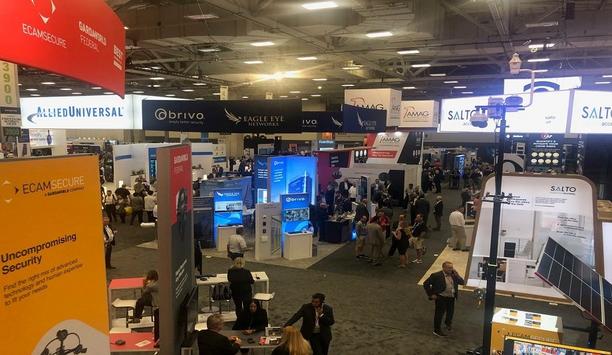
Companies at GSX 2023 emphasized new ways that technologies such as artificial intelligence (AI) and the cloud can address long-standing issues in the security market. Among the exhibitors at the event in Dallas were companies seeking creative ways to apply technology, lower costs, and make the world a safer place. Reflecting on the exhibition, here are some additional takeaways. Expanding AI at the edge i-PRO is a company reflecting the continued expansion of edge AI capability in the security market. Today, more than half of the company’s lineup supports AI at the edge so the customer has a wide choice of form factors when seeking to leverage the feature set. AI processing relay, extended warranty i-PRO is increasing their warranty period from 5 to 7 years, which could be a lifetime warranty in some cases I-PRO also has an “AI processing relay” device that accepts non-AI video streams and applies edge analytics. AI has progressed from a high-end technology to a feature available in a variety of cameras at different price points. i-PRO is also increasing its warranty period from 5 to 7 years, which could be a lifetime warranty in some cases depending on a customer’s refresh schedule and lifecycle management. Active Guard, MonitorCast The company’s video management system (Video Insight) is continuing to build new features including “Active Guard,” an integrated metadata sorter. Their access control platform, MonitorCast, is a Mercury-based solution that is tightly integrated with Video Insight. Their embedded recorders now have PoE built in. “We can move at a faster pace to fill out our product line since leaving Panasonic,” says Adam Lowenstein, Director of Product Management. “We can focus our business on adapting to the market.” Emphasis on retail and other verticals Shoplifting is a timely issue, and retail is a vertical market that got a lot of attention at GSX 2023. “We see a lot of retailers who are primarily interested in protecting employee safety, but also assets,” says Brandon Davito, Verkada’s SVP of Product and Operations. “Shrinkage is a CEO-level priority.” “Retailers are getting more engaged with security posture, instead of letting perpetrators walk,” Davito adds. Intrusion detection Verkada has an intrusion product that will notify a central station if there is an alarm On the alarm side, Verkada has an intrusion product that will notify a central station if there is an alarm, and operators can review videos to confirm the alarm. Other capabilities seeking to discourage trespassers include sirens, strobes, and “talkdown” capabilities. International expansion Verkada continues to expand internationally with 16 offices in all, including Sydney, Tokyo, and London. The core value proposition is to enable customers to manage their onsite infrastructure more simply, including new elements such as PTZ cameras, intercoms, and visitor management. Verkada emphasizes ease of use, including a mobile application to allow access to be managed across the user base. Forging partnerships “We are committed to the channel and industry, and we continue to build relationships and expand our reach,” says Davito. Among the industry relationships is a new partnership with Convergint, which was hinted at during the show and announced later the same day. They are also expanding their partnerships with Schlage, Allegion, and ASSA ABLOY. Working with other verticals They offer new features for K -12 schools, and a new alarm platform is easier to deploy and manage Verkada has also found success across multiple other verticals, notably healthcare, where they integrate with an electronic medical records system. They offer new features for K-12 schools, and a new alarm platform is easier to deploy and manage. They are integrating wireless locks to secure interior doors in schools, looking to secure the perimeter, and installing guest management systems. Transitioning the Mid-Market to the Cloud Salient is squarely focused on the “mid-market,” a large swath of systems somewhere between small businesses and enterprise-level systems. Pure cloud systems are not as attractive to this market, which has a built-out infrastructure of on-premise systems. Adding a camera to an existing system is easier and less expensive than tying it to the cloud. Benefits of cloud It’s a market that may not be ready for pure cloud, but there are benefits to be realized from adding a cloud element to existing systems. “We are continuing to augment our premise-based solutions with added cloud capabilities and flexibility,” says Sanjay Challa, Salient’s Chief Product Officer. The feedback Salient hears from their customers is “I want to own my data.” The hybrid cloud approach offers the right mix of control, flexibility, and unit economics. Cloud add-on capabilities We want to provide the flexibility for customers to go full-cloud as it becomes more economically attractive" Cloud add-on capabilities include bringing more intelligence about system operation to the user via the cloud. Over time, Salient expects to sell more cloud-centric offerings based on feedback from integrators and customers. “We want to provide the flexibility for customers to go full-cloud as it becomes more economically attractive over time,” says Challa. Vaidio AI technology Salient seeks to be a transition pioneer to help customers realize the path to the cloud. Their approach is “crawl, walk, run,” and helping customers make the transition at each stage. Salient has added AI to its product offering, incorporating Vaidio AI technology from IronYun into a powerful suite and broad array of on-premise analytics, which are gaining traction. The seamless approach makes it easy for customers to embrace AI analytics, although Salient remains broadly committed to open systems. Addressing ‘Soft’ Features for Integrators AMAG is in the process of enhancing its product line with the next generation of access control panels. However, “product” is just part of the new developments at AMAG. In addition to “hard” features (such as products), the company is looking to improve its “soft” features, too; that is, how they work with the integrator channel. Integrator channel Rebuilding a process to make your organization more efficient, is relatively easy; it just takes a lot of persistence" “We have the depth of our legacy customer base we can learn from, we just need to close the feedback loop quicker,” says Kyle Gordon, AMAG’s Executive Vice President of Global Sales, Marketing, and commercial Excellence, who acknowledges the value of reinstating face-to-face meetings after COVID. “We are laser-focused on nurturing our integrator channel,” he says. “Developing new features takes time, but rebuilding a process to make your organization more efficient, that’s relatively easy; it just takes a lot of persistence,” says Gordon. More cohesive internal communication is another useful tool, he says. Disrupting the cloud based on price Wasabi is working to make cloud applications less expensive by offering a “disruptive” price on cloud storage, $6.99 per terabyte per month (80% less than hyperscalers). Contending “hyperscalers” like AWS are charging too much for cloud storage, Wasabi is using its own intellectual property and server equipment co-located in data centers around the world. Wasabi sells “hot cloud storage,” which refers to the fact that they only have one tier of storage and data is always accessible. In contrast, a company such as AWS might charge an “egress fee” for access to data stored in a “colder” tier. Cloud storage “We saw that several video surveillance companies had not yet adopted cloud storage, and we saw an opportunity to make it easy to use,” said Drew Schlussel, Wasabi’s Senior Director of Product Marketing. “We just install a little bit of software that allows them to store data in the cloud and bring it back from the cloud.” Performance, protection (cybersecurity), and price Wasabi works with integrators, resellers, and distributors and also integrates with VMS companies Wasabi works with integrators, resellers, and distributors and also integrates with VMS companies such as Genetec and Milestone. Emphasizing performance, protection (cybersecurity), and price, their data centers are certified to SOC 2 and ISO 27001 standards. Faster throughput for weapons detection Xtract One is a young company focusing on weapons detection in a time of accelerated concern about gun issues post-COVID. Founded in Canada and based on technology developed at McMaster University, Xtract One has found a niche in providing weapons detection at stadiums and arenas. These customers already have budgets, and it is easy to shift the money to a newer, faster technology. Madison Square Garden in New York City is among its customers. Cost savings solution Xtract One can increase throughput to 30 to 50 people per entrance per minute (compared to 5 to 6 people per minute when using metal detectors). The solution doesn’t require anyone to empty their pockets and the system alarms on items beyond guns and knives. Using Xtract One allows customers to reduce the number of screening lanes and security staff, providing additional cost savings, all while getting fans through the screening process in half the time. Purpose-built sensors The system uses purpose-built sensors looking for specific characteristics, such as reflective and density properties In addition to stadiums and arenas, Xtract One, formerly Patriot One, is also getting “inbound” interest from schools, hospitals, manufacturers, and other verticals that makeup 50% of their business. “We’re on a rocket ride, mainly because the weapons issues are not going away,” says Peter Evans, CEO and Director at Xtract One. The system uses purpose-built sensors looking for specific characteristics, such as reflective and density properties, all correlated by an AI engine. Providing early warning of violence ZeroEyes is another company focused on weapons detection. Their AI gun detection system works with video images to identify if someone is “brandishing” (carrying) a weapon. In other words, the system does not detect concealed weapons. Identifying someone carrying a weapon provides early warning of a possible violent act. Increased response with AI-enables images Images are identified by AI and sent to a monitoring center where a human confirms the image before contacting first responders. Knowing the location of a shooter enables staff to lock entry points, move people to safety, and direct first responders. The company was founded to leverage existing camera views to stop mass shootings and gun violence by reducing response times.
Case studies

Genetec Inc., the pioneer in enterprise physical security software, announces that the City of Carmel, Indiana, has deployed Genetec™ Security Center to unify security and operational systems across more than 40 municipal sites, helping city departments coordinate resources, improve emergency response, and manage day-to-day operations more efficiently. Carmel’s public safety teams use Security Center to monitor video, alarms, emergency calls, response vehicles, and IoT sensors through an interactive city map. First responders can access the same information from mobile devices, helping teams coordinate resources and respond more efficiently when incidents occur. Direct first responders That coordination proved especially valuable when a rare tornado struck Carmel. Using Security Center, city teams quickly mapped the storm’s path and assessed its impact across the community. They identified the hardest-hit areas and used that information to direct first responders, utility crews, and public works resources where they were needed most. “By bringing all our departments onto one city-wide platform, we’ve reduced complexity. The result is better decisions for our community, higher response efficiency, and more cost-effective operations that benefit our residents,” said Morgan Rinehart, Network Architect at the City of Carmel. Making informed decisions Beyond public safety, Carmel is using Security Center to support services across the community. With information from multiple systems available through a unified platform, departments can better understand conditions across the city and make informed decisions about how to deploy resources. For example: Engineering and street teams can monitor road conditions, coordinate snow removal, and manage traffic during construction detours without sending personnel into the field to assess conditions Parks teams can monitor crowd levels, facility usage, and safety across the city’s waterpark and trails Public events teams can monitor pedestrian traffic in community plazas and during gatherings The unified platform also gives Carmel’s IT team a centralized view of system health. Teams can monitor device status, identify potential vulnerabilities, review cybersecurity information, and manage firmware and software updates from one platform, helping the city manage its growing number of connected devices. Providing additional flexibility Carmel is also taking a hybrid approach to its security infrastructure, with the cloud-based Security Center SaaS platform providing additional flexibility when temporary projects or large events require expanded video coverage. The city can deploy mobile cameras and connect with systems operated by local schools, sports organizations, and critical infrastructure partners. Looking ahead, Carmel plans to continue expanding the platform as its smart city initiatives evolve. This includes connecting more systems and community partners. By building on an open platform, the city can add new capabilities as its needs change while maintaining a consistent approach to security and operations.

Genetec Inc, the pioneer in enterprise physical security software, announces Cairo Bank has successfully deployed the Genetec Security Center platform transforming how the financial institution monitors, manages, and optimizes operations across one of Egypt’s largest branch networks. Cairo Bank is one of the largest and oldest financial institutions in Egypt, serving over three million customers through more than 230 branches. The security advancement was driven by new regulatory requirements from the Central Bank of Egypt, alongside Cairo Bank’s broader digital transformation agenda aligned with Egypt Vision 2030. Beyond compliance, the bank needed a scalable operational intelligence foundation to strengthen oversight, improve customer experience, and support long-term expansion and financial inclusion. Necessary operational foundation The implementation unifies video surveillance, access control, and intrusion detection into a single platform, allowing operators to centrally manage more than 6,000 cameras across 122 active branches, with deployment across the full network nearing completion. The platform provides the necessary operational foundation for a centralized Command and Control Room, where operators can monitor branch activity, coordinate response, and support decision-making across the institution. The system also separates operational responsibilities. IT and security teams can monitor device health and system status without accessing sensitive video feeds, supporting strict data governance and privacy requirements. “Unification and scalability were just the starting points. From day one, I knew we wanted functionalities that add value to all aspects of our operations. Security Center delivered everything we wanted in one easy-to-use solution,” said Major General Hesham Tawfiq, Head of Security at Cairo Bank. Enhancing operational consistency Beyond traditional surveillance, the platform introduces automation and analytics capabilities that support both security and operational decision-making across its branch network. These capabilities are now embedded across the entire branch network, helping Cairo Bank strengthen compliance reporting, improve risk detection, and enhance operational consistency at scale. The platform also provides insights into branch activity patterns, customer flow, and operational trends, extending the value of security data beyond incident monitoring while keeping governance and operational control central to the deployment. Existing infrastructure investments Security Center’s open architecture allowed Cairo Bank to integrate best-of-breed hardware while preserving existing infrastructure investments. It also enables the bank to add technologies and expand the deployment over time without standardising on a single hardware provider. “We are honored to work with a forward-thinking institution like Cairo Bank that continuously seeks new ways to leverage technology,” said Firas Jadalla, Regional Director, Middle East & Africa at Genetec Inc. “By unifying systems, the bank is building a consistent operational foundation for its branch network, allowing it to respond to changing regulatory and operational requirements while retaining control over how its environment evolves.” Providing technical support Integrated Technics, the systems integrator responsible for delivering the project, led the proof of concept, system design and implementation. The company continues to provide technical support and system optimization as the deployment expands. “The Command and Control Room gives Cairo Bank a real-time operational hub built on Security Center, bringing video surveillance, access control and intrusion detection into a single interface. This enables operators to monitor activity across the branch network, coordinate responses and make faster, more informed decisions,” said Walid Alagamy, CEO of Integrated Technics.

Genetec Inc., the global pioneer in enterprise physical security software, announces that TEPCO Power Grid has deployed Genetec™ Security Center as the foundation for a next-generation physical security platform that supports its broader digital transformation strategy and scales with its growing operational requirements. The platform will centralize management of more than 30,000 cameras and support future innovation across the TEPCO Power Grid network of 1,600 substations and service centers. TEPCO Power Grid manages and operates the transmission and distribution network that delivers electricity from power plants to homes and businesses across the Tokyo metropolitan area. The company is using advanced technologies to improve operational efficiency, strengthen disaster response, and modernise critical infrastructure. Modernising critical infrastructure As its camera network expanded over the years, TEPCO Power Grid needed a platform capable of supporting large-scale camera management, integrating with image analysis technologies, and expanding access to video across a broader range of devices. After evaluating several options, the company selected Genetec Security Center for its functionality, scalability, proven track record, and customization capabilities through its software development kit. “The response from users has been very positive, and we're already seeing new ideas emerge for how the system can be used across the organization. Beyond supporting our current operations, we see an opportunity to leverage accumulated video data alongside AI technologies to support future operational and technology initiatives, and we look forward to continuing our collaboration with Genetec,” said Tomoyuki Soma, Group Manager, System Development General Affairs Group, System Development Center, DX Promotion Department, TEPCO Power Grid. Improving operational efficiency TEPCO Power Grid selected Security Center for its scalability and open architecture. The platforms broad camera support allowed the company to bring together camera models from multiple manufacturers into a unified environment, helping preserve existing hardware investments while giving teams room to evolve. The Security Center software development kit also enables the company to customize the system and integrate additional technologies as requirements evolve. Security Center gives TEPCO Power Grid a unified view of its camera network while allowing teams across the region to support sites in their respective areas. Activities such as adding cameras and updating maps, which were previously managed centrally, can now be performed by individual workplaces, helping improve operational efficiency. Digital transformation strategy Authorized personnel can also use the Security Center web app to view video from computers and mobile devices. During an incident or emergency, managers and field teams can remotely assess the situation and coordinate their response. The platform also helps teams identify camera malfunctions across the network, making it easier to locate and address issues TEPCO’s 1,600 geographically dispersed sites. In addition to video management, the company sees potential opportunities to leverage accumulated video data and integrate emerging technologies as operational requirements evolve. The company is also evaluating additional capabilities available within the Security Center platform as part of its longer-term digital transformation strategy.

Genetec Inc., the global pioneer in enterprise physical security software, announces that SoFi Stadium and Hollywood Park have unified their physical security operations using Genetec™ Security Center. Home to the Los Angeles Rams and Los Angeles Chargers, SoFi Stadium is the premier sports and entertainment destination located at Hollywood Park. The stadium has established itself as a world-class venue, hosting record-breaking concerts and global sporting events while consistently ranking among the top venues in the world. Global sporting events To support events of this scale, the organization standardized on Security Center to unify video surveillance, access control, automatic license plate recognition (ALPR), and other physical security systems in the 3.1 million-square-foot venue and across the 300-acre Hollywood Park development. Operators manage more than 3,000 cameras, 700 readers, and numerous other systems and sensors from three security control rooms, helping teams maintain situational awareness while streamlining day-to-day operations. "Genetec Security Center has improved our response time efficiency by giving us all the information we need in one platform. We’re able to understand what's happening and make decisions quickly," said Nick Bermensolo, Vice President of Security and Safety at SoFi Stadium and Hollywood Park. Physical security systems Since deploying Security Center, the SoFi Stadium IT team has a reliable, scalable, and cybersecure platform that runs on an isolated network and connects back to centralized servers. During big events, they support security operations by monitoring system performance from the Network Operations Center, ensuring everything is working as it should. The security team can easily handle daily tasks, while IT keeps systems running smoothly on the backend. "The Genetec team doesn’t just understand physical security systems, but IT systems too. With their help, we’ve been able to deploy a reliable and high-performing security platform at scale," said Paul Maldonado, Vice President of IT Infrastructure and Operations at SoFi Stadium and Hollywood Park. AI-based tools Looking ahead, both teams are focused on getting more value out of Security Center, exploring AI-based tools and more automation. They know they have a flexible, scalable platform that can support evolving cybersecurity and network requirements. "Genetec has really helped us establish a technology standard. Security Center is reliable and cybersecure, integrates well with our network, and reduces overhead for both IT and security. That’s the type of technology we want to continue implementing across our business," said Maldonado.
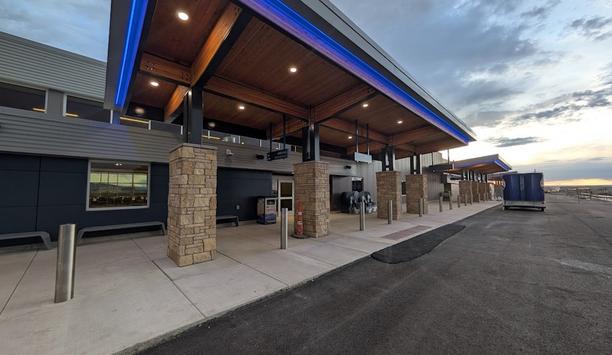
Genetec Inc., the global pioneer in enterprise physical security software, announces that Southwest Wyoming Regional Airport (RKS) has modernised its physical security operations using Genetec™ Security Center. The airport selected Genetec as part of its terminal modernization project to support future expansion, evolving Transportation Security Administration (TSA) requirements, and potential new carriers and flight routes. Located outside Rock Springs in Sweetwater County, Wyoming, the regional airport supports more than 11,000 annual flight operations and serves more than 50,000 passengers annually. The airport recently completed a $43 million commercial terminal modernisation project. As part of the upgrade, airport leaders wanted to replace aging video surveillance and access control systems with an open and flexible platform that would allow them to expand security infrastructure without being locked into proprietary systems. Terminal modernization project Working with systems integrator Incline Technology, the airport deployed Genetec Security Center to unify video surveillance, access control, and alarms in a single interface. According to Nic Hasler, Founder and President of Incline Technology, “Our vision from the start was to deliver a system for RKS that’s easy to operate and support, and ready for future expansion.” With Security Center, the RKS team now has full visibility across the airport terminal, weather station, fuel station, and Sweetwater Aviation facility. This allows them to improve visibility across the airport, respond faster to incidents, and streamline day-to-day security management from one platform. Security and airport operations “Genetec Security Center brings everything into one place, which helps us manage security and airport operations much more efficiently than before. We’re only scratching the surface of what the system can do. This is the foundation we needed to keep adding capabilities and enhancing our operations,” said Devon Brubaker, Airport Director at Southwest Wyoming Regional Airport. Airport staff is also using the Quick Search feature in Security Center to accelerate investigations and reduce the time spent reviewing footage after incidents. After a reported theft in the airport micro market, the team used Quick Search to review footage, identify when the inventory changed, and confirm within minutes that the item had been purchased but mislabelled. “We might be a small airport, but investing in Genetec Security Center allows us to operate like a much larger one. The platform helps us work more efficiently today and sets us up to say yes to new opportunities in the future,” said Brubaker.

Genetec Inc., the pioneer in enterprise physical security software, announces 40 Leadenhall has deployed Genetec™ Security Center and Genetec Mission Control™ to create a seamless modern experience for visitors and tenants. Located in the capital’s insurance district, 40 Leadenhall is one of the biggest City of London developments ever to receive planning permission. It spans over 900,000 square feet of commercial office, amenities, and retail space, serving up to 10,000 occupants. Original performance specification A unified security platform formed part of the original performance specification, with Genetec Security Center ultimately selected to give 40 Leadenhall the flexibility to integrate best of breed hardware and software, support informed decision making, and tailor the interface to a wide range of user needs and access privileges. “Genetec is proud to be safeguarding a growing portfolio of flagship buildings across the City of London - including some of its newest and largest developments,” said Viet Tang, Account Executive at Genetec Inc. “40 Leadenhall is a standout example of how forward thinking property owners are embracing unified, intelligent security to deliver safer, more efficient and more intuitive environments.” Standardising incident response The smart building solution incorporates over 200 cameras, more than 250 doors, and 2,600 data points, all managed through Genetec Security Center and hosted on Genetec Streamvault™ servers and archives. Genetec Mission Control™ further enhances operations by standardising incident response with advanced automation. By integrating with other building systems, it can automatically trigger workflows for events such as power loss, water leaks, or high winds thus enabling teams to respond proactively with timely notifications and targeted actions that help ensure occupant safety. Access control and visitor experience technologies from partners including HID Global, Mercury Communications, and STid help enable seamless navigation throughout the facility. Occupiers can use mobile wallet credentials for frictionless entry, while visitors receive QR code passes that remove the need for temporary plastic cards. Integrated cameras from Axis Communications enhance situational awareness across the site. Truly smart building Genetec workstations located throughout the building provide role based access for operators. Reception staff can enrol visitors, while control-room security teams can run reports, investigate events, and monitor live video on either dedicated workstations or tablets. “The Genetec security system is easy to use and enables us to deliver a world class service to our occupiers and guests, ensuring occupant wellbeing and building security,” says Stewart Maynard, Smart Systems Manager at 40 Leadenhall. “Collaboration between delivery, systems and service partner teams has helped make 40 Leadenhall a truly smart building.” Quickly identify devices By uploading interactive floor plans into Security Center, operators can quickly identify devices, investigate activity, or access live video with a single click, significantly reducing training times. The building’s digital experience is further enhanced through integration with the 40 Leadenhall app, powered by VTS Activate. Occupiers can issue virtual visitor passes, receive arrival notifications, and seamlessly access amenities including wellness spaces, cycle facilities and the Peloton studio. “We believe Genetec provides the ideal platform to support 40 Leadenhall’s future growth and technology goals,” concludes Maynard. “The investment in leading technology, supported by strong partnerships, positions 40 Leadenhall at the forefront of innovation.”
Round table discussion

The cloud fundamentally changes how organizations acquire and use technology, offering a powerful mix of financial, operational, and strategic advantages that traditional on-premises infrastructure cannot match. Specific to physical security systems, there are additional advantages transforming how technologies and systems are delivered to customers. We asked our Expert Panel Roundtable: Which factors are driving the deployment of cloud-based systems in physical security?

Future-proofing your skillset is about embracing continuous learning and developing a versatile set of competencies that remain valuable regardless of technological shifts or industry changes. In the security marketplace, it is not about predicting the exact jobs of the future, but rather equipping yourself to adapt and thrive in the uncertain security landscape. But where to begin? The emerging technology shifts in the security industry provide clues, such as the growing importance of cybersecurity and artificial intelligence (AI). We asked our Expert Panel Roundtable: How can physical security professionals “future-proof” their skillsets to prepare for emerging technologies?

Access control, video surveillance, and intrusion detection systems evolved largely independently in the physical security industry. Integrating those systems to the benefit of an enterprise's overall security has traditionally fallen on security integrators working in cooperation with manufacturers. However, today's market has also evolved to include companies that provide "unified platforms,” bringing together various disparate security systems and functions under a single, centralized management interface. We asked our Expert Panel Roundtable: What are the advantages of installing physical security systems as a unified platform?
Products
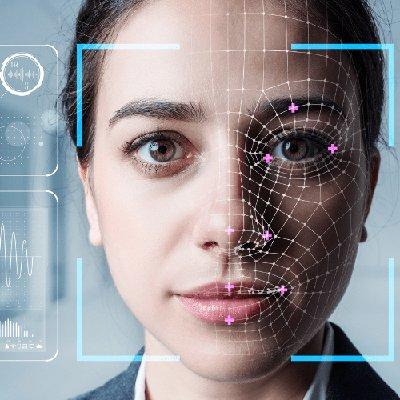
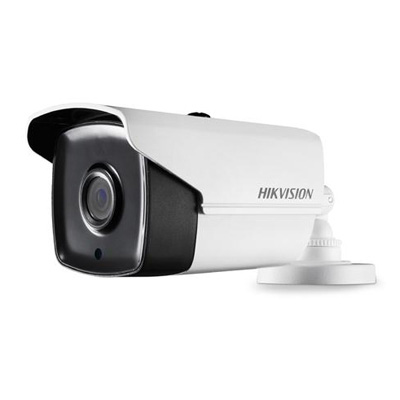



White papers

Maximizing Enterprise Security Systems In The Cloud
Download
Using Artificial Intelligence (AI) To Automate Physical Security Systems
Download
VSS - Top 4 Questions To Get You Started
Download
Access and Security In The Age of Hybrid Working
Download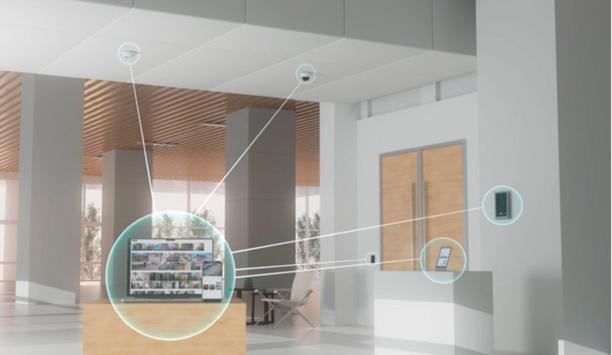
5 Ways To Strengthen Physical Security With An Integrated System
Download
The Benefits of Edge AI + Cloud For Security Systems
Download
Unified Physical Security
Download
The Borderless Control Room
Download
Getting the Most Value From Software Subscription Agreements
Download
Preparing Your Organization With Quality Situational Awareness
Download
Is Access Control In The Cloud More Cost Effective?
Download
Effective Access Control For Museums And Public Spaces
Download
Is Your Access Control System as Secure as You Think?
Download
Network Security Redefined: IP-Enabled Access Control
Download
Enhanced Ethernet Technology (ePoE)
DownloadVideos


Security software: Manufacturers & Suppliers
- Vanderbilt Security software
- Vicon Security software
- Honeywell Security Security software
- Bosch Security software
- DSX Security software
- Gallagher Security software
- Hanwha Vision Security software
- HID Security software
- TDSi Security software
- Nedap AEOS Security software
- CEM Systems Security software
- Software House Security software
- PAC Security software
- Dallmeier Security software
- FLIR Systems Security software
- Panasonic Security software
- Geutebruck Security software
- IDTECK Security software
- Verint Security software
- Kantech Security software