Across Europe, the Middle East, and beyond, educational institutions such as schools, colleges, and universities are striving to upgrade their security measures while maintaining open environments. Their duty of care involves safeguarding people, property, and data while simultaneously facilitating the free movement of staff, students, and visitors.
With financial constraints and high expectations for seamless user experience, a well-planned access management strategy can enhance safety, efficiency, and cost-effectiveness, significantly influencing daily operations.
These sites accommodate various user groups, each with distinct access requirements and schedules that frequently change. Staff, students, contractors, and external users interact in the same spaces at different times, rendering the management of mechanical keys, especially in large estates, intricate and time-consuming.
Challenges with Outdated Systems
The risks associated with lost or duplicated physical keys necessitate costly rekeying and increase exposure to security threats. Manually updating access permissions for thousands of users becomes inefficient as outdated systems make it challenging to monitor on-site presence or orchestrate rapid lockdowns during emergencies.
Facilities teams are increasingly turning to intelligent access solutions that offer real-time visibility, centralized control, and reduced maintenance. A tech-savvy user group, particularly students, anticipates the ease of digital solutions, such as mobile keys accessible via personal smartphones.
Transition to Updated Access Systems
Mobile digital credentials—revocable, editable, and traceable—help schools tackle these issuesRecent statistics emphasize the importance of a cohesive approach to access control. UK universities, for instance, face significant cyber breach risks, with millions of compromised credentials possibly circulating on the dark web. This highlights the growing hybrid threats where a compromised single credential could compromise both physical and digital networks of institutions, affecting operations and reputation.
Transitioning to mobile digital credentials—quickly revocable, amendable, and traceable—can aid educational facilities in addressing these issues. Robust digital physical security and access systems have become essential components of contemporary educational institutions.
The Role of Digitalization
Digitalization offers a coherent strategy for advancing access control in educational settings. Companies like ASSA ABLOY bring extensive expertise in transforming access management in educational buildings, focused on creating secure, safe, and convenient environments for students, teachers, and visitors.
ASSA ABLOY's comprehensive digital solutions can safeguard individuals and assets from the perimeter to the core of a facility, including server rack locking solutions that integrate with most access management software. Institutions can choose to manage access rights on-premise, via secure cloud solutions, or through Software as a Service packages.
Enhancing Digital Access
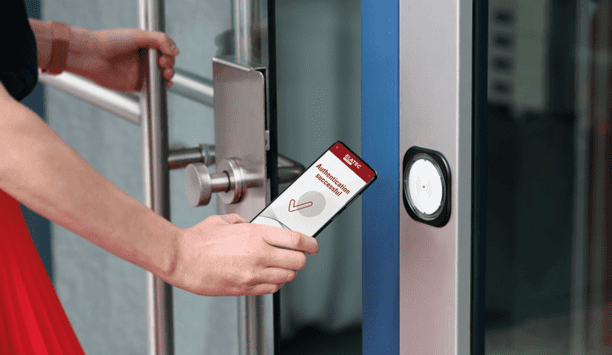
Security and facilities managers benefit from programmable locks and credentials that enhance operational responsiveness and efficiency. Lost or stolen cards can be deactivated swiftly, preventing unauthorized access without costly hardware replacements. Access rights can be remotely issued, adjusted, or revoked, with a comprehensive audit trail as support.
This digital transformation facilitates flexibility, allowing the configuration of smartphone or smart-card credentials for specific areas and timeframes. This supports after-hours activities or revenue-generating rentals while maintaining control. Managers maintain oversight over multiple buildings and can administer access remotely using intuitive software, resulting in safer, more adaptable premises and reduced administrative work and costs. This provides staff and students with the convenience and security of digital credentials, promoting safe and comfortable mobility across the premises.
Embracing Modern Access Infrastructure
EU's NIS2 also requires research institutions to strengthen both cyber and physical securityEuropean standards and regulations are backing this shift towards digital access systems. Regulations such as EN/IEC 60839 set functional and interoperability criteria, EN 179 and EN 1125 guarantee safe emergency egress, GDPR enforces transparent handling of personal and credential data, and national consent laws govern biometric use.
The EU’s NIS2 Directive further mandates academic research facilities to bolster both digital and physical protections, adhering to a comprehensive approach to security. Non-compliance can result in financial penalties, underscoring the importance of modernizing access infrastructure.
Investment in Security Upgrades
Investments aimed at tackling emerging challenges are escalating, with the European school and campus security market projected at approximately EUR 0.92 billion by 2025, expanding as facilities modernize and digitalize access. The swift and substantial impact of digitalization is evident in real-world applications.
- Prioritizing Security at The Camp: Near Aix-en-Provence, France, The Camp integrates Aperio® wireless devices with TIL Technologies’ platform. This integration simplifies entire campus access management via a single interface. Permissions adjust instantly, and lost credentials are promptly handled. Defined profiles secure specific areas during events, harmonizing security, flexibility, and sustainability goals.
- Streamlining Key Management at Vejle Friskole: At Vejle Friskole, Denmark, the school transitioned to the SMARTair® wireless digital access system to replace time-consuming mechanical key management. This efficient system allows administrators to manage credentials and access rights easily, facilitating flexible building use without additional workload or risk.
- Reducing Costs and Risk in Villiers-le-Bel: The Municipal Technical Centre in Villiers-le-Bel implemented CLIQ® electromechanical locking solutions to address the financial and security risks associated with lost keys. With the CLIQ Web Manager software, access rights are conveniently updated, and security staff manage municipal building access remotely.
Toward a Safer, Smarter Future
The educational sector's digital transition is accelerating, driven by needs for operational efficiency, regulatory compliance, and adapting to evolving risk landscapes. Whether in a primary school or a large university, intelligent-key technologies offer cost-efficient control across premises.
Hybrid cyber-physical threats highlight the necessity of robust credential management. For instance, Microsoft reports that over 40% of UK universities experience weekly cyber threats. Mobile digital credentials, readily revocable when compromised, offer a solid layer of security.
Standards-based digital access solutions in schools and universities across the EMEIA (Europe, Middle East, India and Africa) region support not only compliance but also the trust and adaptability required to achieve educational missions.
Across Europe, the Middle East and beyond, schools, colleges and universities look to modernize security while preserving openness. Their duty of care extends to protecting people, property and data, yet education sites must also enable the free movement of staff, students and visitors.
At the same time, budgets are tight and expectations for user experience are high. The right access management strategy must reconcile safety, efficiency and cost-effectiveness – and when implemented effectively, can benefit daily operations.
Education sites always host multiple user-groups with different access needs, as well as schedules which shift constantly. Staff, students, contractors and other external users share the same spaces at different times of day. At sites which still rely on mechanical keys, often across large estates, management may be complex and time-consuming.
Outdated systems and protocol
Lost or duplicated physical keys can expose entire premises to risk and require expensive rekeying. Manually updating permissions for thousands of users is inefficient. Outdated systems and protocols may make it difficult to monitor who is on site or to coordinate a rapid lockdown in an emergency.
Facilities teams increasingly seek intelligent access solutions that provide real-time visibility, centralized control and reduced maintenance. An increasingly digital-native user-group, especially students, expects the convenience of digital solutions, including mobile keys stored on their personal smartphone.
Updated access systems
Recent data underlines the urgency of a more connected approach to access. UK universities, for example, are at high risk of cyber breach, with perhaps millions of stolen credentials circulating on the dark web. Such weaknesses illustrate a growing hybrid threat. If a single credential can open both doors and provide access to in-house networks, its compromise endangers the institution’s operations and reputation.
To mitigate these risks, mobile digital credentials – instantly revocable, amendable and traceable – can help education facilities teams to close this gap. Reliable, digital physical security and access is now a fundamental building-block of the modern education institution.
The solution is access digitalization
Digitalization offers a coherent way forward. ASSA ABLOY has extensive experience in digitalizing access management for educational buildings, helping these institutions to create a secure, safe and convenient environment for students, teachers and visitors.
A vast range of ASSA ABLOY digital solutions can protect people and valuable assets from the perimeter right into the heart of a building, all the way to intelligent locking for server racks which integrates seamlessly with almost any access management software. Schools and universities can choose to manage access rights on-premise, via a secure cloud, or with a choice of Software as a Service packages.
Digital access
For security and facilities managers, programmable locks and credentials boost the responsiveness and efficiency of access management. Lost or stolen cards can be deactivated with a click, preventing unauthorized entry without the expense and hassle of replacing hardware. Rights are issued, amended or withdrawn remotely, backed by a full audit trail.
Digital access also enhances flexibility. Smartphone or smart-card credentials can be configured for specific areas and time windows, supporting after-hours study or revenue-generating rentals, while maintaining control, for example. Facilities managers gain oversight across multiple buildings and can administer access off-site through intuitive software. The outcome is safer, more adaptable premises and a significant reduction in administrative effort – and therefore, costs.
For staff and students, the convenience and security of a digital credential gives them the peace of mind to move about the premises in safety and comfort.
Modernizing access infrastructure
European standards and regulation also support this digital shift. EN/IEC 60839 sets functional and interoperability requirements for digital access systems, while EN 179 and EN 1125 specify safe egress for emergency exits. GDPR ensures personal and credential data are handled transparently, and biometric use is governed by national consent laws such as France’s CNIL or the UK Protection of Freedoms Act.
In addition, the EU’s NIS2 Directive is bringing many academic research locations under its scope, obliging them to strengthen both digital and physical protections in line with the directive’s “all-hazards” approach to connected security. Institutions that fail to comply risk financial penalties, another clear incentive to modernize access infrastructure.
Investment value
In this regulatory environment, investment to meet these evolving challenges is building. The European school and campus security market was valued at around EUR 0.92 billion in 2025, and continues to expand as educational facilities modernize and further digitalize access.
The impact of digitalization can be quick and significant, as these three real-world cases illustrate.
1. Staff and student security as the priority: For The Camp, a business-education provider based near Aix-en-Provence, France, security had to match its culture of innovation. Their site has offices, event areas, kitchens and on-site accommodation operating around the clock. Safety for a constantly changing population of residents and visitors required an access system able to adapt in real time.
Aperio® wireless devices are integrated with TIL Technologies’ platform to simplify management of access to the entire campus from a single interface. Permissions are updated instantly as staff, students and guests arrive or depart. Lost credentials are canceled and reissued on demand. Defined profiles segment access to areas such as meeting or server rooms, keeping valuable assets secure even during busy events.
Wireless devices also align with The Camp’s sustainability goals. Battery-powered operation reduces energy consumption compared with hard-wired systems and preserves the site’s architectural aesthetic. Security, flexibility and environmental responsibility work together.
2. Digitalizing key management for efficiency: At Vejle Friskole in Denmark, maintaining mechanical keys had consumed several hours each week. Lost keys caused disruption, and tracking who had access to which rooms was an onerous task.
The school installed SMARTair® wireless digital access system, an out-of-the-box solution managed with straightforward software. Each teacher and student carries a programmed fob with individual permissions. When a credential goes missing, administrators simply update digital rights, instead of changing cylinders – saving money and time.
This simple change has transformed daily administration. Security management now takes minutes rather than hours, freeing security staff time for other responsibilities. The system also supports flexible building use outside school hours, allowing safe access for events without adding workload or risk. For smaller schools without dedicated security staff, SMARTair provides an accessible, easily scalable route to digitalization.
3. Cutting costs and risk from lost keys: In Villiers-le-Bel, near Paris, the financial impact of lost keys could run to thousands of euros per incident. Staff at the Municipal Technical Centre carried multiple keys for different sites; when one went missing, entire suites of locks required replacement.
Administrators digitalised with CLIQ® electromechanical locking cylinders and programmable keys. Using the CLIQ Web Manager software, lost keys are now canceled immediately and new permissions issued remotely. Each programmable key stores the user’s specific access rights, replacing dozens of physical keys with one secure, flexible credential.
The new system has reduced both cost and complexity. Staff no longer collect keys from a central office, and administrators monitor access across schools and other municipal buildings via a standard web browser. It enhances protection for sensitive sites while keeping the solution scalable and within budget.
Towards smarter, safer campuses
The education sector’s digital transition is accelerating, in both learning delivery and facilities management. Rapid change in access is being driven by a need for operational efficiency; national and regional regulations and compliance; and the fast-evolving risk landscape. NIS2 adds further urgency specifically at universities where sensitive research is conducted.
Whether in a small primary school or a multi-site university, wireless and intelligent-key technologies enable cost-effective control across every opening. Hybrid cyber–physical threats highlight the importance of secure credential management, for example: Microsoft estimate that more than 40% of UK universities face attack on a weekly basis. Mobile digital credentials, quickly and remotely canceled if lost or compromised, are one powerful defense.
Integrated, standards-based digital access at schools and universities across the EMEIA region can underpin not only compliance, but also the trust and flexibility essential to delivering education’s mission.