Genetec Inc, a prominent player in enterprise physical security software, emphasizes the urgent need for organizations in the Middle East to incorporate physical security systems into their IT network strategies. This comes as digital transformation and sophisticated cyber threats continue to accelerate across the region.
Governments and enterprises in the Middle East are actively investing in smart cities, critical infrastructure, transportation, energy, and large projects. As these sectors become increasingly data-driven, video surveillance and access control systems have begun operating on enterprise networks, necessitating enhanced security measures.
Integrating Security in Business Systems
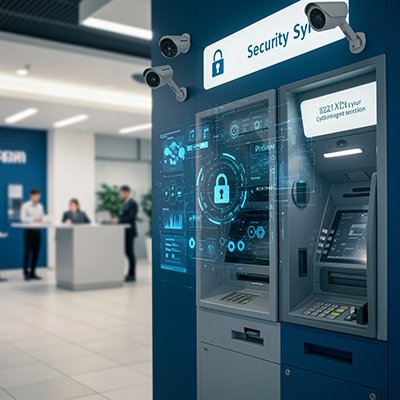
Physical security systems are now integral parts of enterprise networks, running alongside essential business applications and data. Despite this integration, many organizations still treat these systems separately from IT, resulting in potential cybersecurity vulnerabilities.
Inadequately secured connected devices could serve as entry points for cyber attackers. Without network segmentation and constant oversight, vulnerabilities in cameras, sensors, and access controls may jeopardize broader business systems. Given the rising tide of cyber threats, ensuring the security of physical security systems is a critical aspect of enterprise risk management in the region.
Enhancing Operational Resilience
Effective collaboration between IT and physical security teams fosters shared accountability
"Organizations throughout the region are rapidly modernizing their infrastructure and connecting more devices than ever before," stated Hassan Makki, Area Sales Director at Genetec. "Physical security systems are now fully integrated into enterprise networks, which means they must be managed with the same cybersecurity rigor as any other IT asset. Strong collaboration between IT and physical security teams is essential to reducing risk and strengthening operational resilience."
Implementing core cybersecurity practices, including strong authentication, regular updates, encryption, and proper network segmentation, can significantly mitigate risks. Effective collaboration between IT and physical security teams fosters shared accountability, visibility, and adherence to consistent cybersecurity standards.
Strategic Integration for Future-Ready Enterprises
As the distinction between physical security and cybersecurity continues to diminish, the integration of physical security into IT strategies remains crucial for establishing secure and resilient enterprises across the Middle East. This approach ensures that organizations are well-prepared to meet future security challenges.