An effective event traffic control plan is crucial in managing issues, such as congestion, parking confusion, and pedestrian safety during events.
By ensuring smooth traffic flow and maintaining attendee safety, these plans help provide a positive experience for all participants. Below are essential steps and considerations for developing a robust event traffic control plan.
Understanding Traffic Control Plans
Properly executed, the plan safeguards all attendees, pedestrians, and drivers
A traffic control plan is an essential document that outlines the potential impact of an event on local traffic and details the measures necessary to manage it.
Properly executed, the plan safeguards all attendees, pedestrians, and drivers.
Key Elements of a Traffic Control Plan
Many municipalities mandate traffic control plans for events impacting local traffic. While requirements can vary by location, at a minimum, plans should address the following aspects:
- Foot traffic: Ensure pedestrian areas are safe and restricted to prevent vehicle interference.
- Parking: Include details about designated parking and overflow areas to minimize traffic disruptions and parking congestion.
- Vehicle traffic flow: Clarify routes for vehicles entering, exiting, and moving within the event space, including necessary signage and barriers.
All traffic control plans must accommodate emergency vehicles, possibly designating specific entry and exit points and marked emergency lanes and parking areas.
Steps for Crafting an Event Traffic Control Plan
Creating a comprehensive traffic control plan involves assessing event needs, pinpointing areas requiring controls, and selecting effective controls for those situations. Key considerations include:
Analyzing Event Requirements
Each event is unique, necessitating a tailored traffic control plan that addresses specific factors such as:
- Event time and duration: Consider the impact of peak travel times and ensure ample parking for longer events, minimizing disruptions to nearby areas.
- Attendee numbers: Account for the scale of attendance, as larger events typically demand more extensive traffic control measures.
- Physical event space size: Ensure appropriate signage, cones, barriers, and personnel are in place for control within the event space and parking areas.
Location-specific needs, such as urban versus rural settings and the number of access points, will also influence the plan's development.
Establishing Traffic Control Points
Identifying critical traffic control points is vital in minimizing vehicle movement issues around parking areas. Key points include:
- Access points: Implement layered traffic control including signage, markings, cones, barrels, and barriers to manage access.
- Drop-off and loading zones: Clearly mark these zones with signs and cones to reduce entrance area congestion and pedestrian traffic in lanes.
- Parking areas: Detailed planning involving pavement markings, directional signage, and barriers will help vehicles navigate appropriately.
Enhancing pedestrian safety by separating them from vehicles can be achieved using sturdy barriers like crash-rated portable bollards from Delta Scientific, capable of handling vehicle impacts at speeds up to 50 mph.
Choosing the Right Controls
After identifying event requirements, the next step is selecting appropriate tools for traffic and parking management. This generally involves on-site personnel, high-visibility signs, and barriers.
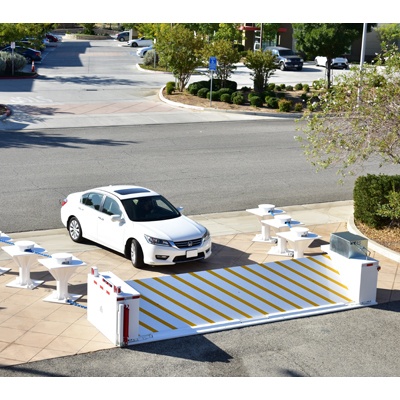
Security measures may require additional tools like guard booths, traffic teeth, and wedge barricades, with portable barriers available for rapid setup and ASTM M30/P3-rated crash protection.
Resources for Effective Traffic Control
Delta Scientific provides support in developing comprehensive traffic control plans for various events, ensuring effective management of traffic-related challenges.
An event traffic control plan can help address multiple issues that might arise during an event, such as congestion, confusion over parking, or unsafe pedestrian movement.
Properly implemented, it can ensure that traffic flows smoothly, attendees remain safe, and everyone has a positive experience. Follow these steps to develop an appropriate and comprehensive plan.
Event Traffic Control Basics
A traffic control plan is a detailed plan that outlines how an event may affect local traffic, what control measures they will use to manage event traffic, and any support they need from outside parties.
When properly designed and implemented, it ensures the safety of event attendees, drivers, and pedestrians.
Components of a Traffic Control Plan
Many municipalities require traffic control plans for any events that will affect traffic. Depending on the location, the exact required components may vary. However, every plan should cover the following information:
- Foot traffic: Plan for safe, restricted areas for pedestrians to travel without worrying about vehicles.
- Parking: A comprehensive plan includes information about designated parking and overflow areas. These should minimize disruptions to traffic and prevent congestion in parking areas.
- Vehicle traffic flow: Provide clear information about how vehicle traffic will enter, exit, and travel throughout the event area. This portion of the plan should consider any signs, cones, and barriers needed to maintain safe and efficient event traffic control.
No matter what other components the event traffic control plan includes, they must make accommodations for emergency vehicles. This may include having designated entry and exit points and clearly marked emergency lanes and parking areas.
Steps for Creating an Event Traffic Control Plan
Developing a comprehensive traffic control plan involves identifying event requirements, determining where controls are necessary, and understanding which types of controls are effective in those situations. It is a multi-step process that requires careful consideration.
Assess the Event Needs
Every event is different, and what works to control traffic at one might not work for another. That is why every event should have a customized event traffic control plan that considers factors such as:
- Event time and duration: The time of the event can have a significant impact on traffic requirements. Peak travel times in the area can create congestion that they must plan for. Long events will require enough space for extended parking that does not interfere with area businesses, homes, or traffic.
- Number of attendees: The number of anticipated attendees will affect the degree of traffic control necessary. Smaller events generally require less involved plans than large ones.
- Physical size of event space: The plan should consider the event space and its accompanying parking areas to ensure they have appropriate signage, cones, barricades, and personnel to control event traffic.
Location-specific requirements may also come into play. For example, a rural event may have very different event traffic control needs compared to one in a densely populated urban area. Additionally, the number of access points, available transit options, and general parking facilities can all affect how the traffic control plan develops.
Establish Traffic Control Points
Once they establish the event’s needs, they must identify areas that require traffic control. The major concerns will revolve around vehicle movement in and around the parking areas. Typical traffic control points include:
- Access points: Entrances and exits can require several layers of planned traffic control measures. Signage and pavement markings provide direction for drivers, while cones and barrels are physical barriers to mark vehicle traffic areas. Event gates and other types of barricades help limit access to parking or restricted areas.
- Drop-off and loading zones: Having a drop-off area for event attendees who take a taxi or rideshare ride helps reduce congestion near the entrance. It can also reduce the number of pedestrians walking through the traffic lanes. Mark them with signs and cones for high visibility.
- Parking areas: The parking areas will likely take the largest amount of planning. Pavement markings, directional signage, and barriers keep vehicles moving in the correct directions and using approved parking spaces.
Efforts should be made to separate pedestrians and vehicles when possible to improve safety. Bollards are an excellent solution for this task. Delta Scientific’s crash-rated portable bollards provide a secure barrier that can withstand a vehicle impact at up to 50 miles per hour.
Choose Proper Controls
Once they have established event needs, they can choose the proper tools to manage traffic and parking. This will likely include personnel to direct traffic and operate security gates, high-visibility signs, and physical barriers.
Depending on the security level of the event, they may need to include extra measures such as guard booths, traffic teeth, and wedge barricades. The portable barriers are set up in minutes and provide ASTM M30/P3-rated crash protection.
Tools For Effective Event Traffic Control
The team at Delta Scientific can help they create a comprehensive event traffic control plan for entertainment, political, and business events.