
Device Authority has introduced a new integration between KeyScaler AI and Microsoft Copilot to help organizations respond faster to threats and reduce the manual workload on stretched security teams.
This new capability is designed for users of Microsoft’s productivity suite to accelerate decision-making and improve visibility across large, complex fleets of connected devices, where delays or errors can carry significant operational risk and cost.
Advantage of AI-powered insights
New Microsoft Copilot integration extends access to KeyScaler AI, a core capability that underpins
The new Microsoft Copilot integration extends access to KeyScaler AI, a core capability that underpins the entire KeyScaler identity security platform, and surfaces its rich device identity data into familiar tools like Microsoft Teams.
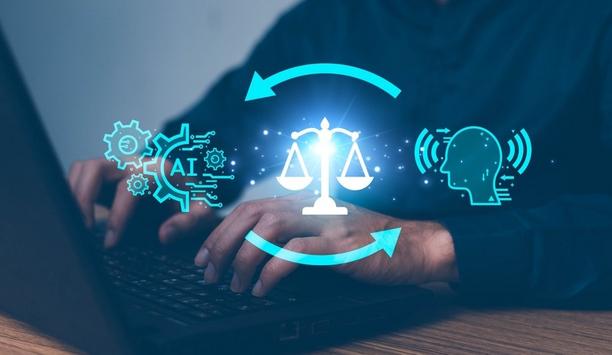
This enables users to take advantage of AI-powered insights through natural language prompts and react faster to potential threats.
KeyScaler AI with Copilot
By analyzing KeyScaler’s data and matching device-specific components with external vulnerability databases, KeyScaler AI with Copilot identifies relevant vulnerabilities, proposes next steps, and supports automated risk mitigation – even across complex, distributed IoT environments.
As an example of this AI-driven capability, for each device managed by KeyScaler, KeyScaler AI uses the device’s SBOM to identify any associated Common Vulnerabilities and Exposures (CVEs).
CVE’s description
KeyScaler AI then accesses the CVE’s description, retrieves the full record, and scans linked resources
KeyScaler AI then accesses the CVE’s description, retrieves the full record, and scans linked resources (e.g., GitHub) to summarize the nature of the threat and recommend the most appropriate course of action.
This reduces manual investigation time, helps analysts prioritize action with greater clarity, and greatly reduces the window of vulnerability for affected devices.
Key cybersecurity metrics
With these enhancements, security teams can respond faster and more effectively, improving key cybersecurity metrics such as Mean Time to Discover and Mean Time to Respond.
Automated assessments and relevant context support better, faster, decisions, lessening the manual burden on security operations teams, helping reduce unnecessary shutdowns and improving overall operational resilience.
Security operations teams
Security teams can respond faster and more effectively, improving key cybersecurity metrics
Richard Seward, VP of Product Management at Device Authority, said: “Security operations teams are under immense pressure, particularly when managing large estates of connected devices."
"By making AI a core component of KeyScaler, we’re helping organizations reduce manual effort and improve responsiveness, while maintaining the trust and control that’s critical to operational continuity.”
KeyScaler’s role
Device Authority CEO, Darron Antill, added: “This is an important step in the evolution of our KeyScaler platform. As cyber threats become more complex and distributed, customers need intelligent, scalable ways to keep their devices protected."
"These new capabilities enhance KeyScaler’s role at the heart of their security operations.”