Identity management


HID, a pioneer in trusted identity solutions, is rolling out enhancements across its FARGO® DTC ID card printers, including the DTC1250e, DTC4500e and DTC1500 models, to help organizations issue secure, professional-quality ID cards faster, with less IT support and the ability to easily scale as needs evolve. Organizations that issue ID cards — from schools and healthcare systems to government offices, corporate campuses and others — need printers that are easy to operate, produ...

Biometrics today provide better security and frictionless user experiences. Biometric identifiers like fingerprints, facial recognition, and iris scans are unique and difficult to forge. They eliminate the vulnerabilities of traditional authentication and streamline secure access control. Identity verification reliably protects sensitive digital information and physical entry. We asked our Expert Panel Roundtable: How is the role of biometrics evolving in physical access control?

Connected Technologies is partnering with Farpointe Data, San Jose, California, expanding Apple and Google Wallet credential support to include CONEKT® mobile-ready readers - delivering a solution that’s more cost-effective than most other NFC wallet providers. Mobile access control is becoming ubiquitous with secure physical identity management. The Connect ONE® wallet card solution utilizes the phone’s native wallet app to help dealers migrate users to mobile credentials....

From AI-powered hazard detection and connected factories to fire prevention, smart buildings, and robot demonstrations, Secutech Vietnam 2026 opens today in Hanoi with a focus on technologies that help protect, manage, and operate urban environments and production facilities more effectively. Taking place from 9 – 12 September 2026 at the Friendship Cultural Palace alongside Fire & Safety Vietnam and SMABuilding, the 19th edition will host 480 exhibiting brands from 16 countries and r...

Pressure is increasing on modern Security Operations Centre (SOC). Cyber threats are growing in volume, sophistication, and speed, while security teams face increasing workloads, talent shortages, and alert fatigue. Many SOC analysts spend a significant portion of their day investigating alerts that ultimately turn out to be false positives, leaving less time to focus on genuine threats. Artificial intelligence (AI) is helping organizations address this challenge by transforming one of the most...

Iris ID, the pioneer in iris recognition technology, is showcasing its latest biometric identity solutions at booth 710 during Identity Week America, September 2-3. The company will demonstrate how its simultaneous iris and face fusion authentication delivers faster, more secure identity verification for government, enterprise, healthcare, transportation, financial services, and other high security applications. Trusted biometric identity “Modern security environments can no longer affo...
News

Iris ID, the pioneer in iris recognition technology, is showcasing its next-generation iris and face fusion solutions at Identity Week America, September 10-11. At Booth 417, attendees can see how Iris ID’s touchless identity solutions are engineered for today’s most demanding environments, from enterprise security to national identification programs. Additionally, NextgenID, an Iris ID partner and trusted provider of identity security and technology, will display their Identity Station Kiosk featuring the iBAR 600E. Multi-modal biometric collection “Our partnership with NextgenID marks an important milestone in advancing the mainstream adoption of biometrics for trust, identity, and security,” said Mohammed Murad, Chief Revenue Officer, Iris ID. “As governments and enterprises demand faster, more secure, and more convenient ways to verify identity, collaborations that unite best-in-class technologies are critical to ensuring ethical inclusion and safeguarding personal identifiable information (PII).” NextgenID’s kiosks—already deployed nationwide with federal agencies and enterprises—NextgenID Kioskdeliver supervised remote identity proofing (SRIP) at the highest Kantara-certified assurance level, support multi-modal biometric collection including fingerprint, face, and iris, and enable high-assurance credential issuance for PIV, CAC, FIDO, and more. Combined with their PresenceID Network and alignment to FedRAMP, NIST 800-63-4, and FIPS 201-3 standards, these capabilities perfectly complement Iris ID’s multi-modal fusion solutions, creating a trusted ecosystem that is transforming secure access, workforce management, and citizen identity systems across industries. High-throughput environments Highlighted in the Iris ID booth are the latest advances in multi-modal biometric technology, where iris and face recognition are combined in fully contactless solutions. These innovations are designed to deliver fast, frictionless throughput while ensuring accuracy and reliability, even in high-throughput environments. Iris ID will also showcase its broader suite of biometric solutions spanning enterprise access, healthcare, workforce management, public safety, and government ID programs. Built for scalability and interoperability, these systems empower organizations to modernise security and identity management while preserving efficiency and user experience. Live demonstrations will run throughout Identity Week America at the Iris ID Booth 417.

Managing access control for a single facility is very different from overseeing dozens of locations across multiple regions. As organizations grow, security teams must manage more access requests, frequent role changes, and compliance across multiple sites. At the same time, access control systems are becoming more connected to identity management platforms, business applications, and corporate networks. Access control was once considered primarily a door-management function, it is now closely connected to identity, cybersecurity, compliance, operational technology and enterprise risk. This shift is particularly relevant in the Middle East, where the continued expansion of smart cities, critical infrastructure and large-scale commercial and government environments is creating more connected and complex security operations. Complex security operations Access control systems generate and store sensitive information, connect to enterprise networks, and often integrate with other business systems. Readers, controllers, credentials, and management software are now part of the same risk conversation as endpoints, networks, cloud services, and identity platforms. If compromised or poorly governed, they can create exposure that is both digital and physical. Organizations want greater visibility into system health, stronger oversight of administrative access, and confidence that vulnerabilities can be addressed before they become larger problems. This includes understanding whether communications are encrypted, how users are authenticated, how quickly software updates can be applied and whether policies are consistently enforced across locations. Well-managed environments “As access control becomes more connected to enterprise networks and business applications, it can no longer be managed in isolation from wider cybersecurity and governance strategies,” said Hassan Makki, Area Sales Director at Genetec Inc. “For organizations across the Middle East, consistent policies, shared visibility and closer collaboration between physical security and IT teams will be essential to managing risk as operations continue to grow and become more interconnected.” As organizations expand, governance often becomes more difficult to maintain. New facilities, acquisitions, contractors, temporary workers, and evolving organizational structures can introduce complexity into even the most well-managed environments. Approving access requests Different locations may use different processes for credentialing employees, approving access requests or reviewing permissions. Security teams may also be managing multiple systems while trying to enforce common policies without a complete view of their operations. Without a clear governance framework, inconsistencies begin to accumulate. Employees may retain access for longer than necessary. Access privileges may vary from one location to another, and security teams may struggle to determine which policies should apply at different locations. Access-related decisions As the number of sites and users grows, manual processes become increasingly difficult to sustain, and the likelihood of errors increases. Standardization therefore becomes essential to scaling access control effectively. Access control becomes harder to manage consistently without accurate information. Yet many organizations struggle to gain a complete view of permissions, credential activity, and security events across all locations and systems. Access to reliable information helps organizations make better decisions and respond more effectively when issues arise. It also supports collaboration between physical security, IT, compliance, and risk management teams that may all have a stake in access-related decisions. For organizations across the Middle East, clear governance, consistent policies and shared visibility will be essential to scaling access control while managing evolving cyber and physical security risks.
Inner Range has released Integriti Idemia Biometric Integration Version 1.6, further strengthening Integriti's position as a unified security and access management platform through expanded biometric authentication capabilities and enhanced support for Idemia's latest biometric reader technologies. The Integriti Idemia Biometric Integration enables organisations to seamlessly combine advanced biometric authentication with Integriti's enterprise-grade access control platform. The solution allows biometric enrolment and credential management to be administered through Integriti, while synchronising users, permissions and credentials directly to supported Idemia biometric readers. Readers remain connected to Integriti access control hardware and enforce site access policies with the added security of biometric verification. Expanded Device Support with Morpho Wave XP2 A key enhancement in Version 1.6 is the addition of support for the latest Idemia Morpho Wave XP2 biometric reader platform, expanding customer choice for high-security access control deployments. The integration has been validated against a comprehensive range of Idemia technologies, including: Morpho Wave XP2 Morpho Wave Compact Morpho Wave SP VisionPass SP VisionPass MDPI Access SIGMA Lite + iClass WR readers This broad compatibility enables organisations to deploy fingerprint, facial recognition and contactless hand-wave biometric authentication technologies within a common security architecture. Unified Biometric Management Through Integriti The Idemia Integration extends Integriti's native access control capabilities by providing a centralised framework for managing biometric devices and identity credentials. Security administrators can enrol users, synchronise biometric permissions, monitor device status and review biometric activity directly from the Integriti platform. Supported biometric technologies include: Fingerprint authentication Facial recognition authentication Hand biometric authentication The integration also supports event monitoring, alarm reporting, device health visibility and automated security workflows, helping organisations streamline identity management while improving site security. Greater Operational Visibility Version 1.6 builds on the capabilities introduced in previous releases, which delivered: Event and alarm logging from biometric readers into Integriti Review Automatic synchronisation of biometric user data Direct command and control of biometric readers through Integriti Automated triggering of Integriti actions based on biometric events Categorised event records for streamlined auditing and reporting Automatic device discovery and configuration loading Support for the 64-bit Integriti Integration Server This allows biometric authentication events to become part of a broader security management workflow, improving situational awareness and reducing operational complexity. Improved Stability and Reliability The latest release also delivers several quality and reliability enhancements, including: Resolution of issues affecting users with long names and surnames during synchronisation Improved handling of DisplayText command timing parameters Resolution of intermittent "Failed to save user" warnings encountered in certain scenarios These updates enhance the overall user experience and improve operational consistency in larger deployments. Enterprise-Ready Biometric Security The Integriti Idemia Biometric Integration continues to support a wide range of advanced capabilities, including: Reader status monitoring Automatic biometric reader synchronisation Biometric event-driven automation Triggering Integriti inputs from biometric events Centralised biometric enrolment and management Integration with corporate access control and alarm management workflows By combining biometric authentication with Integriti's unified security platform, organisations can strengthen identity verification, improve auditability and reduce reliance on traditional credentials alone. Availability Integriti Idemia Biometric Integration Version 1.6 is available now for Integriti Professional, Business and Corporate editions running Integriti Version 25.1 or later with the required biometric management licences. The release requires the Integriti Integration – Biometric Management licence (996969) and an Integriti Managed Biometric Reader licence (996970) for each enrolled biometric reader.
Ping Identity, a pioneer in securing digital identities for the world’s largest enterprises, announced that its patient identity verification and fraud protection capabilities for MyChart are listed in Epic Toolbox. Modernizing patient access Healthcare organizations are continuing to modernize patient access experiences while balancing security, privacy, and operational efficiency. Account creation and recovery in MyChart environments require organizations to support seamless patient experiences while incorporating identity verification, fraud detection, and adaptive risk response into digital workflows. MyChart details Ping Identity provides patient identity verification combined with real-time fraud and risk detection as a packaged solution for healthcare organizations using MyChart. Powered by dynamic orchestration, these capabilities bring identity verification, fraud and risk detection into MyChart-connected workflows, allowing organizations to automate and secure patient onboarding and account recovery while reducing friction for legitimate users. The solution includes three core capabilities for MyChart environments that help organizations address these needs: Identity Verification: Verify patients during account creation and recovery using government-issued ID, biometric matching, and liveness checks Threat and Risk Detection: Detect synthetic identities, account takeover attempts, and suspicious activity using real-time behavioral and environmental signals No-Code Orchestration and Dynamic Response: Guide patients through the appropriate account creation or recovery flow in real time, with the ability to allow, challenge, step up, or block interactions based on risk By enabling healthcare organizations to move beyond static authentication toward continuous, verified trust across patient interactions, the solution helps reduce fraud during account creation and recovery while improving patient access experiences and operational efficiency. The solution works with existing MyChart-connected healthcare systems, helping organizations strengthen security without replacing current infrastructure. Supporting privacy-preserving standards Ping Identity’s identity verification approach is designed to support privacy-preserving standards. It uses minimal data collection and policies that support rapid deletion of Personally Identifiable Information (PII) following identity verification. This supports healthcare organizations’ privacy and compliance objectives, including HIPAA-related requirements. “Healthcare organizations are being asked to do more with less while protecting increasingly sensitive data,” said Steve Gwizdala, VP Healthcare at Ping Identity. “Ping Identity helps secure patient account creation and recovery connected to MyChart, reducing risk and operational burden without adding friction for patients.”
HID, a worldwide pioneer in trusted identity solutions, announces it has signed an agreement to transfer its Workforce Business Unit, which includes its PIAM (HID SAFE) and Visitor Management offerings (HID Visitor Manager and EasyLobby). The agreement contemplates the transfer of the Workforce Business Unit to SwiftConnect, a provider of the connected access network for connecting people to the right place at the right time. "The Workforce Business Unit has been a meaningful part of HID's journey in enabling trusted identity solutions," said Björn Lidefelt, EVP and Head of HID. "Great technology deserves the space to reach its full potential — and SwiftConnect is the right partner to take it there. This is not an ending; it's the beginning of a bolder chapter for these platforms and the people behind them." Visitor management platforms With HID's PIAM and visitor management platforms now part of its portfolio, SwiftConnect will accelerate product development and expand the market reach of these solutions. SwiftConnect's focused expertise will unlock enhanced identity management capabilities for the customers and organizations these platforms serve. Existing HID SAFE, Visitor Manager, and EasyLobby customers will see no disruption to their current deployments and can expect continued investment in product roadmaps, support, and services under SwiftConnect. “HID SAFE platforms are best-in-class, trusted by some of the world’s most security-conscious organizations, and bringing them together with SwiftConnect’s access network completes a story we’ve been building toward — a single, mobile-first identity experience that runs from policy and provisioning to the door, for employees and visitors alike. This isn’t just an acquisition; it’s an acceleration. We’re inheriting an exceptional team and a customer base that deserves continued investment, and we intend to deliver it across commercial real estate, financial services, life sciences, technology, and beyond,” said Chip Kruger and Matt Kopel, Co-CEOs of SwiftConnect. Advancing identity technology This transaction builds on HID's prior participation in SwiftConnect's Series B funding round, deepening a partnership rooted in a shared commitment to advancing identity technology. As consideration for the transfer of the Workforce Business Unit, HID will receive additional equity in SwiftConnect and will hold a minority, non-controlling interest in SwiftConnect, reflecting continued confidence in the company's direction and growth. SwiftConnect will continue to operate independently, controlled and managed by its existing leadership team and shareholders. The transaction is subject to customary closing conditions and is expected to be completed in the third quarter of 2026.

Iluminar, Inc., a pioneer in infrared and white light illuminator manufacturing, is proud to welcome Dr. Ron Martin, CPP, MSI, as the company’s new critical infrastructure security consultant. In this role, Dr. Martin will work directly with Iluminar clients to conduct risk-informed security planning, strengthen facility protection and access control strategies, and integrate physical and cyber safeguards in high-consequence environments. Growing consulting capabilities With deep expertise across physical security, cybersecurity, identity management, and access control, Dr. Martin brings a powerful blend of strategic insight and real-world experience to Iluminar’s growing consulting capabilities. Dr. Martin is a retired U.S. Army officer whose career spans federal government leadership, law enforcement, higher education, and standards development. He previously directed the Identity, Credentialing, and Access Management (ICAM) programs for two federal agencies and contributed to the Federal ICAM Roadmap that guides identity security across government. Critical infrastructure security Today, Dr. Martin is the CEO of Consullition, LLC, a physical and cybersecurity consultancy, and serves as a Doctoral Chair and Adjunct Professor at Capitol Technology University. “Critical infrastructure security is notoriously complex, involving cyber and physical protections that have to work as one system," said Eddie Reynolds, president and CEO of Iluminar. “Dr. Martin understands both sides of that equation, which is why we are thrilled to offer his guidance to the integrators and end-users who trust Iluminar to protect their facilities. Reliable power, lighting, and surveillance are the foundation of critical infrastructure security, which is why I'm excited to work with Iluminar and their customers," said Dr. Martin. “They provide the resilient infrastructure that critical sites depend on, and my role is to help customers integrate it into a broader security strategy.”

Expert commentary

For years, physical security and cybersecurity evolved on parallel tracks. One team managed doors, badges and cameras, while the other handled network access, authentication and logical assets. The systems rarely shared information and, in many organizations, they still do not. That separation is becoming harder to defend now that employees move continuously between physical and logical environments throughout the workday. A single person may badge into a building, access cloud applications, reserve workspaces, connect to operational systems and authenticate into sensitive applications within minutes. Disconnected identity systems Yet many organizations still treat each interaction as a separate identity event managed by different systems with different policies and different visibility. Attackers, with the help of AI, are becoming increasingly adept at exploiting those gaps. According to HID’s 2026 State of Security and Identity Report, identity management is now the top strategic priority for security leaders, with 73% identifying it as a trend shaping their security planning. The report also found that managing multiple disconnected identity systems is now the primary operational challenge for more than half of respondents. This shows that identity is becoming the link between physical security, cybersecurity and operational resilience. Fragmented identity creates operational and security risk The growing convergence between physical and logical environments has raised the stakes considerably Many organizations accumulated identity systems over time rather than designing them as a unified architecture. Access control platforms, visitor management systems, HR provisioning tools, multifactor authentication systems and workplace applications were often deployed independently to solve specific operational needs. Individually, these systems may function well. Together, they often create administrative duplication, overhead and blind spots. A terminated contractor may lose network access immediately while retaining physical access to facilities for days. An employee may require multiple credentials to navigate a single workday. Security teams may need to reconcile disconnected logs across several systems during an investigation. These inefficiencies slow response times and increase operational risk. The growing convergence between physical and logical environments has raised the stakes considerably. Modern attacks increasingly target the connections between systems, particularly where identity validation is inconsistent. HID’s research highlights growing concern around AI-driven credential attacks, biometric spoofing and phishing campaigns designed to exploit fragmented identity environments. This is one reason organizations are reevaluating identity management from the ground up. Converged credentials reduce complexity One of the clearest developments in this evolution is the growing adoption of converged credentials One of the clearest developments in this evolution is the growing adoption of converged credentials, where a single trusted identity is used across both physical and logical environments. This allows one credential to securely support access to buildings, workstations, cloud applications and other enterprise systems. The operational advantages are substantial since security teams gain more consistent governance across environments and IT and facilities teams reduce administrative duplication. Organizations simplify onboarding and offboarding workflows while improving auditability and compliance visibility. Users benefit from a more seamless experience that supports how modern workplaces actually operate. Importantly, converged identity strategies also reduce the number of credentials employees must manage. They are no longer forced to manage separate badges, passwords, tokens and access workflows across disconnected systems. That simplification means employees are less likely to seek workarounds. HID’s 2026 State of Security and Identity Report found that 75% of organizations have either deployed or are actively evaluating physical-logical identity convergence solutions. Mobile credentials are changing expectations Mobile credentials are also reshaping how organizations think about identity management. What began primarily as a convenience initiative has matured into a broader security and operational strategy. HID’s research found that 74% of organizations have already deployed or are actively planning to deploy mobile credentials. Security improvement now ranks ahead of convenience as the primary driver for adoption. Mobile credentials support encrypted communication, biometric authentication and real-time credential lifecycle management. Administrators can issue, revoke or update credentials remotely without requiring physical card replacement. Organizations also gain stronger visibility into credential usage and access patterns. Credential lifecycle management Equally important, mobile identity aligns with broader expectations of the workforce Equally important, mobile identity aligns with broader expectations of the workforce. Employees increasingly expect workplace access experiences to mirror the simplicity of consumer technology, whether they are accessing offices, applications or services. The future is unlikely to be entirely mobile, however. Most organizations are expected to maintain hybrid credential environments for the foreseeable future, combining mobile credentials with physical cards and other identity technologies based on operational needs and user requirements. Biometrics expands beyond MFA Biometric technologies are becoming more central to identity strategies across industries. Historically, biometric technologies were primarily deployed for multifactor authentication and to protect highly secure environments. HID’s research shows that organizations are increasingly adopting biometrics as part of core access control and identity verification workflows. This trend is particularly visible in sectors where identity assurance and operational efficiency are both critical. Healthcare organizations are using biometrics to strengthen patient identification, secure sensitive areas and streamline staff authentication workflows. Higher education institutions are exploring biometric-enabled mobile experiences that support campus access, workspace login and digital services. Transportation operators are deploying facial recognition to accelerate passenger processing while improving identity verification. With broader adoption comes greater scrutiny around privacy, transparency and governance. Organizations are paying closer attention to how biometric data are collected, protected and managed. HID’s report found that privacy and ethical concerns surrounding biometrics rose sharply year over year, reinforcing the importance of encryption, secure architecture and privacy-first design approaches. Physical access is now part of cybersecurity As physical and logical systems converge, every access decision carries more weight As physical and logical systems converge, every access decision carries more weight. The credential used at the door may also support workstation login, cloud application access and other enterprise workflows. That makes the integrity of the entire identity chain more important, from the credential and reader to the systems that manage permissions, events and audits. This is where older access infrastructure becomes a real liability. Legacy cards, weak reader-to-controller communication and disconnected credential systems can undermine even a strong cybersecurity program. If an organization cannot prove who entered a facility, whether the credential was valid and how that event relates to logical access activity, it is working with partial visibility. Common governance model Converged identity helps close that gap by linking physical and logical access under a common governance model. Organizations can apply more consistent policies, reduce credential fragmentation and accelerate investigations. IT gains stronger assurance that the person accessing systems is tied to the same trusted identity used to enter the building. Security teams gain better context when reviewing access events, anomalies or incidents. This does not require an organization to replace everything at once. The practical path is phased modernisation: moving away from easily cloned cards, strengthening reader and credential security, improving integration with identity systems and choosing architectures that can evolve as requirements change. Identity is becoming core to enterprise infrastructure. It now supports access control, cybersecurity, compliance, workplace experience and operational continuity. Organizations that treat identity as an infrastructure will be better positioned to reduce risk without adding unnecessary friction for users.

For years, the worlds of physical security and information technology (IT) remained separate and often at cross-purposes. The departments often worked in silos, despite the fact that infrastructure needs were crucial in the security industry and network traffic and data were of interest to IT professionals. Today, these practices are no longer divided. Physical security depends on network security, and vice versa. For partners, this presents a new challenge – how to speak to both IT and security teams and meet the goals of both. IT professionals are often responsible for protecting both digital and physical assets, so making the right choice is critical. Channel partners need to be able to offer solutions that are secure and easy to maintain, resulting in fewer system issues and downtime. Checklist for physical security system This checklist can help start your discussion with IT buyers. It outlines the goals that many IT leaders have for their physical security system. 1. Demonstrate alignment with security, business, and IT strategy A modern physical security solution should be a strategic fit that enhances the broader organizational goals – for IT, security, facilities teams, and others. It should improve collaboration between teams to achieve mutual goals. Start by demonstrating to IT and physical security teams how security systems generate rich resources of data that can help them improve safety protocols, optimize resources, and support cross-functional insights. Offer use cases of how other organizations have been able to use their systems for compliance reporting, efficiency improvements, or other operational goals. They’ll start to see how their physical security systems can break down silos between their teams. 2. Highlight technical compatibility A security solution should complement the customer’s existing IT ecosystem, not complicate it. Disconnected systems can cause a lot of manual work, putting strain on budgets and resources. A unified system helps reduce this load through automation, single sign-on, and centralized management. Suggest open architecture solutions to help ensure compatibility and avoid vendor lock-in. Such systems can also integrate smoothly with core systems like Active Directory, cloud platforms, and identity management tools to support the day-to-day operations of IT teams. Look for an open API framework that enables custom integrations with third-party tools, giving you the flexibility to tailor your customer’s system to their needs. 3. Prioritize cybersecurity and compliance Cybersecurity is non-negotiable for IT teams. They place a high priority on solutions that offer end-to-end encryption and secure data transfer protocols to safeguard sensitive information. They also look for compliance with global standards and regional laws such as GDPR, NIS2, ISO 27001, CCPA/CPRA, and the EU AI Act. IT teams also expect granular user controls, including role-based permissions and multi-factor authentication, as well as comprehensive audit trails to ensure accountability. Make sure your vendors demonstrate cybersecurity maturity through SOC 2 Type II audits and certifications under ISO/IEC 27017 and ISO/IEC 27001. Work with your manufacturer to stay up to date on the latest protocols and understand which solutions are compliant. Share this information with your IT customers. Your manufacturer should also provide training to help educate your team as requirements evolve. 4. Offer a pilot program to show reliability and performance IT teams want to make sure their security systems are reliable around the clock. Recommend solutions with high-availability configurations and clearly defined service level agreements (SLAs). Automated failover and disaster recovery capabilities should be built in. Scalability matters, too. The system should handle growing data volumes and the deployment of new systems and facilities without sacrificing performance. Suggest a pilot program for your customer to test out their new solution in their own environment to ensure reliability and compatibility. This will give your customer the opportunity to experience the system “in action” and ask questions before purchasing. 5. Indicate the cost of ownership IT teams want to understand the total cost of ownership (TCO) for long-term planning. Work with your manufacturer to provide transparent pricing structures that encompass licensing, implementation, and maintenance costs, avoiding hidden fees. Offer different deployment models that provide both technical and financial flexibility. Flexible licensing models (subscription or perpetual) can help align expenditures with financial planning. It also gives your customer the option to adopt cloud services at their own pace while continuing to use existing on-prem infrastructure. 6. Highlight vendor reputation and support Vendor stability and reputation matter to IT teams. Ensure your manufacturer has a proven track record. Examine case studies across various industries to gauge the vendor’s ability to meet diverse security requirements. Relay those stories to your customer to provide real-life examples of how a solution meets their needs. 7. Support the implementation and user adoption Deployment should be collaborative and minimally disruptive. Work with your manufacturer to develop a detailed implementation plan and timeline that you can then present to your customer. After implementation, you have an opportunity to continue building the relationship with the customer using training resources that drive adoption and long-term success. Your manufacturer should be able to support you with easily accessible tools and guides. 8. Offer risk assessment information IT teams take a proactive approach to risk. Demonstrate how your vendor provides clear vulnerability management and incident response protocols. This is where pilot programs are also invaluable. Help your customer test the solution in their environment before a full deployment. Integrators role in the convergence of IT and physical security Reaching IT teams isn’t about adding more features; it’s about aligning with their standards and making it easy for them to say yes. Work with your manufacturer to stay up to date on the latest requirements and opportunities to improve collaboration between teams. As a security integrator, you can help address the goals of both IT and physical security teams. Work with them to develop long-term relationships and a comprehensive approach to securing their organization, ensuring both physical and cyber threats are effectively mitigated.

In the ever-evolving struggle between cyber offense and defense, attackers have almost always moved first. In the emerging domain of artificial intelligence, this pattern appears to be repeating itself. Yet, global cybersecurity pioneers appear disconcertingly disengaged. Just over half even agree that AI-driven attacks are set to become dramatically more complex and widespread. Equally concerning is the widespread apathy regarding AI’s role in expanding an already sprawling corporate attack surface. This is no small oversight. A recent global Trend Micro study showed that 73 percent of organizations have already suffered cybersecurity incidents due to unknown or unmanaged assets. In an era where digital blind spots are both common and consequential, hesitation is a risk few can afford. Security has to shift from reactive protection to proactive risk exposure management. The opportunity and the risk of AI Threat actors are now using jailbroken versions of legitimate generative AI tools such as ChatGPT The potential for AI to transform enterprise operations is enormous, but so is the risk. The warnings have been loud and clear. As early as the first quarter of 2024, the UK’s National Cyber Security Center (NCSC) stated that AI would “almost certainly increase the volume and heighten the impact of cyber-attacks over the next two years.” Their prediction is proving accurate. Threat actors are now using jailbroken versions of legitimate generative AI tools such as ChatGPT, freely traded as services on the dark web, as well as malicious models like FraudGPT, built on open-source large language models (LLMs). These tools are no longer just about automating tasks; they are turbocharging the entire attack lifecycle. From more convincing phishing emails and precise target selection, to sophisticated malware creation and lateral movement within breached systems, AI is driving a step-change in threat actor capability. Integrating open-source models However, this is only one side of the coin. The other, often overlooked, is AI’s impact on the corporate attack surface. Even well-meaning employees can unintentionally expand organizational risk. The widespread use of AI-as-a-service tools like ChatGPT introduces significant shadow IT concerns, especially when sensitive business information is input without proper oversight. Data processing and storage practices for many of these services remain opaque, raising additional compliance concerns under regulations like the UK GDPR and the EU’s AI Act. For those organizations that choose to build or customize their own LLMs, the risks multiply. Integrating open-source models may expose businesses to vulnerabilities, misconfigurations and flawed dependencies. Each new tool and environment adds to the complexity of an attack surface already strained by remote work setups, sprawling cloud deployments, IoT ecosystems, and accelerating digital transformation programmes. Managing the expanding risk landscape Many have already shared security incidents where a lack of asset visibility was the root cause Many security pioneers do understand what is at stake. Nine in ten agree that effective attack surface management is tied directly to business risk. They cite a long list of potential consequences, disruptions to operations, reputational damage, declining competitiveness, strained supplier relationships, financial losses and reduced staff productivity. Many have already experienced security incidents where a lack of asset visibility was the root cause. Despite this recognition, however, the response remains largely inadequate. Fewer than half of global organizations use dedicated tools to monitor their attack surface proactively. On average, only a quarter of cybersecurity budgets are allocated to managing cyber risk exposure. Third-party risk management is similarly neglected: fewer than half of firms actively monitor their vendors for vulnerabilities. This inertia creates an obvious contradiction. Security pioneers understand the business implications of unmanaged risk, but they are not equipping themselves with the tools or processes to respond. That needs to change—and fast. How AI can help defenders take the lead There is good news: AI is not only a weapon for cybercriminals. It can also be a powerful ally for defenders, particularly in the field of Cyber Risk Exposure Management (CREM). The best tools in this category use AI to continuously scan an organization’s entire digital footprint. They can automatically detect vulnerabilities, spot misconfigurations, identify rogue or shadow assets, and provide prioritized remediation recommendations. CREM platforms apply contextual filtering to reduce false positives and elevate the most urgent threats Intelligent algorithms can also analyze network behavior to identify anomalies that could signal a breach in progress. Unlike traditional tools, which often drown analysts in noise, CREM platforms apply contextual filtering to reduce false positives and elevate the most urgent threats. For overburdened security teams, this enables a far more focused and effective response. However, the keyword here is “continuous.” The nature of today’s IT environments, especially in the cloud, is dynamic and fast-moving. Assets appear and disappear within minutes. Static, point-in-time assessments are no longer sufficient. Yet more than half of organizations still lack continuous scanning processes. This leaves them exposed to risks that might persist undetected for weeks or months. Overcoming barriers to adoption So what is holding organizations back? In many cases, it’s not the technology itself but the internal politics of investment. Security pioneers interested in CREM tools often prioritize real-time alerting, clear dashboards, and seamless integration with their existing environments. All of this is now achievable. The challenge lies in securing board-level support. Many security teams still work in silos, disconnected from the broader business Boards are often cautious when it comes to cybersecurity investment, particularly when immediate ROI is not clear. To gain their trust, security pioneers must learn to speak the language of business risk, not technical threat. They must frame cyber exposure in terms of reputational impact, regulatory liability, operational continuity, and investor confidence. There is also a cultural component. Many security teams still work in silos, disconnected from the broader business. This limits their influence and makes it harder to embed security as a strategic enabler. In the AI era, this divide must be bridged. Cybersecurity must become a board-level concern, and risk exposure must be treated as a fundamental operational issue. Time to act We are at a critical inflection point. The AI revolution is not on the horizon, it is already here. Threat actors are moving rapidly to exploit it, leveraging tools and techniques that were unthinkable just a few years ago. Meanwhile, organizations remain slow to respond. Too few are investing in the tools, processes, and people needed to manage their risk exposure effectively. AI can be used not only to attack but to defend. CREM tools powered by AI offer a powerful way to regain visibility, restore control, and build lasting resilience. They enable proactive rather than reactive security. And they help organizations align their cybersecurity strategy with their broader business objectives. Security teams have to elevate the conversation. They must advocate not just for new tools, but for a new mindset, one that treats cyber risk as an enterprise risk, and one that prioritizes continuous visibility as a prerequisite for resilience.
Security beat

2025 was another impactful year for mergers and acquisitions (M&As) in the security industry, which is undergoing an enormous transformation as global pioneers prioritise specialized technology to drive future growth. The year 2025 has been defined by massive corporate reorganisations, most notably Honeywell and Resideo spinning off core divisions to unlock shareholder value. Simultaneously, an aggressive wave of mergers and acquisitions is reshaping the landscape, with giants like ASSA ABLOY and Motorola Solutions absorbing innovators in AI-driven surveillance, cloud-native access control, and identity management. From residential security shifts to critical infrastructure enhancements, this article will summarise how these strategic moves signal a decisive industry pivot toward integrated and intelligent security ecosystems. Resideo to spin off ADI business Resideo Technologies, Inc. announced its intention to separate its ADI Global Distribution business from its Products & Solutions (P&S) business via a tax-free spin-off to shareholders. The separation is expected to be completed in the second half of 2026. P&S will continue as Resideo, a building products manufacturer of residential controls The goal is to unlock value, enhance operational performance, and improve strategic flexibility for both entities. After the separation, P&S will continue as Resideo, a building products manufacturer of residential controls and sensing solutions. ADI will become an independent public company and remain a global wholesale distributor of low-voltage products, including security and audio-visual solutions. Honeywell separates into three companies There are big changes pending at Honeywell, another global security industry company. Honeywell announced plans to separate its Automation and Aerospace businesses into two independent, publicly traded companies following a comprehensive portfolio evaluation. Combined with the previously announced spin-off of Advanced Materials, this strategy will create three distinct industry pioneers. The Automation and Aerospace separation is targeted for completion in the second half of 2026 as a tax-free transaction for shareholders. The largest portion of Honeywell’s traditional security business (cameras, access control, and fire safety) sits within the Building Automation segment of the new Honeywell Automation company. This unit includes products from recent major acquisitions, such as LenelS2. SimpliSafe’s new chapter SimpliSafe has agreed to be acquired by private equity firm GTCR from Hellman & Friedman SimpliSafe has agreed to be acquired by private equity firm GTCR from Hellman & Friedman, another private equity firm. As the third largest U.S. residential security provider, SimpliSafe will continue under the leadership of the current CEO, while its founders remain significant investors. GTCR, an experienced security industry investor, intends to support the company’s expansion and continued innovation in AI-powered, DIY home protection. This marks a new chapter in SimpliSafe’s mission to provide professional monitoring without long-term contracts. SimpliSafe is GTCR’s fifth investment in the security alarm industry, including prior investments in residential-focused security companies SecurityLink and Protection1, along with commercial-focused security companies HSM and Everon. Motorola grows technology portfolio Motorola Solutions grew its portfolio through acquisitions in 2025. The industry giant strategically expanded its safety and security ecosystem through the acquisition of four specialized technology firms. The company acquired Blue Eye to integrate AI-driven remote video monitoring and 24/7 security operations into its threat detection workflows. To support frontline workers, Motorola added Theatro’s voice-powered communication platform, which complements existing mobile and video technologies. Motorola further bolster its public safety capabilities with the acquisition of RapidDeploy, a cloud-native Next Generation 911 provider that offers real-time caller mapping and data analytics to accelerate emergency responses. Motorola also agreed to acquire InVisit to enhance its Avigilon Alta suite with cloud-based visitor management, streamlining guest registration and blocklist screening for enterprise security. These acquisitions aim to unify detection, communication, and response across various sectors, including retail, healthcare, and critical infrastructure. Allied sells majority stake in AMAG Allied Universal sold a majority stake in AMAG Technology to Shore Rock Partners In December, Allied Universal sold a majority stake in AMAG Technology to Shore Rock Partners. Shore Rock is a growth investor focused on critical infrastructure, with strategic backing from BellTower Partners. Allied Universal will retain a significant minority share. The sale is intended to allow 54-year-old AMAG, which provides integrated access control, identity, guest, and video management solutions, to operate independently from Allied Universal's services-based model for long-term growth. Shore Rock's plan is to invest in advancing AMAG's product line and customer relationships. With this transaction, David Sullivan, AMAG's President, will become CEO. Everon acquires ADT multifamily segment Commercial security provider Everon announced in September that it had entered into a definitive agreement to acquire the business-to-business (B2B) multifamily segment from ADT. This acquisition is a strategic extension that expands Everon's reach in the valuable multifamily market. It will allow the company to offer a more comprehensive portfolio of tailored solutions, including access control, video surveillance, and self-guided tour capabilities. Everon's CEO states that the deal enables them to help property owners and managers increase net operating income and improve operational efficiency. Dormakaba acquires TANlock and Avant-Garde Dormakaba, a global provider of access solutions, acquired TANlock GmbH in July Dormakaba, a global provider of access solutions, acquired TANlock GmbH in July. TANlock is a German firm specializing in innovative high-security access solutions for data centers and other critical infrastructure. The acquisition strengthens Dormakaba’s presence in the data center market. TANlock's intelligent system provides enhanced server cabinet security using electromechanical rack locks and various authentication modules. This solution is scalable, future-proof, and can be integrated into existing IT infrastructures for both retrofits and new installations. Dormakaba also agreed to acquire Indiana-based Avant-Garde Systems Inc. to strengthen its North American entrance control portfolio. This move bolsters Dormakaba’s presence in high-growth sectors like airports and data centers. Acre acquires REKS for AI Recent M&A activity also reflects the growing importance of artificial intelligence. For example, Acre Security acquired REKS, a purpose-built generative AI solution designed to transform access control, allowing professionals to use natural language queries for instant data insights. Integrated into Acre’s cloud-native ecosystem, this AI-powered platform prioritises data privacy while streamlining operations. Led by a new AI Development Team, Acre plans to expand these capabilities into intrusion detection and visitor management. Two acquisitions for Allegion Global security provider Allegion, through one of its subsidiaries, completed the acquisition of ELATEC Global security provider Allegion, through one of its subsidiaries, completed the acquisition of ELATEC, a manufacturer of security and access technology, specializing in RFID credentials and readers solutions designed in Germany and sold globally. ELATEC’s portfolio of readers leverages their internally developed software stack and ensures compatibility with nearly 100 credential types, making the company a pioneer in interoperability, which aligns well with Allegion’s partner-of-choice strategy. Allegion, also through one of its subsidiaries, acquired Brisant Secure Limited, a security hardware provider in the United Kingdom. Senstar acquires Blickfeld for LiDAR sensors Senstar Technologies Corporation has agreed to acquire Blickfeld, a specialist in 3D LiDAR sensors and software. Expected to close in Q1 2026, the acquisition integrates Blickfeld’s hardware into Senstar’s advanced security ecosystem. This strategic move expands Senstar’s addressable market into volume monitoring and traffic applications while enhancing its AI-powered situational awareness capabilities. Following the transaction, Blickfeld will operate largely independently as a subsidiary. ASSA ABLOY continues acquisition spree Global giant ASSA ABLOY was probably the most active company in the M&A market in 2025 Global giant ASSA ABLOY was probably the most active company in the M&A market in 2025, demonstrating aggressive market growth, strategically reinforcing its core business, and expanding its technological footprint across the global security marketplace. The acquisitions delivered on the company's strategy to strengthen its position in mature markets by integrating complementary products and solutions. A major theme for ASSA ABLOY was the enhancement of the door and perimeter security portfolio, particularly in the Americas. This effort included acquiring US-based Metal Products Inc. (MPI) for custom-made hollow metal doors and frames and International Door Products (IDP) for fire-rated steel door frames, both in the fall. Earlier in the year, ASSA ABLOY gained a stronger presence in Central Canada with the addition of Wallace & Wallace and Wallace Perimeter Security, a manufacturer, distributor, and installer of perimeter fencing, door, and gate solutions. The Entrance Systems Division also saw expansion with the acquisition of Belgium’s Kingspan Door Components, a manufacturer of sectional door panels. Furthermore, Door System, a Danish manufacturer of high-quality fire-rated doors, was signed for acquisition in the spring. Cloud-based platform ASSA ABLOY also made significant moves in electronic and access control solutions. Early 2025 saw two key acquisitions: Uhlmann & Zacher, a German supplier of access control handles and knobs, and InVue, a US-based provider of connected asset protection and access control solutions. Reinforcing this segment, SiteOwl, a pioneering cloud-based platform for physical security lifecycle management, was acquired in the summer. The spring acquisition of Pedestal PRO, a US manufacturer of access control pedestals and mounting solutions, further strengthens the electromechanical offerings in the Americas. ASSA ABLOY bolstered its capabilities in remote care technology with Germany’s TeleAlarm Group in late spring. HID Global expands in 2025 HID Global, a subsidiary of ASSA ABLOY, was also active on the M&A front in 2025 HID Global, a subsidiary of ASSA ABLOY, was also active on the M&A front in 2025, aggressively driving the convergence of physical and digital identity solutions and signaling a clear roadmap for security professionals. HID's move to purchase Vancouver-based IDmelon, announced in the autumn of 2025, targets the critical need for robust logical access control. IDmelon’s proprietary software platform transforms everyday identifiers, including existing physical credentials, smartphones, or biometrics, directly into enterprise-level FIDO (Fast IDentity Online) security keys. This approach streamlines an organization’s transition to phishing-resistant, passwordless multi-factor authentication (MFA) and minimizes the need for disruptive changes by integrating physical and digital access into a single, cohesive solution. Safer patient experience Separate from its focus on digital access, HID also bolstered its Identification Technologies Business Area by acquiring the Calmell Group. Calmell is a long-established manufacturer specializing in smart cards, smart paper, and magnetic tickets for the public transportation sector. This addition is expected to expand HID’s footprint and relevance in global public transportation ecosystems, allowing the Barcelona-headquartered firm to leverage HID’s core expertise in digital credentials to drive future-proof solutions for seamless mobility. Also, HID acquired Intelligent Observation to expand its Healthcare Real-Time Location Systems (RTLS) portfolio. Intelligent Observation provides a platform to reduce hospital-acquired infections (HAIs) by tracking hand hygiene compliance. The system uses wearable Near-Field Magnetic Induction (NFMI) devices and a cloud-based SaaS dashboard. This technology records and reports if healthcare workers sanitize appropriately, providing granular compliance data to administrators to enable a safer patient experience.

Multiple technology trends are transforming the physical access control market. There is a fundamental shift away from physical cards and keys toward digital identities — mobile credentials, digital wallets, biometrics, and cloud-native access platforms. These next generation access solutions are radically reshaping how buildings operate, protect staff, and perform functionally. At the same time, AI and analytics solutions are being layered onto these physical access control systems to support predictive threat detection and behavioral insights. Access data itself is becoming an asset for sustainability, space optimization, and smart building initiatives. Risk, impact operations and experience The annual HID Global Security and Identity Trends Report highlights these and other issues The annual HID Global Security and Identity Trends Report highlights these and other issues. The survey cites improving user convenience as a priority for nearly half of organizations, while 41% are focused on simplifying administration, and 28% struggle with system integration. These are not theoretical challenges, they are day‑to‑day friction points that add cost, increase risk, impact operations and experience, and, of course, must be addressed. HID Global’s commercial focus HID Global’s commercial focus is to help organizations digitize their access control — with mobile identities, biometrics, and cloud platforms — and then to use the data to deliver more value. “We are turning access control from an operational cost into a software-driven asset that improves efficiency, supports Environmental, Social, and Governance (ESG) goals and even creates new revenue opportunities,” says Steven Commander, HID Global’s Head of Consultant Relations. The impact of digital transformation Digital transformation is the method of moving access control from hardware and physical credentials Digital transformation is in the process of moving access control from hardware and physical credentials to a software-driven, integrated experience. The transformation strengthens security while also improving user convenience — transforming the “pavement to the desk” journey. HID enables this shift through mobile credentials, biometrics, cloud-native platforms, and solutions that allow third-party applications to run on door hardware. “This helps customers turn access data into operational and commercial outcomes, while also improving the overall user experience,” says Commander. Digital transformation in access control is not focused on chasing the latest trends. Rather, transformation is about turning software, data and integration into outcomes that matter to customers, says HID. “Security becomes stronger and more adaptive,” says Commander. “Operations become simpler and more cost‑effective. Experiences become seamless and consistent. Sustainability moves from ambition to action. And the financial case becomes clearer as efficiencies are banked and new value streams emerge.” The challenge of futureproofing with long lifecycles Given that physical security technologies will be in place for 15 to 20 years, it is important to plan for how systems can evolve over time. Considering how rapidly security threats, compliance standards, and user expectations change, 15 to 20 years is a long time. The decisions made at the beginning of a system’s lifecycle can either limit flexibility later (which will be costly) or enable long-term adaptability. Support for open standards such as Open Supervised Device Protocol (OSDP) is therefore important Choosing products and platforms that are open, interoperable, and designed for updates can enable future-proof projects. Support for open standards such as Open Supervised Device Protocol (OSDP) is therefore important. In addition, systems built on open controller platforms — such as Mercury — enable organizations to switch software providers or expand functionality without replacing core door hardware. Architectural openness is key to system lifecycles and maximizing the return on investment (ROI) from a chosen solution. Digital credentials and mobile access Flexibility and upgradeability should also be top of mind when it comes to endpoints like access control readers. While RFID cards are still commonplace, there is a clear trend toward digital credentials and mobile access. Readers that support both allow organizations to transition at their own pace, without committing to a full system overhaul. A long system lifecycle does not mean technology should remain static. Security, particularly cybersecurity, demands more frequent updates. Technologies that support firmware upgrades in the field extend the value of a deployment while helping organizations keep pace with emerging threats. In that sense, lifecycle thinking is not just about longevity — it’s about maintaining resilience and readiness over time. Applying biometrics and mobile identities Biometrics is becoming mainstream as a credential alternative, strengthening security without adding friction Biometrics is becoming mainstream as a credential alternative, strengthening security without adding friction. Many organizations are now deploying biometrics to support fast, seamless access journeys, with adoption already around 39% in access control according to HID’s recent research. In addition, 80% of organizations surveyed expect to deploy mobile identities within the next five years. Full technology integration enables tap‑to‑access without opening an app; the user journey becomes faster, safer, and more convenient. “It is where the industry is headed and we are at the vanguard of this,” says Commander. Ongoing challenge of cybersecurity At HID Global, cybersecurity is embedded into everything, from corporate processes and development practices to the solutions they bring to market. “Our approach ensures that customers can strengthen their overall security posture, not only by deploying secure products but by benefitting from HID’s commitment to the highest industry standards,” says Commander. HID holds multiple globally recognized certifications, including ISO 27001, ISO 14298, SOC Type 2, and CSA STAR, which demonstrate their robust information security and cloud security practices. In addition, HID’s SEOS® secure chipset is independently SEAL-certified, providing one of the most advanced levels of protection available on the market today. “Ultimately, this means organizations are not just purchasing isolated secure products; they are implementing solutions developed and delivered within a comprehensive, cybersecure framework,” says Commander. “When deployed according to best practices, HID solutions enable customers to achieve the highest levels of resilience against evolving physical and cyber threats.” Developing green and sustainable solutions A huge amount of waste is generated from the manufacture of plastic RFID access cards Digital credentials align with the sustainable solutions that everyone wants. A huge amount of waste is generated from the manufacture of plastic RFID access cards. Over 550 million access cards are sold annually. This creates 2,700 tons of plastic waste and 11,400 tons of carbon, based on a PVC card weighing 5 grams. Therefore, digital credentials self-evidently reduce the reliance on plastic cards (helping reduce carbon emissions by up to 75% according to HID’s research), while leveraging access control system data supports energy optimization by shutting down or reducing systems in unused spaces. Energy use and CO₂ emissions can be cut dramatically, showing how access systems can contribute to sustainability goals and green building certification. What is the latest in smart buildings? Smart buildings increasingly rely on mobile access control as the backbone for digital services. Real-time access data enables new services such as automated room bookings, HVAC control, lift/elevator calling, e-bike hiring, and so on. Smart buildings increasingly rely on mobile access control as the backbone for digital services The financial upside is clear; smart, digitally transformed buildings can deliver around 8% higher yields per square foot versus traditional office space. Operational savings accrue from reduced administration, the removal of card production and shipping, and lighter IT support. This creates a value cycle — better experiences drive adoption, adoption fuels monetization, and monetization funds further improvements. Achieving technology impact in the real world One standout project is One Bangkok – a $3.9 billion mixed-use development in Thailand – which demonstrates the scale of what can be achieved when access control data is used for optimization, particularly when it comes to monitoring facilities usage and occupier behaviors. By switching lights off or lowering the temperature in unused rooms, for example, the One Bangkok building demonstrates this potential with a 22% reduction in energy consumption, saving 17,000 MWh and 9,000 tons of CO₂ annually. Sustainability is a key factor in contributing to how properties are valued. And sustainability extends far beyond digital credentials having a lower environmental impact than plastic cards. Buildings with recognized sustainability certifications often command rental premiums of around 6%, and three‑quarters of security decision‑makers now consider environmental impact in their procurement assessments.

An attention-grabbing exhibit at GSX 2024 in Orlando involved a robot dog that could open a door. Boston Dynamics robot dog ASSA ABLOY impressed attendees with the robotics demonstration, featuring the Boston Dynamics robot dog that could open a door using either an HID credential or a mechanical grip. This innovation represents a shift toward more autonomous security solutions and is suitable for environments where human access may be limited. ASSA ABLOY impressed attendees with the Boston Dynamics robot dog Operational efficiency Eye-catching exhibits at the GSX in Orlando, showcasing the future of security technology It was one of many eye-catching exhibits at the GSX in Orlando, showcasing the future of security technology, and offering practical solutions to the industry's challenges. For security professionals, the advancements presented opportunities to enhance operational efficiency and to maintain a proactive stance in a rapidly evolving market. Control ID face identification Alongside their robot demonstration, ASSA ABLOY also highlighted the Control ID Face Identification. Access Controller, providing advanced facial recognition access control. From identity management to AI-driven surveillance systems, GSX 2024 offered a glimpse into the tools that can streamline processes, increase security, and reduce costs. Here are some other highlights. ASSA ABLOY also highlighted the Control ID Face Identification More integration with critical infrastructure A major theme at GSX 2024 was the increasing integration of security solutions with critical infrastructure. ALCEA (formerly ASSA ABLOY Critical Infrastructure) is an example. Their globalized software solution ALWIN is designed for managing access control, visitor management, and other security factors across multiple locations. ALCEA's approach involves not only internal collaborations within ASSA ABLOY but also partnerships with external organizations. An example of innovation is the Neenah Foundry lockable manhole cover, blending safety and security. Solving identity management challenges The solution simplifies onboarding and access request changes while ensuring compliance with policies Identity management continues to be a key focus in the security sector, and AMAG Technology addresses this need with its Symmetry Connect product. The solution simplifies onboarding and access request changes while ensuring compliance with policies. For professionals overseeing identity access management, Symmetry Connect provides a streamlined, automated approach, reducing human error and increasing operational efficiency. AMAG also sees a growing demand for efficient visitor management systems, especially in the post-COVID landscape. AMAG’s products cater to the need for enhanced security without overburdening staff. AI and cloud-based surveillance solutions Axis Communications highlighted its advancements in AI and cloud-based video management systems with its AXIS Camera Station Edge and Pro products. These solutions can connect seamlessly to cloud systems, providing security professionals with easy access to surveillance data anywhere. With the increasing need for centralized management, Axis’s offerings ensure that security teams can efficiently manage surveillance with minimal infrastructure. Axis also showcased its commitment to AI-driven analytics based on superior video quality. There were also networked audio solutions for public announcements and background music, among other uses. Body-worn cameras for corporate and Healthcare uses Traditionally focused on law enforcement, Axon is now expanding its body-worn cameras and TASER technology into corporate, retail and healthcare environments. Their Axon Body Workforce camera is a practical solution for protecting frontline workers in high-risk environments. Axon also introduced drone-based solutions for real-time aerial awareness Axon also introduced drone-based solutions for real-time aerial awareness, a significant benefit for large campuses or remote locations. As more industries adopt corporate surveillance systems, Axon’s offerings provide flexible, scalable solutions that address the need for real-time, actionable intelligence. Cloud-based access for smart buildings Brivo’s native cloud systems and flexible credentials offer practical, future-proof security options Brivo showcased how cloud technology is revolutionizing access control by offering systems that integrate seamlessly with other smart building platforms. Their open API approach enables collaboration with IT teams, bridging the gap between physical security and IT management. Brivo’s new partnership with Comcast Smart Solutions illustrates how large enterprises can implement advanced solutions, including access control while maintaining flexibility. For professionals managing complex building environments, Brivo’s native cloud systems and flexible credentials offer practical, future-proof security options. AI-powered multi-sensor camera Hanwha focused on an AI-powered multi-sensor camera, equipped with an NVIDIA processor capable of running complex analytics. In addition, Hanwha’s new AI camera technology can process multiple video streams simultaneously, either stream from its sensors or outside cameras, enabling better tracking of objects in complex environments. Their eight-channel AI Box, which converts legacy cameras into AI-enabled devices, is an attractive solution for professionals seeking to upgrade existing systems without the need for complete overhauls. For security teams looking to enhance situational awareness, Hanwha’s AI-based offerings provide advanced, scalable solutions. Workflow management and hybrid cloud security Genetec continued the theme of integrated solutions with their Operations Centre module for Security Centre, which consolidates work management into a single platform. Built on lean management principles, this system simplifies workflow for security professionals, promoting real-time collaboration across mobile and web platforms. As the industry shifts from on-premises systems to hybrid cloud solutions, Genetec’s products provide seamless transitions for organizations. Their new SaaS Security Centre also allows for natural language video searches in multiple languages, making it easier for global teams to manage operations across locations. Simplifying remote surveillance The company’s focus on scalability and efficiency is demonstrated by the “Eagle Eye Complete” subscription service Eagle Eye Networks showcased their continued international expansion, highlighting a new data center opening in Saudi Arabia and new hiring initiatives in Australia and Europe. Their “Eagle Eye Anywhere” solar-powered camera system exemplifies the move towards flexible, easy-to-install solutions that can be deployed in remote locations. Integrators benefit from simplified maintenance through remote management, reducing the need for on-site support and ensuring operational continuity. The company’s focus on scalability and efficiency, as demonstrated by the “Eagle Eye Complete” subscription service, reflects the broader industry’s shift toward managed security services. Tailored solutions for commercial clients Everon continues its transition away from its former identity as ADT Commercial. Claiming the status of a competitive commercial integrator, Everon is reinventing itself by offering customized billing and monitoring solutions for a range of industries. Their cloud-based business intelligence platform, which combines video surveillance with data analysis, is aimed at enhancing operational awareness by detecting anomalies such as OSHA violations or retail point-of-sale exceptions. With AI-driven dashboards, clients can customize their security solutions to meet specific needs, reflecting a growing demand for tailored, data-driven security applications. Innovation through cloud and mobile LenelS2 is part of Honeywell, and they emphasized their investment in cloud and mobile solutions at GSX 2024. Their "Enterprise OnGuard Cloud" platform, launched in June 2024, is a testament to the growing demand for cloud-enabled access control systems. With the addition of NFC-enabled Blue Diamond credentials, LenelS2 is pushing towards smarter, more secure mobile access options. The strategic combination of Lenel’s solutions with Honeywell’s infrastructure offers users enhanced engineering capabilities and global reach. This reflects a broader market trend of integrating mobile devices into physical security protocols. Bringing AI to everyday security LPR system, combined with their Searchlight Cloud Analytics, offers a powerful tool for identifying security risks March Networks highlighted their new AI-driven smart search feature, designed to help security teams quickly detect operational anomalies in retail and financial environments. From identifying misplaced cash in quick-service restaurants (QSRs) to detecting "jackpotting" attacks on ATMs, their solution highlights the increasing importance of AI in enhancing both security and operational efficiency. Their Licence Plate Recognition (LPR) system, combined with their Searchlight Cloud Analytics, offers a powerful tool for identifying and responding to security risks in real-time, emphasising the practicality of AI in daily security operations. Driving sustainability in security Securitas showcased its commitment to sustainability, a growing concern for businesses across all industries. By providing CO2 data for clients and promoting digital tools like mobile credentials, Securitas is leading the charge in creating greener, more sustainable security solutions. Their focus on remote services and occupancy insights offers companies a way to reduce their environmental impact while enhancing security operations. The company’s alignment with science-based targets and circular economy practices signifies the increasing role sustainability will play in the security sector. Future lies in integration The GSX 2024 trade show revealed that the future of security lies in intelligent integration, AI-driven analytics, and cloud-based management systems. The innovations presented will help security professionals streamline their operations, enhance situational awareness, and future-proof their systems. As these technologies continue to evolve, professionals must stay informed about the latest advancements to maintain a competitive edge in the security marketplace. GSX was a great place to start. At the end of the day at GSX, it wasn’t just the robot dog that was opening doors …. to the future of security systems. {##Poll1727925373 - Of the important factors highlighted at GSX 2024, which do you consider most when adopting new security solutions?##}
Case studies

Driven by Chile’s updated telecom regulations, Agile Ingeniería y Consultoría has partnered with Regula, a global developer of Identity Verification (IDV) solutions, to deploy a high-volume, high-compliance IDV system. The platform now enables the Chilean telecom sector to process more than 300,000 identity checks each month with the same document authentication accuracy used at border checkpoints, achieving a 96% conversion rate and full alignment with the country’s new requirements. Challenge Until recently, SIM activations and number portability in Chile were vulnerable to fraud due to a lack of reliable verification controls. The new regulation, introduced in early 2025, set stricter standards for verifying the identity of every user activating a phone line or prepaid SIM card. Solution To meet these requirements while keeping customer onboarding fast and frictionless, Agile integrated Regula Document Reader SDK into its identity verification platform. Regula’s solution performs deep authenticity checks across MRZs, barcodes, RFID chips, holograms, and optically variable elements, using a liveness-centric approach to confirm the document’s physical presence and authenticity. It also cross-verifies data across all document zones to detect inconsistencies or tampering, exposing even sophisticated forgeries without slowing down the user journey. “Regula was brought in to specifically address the need to read and validate a range of identity documents that would have been very difficult for us to integrate on our own. Today, this allows us to verify and onboard individuals from anywhere in the world who have an identity document, significantly expanding our reach,” says Claudio Delgado, Co-Founder and Product Manager at Agile. Results After deploying Regula’s solution, there were several significant improvements, including: 96% customer conversion rate, even with added verification steps.300,000+ ID checks per month handled efficiently and securely. Significant reduction in fraud and SIM misuse.Full compliance with Chilean telecom Resolution No. 566/2024. Moderising technology “We’re proud to support Agile in modernising telecom identity verification in Latin America. Our technology delivers verification accuracy on par with border checkpoints, in any environment, helping organizations fight fraud with zero compromise on speed, trust, and compliance,” comments Ihar Kliashchou, Chief Technology Officer at Regula.

Stratas is a UK-based specialist in document automation, finance automation, and intelligent document processing (IDP). Its solutions help organizations automate processes underpinned by documents and improve control across finance and operations. Stratas needed a new, secure, and scalable data storage solution after notification that its remote storage provider planned to discontinue services. Richard Webb, the company’s Professional Services Technical Consultant, explains: “We weren’t confident that the physical servers were being properly maintained. Our provider was using older machines and running Windows Server 2012, which presented us with reliability and security challenges. If we had continued with our arrangement, things would have had to change.” Solution After considering several options, Richard and his team selected Node4’s Virtual Data Center (VDC) offering – the company’s managed, hosted Infrastructure as a Service platform. As the first step in deployment, Node4 set up a bespoke landing zone to assist Richard with data migration from his organization’s legacy servers. Node4 also configured VDC access via a secure, high-speed VPN. Public cloud solution “We told Node4 from the outset that we wanted a managed, hosted environment. We’re a lean business with no physical premises and didn’t want the overheads and complications of managing physical servers,” Richard comments. “On paper, a public cloud solution might have seemed logical. But we run several niche applications with specialized workflow and process requirements. Node4’s VDC was a better fit – we got the scalability and flexibility of public cloud without the complexity and administration headaches. But we also benefit from Node4’s support and expertise. It’s the best of both worlds.” Node4’s data center “We also wanted our data to remain in the UK on servers owned by a UK company,” he acknowledges. “That’s important for GDPR compliance and data sovereignty." "It was also a bonus that Node4’s data center is just down the road from us, so we’re hyperlocal, I guess. It all adds to the feeling that we’re not dealing with some faceless conglomerate – that there are real people on hand with a genuine interest in helping our business to thrive.” Results Stress-free migration With the landing zone operational and VPN connectivity established, Richard and his team began migrating applications and clients to their new Virtual Data Center. “Clients using our invoicing and accounting service can’t be offline for a long time – especially around month-end. So, although it was slower for us, we migrated one customer at a time at a rate of about five per week,” he explains. “Node4’s landing zone also allowed us to test migrations to ensure everything worked as expected before going live. This kept downtime to an absolute minimum and reduced many of the risks associated with migration to hosted environments.” Enhanced backup, recovery, and resiliency Richard and his team immediately benefited from switching to Node4’s virtual data center. “Our previous provider offered only basic backups, and their infrastructure lacked resiliency,” he recalls. “We could start work on a Monday and, without any prior warning, find half our servers were down. Switching to Node4’s virtual data center with modern, resilient servers – alongside built-in comprehensive backup and disaster recovery – improved our day-to-day operations and customer experience right from the outset.” Richard admits that the connectivity and reliability improvements far exceeded anything he’d hoped for. “It’s amazing! Even basics like logging in are easier. On our old system, it would take several attempts, and there was always a chance you’d get kicked out after a couple of hours. Getting online first time probably saves each of us around ten minutes a day. That may not sound much, but it quickly adds up as the weeks and months go by.” Advanced, integrated security Richard also notes that the VDC offers a range of security benefits, including firewall defences, DDoS protection and secured instances. “We’re planning to introduce multi-factor authentication to access our VPN. It’s a vital identity management tool for all businesses,” he comments. “But especially ones like ours with a 100% remote workforce.” Consumption-based model: Pay for used compute, network, and storage Richard is also keen to highlight the advantages of a consumption-based model. “The VDC is fully self-service. We can adjust compute, network, storage, and services on demand with just a few clicks – giving us complete control over our environment and costs." "This is important right now and also helps us plan ahead; for example, we can now see a pathway to rolling out AI and advanced automation in the coming years.” Transparent pricing “I like the fact that VDC pricing is transparent,” Richard admits. “We did our due diligence and looked at a few other companies. Their project and operational costs seemed lower. But there were lots of gotchas – like fixed data charges and data limits – hidden in the small print. So, when we weighed it all up, Node4, with its consumption-based pricing, was far better value and a much better organizational fit.” He concludes: “What does that mean on a day-to-day basis? Currently, we’ve scaled requirements as we’re carrying out some server consolidation work. But all that extra capacity is still there for us. And while we’re waiting, we’re not being charged for it. That’s a huge benefit. It helps us remain competitive and responsive to changing market and economic conditions.”
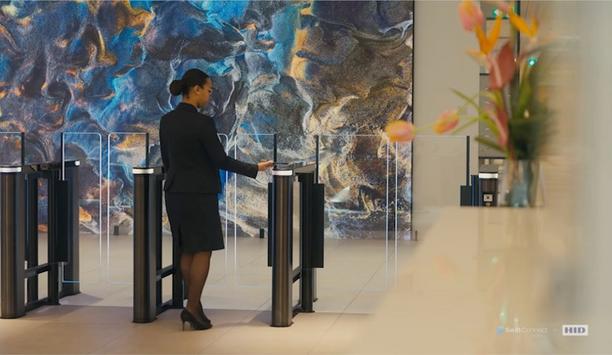
How do you rethink and transform building access for a 241-year-old company? BNY started by asking employees. The response was encouraging. The BNY team found that employees embraced the concept of mobile access solutions. The thought of implementing access solutions was already being considered by the company and the team was excited about the idea of providing a modern experience that allows employees worldwide to conveniently access their building spaces with a simple iPhone or Apple Watch. How powerful of a concept “The whole idea of people navigating around our facilities globally — it just brings a smile to your face,” said Ken Damstrom, Global Head of Corporate Security at BNY. “But it really brings a smile to their face because when they come to work they come with their iPhone they don’t necessarily need to come with their (physical) ID badge and how powerful of a concept is that?” Getting started with the right team To put everything in motion, BNY engaged connected access network provider SwiftConnect and mobile access provider, HID. Selecting experienced and reputable partners was important for BNY, along with the technologies that they brought to the table. For this project, those technologies included employee badge in Apple Wallet alongside HID’s mobile-enabled Signo readers and the reliability of the SwiftConnect connected access network. How does the technology work? Two key components of BNY’s initiative were essential to its success. Employee badge in Apple Wallet, paired with HID’s mobile-enabled Signo readers gives employees and their guests easy and secure access to corporate spaces using only their iPhone or Apple Watch. Users can simply hold their device near a reader to access doors, turnstiles, elevators, spaces and more. SwiftConnect unifies identity and physical access into one effortless experience, connecting systems and spaces into a unified network. It supports on-demand access via mobile credentials and optimizes existing methods like fobs and cards for secure, consistent access — replacing friction with fluidity at every interaction. “What we learned by partnering with SwiftConnect and HID was employee badge in Apple Wallet was absolutely ready for prime time,” said Ken Damstrom. “We’ve had nothing but confidence in rolling it out in our organization.” Making mobile access technology a reality With full support from their partners, BNY launched their new mobile access solution at their headquarters in New York City, then expanded to other offices in Boston, London and India, as well as others. They’ll continue until every BNY office worldwide is using the technology — at 110 locations in 35 countries. Regardless of which country the technology is implemented, employee badge in Apple Wallet will work the same across BNY’s facilities. That’s important because their employees can seamlessly and securely enter and move around multiple locations. Also, with Express Mode, employees do not need to unlock their device to use their employee badge in Apple Wallet. Even if the phone needs to be charged, the device can still be used to access spaces with Power Reserve mode. Advantage of privacy and security When an employee has an employee badge in Apple Wallet, their data is never shared with Apple or stored on Apple servers. If their iPhone or Apple Watch is misplaced, the owner of the device can promptly use the Find My app to lock the device and help locate it. Employee badges in Apple Wallet are stored on personal devices and take full advantage of the privacy and security built into iPhone and Apple Watch. “We wanted consistency across our real estate portfolio, so whether you’re in New York, Lake Mary or London, you know how to access the site because you know how to use employee badge in Apple Wallet,” said Dafna Alsheh, Global Head of Workplace Experience & Design, BNY. Combination of technologies The combination of these technologies is now helping BNY create that convenient, quick access experience for employees — while ensuring a secure workplace. “One of the things that makes employee badge in Apple Wallet really impactful is that it works the same at work as it does when they’re at the store or on the subway because you don’t have to teach people how to use it,” said Dafna Alsheh. “We’ve had people who are like, ‘wow this just works.’ But when they realize they can use their Apple Watch, then they’re like, ‘this is magic.’”

International guests arriving at South Korea’s largest foreigner-only casino, INSPIRE Entertainment Resort, now enjoy a significantly faster and more seamless check-in experience. Customer onboarding times have noticeably improved following the integration of Regula’s advanced identity verification technology. Regula Document Reader SDK, the most comprehensive ID verification solution in the world, integrates with the resort’s anti-money laundering (AML) procedures, boosting operational efficiency and compliance. Operational efficiency Following vendor evaluations, INSPIRE selected Regula Document Reader SDK Seeking to enhance operational efficiency and meet evolving AML requirements, INSPIRE Entertainment Resort sought a faster and more accurate solution. The resort, which features a high-volume casino catering exclusively to foreign guests, needed a system capable of recognizing passports from around the globe with minimal friction. Following vendor evaluations, INSPIRE selected Regula Document Reader SDK for its superior document reading speed, intuitive interface, and unmatched global ID coverage. Regula’s solution is powered by the company’s proprietary ID template database—the world’s largest—covering 15,000+ document templates across 254 countries and territories. Critical ID data Deployed across six entrance stations, Regula Document Reader SDK enables real-time extraction and validation of critical ID data, such as name, date of birth, nationality, and passport number. This data is then passed directly to INSPIRE’s AML system, which in turn performs automated screening against external compliance and watchlist databases. Since deploying Regula Document Reader SDK, INSPIRE Entertainment Resort casino has experienced: Faster document processing and guest entry. Significant reduction in manual rescans and staff workload. Consistently smooth onboarding, even during peak entry hours. Passport scanning “As the team responsible for passport scanning at the casino, we’re very satisfied with the improvements Regula has brought,” says Dr. Ilnam Lee, IT Director at INSPIRE Entertainment Resort. “The speed of document processing has noticeably increased, and guest entry has become much smoother. It’s a reliable solution that has elevated the efficiency of our daily operations.” Secure guest onboarding experience “In industries like hospitality, every second counts. We’re happy to support INSPIRE Entertainment Resort in creating a faster and more secure guest onboarding experience while meeting strict AML requirements.” “Our focus is to make accurate identity verification seamless, even in complex international scenarios, and this project is a great example of that in action,” says Ihar Kliashchou, Chief Technology Officer at Regula.

HID, the pioneer in trusted identity solutions, announced that Chester Race Company, owner of the world’s oldest racecourse still in operation, has adopted Near Field Communication (NFC)-based ticketing technology – the first major sports venue in the UK to adopt an end-to-end solution provided by HID. Leveraging HID’s Event Management Platform (EMP) and Janam’s rugged XT3 handheld scanners, the organization has revolutionized its guest admissions process, offering a seamless and efficient entry experience at Chester Racecourse. Oldest operational racecourse The company also manages Bangor-on-Dee and Musselburgh racecourses, alongside diverse catering Founded in 1539 during the reign of King Henry VIII, Chester Racecourse holds the Guinness World Record as the oldest operational racecourse. Operated by Chester Race Company, the venue welcomes over 200,000 guests annually to its 15-race season, including the renowned Boodles May Festival, which features the Chester Cup. The company also manages Bangor-on-Dee and Musselburgh racecourses, alongside diverse catering, hospitality, hotel and recruitment businesses. HID’s NFC ticketing technology “Admissions are our first touch point with our guests on a race day, so delivering an excellent customer experience is critical,” said Gareth Simpson, Head of Racecourse Operations at Chester Race Company. “By adopting HID’s NFC ticketing technology, we’ve transformed the entry process, offering guests the ease of smartphone-based tickets in their Apple or Google Wallets. It’s just like downloading a mobile boarding pass for an airline flight.” Chester Racecourse’s new system streamlines Chester Racecourse’s new system streamlines the ticketing process from purchase to entry Chester Racecourse’s new system streamlines the ticketing process from purchase to entry. Guests now receive encrypted e-tickets within seconds, downloadable directly to their smartphones, along with guidance about dress code, race program and directions. On race day, reminders appear on guests’ devices as they approach the venue, further enhancing convenience. Key to the implementation is the purchase of 45 Janam XT3 rugged mobile computers which enable offline ticket validation for continuity of service. This is important as the racecourse is in a low-lying area in Chester where the mobile signal strength is poor. Upgrade its network infrastructure Preloaded ticket data on each device eliminates reliance on Wi-Fi connections, enabling swift and accurate access even during peak times. With a scan time of less than a second, the Janam XT3 units significantly reduce congestion and wait times and work well in poor light conditions. To support the NFC ticketing solution, Chester Race Company has made significant financial investments to upgrade its network infrastructure, deploying Wi-Fi 7 access points along with new routers, switches and robust 10-gigabit Ethernet connections to the Internet. Access control solution in real-time HID's EMP integrates with a ticket sales platform from SeatGeek, with a bespoke API recently written to integrate the two systems to enable ticket purchases to be updated automatically in the access control solution in real-time, thereby removing a cumbersome manual process adopted in the past. “We’ve addressed all our entrance issues,” added Simpson. “From faster entry to real-time visibility of guest attendance, HID’s solution has been transformational.” Terms of enclosure and stands NFC-based system offers more benefits as Chester Racecourse knows exactly the number of people The NFC-based system offers additional benefits as Chester Racecourse knows exactly the number of people who have entered (out of the tickets sold) and where people are in terms of enclosure and stands. This helps it meet its compliance with capacity obligations, along with consideration for forthcoming legislation such as Martyn's Law. It also reduces ticket fraud by eliminating barcode sharing or resale opportunities by touts. Additional features within HID's EMP Looking ahead, Chester Race Company plans to expand NFC ticketing across its portfolio and explore additional features within HID’s EMP, such as accreditation management for staff and contractors, as well as loyalty program integration. “We’re the oldest racecourse in the world using pioneering-edge technology,” concluded Simpson. “HID’s solutions are enabling us to create modern, memorable experiences for our guests by streamlining admissions totally using a tool that everyone has in their pocket – a smartphone.”
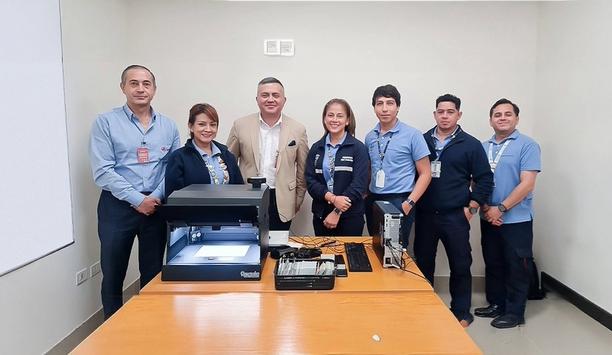
Ecuador’s border control authorities have significantly enhanced their identity verification capabilities by deploying a suite of advanced document examination devices from Regula. The nationwide upgrade, supported by the International Organization for Migration (IOM) and local partner INSETK, brings automation, precision, and speed to the country’s border checkpoints, which collectively process nearly 1.5 million travelers annually. Regula’s advanced forensic devices The project is a major step in Ecuador’s mission to modernize all land, air, and maritime entry points The project is a major step in Ecuador’s mission to modernize all land, air, and maritime entry points, including key international airports in Quito and Guayaquil, as well as northern and southern border crossings. These strategic locations now benefit from Regula’s advanced forensic devices, which enable fast and reliable detection of fraudulent documents—critical in the fight against identity-related crime. Closing the gap with a set of forensic devices Previously, document checks at Ecuador border crossings were largely manual and supported by outdated equipment, often handled by just two officers per site. This made the process slow, error-prone, and vulnerable to sophisticated fraud. To address this, Ecuador’s border checkpoints were equipped with the following Regula solutions: Regula 4308 at Quito International Airport: Ideal for high-traffic airports, this dual-video spectral comparator supports the full spectrum of light sources and optical filters. It also offers high-quality image capture capabilities thanks to its up to 320x optical zoom and up to 140,000 ppi resolution. As a result, border officers can thoroughly inspect all of the ID security features, including printing techniques, holograms, optically variable inks, and more. Regula 4306 at Guayaquil International Airport and major land borders: A space-saving device with an 8 MP high-resolution camera and over 40 LED light sources for analyzing document authenticity, just like its counterpart, the Regula 4308. Regula 4205D at frontline checkpoints: A multi-functional device tailored for primary control zones. It includes 12 light sources, automated cross-checks, and up to 30x on-screen magnification for thorough document authentication. Regula 8333M at mobile checkpoints: Designed for remote or non-standard border control situations, such as processing charter flights or cruise ship passengers, this compact mobile document reader ensures that ID checks remain reliable and consistent outside traditional migration offices. Regula’s Information Reference System Regula’s video spectral comparators are controlled via Regula Forensic Studio (RFS), a cross-platform software solution for advanced document checks. It enables precise measurements, image comparison, report generation, and scripted workflows for faster, consistent inspections. With RFS, officers can also verify MRZs, RFID chips, barcodes, and IPI—all without extra tools. For deeper document examination, border control officers have real-time access to Regula’s Information Reference System (IRS), which provides synchronized reference images and lighting presets for fast, precise comparison of travel documents. Data cross-verification and robust authenticity checks RFS also integrates with Regula Document Reader SDK to automate travel document verification RFS also integrates with Regula Document Reader SDK to automate travel document verification and prevent fraud through data cross-verification and robust authenticity checks. Importantly, Regula’s software is backed by its proprietary identity document template database—the world’s largest—featuring over 15,000 templates from 252 countries and territories, ensuring reliable validation at border checkpoints. Trusted results, faster than ever Since implementing Regula’s solutions, Ecuadorian border control authorities have noticed notable improvements: Document authentication now takes minutes instead of hours. Detection of forged documents has significantly increased. Automation reduces human error and increases operational efficiency. Officers have more time to focus on complex cases and decision-making. Technology upgrade and fraud detection “Apart from the technology upgrade and fraud detection improvement at the border crossings, our collaboration with Regula demonstrated another success." "The project was fulfilled very smoothly. From the beginning, we’ve received full support from Regula’s team—they were always ready to help with any issue, even those caused by users on the ground. It’s definitely a level of service that makes a real difference,” says Diego Calderon, Chief Executive Officer at INSETK. How technology can turn critical inspection tasks “Border security is where precision, speed, and trust must converge. We're proud to support Ecuador in modernizing its checkpoints with tools that meet forensic standards while being easy to use in the field." "This project shows how technology can turn critical inspection tasks from time-consuming to streamlined, without compromising security,” comments Arif Mamedov, CEO at Regula Forensics, Inc.
Products

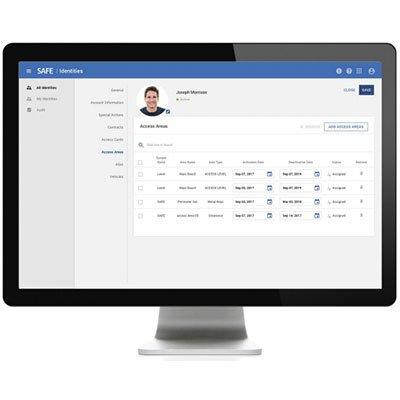
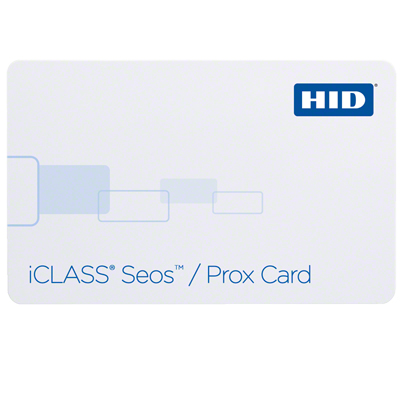
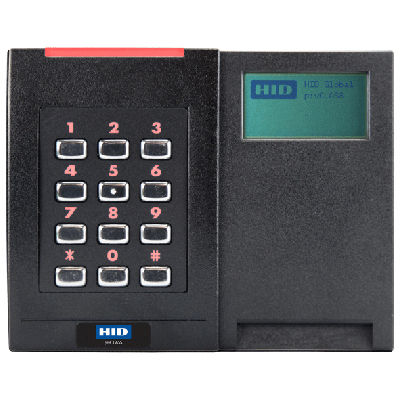


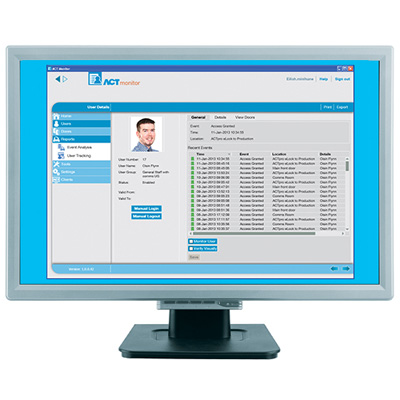

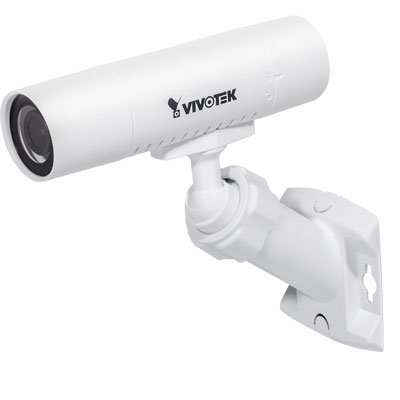
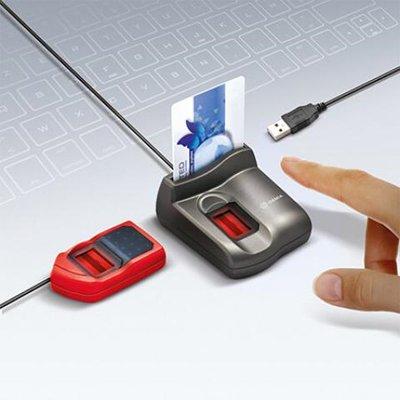

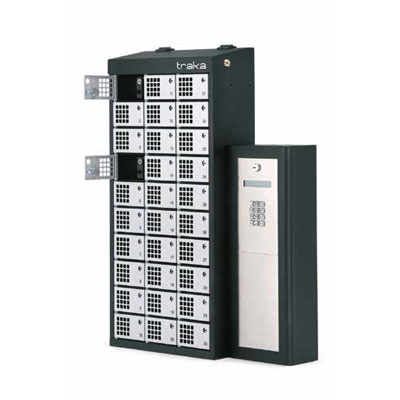
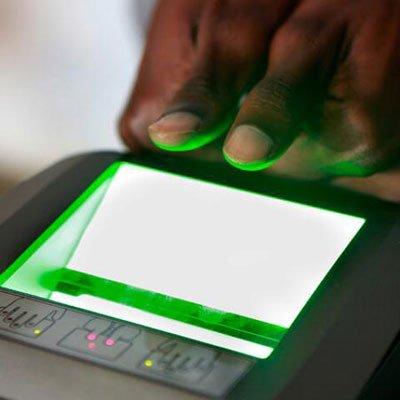
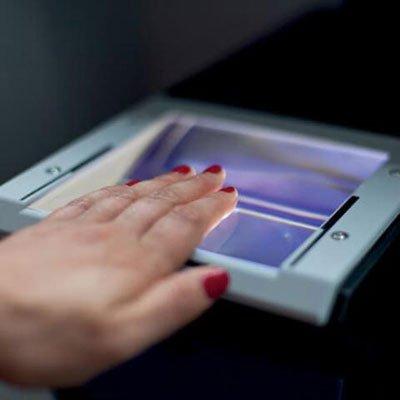
Round table discussion

Access control, video surveillance, and intrusion detection systems evolved largely independently in the physical security industry. Integrating those systems to the benefit of an enterprise's overall security has traditionally fallen on security integrators working in cooperation with manufacturers. However, today's market has also evolved to include companies that provide "unified platforms,” bringing together various disparate security systems and functions under a single, centralized management interface. We asked our Expert Panel Roundtable: What are the advantages of installing physical security systems as a unified platform?
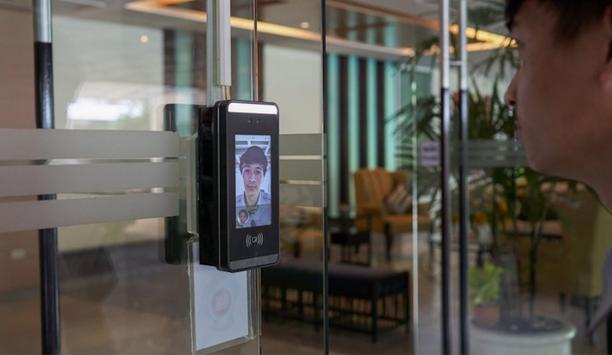
As cutting-edge trends go, convergence has been around for at least two decades. The meaning has shifted over the years, and if anything, the idea of convergence has gotten even more aspirational. Unfortunately, the widespread use of the term has also paradoxically undermined its meaning and power. However, today's concept of convergence has matured to provide new levels of benefit for security professionals. We asked our Expert Panel Roundtable: How has the meaning of “convergence” evolved in the security market? How are systems today more converged than ever?

The security marketplace has its share of buzzwords, which are words or phrases that become popular and widely used in a specific industry. Buzzwords can be useful for conveying complex ideas quickly, but they can also be misused or misunderstood. Within a specific industry, such as security, buzzwords can create a sense of shared understanding and belonging. We asked this week’s Expert Panel Roundtable: What new buzzword have you heard, and what does it mean for the security industry?
White papers

Integrated Systems Enable Critical And Compliant Security For Transportation
Download
How Digital Transformation Is Delivering New Opportunity
Download
Where Do We Go From Prox?
Download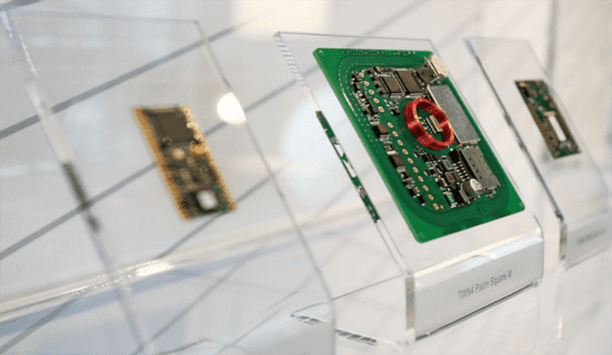
What is a universal RFID reader?
Download
Preventing Loss, Securing Assets
Download
Palm Vein Recognition
Download
Best Practices For Asset Management
Download
The Top 4 Reasons To Upgrade Physical Security With The Cloud
Download
Public-Private Partnerships On Campus: What You Need To Know
Download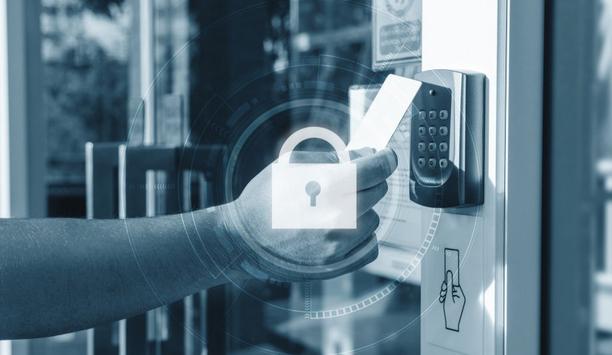
A More Secure Alternative to 125 kHz Proximity Cards
Download
Creating A Secure And Positive Healthcare Experience
Download
5 Reasons To Integrate Mobile Technology Into Your Security Solution
Download
Is Your Access Control System as Secure as You Think?
Download
House Of Smart Cards - How Assumptions Can Open Dangerous Security Gaps
Download
Mobile Access - What You Need To Know
Download