Internet of Things (IoT)

Nozomi Networks, the pioneer in OT, IoT and cyber-physical systems security, announced that co-founder Andrea Carcano has been appointed Chief Executive Officer, resuming the role he first held when he and co-founder Moreno Carullo launched the company. The appointment marks the start of Nozomi's next phase, one focused on accelerating the AI-driven innovation and technical leadership that have defined the company since its founding. Edgard Capdevielle, who has served as CEO for the past d...
NEXCOM will participate in the National Restaurant Association Show 2026 (NRA Show), held at McCormick Place in Chicago, where it will present smart application solutions for the restaurant and foodservice industry. By integrating edge computing and odor-sensing technology, NEXCOM aims to help foodservice operators enhance food safety, operational efficiency, and customer experience. NRA Show 2026 As a globally recognized benchmark exhibition for commercial technologies and foodservice...

Hikvision, a foremost AIoT solution provider, has announced LinkVu, a visual, full-cycle solution designed to empower IoT and networking project installers to better serve Small and Medium-sized Businesses (SMBs). LinkVu offers a diverse range of cloud-managed networking products, all managed through the Hik-Partner Pro (HPP) platform, a mobile app that allows installers to manage projects on their smartphone. Together with other IoT devices, including network cameras, NVRs, alarms...

Hikvision, a global pioneer in AIoT solutions, is set to participate in Hannover Messe 2026, the world's premier industrial trade fair, taking place from April 20-24 at the Hanover Exhibition Center, Germany. Underscoring its commitment "Shaping Industrial Digitalization with AIoT," the company will exhibit at Hall 27-G84, demonstrating how AI-powered perception and intelligent analytics are transforming industrial operations across manufacturing, energy, and other critical sectors. Comprehen...

Matrix Comsec, a pioneer in Security and telecommunications solutions, was honored with the “CII Award Excellence for Women in STEM 2025.” This prestigious award highlights Matrix's commitment to fostering diversity and inclusion within the Science, Technology, Engineering, and Mathematics (STEM) fields. The award ceremony was held at Hotel Le Meridien, New Delhi, and was attended by industry pioneers. Gender gap in STEM fields The CII Awards for Excellence in Women's STEM is an i...

The American Conference Institute (ACI) is proud to announce the 20th Annual Flagship Conference on Economic Sanctions Enforcement & Compliance, taking place April 29–30, 2026, at the National Press Club in Washington, DC. Marking two decades of continuous leadership, this milestone event reflects ACI’s long-standing role as the premier forum for sanctions, export controls, and compliance professionals navigating an increasingly complex global risk environment Effective c...
News

Dubai World Trade Center — Sheikh Saeed Hall 2, Stand C43, January 12–14, 2026. Organizations of every size and type have discovered how connected digital access helps them implement smarter, more efficient operations. As a global pioneer in access solutions, ASSA ABLOY is at the forefront of these digitalization innovations. By digitalizing access, organizations streamline workloads, reduce costs, collaborate better, connect spaces with people more flexibly, and maximize productivity. At Intersec 2026, ASSA ABLOY showcases a range of solutions for digitalizing access in some of the fastest-growing sectors, such as data centers and multi-residential buildings, across the Middle East and beyond – and delivering a tangible ROI in the process. Implementing digital access and security solutions Across several projects and multiple geographical locations, ASSA ABLOY has gained extensive knowledge and experience in designing and implementing digital access and security solutions for data centers with devices for perimeter gates and main entrances, for high security doors and access points, and all the way in to connected digital locks which equip individual server racks with real-time access management. “With the acquisition of Kentix, a German designer and manufacturer of IoT monitoring and access control solutions, our physical protection portfolio has widened in scope,” says Kostis Telelis, SVP & Head of MEIA Region at ASSA ABLOY Opening Solutions. “We have a full solution portfolio for data centers, all available from a single supplier. Data center planners and operations teams have saved time and maximized security by partnering with ASSA ABLOY.” KentixONE digital access platform The KentixONE digital access platform is configured specifically for data center security management. Alongside integrated digital access control, it offers monitoring of and protection against more than 40 physical threats including fire, power issues, intrusion and more. The solution’s versatility is demonstrated at co-located data centers by Heidelberg iT Management GmbH & Co. KG and on-premise server security for a major utility, among many other successful implementations. ASSA ABLOY will also demonstrate the digital access management solution Incedoä Pro and a broad range connected devices for integration, such as award-winning Aperio locks and biometric readers from Control ID, for organizations of every scale and type. The value of Aperio wireless lock integration can also be experienced at the booths of Gallagher, Lenel and Genetec. ASSA ABLOY’s eCLIQ solution Another prominent theme at ASSA ABLOY’s Intersec 2026 showcase is a range of digital access solutions for multi-residential properties. ASSA ABLOY’s eCLIQ solution is an advanced digital locking system which replaces traditional mechanical keys with secure, programmable, electronic battery-powered keys, cylinders and padlocks. Tenants and service staff benefit from programmable keys with flexible access rights and schedules. Electronic revocation eliminates costly cylinder changes, while optional key revalidation adds an extra layer of security. Intuitive software—available locally, online, or via smartphone—keeps site managers in complete control of access rights, openings, and user permissions anytime, anywhere. Contemporary eCLIQ devices Contemporary eCLIQ devices integrate seamlessly with the DoorBird IP intercom system for building entrances and blend aesthetically with luxurious door and architectural hardware also available from ASSA ABLOY. “We are delighted once again to be showing our innovative digital solutions at Intersec,” adds Kostis Telelis. “The audience here, OEMs, system integrators, IT experts and security professionals from across the Middle East and beyond, has always been eager to learn about getting the most from their digital access, in terms of ROI, flexibility and controlling total cost of ownership. Intersec is a very important date in the annual calendar.”

Datalogic, a pioneer in automatic data capture and process automation, will demonstrate how its integrated portfolio is empowering the intelligent store at NRF 2026, thanks to AI-driven integration. Visitors to Booth 6128 will discover how advanced scanning, mobile computing, RFID, and IoT solutions are driving measurable outcomes for retailers: better customer loyalty, more revenue, fewer errors, higher labor efficiency, accelerated in-store productivity, and the creation of seamless customer experiences. All within a sustainable ecosystem. World premiere: Joya Smart & Joya Smart+ series NRF 2026 will mark the exclusive debut of Datalogic's Joya Smart and Joya Smart+—the industry's first self-shopping devices with integrated AI technology. These innovative handheld solutions empower shoppers to scan items as they move through the store, monitor their baskets in real time, and complete payment quickly at self-service kiosks or assisted lanes. By combining customer autonomy with intelligent loss prevention capabilities, Joya Smart addresses retailers' most critical operational concerns while delivering an exceptional shopping experience Reducing errors, shrinking, and preventing losses with AI and RFID Datalogic will showcase how artificial intelligence and RFID technologies are able to protect profit margins without compromising checkout speed, especially in the grocery segment. The Magellan® 9600 and 9900i platforms feature AI-based audit rules that help associates identify common fraud patterns—including miss-scans, ticket switching, and item stacking—in real time, ensuring accuracy at every transaction. In non-food applications, the PowerScan™ 9600 RFID solution captures data from both barcodes and RFID tags, providing real-time movement visibility that supports loss prevention and inventory accuracy. This capability is ideal for item-level tracking in sensitive areas such as checkout lanes, exits, and back rooms. Sustainability-driven innovation: Gryphon 4600 Another major premiere at NRF is the groundbreaking Gryphon™ 4600, a next-generation scanning solution designed with sustainability at its core. Combining enterprise-grade performance with eco-design principles, the Gryphon 4600 features optimized electronic architecture, reduced power consumption, recycled components, and minimal packaging—proving that environmental responsibility and operational excellence go hand in hand. Streamlining store operations with mobile computing Datalogic's complete range of mobile computers - such as the Memor PDA series and Skorpio family - will demonstrate how to manage essential store operations—including stock counting, replenishment, order preparation, and shelf verification—smoothly and efficiently. Paired with partner-powered shelf analytics platforms, these solutions ensure on-shelf availability, reduce lost-sale scenarios, and improve task execution across the shop floor through high-performance scanning and intelligent mobile applications. GS1 Digital Link readiness Datalogic's forward-thinking approach to product development ensures that its entire portfolio—Fixed Retail Scanners, Handheld Scanners, and Mobile Computers—reads every type of symbology, including GS1 Digital Link. This capability enables retailers to offer richer product information and easier access to transparency and traceability features directly at checkout, meeting evolving consumer expectations and regulatory requirements. Centralized intelligence with Datalogic Connect Attendees will experience Datalogic Connect live on the show floor—the company's intelligent IoT cloud platform for centralized device fleet management. Datalogic Connect provides comprehensive visibility of deployed devices, remote configuration, firmware updates, diagnostics, and multi-location monitoring across store networks. Beyond device management, the platform delivers dashboards and operational insights that help retailers monitor checkout performance, device status, inventory movements, and loss-prevention events in real time. This intelligent layer enables faster operational response, improved uptime, and more efficient management of the entire retail ecosystem. Empowering the intelligent store "For over 50 years, Datalogic has provided the retail industry with innovative solutions that deliver measurable value," said Rosario Casillo, Data Capture Product and Solutions Executive Vice President. "At NRF 2026, we're demonstrating how the convergence of AI, IoT, RFID, and sustainable design is transforming retail operations—making stores more efficient, secure, and profitable while enhancing the customer experience." By combining advanced scanning, mobile computing, AI-assisted automation, and centralized device management, Datalogic supports retailers in creating intelligent stores that drive results now and adapt to the challenges of tomorrow. Visit Datalogic at NRF 2026, Booth 6128, to experience these technologies firsthand.

Wachter Inc., a pioneering technology solutions integrator and innovator, is pleased to provide the Loss Prevention Research Council (LPRC) with a state-of-the-art Proto LUMA hologram unit to enhance retail education and innovation efforts. This advanced technology will serve as an immersive platform to educate the retail community on loss prevention, history, and ongoing trends, while also offering dynamic marketing and engagement opportunities. Proto LUMA unit The Proto LUMA unit, a fully integrated holographic experience platform, employs cutting-edge IoT, AI, voice activation, facial recognition, and 4K visuals to deliver life-like, interactive digital content. Through this contribution, LPRC will utilize the technology to develop realistic avatars, including a digital version of Dr. Read Hayes, Executive Director of LPRC, who will be available as a life-like avatar to interact with visitors, answer questions, and share vital insights. “By providing access to this innovative holographic technology, we aim to foster greater understanding and collaboration within the retail loss prevention community,” said Matt Tyler, Vice President of Strategic Innovation at Wachter. “This support will enable LPRC to showcase the latest in retail tech and promote education in reducing loss and enhancing safety measures.” Wachter’s involvement Dr. Read Hayes, a renowned expert in retail loss prevention with over 30 years of industry experience, expressed enthusiasm about the initiative. “This hologram unit offers a unique platform to connect, educate, and engage the retail community in a new digital format,” he stated. “We look forward to leveraging this technology to share knowledge about loss prevention and showcase the vital work of LPRC.” Wachter’s involvement also includes ongoing assistance with installation, support, and management through its help desk, ensuring seamless operation of the unit. Enabled via the Proto cloud platform, the hologram will support live streaming capabilities, allowing Dr. Hayes or other experts to engage remotely from anywhere in the world. Proto LUMA hologram “This is more than a project support effort; it’s a commitment to advancing retail education and technology,” added Tyler. “Innovative experiences like this are poised to become essential tools for education, marketing, and industry advancement.” The Proto LUMA hologram unit will be installed at LPRC’s facilities and serve as a model for future digital engagement initiatives within the industry.

Water ecosystems, ranging from high-altitude glacial lakes to expansive wetlands, are essential to the planet. These ecosystems regulate the climate, filter pollution, and support rich biodiversity. However, many are located in remote, hard-to-access areas, leaving them susceptible to gradual and often unnoticed degradation. The silent crisis in the blind spots The most significant challenge in protecting these vital waters is the growing gap between the rapid pace of environmental change and our capacity to monitor it effectively. These ecosystems are extremely fragile. According to the Ramsar Convention, wetlands are disappearing three times faster than forests, with 35% lost since 1970. UNESCO also warns that nearly one-third of World Heritage glaciers could disappear by 2050, increasing the risk of floods for downstream communities. At the same time, traditional monitoring methods are hitting physical limits. High-altitude lakes can be shrouded in freezing mist, while wetlands stretch across vast, complex terrain that patrols can only partially cover. Rivers, reservoirs, and coastal waters face their own unique challenges, including fast currents, low visibility, and long stretches with no on-site oversight. As a result, critical “blind spots” exist across many of the world’s vital water ecosystems, causing us to miss timely data needed to prevent poaching, pollution, and ecological hazards. Building an intelligent sensing system for the wild To bridge this gap, AIoT-powered monitoring systems are increasingly being deployed as continuous, low-impact guardians. However, monitoring the wild demands more than just standard equipment—it requires an intelligent sensing system capable of withstanding harsh and unpredictable environments. In remote regions far beyond the reach of power grids, these systems rely on compact, solar-powered setups that allow devices to operate independently for long periods. The hardware is built with industrial-grade resilience, featuring anti-corrosion protection for humid coastlines and marshlands, as well as heating components that keep lenses clear in freezing, high-altitude conditions. Beyond simply surviving the elements, this technology extends human perception. Thermal imaging helps rangers see through fog and darkness, detecting heat signatures without disturbing wildlife. Meanwhile, advanced low-light imaging captures clear detail even when visibility is near zero. Paired with built-in AI, these streams can be analyzed in real-time to identify species, track environmental changes, or flag unusual water conditions, turning raw visuals into actionable ecological insights. From the roof of the world to the Earth’s kidneys This approach to protection is now being applied across many types of vital water ecosystems. Each environment carries its own risks, and innovative technologies are helping reveal changes that were once impossible to detect in a timely manner. In the frozen heights of the Himalayas, the mission is to safeguard the "Asian Water Tower." Here, in a region where electricity is scarce and the wind bites, Hikvision’s solar-powered cameras are standing guard. Designed to withstand sub-zero snowstorms, these rugged devices have captured over 100 terabytes of continuous time-lapse footage. This visual data enables scientists to track glacial melt and water level changes, providing a vital early warning system for downstream communities that depend on these waters for survival. Intelligent video analytics Far below, along the middle reaches of the Yangtze River, the priority shifts to nurturing life. In a national wetland park known as the "Earth’s Kidneys," Hikvision thermal bi-spectrum cameras act as an invisible shield. By using heat sensors to detect illegal fishing and poaching at night, the system avoids the need for bright searchlights that would startle migratory birds. Supported by intelligent video analytics, rangers are instantly alerted to threats, ensuring that this sanctuary remains a quiet and safe haven for nature. By giving these critical ecosystems the ability to “sense” and “communicate,” AIoT technology narrows the distance between people and nature. It helps build the resilience needed to keep the planet’s blue pulse beating for generations to come. Discover more about how Hikvision’s Green Practices are driving a more sustainable future.

Secutech, Asia’s premier security exhibition, will be held from 22 – 24 April 2026 at the Taipei Nangang Exhibition Center, Hall 1. This edition promises a robust showcase of more than 400 international exhibitors and an expected influx of over 15,000 visitors. Against the backdrop of Taiwan’s government investing USD 3 billion to accelerate its transformation into an “AI island”, this year’s focus will center on four key industry pillars across seven thematic zones prioritizing intelligent security solutions that integrate AIoT and data-driven technologies to enable proactive safety, precise management, and sustainable operations. Demand for next-generation solutions With AI playing a key role in Taiwan’s new development plan, Ms Regina Tsai, General Manager, Messe Frankfurt (HK) Ltd – Taiwan Branch stated: "Taiwan’s significant investment in AI and smart security technologies is fueling demand for next-generation solutions." "Consequently, Secutech provides a preview of Taiwan’s security future by bringing together global pioneers from the security, fire safety, disaster prevention, occupational safety, building technology, and cybersecurity sectors.” Four key industry pillars This year’s show highlights four key industry pillars, each centered around the implementation of smart security technologies across key verticals: Critical Infrastructure Protection: featuring AIoT, image recognition, sensing, and cybersecurity to enable comprehensive “predict–detect–respond–recover” capabilities, strengthening resilience across vital sectors such as energy, transportation, healthcare, and manufacturing. Smart Fire Safety & Emergency Response: Showcasing AI visual detection, thermal sensing, wireless monitoring, and smart fire control systems to build intelligent city-wide safety networks for improved disaster and rescue management. Smart Industrial Safety & ESG Protection: Centered on smart tech, digitalization, and sustainability, with demonstrations of AI wearables, gas detectors, and cloud safety management platforms that assist industries in achieving zero accident, zero downtime, and zero carbon targets. Sustainable Smart Building & ESG Applications: Focusing on energy efficiency, low carbon footprint, health, and safety through innovations like BIM/FM/GIS systems, AIoT energy control, and indoor air quality monitoring, supporting the construction industry’s transition to net-zero and smart living environments. Convergence of IT and OT systems The solutions and products pertaining to these pillars will be organized thematically into seven zones and pavilions – Critical Infrastructure Security, Smart Surveillance, AI Innovation, Smart Living & Building, Smart Industrial Safety, Fire & Disaster Rescue, and the AIoT Cybersecurity Pavilion – each designed to provide visitors with a hands-on look at cutting-edge, cross-sector security innovations from around the world. Secutech 2026 will also spotlight Cybersecurity & AI integration, addressing the convergence of IT and OT systems and emphasizing AI threat detection, Zero Trust Architecture, and supply chain security. These will align with international standards such as ISA/IEC 62443 to meet evolving local and global security demands. Key industry players and system integrators Ms Tsai commented: “For key industry players and system integrators in Taiwan, this event serves as a vital one-stop platform to discover cutting-edge products, gain fresh industry insights, and foster international partnerships. By creating unparalleled opportunities to enhance visibility and maximize return on investment across the entire value chain, Secutech continues to propel the industry towards a safer, smarter future for Taiwan and beyond.” To complement the exhibition, the Asia Disaster Prevention Summit will be held concurrently. This summit assembles experts to share insights on earthquake case studies, cross-border collaboration, and innovative approaches to strengthening disaster resilience in Taiwan and the wider Asia-Pacific region. The fair also takes place alongside the concurrent Fire & Safety and SMAbuilding events. Secutech is organized by Messe Frankfurt (HK) Ltd – Taiwan Branch and is part of a global network of Safety, Security & Fire trade fairs. The next edition will be held from 22 to 24 April 2026.
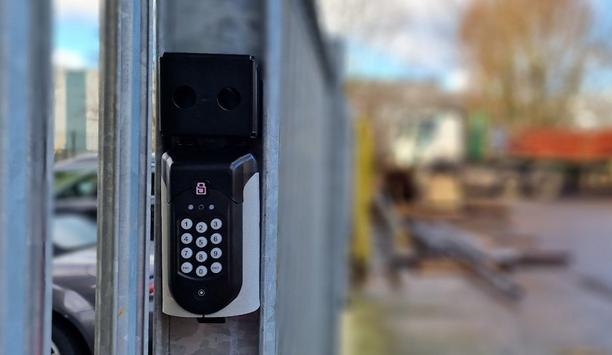
Balancing operational efficiencies and customer satisfaction with costs, resources, and legislative obligations is a challenge faced by every security services provider offering keyholding and alarm response. While mobile security operations must adhere to strict compliance, with BS 7984 standard and SIA licensing for guards at the very core of the operations, security providers are increasingly contending with a wider range of regulations. Among the most pressing are sustainability requirements that are prompting a re-evaluation of long-established operational models. From the increased sustainability emphasis within the Procurement Act 2023, which may influence major contract allocations, to incoming frameworks such as the UK Sustainability Reporting Standards (UK SRS) or the Corporate Sustainability Reporting Directive (CSRD) for the EU operations, sustainable practices have shifted decisively from optional to essential. Yet change is rarely quick or easy, and mobile security operations are no exception. Operational challenges and compliance: a system under pressure In-house mobile patrol operations follow strict protocols: keys are numbered, sealed, and stored in designated, secure facilities, with quarterly audits in place. For patrols, substantial quantities of keys are transported in reinforced vehicles, significantly heavier than a standard transit van. For many established security providers, these processes have been refined over years of practice. But increasing pressure to reduce carbon emissions is pushing companies to reassess their approach. Reinforced structures and heavy key lockers At first glance, the answer may seem simple: transition to an electric fleet. In reality, the challenge is far more nuanced. Specialized patrol vans require higher load-bearing capacity to accommodate reinforced structures and heavy key lockers, capabilities not yet widely matched by available electric models. And where suitable options do exist, cost may become a limiting factor. The upfront capital cost of electric vans (even before specialist fit-out) remains significantly higher than for diesel equivalents. Although lower running costs over time can help balance the investment, the initial outlay can still place substantial financial pressure on organizations managing large mobile fleets. An alternative approach is to use lighter vehicles and remove key storage from vans. But this introduces new complexities. Patrol guards may need to collect keys from a central point for every callout, slowing response times, or providers may need to adopt a dual-response model in which a keyless patrol attends first and waits for keys to arrive. Offsetting emissions: a short-term fix, not a long-term strategy A seemingly simple option is to offset emissions and pursue Net Zero compliance. Although better than taking no action, offsetting schemes remain controversial and are often criticized as “greenwashing.” The core issue is that offsetting does not reduce emissions generated by day-to-day operations. Instead, it can function as a temporary workaround, supporting programmes with uncertain long-term outcomes. While offsetting may still play a useful role, it is rarely sufficient on its own. Is outsourcing the answer? The high cost of letting go Given these challenges and operational complexities, it is unsurprising that some large security and facilities management organizations turn to outsourcing. On paper, outsourcing keyholding and alarm response can eliminate the need to transport and safeguard keys internally. No keys, no problems! Yet, this keyholding pass-the-parcel comes with its own risks, particularly the loss of operational control. Providers become dependent on contractors’ processes and performance while remaining accountable to their clients. With limited oversight, they cannot directly influence response times, procedural compliance, or key-management integrity. Although contractors can face penalties for breaches, strained client relationships and jeopardised renewals pose significant commercial risks. Technology to the rescue There is, however, room for optimism. Security technology is advancing rapidly, enabling sophisticated remote site monitoring and intrusion detection through AI-driven systems and IoT devices. Modern SOCs are increasingly data-led, with enhanced capability to identify false alarms and reduce unnecessary site visits. As these technologies evolve, companies must adapt, though transformation inevitably comes with costs. In the longer term, keyless access may become the norm, reducing reliance on physical keyholding. But that future is not yet fully realised, and the operational challenges, along with associated emissions, remain very much in place. Alternative methods gain momentum It’s no surprise that security providers are increasingly exploring alternative keyholding approaches that maintain strong physical security while improving efficiency and reducing emissions. As an example, one of the largest global security companies is adopting SentriGuard, a smart key management solution across its European mobile operations. SentriGuard stores keys at the point of entry in a certified key vault (LPS 1175, SR2 – C1 & C3) and is managed remotely via a cloud-based platform that also offers full access audit. By shifting to this model, the organization is streamlining keyholding processes, reducing audit complexity, and maintaining robust protection for commercial customers. Crucially, it also supports more sustainable fleet management by allowing lighter electric vehicles to be used, as keys no longer need to be transported during patrols. Compliance considerations: scrutiny remains essential Any new solution must be accompanied by rigorous due diligence. Both the physical and digital security of systems like SentriGuard and their alternatives require thorough evaluation before deployment. The scope of assessment will depend on risk and minimum security requirements. This may include reviewing loss prevention or security certifications, performance ratings, ISO compliance, hardware origin, and digital security auditing. Usability also plays a key role, particularly the ability to revoke access for individuals or groups remotely and run audit reports on the visits that have already taken place. SentriGuard, for example, is managed via a dedicated platform that enables these controls and provides additional operational alerts, including key detection in the vaults and device battery-status monitoring. The future is bright. But only for those ready to adapt Keyholding and mobile operations are undergoing a period of significant change, driven by environmental pressures, rising in-house operational costs, and rapid technological development. In an era where fleet emissions can represent a substantial share of a mobile security provider’s carbon footprint, adapting is no longer optional. Success will depend on embracing new technologies, rethinking long-standing processes, and investing in models that deliver both sustainability benefits and reliable service. Those who move early will set the pace for the industry, reduce long-term costs, and strengthen client confidence in a sector undergoing faster-than-expected transformation. And, perhaps, innovative systems like SentriGuard will help the sector move closer to that balance.

Expert commentary

The Internet of Things is growing quickly. It has moved far beyond a few smart gadgets at home. Today, connected technology is in homes, factories, hospitals, farms, and cities. Experts expect the global market for IoT devices to rise from about $70 billion in 2024 to more than $181 billion by 2030. This means more devices, more data, and more opportunities for industries everywhere. This growth comes from several advances working together. 5G connections make it possible to send and receive data faster. Edge computing processes information close to where it is created, which helps with quick decisions. Analytics allow organizations to understand and act on the data they collect. Together, these improvements are opening the door to new ways of working, producing, and communicating. IoT: The next generation As devices become more advanced, they use more energy and send more data. Think about high-quality security cameras, detailed environmental sensors, or systems in vehicles that send constant updates. All of these devices require a strong supply of power and a steady connection. In 2024, sensors made up more than 32 percent of all IoT device sales. Sensors are essential, yet the next wave of devices will do even more. They will process information themselves, use artificial intelligence, and include many features in one unit. This progress depends on networks that deliver both the energy and the bandwidth to support them. Into the future Devices and applications keep improving, so networks need the flexibility to handle what comes next Setting up IoT systems is about more than meeting today’s needs. Devices and applications keep improving, so networks need the flexibility to handle what comes next. A future-ready design provides extra capacity in both power and data flow. This way, when it’s time to add new devices or upgrade existing ones, the system is prepared without requiring major changes. One smart approach is to use modular equipment. For example, a network switch might deliver more power than devices currently use, while allowing room to connect more advanced devices later. This helps keep the system ready for growth. Built for all IoT devices often operate in challenging places. Factories, power plants, rail lines, and shipping ports face extreme temperatures, dust, vibration, and other difficult conditions. Network equipment in these locations needs the strength to keep working through heat, cold, and constant use. Industrial-grade gear is designed for these environments. It can run in a wide range of temperatures, handle physical impacts, and resist interference. Features such as port security, which keep a connection safe if a cable is removed, help protect both the equipment and the data it carries. Systems with backup power inputs continue to run even when one power source goes offline. Plug into PoE Power over Ethernet (PoE) sends both energy and data through the same cable Power over Ethernet (PoE) sends both energy and data through the same cable. This makes installation simpler and allows flexibility in where devices are placed. And as devices become more capable, they often need more power to operate. The latest innovation for PoE can deliver up to 90 watts on each port. This is enough to support advanced devices like AI-enabled cameras or multi-sensor units. When every port on a switch can supply that much power at the same time, adding more devices is straightforward and performance stays strong. Protecting the network Every connected device is part of a larger network. Protecting this network means securing data from the moment it leaves the device until it reaches its planned destination. Built-in security features in network equipment — such as secure architecture, encryption support, and physical safeguards — help keep information safe. They also help meet industry and government requirements for equipment sourcing and design. A clear path Organizations leading in IoT think ahead. They prepare for the next stage of technology by building networks with flexibility, durability, and protection in mind. These networks supply extra power, allow more bandwidth, and keep data secure while adapting as the system grows. The focus is on creating a foundation that supports innovation year after year. This means planning for devices that are faster, more capable, and more connected, while making sure the infrastructure grows right along with them. Looking ahead Strong, adaptable, and secure networks will allow connected devices to reach their full potential The IoT of the future will touch nearly every part of daily life. It will help farmers grow food more efficiently, guide self-driving vehicles, improve medical care, and keep cities running smoothly. As devices multiply and gain new abilities, the networks powering them need to grow in step. Strong, adaptable, and secure networks will allow connected devices to reach their full potential. By planning for both today’s needs and tomorrow’s possibilities, organizations can make the most of the opportunities IoT brings—and keep those opportunities expanding for years to come. Key takeaways: Preparing for the future of IoT The IoT market is growing fast The global market for connected devices is expected to grow from $70 billion in 2024 to more than $181 billion by 2030. This means more devices in more industries, from farming to healthcare to transportation. Devices are using more power and data Newer devices have more features — such as high-quality video, built-in AI, and multiple sensors — and these require stronger power supplies and faster connections. Future-ready networks are essential Infrastructure should allow extra capacity for both power and data. This ensures new devices can be added without major changes or delays. Environments vary, so equipment should match the setting Industrial areas, outdoor spaces, and transportation hubs need rugged, reliable equipment that works in extreme conditions and stays secure. Security starts at the network level Built-in protections — like secure architecture, encryption, and physical safeguards — help keep information safe and meet important industry requirements.

The sheer volume of smart locks, lock management systems, connected readers and an increasing array of Internet of Things (IoT) devices complicates the issuance and management of certificates that are foundational to establishing trust between a device and the credential used to access it. That’s why more companies are turning to PKIaaS for IoT devices. But there’s another reason to consider PKIaaS: the rise of quantum computing. Secure digital communications Gartner predicts that the pace of quantum computing will render asymmetric cryptography systems PKI certificates form the backbone of secure digital communications, but Gartner predicts that the pace of quantum computing will render asymmetric cryptography systems unsafe by 2029 and could render all current cryptography unsafe by 2034. As with any software implementation, there are pitfalls to avoid, including vendors that use proprietary technology that’s incompatible with other systems and “gotcha” pricing tactics where a slight increase in certificate usage triggers a massive increase in pricing. However, the time to implement PKIaaS is now. Physical security faces growing cyber threats Although ransomware attacks directly on computing infrastructure dominate business headlines, physical security systems are also under threat. An HID survey of over 1,200 security professionals, end-users and executives shows that 75% reported threats to their physical security systems in the past year, as these systems are more tightly integrated with company IT networks. Until recently, most physical access control systems (PACS) were proprietary and worked only on the specific systems they were designed to interact with. However, the movement toward open supervised device protocol (OSDP) revolutionized the field, allowing companies to integrate and control devices from different vendors while improving compatibility and security. PACS and IoT devices PKIaaS makes sense as the number of digital certificates needed to power PACS and IoT devices As a result, 40% of companies plan to either update or change access control systems in the next year, with 21% emphasizing the need for open standards like OSDP to both improve interoperability and future-proof their systems. When asked about reasons for a proposed upgrade, more than half cited convenience, while another 40% sought to improve their overall security posture. PKIaaS makes sense as the number of digital certificates needed to power PACS and IoT devices continues to increase, promoting security and reducing manual processes related to tracking certificates. Regulatory compliance demands automation and agility Companies also face increased regulatory pressures regarding technology in general — and certificates in particular. The European Union’s Cyber Resilience Act sets mandatory cybersecurity standards for manufacturers and retailers, covering the planning, design, development and maintenance of products throughout the entire value chain. Certain high-risk products must undergo third-party evaluation by an authorized body before being approved for sale in the EU. EU Cybersecurity Act shows a unified certificate framework for ICT products, services, and processes More specifically, the EU Cybersecurity Act establishes a unified certification framework for information and communications technology (ICT) products, services, and processes. Businesses operating in the EU will benefit from a “certify once, recognized everywhere” approach, meaning that approved ICT offerings will be accepted across all EU member states. Given the global nature of PACS, these regulations likely will impact companies well beyond the EU, much like the general data protection regulation on websites has. These changes, when considered together with rapid advancements in quantum computing, underscore the need for a unified certification solution such as PKIaaS to handle increased — and increasingly complex — certificate compliance. A path to PKI modernization Modernizing PKI through a PKIaaS model doesn’t have to be difficult. With a clear and phased approach, most organizations can transition smoothly while reducing risk and improving efficiency. It starts with a quick assessment of current certificate usage to understand where certificates are issued, how they’re renewed and any gaps in coverage. From there, it's about defining what you need and selecting a trusted partner. Look for a solution that integrates well with your existing systems, supports automation and scales as your needs grow. In terms of partners, not all PKIaaS vendors are the same. Look for one with a strong security track record and predictable pricing, which will simplify both onboarding and long-term management. When it comes to vetting vendors, ask the following questions: Is the solution scalable? The trend toward future-proof installations has never been greater. As the number of certificates increases, any PKIaaS solution must be able to grow in concert. How will pricing change as certificate volume grows? Some solutions are priced in tiers by the number of certificates. If a company exceeds that maximum by even a single certificate, it owes not only the price difference between tiers, but it will also be expected to pay for that tier the following year, which can bring a significant financial surprise. How are CAs accessed and stored? Look for companies that can provide long-term offline secure storage of certificates that can also track when CA keys are accessed. What support is included in the PKIaaS? Specifically ask vendors about up-front costs for implementation and onboarding to get a real apples-to-apples comparison among partners. Step-by-step replacement of manual processes A pragmatic approach allows corps to move quickly and confidently from legacy PKI to a scalable Once a vendor in place, start with a focused rollout, e.g., automating certificate renewals for internal systems or a specific business unit. Once the pilot is complete, expand automation with a step-by-step replacement of manual processes to limit operational disruptions. Finally, as PKIaaS becomes embedded in day-to-day operations, it’s important to align it with broader security governance. Establishing regular reporting and clear policies, as well as future-proofing for quantum-safe cryptography to ensure long-term resilience and compliance without adding complexity. This phased, pragmatic approach allows organizations to move quickly and confidently from legacy PKI to a scalable, secure and future-ready solution. A necessary upgrade According to an analyst report, manual certificate management can cost organizations up to $2.5 million annually in labor and outage-related expenses. While automation reduces these costs by up to 65%, the real challenge in IoT environments lies in managing scale. With device lifecycles often spanning decades and certificate volumes reaching millions — especially across distributed, resource-constrained endpoints — manual PKI processes and legacy infrastructure simply can't keep up. The convergence of regulatory mandates, quantum computing threats and rising cyber risks to connected physical systems makes scalable, cloud-based PKIaaS not just a strategic advantage, but a foundational requirement for secure IoT deployments.

The physical security industry has been in love with the cloud for quite some time. And understandably so. The promise of instant scalability, centralized access, and simplified maintenance is hard to ignore, especially in an era of remote work and distributed facilities. But reality is catching up to the hype. For many, especially those dealing with video surveillance at scale, the cloud is no longer the catch-all solution it once seemed. Rising costs, bandwidth limitations, and latency issues are exposing its shortcomings. And the more resolution increases, from HD to 4K and beyond, the heavier that burden becomes. Modern security cameras This is where edge computing, specifically AI-enabled edge processing available in modern security cameras, starts to look less like an option and more like a necessity. But it’s not just about adding intelligence to cameras. It’s about how that intelligence is deployed, scaled, and maintained. This leads us to containerization and tools such as Docker, which are a revolutionary piece of the puzzle. When cloud isn't enough Cloud analytics for video sounds great in theory: stream everything to the cloud Let’s start with a basic issue. Cloud analytics for video sounds great in theory: stream everything to the cloud, let powerful servers do the thinking, then serve up results to end-users in real time. However, in practice, this model can break down quickly for many end-users. Raw video is heavy. A single 4K camera streaming 24/7 can generate terabytes of data per month. Multiply that by hundreds or thousands of cameras, and the bandwidth and storage costs become unsustainable. Then there’s latency. If AI needs to detect a person entering a restricted area or identify a license plate in motion, seconds count. Routing video to a cloud server for analysis and waiting for a response can introduce delays. Adding in concerns about uptime, such as what happens if the internet connection goes down, it becomes clear why relying exclusively on the cloud creates friction for mission-critical deployments. The edge advantage Edge processing turns that model on its head. Instead of sending everything out for analysis, edge-enabled cameras do the heavy lifting on-site. AI algorithms run directly on the device, interpreting what they see in real time. They generate metadata—lightweight descriptions of events, objects, or behaviors—rather than raw video. This metadata can be used to trigger alerts, inform decisions, or guide further review. The benefits are obvious: latency drops, bandwidth use plummets, and storage becomes more efficient. Edge processing solves many cloud deployment issues by keeping the compute where the data is generated, on the device. This frees the cloud up to do what it’s best at: providing scalable and centralized access to important footage. But where does the edge go from here? How do we evolve these powerful IoT devices to deliver even more situational awareness? Enter Docker: An app store for edge AI They package an app along with everything it needs to run: the code, settings, libraries, and tools This is where the concept of containerization and open development platforms like Docker comes in. Let’s start with an analogy that is helpful for understanding containers. Imagine you're getting ready for a trip. Rather than hoping your hotel has everything you need, you pack a suitcase with all your essentials: clothes, toiletries, chargers, maybe even snacks. When you arrive at your destination, you open the suitcase and you’re ready to go. You don’t need to borrow anything or adjust to whatever the hotel has, since you’ve brought your own reliable setup. Containers in software work the same way. They package an app along with everything it needs to run: the code, settings, libraries, and tools. This means the application behaves exactly the same, whether it’s running on a developer’s laptop, on the edge in an IoT device, or in the cloud. Security camera with a powerful edge processor There’s no last-minute scrambling to make it compatible with the environment it lands in, because it’s self-contained, portable, and consistent. Just like a well-packed suitcase simplifies travel, containers simplify software deployment. They make applications faster to start, easier to manage, and more predictable, no matter where they’re used. For a security camera with a powerful edge processor, it’s like giving the camera its own specialized toolkit that can be swapped out or upgraded without touching the rest of the system. It also means you can run multiple AI applications on a single camera, each in its own isolated environment. Integrators and end-users These applications don’t interfere with each other and can be updated independently Want to add fall detection to a healthcare facility’s camera network? Just deploy the analytics in a container. Need to monitor loading docks for pallet counts at a warehouse? Spin up a different container. These applications don’t interfere with each other and can be updated independently. As a developer, if you use an open container platform like Docker, any system that supports Docker can utilize your software. This removes the need to do expensive custom work for each partner and ecosystem. This is one reason Docker containers are tried and true in the larger IT space and are just starting to get traction in the security sector. Docker also makes this scalable. Developers can build AI tools once and push them out to hundreds or thousands of devices. Integrators and end-users can customize deployments without being locked into proprietary ecosystems. And because containers isolate applications from core system functions, security risks are minimized. Metadata, not megabytes Traditional video analytics systems often require full video streams to be processed One of the most underappreciated aspects of this method is the way it redefines data flow. Traditional video analytics systems often require full video streams to be processed in centralized servers, either on-premises or in the cloud. This model is brittle and costly, and it’s also unnecessary. Most of the time, users aren’t interested in every frame. They’re looking for specific events. Edge AI enables cameras to generate metadata about what they see: “Vehicle detected at 4:02 PM,” “Person loitering at entrance,” “Package removed from shelf.” This metadata can be transmitted instantly with minimal bandwidth. Video can still be recorded locally or in the cloud, but only accessed when needed. This dramatically reduces network load and allows the cloud to be used more strategically: for remote access, long-term archiving, or large-scale data aggregation, without being overwhelmed by volume. Building smarter systems, together A single camera can run analytics from multiple third parties, all within a secure, containerized framework An equally important aspect of containerization is how it opens up the ecosystem. Traditional security systems are often built as closed solutions. Everything—from the cameras to the software to the analytics—comes from a single vendor. While this simplifies procurement, it limits innovation and flexibility. Docker flips that model. Because it’s an open, well-established standard, developers from any background can create applications for edge devices. Integrators can mix and match tools to meet unique customer needs. A single camera can run analytics from multiple third parties, all within a secure, containerized framework. This is a profound shift. Security cameras stop being fixed-function appliances and become software-defined platforms. And like any good platform, their value increases with the range of tools available. Hybrid: The realistic future So, where does this leave the cloud? It is still essential, but in a more specialized role. The most robust, future-proof architectures will be hybrid: edge-first and cloud-supported. Real-time detection and decision-making happen locally, where speed and uptime matter most. The cloud handles oversight, coordination, and data warehousing. Real-time detection and decision-making happen locally, where speed and uptime matter most This hybrid model is especially useful for organizations with complex deployments. A manufacturing plant might retain video locally for 30 days but push older footage to the cloud to meet retention requirements. A retail chain might analyze customer flow on-site but aggregate trend data in the cloud for HQ-level insight. Hybrid gives organizations the flexibility to optimize cost, compliance, and performance. Regulatory realities It’s also worth noting that not every organization can, or should, store data in the cloud. Privacy regulations like GDPR in Europe or similar laws elsewhere require strict control over where data is stored. In many cases, sensitive footage must remain in-country. Edge and hybrid models can make compliance easier by minimizing unnecessary data movement. Conclusion: Smart security starts at the edge The next wave of innovation in physical security won’t come from bigger cloud servers or faster internet connections. It will come from smarter edge devices, with cameras and sensors that don’t just record, but understand and classify events. And the foundation for that intelligence isn’t just AI, but how that AI is deployed. Containerization via platforms like Docker is unlocking new levels of flexibility, security, and scalability for the physical security industry. By embracing open standards, supporting modular applications, and rethinking how data flows through the system, physical security professionals can build solutions that are not only more effective but also more sustainable, secure, and adaptable. The cloud still has its place. But the edge is essential to the future for real-time intelligence, mission-critical uptime, and cost-effective deployment.
Security beat
There was high-level energy at GSX 2025, befitting an industry undergoing massive change. Artificial intelligence (AI) was everywhere, but not so much in the booth signage. Rather, AI has made its way beyond marketing claims and solidly into the core of the products themselves. There were hundreds of examples of how AI is changing how security systems operate, all for the better. Clearly on display at GSX 2025 was an industry in the midst of metamorphosis. Deep integration of AI My conversations with companies across the security ecosystem revealed an industry heavily focused on leveraging advanced technologies like AI and the cloud to address increasingly complex global and localized threats. Several key themes emerged at the Global Security Exchange (GSX), sponsored by ASIS International, held Sept. 29–Oct. 1 at the Ernest N. Morial Convention Center in New Orleans, La. Themes I heard repeated throughout the show floor included deep integration of AI, the ongoing shift toward cloud-based and hybrid architectures, and a sharp focus on modernizing security systems to meet current challenges. AI and intelligent automation transform security The use of GenAI is moving beyond simple search functions into real-time decision support Companies are integrating AI and intelligent technologies to enhance analytics, streamline incident response, and improve internal efficiency. The use of Generative AI (GenAI) is moving beyond simple search functions into real-time decision support. For example, Bosch Video Systems introduced a "second tier" to its video analytics capabilities by combining highly sensitive edge detection with GenAI models in the cloud. For example, in visual gun detection, edge analytics might flag a potential gun (yellow), but the cloud-based GenAI then quickly reviews and confirms the threat (red), helping to filter out false alarms. Bosch is also using GenAI for more open-ended searches, such as a "Where's Waldo" application demonstrated at their booth. GenAI-powered system Eagle Eye Networks says they are focused on helping integrators "organize the AI chaos” through their cloud-based video platform. Their precision person and vehicle detection capabilities work across multiple cameras. Motorola Solutions introduced Inform, an AI-assisted incident response solution designed to bring clarity to the "noise" and help security teams respond to complex threats. They also offer Avigilon Visual Alerts, an on-prem GenAI-powered system that expands the natural language interface. AI internally to improve processes The Body Workforce Mini protects frontline workers and businesses "amid rising violence and theft." The Axon Body Workforce Mini, a small “computer with a lens” for non-police applications, is AI-capable and can perform real-time translations, automated report writing, and summarization, and can even act as a personal assistant by incorporating company policies. All those functions are built into a lightweight body-worn camera designed to safeguard frontline workers in retail and healthcare verticals. The Body Workforce Mini protects frontline workers and businesses "amid rising violence and theft." Beyond products, integration company Everon is using AI internally to improve processes, such as handling commoditized tasks, which they expect will result in better customer satisfaction. Everon wants to be known as a premier service provider and will be introducing new services in the video realm. AI-powered search and continuous system upgrades Genetec prefers the term Intelligent Automation (IA), instead of AI, to describe its empathetic interface, which can "know" what additional information a security professional needs when they click on an image, for example. Genetec says the advantages of the cloud include AI-powered search and continuous system upgrades. Their Security Center SaaS has had a fast and successful launch. It enables cloud-based systems with local storage. Genetec also highlighted the Cloudlink 210, a cloud-managed appliance designed to unify physical security operations that can be simply plugged in without involving IT staff. They call it a “headless appliance.” Cloud migration and the push for hybrid systems Hanwha debuted OnCAFE (Cloud Access for Everyone), a new cloud-based access control product The industry continues its strategic march toward the cloud, often through hybrid applications that blend on-prem strength with cloud flexibility. Acre's access control is described as "cloud-first technology," and they continue to focus on cloud solutions, incorporating AI. To help customers transition, they offer the "Bridge," a migration tool that allows systems to communicate throughout the move. At the same time, they are continuing to develop and enhance their core on-prem products – DNA Fusion and AccessIt!. Adding access control to supplement their video product line, Hanwha debuted OnCAFE (Cloud Access for Everyone), a new cloud-based access control product. The goal is to provide “access control that is easy;” It works alongside their OnCloud direct-to-cloud VMS as a Service platform. Future of video management The future of video management is increasingly hybrid. Milestone recently completed a three-year process of updating XProtect and building for the future of hybrid applications. At GSX, they showcased how their XProtect Evidence Manager seeks to "democratize evidence management" by collecting video, cell phone data, notes, and other metadata related to a case for easy sharing and prosecution. Also, Milestone’s “app center” enables additional features to enhance XProtect without involving integration. Milestone is also focusing on "Metadata Ingest," which collects and aggregates data from various manufacturers (including Genetec, Motorola, and Exacq) for use by AI. Strategic modernization and open integration Convergint and Genetec collaborated on a "2026 Technology Modernization Outlook" white paper A key theme for the future is the shift toward open systems and strategic modernization, enabling security professionals to better utilize new technology. Convergint and Genetec collaborated on a "2026 Technology Modernization Outlook" white paper, arguing that dealers and end-users need to think more strategically when buying technology. They predict that "2026 will be the year of modernization," with tangible results including unified intelligence, flexible deployment, and lower total cost of ownership. The call for open standards and architecture was also strong. What AI needs from open systems Johnson Controls noted that cloud, AI, and open standards are its three big focus areas. Their C-CURE IQ 3.10 is gaining adoption as it unifies access and video. OpenEye is seeking to address the "AI disruption anxiety" in the industry, focusing on what AI needs from open systems. The emphasis is on the value of a Model Context Protocol (MCP), an open standard and framework to enable AI systems to integrate and share data with external tools and sources. Addressing shifting global and local threats Allied Universal's "World Security Report 2025" highlights a risen focus on executive protection Companies unveiled solutions targeted at new security concerns, particularly the rising threat of violence, theft, and misinformation. Allied Universal's "World Security Report 2025" highlights an increased focus on executive protection and cites the rise of misinformation and disinformation as the number two threat. They noted that macro trends around instability and the political and social environment are driving security threats globally. To combat physical threats, Shooter Detection Systems introduced a new outdoor sensor, which is now generally available after a favorable feedback period that included an apprehension in one municipality. The company notes the unique challenge of developing technology for a "non-cooperative" threat like a person with a gun, in contrast to most security technologies that are "cooperative" and depend on user compliance. Implementation of integrated security Flock Safety is expanding its focus beyond license plate readers into solutions for retail, with a new initiative to automate and streamline investigative processes, which are often manual. The company also showcased "drones as automated security guards," which can be deployed within 90 seconds to provide "eyes" on a site and enhance safety. The system works on its own network and is firewalled away from the city system A tour of the City of New Orleans' Real Time Crime Center (RTCC), hosted by Axis Communications, demonstrated a mature implementation of integrated security. The RTCC uses Axis cameras, Genetec VMS, and is tied to a Motorola Solutions Command Center to enhance efficiency and effectiveness, operating independently of the police department. They measure success in terms of valuable hours saved in an investigation or even when an event is happening. The system works on its own network and is firewalled away from the city system. Rapidly changing industry on display The GSX 2025 highlights an industry that is moving toward more intelligent and integrated solutions. The investment in AI is shifting security from reactive monitoring to proactive, automated assistance. Throughout the show floor, the continued embrace of hybrid cloud architectures, coupled with an emphasis on open standards and modernization roadmaps, suggests a security ecosystem built for agility and future growth. These trends, and the GSX show itself, collectively underscore the industry's commitment to delivering scalable, next-generation solutions for a changing threat landscape.
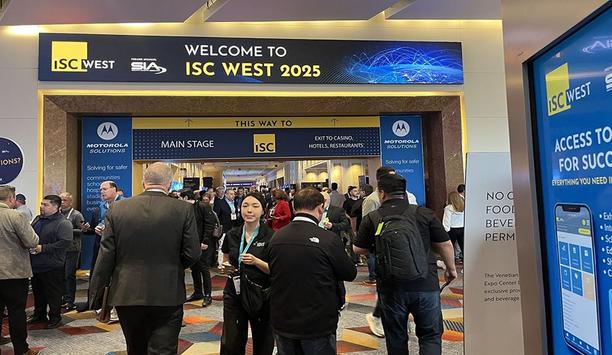
For all the emphasis on cloud systems and centralized servers at ISC West, a lot of innovation in security video systems is happening at the edge. New advancements inside video cameras are boosting capabilities at the edge, from advancements in processing power to artificial intelligence (AI) and machine learning (ML) algorithms that can now be deployed directly on the cameras or edge devices. Advancements in AI algorithms The progress of video systems becoming smarter at the edge is driven by the need for real-time insights, lower latency, bandwidth efficiency, enhanced privacy, and improved reliability. Advancements in edge computing hardware and AI algorithms are enabling a range of intelligent video applications across various industries, including physical security. Smarter functionality at the edge is a benefit of new computer systems-on-chips (SoCs) that are driving new heights of performance for today’s cameras. Axis Communications’ ARTPEC-9 Axis Communications’ new ARTPEC-9 SoC offers advanced video compression to reduce bandwidth Axis Communication’s new ARTPEC-9 system-on-chip (SoC) offers advanced video compression to reduce bandwidth and storage needs. With a low bitrate, the SoC helps deliver high-quality imaging with outstanding forensic detail. ARTPEC-9 also offers enhanced deep learning capabilities to allow users to leverage the latest video analytics and accelerate the implementation of AI technology. Axis maintains control over all aspects of the chip’s development to ensure high quality and cybersecurity. Among the benefits of ARTPEC-9 are better AI and deep learning, better image quality, better cybersecurity, and AV1 license-free video compression (see below). Hanwha Vision’s Wisenet 9 Hanwha Vision has launched Wisenet 9, its most advanced AI-powered System on Chip (SoC). Wisenet 9’s enhanced edge AI capabilities increase performance as the volume and complexity of security threats demand real-time, accurate analysis. By elevating edge-device performance, AI empowers systems to quickly analyze vast amounts of video data and discern crucial patterns and anomalies. A key differentiator driving Wisenet 9 is deployment of two Neural Processing Units (NPUs), which improve performance three-fold compared to Wisenet 7, the previous SoC generation. While one NPU handles image processing, the other focuses on object detection and advanced analytics. This dual NPU concept was introduced to ensure video quality and analytics have independent resources, thus preventing one function from impacting the performance of the other. The latest from Ambarella Ambarella is a supplier of edge AI systems-on-chips to multiple video camera manufacturers Off the ISC West trade show floor in a nearby meeting room, semiconductor company Ambarella demonstrated how it will continue to push the envelope of what is possible with generative AI at the edge. Ambarella is a supplier of edge AI systems-on-chips to multiple video camera manufacturers and recently achieved the milestone of 30 million cumulative units shipped. The demonstrations highlight Ambarella’s ability to enable scalable, high-performance reasoning and vision AI applications across its ultra-efficient, edge-inference CVflow 3.0 AI SoC portfolio. The company’s DeepSeek GenAI models run on three different price/performance levels of its SoC portfolio. In addition to advancements in GenAI processing at the edge, Ambarella integrates image processing, encoding and system-level functions into all its AI SoCs. New standard for video encoding: AV1 AV1 compression is a next-generation video coding technology that offers significant improvements in compression efficiency and video quality, especially at lower bitrates. Its royalty-free nature positions it as a crucial codec for the future of internet video. AV1 compression is a next-generation video coding technology. Axis Communication’s ARTPEC-9 chip now supports the AV1 video encoding standard. By embracing this standard, which is new to the physical security market although it was introduced in 2018, Axis sets the stage for AV1 compression to eventually become the industry standard, replacing H.264 and H.265. Network video transmission AV1 is an open-source, license-free coding format designed mainly for efficient network video transmission AV1 is an open-source, license-free coding format designed specifically for efficient network video transmission. It delivers high-quality video at low bitrates, reducing bandwidth consumption and storage costs. The codec was developed by the Alliance for Open Media (AOM), a nonprofit organization founded in 2015 by Google, Intel, Amazon, Microsoft, Netflix, and Mozilla (among others), to provide open-standard, next-gen video coding technology. AV1 is ideal for cloud solutions—making streaming applications more robust, scalable, and capable of delivering real-time insights. Now the ARTPEC-9 chipset brings these benefits to the surveillance industry, and AV1 is currently supported by AXIS Camera Station. Providers of major video management solutions (VMS) such as Genetec and Milestone will be adding support for AV1, with further developments already underway. More intelligence at the edge Intelligence inside video cameras comes from the processing power and algorithms that enable them to perform tasks beyond simply capturing and recording images. This "intelligence" allows cameras to analyze the video stream in real-time, identify objects, detect events, and make decisions or provide alerts based on what they "see." New and improved SoCs are driving performance improvements at the edge. The increasing power of embedded processors and advancements in AI are continuously expanding the capabilities of intelligent video cameras.

AI has the potential to enhance the usability of traditionally complex access control and physical security systems. The application of AI (artificial intelligence) within access control is still relatively new, but rapid advancements in generative AI are already transforming how security systems operate. acre security is driving the deployment of generative AI in access control through its acquisition of REKS earlier this year. REKS is a purpose-built generative AI solution designed specifically for acre’s access control platform. Unlike generic AI tools, REKS understands both system and security-specific terminology, allowing users to ask natural-language questions like, “Show me all access denied events at a specific location,” and receive instant results. AI workflows and AI agents “We're starting to see how AI workflows and AI agents, that leverage language models, can potentially be used in conjunction with access control to create new, automated processes around false alarm reduction, system configuration, report generation, data analysis, threat detection, and in-system customer support,” says Adam Groom, Director of Business Development, AI Development Team, acre security. “We expect AI-driven capabilities to evolve rapidly, but the full range of benefits will depend on continued development and real-world application,” he adds. Integrate AI-driven capabilities acre’s ability to integrate AI-driven capabilities across the company’s product portfolio positions The best way to think of REKS is as an acre access control expert you can talk to, says Groom. “As AI adoption grows in security, REKS will expand its capabilities, making access control more usable and more efficient.” Groom says acre’s ability to integrate AI-driven capabilities across the company’s product portfolio positions the company as a pioneer in next-generation physical security. “These features will add long-term value by enhancing usability and operational insights across various segments,” says Groom. “Work is already under way to incorporate REKS into acre access control, and we’ll evaluate other integration opportunities in the future.” REKS' AI capabilities According to acre, REKS simplifies daily operations, automating routine tasks, and delivering real-time, actionable intelligence. With REKS' AI capabilities, users can interact with the system to retrieve more detailed insights and actionable information from their acre access control system. “This eliminates the need for complex reports, navigating drop-down menus, or manually reviewing logs,” says Groom. “It significantly enhances efficiency and usability for security professionals.” Enhancing productivity and customer satisfaction Key concern is ensuring that system configuration, enactment, and servicing remain within their scope For integrators, the key concern is ensuring that system configuration, implementation, and servicing remain within their scope of expertise. With REKS, that doesn’t change — but the process becomes significantly faster and more efficient. Instead of manually configuring every panel, input, and output — a traditionally time-consuming task — REKS enables integrators to use natural language commands to streamline setup and adjustments, says Groom. This eliminates tedious steps and dramatically improves operational efficiency, allowing integrators to deploy and fine-tune systems with greater speed and accuracy, ultimately enhancing both productivity and customer satisfaction, he adds. Cloud-enabled ecosystems “We are committed to helping organizations modernize their security infrastructure by transitioning from legacy systems to cloud-enabled ecosystems at their own pace — ensuring minimal disruption while maximizing value,” says Groom. “By integrating AI-driven capabilities, we enhance usability and deliver deeper operational insights across all segments.” “Security’s future isn’t about forcing change — it’s about empowering choice,” adds Groom. “Whether staying on-prem, migrating to the cloud, or adopting a hybrid model, we plan to provide a seamless, zero-disruption transition, prioritizing interoperability, automation, and security at every stage.” Generic AI tools AI must be purpose-built for security applications because security demands precision, reliability, and context-aware decision-making, which only focused AI offerings like REKS bring to the table, says Groom. In contrast, generic AI tools, like ChatGPT, are designed to perform a wide variety of tasks, like how humans can learn and do many different things. Instead, purpose-built AI is built to do just one specific function. “REKS adds specially designed artificial intelligence to our access control solutions to enhance both intelligence gathering and the user experience,” says Groom. New applications in access control The integration of generative AI into acre's access control platforms and their broader portfolio A new AI development team will lead AI initiatives at acre, driving the integration of generative AI into acre's access control platforms and their broader portfolio. This team will seek to push boundaries in applying AI to new applications in access control, intrusion detection, and beyond, empowering security professionals to interact with their systems in a smarter, more intuitive way. But don’t worry, AI will not take the human element out of security entirely. AI human capabilities “The reality is that AI will improve upon human capabilities because it is a versatile tool that supports and strengthens security operations, not a replacement for human decision-making,” comments Groom. “It helps operators process large amounts of data quickly and detect patterns that might be missed otherwise.” Rather than removing the human element, AI allows security teams to work more efficiently by automating repetitive tasks and providing actionable data, enabling professionals to focus on critical responsibilities.
Case studies
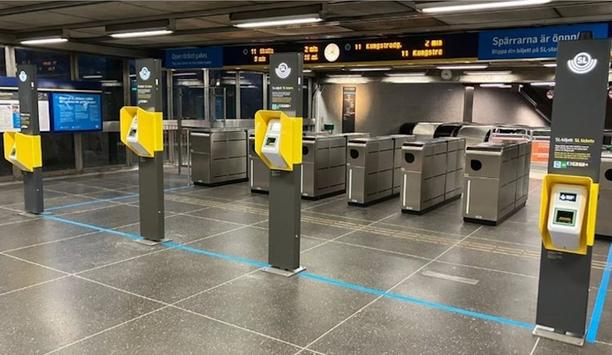
HID, the pioneer in trusted identity and authentication solutions, announced that it successfully supported Stockholm's public transit authority, Storstockholms Lokaltrafik (SL), in transforming the daily travel experience for hundreds of thousands of passengers in the capital through a comprehensive digital ticketing modernization program. The initiative has eliminated paper tickets and enabled seamless contactless payments across buses, ferries, trams and metro stations. The technology upgrade has delivered measurable benefits, including dramatically reduced fare evasion that translates to millions of Swedish Kronos in recovered revenue for SL. Residents experience faster, more convenient travel New ticketing infrastructure was specifically selected because it withstands harsh Nordic winters With the new integrated ticketing devices from HID, citizens can now use the same payment method – whether a mobile app, contactless card or digital wallet – across all 2,600 buses, 140 ferry validators, 320 tram platforms and 1,035 metro fare gates throughout the capital region. Most importantly, the new ticketing infrastructure was specifically selected because it withstands harsh Nordic winters, a crucial factor for passengers who depend on public transit year-round. Legacy hardware, systems and networks “Serving hundreds of thousands of passengers daily across multiple transit modes required a ticketing solution that could scale with our needs while providing a consistent experience for our riders." "We chose HID for its multi-technology ticket validators for buses, ferries, and gates, as well as its ability to run side-by-side with our legacy hardware, systems, and networks. It was a real challenge for everyone involved to get this working, but it was one we overcame together,” said Karin Harrius, Business System Administrator, Ticket Readers at SL. Seamless ecosystem across touchpoints The implementation was designed to ensure a consistent validation experience and deliver a seamless ecosystem across all transit touchpoints. It included: Enhanced passenger convenience on buses: HID VAL100 ticket validators integrated with HID TripTick™ barcode technology and NFC/RFID contactless payment functionality in a single point of presentation for tickets and travel passes Reliable outdoors operation in extreme weather: HID VAL150 validators featuring a waterproof design on ferries and tram platforms Streamlined fare collection across metro stations: HID TripTick 220 OEM barcode, NFC and cEMV ticket modules within fare gates and ticket machines in the Stockholm metro, enabling multi-format ticket reading throughout the system. Significant reduction in fare evasion Improvement ensures that all users contribute fairly to keeping these vital transport links The modernization has delivered substantial financial benefits for SL. Fare evasion dropped from 3.1% in 2019 to just 2.3% in 2023 – a 26% reduction that has recovered millions of Swedish Kronor annually for reinvestment in public transit infrastructure and services. The impact was particularly dramatic on ferry services, where ticket validation rates increased from just 58% in November 2021 to 89% by March 2025. This improvement ensures that all users contribute fairly to maintaining these essential transportation links connecting Stockholm's islands and waterways. Digital-first approach meets evolving expectations Citizens particularly benefit from the system's ability to prevent ticket duplication The comprehensive digital transformation addresses the evolving expectations of Swedes in an increasingly mobile-first society. Citizens particularly benefit from the system's ability to prevent ticket duplication and unauthorized sharing through social media platforms – issues that had previously undermined fare revenue and service sustainability. Future integration of new technologies With Stockholm County – which represents 20% of Sweden's population despite covering only 2% of the country's area – the scalable, open-architecture system ensures SL can adapt to evolving technologies and passenger expectations. The system's flexibility allows for future integration of new technologies and travel services without requiring complete infrastructure replacement, protecting the public investment while maintaining service innovation.
Artisan Apartment Homes, a luxury apartment complex in Dunedin, Florida, recently transitioned from mechanical keys to electronic locks and centralized system software with support from Allegion US, a pioneering provider of security solutions, technology and services, and Florida-based Comfort Technologies, which specializes in deploying multifamily access control, IoT devices and software management solutions. Multifamily access control challenges The upscale 65-unit apartment property previously issued all residents a fob for perimeter access and a key to access the mechanical lock at their apartment door. Property manager was experiencing significant challenges with its perimeter access control system Between legacy fobs and keys, patchwork infrastructure, and a steady flow of traffic throughout the complex – the property manager was experiencing significant challenges with its perimeter access control system. “By running disparate systems, it became a complicated and time-consuming process for me to create new fobs for residents when they moved in and then deactivate them when they moved out,” says Sally Caron, Residential Property Manager at the Artisan Apartment Homes. “Plus, it was costly to replace lost fobs and mechanical keys." Seamless solutions After a careful review process with its integrator Comfort, the Artisan moved forward with an ecosystem of solutions from Allegion. In 2022, the mechanical locks on all 65 apartment unit doors were upgraded to Schlage Control® smart locks with ENGAGE™ access control to give residents keyless entry. The following year, the Artisan upgraded to the Zentra cloud-based software platform from Allegion, which manages perimeter, amenity and unit access all in one centralized system. Enrollment and move-out process “I absolutely love having everything on one platform as it has made my job easier in so many ways,” says Caron. “Anything state-of-the-art is always more convenient and easier to manage. I’m now able to give temporary access to people for grocery or online deliveries, UPS, Fed-Ex, or housekeeping. Residents now have an overall better experience not only during the enrollment and move-out process, but every day." Residents to access the building Mobile resident key in Apple Wallet was introduced as a way for residents to access the building Most recently, the mobile resident key in Apple Wallet was introduced as a way for residents to access the building and their individual apartment units by using their iPhone or Apple Watch. The Artisan is also on track to be the first multifamily property to deploy resident keys in Google Wallet in mid-2025. Adoption of mobile credentials “Our residents love the security and convenience of resident key in Apple Wallet and are adapting to the change quickly,” says Caron. “Residents have expressed that they feel safer, and that the adoption of mobile credentials has given them the freedom to go for a jog or a walk without worrying about carrying anything with them but their iPhone or Apple Watch for reentry.”
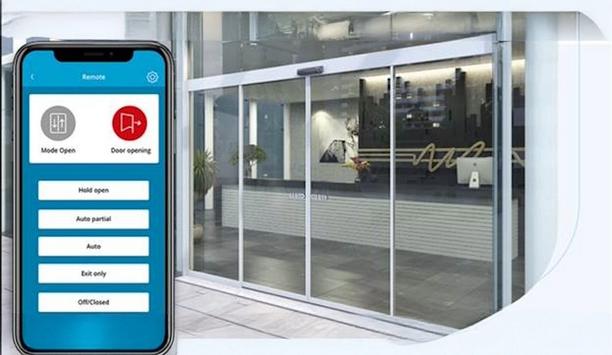
With a vast portfolio of smart locks, lock management systems, and connected readers, ensuring strong authentication, data integrity, and compliance with global regulations is essential. To meet these challenges, ASSA ABLOY is leveraging the long-time IoT expertise of HID to implement HID PKI-as-a-Service. This strategic deployment is not just about protecting millions of connected devices but also about future-proofing ASSA ABLOY’s security infrastructure for years to come. Cryptographic assurance: Securing every lock, inside and out ASSA ABLOY boosts trust in its devices, preventing unauthorized clones or counterfeit products A crucial aspect of this solution provides Genuine ASSA ABLOY products — an assurance that every smart lock, reader, and system within the network is verified as an authentic and authorized product. By leveraging PKI-based identity verification, ASSA ABLOY strengthens trust in its devices, preventing unauthorized clones or counterfeit products from entering the ecosystem. For example, the inside of a lock can only pair with a matching outside component from ASSA ABLOY, ensuring the integrity and security of the entire system. This level of cryptographic trust not only enhances device security but also strengthens protection against counterfeit components or unauthorized modifications. Meeting stringent security and compliance needs As the industry faces increasing regulatory pressure, including the EU Cybersecurity Act and the upcoming Cyber Resilience Act, ASSA ABLOY needed a scalable, automated solution to manage over a million certificates annually. HID’s expertise in certificate management provides enhanced security, reduced complexity HID PKI-as-a-Service enables seamless device authentication, automated provisioning, and hierarchical key management, ensuring compliance with evolving security standards. An essential part of the solution is the offline Root Certificate Authority (CA), which serves as the foundation for secure operations. HID’s expertise in certificate management provides enhanced security, reduced complexity, and operational efficiency across ASSA ABLOY’s global IoT ecosystem. Driving innovation and efficiency By integrating automated bootstrapping and customized attestation certificates, the implementation has significantly improved operational efficiency while minimizing manual effort. This allows devices, including those operating offline, to maintain secure provisioning and updates without requiring constant connectivity. Additionally, the system is future-ready, designed to support emerging IoT protocols such as Thread, CoAP, EDHOC, and OSCORE, ensuring adaptability as the industry evolves. Collaborative success The success of this deployment is rooted in a strong alliance between ASSA ABLOY and HID The success of this deployment is rooted in strong collaboration between ASSA ABLOY and HID. A dedicated steering group ensured alignment on global PKI policies and security objectives, leading to a smooth rollout with minimal disruption. “The implementation of HID PKI-as-a-Service wasn’t just about meeting current security requirements, it was about future-proofing our IoT ecosystem for security and scalability,” says Anders Calbom, VP & Head of Technology Solutions, ASSA ABLOY. Major milestone in IoT security Anders Calbom added: “With the ability to manage over a million certificates annually, we’re now positioned to scale our security infrastructure alongside our business growth.” This initiative marks a major milestone in IoT security, compliance, and operational efficiency. As ASSA ABLOY continues to innovate and expand, HID PKI-as-a-Service provides the secure foundation needed to drive future growth and digital transformation.
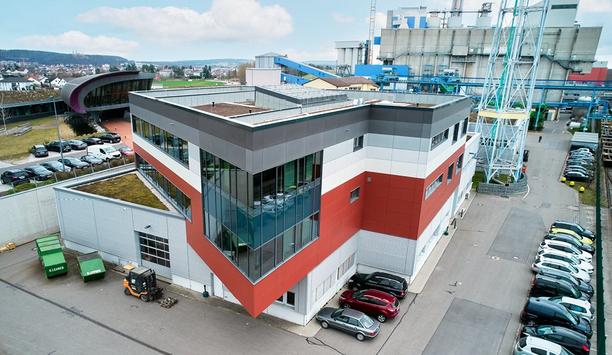
In 1979, nine districts and five cities in Bavaria, Germany, founded a joint association for the disposal of residual waste. They targeted future-oriented, environmentally friendly and economical fulfillment of local statutory obligations. Now with 17 association members, ZMS (Zweckerverband Müllverwertung Schwandorf) disposes waste for around a fifth of Bavaria, almost two million citizens. They also use the energy generated by the waste power plant as efficiently as possible. Different levels of security Devices and other access hardware also need high weather resistance, for deployment outdoors In the past, a mechanical locking system was used on all ZMS properties. The association planned a digital upgrade to boost flexibility over their existing mechanical locking. Their principal site at Schwandorf has areas requiring different levels of security. Devices and other access hardware also need high weather resistance, for deployment outdoors. Managers also considered workflow efficiency. They wanted a way to manage access authorisations more flexibly and align security infrastructure with upcoming IT security laws such as NIS2. Digital Access Solutions from ASSA ABLOY The company chose eCLIQ, part of the suite of Digital Access Solutions from ASSA ABLOY. This innovative, programmable key-based solution now equips not only the power plant and headquarters in Schwandorf, but also buildings across eastern Bavaria, including transfer stations, a waste disposal site, a sorting plant in Bodenwöhr, and a sludge drying plant, as well as all technical and commercial offices, gate control systems and local control points. Because eCLIQ offers a broad range of digital cylinders within its single ecosystem, it suits diverse and complex organizations like ZMS. The benefits of programmable key-based digital access These Wall PDs also make it easy to set limited access time windows for fitters or maintenance contractors The digitally networked eCLIQ system allows access rights and security levels to be defined and assigned flexibly and precisely. A total of 20 Wall Programming Devices (Wall PDs) installed in the head office and branch offices ensure that only authorized employees gain access. These Wall PDs also make it easy to set limited access time windows for fitters or maintenance contractors. If a key is lost, it can be programmed out immediately to prevent misuse. Standard eCLIQ keys “Now we are going with the times and can conveniently enjoy a wide range of advantages,” says Manuel Emerich, Project Manager at ZMS. “As a critical infrastructure company, we can also react very rapidly and flexibly to future requirements.” The solution offers the advantage that a depleted battery does not render a cylinder useless With eCLIQ, each of ZMS’s approximately 1,000 wireless digital cylinders is powered by a battery inside the keyholder’s personalized key. Standard eCLIQ keys have a battery life of 10 years with typical usage. The solution offers the advantage that a depleted battery does not render a cylinder useless. The key is simply fitted with a spare battery, saving time and effort. Future of evolving physical and cyber-security threats Security is a critical concern at municipal and infrastructure sites: every eCLIQ device offers reliable protection against manipulation and intelligent break-in attempts. Keys are robust, with a waterproof casing, and operate reliably in the most challenging environmental conditions. With eCLIQ, ZMS feel ready to face a future of evolving physical and cyber-security threats. “For us, the introduction of digital locking technology and the ability to respond quickly and specifically to security incidents is a decisive step towards a holistic and future-proof system to defend against cyber–physical threats,” adds Manuel Emerich.

Inaugurated on May 25, 1999, the Museo Antropológico de la Comunidad de Madrid began construction in 1987. It wasn't until ten years later, in 1997, that the decree establishing the museum was issued, thus formalizing the institution's existence. As part of the museum’s modernization, the client needed an SMD LED solution that includes a glass in front of it to avoid dead pixels and any possible damage or accidents caused by museum visitors. Dahua, together with Epsilon Media, provided an innovative solution that overcame these limitations and optimized the museum experience. Renovation of The Museum The Museo Antropológico de la Comunidad de Madrid was converted from the former Dominican Convent of the Mother of God, built in several phases between the 17th and 18th centuries. As an old establishment, the client wanted to renovate the installation step by step, with the first stage comprised of an LED wall in the main entrance. Their first idea was to install an SMD LED solution with a glass front in order to protect the LED wall and avoid issues with all visitors visiting the museum. Building such a solution is costly and may not be the right solution due to the lack of front-line maintenance. Flip COB Indoor Fine Pixel Pitch LED The Dahua Flip COB Indoor Fine Pixel Pitch LED offers mini flip Chips on Board (COB) technology Together with the Epsilon Media and the Dahua team, the museum evaluated the Dahua Flip COB Indoor Fine Pixel Pitch LED solution in person. After a deliberate discussion, the client agreed that it is the right solution for their facilities. The Dahua Flip COB Indoor Fine Pixel Pitch LED offers mini flip Chips on Board (COB) technology that enables full illumination and softer light without pixel particles, effectively combating digital visual fatigue. Key Features Another notable feature of this LED is its dustproof and anti-fingerprint surface that leaves no visible traces when touched It allows full front maintenance that makes disassembly and maintenance highly efficient. With the full control of the ink color parameters on the surface of the light board, the ink color at all angles is guaranteed to be uniform, which helps solve the industry’s issue regarding ink color differences in batches. Other benefits include high contrast of 10,000:1, energy-saving and power-saving capabilities (less than 75 watts per box, 40% lower than other SMD products), and 160° super wide viewing angle. Another notable feature of this LED is its dustproof and anti-fingerprint surface that leaves no visible traces when touched. It is also waterproof and moisture-proof, with a low rate of dead pixels and high hardness against knocks. Doesn’t Require Additional Glass Protection These features effectively meet the requirements of the client regarding additional protection against damage to the LED during operating hours. Dahua continues to drive technological innovation to improve the way people experience history. With the Dahua Flip COB Indoor Fine Pixel Pitch LED and the Quality Service Epsilon Media offered, the Museo Antropológico de la Comunidad de Madrid was able to install an LED wall without the need of additional glass protection, providing an exceptional digital display of historical images inside the museum while enhancing visitor experience and saving costs. Remarks From The Museum Director “With the video wall that Dahua installed for us, we were able to renovate the first unit that was originally there. This type of technology is significantly important in transmitting knowledge about the past. The overall collaboration was very satisfactory,” says Mr. Enrique Baquedano, Director of Museo Antropológico de la Comunidad de Madrid. “The Dahua team was always ready to help whenever we encountered any issue. What’s more, the LED wall is balanced and cohesive with the overall aesthetic of the museum, which is an added bonus,” concluded Mr Enrique.
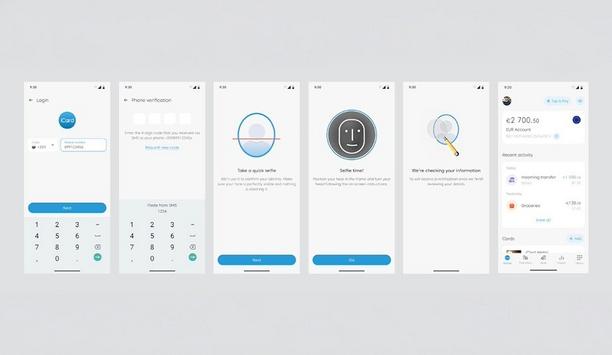
iCard, a pioneering European e-money institution, has successfully upgraded its customer checks with Regula’s advanced biometric and document verification technologies. By integrating Regula Face SDK and Regula Document Reader SDK with its KYC (Know Your Customer) and risk assessment systems, iCard has moved to speedy, automated verification with improved fraud detection, and enhanced the overall experience for customers in 30+ countries. Implementing Regula’s solutions As a licensed fintech organization, iCard must comply with strict European KYC regulations while maintaining a robust risk assessment system alongside low-effort customer experience. iCard complies with strict European KYC rules while keeping a robust risk review system Prior to implementing Regula’s solutions, manual verification processes led to inefficiencies, longer wait times, increased fraud, and potential friction for users. Customers often had to re-upload photos or wait for manual reviews, causing delays—especially outside business hours. Additionally, iCard needed a more comprehensive document verification system that was capable of recognizing a broader range of ID types. The Regula solution: Fast and fraud-free identity verification To modernize and automate its verification process, iCard selected Regula’s complete solution for document and biometric verification for its industry-leading accuracy, ease of integration, and ability to meet the company’s specific requirements. Regula Face SDK: Integrated into the iCard Digital Wallet app (Android and iOS), it provides fast and reliable biometric verification when a user logs in or performs a money transaction. The solution conducts instant liveness detection and face matching, preventing fraud attempts, including presentation attacks, deepfakes, or injected videos. Regula Document Reader SDK: Deployed in iCard’s back-office system, it automatically authenticates ID cards, passports, and residence permits, including previously unsupported paper-based IDs. Regula’s solution reads and authenticates data from multiple document zones, including MRZs (machine-readable zones), RFID chips, and barcodes, and cross-validates the information to detect any inconsistencies that may indicate fraud. Tangible business benefits The project was completed in just one month, and the impact has been immediate: Instant identity verification: Customers can now authenticate their identity in under a minute. Reduced operational costs: Automated verification processes have minimized manual reviews. Enhanced fraud prevention: Advanced biometric and document verification strengthen security measures. Increased conversion rates: Faster verification leads to a smoother onboarding experience and reduced drop-off rates. Fast and secure identity verification “Implementing Regula Face SDK and Regula Document Reader SDK has optimized our internal processes while ensuring a seamless experience for iCard Digital Wallet customers." "The integration was completed in a short period, resulting in fast and secure identity verification, improved operational efficiency, and reduced fraud risks—all while boosting customer satisfaction,” says Gabriela Anastasova, Chief Product Officer at iCard. Balancing security and user convenience “In today’s fintech landscape, balancing security and user convenience is critical. Customers expect seamless access, while businesses must comply with strict regulations and defend against sophisticated fraud. We are proud to support iCard in finding that perfect balance." "Our solutions ensure that every identity check is robust, automated, and frictionless, allowing fintech innovators like iCard to scale securely and efficiently,” comments Ihar Kliashchou, Chief Technology Officer at Regula.
Round table discussion

Emphasizing proactive rather than reactive security shifts the focus from dealing with crises and damage control to prevention. Advantages of a proactive approach include cost efficiency, better business continuity, and fewer crises that draw attention away from strategic improvements. Staying ahead of threats is a core mission of the security department, and technology has evolved to enable security professionals to deliver on that mission better than ever. We asked our Expert Panel Roundtable: How are security systems transitioning from reactive to proactive, and what is the benefit?

The Internet of Things (IoT) is having a profound impact on businesses across various industries, including security. In physical security as in other business environments, the IoT is changing how systems operate, interact, and create value. In the process, the IoT is driving efficiency, reducing costs, and opening up new avenues for innovation and growth. We asked our Expert Panel Roundtable: How is the Internet of Things (IoT) transforming how security systems are deployed?

Future-proofing your skillset is about embracing continuous learning and developing a versatile set of competencies that remain valuable regardless of technological shifts or industry changes. In the security marketplace, it is not about predicting the exact jobs of the future, but rather equipping yourself to adapt and thrive in the uncertain security landscape. But where to begin? The emerging technology shifts in the security industry provide clues, such as the growing importance of cybersecurity and artificial intelligence (AI). We asked our Expert Panel Roundtable: How can physical security professionals “future-proof” their skillsets to prepare for emerging technologies?
Products

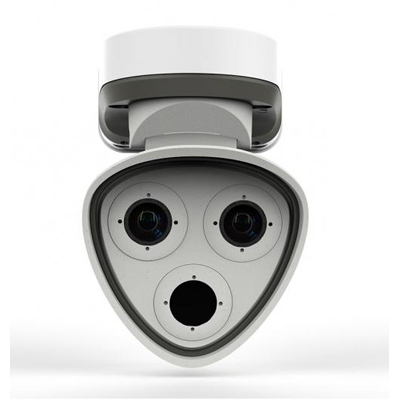
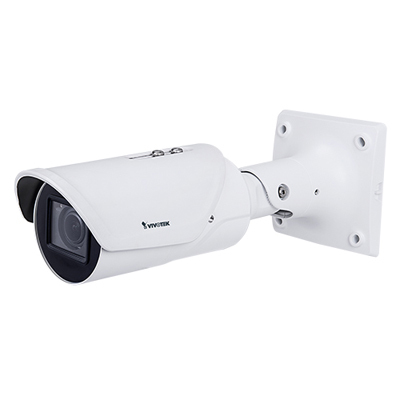
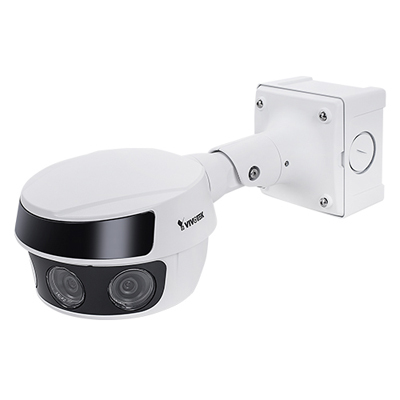
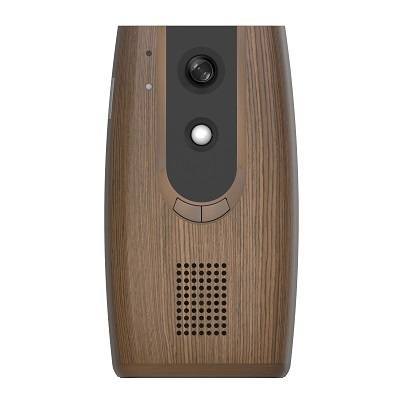

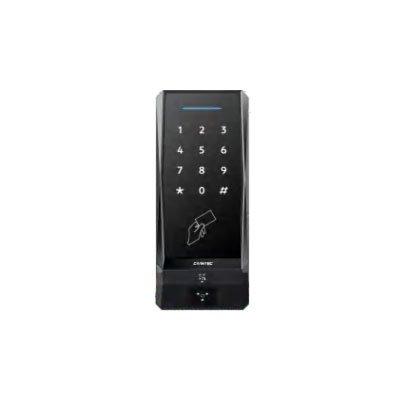
White papers

An End User's Guide To Physical Security For Data Centers
Download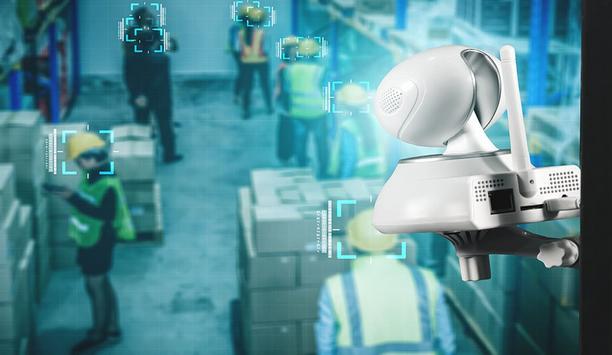
Combining Security And Networking Technologies For A Unified Solution
Download
Guide For HAAS: New Choice Of SMB Security System
Download
Integrating IT & Physical Security Teams
Download
Troubleshooting IP Video Systems
Download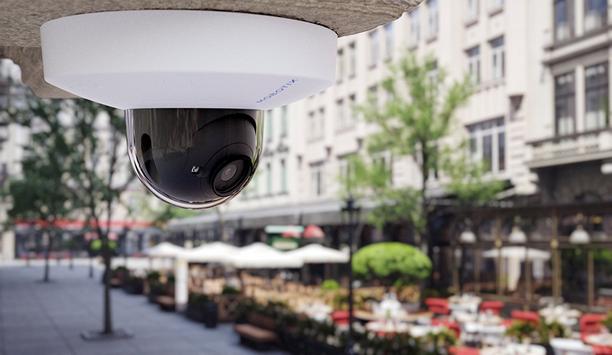
5 Easy Steps To An Upgraded Video Surveillance System
Download
Combining Access Control And Intercoms For Better Security
Download
The Wireless Access Control Report 2023
Download
Machine Operator Authentication
Download
Unlocking Wide-Angle Camera Dewarping
Download
Leveling Up With Campus Safety
Download
Simple Security Solutions for SMBs
Download
IoT Connectivity
Download
Modernizing Facilities Management
Download
Charting The Path To Safe Cities
Download