Genetec Inc., known for its enterprise physical security software, emphasizes the strategic importance of modern, data-driven access control systems for organizations in the Middle East.
As these organizations aim to enhance security, operational efficiency, and return on investment (ROI), access control has evolved from a simple security measure to a source of significant business value.
Evolution of Access Control Systems
Access control systems were primarily used to secure doors by managing entry and exit
Historically, access control systems were primarily used to secure doors by managing entry and exit. However, today’s systems are more sophisticated, generating a wealth of data that can be harnessed for business insights.
Integration with other systems such as video surveillance, HR databases, and business management platforms transforms access control data into valuable operational intelligence. This data can improve space utilization, simplify compliance, reduce administrative tasks, and even identify potential energy savings.
Data as a Source of Operational Insight
Access control generates data with every badge swipe and door interaction, offering insights into space usage and movement patterns. Unified access control platforms provide dashboards and reporting tools that help visualize these patterns, assisting organizations in optimizing various operations.
In the Middle East, this can lead to improvements ranging from cleaning schedules in malls to personnel management in hospitals. Ultimately, these systems support better cross-departmental decision-making.
Automation Enhances ROI
Predefined rules and threat levels enable automatic responses without manual intervention
Automation is a key factor in maximizing ROI from modern access control systems. Predefined rules and threat levels enable automatic responses without manual intervention. For example, when the last employee leaves for the day, HVAC and lighting can switch to energy-saving modes.
Conversely, alarms can be disarmed automatically when employees arrive. Event-based scheduling simplifies operations during special events, while compliance is streamlined by automatically suspending access if certifications expire.
Streamlined Operations and Access Management
Legacy systems that require manual updates are often inefficient and pose security risks. Modern systems centralize cardholder management, enabling automatic issuance and revocation of temporary credentials for contractors based on contract terms.
This approach minimizes administrative workload and potential security gaps. Facilities can also implement mobile credentials and role-based access controls that adapt as employee roles change, reducing outdated permissions and associated support requests.
Adapting to Future Needs with Flexibility
Modern systems with open architecture support a wide range of third-party integrations
Budget constraints often challenge access control upgrades, but delaying modernization may ultimately incur higher costs. Modern systems with open architecture support a wide range of third-party integrations, extending the lifespan of existing investments.
This flexibility allows organizations to avoid vendor lock-in and adapt to evolving needs. Options for on-premises or cloud-based deployment offer additional flexibility, allowing gradual modernization and selective workload migration to the cloud.
Building Foundations for Growth
Access control systems are centralizing the management of security and daily operations. A data-driven approach fosters collaboration across departments, enhancing resource efficiency and onboarding processes.
It strengthens cybersecurity and simplifies maintenance while reducing operational costs and improving user experiences. For Middle Eastern organizations, modern access control aligns with regional goals for smart city development, sustainability, and world-class visitor and employee experiences.
Genetec Inc., the pioneer in enterprise physical security software, highlights how modern, data-driven access control is becoming a strategic business priority for organizations in the Middle East, as they look to improve security, efficiency, and return on investment.
For many organizations in the Middle East and beyond, access control has long been viewed as a necessary layer of security, providing a means to lock and unlock doors, restrict entry, and track who comes and goes. But in recent years, the role of access control has evolved.
Modern access control systems
The systems generate a steady stream of data that, when put to work, can deliver far more value than just securing doors. Modern access control systems are smarter, more connected, and capable of delivering measurable business value that goes far beyond physical security.
When access control data is unified with other systems, such as video surveillance, HR databases, or business management systems, it can become a valuable source of business and operational insights.
It can inform space planning, simplify compliance, reduce administrative overhead, and even reveal opportunities to save energy. Whether they manage facilities, IT infrastructure, or corporate security, modern access control offers a tangible return on investment (ROI).
Turning data into operational intelligence
Every badge swipe or door event creates data. When analyzed, this information can help organizations understand how spaces are used and how people move through them. Dashboards and reporting tools built into a unified access control platform make it easier to visualize patterns and identify opportunities for improvement.
These insights are valuable across many industries. In the Middle East, this can range from optimizing cleaning and maintenance schedules in shopping malls and office towers, to improving people flow and staffing in hospitals, airports, and government service centers. The result is a system that not only keeps people safe but also supports better day-to-day decisions across departments.
Saving time through automation
Automation is one of the most immediate ways to boost ROI. Instead of requiring human intervention for every task, modern access control systems can trigger automatic responses based on predefined rules or “threat levels.” For instance, when the last employee badges out for the day, the system can put HVAC and lighting into energy-saving mode.
When the first person badges in the next morning, alarms can automatically disarm. Event-based scheduling can also make life easier during special activities. In a multi-tenant facility, elevators can be programmed to require credentials only after business hours.
Automation also simplifies compliance. If an employee’s certification expires or a background check lapses, access can be automatically suspended until the records are updated. This helps organizations meet regulatory requirements without the need for additional paperwork or manual oversight.
Streamlining operations and user management
Legacy access control systems often rely on manual updates and disconnected tools. That can slow down onboarding, increase administrative work, and create inconsistencies that put security at risk. Modern access control systems bring all cardholder management into a single interface.
Temporary credentials for contractors can be issued automatically based on their responsibilities and revoked when contracts end. When employees leave, their access rights can be removed immediately when HR updates the database.
Reduce the risk of outdated permissions
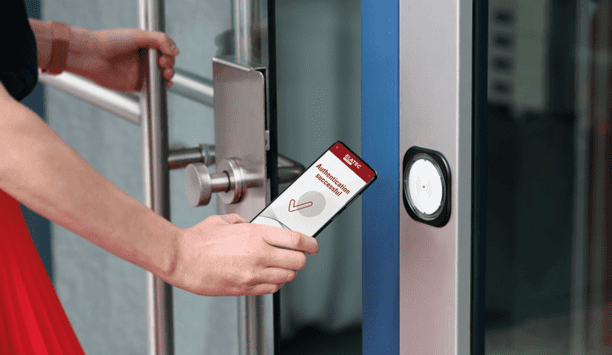
The same infrastructure can support mobile credentials, biometrics, or role-based access rules that adjust automatically as employees change departments.
These access rules reduce the risk of outdated permissions while minimizing help-desk requests and badge printing costs. And because a unified system ties together access control, video, and intrusion detection, operators can respond faster to alerts
Flexibility that protects long-term investments
Budget is often the biggest concern when upgrading access control infrastructure. Yet postponing modernization can end up costing more. Legacy systems are often built on proprietary technology that limits compatibility with third-party devices and makes repairs or expansions difficult.
Modern, open architecture systems offer a better path forward. They give organizations the freedom to choose from a broad ecosystem of hardware and integrations, extend the life of existing investments, and avoid being locked into a single vendor. This approach provides technical and financial flexibility, ensuring systems can adapt as needs change.
Advantage of automatic updates
Deployment choice is another way to protect value. Some organizations prefer to keep their systems entirely on-premises. Others move certain functions to the cloud to reduce maintenance and take advantage of automatic updates.
With flexible deployment options, teams can modernize at their own pace, reuse existing infrastructure, and decide which workloads make the most sense to move to the cloud.
Building a foundation for future growth
Access control systems are becoming central to how organizations manage not just security, but also daily operations. A unified, data-driven approach helps break down silos between departments and creates a shared source of truth.
For facilities teams, that might mean more efficient use of space and resources. For HR, it means accurate attendance data and smoother onboarding.
Cybersecurity posture and simplified maintenance
For IT and security, it means a stronger cybersecurity posture and simplified maintenance. When all these functions work together, the ROI becomes clear: lower operating costs, greater visibility, and improved user experience.
For organizations in the Middle East, modern access control is therefore not only about protecting people and assets, but also about supporting national and regional ambitions around smart cities, sustainability, and world-class visitor and employee experiences.