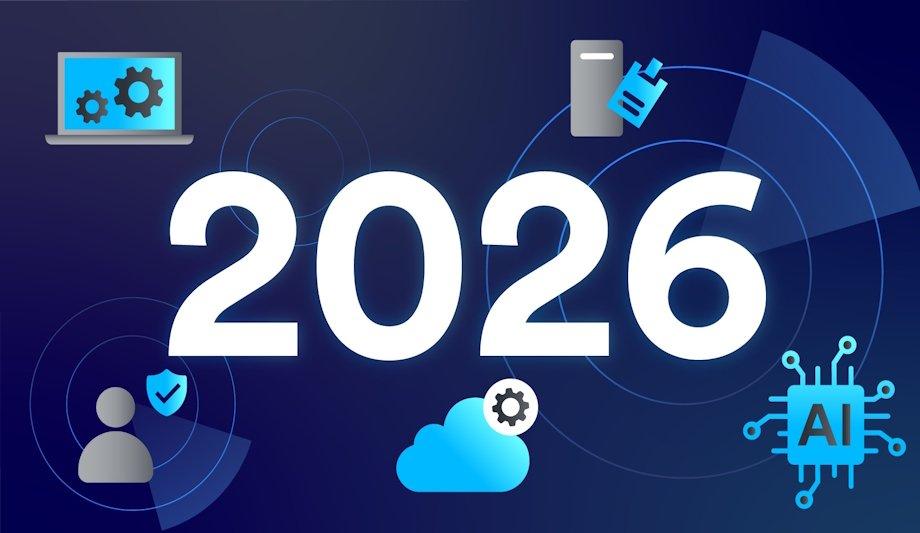
Genetec Inc., a prominent force in enterprise physical security software, has outlined its predictions for the physical security landscape in 2026. As organizations delve deeper into cloud adoption, flexibility and scalability will remain at the forefront.
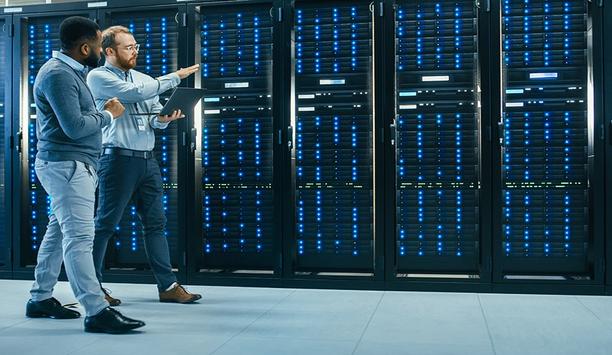
Businesses are expected to assess workloads based on performance, cost, and data residency, selecting the optimal environment—whether on-premises, cloud-based, or hybrid—to support operational demands.
Embracing Open Architecture Solutions
Open architecture solutions are forecasted to empower users by allowing them to choose devices and applications that best complement their operations.
This approach not only prolongs the lifespan of existing infrastructure but also enables the seamless incorporation of cloud services where they prove beneficial.
Vendors offering flexible deployment options and interoperability across systems will be well-positioned to meet these evolving demands, contrasting with proprietary systems that often enforce limitations and lock-in scenarios.
Intelligent Automation Over AI Hype
IA will be integral in automating routine tasks, refining monitoring processes
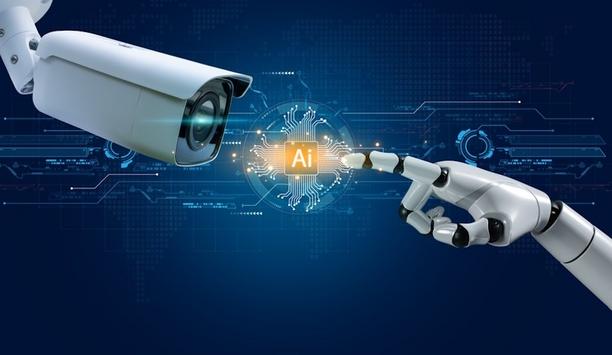
By 2026, the focus in AI will pivot from widespread hype to intelligent automation (IA) that enhances workflow efficiency, improves accuracy, and facilitates quicker decision-making.
IA will be integral in automating routine tasks, refining monitoring processes, supporting predictive maintenance, and deriving significant insights from data.
Features that genuinely improve daily operations, like intelligent search to hasten investigations, minimize false alarms, and bolster situational awareness, will be prioritized. With IA optimizing responses and reducing manual efforts, operators can dedicate more time to tasks necessitating human insight.
Elevating Cybersecurity Standards
As the industry matures, transparency and responsible innovation in AI become overarching expectations. Stakeholders will demand clear communication about AI usage, system construction, and data management protocols.
A strong emphasis will be on deploying IA in a secure, controlled, and accountable manner to achieve reliable and meaningful outcomes, rather than merely innovating for novelty's sake.
Modernizing Access Control Systems
Adoption of Access Control as a Service (ACaaS) will increase, given its advantages in maintenance simplicity
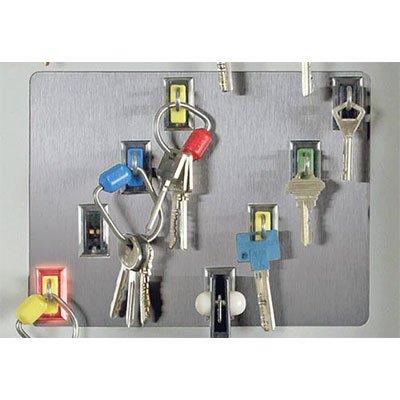
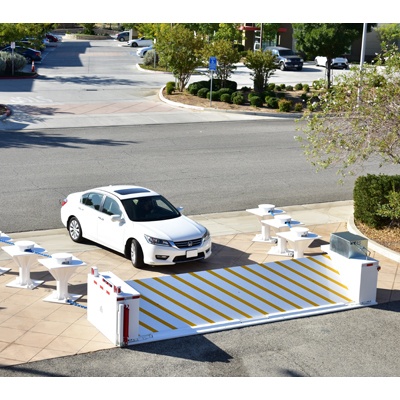
Access control will continue as a focal point, with organizations aiming to update legacy systems while achieving maximum return on investment (ROI). Beyond traditional functions, access control will deliver results like enhanced energy efficiency, occupancy management, and valuable operational insights.
Adoption of Access Control as a Service (ACaaS) will increase, given its advantages in maintenance simplicity, scalability, and predictable costs.
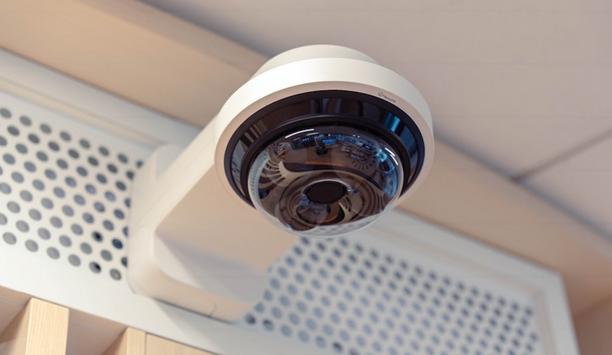
Businesses will prefer hybrid installations combining on-premise and cloud features. The integration of ACaaS and Video Surveillance as a Service (VSaaS) is anticipated to improve oversight and streamlined management.
Innovations in Identity Management
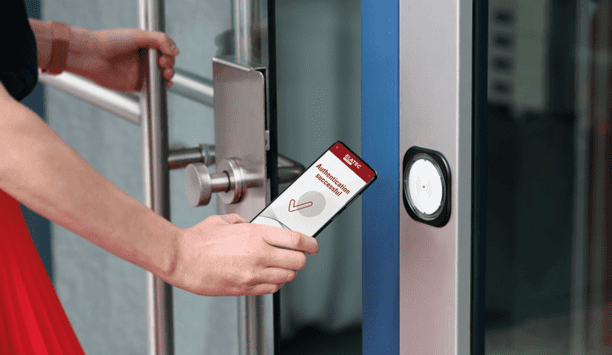
Mobile credentials and biometric solutions are expected to revolutionize identity management, providing increased convenience and security, while shifting identity data ownership.
As mobile wallet and ultra-wideband technologies become prevalent, they will offer users greater flexibility and convenience in authentication and interaction with secured environments.
Unified Security and Operational Platforms
The count of connected devices will rise steadily as organizations incorporate IoT sensors, building systems, and smart gadgets into unified security and operations frameworks.
This integration will grant a comprehensive overview of facility activities to enable quicker, more accurate responses. The merging of IT, operational technology, and physical security will facilitate real-time data sharing and smarter decision-making. Users will expect expansive platforms that securely connect a variety of devices while delivering both operational efficiency and security benefits.
As complexities in the landscape increase, organizations will seek advice on effective technology deployment and management. Leading pioneers will be those unifying various devices securely, offering cloud-native and hybrid solutions, while embedding cybersecurity and data residency nuances within the framework of their platform designs.
Genetec Inc., the global pioneer in enterprise physical security software, shared its top predictions for the physical security industry in 2026.
In 2026, the conversation around cloud adoption will continue to mature. Organizations will prioritize solutions that offer deployment flexibility and scalability.
Rather than committing to a single deployment model, enterprises will evaluate each workload based on performance, cost, and data residency requirements. They will then choose the environment that best supports their operational needs, whether it’s on-premises, in the cloud, or a hybrid approach.
Open architecture solutions
Open architecture solutions will give end users the freedom to choose the devices and applications that best support their operations. This approach will extend the life of existing infrastructure while allowing teams to adopt cloud services where they add the most value.
Vendors that offer full-range deployment options and strong interoperability across environments will be best positioned to meet these expectations. In contrast to proprietary systems that limit choice and create lock-in, open solutions provide a more adaptable path that supports long-term flexibility and control.
AI moves from hype to intelligent automation
In 2026, the conversation will shift from AI and LLM hype to practical, outcome-driven Intelligent Automation (IA) solutions that streamline workflows, improve accuracy, and enable faster, smarter decisions.
IA will increasingly automate repetitive tasks, enhance monitoring precision, support predictive maintenance, and extract meaningful insights from growing data volumes.
Rather than adopting technology for its own sake, users will focus on features that genuinely improve daily operations, such as intelligent search to accelerate investigations, reduce false alarms, and strengthen situational awareness.
By optimizing response and reducing manual overhead, IA allows operators to focus their time and energy on important work and decision-making that requires human judgment.
Prioritizing cybersecurity
As the market matures, expectations around transparency and responsible implementation will rise. Users will demand clarity on how AI is used, how systems are built, and how data is collected, processed, and protected.
They will also expect vendors to prioritize cybersecurity and ensure that IA features are deployed in a safe, controlled, and accountable way. Organizations will move away from innovation for its own sake to delivering measurable, trustworthy, and meaningful outcomes powered by intelligent automation.
Access control modernization
Access control will remain a top priority as organizations modernize legacy systems and focus on maximizing ROI. The value of access control is expanding well beyond locking and unlocking doors to deliver measurable business outcomes, such as energy efficiency, occupancy management, and operational insights.
Access Control as a Service (ACaaS) adoption will accelerate as organizations prioritize easier maintenance, greater scalability, and predictable operating costs. Enterprises will favor hybrid deployments that combine on-premises and cloud capabilities. Unifying ACaaS and Video Surveillance as a Service (VSaaS) will further enhance visibility and streamline management across sites.
Mobile credentials and biometrics will continue to transform identity management, offering greater convenience and security while decentralizing ownership of identity data. As mobile wallets and ultra-wideband technologies become mainstream, users will gain more ease and flexibility in how they authenticate and interact with secured environments and facilities.
Unified security and operations platforms
Over the next year, the number of connected devices will continue to surge as organizations integrate IoT sensors, building systems, and smart devices into unified security and operations platforms. Bringing this information together in one place will give teams a clearer view of what is happening across their facilities and help them respond faster and with greater confidence.
The convergence of IT, operational technology, and physical security will accelerate, enabling real-time data sharing and smarter decision-making across facilities. End users will expect open, scalable platforms that connect diverse devices securely and deliver both operational and security value.
As the landscape grows more complex, organizations will seek guidance on how to deploy the right technologies and manage them effectively. The pioneera in this space will be those who unify diverse devices securely, offer cloud-native and hybrid options, and embed cybersecurity and data residency into their design.