
Data centers are pivotal in housing crucial systems, sensitive data, and the hardware necessary for the uninterrupted operation of businesses, governments, and communities. In these environments, maximizing uptime is paramount, maintaining low risk tolerance. Thus, physical security must integrate seamlessly to avoid disrupting daily operations.
The global market for data center physical security saw a valuation of USD 1.39 billion in 2024, with projections anticipating a rise to USD 4.19 billion by 2033. This increase reflects a growing prioritization of physical security in the industry. Despite this upward trend, many facilities still allocate a mere 5% of their construction budgets to physical security measures.
Physical security Protections
Breaches at the periphery, unauthorized entries into data halls, or lapses in environmental monitoring can lead to significant downtime, data loss, and compliance issues.
Each data center is meticulously divided into zones to regulate personnel movement
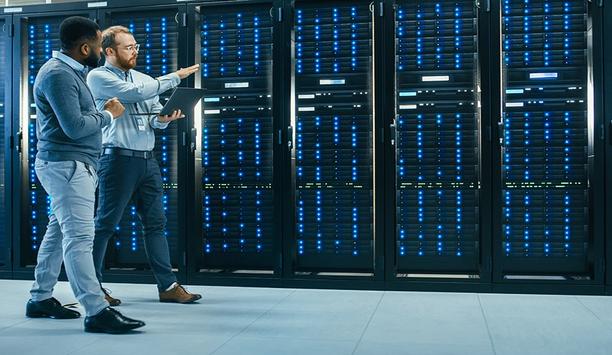
The challenge lies in designing a security infrastructure that protects while facilitating the steady flow of engineers and operational staff vital to the facility's functionality. Each data center is meticulously divided into zones to regulate personnel movement. Public spaces, internal corridors, and customer-specific data halls each possess unique risk profiles requiring tailored security strategies.
Critical Infrastructure Zones
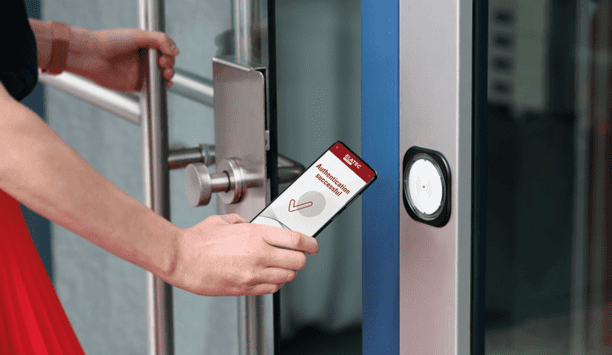
A comprehensive access control system aligns operational policies with actual space usage across the data center. Technologies such as dual-badge verification, biometrics, and anti-pass back mechanisms ensure personnel operate within designated areas. Advanced measures like anti-tailgating, duress PINs, and live video integrations offer additional layers of security at crucial entry points.
For sections housing sensitive information, solutions like Inner Range's High Security (Class 5) intrusion detection are geared toward countering insider threats and potential tampering. In less sensitive areas, commercial-grade security systems offer cost efficiency, with all zones managed under a unified platform.
Generating Automated Alerts
Consequently, video transitions from a mere recording tool to an active security component
Sustaining continuous visual surveillance of server rooms, equipment areas, and operational zones is imperative for protection and compliance.
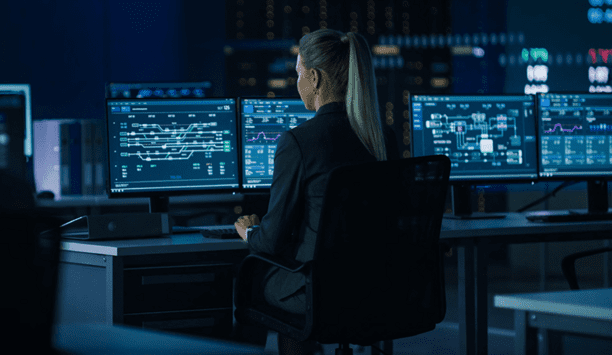
Inner Range integrates video monitoring with access data, correlating each entry attempt to recorded footage. AI-based video analytics identify irregular activities, issuing alerts for immediate response. Consequently, video transitions from a mere recording tool to an active security component.
Tamper-Proof Locks
Security measures extend beyond doorways. Rack-level defenses include tamper-proof locks, open-rack monitoring, and integration with CCTV and alarm systems to safeguard physical infrastructure.
Environmental monitoring plays a crucial role, with sensors tracking humidity, temperature, fire safety, and emergency protocols. These sensors preemptively detect threats like overheating or smoke, enabling prompt intervention to maintain system uptime.
Meeting Regulatory Standards
Manual processes and isolated systems complicate audit preparedness and regulatory compliance
Given the reliance on third-party vendors and service partners, safe access management is a significant challenge within data centers. Manual processes and isolated systems complicate audit preparedness and regulatory compliance.
Inner Range orchestrates contractor and visitor access with workflows aligned to qualifications and certifications. Real-time location tracking (RTLS) ensures constant monitoring of contractors and assets, adhering to regulatory standards through automated reporting. Access permissions are dynamically managed based on criteria fulfillment.
Multi-Factor Authentication
The emphasis on trust within data centers results in rigorous verification processes at each entry point, from doors to racks, involving credentials validated against identity and role specifications. Supporting both biometrics and multi-factor authentication, this setup aligns with contemporary zero-trust frameworks, thereby mitigating unauthorized access risks.
A sophisticated vector-based mapping tool offers real-time facility oversight
Operational simplicity is vital, where complexity poses potential risks. Inner Range provides a consolidated interface for access control, intrusion detection, video monitoring, and environmental assessment. A sophisticated vector-based mapping tool offers real-time facility oversight, enabling operators to monitor alarms, access events, and environmental statuses seamlessly. These capabilities aid compliance and operational transparency through advanced auditing and centralized reporting.
Supporting over 130 third-party integrations, including IT asset management and environmental tracking, Inner Range's platform seamlessly connects with existing infrastructure, facilitating scalable network growth.
During Unexpected Outages
Data center downtime is costly, with potential losses reaching $9,000 per minute for large organizations. Engineered for continuous operation, Inner Range features encrypted communication, automated failover, and real-time fault detection.
Redundant power systems ensure functionality even amid unexpected outages. The modular architecture accommodates expansion by adding racks or server rooms without replacing existing infrastructure, aligning physical security growth with rising infrastructure demands.

- Biometrics
- Physical security
- Security cameras
- Covert cameras
- Security camera systems
- Radio frequency Identification
- Voice recognition systems
- Video analytics
- Intrusion detection
- Building security
- Network cameras
- Covert Surveillance
- Fingerprint Locks
- Network Video Recorders
- Warning Devices
- Video surveillance