Building security


There was a time when physical security and cybersecurity occupied two very different worlds. One was concerned with the nuts and bolts of locks, doors and perimeter protection. The other focused on networks, software and digital threats. Today’s modern access control systems – used in everything from offices and hotels to hospitals and data centres – combine the two, fusing mechanical engineering and cloud platforms. That means that a door is no longer simply a physical barri...

ZBeta, a pioneer in delivering comprehensive physical security consulting services, announces the launch of its Client Immersion Program, a strategic engagement designed to help organizations align security decisions with business priorities, operational requirements, and long-term goals. Security decisions increasingly have implications across the enterprise, influencing business continuity, operational resilience, regulatory compliance, technology strategy and growth. As organizations adopt n...

HackerOne, a global pioneer in Continuous Threat Exposure Management (CTEM), announces a partnership with OpenAI to make frontier GPT cyber models available in select H1 Platform products, H1 Code Security Audit, H1 Code, and H1 Remediation, to help teams find and fix vulnerabilities faster. GPT cyber models use is optional and enabled by the customer. The partnership addresses a growing challenge facing security leaders applying increasingly capable AI across the exposure management lifecycle...

Modern buildings are placing ever-increasing demands on door communication systems. Property owners, operators, and residents require intelligent solutions that accommodate different user groups, support flexible access methods, and meet high standards for security, connectivity, and integration. With the new D22x series, DoorBird introduces a new generation of IP video door intercoms. Developed based on specific customer requirements, the series combines cutting-edge technology, exceptional fl...

Brivo, the AI innovator and global pioneer in cloud-native physical security, announces it has joined the Secure Building Council (SBC) and that Brivo Founder and President Steve Van Till has been appointed to the SBC Advisory Board. SBC is a non-profit dedicated to creating more secure, resilient, and intelligent built environments. Its SHIELD Certification program is the first AI-powered building security certification. Encompassing security design, technology implementation, operations, comp...

In the modern world, a single layer of security is sometimes not enough. Premises with sensitive areas or higher-security rooms often benefit from an extra deterrent against unauthorized access. In many sectors, regulations require it. Implementing reliable digital two-factor authentication (2FA) – without adding delays or complexity at the door – is the most convenient, compliant solution. It keeps premises and their users safer from an evolving range of threats. The SMARTair®...
News

Data Center's house the critical systems, sensitive data, and hardware that keep businesses, governments, and communities running around the clock. In these environments, uptime is everything. Risk tolerance is low. And physical security has to work seamlessly alongside daily operations without creating friction or complexity. The global data center physical security market was valued at USD 1.39 billion in 2024 and is projected to reach USD 4.19 billion by 2033, reflecting a fundamental shift in how seriously the industry treats physical protection. Yet despite this growth, physical security protections still account for as little as 5% of overall build budgets at many facilities. Physical security protections A breach at the perimeter, an unauthorized entry into a data hall, or a failure in environmental monitoring can cascade into downtime, data loss, and compliance violations. The challenge is building security that addresses all of this while still enabling the constant flow of engineers, contractors, and operators who keep the facility running. Every data center is carefully zoned to control the movement of people. Public areas, internal corridors, and customer-only data halls each carry different risk profiles and require different levels of protection. Critical infrastructure zones A unified data center access control system aligns policies with how these spaces are actually used. Multi-layered authentication (including dual-badge verification, anti-pass back, biometrics, and physical credentials) ensures the right people are in the right place at the right time. Anti-tailgating systems, duress PIN codes, and photo ID pop-ups integrated with live Video, add further layers of verification at critical entry points. For the most sensitive areas, such as data halls and critical infrastructure zones, Inner Range offers its High Security (Class 5) intrusion detection solution, purpose-built for environments where insider threats and advanced tampering must be addressed. Less sensitive zones can run cost-efficient commercial-grade security, all managed through a single unified platform. Generating automated alerts Maintaining uninterrupted visual oversight across server rooms, equipment cages, and operational areas is essential for both protection and compliance. Inner Range links video surveillance directly to access events, so every door tap, denied entry, or after-hours access is connected to corresponding footage. AI-powered video analytics detect unusual behavior, loitering, or breaches proactively, generating automated alerts for rapid response. This transforms video from a passive recording tool into an active layer of the data center security system. Tamper-proof locks Security in a data center goes beyond doors and corridors. At the rack level, tamper-proof locks, open-rack monitoring, and integration with CCTV and alarm verification ensure physical infrastructure stays protected. Environmental monitoring is equally critical. Humidity, temperature, fire compliance, and emergency egress are constantly tracked through sensors tailored to each zone. The system integrates with environmental sensors to detect overheating, smoke, or tampering early, helping teams act before infrastructure is compromised and uptime is affected. Meeting regulatory standards Data centers rely heavily on third-party specialists, vendors, and service partners. Managing this access safely is one of the biggest operational challenges. Manual processes and siloed systems make it harder to maintain audit trails, respond to incidents, and meet regulatory standards. Inner Range governs contractor and visitor access through structured workflows that map qualifications, certifications, and standard operating procedures directly to permissions. Real-time location tracking (RTLS) ensures contractors and assets are monitored across zones, maintaining compliance with automated reporting. Access is granted only when requirements are met and revoked automatically when conditions change. Multi-factor authentication In environments where trust must be earned, Inner Range enforces strict verification at every door, rack, and zone. Access is never assumed. Credentials are validated against identity, role, and time, with support for biometrics and multi-factor authentication. This approach aligns physical security with modern zero-trust frameworks, reducing exposure to insider threats and unauthorized escalation. Operational simplicity matters in environments where complexity increases risk. Inner Range delivers a true single-pane-of-glass view across access control, intrusion detection, video surveillance, and environmental monitoring. Real-time visibility A powerful vector-based mapping interface provides real-time visibility across a single facility or a global multi-site deployment. Operators can monitor alarms, review access events, and track environmental conditions without switching systems. Advanced auditing, dashboards, and centralized reporting support compliance requirements and operational transparency. With more than 130 third-party integrations (including IT asset management, environmental monitoring, HR systems, and building automation), the platform connects into existing infrastructure and scales as the network grows. During unexpected outages Downtime in a data center is measured in dollars per second. Server downtime alone can cost large organizations up to $9,000 a minute. Inner Range is engineered for continuity, with encrypted communication, automated failover, and real-time fault detection built into its core. Redundant power ensures continuous operation even during unexpected outages. Whether managing a single facility or a global network of data halls, the system scales without adding complexity. Modular architecture allows expansion by adding racks, cages, or entire server rooms without infrastructure replacement, allowing physical security to grow in lockstep with infrastructure demands.
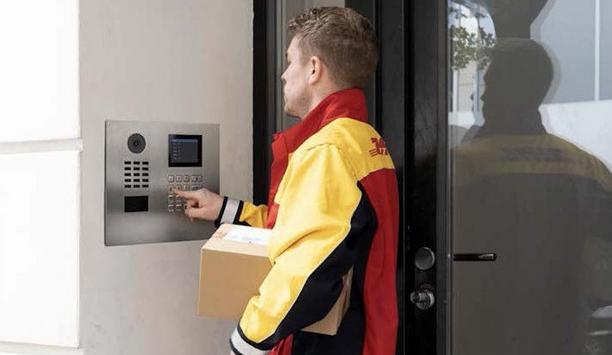
ASSA ABLOY, the pioneer in access solutions, will exhibit at the AIA Conference on Architecture & Design 2026, taking place June 11–12 at the San Diego Convention Center. At Booth 3119, architects, designers, and industry professionals can explore solutions that help create beautiful, code-compliant, secure, and accessible openings while connecting with experts on the trends shaping today’s built environment. “As architects balance aesthetics, performance, accessibility, and security, door openings play a critical role in the overall success of a project,” said Bill Shaughnessy, Senior Marketing Communications Manager, Door Security Solutions at ASSA ABLOY. “At AIA 2026, we’re looking forward to helping attendees discover new possibilities for integrating design, functionality, and safety across a wide range of applications.” Discussing specification services A key attraction at the booth will be The Good Design Studio, ASSA ABLOY’s resource for helping architects and designers explore, visualise, and specify decorative doors, frames, and hardware. Attendees can discover coordinated opening solutions, gather inspiration for future projects, and learn how ASSA ABLOY supports design intent through a broad portfolio of architectural opening products. ASSA ABLOY experts will be available to discuss specification services that help architects and design professionals navigate evolving building codes, accessibility requirements, and project documentation. The company’s extensive expertise supports projects from early design through final specification, helping teams streamline workflows and reduce project risk. Modern building design Architects attending AIA can also learn more about ASSA ABLOY’s electronic access control (EAC) portfolio, an increasingly important component of modern building design. From higher education and healthcare facilities to commercial and mixed-use developments, integrated EAC solutions can help enhance security, improve operational efficiency, and support occupant safety while maintaining design intent. Featured solutions at booth 3119 will include: OptiCoat™, a decorative finish technology that combines the appearance of natural materials with the durability of architectural hardware. Rockwood® architectural door hardware solutions that blend aesthetics and performance for commercial openings. Control iD and DoorBird intelligent access and entry systems that support modern building security and visitor management requirements. Securitech® security solutions designed to enhance facility protection while supporting life-safety objectives. PEMKO® behavioural health opening solutions that address specialized safety and security challenges. Evolving needs of occupants In addition to exploring new products and technologies, attendees can engage with ASSA ABLOY specialists to discuss best practices for creating openings that meet the evolving needs of occupants, owners, and design teams. To learn more about ASSA ABLOY’s complete portfolio of doors, frames, hardware, access control, and specification services, visit Booth 3119 at AIA 2026.

For more than 90 years, ASSA ABLOY has pioneered electromechanical locking technology — continuously innovating since the first effeff electric strike was patented in 1932 and Abloy began developing high-security electric locks in 1978. Today, electromechanical locks represent the intelligent evolution of mechanical security, combining trusted engineering with seamless digital connectivity for safer, smarter, more efficient building management. Modern electromechanical devices transform the way buildings are secured. Their embedded intelligence enables reliable communication between door and system, remote operation, and data insights. They give facilities managers new levels of control and convenience without the need to be physically present at every opening. Intelligent building security “When ASSA ABLOY´s effeff brand patented their first electric strike in 1932, it set a new standard for intelligent building security,” explains Julian Riester, Director & Head of Product Unit eStrikes & egress at ASSA ABLOY Opening Solutions EMEIA. “Electromechanical locking and opening were born. Doors became electrically controlled and remote operation was a new reality. We have continued innovating and setting new standards for this technology ever since.” Electric strikes are compact, reliable electromechanical devices that upgrade existing mechanical locks by enabling controlled, remote unlocking and seamless integration with intercoms, access control, and digital systems. They are mounted discreetly within the door frame for smarter, more flexible entry. For installers, OEMs, and resellers, they offer easy integration, broad application versatility, certifications, and high customer demand, making them simple to specify, sell, and deploy across commercial and multi‑residential buildings. Low power consumption Effeff electric strikes are engineered for universal fit and long‑term reliability, offering more than 10,000 strike and latch‑plate combinations as well as customized solutions for specialized environments. They deliver trusted security through rigorous DIN‑certified and TÜV‑audited production, high holding forces, extensive cycle testing, and durable components designed for harsh or high‑frequency conditions. A compact, installer‑friendly design enables fast, clean, cable‑free integration into almost any door, supported by adjustable alignment, sustainable EPD‑verified construction, and low power consumption for energy efficiency. Modern electromechanical locking E‑strike technology laid the foundation for modern electromechanical locking, which ASSA ABLOY’s ABLOY brand advanced in the late 1970s by embedding electricity and intelligence deep within the door leaf to enhance mechanical security and meet demanding regulatory and architectural requirements. ABLOY Electric Locks are trusted worldwide for meeting the highest security and compliance standards. They deliver a premium door experience, even in demanding, high‑traffic, or high‑security environments. They integrate seamlessly with access control, alarm, and building‑management systems to make every door intelligent and controllable, enhancing functionality, efficiency, and real‑time awareness across complex security ecosystems. Aesthetically pleasing solution “The long service life of our electric locks gives building managers the peace of mind that comes with products designed for maximum reliability,” adds Mika Savolainen, Director & Head of Product Line Management ELMECH PU at ASSA ABLOY Opening Solutions EMEIA. “These locks are backed by ASSA ABLOY’s global network of experience and expertise. They have proven performance over decades in a whole range of access control environments.” Designed with concealed installation, architectural flexibility, sustainability, and low energy consumption in mind, they provide a durable, future‑proof, and aesthetically pleasing solution in both new-builds and retrofits, including for emergency escape doors meeting EN179 and EN1125 standards. Wider portfolio of digital access solutions ABLOY offers one of the widest electric‑lock ranges on the market. Their premium single‑ and multi-point solutions fit virtually any door, sector, or security requirement while ensuring seamless retrofit and design flexibility. ASSA ABLOY’s range of eStrikes and electric locks are part of a wider portfolio of digital access solutions, bringing intelligent, secure, and seamlessly integrated electromechanical locking to virtually any building type, including multi‑residential, healthcare, offices, manufacturing, education, public institutions, and critical infrastructure.

Honeywell announced a collaboration with Rhombus, a pioneer in cloud-based video management, to expand its cloud-connected security and access solutions portfolio with new, AI-powered video solutions. This furthers Honeywell's effort to accelerate and modernize how customers approach building security, which began in 2024 with the acquisition of LenelS2. Integrated cloud-based solution Together, Honeywell and Rhombus will deliver integrated access control and video management in a single cloud solution that is easy to deploy, scale and manage. "This strategic alliance combines the strength of Honeywell's access solutions portfolio, domain expertise and global reach with modern cloud video capabilities and AI enhancements," said Billal Hammoud, President & CEO, Honeywell Building Automation. "Together, we will offer an integrated, cloud-based solution that innovates while ensuring reliability and system resilience." Cloud video solutions Companies are increasingly shifting to cloud-based security and cloud video. According to Omdia, cloud video solutions are growing annually at more than 20% and are projected to be the fastest-growing segment in the security industry through 2029. The Honeywell-Rhombus offering is perfectly positioned to support a paced, cost-efficient cloud journey for thousands of commercial and enterprise operations around the world while helping them to reduce risk. Physical security solutions "At Rhombus, we've always believed the best physical security solutions are open platforms. By partnering with Honeywell, a company that shares our vision, we'll be able to offer customers cutting-edge solutions across video security, access control, sensors, building controls and more," said Garrett Larsson, co-founder and CEO of Rhombus. "With access to our complementary expertise and the deep AI capabilities of both organizations, customers will see immediate value from day one. We're excited to work with Honeywell to make buildings more secure and intelligent." Rhombus' AI-powered platform Honeywell, through integration and a reseller agreement, will offer Rhombus products through its channel partners and system integrator networks. The companies will also partner on deeper integrations that bring Rhombus' AI analytics directly into Honeywell's access control platforms. With Rhombus' AI-powered platform, customers will be able to gain insights from video data beyond traditional surveillance, transforming video systems into a source of operational intelligence. Using capabilities such as Rhombus Insights, customers can train AI prompts to analyze activity patterns, investigate incidents more efficiently and better understand how physical spaces are being used. Compatibility The solution is designed for a variety of commercial environments, including retail chains, fitness centers, schools and other distributed sites. Rhombus products will initially be available through Honeywell in North America before deployment across other regions.

Suprema, a global pioneer in AI-powered access control and security solutions, has signed a three-party memorandum of understanding (MOU) with Hyundai Motor Group Robotics LAB and Hyundai Engineering & Construction (Hyundai E&C) to collaborate on advancing residential complexes through service robot technology. Residential security In future residential environments, realizing safe and convenient robot services for residents requires architectural designs that enable seamless robot mobility, AI security systems that distinguish residents from outsiders, and a unified platform that integrates all. Through this agreement, the three companies will combine their core competencies in AI security, robotics, and architectural infrastructure to jointly develop advanced residential complex models where service robots equipped with AI security features can operate safely and naturally. The collaboration will proceed in phases, including proof-of-concept (PoC) testing and commercialization. Intergrated security Suprema will be responsible for building an AI-powered integrated security infrastructure across the entire residential complex, the next-generation residential services that integrate robotics, security, and architecture. Leveraging its AI facial authentication and BioStar X, its unified security platform, Suprema will serve as the system integrator (SI), connecting the robot platform with building security systems. Hyundai Motor Group Robotics LAB will design specialized robot services for residential environments and lead the establishment of technical standards based on autonomous robots and its Robotics Total Solution (RTS) platform. Hyundai E&C will generate demand for robot services by providing robot-friendly architectural designs and pilot sites centered on its strategic residential projects. Also, with Suprema’s AI security technology and Hyundai Motor Group Robotics LAB’s robotics capabilities Hyundai E&C plans to realize robot-integrated living environments by combining its architectural expertise. AI-powered security infrastructure “As service robots begin to perform delivery, guidance, and patrol tasks throughout residential spaces, an AI-powered security infrastructure becomes essential to ensure that robots and residents can coexist safely under unified security rules,” said Hanchul Kim, CEO of Suprema Inc. “Based on our AI-powered unified security platform BioStar X and Suprema’s proven biometric and mobile access authentication technologies, we will work with Hyundai Motor Group Robotics LAB and Hyundai E&C to lead a new era of residential security powered by robotics and AI, expanding from proven domestic references to the global residential security market.” Delivering optimized robot services “A truly advanced residential complex based on service robots can achieve competitiveness only when robotics, architecture, and security systems are designed as one integrated infrastructure,” said Ri Goon Choi, Executive Director of Hyundai Motor and Kia Robotics LAB. “Through continuous enhancement of our robotic platforms, we will deliver optimized robot services and jointly establish new standards for residential robotics with Suprema and Hyundai E&C.” Designing robot-friendly environments “In future residential complexes, the construction company’s key role will be to design robot-friendly living environments where a variety of service robots and residents can coexist naturally,” said Seung Min Oh, Executive Vice President of Hyundai E&C. “By creating demand for residential robot services and combining Hyundai Motor Group Robotics Lab’s robotics technology with Suprema’s AI security solutions, we aim to lead the development of service robot-based residential complexes that enhance resident mobility, convenience, and safety.”
dormakaba has signed a binding agreement to acquire Avant-Garde Systems Inc. (“Avant-Garde”), one of the largest independent solution providers for entrance systems control products in the US. This acquisition represents a core-in-the-core acquisition, strengthening dormakaba’s North American go-to-market in access automation solutions. Founded in 2015 and based in Clarksville, Indiana, USA, Avant-Garde is a solution provider in the entrance systems control business, providing a “one-stop-shop” solution for their customers. Avant-Garde combines in-depth entrance control expertise with full-service capabilities, offering full lifecycle from consultation and product selection to installation and support. dormakaba’s core portfolio The entrance systems control offering belongs to dormakaba’s core portfolio, where Avant-Garde adds key capabilities to target strategic growth verticals such as data centers, airports and nation-wide integrators. By expanding its direct solution approach, dormakaba is strengthening its entrance systems control offering and unlocking further growth opportunities in North America. Entrance systems control capabilities Till Reuter, CEO dormakaba, says: “We are delighted to welcome the Avant-Garde team into our Group. This acquisition is an important piece to advance our North American growth plan. It will strengthen our entrance systems control capabilities, enhancing our high-margin business as well as positioning us for growth in our key verticals airports and data centers.” dormakaba expects the transaction to be accretive to Group EPS from day 1. The parties have agreed not to disclose further details and the financial terms of the transaction. dormakaba expects to close the acquisition of Avant-Garde Systems Inc. in early January 2026.

Expert commentary

A lot has been said about door security — from reinforced door frames to locking mechanisms to the door construction — all of which is crucial. But what security measures are in place beyond the perimeter door in case the worst happens and it’s somehow breached? Hopefully, many more levels of access control are in place to prevent, or at least slow down, a perpetrator’s ability to compromise protected assets. Additional interior layers Interior security measures must operate as an integrated, multilayered system that eliminates single points of failure. These inner protections safeguard not only the physical infrastructure but also the operational integrity, confidentiality, and availability of the systems housed within. Beyond simply preventing unauthorized individuals from getting inside, the goal is to create a controlled, monitored, and resilient environment in which every movement, action, and access attempt is verified, logged, and, when necessary, challenged. As modern buildings, data centers, and infrastructure sites host critical functions and potentially sensitive intellectual property, these additional interior layers become essential to protecting both organizations and their proprietary assets. Interior security controls One of the most important interior security controls is granular access segmentation One of the most important interior security controls is granular access segmentation. While a perimeter door may verify an individual’s right to enter the building, the interior should treat every room, cage, and corridor as its own security zone. Role-based access control and strict least-privilege principles should limit personnel to only the areas they absolutely require. For example, a network engineer may need access to routing equipment but not storage racks; a janitorial contractor might be allowed into shared hallways but not any equipment rooms at all. These access restrictions should be enforced using intelligent keys, biometric scanners, mantraps, and, at particularly sensitive locations, two-factor authentication. Segmenting access in this way limits the potential damage from a single compromised badge or insider threat and ensures that a single breach does not cascade into a total facility compromise. Low-light and infrared capabilities Biometric authentication within a building adds a layer of confidence beyond perimeter controls. Technologies such as facial identification help prevent the use of stolen, cloned, or borrowed credentials. These systems complement anti-tailgating measures, such as sally ports or mantraps, which ensure that only one authenticated person passes through at a time. Interior surveillance is another essential measure. High-resolution cameras equipped with low-light and infrared capabilities should cover every hallway, door, rack row, and logistical pathway. Camera feeds must be continuously recorded, and retention policies must align with regulatory requirements. Intelligent video analytics, such as motion pattern recognition and heat mapping, enable the detection of atypical behaviors — such as someone lingering near a cage they are not authorized to access or movement at odd hours. Physical tamper-detection mechanisms Cabinet security provides a vital layer of granularity in the access hierarchy, ensuring that even within secure facilities Integrating surveillance with access control systems creates a strong correlation; when someone successfully passes through a secured door and enters a room, the system can track whether the number of people seen on camera matches the number authenticated, and alert security if a discrepancy occurs. However, it is increasingly important that access control not stop at the room level, because the most sensitive assets are often housed in cabinets, racks, or storage units within already-secured spaces. Cabinet security provides a vital layer of granularity in the access hierarchy, ensuring that even within secure facilities, assets remain protected. Physical tamper-detection mechanisms on racks, cable trays, and server chassis add another dimension: they can detect if a panel is opened, a cable is unplugged, or a device is removed without authorization. Secure destruction protocols Another internal measure is the use of secure storage and chain-of-custody procedures for any components that contain intellectual property or personally identifiable information. Hard drives, backup media, and even printouts should be stored in locked cabinets accessible only to people with proper clearance. When decommissioning hardware, secure destruction protocols such as shredding or degaussing should be performed in controlled areas and thoroughly logged. Every movement of sensitive equipment should be traceable, from installation through end-of-life disposal. Such processes reduce the risk of data leakage from improperly discarded or undocumented devices. Consequences of improper behavior Staff should be trained to recognize social engineering attempts, unusual behaviors, and procedural deviations Operational security procedures also contribute significantly to interior protection. Background checks, ongoing employee vetting, and mandatory training ensure that individuals with access to sensitive areas understand their responsibilities and the consequences of improper behavior. Staff should be trained to recognize social engineering attempts, unusual behaviors, and procedural deviations. Maintaining a strict visitor escort policy prevents non-employees from wandering unobserved. All visitors should wear highly visible identification badges and be monitored continuously by authorized personnel. The building's interior should be treated as a controlled environment at all times, not merely a workspace. Continuous auditing and logging form Continuous auditing and logging form another pillar of interior security. Access logs from intelligent keys, biometrics, video, and environmental systems must be stored securely and evaluated regularly for anomalies. Automated systems can flag irregular patterns, such as repeated attempts to access unauthorized areas or entering rooms at odd hours. Manual audits validate that the access control list remains accurate, that no inactive or former employees retain credentials, and that documentation matches reality on the floor. These logs are indispensable during investigations, compliance assessments, and incident response efforts. Interior security controls Security networks should be isolated from the main IT networks to prevent a cyber incident Finally, redundancy and resiliency must be built into interior security controls. Electrical power for access control, intelligent keys, biometrics, and video systems should be backed by secondary sources, generators, or uninterruptible power supplies. Security networks should be isolated from the main IT networks to prevent a cyber incident from disabling physical protections. The goal is to ensure that interior security remains functional even during outages, disasters, or cyber disruptions. Multilayered approach Together, these additional interior measures create a layered defense that makes a secure building, data center, or infrastructure site extremely difficult to compromise. Rather than relying on a single barrier at the entrance, the environment becomes an ecosystem of mutually reinforcing controls — physical, operational, digital, and procedural. This multilayered approach allows structures to maintain high levels of protection even as threats evolve, ensuring that the systems inside remain secure, resilient, and trustworthy.

Digital access control has well-known benefits over traditional security, of course, but also costs attached to each stage of its lifetime. However, these costs are not fixed. Many factors – including building size, shape, type, location, national regulations and more – impact affordability and efficiency calculations. Crucially, the type of access solution a business selects – wired or wireless – impacts total operating costs, including during installation, running, and any potential expansion or reconfiguration stages. Wireless installation Wiring premises can be expensive. So, the potential cost savings from choosing wireless digital access begin at the very start. Installation stage is the largest contributor to potential cost savings when businesses go wireless. In calculations for one report, access experts at ASSA ABLOY examined projected costs for a fictional 100-door installation. Labor savings for those who chose wireless over wired locks were 82.5%. Why? Firstly, because wireless installation is much faster. It is also less intrusive. Most wireless locking devices require little or no drilling of the door, whereas wired security needs cabling through and partly around a door – which means not just door damage, but the contracting of specialist electrical installers who may require multiple site visits. These costs add up. Digital access technology Torus aims for the highest level of LEED certification for all its new properties In Poland, for example, developer Torus aims for the highest level of LEED certification for all their new properties around Gdansk. Where possible, they choose products with Environmental Product Declarations (EPDs) and Green Circle documentation, favoring access solutions which reduce their carbon footprint. Wireless digital access technology is a natural choice. “The lack of wiring significantly reduces materials use, reduces costs, and ensures quick installation,” confirms Torus’ Roman Sokolowski. There’s no cabling, which cuts power consumption. There’s less damage to the building fabric and fitters make fewer journeys to and from the site. Adaptable locking solution By choosing a wireless solution, organizations also upgrade building security with little disruption. A wireless system makes it easier to improve security at an existing building via a retrofit process which does not inconvenience staff or disturb work routines. This was one goal at Plexal, a £15 million flexible work environment for London enterprise and academia. Plexal chose battery-powered wireless locks integrated with DoorFlow, NetNodes’ online platform for managing and auditing building access. “Plexal required an adaptable locking solution for a range of different doors and, with no wiring required, it was quick and easy to install ASSA ABLOY Aperio® devices with minimal disruption,” confirms Stewart Johnson, Director at NetNodes. Cost savings with improved energy efficiency Choosing wireless over wired locking can play a vital role in reducing ongoing energy use Choosing wireless over wired locking can play an important role in reducing ongoing energy use – and, therefore, expenditure. Wholesale electricity prices in Europe are approximately double what they were in 2019, according to the IEA’s “Electricity 2024” report. For a variable cost such as energy, where businesses have little control over unit prices, it is critical to control usage, especially if high and/or changeable energy prices become what analysts at ING called “the new normal for business”. Thus, the fact that battery-powered locks consume much less energy than traditional wired solutions is increasingly relevant and important. Additional savings on energy costs Traditional wired door access devices often work via magnets connected permanently to mains electricity. These doors draw power around the clock to remain locked. Wireless locks work differently. They only “wake up” when presented with a credential, to make the access decision. This translates to an additional saving on energy costs during operation: more than 70%, or thousands of euros over a typical access system’s lifetime. Wireless digital access Wireless locks only need a change of their standard battery, which may be rechargeable Related energy and materials costs during in-use stage are also lower. Wireless locks only need a change of their standard battery – which may be rechargeable – typically once every two years. No specialist maintenance is required, saving on specialists and their travel to and from the site(s). By choosing wireless digital access, businesses help protect themselves against these ongoing costs, notably energy price increases and volatility. Cost-efficient flexible working, for staff and facilities managers Perhaps harder to quantify, but equally easy to imagine, the financial benefits of choosing a wireless digital solution are felt in the increased convenience and efficiency of daily operations. In the co-working sector, for example, flexible access to offices is a priority. As “fixed” office space rented by corporations continues to fall, co-working spaces are expected to keep growing, with one estimate suggesting almost 18% CAGR to 2030. To stand out from the competition, the founders of ULab in Alicante sought the latest innovations in access and design to create their 21st-century business center. Part of the suite of digital access solutions from ASSA ABLOY, a SMARTair® system gave ULab real-time access management via battery-powered locks and Openowä, the Mobile Key solution for SMARTair, without any need to wire doors and other openings. SMARTair TS1000 Web interface With SMARTair and Openow, workspace residents can carry virtual keys on their smartphone With SMARTair and Openow, workspace residents can carry virtual keys on their smartphone; ULab’s security team update their rights over the air. An office manager can perform any operation remotely from the SMARTair TS1000 Web interface. In case of an emergency, they could lock-down the site or open doors remotely, for example. It’s convenient, efficient and boosts ULab’s security, benefiting users and managers. And because of SMARTair’s flexibility, they can comfortably welcome many more than their usual 100 daily users. “In addition to regular daily traffic, weekly traffic can almost multiply by 10 if an event is held,” says Enrique Burgos Pérez, Director at ULab. “We needed an access control system as flexible and convenient as SMARTair.” ASSA ABLOY benchmarking report Choosing wireless locks also adds flexibility – and can reduce costs – when an organization reconfigures or expands their commercial space. High-quality wireless devices like SMARTair can typically be reinstalled at another opening without impacting reliability. They move to wherever is convenient. If a business is rethinking workspace to encourage flexible or hybrid work patterns, for example, cost efficiencies could be significant. Typical savings on office relocation or expansion are estimated at around 30% with wireless over wired locking, according to the same ASSA ABLOY benchmarking report. Cost efficiency and more control with ASSA ABLOY digital access To refit and improve their student accommodation, managers at the University of St Andrews sought energy- and cost-efficient access control. They chose Aperio, another innovative digital access solution from ASSA ABLOY. Approximately 1,600 doors so far are equipped with battery-powered Aperio escutcheons – without cabling. Aperio devices integrate fully with both the university’s existing central security system and their student ID card. University security managers continue to enjoy the efficiency benefits of monitoring and controlling access from a single point and in real-time, including for doors across multiple buildings. Aperio, another innovative digital access solution from ASSA ABLOY. Benefits of cost-efficiency In comparison to a wired solution, Aperio offers significant cost-efficiency benefits. Devices are wireless, so can be installed with little energy use and no need for wiring to the mains. They consume near-zero energy when idle and run on standard batteries, consuming little power during operation. Through the entire product life-cycle, Aperio combines reliability with cost effectiveness. “Aperio gives us central management and control,” says Pauline Brown, Associate Chief Information Officer at the University of St Andrews, “and contributes to our award-winning track record in energy efficiency.”
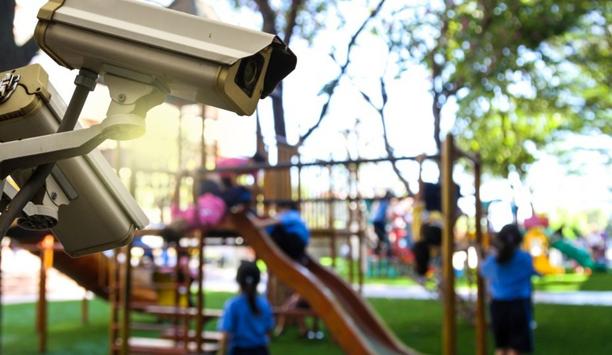
For K12 education pioneers, embarking on a journey to upgrade security controls can present a myriad of questions about finding the best-fit solutions and overcoming funding hurdles. A majority of public-school districts today are faced with outdated infrastructure and security controls, requiring necessary upgrades. By addressing these concerns head on, schools will ensure a safer environment for both students and staff, mitigating risks posed by unforeseen physical and digital threats. Common K12 security pain points There’s no one-size-fits-all solution in school district security. School districts may have big plans to implement upgraded security systems but to set out on the right foot, pioneers must have a clear vision of their long-term strategy. When embarking on their security journey, education pioneers often wonder where to start and what exact steps are they need to be taking to identify and address weaknesses. Local K12 and government pioneers are promoting and mandating security assessments to uncover safety gaps on campuses and mitigate these risks with advanced technology solutions. Not only do assessments provide detailed, customizable roadmaps for district pioneers, but they also recommend technologies and funding opportunities to help close threat gaps. K12 school districts are mainly vulnerable to cyber-attacks due to the sensitive nature of student records In today’s climate, schools face a growing number of physical and digital security threats. From a cybersecurity standpoint, K12 school districts are particularly vulnerable to cyber-attacks due to the sensitive nature of student records. However, only one-third of these districts have adequate staffing to address threats effectively. In addition, according to a recent survey from Johnson Controls and Forrester Consulting, security decision-makers are having trouble receiving actionable insights. Nearly two-thirds of respondents said that they struggle to receive information from all necessary systems regarding their security threats. To gain more clarity into what school districts need in terms of security tools and threat mitigation, implementing system-wide monitoring and optimization can be invaluable. This approach enhances equipment and operational efficiency, while providing necessary resources and expertise for critical patch updates across all systems, strengthening their overall security posture. Achieving a well-rounded security program In the past few years, AI technology has emerged as a trending solution and is generating considerable attention. While the allure of implementing cutting-edge technologies is undeniable, it’s important to recognize that a robust security program hinges on solid access control. Access control technology provides administrators with the means to oversee and regulate entry into facilities, serving as the foundation for basic physical security. The technology helps administrators and staff control access to multiple areas from web-enabled devices, even during lockdowns which is crucial in emergency situations. School district pioneers should utilize available digital risk assessment tools to uncover threat areas Once basic security controls are in place, school districts must address their next set of security pain points and identify which solutions meet their specific needs. This involves identifying and prioritizing the highest need and most cost-effective investments that will have the greatest impact on enhancing security measures. To accurately determine which security solutions are needed for a specific environment, school district pioneers should utilize available digital risk assessment tools to uncover threat areas and determine levels of priority. By focusing on these priority areas, districts can allocate their resources and efforts where they are needed most, ensuring maximum effectiveness in mitigating risks and vulnerabilities. Securing funding before approaching deadlines A major challenge for school districts surrounding campus security is identifying and securing the necessary funding to implement solutions aligned with their goals. Leveraging available funding sources is critical, especially considering certain programs are approaching their deadline, like the Elementary and Secondary School Emergency Relief (ESSER) fund. Announced during the pandemic, ESSER is a funding program that has allocated nearly $190 billion in aid to U.S. public school districts to fund projects benefitting the well-being of occupants. Notable ESSER funding deadlines to keep in mind as the clock winds down include September 30, 2024 Notable ESSER funding deadlines to keep in mind as the clock winds down include September 30, 2024, when schools must attribute all of their funds to assigned contracts. Following this date, pioneers will need to complete all ESSER spending by January 2025 unless approved for an extension into March 2025. As ESSER wanes, school districts are acutely aware of the fiscal cliff in budgets through 2025. However, many states are ramping up grant funding to close the deficit gap. Administrators should become familiar with these grant opportunities at a local and state level. Get started on security plans The time for school district pioneers to act is now. While the safety and well-being of students and staff are always top priorities, it’s crucial to acknowledge that a lack of insight into necessary security upgrades and available funding options will leave districts behind the curve. Seizing the final months of ESSER funding presents an ideal window to address security pain points and build a safer future for K12 facilities. Looking beyond ESSER, pioneers must proactively seek out and leverage other funding avenues to help ensure the continuity of their security efforts and maintain a proactive stance in safeguarding healthy and safe educational environments.
Security beat

The security landscape is undergoing a profound transformation, as evidenced by the innovations showcased at the ISC West Expo 2026. From dismantling of silos between physical and digital security to the ongoing transition to cloud and hybrid platforms, much of the discussion on the show floor was familiar, if somehow more urgent than ever. Clearly the industry is moving toward unified, cloud-native, and highly automated ecosystems. In a series of deep-dive meetings and demonstrations at the recent show, I got a first-hand glimpse of the future of the physical security marketplace. Spoiler alert: The future is now! HID Global: Tearing down the silos HID Global is addressing the long-requested convergence of physical and digital security. Recognizing that the industry has historically operated in silos, HID is now leading with a combined implementation team to leverage the power of both sides. HID is supporting the transition by combining its logical and physical security teams to help end users design secure, end-to-end journeys for their employees. By leveraging its massive existing footprint in physical access, HID is uniquely positioned to help organizations upgrade their cybersecurity posture without a total "rip and replace" of their hardware. HID is seeing a surge in demand for converged credentials that unite building access with digital identity. On the digital front, HID has implemented FIDO (Fast Identity Online) and passkeys to replace traditional passwords with more secure, biometric-backed authentication methods. Acre Security: Bridging the gap to the cloud Acre Security previewed a cloud-native video solution, reinforcing its cloud-first security strategyAcre Security is currently consolidating brands, bringing established names like Feenics and AccessIt under a single corporate umbrella. A primary theme for the company at ISC West is the migration of legacy systems to modern infrastructure. To facilitate the transition, they are launching "The Bridge," a technology designed to help on-premise customers transition to the cloud at a pace that suits their operational needs. The company is also expanding its portfolio into video. Attendees at the show received a preview of a new cloud-native video solution slated for release later this year, signaling Acre’s commitment to a holistic, cloud-first security suite. Acoem: Real-time acoustic threat detection With a 35-year foundation in vibration and acoustics—including military sniper detection—Acoem is providing gunshot detection through edge processing. Unlike systems that rely on the cloud and may suffer from latency, Acoem’s technology processes data at the sensor level for instant alerts. Their sensors are engineered for massive outdoor spaces, covering a 500-foot radius (roughly 11 football fields) and can detect high-powered rifle shots from up to half a mile away. The system provides critical intelligence by distinguishing between muzzle blasts and "mach noise" from bullet travel, delivering an audio file to the end-user that maps the location and direction of the threat. They use AI to filter out environmental false positives, such as skateboards hitting metal rails. Alarm.com: The all-in-one dealer ecosystem Beyond hardware, Alarm.com is leveraging AI to streamline the sales process Alarm.com is doubling down on "giving tools to dealers to help them be successful," with a focus on unified commercial solutions. A highlight at ISC West is their new fire communicator, which integrates fire monitoring into their single app, completing what they call the "fourth leg of the stool." The product allows fire systems to benefit from the same real-time customer engagement and push notifications that have long been available for intrusion and video. The key products, such as commercial-grade hardware, are now available for immediate purchase. Beyond hardware, Alarm.com is leveraging AI to streamline the sales process. Their new AI Proposal Builder uses customer meeting notes to automatically generate customized, value-driven sales proposals for dealers. Allegion: A global shift in credentialing Following the acquisition of ELATEC, Allegion is adopting a more global market approach and expanding its OEM business. The company is involved in the development of Aliro, the newly unveiled mobile credentialing standard. Allegion’s strategy is built on versatility: While Aliro serves the burgeoning mobile market, they also offer PKOC for plastic cards, allowing them to provide solutions regardless of the user's preferred credential type. The ELATEC acquisition has effectively filled previous gaps in their use-case portfolio, positioning them as a comprehensive provider for both physical and digital access needs. AtlasIED: Engineering for life safety Transitioning from audio to a fully automated threat detection company, AtlasIED showcased its new IPX line at ISC West. This modular platform uses a single PoE++ port to power various "plug-and-play" modules, allowing for easy system upgrades. Their gun detection technology achieves a 99% confidence rating by "stacking" AI models; it cross-references audio data with infrared signatures to detect muzzle flashes and air quality sensors for particulates. With systems already running in 80% of U.S. international airports, the company maintains 24/7 domestic engineering support to manage these "life-safety adjacent" environments. Axis Communications: Unifying connectivity Axis Communications is advancing network video with 4G/5G surveillance, reducing cabling needs Axis Communications continues to lead in network video, with a new focus on offering surveillance through 4G and 5G networks to eliminate the need for extensive cabling in long-range applications. Axis also introduced several specialized hardware pieces, including the P1486-LE global shutter camera for high-speed traffic monitoring and the Q2802-TE, which integrates thermal and visual monitoring into a single unit. To assist technicians, they launched a new installer app that uses Bluetooth for easier camera pairing and management directly from a mobile device. Axon: De-escalation through enterprise wearables Focusing on frontline safety, Axon is expanding from law enforcement into the enterprise sector with its retail and healthcare-focused body camera. Weighing only 0.25 lb, these cameras are designed to be less intimidating, using colorful designs and acting as a primary de-escalator for aggressive behavior. A clear front display signals when recording is active, striking a balance between safety and a non-intimidating appearance. These devices feature live-streaming and panic alarms that connect workers to a Global Security Operations Center (GSOC). To ensure the footage is legally viable, Axon maintains a rigorous audit trail that authenticates every action recorded. Genetec: The value of the unified platform Genetec is advocating for unified platforms that reduce the time between incident detection and resolution. They argue that AI is becoming a commodity and that the true value lies in unified platforms that reduce the time from incident to resolution. Their approach emphasises the "outcomes" customers need, such as allowing security teams to coalesce around an investigation quickly. Genetec remains a strong supporter of open systems for enterprise customers, ensuring they have the choice to integrate diverse technologies rather than being locked into a manufacturer’s “walled garden.” This flexibility is critical for high-end security environments that require tailored, responsive systems. Johnson Controls: Large-scale enterprise solutions Johnson Controls has made a significant push into the enterprise video market with C-Cure IQ, a standalone VMS designed for major hubs like airports and large campuses. Through a partnership with Scylla, they have integrated 11 advanced analytics—including facial recognition and weapons detection—directly into their cameras. They also showcased new multi-sensor panoramic cameras capable of "stitching" multiple images into a single 360-degree view. While innovating in video, Johnson Controls also confirmed modern upgrades to their intrusion line, including their legacy DSC Neo line. The new DSC PowerSeries Neo 5, a high-end residential and commercial platform, features an all-new user interface and built-in PowerG+. They have also begun shipping the IQ5 family lineup, which is powered by a Qualcomm DragonWing processor. ONVIF: Standardising the future of AI and cloud ONVIF continues to lead the charge in establishing common languages for the security industry. A major focus is their new "Cloud Profile," which enables cameras to connect directly to the cloud through a standardized protocol. They are also expanding into audio standards to ensure IP-based speakers can seamlessly connect to Video Management Systems (VMS). To combat the rise of sophisticated digital manipulation, ONVIF is developing "video signing" standards. ONVIF is actively seeking more diverse enterprise participation to help shape these emerging AI standardsThis feature protects the integrity of video for evidentiary purposes by embedding a digital signature and timestamp directly into the footage at the camera level. Additionally, the organization has formed an AI Working Group to develop common communication methods for "AI agents" within physical security systems. ONVIF is actively seeking more diverse enterprise participation to help shape these emerging AI standards. Roberto Licari is the new ONVIF Ambassador, seeking to attract new companies (even outside the security sector) to ONVIF as they look to expand their offerings. SwiftConnect: Bridging digital and physical identity SwiftConnect is redefining access control by shifting the focus from physical cards to digital identity. As a cloud-based "connected access network," the platform bridges the gap between IT identity providers (like Okta or Azure AD) and legacy physical access control systems. At the show's Security Experience Center demonstrations, SwiftConnect showcased its ability to integrate mobile credentials within Apple and Google Wallets across multiple technology platforms. By aligning physical security with Zero Trust principles, they ensure that access is governed by the same rigorous standards as digital networks. Their software-centric approach allows for a more seamless employee experience while simplifying the management of complex, multi-site building security. This emphasises a future where the mobile device becomes the primary tool for navigating the physical workspace. Wasabi Technologies: Redefining cloud storage economics With cloud technology becoming a baseline requirement at every booth, Wasabi Technologies highlighted its "hot cloud storage" as a cost-effective alternative to major hyperscalers. Their model claims to be 80% less expensive than competitors, notably removing hidden fees. Wasabi is increasingly bundled at the "back end" of security solutions through partnerships with integrators and end users. A key feature for law enforcement and high-security sectors is their "Object Lock" capability, which ensures that video evidence remains untampered with and immutable during defined retention periods. By providing high-performance storage without the unpredictable costs typically associated with the cloud, Wasabi is positioning itself as the foundational layer for data-heavy video surveillance applications that require long-term, secure retention. Wasabi is positioning itself as the foundational layer for data-heavy video surveillance applications ZKTeco USA: Versatile and integrated access ZKTeco USA showcased a range of integrated solutions, including turnstiles, visitor management, and access control. Their Atlas access control series offers versatility, supporting everything from traditional readers and keypads to QR codes and fingerprint scanning, with the flexibility to operate on-premise or in the cloud. For tight environments, they introduced the Mars 100 turnstile, which features a compact 2x3-foot footprint. They also highlighted the Omni series, an all-in-one standalone reader-controller that manages access, intercom, and visitor functions in a single device. Innovation in portability was evident in their new walk-through metal detectors, which consist of two poles with an 8-hour battery life—ideal for schools and temporary events. While they offer their own Armatura readers, ZKTeco emphasized that their solutions can integrate with other industry leaders to fit diverse customer needs.
In today's complex security landscape, ensuring the safety of building occupants and assets requires more than just cutting-edge technology. Holistic approach The SHIELD certification, introduced by the Secure Buildings Council, is designed to help building owners, tenants, and security professionals navigate this challenge effectively. SHIELD offers a holistic approach to physical security that emphasizes not just the systems in place, but the collaboration among all stakeholders. With practical, actionable guidance, SHIELD certification seeks to become a benchmark for secure building environments. What is SHIELD? Its primary goal is that buildings are equipped with security systems and protocols that protect against threats SHIELD is a comprehensive certification program developed by the Secure Buildings Council to establish and maintain a standard of excellence in building security. Its primary goal is to ensure that buildings are equipped with security systems and protocols that not only protect against threats but also enhance the overall safety and operational efficiency of the facility. Forward-thinking design It encourages a multi-disciplinary approach, bringing together building owners, managers, security professionals, architects, and engineers to foster an integrated security strategy. By adhering to SHIELD's standards, facilities can assure tenants, visitors, and investors that the building is designed to be a secure and resilient environment. The intent is to create safer spaces through collaboration, forward-thinking design, and stringent security measures. Enhancing security and building resilience SHIELD certification helps to ensure that buildings are not only secure from external threats but are also resilient in the face of internal vulnerabilities. This includes everything from access control systems and surveillance infrastructure to cybersecurity measures and emergency response protocols. Detailed framework SHIELD acts as a roadmap to assess and improve the effectiveness of a building's security architecture The certification process provides a detailed framework for identifying potential risks, implementing best practices, and continuously monitoring security measures. For security professionals, SHIELD acts as a roadmap to assess and improve the effectiveness of a building's security architecture. The program emphasizes the importance of both physical and digital security, recognizing that modern threats often cross over from one realm to the other. Benefits for tenants, investors, and facility managers One of the standout benefits of SHIELD certification is the assurance it provides to tenants and investors. Certified buildings demonstrate a commitment to security that can attract higher-quality tenants and increase the building’s market value. For investors, a SHIELD-certified building represents a lower-risk investment, as the facility is better protected against both physical threats and operational disruptions. Standardized procedures Additionally, facility managers benefit from SHIELD's emphasis on clear, standardized procedures for maintaining and upgrading security measures. The certification helps streamline operations by ensuring that all security protocols are applied consistently and reviewed regularly. This results in a safer, more efficient building environment for everyone involved. Promoting collaboration and industry integration Architects, engineers, and security professionals are encouraged to work together from the earliest stages SHIELD certification is not just about the implementation of security technologies—it is also about fostering collaboration among various stakeholders. Building owners, architects, engineers, and security professionals are encouraged to work together from the earliest stages of design and planning. This collaborative approach helps ensure that security measures are integrated into the fabric of the building, rather than being tacked on as an afterthought. Multi-disciplinary synergy Furthermore, SHIELD works in alignment with other industry standards, such as LEED for environmental sustainability and WELL for health and well-being. This multi-disciplinary synergy allows building owners to pursue multiple certifications concurrently, enhancing the building's overall value and appeal. Achieving SHIELD certification: The process The process to become SHIELD certified involves a comprehensive assessment of a building’s security features and protocols. This begins with a gap analysis, where security professionals evaluate the building's current state against SHIELD's stringent standards. From there, a detailed action plan is developed to address any deficiencies. Once the necessary upgrades and protocols are in place, the building undergoes a final audit before the certification is awarded. Incorporating multiple elements SHIELD takes a holistic approach that encompasses not just physical security but also digital and procedural elements A common misconception about SHIELD is that it is solely focused on physical security systems. In reality, SHIELD takes a holistic approach that encompasses not just physical security but also digital and procedural elements. Another misconception is that SHIELD is only applicable to large-scale commercial properties, when in fact it can be adapted for buildings of various sizes and functions. Global adoption of SHIELD certification SHIELD certification is seeing increased adoption across North America, Europe, and parts of Asia. Its focus on a comprehensive, collaborative approach to security has made it particularly attractive in high-risk industries such as finance, healthcare, and data centers. While it is still gaining traction in some regions, SHIELD is poised to become a global standard for building security in the coming years. SHIELD certification represents a significant step forward for building security. By fostering collaboration and emphasizing a holistic approach, SHIELD helps create safer, more resilient buildings that protect both the physical structure and the people and assets inside.
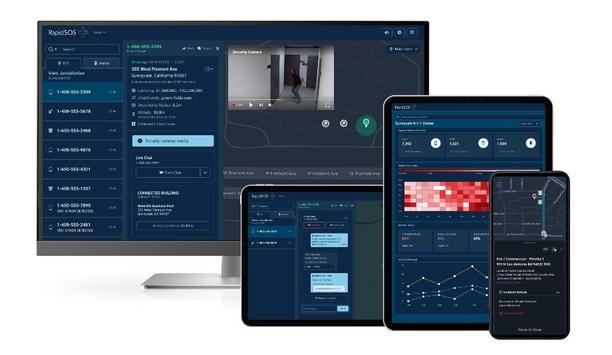
In an emergency, information is pivotal. More information provides better understanding of an emergency and empowers potentially life-saving decision-making. Emergency response teams depend on information to guide their efforts and to deliver targeted assistance. On the front lines of emergency response are 911 and field responder agencies, which must direct reaction to life-or-death situations rapidly and efficiently. Historically, 911 operators had to respond based on very little information, perhaps just a voice on the phone or a location on their screen. Providing critical information Today, there are literally millions of information sources available, ranging from connected buildings to vehicle telematics to live video streams to health information from wearable devices. In fact, there are 540 million connected devices, any one of which could provide critical information in an emergency. But how can those information sources be leveraged to improve emergency response? That’s the mission and value proposition of RapidSOS, an ‘intelligent safety platform’ company that connects 911 operators with the vast universe of information available to promote better and faster emergency response. Highly sophisticated operation The platform is integrated into every major public safety software system and first responder agency “RapidSOS fuses human and artificial intelligence to put critical information from any connected device directly into the existing systems and operating procedures of first responders across the United States,” says Michael Martin, CEO of RapidSOS. RapidSOS is widely used by first responders. The platform is integrated into every major public safety software system and first responder agency. There are more than 4,600 software integrations that serve more than 21,000 first responders and 911 agencies. In 2023, RapidSOS supported the lifesaving work of public safety across 171 million emergencies with 3.3 billion data payloads. The system is adaptable and configurable to support any agency, from a highly sophisticated operation in New York City to a local sheriff running their own 911 center. Intelligent analytics and reporting RapidSOS Unite is the latest evolution of the product, a single solution that includes AI automation, rich content pathways, redundant connection to caller phones, and access to millions of connected devices. In an emergency, Unite intelligently fuses data from among millions of sensor feeds into a unified picture of an incident, allowing public safety officials to view real-time location, health profile, telematics, alarm data, and more. RapidSOS Unite is the latest evolution of the product, a single solution that includes AI automation RapidSOS offers core modules that handle call, text, video, sensor, mapping, and administration tools, and that provide partner data from connected devices. Additional modules provide enhanced geographic information system (GIS) data, and automated translation and transcription. There is also a single sign-on (SSO) upgrade, intelligent analytics and reporting, and seamless integration into field responder applications. Field responder applications Consider how an emergency might unfold and how RapidSOS can help. In a car accident, data from a modern automobile telematics system can alert a 911 operator of the accident as it happens. Data from a passenger’s wearable device might provide information about their health and condition. A nearby video or traffic camera could fill in details of how the accident occurred. Useful information in an emergency might come from any one of thousands of sources, including public safety data, sensor feeds, enterprise security systems, smart phones, etc. In a train derailment, electronic access to the cargo manifest can identify which train cars contain hazardous materials and how to manage the specific type of hazmat. This information could save valuable time when responding to incidents like the Feb. 3, 2023, Norfolk Southern train derailment involving 38 cars in East Palestine, Ohio. Consider how an emergency might unfold and how RapidSOS can help Institutional security partners Norfolk Southern is one of the companies that provides information to first responders using RapidSOS; in effect, the company provides a direct digital link from their rail security operations to any first responder in the United States. Amazon’s global operations centers also interface with RapidSOS to provide critical information to first responders. Partnering with corporate security helps to better support the flow of data from institutional security partners and their solutions. Information can transform and guide emergency responses. For example, in a structure fire, real-time sensor feeds throughout a building can help 911 and first responders understand how the fire is progressing. Real-time security camera footage Having access to live feeds can save lives as 911 provides pre-arrival instructions such as CPR Leading the way to providing video feeds from private camera systems to 911 operators is an agreement between Eagle Eye Networks and RapidSOS, which was announced in April 2024. The agreement allows an enterprise to opt-in to share real-time security camera footage from an Eagle Eye video stream during a live 911 call. Having access to live feeds can save lives as 911 provides pre-arrival instructions such as CPR. “Security cameras are crucial in many locations, including schools, but previously those cameras could not be accessed by 911 during an emergency but were only used for investigation after an incident,” says Martin. Improving fire and life safety systems RapidSOS is also integrated with Honeywell’s Connected Life Safety Services (CLSS) system, a cloud platform that combines software and hardware to improve fire and life safety systems. Technology integrations between the two companies further modernize and digitize the public safety communications process to provide faster, more accurate communications with emergency centers (i.e., 911 agencies). RapidSOS technology securely transmits detailed data about an emergency CLSS provides real-time visibility and connectivity to help systems integrators and facilities managers make informed decisions and manage fire systems more efficiently. When combined with Honeywell's solutions, RapidSOS technology securely transmits detailed data about an emergency, such as the type of hazard, severity, and location within the impacted building, to emergency response centers. Video object detection Rapid SOS’s emerging Harmony artificial intelligence (AI) product serves as a ‘co-pilot’ for 911 operators, helping them manage the high volume of emergencies by making their response more efficient. Harmony pulls all the sensor feeds in an emergency and works to make only the most important information available in the hands of 911 and first responders. Harmony can take key insights from text and video data, use ‘sentiment analysis’ to determine the emotion tone of a message, and help 911 professionals using language translation, keyword alerts and video object detection. Harmony can help local agencies as they address a 25% average staffing shortage by providing additional support to 911 professionals while lessening the workload. Harmony is also working to help RapidSOS expand the ecosystem, stitching more data together and quickly making it more actionable than ever. Emergency response system RapidSOS also interfaces with Iamresponding, a comprehensive end-to-end emergency response system for first responders in the fire and other emergency sectors. Iamresponding’s field responder application is used by RapidSOS to get information out to first responders in the field. More than 650,000 first responders use RapidSOS’s field application RapidSOS’s recent acquisition of Iamresponding helps the company improve the connection with the last mile “in-the-field” piece of the puzzle, ensuring partners across computer-aided dispatch (CAD), integrated applications, mobile data terminals, body cameras and other responders have access to critical data. More than 650,000 first responders use RapidSOS’s field application. Enhancing emergency response RapidSOS’s Safety Pioneer Program formalizes the important partnership between RapidSOS and public safety agencies. Participants in the program receive early access to new platform features, contribute to the platform roadmap, and drive feedback to enhance emergency response. “911 and first responders do incredible lifesaving work,” says Martin. “Everything we have done and built at RapidSOS is a direct result of the engagement, partnerships, inside advice and insight we have gotten from public safety. We have learned from them, developed new technologies and tested them.” Martin adds: “Companies have data and we now know how to make that data actionable into the hands of 911 and first responders to save lives. This is an exciting moment for us continuing our mission in partnership with public safety, and for technology and security companies to have a major hand in that.” {##Poll1719488782 - What is the most valuable benefit of artificial intelligence (AI) in an emergency call center?##}
Case studies

Genetec Inc., the pioneer in enterprise physical security software, announces 40 Leadenhall has deployed Genetec™ Security Center and Genetec Mission Control™ to create a seamless modern experience for visitors and tenants. Located in the capital’s insurance district, 40 Leadenhall is one of the biggest City of London developments ever to receive planning permission. It spans over 900,000 square feet of commercial office, amenities, and retail space, serving up to 10,000 occupants. Original performance specification A unified security platform formed part of the original performance specification, with Genetec Security Center ultimately selected to give 40 Leadenhall the flexibility to integrate best of breed hardware and software, support informed decision making, and tailor the interface to a wide range of user needs and access privileges. “Genetec is proud to be safeguarding a growing portfolio of flagship buildings across the City of London - including some of its newest and largest developments,” said Viet Tang, Account Executive at Genetec Inc. “40 Leadenhall is a standout example of how forward thinking property owners are embracing unified, intelligent security to deliver safer, more efficient and more intuitive environments.” Standardising incident response The smart building solution incorporates over 200 cameras, more than 250 doors, and 2,600 data points, all managed through Genetec Security Center and hosted on Genetec Streamvault™ servers and archives. Genetec Mission Control™ further enhances operations by standardising incident response with advanced automation. By integrating with other building systems, it can automatically trigger workflows for events such as power loss, water leaks, or high winds thus enabling teams to respond proactively with timely notifications and targeted actions that help ensure occupant safety. Access control and visitor experience technologies from partners including HID Global, Mercury Communications, and STid help enable seamless navigation throughout the facility. Occupiers can use mobile wallet credentials for frictionless entry, while visitors receive QR code passes that remove the need for temporary plastic cards. Integrated cameras from Axis Communications enhance situational awareness across the site. Truly smart building Genetec workstations located throughout the building provide role based access for operators. Reception staff can enrol visitors, while control-room security teams can run reports, investigate events, and monitor live video on either dedicated workstations or tablets. “The Genetec security system is easy to use and enables us to deliver a world class service to our occupiers and guests, ensuring occupant wellbeing and building security,” says Stewart Maynard, Smart Systems Manager at 40 Leadenhall. “Collaboration between delivery, systems and service partner teams has helped make 40 Leadenhall a truly smart building.” Quickly identify devices By uploading interactive floor plans into Security Center, operators can quickly identify devices, investigate activity, or access live video with a single click, significantly reducing training times. The building’s digital experience is further enhanced through integration with the 40 Leadenhall app, powered by VTS Activate. Occupiers can issue virtual visitor passes, receive arrival notifications, and seamlessly access amenities including wellness spaces, cycle facilities and the Peloton studio. “We believe Genetec provides the ideal platform to support 40 Leadenhall’s future growth and technology goals,” concludes Maynard. “The investment in leading technology, supported by strong partnerships, positions 40 Leadenhall at the forefront of innovation.”

The London Borough of Camden provide a host of public services to the inhabitants and stakeholders within Camden. The council are actively involved in many areas such as local education, housing, the environment, transport, policing and public safety. The council currently employ over 1,000 members of staff across its different functions. The Security division are tasked with managing the security for the councils’ main administrative building in central Camden. Manual logging system Technology Objective - The council needed a solution that would provide greater key control and would reduce the need for a manual logging system. The Challenge - Like many other companies, Camden Council have an array of keys that are used daily by different team members. Within the main administrative building security staff were occasionally forgetting to sign keys in and out. Issues were also becoming apparent with contractors who were failing to return keys at the end of duty. The solution had to be delivered within a defined budget and be fully auditable to give an insight into the whereabouts of any key at any particular time. Individual authorization code Morse Watchmans Solution - In order to address the needs of Camden Council, Morse Watchmans introduced the KeyWatcher® Key Control System. The KeyWatcher® is a custom-tailored solution designed to record the access history of each key, including user, date and time of checkout and return. In order to release an assigned key, each user needs an individual authorization code. By having individual authorization codes, the risk of a key being misplaced is greatly reduced. The risk of unauthorized people removing keys is completely eradicated. Biometric access data The KeyWatcher® comes with its unique KeyPro® Performance Software. This userfriendly PC application delivers real time information concerning the total accountability and history of any key for the KeyWatcher® system. Activity reports are easily produced that can trace a keys’ movements by date and time, authorization code or biometric access data. Constructed in rugged metal the slimline design eliminates the need for outdated lock boxes, unreliable manual logs and messy key identification tabs and unreliable key recording manuals. Due to the success of the first KeyWatcher® system, Camden Council have installed the system across 7 sites in various sizes. Fingerprint access control option In Action - The KeyWatcher® Key Control System, complete with fingerprint access control option is now used across the whole of the London borough. The KeyWatcher® controls access to the keys which are tracked while in use, including check out times and user names. Staff are assigned various levels of access to the keys which helps to maintain effective key control and guard against carelessness or oversight. Any contractors that need access to keys are logged by date, time and user to ensure that no contractor can forget to return a key. The KeyPro® Software is used regularly to produce reports concerning usability and any security alerts. Saving valuable time The Results - By implementing the KeyWatcher® Key Control System, the team have been able to work much smarter and faster i.e. if a key is overdue or missing the KeyPro® Software will notify the manager immediately. As the system only releases keys to authorized people, the risk of keys being lost or taken by an authorized person is reduced. Finally, as the KeyPro® Software produces detailed reports on the KeyWatcher® system, a full audit trail is avaliable at the touch of a button saving valuable time and resource.
When major fire and security specialists Cornerstone were appointed to deliver the life safety systems for the refurbishment of 77 Grosvenor Street, they faced a unique challenge. Located in the heart of London’s Mayfair district, the prestigious building features classical architecture and over 50,000 square feet of premium open-plan office space spread across six floors. The goal was to upgrade the fire protection without compromising the building’s refined aesthetics. The client, a major property management company, required a solution that was robust, reliable and unobtrusive. Working closely with the design and construction teams, Cornerstone turned to Hochiki Europe, a long-standing partner known for dependable systems that blend seamlessly into high-end environments. Latitude fire detection and alarm control system At the core of the installation is the Latitude fire detection and alarm control system. Chosen for its powerful cause and effect programming, flexible networking and modular scalability, Latitude was well suited to the demands of a multi-level heritage building. Its ability to support complex configurations made it ideal for a site where multiple zones, floors and room functions needed to be managed with precision. To deliver complete protection across the site, Cornerstone selected a combination of Hochiki's Enhanced System Protocol (ESP) addressable devices and the FIRElink aspirating detection system. The FIRElink system is adaptable to a broad range of environments and applications. ESP detectors From small, to very large areas, the system is particularly useful in protecting computer rooms or data centers but can be designed to fit almost any environment. ESP detectors offer high performance with a minimal visual footprint, ideal for preserving the character of the restored interiors. In areas requiring an even more discreet solution, such as decorative ceilings or high airflow zones, FIRElink was installed using capillary sampling pipes hidden within the building’s structure. One of the key advantages of the Latitude platform is its ability to interface with wider building management systems (BMS). At Grosvenor Street, this opens the door to centralized monitoring and control of fire safety in conjunction with other building systems. Open integration Latitude’s open integration options mean it can share status updates and alarm events in real time with the BMS, enabling facilities teams to coordinate responses quickly and efficiently. For a high-spec office environment, this not only improves safety outcomes but also supports smoother day-to-day operation and building performance. Patrick Anthony, Project Manager at Cornerstone, explained the decision: “We have a trusted relationship with the Hochiki team. Their systems and devices are reliable, help reduce false alarms and are designed to aesthetically fade into the background, exactly what this project needed and delivers complete peace of mind for the management team.” The site at Grosvenor Street is now protected by a fully integrated, future proof life safety system that meets modern building safety standards while maintaining the building’s elegance.

Siemens Smart Infrastructure has partnered with San Juan de Dios Hospital in Seville, Spain, to transform it into a smart and sustainable asset. With buildings accounting for around 40 percent of global carbon emissions, and healthcare facilities increasingly facing financial and sustainability pressures, improving operational efficiency is crucial. At San Juan de Dios Hospital, Siemens has turned this challenge into an opportunity with its AI-based digital building technology. By deploying its innovative solutions, Siemens enabled the hospital to cut operating costs of the analyzed assets by 35 percent, setting another benchmark for hospitals across the globe. Siemens’ AI-powered building platform The solution integrates energy and security control, as well as HVAC automation into a single system San Juan de Dios Hospital, which enjoys a history spanning more than 450 years, has undergone an impressive transformation using Siemens’ fully digital, AI-powered building platform Building X and digital services. The solution integrates energy and security management, as well as Heating, Ventilation, and Air Conditioning (HVAC) automation into a single system. This leads to significant operational, as well as energy efficiency gains for building managers. Siemens’ technology and services are expected to enable a further reduction of 10 percent in operating costs, thanks to early fault detection and optimized equipment use. Harnessing AI and interoperable platforms “With Siemens’ technology, we have gone beyond simple automation. We now have an intelligent system that coordinates, optimizes, and anticipates the functioning of our facilities, improving care quality and the well-being of those around us,” said María Jesús Pareja, Managing Director at San Juan de Dios Hospital. “This project sets another benchmark for hospital digitalization globally. By harnessing AI and interoperable platforms, healthcare facilities can transform operational complexity into simplicity and resilience – ultimately improving care outcomes while cutting costs,” said Delphine Clément, Global Head of Verticals at Siemens Smart Infrastructure Buildings. Integrates remote digital services Siemens deployed a digital layer that merges remote digital features for fault detection and diagnostics At San Juan de Dios Hospital in Seville, Siemens has deployed a digital layer that integrates remote digital services for fault detection and diagnostics, intrusion detection via Siemens Siveillance Suite, and the Desigo CC building management system. As part of the Building X platform, Operations Manager and Energy Manager provide real-time visibility into building performance and energy consumption, enabling smarter decision-making, improved operational efficiency, and measurable sustainability gains. Digital building platform Building X is a digital building platform that supports customers to digitalize, manage, and optimize their building operations. It is part of Siemens Xcelerator, an open digital business platform that enables customers to accelerate their digital transformation easier, faster and at scale.

Western Michigan University (WMU), home to more than 15,000 students and 5,000 employees, realised a significant gap in its security infrastructure with less than 5% of its campus exterior covered by surveillance cameras. “Ultimately, our bottom-line goal is to have a safe campus,” said Lieutenant Matt Page, Supervisor of Building Security at Western Michigan University, Police Department. “The security and safety of students, employees, and visitors that come to campus is the top priority.” WMU recently launched a large-scale security modernisation initiative, based on Hanwha Vision’s Wisenet WAVE Video Management System (VMS) and more than 500 new cameras, primarily the PNM-C32083R 4x4MP multi-sensor models. Limiting situational awareness The University’s Department of Public Safety had previously relied on outdated interior cameras and a legacy VMS that lacked integration, scalability, and advanced functionality. The absence of exterior cameras created blind spots in high-traffic public areas, limiting situational awareness and leaving the campus vulnerable to theft and safety incidents. The University also struggled with short storage durations, high subscription costs, and difficulty in managing disparate systems. WMU needed a unified solution that could expand coverage, integrate legacy equipment, reduce operational costs, and deliver advanced AI analytics features for real-time monitoring and investigative efficiency. Strengthening investigative capabilities After a thorough evaluation of multiple vendors, WMU selected the Hanwha Vision high-resolution cameras, strategically deployed across campus exteriors, parking lots, and entrances. The university also installed Hanwha license plate recognition (LPR) enabled cameras at key entry and exit points, further strengthening investigative capabilities. “Our biggest crime on campus is larceny, and we've been able to solve a vast majority of those calls simply because of the camera system that we have,” said Scott Merlo, Chief of Police and Director of Public Safety at Western Michigan University. “Now, we're able to be proactive and catch people in the act before we even know who the victims are.” WAVE VMS was a decisive factor in WMU’s choice. It allowed the university to integrate both the new Hanwha cameras and legacy models into a single, unified system. Officers and staff with minimal technical training report that WAVE is simple and intuitive, making it easier to locate, review, and share video evidence. Operational efficiency benefits With WAVE VMS, the University has also eliminated recurring subscription fees by moving to a one-time license model. WAVE is delivering operational efficiency benefits, including expanded storage capacity from its previous limit of seven to 10 days to a 30-day minimum retention (with data purged at 90 days). The impact of WMU’s upgrade has been dramatic. WMU increased exterior camera coverage from less than 5% to more than 90%, effectively doubling the overall number of views to between 2,500 to 3,000 across campus. Different campus departments “We were one of the first in the world to get these 4x4K cameras and with their high-quality sensors, we can install them higher than most AI cameras,” said Page. “We get a much larger area of surveillance coverage, while still getting better than expected AI functionality.” Not only have crime prevention and response times improved, but the new system’s flexibility allows the Department to assign role-based access to different campus departments, including landscaping and dining services. Multiple previous thefts Recent incidents such as bicycle thefts outside dining halls were resolved swiftly using AI alerts, object tracking, and LPR data. In one case, motion-based AI alerts helped officers intercept a suspect in real time, preventing the loss of property. Off-duty detectives received an email notification triggered by a motion sensor set up through the camera’s AI functionality. The camera detected a suspicious person near a bike rack that had been the site of multiple previous thefts. Wide-area monitoring “Without the AI functionality, and without the notification systems that are built into the WAVE VMS, that bicycle would have been taken from campus and likely never returned,” said Page. The Campus Services department is also using the system. Landscaping teams have direct access to live camera feeds allowing them to monitor the grounds and assess maintenance needs faster, for example identifying icy sidewalks that need to be cleared. WMU plans to continue replacing its older cameras with Hanwha Vision models, while leveraging advanced PTZ cameras for wide-area monitoring and investigative use. Western Michigan University’s investment in Hanwha Vision’s WAVE VMS and AI-enabled cameras has transformed its approach to campus security, delivering enhanced visibility while creating a safer environment that benefits students, faculty, staff, and visitors. “When I talk to parents, the number one concern that they have about their kids coming to our campus is safety,” said Merlo. “With the systems that we have in place, without any question, their sons and daughters are going to be safe here.”

Centro Ilarco is a state-of-the-art commercial office building in the heart of Bogotá, Colombia. Designed to accommodate three corporate towers with a total of 90 offices, this landmark structure focuses on providing innovative, secure, and seamless access experiences for its tenants. The solution As a multi-building office complex, Centro Ilarco required a robust access control system to ensure security, manage tenant entry, and streamline visitor access at every entry point. To meet these needs, the DNAKE S617 8” Facial Recognition Door Station was installed across the building. Since its implementation, Centro Ilarco has experienced a significant boost in both security and operational efficiency. Tenants now enjoy hassle-free, touchless access to their offices, while building management benefits from real-time monitoring, detailed access logs, and centralized control of all entry points. DNAKE smart intercom solution has not only enhanced security but also improved the overall tenant experience. Installed products S617 8” Facial Recognition Android Door Station Smart Pro APP
Round table discussion

The design of buildings encompasses many elements, from the practical to the aesthetic. Well-designed buildings should be functional, and they can also be beautiful and inspiring. But can security systems and building design coexist and complement each other? We asked this week’s Expert Panel Roundtable: How does building design impact physical security systems -- and vice versa?

When it comes to protecting the environment, the security industry has historically been perched on the sidelines. For instance, the amount of electricity that physical security systems use is minimal when compared to the total energy usage in a typical building. However, as awareness of environmental issues has surged, and as some of the "low-hanging fruit" has been harvested, attention has come back to opportunities for additional, if small, savings. The lifecycles of security products are also being more closely examined, including the environmental impact of using plastics and other chemicals. We asked this week's Expert Panel Roundtable: How can the security industry contribute to protecting the environment?

Headlines of violence in our schools are a reminder of the need to keep educational institutions safe. In fact, if there is a positive aspect to the constant bombardment of headlines, it is that it keeps our attention perpetually focused on how to improve school security. But what is the role of physical security systems? As the new school year begins, we asked this week’s Expert Panel Roundtable: Are schools safer because of physical security systems? Why or why not?
Products
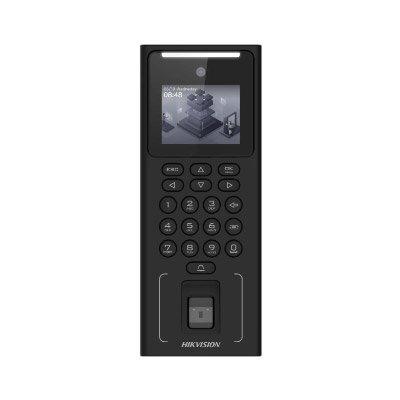
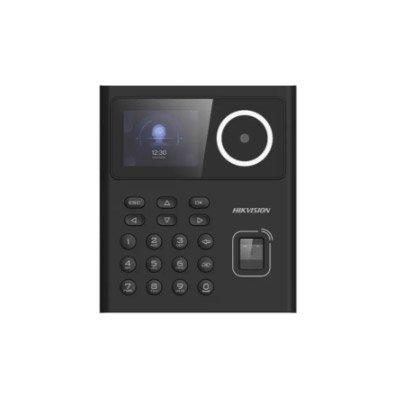
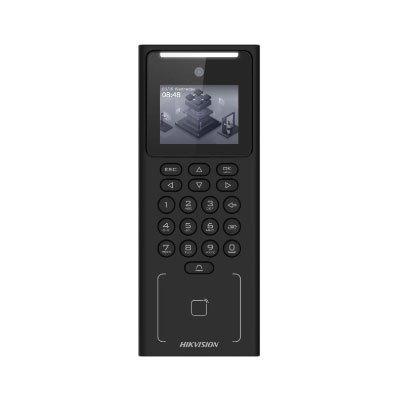
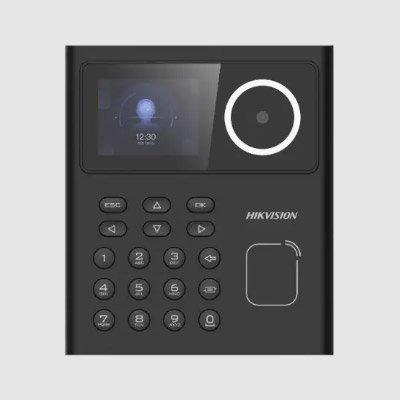
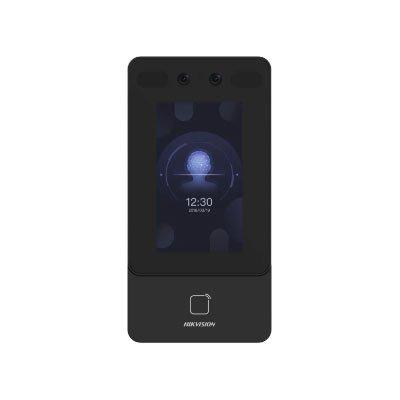
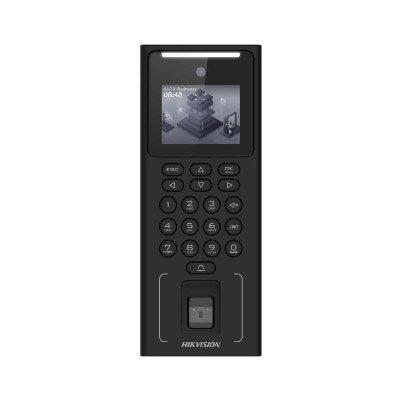
White papers

Physical Access Control
Download
Multi-Residential Access Management And Security
Download
Precision And Intelligence: LiDAR's Role In Modern Security Ecosystems
Download
Managing Security In The Age Of Boundaryless Working
Download
Effectively Branding A Multifamily Property
Download
Integrating Control Access And Security
Download
6 Good Reasons To Embrace Mobile Credentialing
Download
The Welcoming Workplace
Download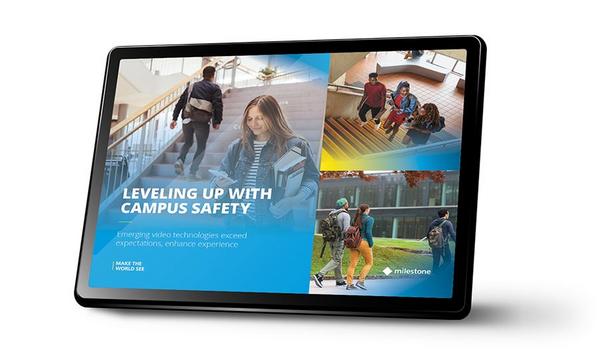
Leveling Up With Campus Safety
Download
Understanding Key Control Systems And Best Practices
Download
Assessing Safety Readiness For Education Campuses
Download
Improving City Mobility Using Connected Video Technology
Download
Public-Private Partnerships On Campus: What You Need To Know
Download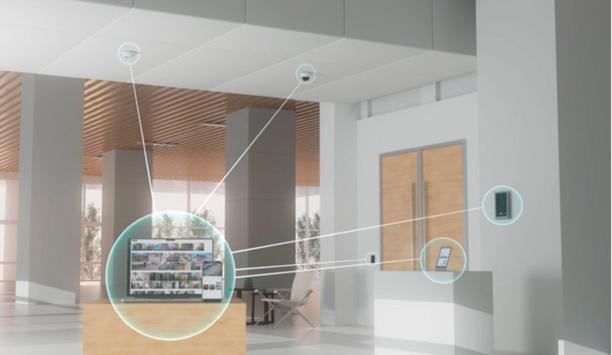
5 Ways To Strengthen Physical Security With An Integrated System
Download
The Benefits of Edge AI + Cloud For Security Systems
Download