Radio frequency Identification

HackerOne, a pioneer in Continuous Threat Exposure Management (CTEM), today released its 10th annual HackerOne Security Research Report, revealing that on the H1 Platform, the backlog of validated, unresolved vulnerabilities grew 131% in two years, even as average resolution time improved 54%. This year's report, Exposure Debt: The Next Challenge in Cybersecurity, introduces the urgent challenge security teams are grappling with in the race to stay ahead of attackers. AI has changed what securi...

Resilience, value retention, and insurability are among the key requirements for modern logistics facilities. At BUILDINX, taking place November 17-19, 2026, in Dortmund, WAGNER Group GmbH will demonstrate how preventive fire protection solutions help meet these requirements and minimize risks at the earliest stage. Visitors can find WAGNER at booth 5. B50. Fire protection requirements for logistics facilities are diverse: Automated storage and material flow systems, high-value goods, and new r...

dormakaba is giving organizations and their employees more ways to capture and manage time and labor across its workforce platform used by more than 6 million people every day. SMILE, the new app for dormakaba B-COMM™ HCM, will launch at HR Tech 2026, October 20-22 in Las Vegas. Attendees can experience the technology at dormakaba Booth #7605. SMILE broadens the ways employees can interact with the B-COMM platform while remaining connected to the Human Capital Management (HCM) and enterpr...

Tenable® Holdings, Inc., the exposure management company, today announced the expansion of the CyberAgents Exchange, powered by Tenable, to further accelerate enterprise security adoption of open-source AI agents, skills and MCP servers. Engineered by Tenable using OpenAI GPT cyber models, the CyberAgents Exchange AI Inspector (Exchange Inspector) evaluates selected AI components listed on the Exchange, including an enterprise-grade safety review, which is designed to help organizations mor...

Allient Inc, a global designer and manufacturer of specialty Motion, Controls, Power and lightweighting composite / advanced materials products and solutions for targeted industries and applications, has today announced it will present its latest defense technologies and solutions at the Association of the United States Army (AUSA) Annual Meeting & Exposition, taking place October 12–14 at the Walter E. Washington Convention Center in Washington, D.C. Storage and deployment systems V...

Scality, a global pioneer in data infrastructure software for AI storage at scale, announces the availability of Scality AI Inference Factory, an open-code software stack for deploying and operating AI inference on enterprise-owned infrastructure. The solution gives enterprises, government agencies and neo-cloud providers a supported alternative to cloud-based AI services, without having to assemble, integrate and maintain the entire software stack themselves. As AI moves from experimentation i...
News

Skanska CDE, a developer of modern office buildings across Central and Eastern Europe, has implemented a digital wallet access control system at its Studio A office building in Warsaw, as part of a growing shift among commercial buildings toward wallet-based credentials as the default. Aimed at removing the friction of separate access apps for employees, tenants and guests, the deployment is built on the company's proprietary StudioApp web application and HID Origo Web Provisioning, a cloud-based credential management platform from HID, a global leader in trusted identity solutions. Mobile access card systems Located in Wola, the burgeoning business district in the Polish capital, Studio A is one of the first large-scale deployments in Europe built entirely on web provisioning rather than a dedicated mobile app. Employees and building staff receive an email invitation and can add their credentials to Apple Wallet or Google Wallet within seconds. Skanska CDE occupies a dual role in the project, as both the developer behind the StudioApp integration and the system's first end user, having deployed it across its Warsaw office before extending it to tenants and guests. The company is evaluating similar deployments across its other offices around the globe. Traditional mobile access card systems require users to download separate building apps, register accounts and go through activation processes, a barrier in corporate environments where security policies limit additional software installs. The Skanska-HID system at Studio A removes that step: users receive and activate their credentials directly within the wallet already installed on their phone. Separate building apps “Our intention was to create an intuitive, secure solution built to scale that responds to the real needs of tenants. The solution not only simplifies access but also meets high requirements in terms of data protection and operational security,” says Rafał Kot, Technical Quality Expert at Skanska Commercial Development Europe. “Moving away from physical badges toward fully digital and integrated solutions sets a new standard in designing and managing the access lifecycle process of a building or office space. In practice, the solution shows that the future of access control lies in systems that are invisible to the user, but highly effective and secure,” adds Mateusz Gluz, Senior Project Leader at Skanska Commercial Development Europe. Access control system The system is powered by HID Origo Web Provisioning for Wallet credentials. To issue a digital credential, an administrator needs only a user's first name, last name and email address. The credential is delivered directly to the user's Apple Wallet or Google Wallet through a secure link, with no app to download or install. Users simply tap their phone at the reader to gain access, using NFC technology. At the heart of the solution is the proprietary StudioApp web application, which serves as a central integration point between the access control system, the parking system and the HID Origo cloud back-end via a local server installed on site. Real-time integration “Web provisioning is a modern way to distribute digital Apple Wallet and Google Wallet credentials. It enables users to receive and install access cards directly via a web interface, without needing a mobile application, while maintaining full, real-time integration with the access control system. The Studio A project is one of the first in Europe where web provisioning serves as the default standard for all employees, tenants and guests using the Skanska property. It provides simple and fully automated onboarding,” comments Kamil Targalski, HID Business Development Manager for mobile access. This deployment demonstrates a faster, lower-friction model for managing access across large office portfolios, without the ongoing cost of maintaining a dedicated mobile app. Visit their Media Center, read Industry Blog, and follow them on Facebook, LinkedIn and X (Twitter).

Colt Technology Services, the global digital infrastructure company, announces that it is the first network service provider to offer a fully managed service for the proven enterprise networking technology solution named SCION (Scalability, Control and Isolation on Next Generation Networks) in Europe, North America and Asia. SCION technology has been developed in Switzerland by technology company Anapaya and is widely used across critical infrastructure, including the Swiss financial community. Combining Anapaya’s pioneering technology with Colt’s global network, operations and enterprise connectivity expertise, Colt SCION delivers next-level resilient networking, ideal for organizations with highly sensitive, regulated or mission-critical network requirements, including energy, healthcare, government, defense and global financial organizations. Mission-critical network requirements With data sovereignty and cybersecurity at the top of today’s boardroom agenda, organizations require complete visibility and control over their data flows. While traditional internet- or IP-based Wide Area Networks (WANs) can provide some visibility over where data travels, Colt SCION gives customers deeper levels of control and complete transparency of their data: organizations can define, audit and enforce exactly how their data travels end-to-end. This helps them meet regulatory requirements, support data sovereignty needs and deliver more predictable performance. Built with resilience and security at its core, this solution helps keep services running smoothly while protecting data from disruption, interception and other network-based threats. High-quality infrastructure Peter Coppens, VP - Product, Colt Technology Services, says, “Trust, resilience and control are non-negotiable for organizations handling critical data. Colt SCION delivers all three, giving enterprises greater assurance over how their data travels. As the first provider to bring SCION-enabled connectivity across Europe, North America and Asia, Colt combines a new security standard with the reach and control of its own global infrastructure.” “Colt’s new SCION-based products will make its advanced security and resilience capabilities available on a global high-quality infrastructure—when the need has never been greater. AI is enabling attackers to automate and scale increasingly sophisticated attacks, while the consequences of downtime for critical services are immediate. Organizations need new approaches to isolate and protect critical services against attacks from the public internet. SCION has proven secure and reliable in these challenging times as critical services are increasingly under heavy attack,” says Martin Bosshardt, CEO of Anapaya. Safeguarding critical data Colt SCION is now commercially available following a two-year proof of concept. Colt worked with developer Anapaya, who rigorously tested and validated the technology with several organizations in the financial sector already using the solution to give them deeper observability and to safeguard their critical data. Businesses can choose from two SCION solutions, each serving different networking needs: Colt SCION Private provides resilient connectivity to existing private ecosystems and extranets, suiting financial institutions looking to connect to existing private domains through partners. Colt SCION Global is a highly secure WAN solution, ideal for organizations looking for an ultra-resilient, secure, sovereign technology on which to build their backbone network infrastructure.

SwiftConnect, the connected access network for places and spaces, announces that international law firm Watson Farley & Williams (WFW) has launched company badges across major digital wallets for mobile-only access at its new London office at 25 Moorgate. As WFW prepared to relocate, more than 450 of their lawyers and staff were provisioned with a mobile credential ahead of their move-in. “Using mobile access at 25 Moorgate from day one is another example of how Watson Farley & Williams is investing in forward-thinking technology across the firm,” said Steven Bridger, Global Head of IT Projects and Change at WFW. “Working with SwiftConnect meant we could give our people an easy and secure way to access the building using their Apple and Android devices versus fumbling for a plastic badge at the turnstile, office doors, smart lockers and printers.” Manually managing plastic cards SwiftConnect’s connected access network integrates the firm’s IT and access control systems, HID credentials and readers, and the mobile app for an effortless Street-to-Seat® experience: WFW employees can now access everything from the base building lobby turnstiles to office spaces and lockers with Vecos Adaptive Workplace Storage technology–all using their mobile devices. Phoenix Trescray led the installation and configuration of the firm’s access control system in their new building. “Watson Farley & Williams wanted a mobile wallet and Street-to-Seat access experience done properly, and we are glad they turned to SwiftConnect, putting WFW among other security-conscious enterprises who look to us to deliver intuitive and modern solutions,” said Brandon Arcement, Vice Chairman at SwiftConnect. “Our connected access network enables an on-demand, self-service access experience that removes friction for employees and frees security administrators from time-consuming, manual processes.” The deployment contributes to the firm’s vision to create a technology-first, experience-driven workplace, while advancing their sustainability goals–empowering them to remotely issue and revoke digital passes versus printing and manually managing plastic cards.

Allient Inc., a global designer and manufacturer of advanced specialty motor, Motion, Controls, and Power products and solutions for targeted industries and applications, has today announced it will showcase its precision motion technologies at SEMICON West 2026, taking place October 13–15 at the Moscone Center in San Francisco, California. Visit them at Booth #5683 to explore the technologies, or contact them to schedule a meeting during the event. Precision motion control At SEMICON West 2026, Allient will present a range of products, including: Precision Motion Stage Demos: ThruSight-Theta and ThruSight Focus Open-center XY stage Asymmetric XY Hybrid Hexapod Frameless Motors: High-performance, slotless, frameless brushless motor kits (TG Series) Premium line of slotless, frameless, inner-rotor brushless motor kits (LS Series) Frameless axial flux motors for low-profile applications (SA Series) High-performance frameless direct-drive brushless torque motors (MegaFlux Series) Frameless torque motors designed for advanced robotics and precision motion control (ElectroFlux Series) Linear Motors: High-force ironless linear motors for demanding motion control applications (P-Series) Ironless linear motors for compact, high-precision applications (C-Series) Linear motors configured to application requirements (Custom Linear Motors) Servo Drives: Pyxmos™ Module Precision rotary motion The ThruSight-Theta stage, mounted on top of an open-center XY stage, demonstrates how Allient's products can be built into precision Semiconduct fabrication equipment, combining precision XY movement with continuous precision rotary motion while allowing a light source through the clear aperture. The system is ideal for semiconductor applications, including metrology and various forms of inspection, or wafer handling/processing. “We’re looking forward to presenting our precision motion technologies and demonstrating how our products can be integrated into systems at SEMICON West 2026,” said Robert Mastromattei, Chief Commercial Officer & Group President at Allient. “This provides an opportunity to showcase the capabilities of our products and discuss how they can support customer applications.”

Hirsch, a global manufacturer of high-assurance electronic security solutions, announces its merger with Prysm, the French software editor behind the AppVision command-and-control platform and a specialist in intelligent video monitoring. Effective 1 January 2027, the transaction will establish the new Prysm by Hirsch brand. The objective is to better meet the needs of Hirsch and Prysm customers and partners alike, including system integrators, end users, OEMs and VARs, through an even more comprehensive security offering and enhanced support delivered closer to the field. Electronic security solutions The merger strengthens Hirsch's ability to support customers and partners across the entire security value chain, from perimeter protection, access control, intrusion detection and Video Management Systems (VMS) to command-and-control solutions. It also creates a new business activity dedicated to monitoring services. This merger will ensure the long-term development and accelerate the growth and commercialisation of the AppVision command-and-control platform, which will now be marketed under the Prysm by Hirsch brand. It will also strengthen synergies between Hirsch France's security portfolio and its command-and-control offering. The move is part of a strategy that Hirsch has successfully implemented in the past, transforming the complementarity of its technologies into growth opportunities, particularly through the integration of Sorhea, Til Technologies and, more recently, Foxstream. Intelligent video monitoring Hirsch reaffirms its commitment to maintaining the continuity of the relationships Prysm has built with its OEM and VAR customers and partners. Teams, sales contacts and existing commitments will remain unchanged. The merger is designed to strengthen the resources and capabilities available to them while fully respecting the independence of their distribution model. The merger also creates a new Hirsch business line dedicated to intelligent video monitoring, led by the teams historically associated with ESI. This new activity further strengthens Hirsch's portfolio and addresses the growing market demand for dedicated monitoring services. Dedicated monitoring services “This merger is fully aligned with Hirsch’s strategy of bringing together complementary expertise to build an increasingly integrated security offering,” said Olivier Reyre, CEO of Hirsch France. “By integrating Prysm’s command-and-control and intelligent video monitoring expertise, we are further strengthening our ability to support our customers and OEM and VAR partners across the entire security value chain, from perimeter protection to monitoring services, including access control, intrusion detection, video management and command-and-control solutions.” “Joining Hirsch enables our teams and our AppVision technology to benefit from the resources and international reach of a global brand, while preserving what has made us successful for more than 25 years: our product expertise and our close relationships with customers,” added Jean-François Galtier, CEO of Prysm. “It also creates new opportunities for our international network of value added resellers to bring the full Hirsch portfolio to new markets.”

Bron, a next-gen self-custodial platform for securely owning digital assets, has launched FaceScan, a wallet recovery feature powered by iProov’s Dynamic Liveness™. Users who lose access to their passkeys or devices can now recover their wallet with a single face scan that confirms their Genuine Presence™ and that they are the same person who set up the account. Digital asset ownership is growing fast, with research from June 2026 estimating that 774 million people globally owned cryptocurrency. Significant recovery challenge For individuals, families and businesses choosing self-custody, where they retain direct control of their assets rather than relying on a third party, losing access to a device or credentials can create a significant recovery challenge. Unlike a traditional account, there may be no provider that can simply reset a password and restore access. FaceScan sits alongside Bron’s existing Guardian recovery, in which two trusted contacts nominated by the user help confirm it is them. Users can set up either, or both, and choose the method that best suits them. FaceScan is available now globally across devices and operating systems. Third-party dependency Andrew Bud, founder and CEO of iProov, said: “Account recovery has always been the hardest problem in self-custody. Losing your device or credentials shouldn’t mean you lose access to what belongs to you. FaceScan provides an easy way to recover your account that doesn’t rely on a seed phrase or on someone else being available, so users can select the option that suits them best. iProov Dynamic Liveness confirms that the real owner of the account is there, live, in front of the camera, while protecting against attempts by an attacker to impersonate them.” "The industry has spent years pretending that losing everything is an acceptable price to pay for self-custody. It isn’t,” said Dmitry Tokarev, founder of Bron. “The challenge has always been making recovery possible without reintroducing the very third-party dependency that self-custody is designed to remove. FaceScan changes that equation by confirming that you are the person who set up the account, without Bron needing to know who you are, and without an identity document, seed phrase, or point at which we take custody. You shouldn’t have to choose between control and recoverability.”

Expert commentary

When news broke that a Renoir painting had been stolen from an exhibition in the south of France, days after 600 diamonds were taken from a museum in Vienna, few in the art or security worlds would have been surprised. Europol had recently published “Changing Tactics, Changing Targets: The Evolving Nature of Museum Heists,” highlighting criminals’ growing focus on high-value objects and their increasing use of force. The latest theft also echoes the Louvre heist almost a year ago, both in how quickly it unfolded and in the security lessons it exposes. When every second counts Both French museum thefts happened in broad daylight. Both were fast. CCTV from the Renoir museum shows the perpetrators cutting through the perimeter fence early in the morning. Police were reportedly on site within five minutes of the alarm being raised. It still wasn’t fast enough. That matters. For many museums and galleries, simply building higher walls or stronger fences isn’t an option As criminals become bolder, custodians of national treasures and high-value objects need to rethink where protection begins. For many museums and galleries, simply building higher walls or stronger fences isn’t an option. These buildings are often architectural landmarks and public spaces. Turning them into fortresses defeats the point. But there is another lever security teams can pull: earlier detection. A few extra seconds of warning could give on-site security or nearby police the time they need to intervene before a work of art disappears. Forget the Hollywood lasers The cover of Europol’s museum heist report shows a criminal wielding a mallet in front of artefacts protected by red laser beams. It is the kind of security system made famous by films including “Entrapment,” “Ocean’s Twelve” and “The Thomas Crown Affair.” Virtual perimeters aren’t science fiction. But the technology available today looks very different. Museums and galleries need stronger protection without compromising their architecture or the visitor experience. One technology attracting attention is LiDAR, a spatial sensing system that uses lasers to understand what is happening within a physical environment An invisible perimeter The technology sends out laser pulses and takes millions of spatial measurements every second LiDAR is already used in environments ranging from railway stations and prisons to electricity substations. Its appeal lies in its accuracy and flexibility. It can operate indoors and outdoors, integrate with existing cameras, alarms and sensors and strengthen security without major physical alterations to a site. The technology sends out laser pulses and takes millions of spatial measurements every second, building a three-dimensional picture of its surroundings. Security teams can use that data to create virtual zones around a building, room or individual exhibit. Those zones can be changed as the site changes. Three-dimensional picture A museum perimeter, for example, might remain protected around the clock. A gallery being prepared for a new exhibition could be temporarily excluded while authorized staff work inside it. Once the zone becomes active again, an intrusion can trigger an immediate alert. The same principle can work while a museum is open. If someone gets too close to an exhibit, crowds begin to form or a person remains in a sensitive area, the system can alert staff or bring up feeds from relevant cameras. That means security teams can focus their attention where it is needed instead of relying on someone to spot every incident across banks of CCTV screens. Seeing what cameras can miss During an attempted robbery, LiDAR can identify the location and movement of people and vehicles During an attempted robbery, LiDAR can identify the location and movement of people and vehicles, including their direction and speed. It also has a significant advantage over conventional CCTV: it does not depend on external light. Detection can continue in bright daylight or complete darkness. That makes the perimeter less about a physical barrier and more about knowing, instantly, when someone crosses a line they shouldn’t. Security before the doors even open The technology can do more than detect intruders. Walk-through simulations allow teams to move through a virtual version of a site much as they would navigate an open-world computer game. Before an exhibition changes, teams can test how a new layout could affect visitor movement, identify blind spots and bottlenecks and assess evacuation routes. That gives security teams the chance to find problems before visitors arrive, not after something goes wrong. Protect the art, not the fortress Museums and galleries face a fundamental tension: make art and culture accessible while protecting objects that can be culturally irreplaceable and financially priceless. The answer cannot simply be more barriers. The next generation of museum security needs to detect threats sooner without getting between visitors and the works they came to see. The strongest perimeter may be the one nobody notices.

Across many sectors, AI is transitioning from an experimental process to a trusted tool, but how will construction - and architectural ironmongery specifically - balance this technological opportunity with traditional practice? Artificial intelligence was once considered the trend of tomorrow, but it’s now here, and already it’s impacting the design, specification and management of the built environment. Following a period of refined development, the technology is emerging as a valuable tool for architectural professionals, with its growing role signifying far more than a passing industry trend. Passing industry trend According to the Royal Institute of British Architects’ (RIBA) Artificial Intelligence Report 2025, 59% of architectural practices now use AI on at least some projects, an increase from 41% in 2024. Furthermore, a global survey led by the Royal Institution of Chartered Surveyors in 2025 found that 56% of investors planned to increase AI investment, suggesting that the rate of adoption will continue to accelerate over the coming years. However, whilst innovation typically creates opportunity, there are challenges to address These findings represent a cultural shift, one where AI is firmly embedding itself into workflows and influencing the decision making process. However, whilst innovation typically creates opportunity, there are challenges to address. As more professionals equip themselves with an arsenal of AI-driven tools, are we in danger of becoming overly reliant on technology? Or are those reluctant to adapt likely to be left behind? Daniel May, Director at Consort Architectural Hardware, shares insight: Repetitive administration tasks “The development of the built environment has always relied on technical precision. Specifications naturally contain large volumes of product information and technical data, with professionals managing document-heavy tasks in the form of specification writing, door scheduling and BIM coordination in order to meet project requirements and compliance obligations. All of this data must be analyzed and processed accurately - often in line with demanding timescales - and it is here where AI can offer the greatest value.” “Where time was once consumed by repetitive administration tasks and information processing, professionals are now embracing AI as a means of working more efficiently. For architectural ironmongery specifically, where specification accuracy is critical, AI has the potential to support architects and specification professionals as they navigate the product selection process. As a tool, AI can streamline documentation by rapidly processing performance data and certification requirements, whilst also identifying inconsistencies and absent compliance information within schedules.” Complex project requirements “AI systems are helping professionals navigate increasingly complex project requirements quickly, accurately and consistently. As machine learning and autonomous models continue to advance, these tools may further reduce the administrative burden associated with architectural work models whilst improving accuracy and minimizing the risk of human error in the process. With that said, the effectiveness of AI software is very much reliant on the quality of the information it receives.” “With the sector so deeply tied to fire safety, accessibility, security and regulatory standards, the caution around adopting AI as common practice is of course justified. Historically, much of the construction industry has been measured in its adoption of new technology, partly due to the critical nature of compliance and the significant consequences of error. Though, AI feels somewhat different because of its pace and potential, and as such, organizations must be measured in their approach to it, ensuring that professional knowledge remains central to delivering safe, efficient and compliant building projects.” The human element As industry standards and the legislation surrounding the built environment continues to evolve, so too will the methods used to achieve high level design and compliance. Seemingly, AI looks set to have an increasingly prominent role, but it should be viewed as a collaborative partner capable of enhancing professional expertise as opposed to a system that can, or should, do it all. Daniel continues: “At this stage, AI alone simply can’t understand the nuances of individual projects and that has implications for both design and compliance. This is particularly relevant in the post-Grenfell regulatory landscape, where accountability, traceability and evidence-based decision-making have become fundamental to product specification and delivery.” Building greater trust “Although AI can assist with information processing, the technology is not ultimately responsible for the decisions being made. Accountability has rightly become a major focus point in construction, and as AI continues to disrupt practices, the industry must ensure that responsibility remains clearly defined. AI-driven errors could lead to serious penalties in relation to compliance, safety and project delivery, proving human expertise remains critical.” “Moving forward, greater transparency within AI systems will be key. If professionals are able to understand how or why AI recommendations have been generated, they can assess them with confidence, building greater trust in the technology.” Architectural design solutions “When it comes to architectural design, the emotional intelligence, contextual understanding and creative balance offered by a team of professionals far outweighs the speed that AI can offer. Already, AI is being used to support visualization and concept development for multi-layered projects in hospitality, healthcare and commercial environments to name a few, helping teams to explore ideas and communicate concepts at a quicker rate.” “However, can AI effectively develop architectural design solutions based on the bespoke requirements of a project, the operational needs of its users or even the general character of the building? Most would argue that it’s not conceivable, because AI lacks the lived experience and contextual understanding that comes from being present in the project itself.” Architectural ironmongery products “For architectural ironmongery products, professionals must regularly assess how products will function in real environments. Human intuition is impossible to replace and those informed design decisions, made by human professionals, will always be essential. Whilst some question whether AI could one day plan and deliver a project from concept to completion, perhaps the more important question should be whether future generations of professionals could lose the critical design and specification skills that are needed, should the industry become too dependent on AI.” “There is a growing sense of inevitability surrounding AI’s influence on architectural ironmongery and the wider built environment. As the industry continues to embrace this new wave of technological development, it is important to remember that innovation must complement the knowledge, judgement and accountability of the professionals who create safe and functional buildings, not replace it.”

In logistics hubs, production facilities and distribution centers, the access control system is invisible—until it isn't. For decades, the 125 kHz card has been the workhorse of industrial credentialing: inexpensive, reliable and universally understood. It does exactly what it has always done. That consistency has served many organizations well, even as security needs and credential From authentication to smart buildings, gain expert insights about unified access. The same card technology that opened the warehouse gate in 2005 is opening it today. And while operations teams have upgraded conveyors, ERP systems and warehouse management platforms, the front door has often remained on technology selected for an earlier era. Major operational event Why? It is rarely about a lack of awareness. More often, organizations are balancing cost, time and operational risk. In a facility that never stops, a full systemwide upgrade can feel less like a routine project and more like a major operational event. The path forward is continuous modernisation: deploying an agile access layer that adapts to new security requirements and credential technologies over time, rather than replacing everything at once. Universal reader technology makes that possible, without the “Big Bang” shutdown. Why legacy systems can benefit from modernisation The 125 kHz card (also named proximity, prox or low-frequency) helped set a practical standard for convenience and broad compatibility, but many organizations are now evaluating where its security model can be improved by newer options: Increased cryptographic protection. Traditional low-frequency credentials transmit a fixed identifier, which can make them harder to align with today’s expectations for encrypted and dynamic authentication. Increased credential validation. Traditional proximity systems do not provide the kind of mutual authentication or challenge‑response mechanisms that are increasingly common in newer credential platforms. Better protection from duplication/cloning. Because the credential model is comparatively simple, 125 kHz cards present fewer barriers to duplication or cloning than modern encrypted credentials which are inherently designed to better distinguish authorized users from copied identifies. An opportunity to secure the full path. Many legacy deployments also rely on Wiegand communication between reader and controller, creating a strong case for modernisation to encrypted, supervised protocols that help protect credential data in transit. Keeping the interoperability benefit of Prox. Newer open standard provides the same interoperability benefits while addressing improved security. The opportunity for the front door At the same time, security teams face an expanding threat landscape and compliance requirements A traditional access control upgrade is not just a technology swap. It means new readers at every door, new credentials issued to every employee and contractor, platform reconfiguration and installation labor across a facility that cannot afford to stop. Against that backdrop, the rational choice is often to do nothing. At the same time, security teams face an expanding threat landscape and compliance requirements that increasingly demand encrypted credentials. And with Apple Wallet corporate badges and BLE mobile credentials moving into the mainstream, employees and contractors will soon expect to use their phone as their badge, at least as an option if not the primary means of credential presentation. Four specific friction points keep organizations locked in place long after they know they should move. The logistical bottleneck - Replacing a proximity-based system has traditionally meant doing everything at once: new readers, new credentials, new platform configuration, every employee and contractor rebadged before the cutover date. For a site running 24/7 with extensive staff and rotating contractors, that isn’t just an upgrade. It’s a logistical nightmare requiring a hard shutdown. The rebadging event alone, coordinating hundreds or thousands of people through a credential transition on a fixed timeline, can consume weeks of HR and security operations bandwidth. The Credential Soup - Most logistics organizations are not running one clean credential population. They are running three or four: legacy prox for permanent staff, a different format inherited from an acquisition, a contractor badge system managed by a third party, a mobile pilot that never fully rolled out. None of them talk to each other, and no single reader handles all of them. Frozen Infrastructure - Static readers support only the credential formats they shipped with or have limited format support for updates. When a new vulnerability is disclosed or a new mobile standard is released, the hardware has no path to adapt. The only option is physical replacement, which means another capital project, more installation labor, and the same shutdown risk all over again. The Cyber-Physical Gap - IT departments run zero-trust architectures and encrypt everything on the network. Then the same organization unlocks its server room with a Wiegand-protocol reader transmitting credentials in plain text. The IT security perimeter ends at the network edge. The physical front door is a different conversation entirely, and often nobody's budget. The way forward: Continuous modernisation of access credentials A continuous modernisation plan is both easier and more cost-effective than a one-time “rip-and-replace” event The answer to the Big Bang problem is not a better-planned Big Bang. It is a fundamentally different approach to access infrastructure that treats modernisation as an ongoing capability rather than a one-time event. A continuous modernisation plan is both easier and more cost-effective than a one-time “rip-and-replace” event. It significantly lowers the labor and logistical costs of rebadging the entire organization at once and eliminates the need for forced downtime entirely. Instead, organizations upgrade incrementally (by site, by department, or as credentials expire), keeping operations running and spreading costs over time. And with future-proof universal reader technology, the reader stops being a fixed asset and becomes a platform that continues to evolve as needs change. Start with a universal infrastructure The foundation of continuous modernisation is a universal reader that can handle whatever credentials are already in the building (legacy proximity, modern smart cards, mobile credentials) while remaining ready for whatever comes next. As access technologies continue to evolve, support for additional credential formats and security approaches can be added through firmware updates rather than hardware replacement, ensuring a secure and future-proof access system. The burden can further be eased by the use of a universal credential that can support existing formats along with new formats, enabling the credentials to work on existing readers as well as new readers. Let old and new credentials coexist Legacy 125 kHz cards continue to function in parallel until the organization is ready to retire them With a multi-technology reader in place, the rebadging process becomes a rolling transition rather than a synchronized event. New employees get modern credentials from day one. Existing staff transition as badges are renewed or departments are prioritised. Legacy 125 kHz cards continue to function in parallel until the organization is ready to retire them. Eventually, 125 kHz support or insecure credential support can be switched off, cleanly and deliberately, via a remote firmware update. That means no forced downtime, and no mass confusion at the turnstiles. This applies equally to secure migration to either modern symmetric credentials (such as HID Seos or LEAF) or emerging asymmetric credentials (such as PKOC, Aliro or LEAF Verified). Secure the whole chain, not just the card Upgrading credentials without addressing the communication layer is only half the job. Moving from Wiegand to OSDP Secure Channel (a bidirectional, AES-128 encrypted protocol) closes the replay attack vulnerability and adds tamper detection between reader and controller. Modern credentials and a secure communication layer together protect the entire authentication chain, from the card or smartphone all the way to the access control platform. This becomes critical when the reader is handling the decryption of a secure credential and then communicating to the panel in clear text. OSDP encrypts this last step of communication, while also offering industry best practices for managing reader devices. Choose infrastructure that doesn't choose for you Interoperability is not just a convenience feature. It is a strategic asset Interoperability is not just a convenience feature. It is a strategic asset. A facility running universal reader infrastructure compatible with most transponder technologies and credential formats (physical and mobile) is insulated from vendor lock-in and the next credential transition. Universal readers also act as merger-and-acquisition insurance: when a company acquires a facility running a different badge system or a contractor arrives with an unfamiliar card format, existing readers can be configured to accept the new credentials from day one. As access technologies and credential standards continue to evolve, organizations with adaptable reader infrastructure will absorb that shift as a firmware update. Those without it will face another capital project. A market in motion: beyond legacy credentials Emerging open standards (which reduce vendor dependency) and widely adopted proprietary platforms are both moving the market toward stronger cryptography. These credentials can be delivered on physical smart cards, mobile devices or both. Organizations selecting reader infrastructure today should ensure it is prepared to support this transition without requiring a hardware swap. Several initiatives are gaining significant traction: LEAF Identity: An interoperable credential framework built on strong symmetric encryption, already deployed across a meaningful number of installations and a proven replacement path for legacy proximity systems LEAF Verified: A next‑generation physical access credential platform built on NXP’s MIFARE DUOX that uses public‑key cryptography to eliminate traditional shared key management and enable interoperable, vendor‑neutral access control. PKOC (Public Key Open Credential): An open, vendor-agnostic credential specification from the Physical Security Interoperability Alliance using asymmetric public key cryptography, in which the private key never leaves the device and a derivative of the public key is the credential Aliro: An open mobile-first credential standard released in February 2026 by the Connectivity Standards Alliance (CSA), the organization behind the Matter smart home standard. Backed by Apple, Google, Samsung, and 220+ industry members providing native wallet, offline device support and mailbox features on top of asymmetric public key cryptography. HID Seos: A widely deployed proprietary credential platform that continues to drive responsible, large-scale secure symmetric-based encrypted deployments across small to enterprise environments for both card and mobile deployment, including wallet. Security that scales The same principles apply equally to a single site or a logistics operator running 5,000 employees The same principles apply equally to a single site or a logistics operator running 5,000 employees across a dozen sites. Because no single cutover date is required, a large organization can sequence the migration by site, by department or by credential expiry cycle. The operational risk that makes a traditional upgrade unthinkable at scale becomes manageable when the transition is invisible to the people walking through the doors. The pressure to act is reaching a tipping point. Apple Wallet corporate badges and BLE mobile credentials are arriving in earnest in 2026, as well as asymmetric smart card options. These technologies are rapidly moving from isolated pilots into mainstream enterprise deployment across logistics, manufacturing and production environments. Evolve security infrastructure Organizations that have already invested in universal reader and credential infrastructure that is firmware-updateable and mobile-ready will absorb that shift without a second thought. Those that haven't will face another rip-and-replace decision just as the mobile credential wave hits. Organizations that have already invested in universal reader and credential infrastructure Continuous modernisation is not a one-time project. It is a permanent capability: the ability to evolve security infrastructure at the organization's own pace, without forced downtime, without mass rebadging events, and without being held hostage to the next credential transition. Organizations that build that capability today are not just solving a security problem. They are future-proofing the way their facilities move. Universal access from ELATEC ELATEC's TWN4 universal readers are built on an agnostic design strategy: multi-technology, multi-frequency, and software-configurable, so organizations are not locked into a single credential technology or vendor. Key capabilities across the TWN4 family: Support for 100+ physical and mobile credentials and 60+ transponder technologies RFID, NFC, and BLE in a single reader platform Software-configurable via the ELATEC DevPack: credential formats, encryption settings, and security protocols can be updated remotely without hardware replacement Supports backward and forward compatibility as new standards emerge Available in a range of form factors for door access, desktop enrollment, OEM integration, and industrial applications
Security beat
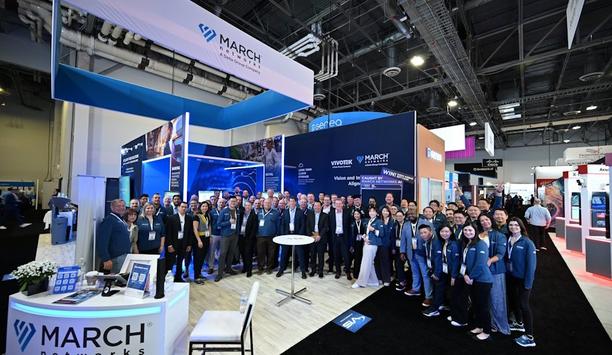
Combining VIVOTEK’s branded video security business with March Networks paves the way for the combined brands to meet customers’ increasing appetite for integrated solutions rather than individual components. The merger brings VIVOTEK's branded video security business together under one operating structure with March Networks’ enterprise-grade video surveillance, AI analytics, and cloud-managed security solutions. Customers now have access to a broader, more integrated portfolio spanning enterprise video management, advanced cameras, edge artificial intelligence (AI), cloud services, recording platforms, and business intelligence, says Net Payne, Chief Sales & Marketing Officer at March Networks and VIVOTEK. Distinct product strategies Given the combined companies, product development, sales, marketing, and customer support can move in step rather than in parallel. March Networks and VIVOTEK were already both part of the Delta Electronics family, but they previously operated as separate businesses with distinct product strategies, teams, and routes to market. March Networks and VIVOTEK announced the merger of their branded video security businesses last spring following Delta Electronics' acquisition of remaining VIVOTEK shares. “Aligning our complementary capabilities lets us innovate faster, simplify engagement, and respond more quickly to a market moving toward AI, cloud and intelligent video,” says Payne. This merger reflects a broader shift across the physical security industry, adds Payne. “Customers no longer see video purely as a tool for reviewing incidents after the fact,” he says. “They expect it to help identify risks earlier, simplify investigations, improve operations, and support better decisions across the organization.” Cloud video management Meeting customer expectations requires more than bolting AI features onto existing systems Meeting customer expectations requires more than bolting AI features onto existing systems. Rather, it requires cameras, edge intelligence, recording, software, cloud services, and business data working together as one coordinated platform. “By bringing March Networks and VIVOTEK together, we combine deep expertise across the full video technology stack while preserving the relationships, sector knowledge and customer focus both companies have built over many years,” says Payne. “Our goal is to make intelligent video more integrated, scalable, and practical for customers and partners worldwide.” Both entities bring strengths to the combined companies. March Networks brings experience in enterprise software, cloud video management and large-scale deployments; while VIVOTEK brings strength in imaging, camera technology and edge intelligence. Together they seek to ensure more choice when designing systems, a clearer path for future expansion, and technologies that work together more effectively without compromising the reliability, cybersecurity, and support customers expect from both companies. Advantages for channel partners Channel partners gain a broader portfolio to address a wider range of customer requirements, combining components as each deployment demands. Channel partners also benefit from expanded geographic reach, deeper technical expertise, and greater investment in training and enablement. “Importantly, this is designed to be a seamless transition,” says Payne. “Partners keep working with the teams and relationships they already know, while gaining access to new capabilities and certification opportunities. Over time, that alignment should make it easier to design, deploy and support complete solutions.” Because they are established and respected brands, March Networks and VIVOTEK branding will continue to be used. Rebranding is not a goal, and neither identity is being replaced by the other. Coordinated decision-making “The immediate priority is organizational alignment by making it easier for customers and partners to benefit from the combined portfolio,” says Payne. Product branding will continue to reflect the relevant portfolio and market context. As product roadmaps become more closely coordinated, customers can expect greater interoperability and a more cohesive experience, says Payne. Any future branding changes will be managed carefully and communicated clearly. Combining the businesses reduces duplication and enables coordinated decision-making across product strategy, engineering, sales, marketing, operations, and customer support. “Instead of developing capabilities independently, teams can share their expertise, align roadmaps, and direct investment to where it has the greatest customer impact,” says Payne. Combining specialized knowledge globally The combined organization operates across six continents and more than 75 countries The combined organization includes more than 300 research and development (R&D) engineers across four Centres of Excellence in Canada, Taiwan, Italy and Poland, thus bringing together a substantial base of specialist knowledge. The unified network also sharpens the ability to prioritise global opportunities, respond to regional needs and bring innovations to market faster. The combined organization operates across six continents and more than 75 countries, supported by more than 1,100 certified channel partners. That footprint provides greater capacity to support multinational customers while staying responsive to local market needs. Looking ahead, future growth will increasingly come from helping customers turn video into useful, actionable intelligence. “The market is moving beyond conventional surveillance toward solutions combining AI, cloud services, edge processing, video management and operational data — and our new structure brings these together as one connected solution rather than several isolated technologies,” says Payne. Broader technical expertise There will also be closer collaboration among specialists in imaging, hardware, software, analytics, and cloud, which is important given how much customer infrastructure, regulatory, and deployment requirements vary. The companies can support cloud, hybrid, and on-premise environments, giving organizations a practical path toward more intelligent video. More choice comes from bringing together complementary technologies across product groups. Greater scale is achieved through a larger engineering organization, broader technical expertise and more capacity to invest in innovation. Challenges for the industry at large Looking to the future for the industry at large, the greatest challenge will be managing the rapid growth of AI Looking to the future for the industry at large, the greatest challenge will be managing the rapid growth of AI responsibly, securely and at scale, says Payne. Video systems will generate more data and automate more decisions, but organizations must be able to trust how that intelligence is created, protected, and applied, he adds. “Cybersecurity, privacy, data sovereignty, system interoperability and AI accuracy are more important than ever,” says Payne. Addressing these elements requires expertise across the entire technology stack: from camera and edge processing to recording, cloud infrastructure, video management and analytics. “Together, March Networks and VIVOTEK can coordinate development across all these layers, giving customers flexible architectures that balance innovation with security, transparency and operational control,” says Payne.

IQSIGHT seeks to bring visual intelligence to environments where clarity, reliability, and trust matter the most, says CEO Sabrina Stainburn. Formerly Bosch Video Systems, IQSIGHT is an intelligence-first video security company, combining more than 60 years of engineering expertise with real-time intelligence to help organizations see clearly, act confidently, and improve outcomes in environments when every second matters. While the brand is new, the technology, reliability, and trust behind it are familiar— the products still carry the Bosch name, and the engineering teams remain the same to ensure the continuation of the Bosch legacy. As a result, customers can expect the same standards they rely on today. Embracing emerging technologies IQSIGHT is embracing emerging technologies. “We are applying AI where it delivers value by helping systems understand what is happening and surface the events and patterns that matter most—so customers can detect risk earlier, make faster decisions, and operate with confidence,” says Stainburn. With intelligence at the edge, the cameras act as sensors to secure premises, make buildings safer, and monitor perimeters — without requiring a cloud connection. Edge-based AI also supports integration into existing systems to add visual intelligence without a rip-and-replace — such as adding cameras with visual gun detection outside of entrances or supplementing systems with the ability to detect clothing color and other attributes. IQSIGHT combines the Bosch video portfolio with new AI-enabled capabilities AI-enabled capabilities IQSIGHT combines the Bosch video portfolio with new AI-enabled capabilities designed to remove blind spots IQSIGHT combines the Bosch video portfolio with new AI-enabled capabilities designed to remove blind spots and support earlier, better-informed decisions. The portfolio continues to include intelligent cameras, such as the FLEXIDOME, AUTODOME, DINION, and MIC models, AI-enabled Intelligent Video Analytics Pro (IVA Pro) offerings, and recording and video management solutions, such as BVMS software. This year, the portfolio will also expand with technologies and solutions built on IQSIGHT’s new intelligence-first platform. Vertical markets that are core to the strategy include government, critical infrastructure, education, and smart cities, all industries closely connected with safety, continuity, and operational performance. In these environments, visual intelligence helps organizations address practical challenges — securing perimeters, enhancing safety, and improving traffic flow — so they can operate securely and efficiently. Visual intelligence helps organizations address practical challenges Operating securely and efficiently “Reliability is essential in these industries, and our cameras are engineered to Bosch quality standards and designed to perform in demanding conditions, including extreme weather, while delivering dependable video and accurate analytics where it matters most,” says Stainburn. “These strengths make our video solutions ideal for any industry where security must be uncompromised.” IQSIGHT evolves from the sale of Bosch’s security and communications technology product business to European investment firm Triton on June 30, 2025. The product brands for video systems, access control, intrusion systems, and communications systems united under the roof of the new company Keenfinity Group. New organizational structure The Keenfinity Group now operates as a holding company consisting of four businesses In late 2025, Keenfinity Group introduced a new organizational structure designed to unlock the next chapter of growth and innovation. The Keenfinity Group now operates as a holding company consisting of four businesses, including the video systems business now called IQSIGHT. Bosch has a long history of partnerships and integrations, and partnerships will remain essential to how IQSIGHT delivers value and flexibility for customers. “We work closely with technology partners to ensure customers can use visual intelligence within the platforms and architectures that best fit their operations,” says Stainburn. Secure-by-design approach Deep integrations include VMS platforms, such as Genetec and Milestone, thus enabling real-time insights across on-premise and cloud environments. This approach gives customers choice — without compromising performance, security, or reliability, according to IQSIGHT. “Continually strengthening our existing partnerships is vital, and we regularly add capabilities to these integrations to deliver new features to enhance security and safety for customers,” says Stainburn. “Cybersecurity is not a feature for us — it’s a foundation,” Stainburn emphasises. “As video systems become more connected and intelligence moves closer to the edge, trust must be designed in from the start. We take a secure-by-design approach across our hardware, software, and integrations. That means protecting data at every stage — from capture to analysis to delivery.” Combining sight and intelligence Just as important, the company works closely with partners and customers to ensure systems fit into their broader security and IT strategies. “When organizations rely on video to make critical decisions, security and reliability must be non-negotiable,” says Stainburn. Stainburn sees video as evolving from traditional surveillance into “visual intelligence” — moving from simply recording events to understanding what is happening in real time. By combining sight and intelligence, organizations can see patterns, giving them the power to predict events that may happen. Proactively addressing risks Stainburn sees video as evolving from traditional surveillance into “visual intelligence” Traditionally, video security was based on video surveillance — an investigative tool for users to review what has already happened. With AI, users can take a different approach — looking at patterns to better secure their premises and have the foresight to intervene before incidents escalate. AI helps systems understand what is happening in a scene, enabling them to discern between a person standing at a train platform and an individual vandalising a train platform, someone holding a power drill versus someone holding a gun. “This level of visual intelligence brings clarity to unfolding events to assist users in proactively addressing risks,” says Stainburn. AI-enabled video systems With foresight, end users can prevent those events from occurring or other issues from escalating. The ability to discern patterns can also influence decisions around safety, resource use, and the customer experience, says Stainburn. “While security will always remain core, we expect visual intelligence to play an increasingly important role in improving operational efficiency across many environments over the next five years.” Not all AI-enabled video systems are equal. Edge, cloud, and GenAI-based tools have different strengths and selecting one approach over another depends on the application or the problem customers need to solve. IQSIGHT works closely with integrators and end users to understand the challenges they are addressing and to provide guidance on the best AI approach to reduce risks, lower response times, and improve operations. Proof of concept projects are important to demonstrating performance in the real world. That’s where IQSIGHT gains an advantage with solutions that deliver reliable results even in challenging conditions, says Stainburn.

Security professionals are recognizing the intelligence value of leveraging publicly and commercially available information. This information can now be accessed more effectively from typically hard-to-reach regions. Also, the technological capabilities have matured in our age of artificial intelligence, machine learning, and data science. Intelligence has historically been based on classified data. However, today’s unclassified data, including open-source intelligence (OSINT), is increasingly being used to provide context and queuing for other types of intelligence. Advanced identity intelligence Babel Street is a technology company providing advanced identity intelligence and risk operations using an AI-enabled data-to-knowledge platform to unlock insights from a flood of data. The company provides advanced data analytics and intelligence for the world’s most trusted government and commercial organizations. Experts have predicted that by 2025 over 463 exabytes of data will be generated each day globally The sheer volume of data is growing exponentially. Experts have predicted that by 2025 over 463 exabytes of data will be generated each day globally. Not only are we seeing exponential growth in the volume of data, but there is also disparity in the veracity and the variety of data. This is being compounded by the ‘app economy’ in which data is created in a new format for every app added around the globe. Human language technology “The problem is that the data ‘junk’ and the ‘crown jewels’ are in the same bucket, and government and commercial entities need better and faster ways to extract intelligence from these torrents of data,” says Farid Moussa, VP, Strategy & Public Sector, Babel Street. Prior to joining Babel Street, Farid retired from the National Security Agency (NSA). He has guided video, image, speech, and text analytics (VISTA) and developed an appreciation for human language technology. An elusive source of data is the Dark Web, where every user, by design, is attempting to obfuscate their identity, and bad actors are hiding much better. “This presents a cat and mouse game – the cat must be smarter than the mouse, but the mouse is continually getting smarter,” says Moussa. Intelligence tools for data analysis SIGINT and HUMINT – while both vital – are also the most expensive forms of intelligence There are several intelligence tools for analyzing data. One of them is signals intelligence (SIGINT), which refers to electronic transmissions collected by ships, planes, ground sites, or satellites. Another is human intelligence (HUMINT), which is collected in a human-to-human fashion. Open-source intelligence (OSINT) is obtained by searching on topics or entities of interest that are publicly available on the Internet at large. Today, these various categories are often done in ‘silos of excellence.’ However, the best practice is using all forms together in a holistic fashion. SIGINT and HUMINT – while both vital – are also the most expensive forms of intelligence, while OSINT, which is growing in importance, is most cost-effective. All are vital forms of intelligence; OSINT is complementary and crucial to holistic intelligence practices. Holistic intelligence practices When it comes to physical security of people and places, OSINT has become a critical source of actionable information. Security directors leverage Publicly Available Information (PAI) to safeguard against threats to individuals, property, travel routes, and event sites. By monitoring PAI, security teams can detect and respond to potential dangers, including during and after events where thorough preparation is vital. Online information can contain warning signs of impending threats. It informs security professionals in uncovering digital traces, confirming intentions, and addressing risks across language barriers, ensuring proactive risk management for the protection of people and property. Role of Natural Language Processing (NLP) The Internet and social media were mostly English language by default, but that has changed exponentially Natural Language Processing (NLP) is a crucial capability that has evolved to recognize the richness and variety of words and names in multiple languages and scripts, and their use across cultures. Using machine learning and linguistics algorithms, the technology simultaneously considers numerous types of name variations. At one time, the Internet and social media were mostly English language by default, but that has changed exponentially. Babel Street’s world-class entity matching technology measures over 100 features to calculate the similarity of entities across multiple languages. Despite advances in data management and the cloud, there are still multiple challenges and complexities with integration of these data elements. Challenges include spelling variances/phonetics, language translation issues, criminal evasion, human error upon input, typos, etc. Accessing data from a scattered landscape While there have been advancements in cloud technologies, agencies utilizing open-source data are typically working within a highly scattered data landscape and must use a wide array of tools to get at the relevant pieces. This fragmentation makes it difficult to run analytics and apply AI and machine learning at scale in order to derive actionable insights. Unstructured and relationship data are visualised through advanced link analysis As with many disciplines, artificial intelligence (AI) is changing the game when it comes to intelligence. NLP and AI algorithms are employed to enhance datasets for greater quality, usability, and completeness. Unstructured and relationship data are visualized through advanced link analysis, geographic heat maps, influential entity carousels, topic clouds, and patterns by time and day. Geographic heat maps The advanced algorithms accurately score and prioritize critical entities within the relationship network while providing the citations from which an AI/ML-based decision was made. “With the democratization of AI, the world is becoming flat,” says Moussa. “Just like the most prosperous countries, even the poorest countries have the most advanced capabilities to do damage. Third-world economies often present a scenario where the financial gain of nefarious schemes and low-to-no regulation combine to incentivize bad actors.” The Challenges of Name Matching Identity has been an ongoing challenge for intelligence analysis due to the vast complexity of linguistics, spelling and cultural variances, human error, as well as human evasion. Technology and data science approaches are maturing, however machine translation can still struggle with meaning. The best-of-breed natural language processing capabilities run against the data while it still is in its native language. This minimizes the occurrence of analytic errors caused by inaccurate machine translations. This minimizes the occurrence of analytic errors caused by inaccurate machine translations It’s tempting to think that name matching is like doing a keyword search. The complexity of language makes it more challenging. New names are constantly created, with multiple spellings and no set of rules to encompass how names are formed. They are variable across languages, scripts, cultures, and ethnicities. Culturally specific nicknames and aliases add to the complexity. Replacing human involvement The investigation of the Boston Marathon Bombing in 2013 spotlighted an example of the significance of intelligence analysis. Even though the FBI had issued a detain alert for Tamerlan Tsarnaev back in 2011, Tsarnaev managed to travel to Russia in January 2012; and in July 2012, he returned to Boston. He was not detained on either occasion because there were too many names on the lists, and Tsarnaev’s last name had been spelled differently from the way it was on travel documents, thus enabling him to get through security. With the Internet, social media, and the dark web, there’s been an exponential increase in public communications in various languages, adding significantly to the amount of analysis required to keep societies safe. Name matching, using AI, analyses multiple contextual data points across languages to arrive at matches. Name matching, using AI, analyzes multiple contextual data points across languages to arrive at matches A common misconception is that this technology will replace human intelligence. “It’s more accurate to recognize its role as a force-multiplier, allowing humans to focus on the on the harder problems and/or vetting the results of AI,” says Moussa. “The technology can efficiently analyze massive volumes of data and distill it into actionable information in a timely manner. It augments human capabilities, enabling analysis at speed and scale beyond human capacity, without replacing human involvement.” Commercial Technology to the rescue “When it comes to threat and identity intelligence, we face a risk-confidence gap, underscored by the challenge of integrating traditional tactics with the modern digital landscape,” adds Moussa. “We cannot ‘hire’ our way out of this problem. Instead, it is imperative that we adopt technology to scale our efforts and free humans to solve the harder problems that machines cannot solve yet.” The public sector loves to build things, but there are time-to-value and return-on-investment considerations to the ‘build or buy’ decision. When commercial technology can be leveraged by government, it frees resources up to work on problems that the commercial world hasn’t yet figured out, says Moussa. “The public and private sectors need to come together – one team, one nation, working together with mutual trust and collaboration,” he says.
Case studies

Genetec Inc, the pioneer in enterprise physical security software, announces Cairo Bank has successfully deployed the Genetec Security Center platform transforming how the financial institution monitors, manages, and optimizes operations across one of Egypt’s largest branch networks. Cairo Bank is one of the largest and oldest financial institutions in Egypt, serving over three million customers through more than 230 branches. The security advancement was driven by new regulatory requirements from the Central Bank of Egypt, alongside Cairo Bank’s broader digital transformation agenda aligned with Egypt Vision 2030. Beyond compliance, the bank needed a scalable operational intelligence foundation to strengthen oversight, improve customer experience, and support long-term expansion and financial inclusion. Necessary operational foundation The implementation unifies video surveillance, access control, and intrusion detection into a single platform, allowing operators to centrally manage more than 6,000 cameras across 122 active branches, with deployment across the full network nearing completion. The platform provides the necessary operational foundation for a centralized Command and Control Room, where operators can monitor branch activity, coordinate response, and support decision-making across the institution. The system also separates operational responsibilities. IT and security teams can monitor device health and system status without accessing sensitive video feeds, supporting strict data governance and privacy requirements. “Unification and scalability were just the starting points. From day one, I knew we wanted functionalities that add value to all aspects of our operations. Security Center delivered everything we wanted in one easy-to-use solution,” said Major General Hesham Tawfiq, Head of Security at Cairo Bank. Enhancing operational consistency Beyond traditional surveillance, the platform introduces automation and analytics capabilities that support both security and operational decision-making across its branch network. These capabilities are now embedded across the entire branch network, helping Cairo Bank strengthen compliance reporting, improve risk detection, and enhance operational consistency at scale. The platform also provides insights into branch activity patterns, customer flow, and operational trends, extending the value of security data beyond incident monitoring while keeping governance and operational control central to the deployment. Existing infrastructure investments Security Center’s open architecture allowed Cairo Bank to integrate best-of-breed hardware while preserving existing infrastructure investments. It also enables the bank to add technologies and expand the deployment over time without standardising on a single hardware provider. “We are honored to work with a forward-thinking institution like Cairo Bank that continuously seeks new ways to leverage technology,” said Firas Jadalla, Regional Director, Middle East & Africa at Genetec Inc. “By unifying systems, the bank is building a consistent operational foundation for its branch network, allowing it to respond to changing regulatory and operational requirements while retaining control over how its environment evolves.” Providing technical support Integrated Technics, the systems integrator responsible for delivering the project, led the proof of concept, system design and implementation. The company continues to provide technical support and system optimization as the deployment expands. “The Command and Control Room gives Cairo Bank a real-time operational hub built on Security Center, bringing video surveillance, access control and intrusion detection into a single interface. This enables operators to monitor activity across the branch network, coordinate responses and make faster, more informed decisions,” said Walid Alagamy, CEO of Integrated Technics.

Atyrau, one of Kazakhstan’s key regional cities, has been steadily advancing its urban development while facing growing demands on its road and traffic infrastructure. As vehicle volume increased and urban mobility became more complex, the city needed a smarter, more efficient way to manage traffic flow, improve road safety, and support the daily movement of residents, commuters, and pedestrians. In response, Dahua Technology delivered an intelligent signal control solution designed to enhance city infrastructure, improve mobility, and contribute to a safer and more sustainable urban environment. Critical traffic management Located in western Kazakhstan, Atyrau plays an important role as a regional economic and transportation hub. With continuous urban growth, the city’s roads have become increasingly busy, especially during peak hours. However, parts of the region’s road infrastructure remained insufficient, with some major roads lacking adequate traffic signs and signal lights. This created challenges for both vehicles and pedestrians, making traffic management more difficult and increasing safety risks across key intersections. Before the project, Atyrau faced several critical traffic management pain points Before the project, Atyrau faced several critical traffic management pain points. Congestion during peak hours had become increasingly prominent, requiring a cost-effective and flexible signal control system that could adapt to different road scenarios. In addition, unclear traffic lights and gaps in traffic management contributed to disorderly traffic conditions, including a serious chain collision involving nearly 100 vehicles in 2025. Increasing maintenance difficulty The city also needed a solution that would be easy to deploy and maintain. Many mainstream signal control systems are technically complex, which can increase maintenance difficulty and operational costs. For a growing city like Atyrau, the government required a practical system that could be quickly deployed, remotely commissioned, and adjusted with minimal disruption to citizens’ daily lives. To address these challenges, Dahua provided an intelligent traffic signal control solution combining signal controllers, signal lights, and traffic flow cameras. The system uses AI-powered traffic flow analysis to predict and manage traffic conditions with high detection accuracy, even in complex road environments. By synchronizing traffic flow data in real time across multiple intersections, the system can dynamically adjust signal timing and generate optimized timing plans. Adaptive control capability A key advantage of Dahua’s solution is its simple deployment and adaptive control capability A key advantage of Dahua’s solution is its simple deployment and adaptive control capability. The system is designed to be easy to install, debug, maintain, and optimize, allowing traffic control strategies to be adjusted within seconds. This flexibility helps traffic departments respond more effectively to changing road conditions while reducing the burden on traffic enforcement and management teams. Dahua also provided professional traffic signal services, including green wave optimization and traffic management support. Through its expert team and technical assistance, Dahua helped launch the first signal control demonstration project in the Eurasia region, strengthening local smart transportation capabilities and expanding the ecosystem of technical cooperation. The project also established a replicable model for medium-sized cities across Central Asia and other emerging markets, demonstrating how AI-powered urban mobility solutions can improve transportation efficiency, road safety, and sustainability with practical investment efficiency. Key adaptive intersections Following the deployment of the AI-driven intelligent traffic signal control system, Atyrau achieved significant improvements in urban mobility efficiency and traffic operations. Based on preliminary operational observations and traffic flow analysis at key adaptive intersections, peak-hour traffic efficiency increased by more than 15%, while average vehicle delay time was reduced by approximately 20%. The adaptive signal optimization capability also improved traffic throughput across major corridors by an estimated 12–18%, helping reduce congestion during busy periods. Atyrau achieved significant improvements in urban mobility efficiency and traffic operations By enabling real-time traffic analytics and dynamic signal coordination, the project reduced unnecessary vehicle idling time by an estimated 18%, contributing to lower fuel consumption and carbon emissions. Operationally, the intelligent traffic management framework reduced manual traffic intervention requirements by approximately 30%, allowing local traffic authorities to respond more efficiently to changing road conditions through data-driven decision-making. Greener urban environment Beyond traffic efficiency, the project brings wider value to the city and its residents. Smoother traffic flow helps reduce unnecessary idling and emissions, contributing to a greener urban environment. Safer and more orderly intersections improve mobility for drivers and pedestrians, while intelligent infrastructure supports the city’s long-term vision of digital transformation. By combining AI, real-time data, and adaptive signal control, Dahua’s solution helps Atyrau move toward a smarter, safer, and more sustainable future.

TECOM Group has enhanced security and accessibility across several of its flagship developments in Dubai, including Dubai Media City, with the installation of advanced Gunnebo Entrance Control solutions. Since its establishment in 1999, TECOM has shaped Dubai’s landscape as a hub for business and innovation. Its ten business districts, including Dubai Internet City, Dubai Knowledge Park and Dubai Design District (d3), are home to nearly 12,000 companies employing more than 124,000 people. Entrance control solution Developments like Dubai Media City welcome thousands of people every day, serving as both workplaces and collaborative hubs where ideas and intellectual property are shared. This made it essential for TECOM to implement an entrance control solution capable of maintaining robust security while preserving the smooth flow of people and the open, professional atmosphere expected across its developments. Following a competitive tender, Gunnebo Entrance Control was appointed to combine advanced entrance control, seamless integration with wider access control systems and a sleek design suited to modern commercial environments. More than 40 SpeedStile FLs gates were installed across several buildings, chosen for their performance, adaptability and ability to support high volumes of daily movement without compromising the visitor experience. Access control technology The SpeedStile FLs features a slim, contemporary appearance designed to complement modern commercial spaces. Beyond aesthetics, it incorporates advanced single-person detection systems, monitoring tailgating, piggybacking and unauthorized attempts to access secure areas. Audible alerts assist on-site teams, while third-party integration ensures compatibility with existing access control technology, including group movement through card stacking capabilities. For TECOM, this blend of security technology and design has delivered both reassurance and efficiency. By implementing SpeedStile FLs across its developments, the Group has strengthened security while preserving the collaborative and welcoming environment that defines its business communities. Fadi Yakoub concluded: “TECOM communities attract some of the world’s biggest names alongside dynamic start-ups, making them vital contributors to the region’s knowledge and creative economy. We are proud of our long-term partnership to deliver seamless entrance control solutions across their developments. The SpeedStile FLs provides flexible, reliable management of people flow, while also creating a welcoming and professional first impression for business communities.”

Bournemouth and Poole College, the largest provider of further education and apprenticeships in the Dorset area, has installed Hochiki's ESP addressable fire detection range across its four-storey site, protecting a diverse mix of teaching environments including IT suites, kitchens, workshops and engineering bays. The installation was specified and delivered by SFA Fire and Security, working closely with the college to design a system capable of handling the varied fire risks found across further education provision. Subjects such as catering, automotive maintenance, construction and engineering carry a higher risk of nuisance alarms from dust and fumes, while IT and digital media spaces rely heavily on electrical equipment. A tailored approach was needed to protect the site without interrupting learning. Protecting valuable teaching time ESP's common mounting base allowed SFA's installers to work through the site using a single standard base across most devices, reducing the range of parts held on site and helping installation stay on schedule despite the complexity of the building. In kitchens and workshops, LPCB and VdS approved heat sensors were used to distinguish genuine fire risk from cooking activity and dust, reducing false alarms and protecting valuable teaching time. ESP's textual identifier gives staff the exact location of an activated device, supporting fast and accurate evacuation decisions in a large site with high footfall. Wall-mounted VADs, certified to EN 54-23, added audio and visual alerts throughout the college, ensuring alarms reach staff and students regardless of location or impairment. Where cabling access was limited by drop beams, wireless technology was integrated onto the ESP loop, avoiding extensive drilling and preserving the building's original structure. Successful projects together Naomi Fell, Projects Director at SFA Fire and Security, said: "This project presented numerous challenges due to the complexity of each room and storey within the college. Our extensive experience with Hochiki's products, combined with the consistently positive feedback from our end-users, made Hochiki the clear choice for this project. We met the college's stringent deadlines with minimal disruption to teaching and learning." Ryan Baulcomb, Regional Sales Manager at Hochiki, added: "Hochiki and SFA have a strong, long-term partnership, built on years of successful projects together. This installation shows what that partnership can deliver on a genuinely complex site. We're proud that our products continue to give installers and end-users the reliability and support they expect." Bournemouth and Poole College now benefit from a fire detection system tailored to the specific demands of each corridor, room and storey across the site, with the flexibility to adapt as the college continues to grow.

Security requirements for critical infrastructure are changing rapidly. Recent events, such as the discovery of a drone at Leipzig Airport, have once again demonstrated how quickly modern technologies can become a security challenge. This makes dialog between industry, authorities and emergency services all the more important. Security Essen, which will take place at Messe Essen from 22 to 25 September 2026, is placing precisely this exchange at the heart of two key program highlights: the European Drone Conference and the Emergency Services Forum. Unmanned aerial systems open up a wide range of potential applications – from inspecting critical infrastructure to supporting security and emergency services. Protection of critical infrastructure At the same time, they present new challenges for operators of sensitive facilities. The European Drone Conference on 23 and 24 September will therefore bring together experts from the security industry, public authorities, academia and politics to discuss current developments, the regulatory framework and effective protection strategies. The conference is organized by the Drone Expert Committee of the German Security Industry Association (BDSW), together with Security Essen and the Confederation of European Security Services (CoESS). Experts discuss drone deployment, detection and countermeasures Around 20 specialist presentations will examine drone technology from various perspectives – ranging from regulatory issues and the protection of critical infrastructure to detection and counter-drone systems. Managing new risks In his statement, Cornelius Toussaint, Vice-President of the BDSW and Chair of the Drone Expert Committee, will focus on security and drone technology in Germany. Marcus Schermann (DB Sicherheit GmbH) will discuss the protection of critical infrastructure, using multicopter operations as an example. Drone management, with a particular focus on detection and countermeasures, is the main theme addressed by the two speakers, Ralf Holstein and André Danner (German Business Protection GmbH). The program is complemented by presentations on research and development, as well as international keynote speeches from the worlds of politics and the security industry. The central question is how to capitalize on the opportunities offered by the technology whilst effectively managing new risks. Public safety authorities Emergency Services Forum (Blaulichtforum) takes place for the first time In collaboration with Feuerwehr-Magazin (Fire & Rescue Magazine) and Rettungs-Magazin (Emergency Medical Services Magazine), the Emergency Services Forum 2026 will make its debut at Security Essen. On 22 September, the new forum will bring together public safety authorities and organizations (BOS), the security industry and public authorities, focusing on a key question: How are new threat scenarios and technologies changing security and emergency response? On stage, experts from the fire service, police, civil protection, the security industry and defense will discuss current challenges: What role will drones and autonomous systems play in future operations? Shared situational picture How well is Germany prepared for CBRNE incidents and hybrid threats? And how do control centres, communication technologies and networked systems ensure that a shared situational picture emerges in an emergency? The focus will also be on cooperation between civilian and military actors. Specialist conferences included in the trade fair admission ticket Both the European Drone Conference and the Emergency Services Forum will take place directly in Hall 5. Admission is already included in the Security Essen trade fair ticket. Tickets for Security Essen 2026 are available online. A day ticket costs €49. The trade fair is open from 9 am to 6 pm from Tuesday to Thursday and from 9 am to 4 pm on Friday.

Paxton’s new Solo system is giving student housing providers a simpler way to manage access at scale. This case study looks at how JPR Fire, Security and Data used the phone-based, cloud-hosted security system to modernise access for around 500 students without the need for network infrastructure. Homes for Students provide 235 student housing properties across the UK and Ireland. JPR Fire, Security and Data provide the security system for the One London Road site in Newcastle-under-Lyme. Access control solution Until recently, the housing was secured using a classic standalone access control solution requiring no network infrastructure. The existing system was becoming difficult to manage, with approximately 500 residents across 5 blocks, including the onsite gym. Registered students gain access by entering a valid access code or presenting their fob. The site managers were continuously replacing lost fobs, creating additional running costs for the system. Mike Gater, Department Manager at JPR Fire, Security and Data, approached the site after attending Paxton’s launch event for Solo; a phone-based, cloud-hosted access control system. Mike saw the opportunity to upgrade the site to a more modern solution. Cost-effective option Solo is a smart, convenient, connected access control system. With the simplicity of standalone and the power of a networked solution; Solo is designed to make access control a simple, cost-effective option where a smartphone is used to administer the system and gain access through the door. With the free Paxton Solo app, the site management team can administer access to the premises from anywhere, via their smartphone. For the students, it means never having to remember an access code or to carry a fob, as they will simply use their phone to gain access to their building. Appropriate access permission When a smartphone with appropriate access permission is presented to a Solo controlled door, the phone communicates to the Solo controller using Bluetooth Low Energy frequency to instruct the door to open. With minimal Wi-Fi on site, the phone uses mobile data to confirm appropriate access permissions are available for that door. Where no network connectivity is available, the credential can be stored on the phone for 3-4 hours, to allow access even if the phone is offline. By running Solo alongside the existing standalone system for a period, students were migrated over to Solo in a phased approach. The access code for the legacy system was changed to prevent access via this means, once all residents were up and running with the Paxton Solo app. Existing standalone system Mike said: “As soon as we saw the Solo introduction, we knew it would be a great fit for our clients at One London Road. The premises have no network infrastructure, so a standalone system was always going to be a requirement. But with approximately 500 students on site, our clients would really benefit from more features of a centralized system.” “We know that Solo is very new, but since it’s a Paxton product, we had faith in it from day one. We know Paxton products are reliable, and if it’s needed, the Paxton team is there to support.” As a Paxton Platinum Partner, JPR Fire, Security and Data have extensive experience with Paxton products, so felt very confident in proposing an innovative solution to meet the requirements of their valued and longstanding client. Network infrastructure requirements Mike continued: “Aside from the benefit of Solo being cloud-based, with no network infrastructure requirements, the other real selling point for our customers was the price. The upfront cost of the Solo kit is very accessible. Even with the ongoing cost of the door subscription, our clients would see a cost saving compared to extending their previous standalone system, as they were constantly replacing lost fobs in significant numbers. They were immediately interested in the new system.” With the introduction of the Solo system on site, One London Road was also able to secure access to the students’ common rooms. Where previously access was available to anyone who had gained entry to the building, Solo ensures that only students in residence with appropriate access permissions can use the space by presenting their phone to the Solo DoorTag. Providing accurate information Tallulah-Mae Moran, General Manager at Homes for Students said: “Paxton’s Solo system has reduced the ongoing costs of replacing fobs and time spent doing this. The ability to see the date and time of who accessed which door is extremely useful for us and allows us to manage the site to a better standard and provides accurate information when investigating issues on site. It also allows us to set users up and manage this remotely rather than provide and collect physical fobs. It has been a worthwhile investment and will continue to be effective in years to come.” JPR Fire, Security and Data intends to continue proposing Solo as a solution for all clients who are in search of a standalone system in the future.
Products
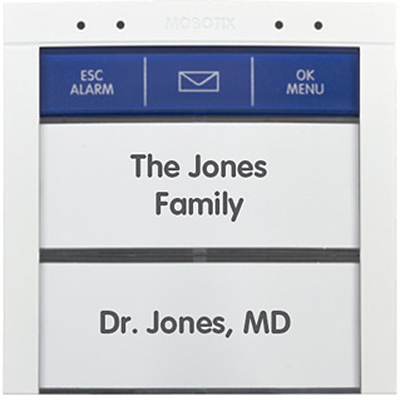

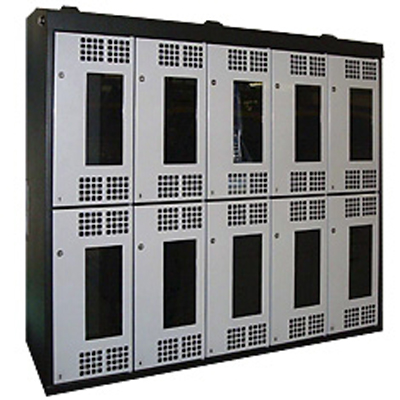
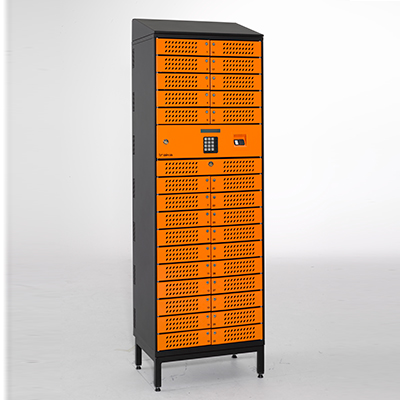


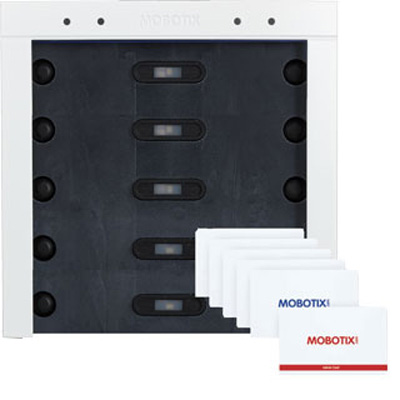
Round table discussion

Biometrics today provide better security and frictionless user experiences. Biometric identifiers like fingerprints, facial recognition, and iris scans are unique and difficult to forge. They eliminate the vulnerabilities of traditional authentication and streamline secure access control. Identity verification reliably protects sensitive digital information and physical entry. We asked our Expert Panel Roundtable: How is the role of biometrics evolving in physical access control?

Like other disciplines in the world of corporate security, executive protection is evolving from reactive to proactive. Unlike reactive bodyguards, modern executive protection professionals use a proactive approach focused on risk mitigation, advance planning, and threat intelligence to prevent incidents before they happen. What is the role of technology? We asked our Expert Panel Roundtable: How can physical security technology promote better executive protection?

Adequate video surveillance coverage depends entirely on a facility's layout, square footage, and security goals. Historically, better coverage required more cameras, but technology innovations are changing those expectations and undermining previously held rules of thumb. We asked our Expert Panel Roundtable: Do today's video systems generally require more cameras or fewer cameras, and why?
White papers

A Guide to Specifying RFID Readers
Download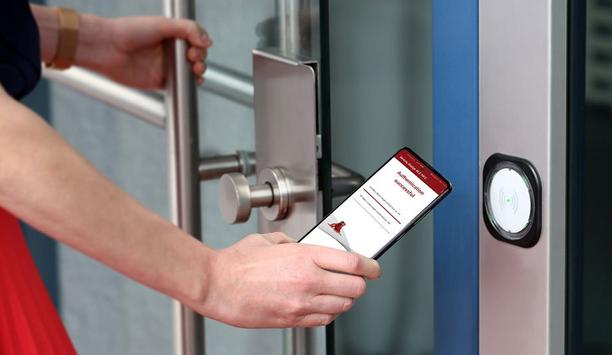
Attention OEMs: 5 Ways RFID Readers Can Secure Your Markets
Download
5 Reasons To Integrate Mobile Technology Into Your Security Solution
Download
Automatic Vehicle Identification: State Of The Industry 2020
Download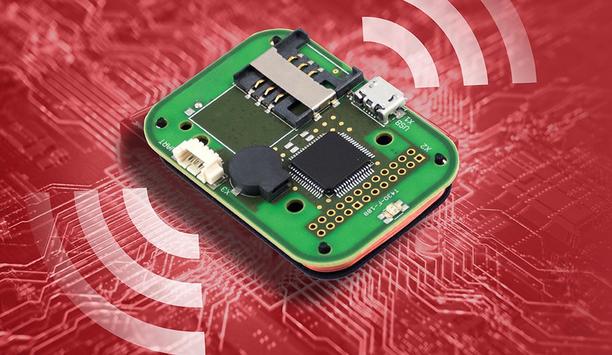
11 Considerations For Embedded System RFID Readers
Download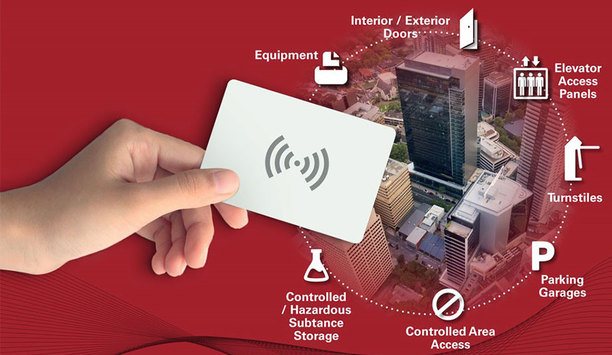
RFID and Smartphone Readers in Physical Access Control
Download
Is Your Access Control As Effective As You Think?
Download
What Are The Security Technology Needs Of The Hotel Sector?
Download
9 Opportunities To Upgrade Your Access Control Technology
DownloadVideos


Radio frequency Identification: Manufacturers & Suppliers
- CIVINTEC Radio frequency Identification
- ELATEC Radio frequency Identification
- Anviz Radio frequency Identification
- ASSA ABLOY - Aperio® Radio frequency Identification
- HID Radio frequency Identification
- MOBOTIX Radio frequency Identification
- ASSA ABLOY Radio frequency Identification
- Suprema Radio frequency Identification
- SALTO Radio frequency Identification
- Climax Technology Radio frequency Identification
- Dahua Technology Radio frequency Identification
- Brivo Systems Radio frequency Identification
- Codelocks Radio frequency Identification
- Paxton Access Radio frequency Identification
- Bosch Radio frequency Identification