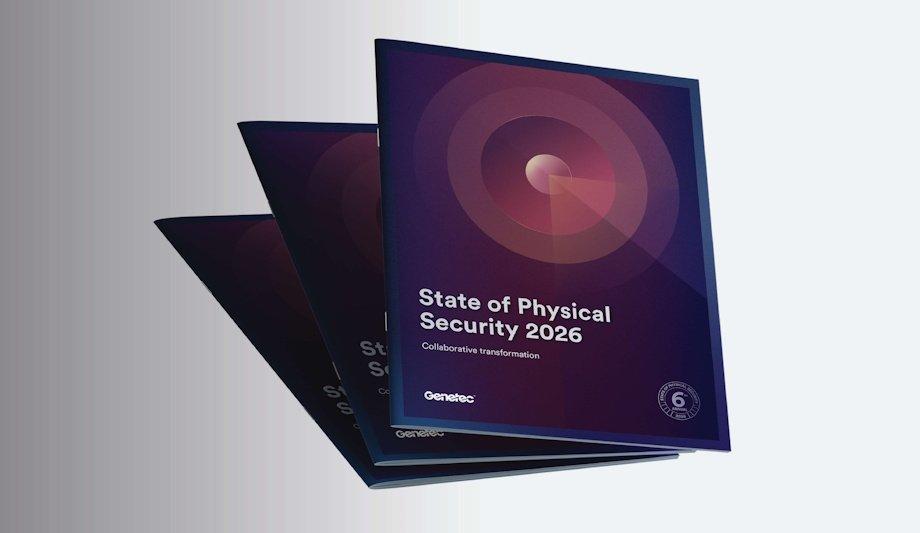

Genetec Inc. has unveiled the Saudi Arabia segment of its 2026 State of Physical Security Report, revealing significant trends in the country's security sector.
The findings, which derive from the responses of over 150 physical security professionals within Saudi Arabia, indicate a robust investment landscape in modern, connected security infrastructure.
Notable trends include a growing momentum in cloud adoption and operational modernization.
Cloud Adoption in Saudi Arabia
The report highlights that Saudi Arabia leads the EMEA region in adopting cloud-based physical security systems. Thirteen percent of respondents in the country reported using these systems, surpassing the EMEA average of seven percent.
This trend underscores a shift towards flexible deployment models that enhance scalability, resilience, and simplified management of security systems.
Increased Security Investment Amid Modernization
Operating expenditures on physical security are rising at a rapid pace in Saudi ArabiaOperating expenditures on physical security are rising at a rapid pace in Saudi Arabia. The country recorded the highest level of operating expenditure growth among surveyed EMEA markets, with 43 percent of respondents reporting budget increases for 2025. This figure is nearly double the EMEA average of 24 percent.
Within this group, 92 percent experienced budget growth exceeding 10 percent, and 64 percent saw increases of between 11 to 25 percent, signifying ongoing strategic investments in security.
Infrastructure Development Mitigates Legacy Challenges
Contrasting other EMEA markets, outdated infrastructure is not a significant hurdle in Saudi Arabia's security sector. Only 12 percent of participants pointed to legacy systems as a major challenge, a stark difference from the 44 percent across the EMEA region.
This indicates the Kingdom’s commitment to investing in new infrastructure, smart cities, and large-scale development projects.
“Saudi organizations are moving quickly from traditional security deployments toward connected, flexible platforms that support broader operational requirements,” commented Firas Jadalla, Regional Director for the Middle East and Africa at Genetec Inc. “The Saudi findings reinforce the Kingdom’s position as a fast-moving and future-focused security market, where organizations are prioritizing sustained investment that aligns with the Kingdom’s Vision 2030 digital transformation goals.”
Survey Methodology
The 2026 State of Physical Security Report compiles insights from over 7,300 physical security professionals globally, including end users, channel partners, consultants, and manufacturers.
The specific findings for Saudi Arabia are based on feedback from more than 150 local professionals, contributing to the broader Middle East and Africa regional analysis.