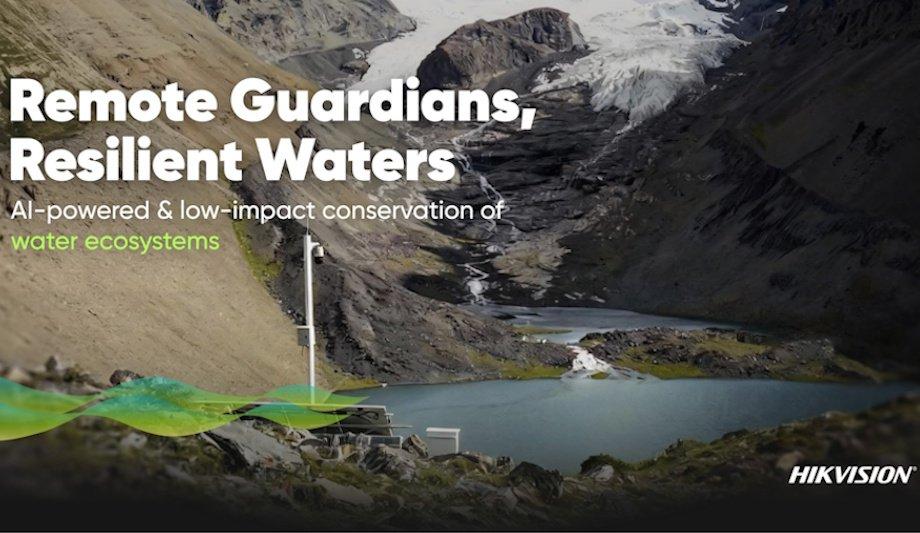
Water ecosystems such as glacial lakes at high altitudes and vast wetlands play a crucial role in planetary health by regulating climate, filtering pollutants, and supporting diverse forms of life. However, their remote and inaccessible locations often leave them vulnerable to unnoticed degradation over time.
One of the primary obstacles in safeguarding these ecosystems is the disparity between rapid environmental shifts and the limitations of current monitoring methods. These areas are extremely delicate. According to the Ramsar Convention, wetlands are disappearing three times faster than forests, with a 35% decline since 1970. Similarly, UNESCO cautions that nearly one-third of World Heritage glaciers could vanish by 2050, posing flood risks to downstream communities.
Addressing the Monitoring Gaps
High-altitude lakes are often hidden in mist; wetlands cover extensive terrains that are difficult to patrol
Traditional monitoring methods face physical constraints. High-altitude lakes are often hidden in mist; wetlands cover extensive terrains that are difficult to patrol, and rivers and coastal waters pose unique challenges with rapid currents and poor visibility.
Consequently, there are significant "blind spots" in critical water ecosystems, hindering timely acquisition of data necessary to address poaching, pollution, and ecological threats.
Implementing Advanced AIoT Monitoring Systems
AIoT-powered systems are being introduced to fill this gap, functioning as continuous, low-impact stewards. These advanced systems necessitate intelligent sensing equipment that can endure harsh and fluctuating environments. In areas lacking infrastructure, solar-powered devices operate autonomously for extended periods.
They are engineered for industrial-grade robustness, featuring anti-corrosion technology for coastlines and marshlands, alongside heating elements to maintain clear lenses in frigid, high-altitude settings.
Low-light imaging captures
Additionally, superior low-light imaging captures precise details even under challenging visibility conditions
This technology does more than endure; it enhances human perception. Thermal imaging allows rangers to detect heat signatures through fog and darkness without disturbing wildlife. Additionally, superior low-light imaging captures precise details even under challenging visibility conditions.
Paired with integrated AI, these video streams are analyzed in real-time to identify species, monitor environmental changes, or detect unusual water conditions, transforming raw data into actionable insights.
Real-World Applications and Impact
This protective strategy is being implemented across diverse water ecosystems. In the Himalayan highlands, efforts focus on preserving the "Asian Water Tower" with Hikvision's solar-powered cameras. These durable devices withstand extreme cold and capture over 100 terabytes of continuous time-lapse footage, aiding scientists in glacial and water level monitoring. This offers an essential early warning system for communities reliant on these water sources.
Further afield, along the Yangtze River's middle reaches, the emphasis is on sustaining life within a national wetland park referred to as the "Earth's Kidneys." Hikvision's thermal bi-spectrum cameras use heat sensors to detect illicit activities such as night poaching and fishing without the disruption caused by bright lights, preserving the sanctuary's tranquility for migratory birds and other wildlife.
The integration of AIoT technology in these ecosystems bridges the divide between human and natural worlds, fostering resilience to preserve the planet's water systems for future generations.
Discover how AI, biometrics, and analytics are transforming casino security
Water ecosystems, ranging from high-altitude glacial lakes to expansive wetlands, are essential to the planet.
These ecosystems regulate the climate, filter pollution, and support rich biodiversity. However, many are located in remote, hard-to-access areas, leaving them susceptible to gradual and often unnoticed degradation.
The silent crisis in the blind spots
The most significant challenge in protecting these vital waters is the growing gap between the rapid pace of environmental change and our capacity to monitor it effectively. These ecosystems are extremely fragile. According to the Ramsar Convention, wetlands are disappearing three times faster than forests, with 35% lost since 1970. UNESCO also warns that nearly one-third of World Heritage glaciers could disappear by 2050, increasing the risk of floods for downstream communities.
At the same time, traditional monitoring methods are hitting physical limits. High-altitude lakes can be shrouded in freezing mist, while wetlands stretch across vast, complex terrain that patrols can only partially cover. Rivers, reservoirs, and coastal waters face their own unique challenges, including fast currents, low visibility, and long stretches with no on-site oversight.
As a result, critical “blind spots” exist across many of the world’s vital water ecosystems, causing us to miss timely data needed to prevent poaching, pollution, and ecological hazards.
Building an intelligent sensing system for the wild
To bridge this gap, AIoT-powered monitoring systems are increasingly being deployed as continuous, low-impact guardians. However, monitoring the wild demands more than just standard equipment—it requires an intelligent sensing system capable of withstanding harsh and unpredictable environments.
In remote regions far beyond the reach of power grids, these systems rely on compact, solar-powered setups that allow devices to operate independently for long periods. The hardware is built with industrial-grade resilience, featuring anti-corrosion protection for humid coastlines and marshlands, as well as heating components that keep lenses clear in freezing, high-altitude conditions.
Beyond simply surviving the elements, this technology extends human perception. Thermal imaging helps rangers see through fog and darkness, detecting heat signatures without disturbing wildlife. Meanwhile, advanced low-light imaging captures clear detail even when visibility is near zero. Paired with built-in AI, these streams can be analyzed in real-time to identify species, track environmental changes, or flag unusual water conditions, turning raw visuals into actionable ecological insights.
From the roof of the world to the Earth’s kidneys
This approach to protection is now being applied across many types of vital water ecosystems. Each environment carries its own risks, and innovative technologies are helping reveal changes that were once impossible to detect in a timely manner.
In the frozen heights of the Himalayas, the mission is to safeguard the "Asian Water Tower." Here, in a region where electricity is scarce and the wind bites, Hikvision’s solar-powered cameras are standing guard. Designed to withstand sub-zero snowstorms, these rugged devices have captured over 100 terabytes of continuous time-lapse footage.
This visual data enables scientists to track glacial melt and water level changes, providing a vital early warning system for downstream communities that depend on these waters for survival.
Intelligent video analytics
Far below, along the middle reaches of the Yangtze River, the priority shifts to nurturing life. In a national wetland park known as the "Earth’s Kidneys," Hikvision thermal bi-spectrum cameras act as an invisible shield. By using heat sensors to detect illegal fishing and poaching at night, the system avoids the need for bright searchlights that would startle migratory birds.
Supported by intelligent video analytics, rangers are instantly alerted to threats, ensuring that this sanctuary remains a quiet and safe haven for nature.
By giving these critical ecosystems the ability to “sense” and “communicate,” AIoT technology narrows the distance between people and nature. It helps build the resilience needed to keep the planet’s blue pulse beating for generations to come. Discover more about how Hikvision’s Green Practices are driving a more sustainable future.