


Video surveillance - Expert commentary

The eagerness to adopt AI in physical security is increasing as teams want to implement technology solutions for faster, smarter operations. At the same time, the conversations surrounding AI have changed. The focus now includes not only efficiency gains but also concerns about accountability and trust. According to the Genetec 2026 State of Physical Security report, AI ranked alongside access control and video surveillance as a key priority. However, approximately 40% of the over 7,000 physica...

For years, innovation in physical security has focused on what systems can do: higher-resolution cameras, AI-driven analytics, smarter access control, and cloud-based management. But across deployments, from residential systems to enterprise campuses, a more fundamental issue continues to undermine performance: Connectivity. It is increasingly clear that the effectiveness of modern security systems is not limited by sensors or software, but by the reliability, reach, and architecture of the net...

In security, vision is paramount. The surveillance camera serves as an unwavering digital eye—the foundational source of truth. Yet a critical vulnerability persists: what happens when these “eyes” falter without warning? Corrupted footage or unexplained gaps in recorded evidence can render an entire system unreliable, turning trusted video into questionable data. Relying on chance is no longer a viable strategy. Traditionally, ensuring the health of a video surveillance syste...
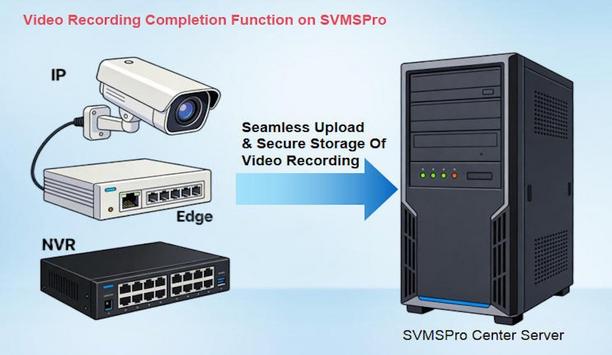
In mobile surveillance, remote sites, and environments with unstable networks, video recordings often suffer from "time gaps" due to network interruptions, a longstanding technical challenge for security systems. Under traditional architectures, central servers rely on real-time streams for storage. Once the network connection is lost, the recording timeline experiences an irrecoverable interruption, leading to the loss of footage of critical events. This creates a fundamental flaw in post-eve...

In the modern world of intelligent security, AI cameras and processing units (often called "AI boxes" or "AI servers") are transforming surveillance. They can detect specific behaviors — like someone entering a restricted area, loitering, or a vehicle parking illegally — and send immediate alerts. This represents a significant leap from older systems that merely recorded video for later review. However, a common challenge arises when organizations use devices from multiple manufactu...
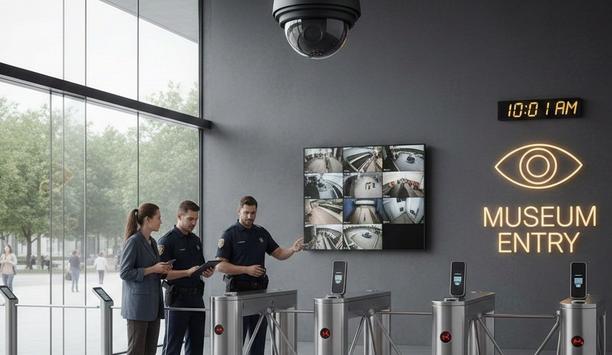
It took just seven minutes to steal more than $100 million in jewels from the Louvre, in an operation so swift and precise it exposed a deeper flaw in how even the most secure institutions protect what matters most. It's reignited global scrutiny of both physical and digital security, revealing how gaps in coordination can turn sophisticated systems into operational failures. Video intelligence and integrated monitoring Across museums, government facilities, and corporate campuses, vid...

A lot has been said about door security — from reinforced door frames to locking mechanisms to the door construction — all of which is crucial. But what security measures are in place beyond the perimeter door in case the worst happens and it’s somehow breached? Hopefully, many more levels of access control are in place to prevent, or at least slow down, a perpetrator’s ability to compromise protected assets. Additional interior layers Interior security measures must...
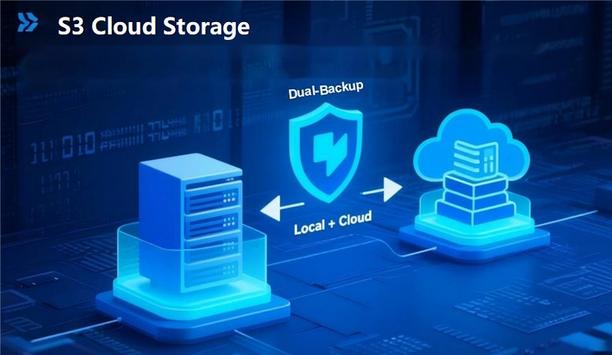
Where and how to store security camera footage usually depends on the scale of the video surveillance project, the way you are using to record the video and how long you want to keep the recordings. If there are only few IP cameras, say 2~3 IP cameras for example, and you don’t need to keep the recordings for the month, usually using SD card which is installed in the camera is enough. Video management software A VMS provides a unified platform to manage all cameras and record footage on...
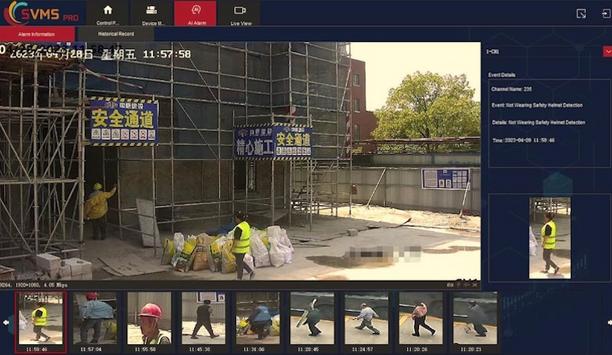
Currently, in security surveillance, the application of intelligent analysis technology has two approaches: front-end intelligence and back-end intelligence. Front-end intelligence Front-end intelligence is typically implemented within the video surveillance camera itself, integrating AI edge algorithms into the camera. Its advantages include: acquiring video in real-time and performing video analysis and feedback results immediately. Benefits No consumption of network resources like bandw...
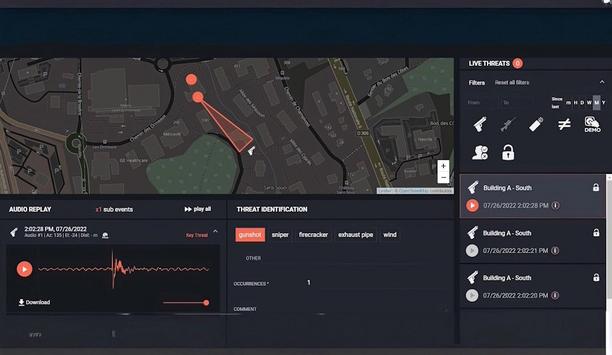
Gun violence remains one of the most unpredictable threats in today’s physical security landscape. When it strikes, seconds matter. The ability to detect and respond to gunfire almost instantaneously can determine outcomes. Security pioneers and first responders know this, and yet too many gunshot detection systems in operation today are shackled by outdated assumptions and aging architecture. The demand now is not for incremental improvements, but for a complete rethinking of how these...

The physical security industry has been in love with the cloud for quite some time. And understandably so. The promise of instant scalability, centralized access, and simplified maintenance is hard to ignore, especially in an era of remote work and distributed facilities. But reality is catching up to the hype. For many, especially those dealing with video surveillance at scale, the cloud is no longer the catch-all solution it once seemed. Rising costs, bandwidth limitations, and latency issue...
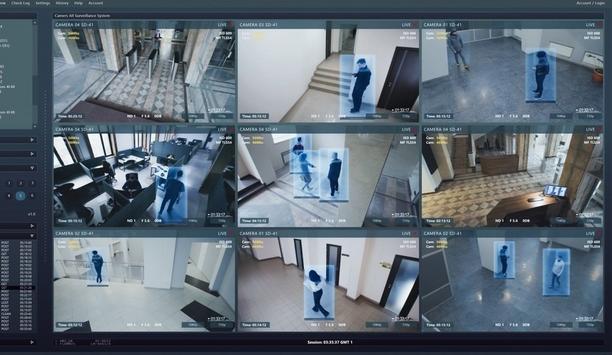
In 2021, New Orleans took bold steps to modernize its public safety strategy after experiencing a dramatic increase in criminal activity. The city invested $70M in advanced video security systems, placing smart cameras in high-risk areas like busy transit hubs and crowded public spaces to promote community safety. The cameras weren’t just traditional CCTV setups—they were smart security solutions equipped with real-time alerts that leverage AI-powered analytics, facial recogni...

Retailers now often find themself in a precarious situation. Profit margins are being squeezed by widespread shoplifting: The Council on Criminal Justice reports that between the first half of 2023 and the first half of 2024, shoplifting reports increased by 24%. Meanwhile, the strategies used by shops to deal with this situation are alienating consumers and affecting total sales. Andy Jassy, the CEO of Amazon, stated during an earnings call that customers are now purchasing more pharmaceutica...

For businesses today, loss prevention is no longer just about safeguarding inventory from theft. While retail theft makes frequent headlines in the United States, and is indeed the leading cause of shrinkage, The National Retail Foundation (NRF) has reported that process failures, operational inefficiencies and employee theft also drive significant losses. Legacy security systems In 2022, the shrink loss is estimated to be $120billion in the United States, and that’s for retail...

The European Union’s GDPR (General Data Protection Regulation) framework represents some of the toughest and most secure privacy laws in the world. Their creation signaled the EU’s dedication to individual privacy rights and generated new standards and requirements for an organization inside or outside of the EU wanting to do business in the region. This privacy stance raises an interesting question: to what extent (if any) will France be utilizing AI-assisted security and biometri...

Security manufacturers throw around the term “scalable” a lot these days, but few dive into what scalable really means for modern organizations and their security programs. Achieving true scalability, or as I like to refer to as “expandable with a purpose,” takes planning and coordination from security pioneers alongside the broader organization. Implementing a flexible strategy is critically important in the age of advancing analytics and intelligence-driven technology....

The days of being reactive are over. That’s right, we as an industry, can no longer afford to be reactive. As threats evolve, the need for proactive security is critical. While traditional methods, including physical barriers and security personnel, are still necessary, the future of our approach is built on the backs of emerging technologies. Substantial vulnerabilities As an industry, we’ve operated reactively for decades, it has been common for security teams to address...

Educational institutions worldwide increasingly rely on robust wireless networks to enhance academic pursuits, safety measures, and operational efficiency. The campus environment, a complex network of interconnected buildings, and the humans navigating them require innovative technologies to meet these diverse needs. The solution lies in a new wireless protocol that provides an ideal fit for the long-range, low-power connectivity requirements of educational campuses: Wi-Fi-certified HaLow. Wi...

In the realm of physical security, the distinction between being perceived as a security vendor and a security partner holds great importance. While both may seem interchangeable at first glance, how an organization is viewed by its clients can have a huge impact on the success of its security programs. At the heart of this differentiation is the concept of relationships and how they shape the dynamics between providers and their clients. Time, care, and diligence For security vendors s...

Misconceptions about AI and analytics in video security are common due to the rapid evolution of the technology and varying levels of understanding. Artificial Intelligence (AI) and analytics are increasingly used as interchangeable terms when discussing video security cameras. AI v/s analytics While there is some overlap, it is important to articulate the differences between them when speaking to stakeholders or customers. As the myriad types of AI gain more prominence in the global dialog&...

In the early stages of childhood education, kindergarten imparts foundational principles that shape future behavior. Today, you can think about cloud computing in a similar manner: it has become a fundamental element in the architecture of modern technology. The cloud now plays a critical role in digital interaction, security, and infrastructure development. Far from being just another tool, the cloud is a cornerstone, providing essential support for the intricate network that supports today's...
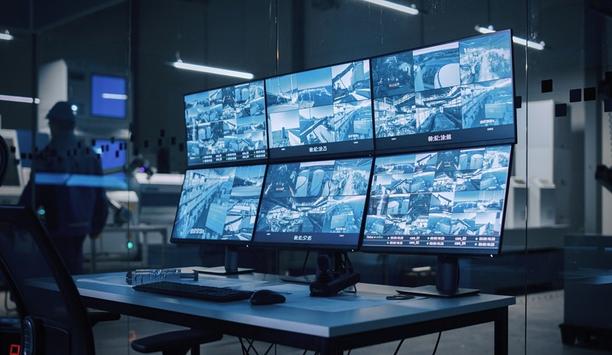
If you were to ask people outside our industry what door and access security entails, chances are their answers would reflect their common encounters with locks, security guards, cameras, and maybe metal detectors, badges, or automatic doors. But if they were curious enough, they’d probably be astounded to learn how extensive, intricate, and interesting the business can be and, of course, how vital it is to life safety, physical security, and cybersecurity. Integrated, inter...

The average business owner or investor has some kind of security precaution in place, especially in the after-hours when there are fewer deterrents to inhibit criminal activity. Security guards, video surveillance systems, motion sensor lights, or even just fake cameras placed around the property are some of the common options people choose. Future of overnight security Smart business owners are starting to realize, however, that some of these traditional security measures are becoming...

It’s no secret that the data security sector is constantly changing. It has an annual CGR of about 12.3%. Future trends in data security Much of this has to do with the rise of cybercrime in recent years, with reports showing that cyberattacks happen as often as every 39 seconds. To combat the growing rate of cybercrime, data security has been on the rise. As we journey further into this era, it becomes evident that a spectrum of significant trends is molding the future of data se...

Daniel May of Consort reviews the integration of access control systems in healthcare settings, outlining the benefits and key considerations decision-makers must make throughout product specifications. From patient safety and traversal to the protection of sensitive data and pharmaceuticals, healthcare environments are faced with several operational challenges. And where security remains at the forefront of decision-making, modern access control systems may often hold the answers. Physi...

Security systems represent a significant investment, yet many organizations still only use a small percentage of their physical security systems’ capabilities. That’s before we even begin to consider the different ways that the likes of video, access control, and ANPR can add additional value beyond security by serving the needs of other business functions. Whether that be to obtain additional insight, streamline compliance, or drive operational efficiencies. Consumption ga...

Mass attacks continue to lead the news far too often. All are horrific and disturbing, but the heartbreaking tragedies that have unfolded on school campuses touch us the deepest and have the most profound effects on our communities. NTAC statistics According to a January 2023 report from the United States Secret Service National Threat Assessment Center (NTAC), K-12 events accounted for 6% of all mass attacks in public and semi-public spaces between 2016 and 2020. 6% may strike some as being...

Open platform video technology software is more than just a product; it's a tool that helps customers achieve their desired business outcomes. Safety, round-the-clock security, and increased operational efficiencies are now the norm due to video technology. Responsible Technology Despite humanity’s impressive technological advances, we also recognize the immense responsibility that comes with technological innovation. It's not enough to focus solely on the positive impact video technolo...

There’s been a long history of people thinking of “gates, guards, and guns” when referring to physical security. And for a long time, this was the norm. When analog cameras required significant amounts of wiring and a dedicated guard to watch said feeds (think about any action movie from the 90s), the assumption was that security was protecting assets, but had little to do with the overall business. Defining security with recent advancements Fast forward to more recen...

We work with and buy from “middlemen” all the time, yet the term remains loaded with negative connotations. It’s telling that the term remains gendered, no one has tried very hard to normalize the term “middleperson” in the same way as “chairperson” or “police officer.” Why? It’s easy to see a middleman as an inconvenience, someone who skims profit off the top while offering no real value to the end customer. Think of the second-hand c...




