The security sector is experiencing significant changes in 2024, fueled by advances in technology, shifting client expectations, and labor market challenges. As the field of physical security evolves, companies offering manned guarding services must keep pace to stay competitive while providing enhanced value. Siddharth Dahiya, CEO of Peregrine Guarding (part of the Tenon Group), highlights the key trends shaping the manned guarding sector and how they are impacting the industry’s landscape.
“The security industry is at the crossroads of innovation and evolution. In 2024, it’s not just about providing protection, but about integrating advanced technologies, up-skilling our workforce, and meeting specialized client needs. By embracing these trends, we ensure that the manned guarding sector remains responsive, resilient, and ready to deliver top-tier security in an ever-changing world,” said Siddharth Dahiya.
Adapting to Technology Integration
Traditionally reliant on human presence, manned guarding has increasingly incorporated technology to boost efficiency and safety. In 2024, security firms are leveraging cutting-edge tools to enhance their operations. Significant technology trends include:
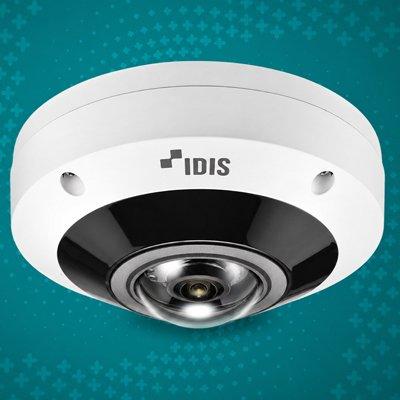
- AI-Powered Surveillance: Video analytics systems enhanced by artificial intelligence are assisting guards in monitoring extensive areas, detecting irregularities, and responding to threats more effectively.
- Drones and Robotics: The deployment of drones and autonomous security robots is increasing, notably for perimeter monitoring in large spaces, providing broader coverage and real-time data collection.
- Mobile Guarding Solutions: Mobile applications are transforming reporting and incident management, facilitating real-time communication and logging capabilities for guards.
The synergy between technology and human resources is fostering a hybrid model that emphasizes effectiveness and cost efficiency.
Tackling Labor Market Challenges
The manned guarding domain faces enduring labor shortages, exacerbated by job nature and cross-industry competition. Critical workforce trends include:
- Increasing Wages and Benefits: Enhanced compensation packages are being offered by companies to draw in skilled personnel.
- Training and Upskilling: Guards are being trained in using advanced systems and developing technical, conflict resolution, and situational awareness skills.
- Workforce Management Technologies: Efficient management of large security teams is supported by software solutions for scheduling, performance tracking, and workforce optimization.
The ongoing labor shortage compels security firms to innovate in recruitment and retention strategies.
Expanding Specialized Guarding Services
With security threats becoming more varied and intricate, clients demand guards with specialized industry expertise. Notable specialized services include:
- Healthcare and Hospital Security: The need for guards trained to manage hospital settings is rising due to heightened public health safety concerns.
- Event Security: At large events, trained guards focus on crowd control, access management, and threat identification.
- Critical Infrastructure Protection: Guards assigned to critical infrastructure require specialized training to handle specific security challenges effectively.
Delivering specialized services enables companies to meet the precise needs of high-risk sectors and secure more advantageous contracts.
Evolving Hybrid Guarding Models
Hybrid guarding solutions, which combine human and tech elements, are gaining importance. Key aspects of these models include:
- Remote Monitoring Paired with On-Site Guards: 24/7 coverage and expedited incident responses are facilitated through remote video monitoring systems working alongside on-site personnel.
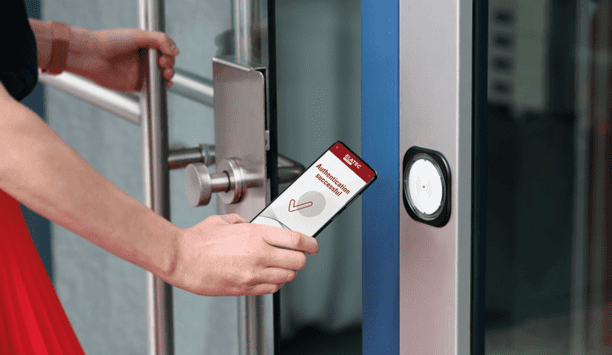
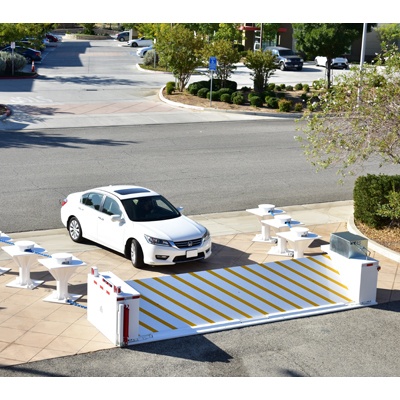
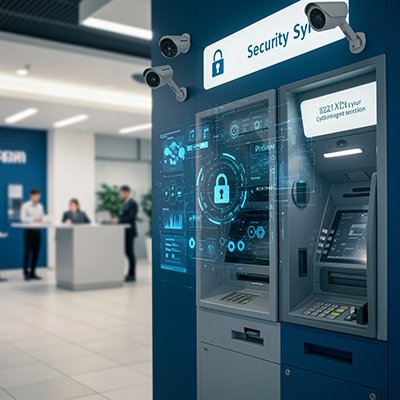
- Access Control and Smart Security Systems: Manned guarding integrated with advanced access control systems improves security while minimizing the need for constant human oversight.
- Intelligent Patrol Systems: Automated patrol systems complement human efforts by providing continuous coverage and anomaly reporting.
Hybrid models offer adaptive, scalable solutions that can cut costs while maintaining exceptional security standards.
Heightened Compliance and Regulatory Requirements
The regulatory landscape for manned guarding companies is becoming increasingly rigorous, especially for those in sensitive sectors. Principal regulatory trends include:
- Licensing and Certification: Governments are tightening regulations regarding security guard licensing and certification.
- Data Protection and Privacy Laws: Guards receive training in privacy practices to adhere to data protection laws.
- Health and Safety Standards: Strict protocols for hygiene, social distancing, and use of personal protective equipment (PPE) are enforced.
These compliance demands challenge security companies to uphold standards while delivering security services.
Shift Towards Sustainable Security Practices
Sustainability is gaining importance across industries, including the security sector. In 2024, clients increasingly seek eco-friendly practices. Emerging sustainability trends consist of:
- Green Patrol Vehicles: Investments in electric and hybrid patrol cars help reduce environmental impact.
- Energy-Efficient Security Technologies: Smart building technologies and low-power surveillance systems are being standardized in new installations.
- Sustainability Certifications: Companies pursue certifications that showcase their commitment to sustainability, driven by regulatory compliance and client expectations.
In conclusion, the manned guarding industry in 2024 is characterized by a convergence of technology, labor market dynamics, specialized services, and evolving regulatory requirements. To thrive, firms must adopt hybrid security models, offer specialized services, and navigate these changing conditions. Embracing technological advancements alongside a well-trained workforce will be crucial for meeting the diverse and complex demands of clients.
The security industry is undergoing a transformative phase in 2024, driven by technological advancements, evolving client needs and labor market challenges.
As the physical security landscape continues to evolve, companies providing manned guarding services must adapt to remain competitive and deliver enhanced value. Siddharth Dahiya, CEO, Peregrine Guarding (Tenon Group) outlines the trends shaping the manned guarding sector in 2024 and the roadmap to transforming the industry’s landscape.
“The security industry is at the crossroads of innovation and evolution. In 2024, it’s not just about providing protection, but about integrating advanced technologies, up-skilling our workforce and meeting specialized client needs. By embracing these trends, we ensure that the manned guarding sector remains responsive, resilient, and ready to deliver top-tier security in an ever-changing world.” Siddharth Dahiya
Leveraging advanced tools
Technology Integration in Manned Guarding - While manned guarding traditionally relies on human presence, the integration of technology has become increasingly essential. In 2024, security companies are leveraging advanced tools to improve efficiency, responsiveness, and overall safety. Key technology trends include:
- AI-Powered Surveillance: AI-enhanced video analytics systems are helping guards monitor large spaces, detect anomalies and respond to threats more effectively.
- Drones and Robotics: Drones and autonomous security robots are being deployed to monitor perimeters, especially in large areas, offering increased coverage and real-time data collection.
- Mobile Guarding Solutions: Mobile apps are revolutionizing reporting and incident management, enabling guards to communicate with control rooms and log incidents on the go.
- Technology is complementing the human element in guarding, creating a hybrid approach which enhances both effectiveness and cost efficiency.
Persistent labor shortage
Labor Shortages and Workforce Challenges - The manned guarding industry is facing a persistent labor shortage, compounded by the nature of the job and competition from other industries. Key workforce trends include:
- Increasing Wages and Benefits: Companies are offering higher salaries and better benefits to attract qualified personnel.
- Training and Upskilling: Guards are trained to operate advanced systems and develop skills in technology, conflict resolution and situational awareness.
Workforce Management Technologies: Scheduling, performance tracking and workforce optimization software are being used to manage large security teams efficiently. The labor shortage is forcing companies to innovate in how they attract, retain, and manage talent.
Potential security threats
Demand for Specialized Guarding Services - As security threats become more diverse and complex, clients are seeking guards with specific expertise tailored to the industry needs.
Key specialized services include:
- Healthcare and Hospital Security: Guards trained in managing hospital environments are in high demand areas, due to heightened concerns about public health and safety.
- Event Security: Guards at large-scale events are trained in crowd control, access management and identifying potential security threats.
- Critical Infrastructure Protection: Guards assigned to critical infrastructure require specialized training to address unique security challenges. By offering specialized services, companies can meet the specific needs of high-risk industries and secure lucrative contracts.
Remote video monitoring systems
Growth of Hybrid Guarding Solutions - Hybrid guarding models, combining human and technological elements, are becoming more relevant. Key elements of hybrid solutions include:
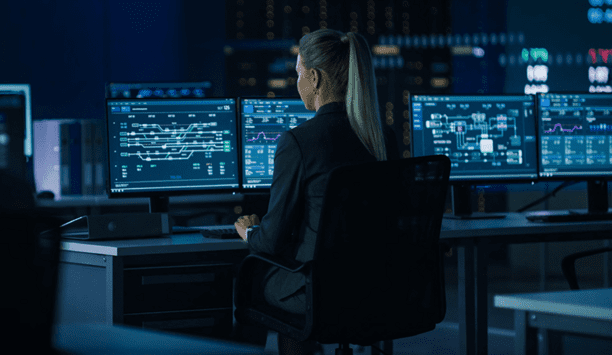
- Remote Monitoring Paired with On-Site Guards: Remote video monitoring systems work in tandem with on-site guards to provide 24/7 coverage and faster responses to incidents.
- Access Control and Smart Security Systems: Integrating manned guarding with advanced access control systems enhances security and reduces the need for constant human presence.
- Intelligent Patrol Systems: Automated patrol systems complement human guards by continuously monitoring areas and reporting anomalies.
Hybrid models offer more flexible, scalable solutions which can reduce costs while maintaining high levels of security.
Manned guarding companies
Stricter Compliance and Regulatory Demands - Regulatory frameworks and compliance standards are becoming more stringent for manned guarding companies, particularly those operating in sensitive environments. Key regulatory trends include:
- Licensing and Certification: Governments are enforcing stricter regulations around licensing and certification for security guards
- Data Protection and Privacy Laws: Guards must be trained in privacy practices to comply with data protection regulations
- Health and Safety Standards: Guards are expected to follow strict protocols regarding hygiene, social distancing and personal protective equipment (PPE).
These regulatory demands place additional pressure on security firms to maintain compliance while delivering security services.
Sustainable security practices
Rising Demand for Eco-Friendly Security Practices - Sustainability has become a growing concern across industries, including the security sector. In 2024, more clients are seeking eco-friendly and sustainable security practices.
Key sustainability trends include:
- Green Patrol Vehicles: Security companies are investing in electric vehicles and hybrid patrol cars to reduce the carbon footprint.
- Energy-Efficient Security Technologies: Smart building technologies and low-power surveillance systems are becoming standard in new installations.
- Sustainability Certifications: Companies are seeking certifications that demonstrate their commitment to sustainability. This shift is driven by both regulatory compliance and evolving expectations of environmentally conscious clients.
Navigating stricter regulations
In conclusion, the manned guarding industry in 2024 is marked by a blend of technological innovation, labor market pressures, specialized services and evolving regulatory standards.
Companies in this sector must adapt to the changing landscape by embracing hybrid security models, offering specialized guarding services and navigating stricter regulations. The integration of technology, combined with a well-trained and responsive workforce, will be key to remaining competitive in a market where client demands are increasingly complex and diverse.