Hospital security
Lately, when talking to healthcare security leaders, one thing has been coming up more than anything else: they know their security infrastructure is disconnected; they know it creates risk, and they’re not sure how to close the gap without a costly overhaul. That’s not a failure of intent. It’s a consequence of how security was built in the healthcare sector. Over decades, physical security and cybersecurity have developed distinct disciplines with separate ownership. Facilit...
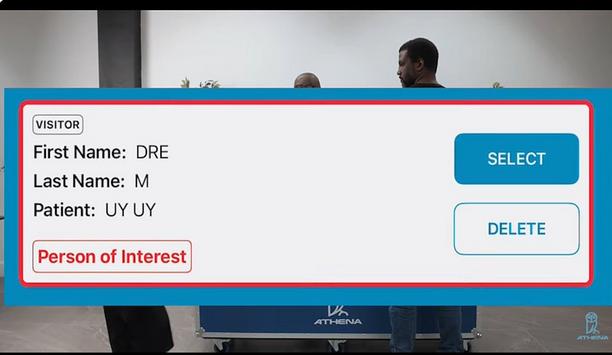
Despite rising violence in U.S. healthcare settings, many hospitals still rely on manual, paper-based systems to identify potentially dangerous individuals, creating serious gaps in both physical security and reporting data. To close this gap, Athena Security, Inc., has launched an automated BOLO (Be On the Lookout) / Person of Interest system engineered to instantly recognize high-risk individuals and deliver real-time alerts to hospital security teams. Much needed innovation “Th...
Detection Technology, a global pioneer in X-ray detector solutions, is proud to announce that it has been honored with the 2025 GE HealthCare Supplier of the Year Award. This prestigious recognition is the highest distinction awarded by GE HealthCare and celebrates a supplier that consistently delivers exceptional performance and value across multiple dimensions. Excellence in innovation The GE HealthCare Supplier of the Year Award recognizes excellence in innovation, quality, service levels,...

Synectics, a pioneer in advanced security and surveillance solutions, will use this year’s National Association for Healthcare Security (NAHS) Conference to demonstrate how hospitals are using integrated data and AI-driven analytics to improve safety, incident response, and operational awareness across complex NHS estates. Building on recent projects with NHS Foundation Trusts, Synectics will showcase its Synergy platform, including the award-winning Synergy...

The healthcare industry faces unique and significant security challenges. Healthcare security professionals must balance an open, welcoming environment for patients and visitors with the need to protect valuable assets and personnel in a high-stress, 24/7 setting. These requirements direct the physical security technologies deployed in medical facilities. We asked our Expert Panel Roundtable: What are the unique aspects of the healthcare market, and how should the physical security industry ad...
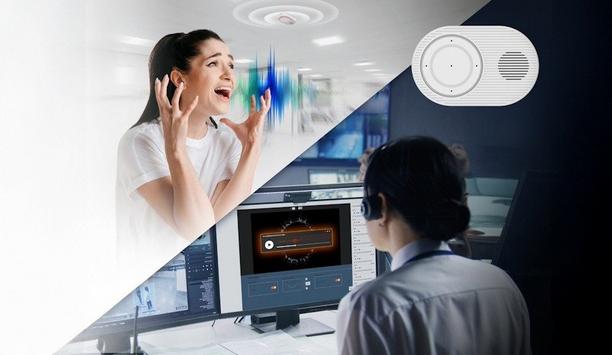
Hanwha Vision, a pioneer in security and surveillance solutions, introduces the Audio Beacon, SPS-A100M, an advanced AI-powered audio surveillance solution that ensures users can be alerted and respond rapidly to critical situations. Equipped with a powerful 90dB speaker, five integrated microphones, and intelligent sound classification, the Audio Beacon is engineered to enhance situational awareness and real-time communication. Decision-making and direct communication LED ring provides a vi...
News
Athena Security, a pioneer in AI-driven physical security solutions, has announced the launch of its new Hospital Visitor Management System (VMS) on the Apple iPad. Purpose-built to meet the critical needs of healthcare facilities. Athena’s Hospital VMS is the first Apple iPad solution in the industry to offer seamless offline capabilities—ensuring that hospitals stay operational and secure, even amidst internet interruptions due to down servers, power outages, or natural disasters. Cyberattacks on hospital systems Cyberattacks on hospital systems are increasing, and mitigation is critical Cyberattacks on hospital systems are increasing, and mitigation is critical. According to the American Hospital Association, the February 2024 cyber attack on Change Healthcare, “disrupted health care operations on an unprecedented national scale, endangering patients' access to care, disrupting critical clinical and eligibility operations, and threatening the solvency of the nation's provider network.” Five months later in July of 2024, over 750 U.S. hospitals experienced a network disruption as a result of the CrowdStrike outage, and more than 200 of those hospitals experienced outages that directly affected patients, according to a University of California, San Diego report published in the Journal of the American Medical Association Network. Unlike some industries, hospital outages can have life-threatening consequences–especially when a delay of hours, or even minutes, can increase mortality rates for stroke, heart attack and other patients seeking emergency care. Key features “Hospitals can’t afford downtime,” says Lisa Falzone, President and co-founder of Athena Security. “Our new VMS is designed on the Apple iPad to be always up and running, much like our last company’s solution, Revel’s iPad Point of Sale for restaurants, which changed the history of POS." "We stay up even during natural disasters, internet outages or cyberattacks. In a world where seconds matter, we’ve made resilience the default.” Key features of the new hospital visitor management system include: Always-On, Offline Mode: The system functions with or without internet—enabling check-in/check-out, badge printing, and visitor logging even during connectivity or server disruptions. Data syncs automatically once back online. End-to-End Security: From pre-registration to real-time watchlist screening, Athena’s VMS protects patients, staff, and visitors with client-server certificates for encrypted data handling and robust access control integration. The system works in tandem with Athena’s proprietary H-Sheild, a private, authenticated, and authoritative DNS platform that protects a healthcare organization’s most critical digital assets, PHI, and PII information. H-Shield is an intelligent gatekeeper at the most fundamental point of network communication–Visitor Management. Customized Workflows: User experience workflows can be customized for each healthcare department: User experiences can be tailored for different visitor types—contractors, family members, vendors, or VIPs. Hospitals can build protocols that match their compliance needs and operational goals. Nationwide Predator Lists: The VMS protects against individuals listed on nationwide child predator lists and other perpetrator lists, so that hospitals are alerted upon entry, even when offline. Athena Security’s VMS integrates effortlessly with the hospital’s AI-powered Weapon Detection System, providing hospitals with a unified solution to manage both visitor access and physical threats in real time. Designed with Healthcare in Mind Hospitals are among the most complex and security-sensitive environments in the U.S. With workplace violence at an all-time high and increasing regulatory pressures, Athena’s new VMS system offers hospitals a vital tool to enhance safety without compromising efficiency or care delivery. “Whether it’s preventing unauthorized access, enabling faster emergency response, or ensuring compliance with visitor protocols, our new Hospital Visitor Management System is setting a new standard for healthcare security,” says Chris Ciabarra, co-founder and CTO of Athena Security.

Hospitals have no peaceful nights, most of the time! During one such night, there was a chilling alert from the maternity ward: an infant's ankle tag had triggered an unauthorized exit alarm. Immediately, the hospital's integrated security system - unseen guardian - sprang to life. Doors around the nursery automatically locked down, surveillance cameras swiveled to cover every exit, and a live video feed, along with an alert, reached security personnel’s mobile devices – all in a flash. This wasn't a drill; it was a real moment showing how the hospital security had moved from old, separate security steps to a full, connected system. This smart network, much more than just guards and cameras, is built to actively keep patients, staff, and hospital property safe while also making daily tasks run smoother. Security challenges Hospitals face a unique array of security challenges. The threats are diverse and demand intelligent solutions, from the risk of infant abduction and the elopement of vulnerable patients to workplace violence against healthcare professionals and the diversion of controlled substances. Data from the Occupational Safety and Health Administration (OSHA) reveals that from 2002 to 2013, incidents of serious workplace violence (requiring days off for recovery) were, on average, more than four times more common in healthcare than in private industry. This stark statistic underscores the urgent need for effective security measures. Integrated security system An integrated system can automatically lock down nearby exits via the door access control system An integrated security system is a holistic approach where various security components – such as surveillance cameras (CCTV), access control systems, alarms, infant protection systems, and communication tools – are networked together. For example, if a silent alarm is triggered in the pharmacy, an integrated system can automatically lock down nearby exits via the door access control system, focus relevant surveillance cameras on the area, and send an alert with live video to security personnel's mobile devices - all within seconds. Patient well-being Integrated security systems contribute significantly to patient well-being in several crucial ways: Enhanced Patient Monitoring and Fall Prevention: High-definition surveillance cameras, when integrated with intelligent analytics, can monitor high-risk patients for falls or unusual activity, alerting staff instantly. A study published in The Joint Commission Journal on Quality and Patient Safety on a video monitoring program in a medical-surgical unit reported a 35% reduction in patient falls. Robust Access Control for Sensitive Areas: Door access control systems are fundamental in preventing unauthorized entry to critical zones like pharmacies, neonatal intensive care units (NICUs), operating rooms, and medical records storage. With reports suggesting that nearly 10% of practitioners may divert drugs, robust door access control systems act as a critical deterrent. A major New York-based hospital implemented access controls across its medication rooms and reported a 45% reduction in internal theft over one year. Specialized Infant Protection: Infant tagging systems (RFID) linked with door access control systems and surveillance cameras are a prime example. If an infant with a tag is moved towards an unauthorized exit, an alarm is triggered, specific doors may automatically lock, and security personnel are immediately notified with live video. Individual hospitals implementing such systems consistently report near-elimination of abduction risks from these protected units. Wander Management for At-Risk Patients: Patients with dementia or Alzheimer's benefit from wearable RFID tags integrated with the security system. If a patient wearing a wander management tag approaches a designated perimeter, an alert is sent to nursing staff mobile devices showing the patient's name and current location via an integrated map. One facility reported a 60% reduction in elopement incidents among at-risk patients after implementing an integrated wander management system. Deterring and Managing Workplace Violence: Visible surveillance cameras and easily accessible panic buttons are key. The International Association for Healthcare Security & Safety (IAHSS) Foundation's "Healthcare Crime Survey" indicates that hospitals with comprehensive security programs, including visible surveillance and rapid response systems, often report lower incidents of assault. Streamlined hospital security Beyond patients’ safety, integration brings significant operational advantages as well: Streamlined Security Operations and Faster Response: A centralized platform reduces complexity. Hospitals using integrated command centers saw a 25% reduction in security manpower requirements and a 15% improvement in response times. Efficient Asset Tracking and Management: Integrating Real-Time Location Systems (RTLS) with the hospital security network helps locate mobile medical equipment. Studies have shown nurses can spend anywhere from 30 minutes to over an hour per shift searching for equipment. Implementations of RTLS have demonstrated the potential to reduce equipment search times by as much as 85% in some hospitals. Automated Visitor and Contractor Management: Integration with self-service kiosks and ID badge printing ensures a streamlined visitor experience while maintaining strict security. According to a 2024 article from ResearchGate, in India, a pilot test of an electronic visitor management system in a Bengaluru hospital successfully demonstrated its effectiveness in saving staff time and improving patient safety by limiting the number of visitor footfalls at the hospital per day. Emergency Lockdowns and Evacuation Automation: In emergencies like active shooter scenarios or fires, integrated systems can initiate hospital-wide lockdowns or phased evacuations using pre-set workflows. St. John's Health in Wyoming automated their response protocols using integrated alarms and door access control systems, reducing emergency clearing times by 40%. Enhanced Data Management for Compliance and Investigations: Integrated security systems log all events. For a HIPAA audit, an administrator can quickly generate a report of everyone who accessed the medical records room in the last 90 days, complete with timestamps. Reduced False Alarms: Advanced video analytics can differentiate between genuine threats and minor disturbances. A hospital that upgraded its perimeter surveillance cameras with AI-powered analytics reported a 70% reduction in false alarms caused by weather or animals. Shaping healthcare security Integrated security systems fundamentally enhance safety and enable swift, efficient staff reactions, ensuring a safer and more efficient healthcare environment. These solutions, encompassing centralized monitoring of vast camera networks, automated attendance tracking, efficient call management, and real-time alerts for critical events, are pivotal for modern healthcare facilities. To truly optimize operations and elevate patient care in an increasingly complex world, exploring advanced security solutions becomes essential. For organizations seeking these comprehensive capabilities, Matrix offers the expertise and technology required to navigate the complexities of modern healthcare security, effectively and confidently.

Nearly two in five healthcare workers in the U.S. say they have considered leaving their positions due to safety concerns, with almost half (45%) likely to leave their job in the next 12 months, according to new research conducted by Verkada in partnership with The Harris Poll. Verkada's Healthcare Safety Report Against the backdrop of an already challenging environment that has pushed 138,000 nurses out of the workforce since 2022, Verkada's Healthcare Worker Safety Report reveals that inadequate safety puts the workforce at even greater risk. Nurses reported higher departure intentions (50%) compared to physicians (39%). Over half of respondents (52%) also believe that safety concerns are actively deterring people from entering the profession. Other key findings Violence and harassment on the job is a daily reality: Nearly 3 million healthcare professionals begin each shift anticipating conflict, as one in five (21%) healthcare workers report they worry about verbal harassment from patients most or every time they go to work. Those fears are validated by the data: 79% of healthcare workers have experienced or witnessed aggressive behavior from patients. This burden isn't always evenly distributed: Women consistently report higher violence exposure of all types, and nurses are more than twice as likely to be physically assaulted on the job compared to physicians (60% vs. 29%). Age also plays a significant role: Gen Z workers report physical assault rates three times higher than Boomers (60% vs. 19%). Employers lag on basic security measures: Despite these persistent threats, 41% of healthcare workers say their workplace has minimal security and 77% say that their company hasn't changed the level of security measures in the last 12 months. Even security measures as simple as visitor ID checks are only required at 40% of hospitals, the data shows. Healthcare workers believe better security would help: More than four in five (82%) healthcare workers want their employers to increase security measures. When asked about specific measures that would give them peace of mind, on-site security guards (63%), weapon detection technology (49%), and panic buttons (48%) topped the list. Invest in security infrastructure "Healthcare workers dedicate their lives to caring for others, yet our research reveals that we're not doing enough to protect them," said Alana O'Grady, Vice President of Communications & Public Affairs at Verkada. Alana O'Grady adds, "While the data shows the clear and urgent need for healthcare organizations to invest in security infrastructure, this is ultimately not just a safety issue. This is driving lasting impact in the industry, with workplace violence driving upwards of $18 billion in costs for the healthcare system annually and threatening to drive an even greater cost if labor shortages worsen."

The 17th Real Estate Development (RED) Summit – Saudi Arabia | Europe Edition, hosted by GBB Venture, turned the spotlight on Lisbon as it welcomed some of the most influential names from Saudi Arabia's evolving real estate sector for two days of purpose-driven exchange, global synergy, and fresh perspectives. Held at the iconic Lisbon Congress Center's RIO Pavilion, the summit brought together key decision-makers from Saudi Arabia's rapidly evolving real estate sector and Europe's pioneering minds in design, construction, and hospitality, all aligned with the bold ambitions of Vision 2030. How the summit sparked real impact? Curious how the summit sparked real impact? Here’s the breakdown: 158 buying organizations joined the conversation 108 solution providers and sponsors showcased innovations 1,575+ pre-scheduled one-on-one meetings filled the agenda 21 international speakers led impactful sessions 1,800+ minutes of formal networking unfolded 23 global media and association partners amplified its reach Day 1: Conversations, curiosity & coastal connections The 17th RED Summit opened with energy and purpose. Ravi Kumar Chandran, Founder & MD of GBB Venture, welcomed the gathering with gratitude and pride, celebrating GBB’s 25th event milestone amidst a time of global uncertainty. Ravi Kumar Chandran, Founder & MD of GBB Venture. Rui Lourenço Pereira, Deputy Director – Commercial Department of AICEP followed with a message of cross-continental partnership, setting the tone for a summit rooted in collaboration. Rui Lourenço Pereira, Deputy Director – Commercial Department of AICEP. What followed was a fast-paced series of spotlight sessions that wasted no time getting bold ideas on the table: Ron Bakker, Founding Partner at PLP Architecture, shared insights from “The Edge,” a smart, sustainable office redefining workspaces. Ron Bakker, Founding Partner at PLP Architecture. Pablo Vidarte, CEO of BIOO, literally lit up the room with ideas, from soil-powered batteries to bioluminescent plants. Pablo Vidarte, CEO of BIOO. Tetyana Kovalenko, CEO at Elite Stone Group, introduced green luxury through sustainable marble. Tetyana Kovalenko, CEO at Elite Stone Group. Dr. Andreas Wieser, Senior Physician, Working Group Leader, Deputy Head of Laboratory Diagnostics of Smart United GmbH brought attention to indoor air quality in real estate. Dr. Andreas Wieser, Senior Physician, Deputy Head of Laboratory Diagnostics of Smart United GmbH. Ali Al Ghamdi, Transformation Consultant at OSUS, shared insights into Saudi Arabia’s evolving hospitality landscape. Ali Al Ghamdi, Transformation Consultant at OSUS. Elias Abou Samra, CEO of Rafal Real Estate, explored shifts in development models shaping the Kingdom. Elias Abou Samra, CEO of Rafal Real Estate. After a coffee break and a group photo that brought everyone together (smiles, espresso, and plenty of networking), the spotlight turned to Christos Passas, Director at Zaha Hadid Architects, who shared innovations in sustainable high-rise design. Christos Passas, Director at Zaha Hadid Architects. Then came what RED Summits do best, pre-scheduled one-on-one meetings that transformed interest into introductions and conversations into commercial potential. Post-lunch, with tummies full and ideas flowing... Attendees gathered for a quick wellness boost with Technogym’s energizer session, led by Amâncio Santos, proving that a five-minute fitness fix can do wonders. This led into one of the day’s highlights, “Simplifying Agility,” a panel on building for adaptability in a fast-changing world. Moderated by Daniel O’Brien, Director – Development at Qiddiya, the session brought together Sanjay Tanwani, Regional Director - AECOM, Paul Fraser, Director of Cities and Communities for KSA - AtkinsRéalis, James Passmore - PIF, and Al. Motasem B. Attiyah, CEO - CLEAR Holding Co. Panel on building for adaptability in a fast-changing world. The conversation centered on how flexibility, responsiveness, and strategic design are becoming must-haves in the Kingdom’s future-ready developments. The day wrapped with more focused B2B meetings and a sunset drive to Arriba, for a coastal cocktail dinner, where conversations flowed as effortlessly as the sea breeze. The day wrapped with more focused B2B meetings. Day 2: Insight, impact, and interaction Day 2 opened with a deep dive into Saudi Arabia’s evolving real estate landscape. Harmen De Jong, Regional Partner & Head of Consulting – Knight Frank, unpacked key market trends and demand-supply insights shaping the Kingdom’s future. Harmen De Jong, Regional Partner & Head of Consulting – Knight Frank. The momentum continued with “Designing the Iconic,” a presentation series where Maximilian Zielinski, Senior Partner - Foster + Partners, Viggo Haremst, Partner & Design Director - Henning Larsen, and Mark Kennedy, Head of Design - MAGNA - NEOM, shared bold visions behind structures designed to last for generations. Viggo Haremst, Partner & Design Director - Henning Larsen. Maximilian Zielinski, Senior Partner - Foster + Partners. This was followed by a high-level panel: “Market Dynamics & Mega Events Reshaping the Industry,” moderated by Tala Michel Issa, Chief Reporter – Arabian Business, featuring Dr. Bassam Boodai, Board Member & Investment Committee Chairman - AL MOZAINI Real Estate and Eng. Abdulaziz Al Zamil, CBDO - Tatweer. Their discussion spotlighted the economic and cultural shifts influencing Saudi Arabia’s real estate evolution. Economic and cultural shifts influencing Saudi Arabia’s real estate evolution. Post-lunch, delegates returned for the final curated experience, GBB’s Delegates-Only Bash, a speed networking session. In just under 100 minutes, over 100 developers, designers, consultants, and operators rotated through high-energy meetings, ending the summit on a strong note of connection and momentum. GBB’s Delegates-Only Bash, a speed networking session. From dialogue to direction Conversations have begun, strategies are taking shape, and the next chapter of real estate is already being written As Lisbon drew the curtain on this vibrant edition, the 17th Real Estate Development Summit – Saudi Arabia | Europe Edition left behind more than connections, it built momentum. Conversations have begun, strategies are taking shape, and the next chapter of real estate is already being written. A special thank you to our supporting associations: APIMA, Ghorfa (Arab-German Chamber of Commerce), Saudi Portuguese Business Council, G-Kreations, AICEP, Saudi Business Council, and AstroLabs, for their valuable presence and support in making the 17th RED Summit a success. GBB’s tech-forward tools Throughout the Lisbon edition, GBB’s tech-forward tools, from the AI-powered GBB Connect chatbot to real-time photo delivery, kept the experience seamless and memorable. Connecting Beyond Boundaries was more than a theme, it came to life. This wasn’t just a summit, it was a movement. Where Europe met Saudi Arabia to co-author the future of real estate. As attendees head home with fresh ideas and future plans, one truth stands tall: The future of real estate is collaborative, sustainable, and without borders. AI-powered GBB Connect chatbot to real-time photo delivery. Continuing the momentum 18th Real Estate Development Summit – Africa 8 - 9 October 2025 | InterContinental Dubai Festival City 19th Real Estate Development Summit – Saudi Arabia | Luxury Edition & the REDS Industry Choice Awards (RICA 2025) 12 - 13 November 2025 | The Ritz-Carlton, Jeddah
Claroty, the cyber-physical systems (CPS) protection company, announces new capabilities in its SaaS-based Claroty xDome platform that provide organizations with an impact-centric view of their CPS environment. The new additions, Device Purpose and Risk Benchmarking, allow users to see how the overall risk of an environment is affected by the processes involved in a device’s use – as production lines, building floors, hospital wings, and more – and prioritize risk reduction efforts based on potential impact to business outcomes, while bridging the gap between CPS personnel and other business units. Organizations becoming aware According to Gartner, “Organizations are becoming aware of their blind spots. Asset-intensive organizations increasingly realize that CPS environments are value creation centers. A manufacturing company makes money by producing goods, for instance.” “Once largely ‘out of sight, out of mind,’ boards and C-suite executives increasingly want to know how their CPS production and mission-critical environments are protected.” Evolving asset-centric approach To date, the CPS protection industry has taken an asset-centric approach by providing in-depth visibility into specific assets and their associated risks. While establishing a comprehensive asset inventory is a necessary first step for any cybersecurity program, taking a solely asset-centric approach to reducing CPS risk may lead security teams to focus on assets that would have little to no impact on the business if compromised. Organizations must be able to prioritize their limited remediation resources based on the business purpose each asset serves, whether it delivers essential services to the general population or powers the organization’s largest revenue stream. In instances such as a security analyst and OT engineer looking at two identical devices with the same exposures, knowing what each device does for the business is critical for determining which to address first. Claroty xDome’s new Device Focusing on business context and outcomes provides a shared language for security teams and CPS operators Claroty xDome’s new Device Purpose and Risk Benchmarking capabilities make this paradigm shift from asset-centric to impact-centric risk reduction possible, by equipping teams responsible for maintaining mission-critical processes and devices with the business context they need to effectively prevent process disruption, downtime, and financial loss. Focusing on business context and outcomes provides a shared language for security teams and CPS operators while connecting their work with larger Business Impact Analysis efforts for the organization. Words from Claroty Chief Product Officer “The security of critical infrastructures are under growing scrutiny as adversaries increasingly target these systems of the greatest criticality,” said Yoram Gronich, Chief Product Officer at Claroty. “The teams managing these environments are facing mounting pressure from multiple fronts in their organizations and need tools that exponentially make their jobs easier so they can focus on protecting the mission-critical infrastructures that sustain societal operations—that means having the business context to meaningfully reduce risk.” Key benefits Key benefits of Claroty xDome’s new Device Purpose and Risk Benchmarking include: Device Purpose: Align assets with their business context View assets categorized in a hierarchy and taxonomy according to the user’s vertical Refine hierarchy and taxonomy from a verticalized baseline, including business impact scores Measure the impact to device risk and overall risk scores based business impact customizations Risk Benchmarking: Compare organizational risk versus industry peers Analyze how the organization’s risk landscape stacks up against similarly-sized organizations Visualize how the most critical assets are secured Measure risk reduction efforts over time across multiple risk factors across networks

iDenfy, a US-based fraud prevention and identity verification company best known for its AI-powered RegTech automation solutions, partners with Reppublika Data Analytics & Technologies, a pioneer European software firm providing innovative SaaS solutions to the market research industry. iDenfy’s identity verification software will help the business verify all customers who are conducting surveys online while detecting fraudulent users with fake personal details or other renderings, often used to bypass verification checks for fraudulent purposes. Enhanced trust and data quality The switch will help to validate the legit survey respondents who want to address market research problems Reppublika Data Analytics & Technologies, a top European software company with a focus on SaaS solutions for the market research industry, is partnering with iDenfy, a Lithuania-based platform that provides identity verification and fraud prevention. With the integration from iDenfy, the survey and research service provider will aim to boost conversions, streamlining all components of the Know Your Customer (KYC) flow, with the help of technologies like iDenfy’s 3D active liveness detection. The switch will help to validate the legit survey respondents who want to address market research problems. Together, Reppublika and iDenfy will work to provide a solution for the market research industry to combat fraud, ensure data quality, and enhance trust. Innovative solutions Reppublika Data Analytics & Technologies is known for their innovative SaaS solutions, which apply across the competitive landscape of panel management technology, survey platforms, and 360° media measurement technology serving clients, including market research agencies, publishers, media agencies, and Joint Industry Committees (JICs). However, in the past, Reppublika has dealt with complaints and concerns regarding fraud, particularly through the use of bots and fake respondent issues that not only distort survey data but also contravene established principles of validity and reliability related to survey data. Trusted identity partner iDenfy’s identity Verification and Reppublika’s panel management allows the company to validate the identity Reppublika decided to partner with iDenfy as its ID verification partner for several reasons, including its industry-leading technology, European-based company, and trustworthy anti-fraud compliance innovations for better-deterring users. iDenfy’s identity Verification and 3D Active Liveness products complement Reppublika’s panel management and surveying tools, allowing the company to validate the identity of respondents with almost unfathomable accuracy. These tools have allowed Reppublika’s clients, such as Talk Online Panel, to ensure that their survey data is based on real-life respondents. Real-time verification In an industry plagued by concerns regarding bots and fraudulent data, this opportunity is powerful as iDenfy’s identity verification solution combines document verification with advanced biometric verification measures to ensure that users are real and present in the process of onboarding. iDenfy’s multi-layered approach to identification assures real-time verification and effectively blocks the use of fake identities, phony photos, or physical disguises, making fraud significantly more difficult in real-time. Securing digital identities It’s worth mentioning that businesses in every industry are putting a higher emphasis than ever on strong identity verification to protect themselves. A recent report from Juniper Research on online fraud says that the global costs are likely to exceed $107 billion by 2029 year, with identity fraud being an important contributor, causing significant expense and distrust to operators and customers alike. With the growing tactics for committing fraud with sophisticated plans from bots to fake accounts, there has never been a greater demand for having a trustworthy identity verification solutions provider. Fighting survey fraud “Fraud is a massive issue in the market research industry. Ensuring that our clients receive accurate, high-quality data is paramount to our mission. Partnering with iDenfy allows us to offer a reliable solution to verify the authenticity of respondents and set us apart from competitors with a commitment to innovation and trust,” said Klaus Oberecker, the CEO of Reppublika Data Analytics & Technologies. Strategic partnership “We’re excited to partner with Reppublika, a company that is at the forefront of innovation in the market research industry. Our solution will help the business ensure that its clients deal with genuine survey respondents, maintaining the highest level of accuracy and trust, which is the key factor when working with data,” added Domantas Ciulde, the CEO of iDenfy.

Expert commentary

The average business owner or investor has some kind of security precaution in place, especially in the after-hours when there are fewer deterrents to inhibit criminal activity. Security guards, video surveillance systems, motion sensor lights, or even just fake cameras placed around the property are some of the common options people choose. Future of overnight security Smart business owners are starting to realize, however, that some of these traditional security measures are becoming antiquated and no longer cutting. The now and future of overnight security is in remote guarding. Pioneered by companies like Los Angeles-based Elite Interactive Solutions, which was founded back in 2007, remote guarding is revolutionizing the overnight security business. Minimizing criminal activity Remote guarding is fast becoming the most popular choice among commercial end-user property owners Remote guarding utilizes a combination of cutting-edge technology, “digital guards,” highly trained security agents, and local law enforcement if and when necessary to minimize the potential of criminal activity. For those adequately enlightened to its overwhelmingly impressive crime prevention capabilities, remote guarding is fast becoming the most popular choice among commercial end-user property owners to secure and protect their investments. What Is Remote Guarding? Remote guarding is a revolutionary concept and increasing trend in security systems that utilize a combination of methods to effectively analyze potential threats to property. Cameras and/or other monitoring devices running highly advanced algorithmic software are installed in strategic areas or vulnerable places onsite and remotely located security agents are immediately notified of any activity within a designated perimeter of the property. A blend of AI, cybersecurity, and video analytics When properly deployed by an expert provider, the technology stack includes a proprietary blend of video analytics, artificial intelligence, cybersecurity, and more. Done right, “noise” is effectively filtered out, allowing agents to act on legitimate alerts and achieve zero false alarms communicated to first responders. Today, there are a lot of terms and descriptions tossed around about remote guarding, remote video, virtual guarding, etc., but those attributes must be present to represent the true definition of the offering and its many virtues. Realtime situational awareness Many systems have a two-way speaker that allows the security agent to give a verbal warning When specially trained security agents are alerted to trespassers, possible intruders, or other suspicious activity, they analyze the situation in real time and determine the necessary level of action. Many systems have a two-way speaker that allows the security agent to give a verbal warning, known as a voice-down, to the individual(s) that they are being watched. Most perpetrators, often believing the response is emanating directly from security personnel on the property itself rather than from a remote command center, flee immediately. However, if the threat persists, the security agent enlists local law enforcement to get on the scene. Customized remote guarding When properly deployed, remote guarding systems are also customized to specific properties. A team of consultants visits the client’s property to evaluate its vulnerabilities and where to best place cameras and/or other monitoring devices for system efficacy. Traditional Security Shortfalls According to Keith Bushey, a retired commander for the Los Angeles Police Department, there is much frustration between law enforcement officers and potential victims of crime due to the historically unreliable performance of traditional burglar alarm systems and central monitoring stations. He states about 90% of security-related calls are false alarms, a problem that has been well-documented through the years. Onsite challenges When a legitimate emergency does occur, the perpetrators have often already done their damage When a legitimate emergency does occur, the perpetrators have often already done their damage and/or escaped by the time law enforcement arrives. Onsite security guards are not the remedy either as they bring their own set of issues and challenges. Unexpected costs Traditional security systems can also have unexpected costs. The cost is not only in the security guards’ paycheck or the cost of the equipment itself. The cost comes when an actual incident occurs. In worst-case scenarios, the security guard(s) are injured, the business suffers inventory loss, and/or damage is sustained to the property. The medical and other costs for the security guard(s), the loss of inventory, property damage, deployment of law enforcement resources, and possible fallout of legal expenses all add up. Even in the best-case scenario, false alarm expenses incur if law enforcement is dispatched. These, among many others, are some of the primary issues that remote guarding resoundingly answers as a superior alternative. A Bounty of Benefits Remote guarding systems have been proven to cut costs and be more effective than traditional security systems. Even though the monthly monitoring costs of remote guarding are significantly higher than traditional intrusion detection system monitoring, the much higher effectiveness in crime reduction, elimination of false alarms, and augmenting or replacement of manned guards result in a substantially higher return on investment (ROI) to the end user. Easy tracking of threats The security cameras already have their image captured on record, making them easier to track down For example, case studies have demonstrated reduced security costs for clients by 60%, on average. These reductions have come from the costs of security staff, inventory, or property loss, plus saving money on insurance premiums and deductibles. The nature of remote guarding reduces the risk and costs of false alarms, with professional security agents able to determine an actual threat before law enforcement is called. In a rare instance when a perpetrator escapes before law enforcement arrives or can detain the individual(s), the security cameras already have their image captured on record, making them easier to track down and identify. Reduction of false alarms The significant reduction in false alarms is greatly appreciated by law enforcement, as it allows them to focus on real emergencies or crises. Better relationships are also developed between clients and law enforcement, as remote guarding systems are highly reliable in providing accurate and real-time information to officers as they approach the scene. In short, it assists law enforcement in doing their job more effectively, as well as more safely thanks to having eyewitness information before engaging in an active crime scene. Partnership When you combine the decreased cost with the increased efficiency and success rate, it is easy to see why many commercial end-user property owners across the country are making the shift to remote guarding. It’s also an outstanding opportunity for professional security dealers and integrators to partner with a remote guarding services provider to bring a superior solution to their end customers and pick up a recurring monthly revenue stream in the process.

It’s no secret that the data security sector is constantly changing. It has an annual CGR of about 12.3%. Future trends in data security Much of this has to do with the rise of cybercrime in recent years, with reports showing that cyberattacks happen as often as every 39 seconds. To combat the growing rate of cybercrime, data security has been on the rise. As we journey further into this era, it becomes evident that a spectrum of significant trends is molding the future of data security. This exploration delves into a selection of these trends, unraveling their importance and the potential implications they carry 1. AI security tools will increase Artificial Intelligence is also being used in the development of smart attacks and malware The introduction of Artificial Intelligence in the data security industry brought significant changes, especially in cybersecurity. AI has been the golden standard for face detection, natural language processing, automated threat detection, and automated security systems. Additionally, Artificial Intelligence is also being used in the development of smart attacks and malware, bypassing even the latest security protocols in data control. And as time progresses, AI security tools will flourish and dominate the scene. Let’s take a more in-depth look at three of the top AI security tools. Targeted attack analysis tool Manufacturers utilize targeted attack analysis tools to uncover targeted and stealthy attacks. Artificial Intelligence can be applied to the program’s capabilities, processes, and knowledge. For instance, Symantec launched this tool to combat the Dragon 2.0 attack in 2022. The phishing attack reprimanded multiple energy companies while trying to gain access to their operational networks. Targeted Attack Analysis Tools can analyze incidents and look for similarities from previous situations. They also help detect suspicious activities and collect all the necessary data to determine whether a specific action is malicious. Intercept X tool Results from the Intercept X Tool feature high accuracy and a low false positive rate Sophos, a British security hardware and software company, launched the Intercept X Tool. It engages a neural network that records and analyses data like a human brain. Sophos’ Intercept X Tool can extract features from a single file and perform a deep analysis. It detects malicious activities within 20 milliseconds. Plus, it’s also trained to work on bi-directional sharing and real-world feedback of threat intelligence. Results from the Intercept X Tool feature high accuracy and a low false positive rate. IBM Watson Technology IBM’s QRadar Advisor uses IBM Watson Technology, a unique AI tool for fighting cyber attacks. Artificial Intelligence can auto-investigate activities and indicators for potential exploitation or compromise. With cognitive reasoning, IBM Watson Technology can present critical insights to accelerate the response cycle. Security analysts can utilize this technology to search for threat incidents, reducing the risk of letting them fly under the radar. 2. Blockchain as a security solution It guarantees no points of failure or hackable entrances that can expose datasets inside the system Blockchain is a type of distributed ledger technology (DLT) that aims to establish trust within an untrusting ecosystem. Today it’s one of the most robust cybersecurity technologies in the industry. Blockchain utilizes a decentralized ledger system, but your team members can still gain access to transparent information in the cloud. Members can also record, pass along, and view necessary transactional data in the blockchain. The entire blockchain process maintains data integrity within the system while establishing trust among team members. It guarantees no points of failure or hackable entrances that can expose datasets inside the system. Cybersecurity, biometrics Cybersecurity primarily benefits from these features because blockchain can create a secure and robust wall between data and hackers. On top of that, blockchain ledgers can include biometrics like fingerprints and retina scans. These prevent hackers from accessing any private data. Because blockchain is decentralized, it also limits hackable data. Together with the technology’s record-keeping system, each node is provided insight into data manipulation exposing real-time cybercrime attempts. 3. Increased and widened access control Without access control, expect your company to be open to security issues, including theft, data loss, and breach of data Access control is critical in data security. More than a valuable security tool, business leaders can use access control to regulate people accessing any given resource. A company with an IT security setting can control who has the liberty to edit certain files. One of the primary goals of access control is to minimize threats or attacks to organizations and businesses to keep people and data secure. Without access control, expect your company to be open to security issues, including theft, data loss, and breach of data protection laws. Benefits The benefits of increased and widened access control include: Identifying who can access and control your data at specific time intervals. Protecting data from overwriting, accidental deletion, and malicious intent. User permissions that can be readily changed. Compliance and regulation with data privacy laws. Central management of access to data through a reporting portal or a dashboard. Multi-factor authentication Access control comes in various types and systems, so it’s critical to know the features of what you’re looking for. The most common type is multi-factor authentication or MFA. It involves multiple steps before logging in, requiring the user to enter other relevant information besides the password. Some other examples of information include biometrics, answering a security question, or entering a code sent to the user’s email address. Two-factor authentication, role-based access control Two-factor authentication further prevents unauthorized entries that can result in unnecessary data possession Two-factor authentication further prevents unauthorized entries that can result in unnecessary data possession. Another type of access control is role-based access control. In this setup, only one individual can set up access guidelines and grant permissions to specific team members within an organization. 4. Greater use of the zero-trust security model The zero-trust security model is a framework that requires every user within and outside the organization to undergo authentication, authorization, and validation. These are all essential to ensure proper security configuration before access is granted to the company’s applications and data. A zero-trust model assumes that anyone can cause data breaches and that a traditional network edge is not taken into effect. Moreover, it addresses the following modern-day challenges: Hybrid cloud environments. Security of remote workers. Ransomware threats. This framework utilizes the combination of multiple advanced technologies, including: A risk-based multi-factor authentication. Endpoint security. Identity protection. Cloud workload technology. The zero-trust model uses all these innovative tools for system identification, user verification, access consideration, and system security maintenance. Constant validation and monitoring Enforcing strict policies and compliance with data privacy laws are also essential Additionally, it also considers data encryption, email security, and asset verification before establishing connections with applications. The architecture of a zero-trust framework requires constant validation and monitoring of the users and the devices they are using. Enforcing strict policies and compliance with data privacy laws are also essential. More importantly, the zero trust architecture requires all organizations to be aware of all their available services and accounts to gain complete control of data handling and manipulation. 5. Increased privacy regulations Privacy regulations and policies guide organizations in proper data control, handling, and security. These policies guide organizations in proper data control, handling, and security. As a responsible business owner, you must comply with these regulations to avoid legal issues. With cybersecurity attacks becoming common, expect increased and stricter privacy regulations to be released in the next few years. While current policies are still taken into effect, various modifications and adjustments will occur to compete with the rising numbers of data breaches, thefts, data loss, and more. California Privacy Rights Act (CPRA) Currently, the California Privacy Rights Act (CPRA) is the most comprehensive legislation on state data privacy. It only started to take effect on January 1, 2023. The CPRA introduces the following principles: Broad individual consumer rights. Significant duties of people who need to collect sensitive and personal information. Additional definitions of data privacy and security. An individual’s duties include releasing information about data collection to concerned data subjects and proper access, correction, and deletion of information. Final thoughts 2023 is a big year for data security. Trends such as increased adoption of zero-trust policies, a greater reliance on AI security tools, and the implementation of blockchain as a security solution are all things we expect to see shortly. Staying up-to-date with these trends is important for keeping your business current and ensuring that you’re adhering to new and changing regulations. Doing so can give you an edge over the competition and keep you out of legal hot water.

Daniel May of Consort reviews the integration of access control systems in healthcare settings, outlining the benefits and key considerations decision-makers must make throughout product specifications. From patient safety and traversal to the protection of sensitive data and pharmaceuticals, healthcare environments are faced with several operational challenges. And where security remains at the forefront of decision-making, modern access control systems may often hold the answers. Physical security systems Hospitals in particular have developed into multi-faceted spaces that house hundreds to thousands of patients, staff, and visitors at any one time. In England for example, research has found in the three months leading to June 2023, an average of 44,626 people visited major hospital A&E departments each day, with over 16 million attendances typically recorded over the course of a year-not to mention an additional nine million logged at other minor units. For any building, this level of sustained footfall can request severe security difficulties For any building, this level of sustained footfall can invite severe security tests. With that, the need to deploy effective physical security systems in healthcare is clear. And so, as access control continues to become more readily adopted and new products enter the market, decision-makers are reminded to consider the requirements of their building, ensuring they select the solutions most suited to their settings and budget. Security controlled Patient safety will always remain the top priority in healthcare settings, and where matters of health and social care come into question, a diverse set of professional regulatory bodies are tasked with setting and maintaining high standards. When it comes to healthcare premises specifically, patient security and perimeter security often come hand in hand and are amongst the most pressing of challenges that decision-makers must face. To help address operational planning and potential design concerns in the NHS, the Health Building Note (HBN), provides general design guidance for healthcare buildings under HBN 00-01-citing the use of access control measures as a way of maintaining security and protecting the safety of patients, staff, and visitors. Use of access control Hospital buildings control varied levels of access for a number of security purposes Hospital buildings, for example, must control varied levels of access for a number of operational and security purposes. Routine scenarios exist where vulnerable patients are under monitoring and thus refrained from exiting the premises for their own safety, while at the same time, permitted staff must be able to reach their patients and medicines when required. For this, the use of access control is key. Equally, access credentials can also help management teams keep track of those who may be entering or exiting rooms with equipment and pharmaceutical supplies, deterring any unwanted visitors and opportunists in the process. Incorporation of access control systems On a similar note, regulations have set a minimum standard for how personal data should be stored and managed in healthcare environments, giving decision-makers an added responsibility to regulate staff-controlled areas with patient medical records. While instances of personal data breaches are rare, healthcare facilities and professionals are at legal risk should confidential data be found misused or missing. As such, the incorporation of access control systems has become essential in keeping data storage areas secure, with intuitive online systems capable of permitting access to staff with the correct credentials while simultaneously tracking who has requested clearance at digital entry points. HBN guidance Healthcare experts are better fitted to control the sheer volume of people entering and exiting To function effectively, healthcare facilities must always be perceived as safe places by the people who reside within them, and as HBN guidance implies, a unified physical security system can help address key safety and security concerns while enhancing patient and staff experience. Opportunely, access control systems are more accessible and adaptable than ever and combine several technologies such as mechanical locks and automatic doors with electronic access credentials in the form of smartphone apps, badge readers, and biometric scanners. By integrating these systems into the building’s existing infrastructure, healthcare professionals are better equipped to control the sheer volume of people entering and exiting the premises without impairing the general flow of movement and coordination around the facility. Better by design Despite the clear benefits offered to healthcare facilities, there are a number of considerations to be mindful of when choosing an access control solution. Poorly implemented systems can have an adverse effect on security and functionality - quickly costing healthcare organizations time and budget to rectify and replace the inadequate products that don’t meet the building’s requirements. For that reason, decision-makers and design teams are reminded that there is no single solution that fits all healthcare buildings. As such, it’s crucial for decision-makers to understand the systems that are being put in place throughout each of the touchpoints in their facility. Clear collaboration is required during periods of specification, where together, teams can ensure the selected product works on all angles, from meeting fire safety and sustainability standards to aesthetics and scalability. Modern access control products Scalability is a key area that decision-makers must review when selecting access control systemsFrequently overlooked, scalability is a key area that decision-makers must review when selecting access control systems. Such is their diverse nature; healthcare facilities can often change and develop as years go by, and by selecting a system that facilitates growth, such as a cloud-based solution-security and efficiency is long-established. While modern access control products are known for seamless integration, there are some systems that may restrict the ability to use different vendors throughout the remainder of the building’s infrastructure. This, in effect, causes a monopolization of products throughout the estate, which can have an adverse effect on growth by increasing costs and reducing the levels of service associated with the security system already in place. Improve security and safety A scalable and reliable access control system will continue to improve security and safety by adapting to a building’s new requirements-and all while having minimal impact on its operational network. And so, while technology will no doubt continue to influence and transform the access control market, healthcare facilities and their professionals must continue to remain educated on their own systems, ensuring they have the best options in place to keep their patients, staff, and visitors safe and secure for years to come.
Security beat
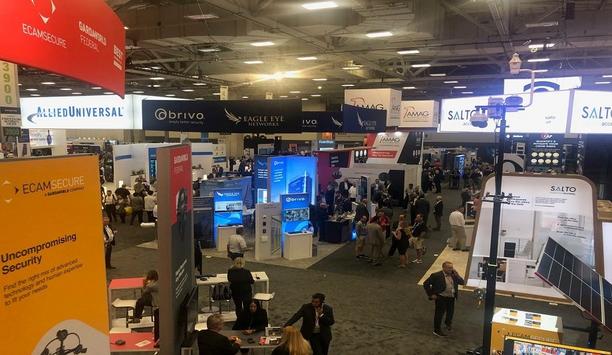
Companies at GSX 2023 emphasized new ways that technologies such as artificial intelligence (AI) and the cloud can address long-standing issues in the security market. Among the exhibitors at the event in Dallas were companies seeking creative ways to apply technology, lower costs, and make the world a safer place. Reflecting on the exhibition, here are some additional takeaways. Expanding AI at the edge i-PRO is a company reflecting the continued expansion of edge AI capability in the security market. Today, more than half of the company’s lineup supports AI at the edge so the customer has a wide choice of form factors when seeking to leverage the feature set. AI processing relay, extended warranty i-PRO is increasing their warranty period from 5 to 7 years, which could be a lifetime warranty in some cases I-PRO also has an “AI processing relay” device that accepts non-AI video streams and applies edge analytics. AI has progressed from a high-end technology to a feature available in a variety of cameras at different price points. i-PRO is also increasing its warranty period from 5 to 7 years, which could be a lifetime warranty in some cases depending on a customer’s refresh schedule and lifecycle management. Active Guard, MonitorCast The company’s video management system (Video Insight) is continuing to build new features including “Active Guard,” an integrated metadata sorter. Their access control platform, MonitorCast, is a Mercury-based solution that is tightly integrated with Video Insight. Their embedded recorders now have PoE built in. “We can move at a faster pace to fill out our product line since leaving Panasonic,” says Adam Lowenstein, Director of Product Management. “We can focus our business on adapting to the market.” Emphasis on retail and other verticals Shoplifting is a timely issue, and retail is a vertical market that got a lot of attention at GSX 2023. “We see a lot of retailers who are primarily interested in protecting employee safety, but also assets,” says Brandon Davito, Verkada’s SVP of Product and Operations. “Shrinkage is a CEO-level priority.” “Retailers are getting more engaged with security posture, instead of letting perpetrators walk,” Davito adds. Intrusion detection Verkada has an intrusion product that will notify a central station if there is an alarm On the alarm side, Verkada has an intrusion product that will notify a central station if there is an alarm, and operators can review videos to confirm the alarm. Other capabilities seeking to discourage trespassers include sirens, strobes, and “talkdown” capabilities. International expansion Verkada continues to expand internationally with 16 offices in all, including Sydney, Tokyo, and London. The core value proposition is to enable customers to manage their onsite infrastructure more simply, including new elements such as PTZ cameras, intercoms, and visitor management. Verkada emphasizes ease of use, including a mobile application to allow access to be managed across the user base. Forging partnerships “We are committed to the channel and industry, and we continue to build relationships and expand our reach,” says Davito. Among the industry relationships is a new partnership with Convergint, which was hinted at during the show and announced later the same day. They are also expanding their partnerships with Schlage, Allegion, and ASSA ABLOY. Working with other verticals They offer new features for K -12 schools, and a new alarm platform is easier to deploy and manage Verkada has also found success across multiple other verticals, notably healthcare, where they integrate with an electronic medical records system. They offer new features for K-12 schools, and a new alarm platform is easier to deploy and manage. They are integrating wireless locks to secure interior doors in schools, looking to secure the perimeter, and installing guest management systems. Transitioning the Mid-Market to the Cloud Salient is squarely focused on the “mid-market,” a large swath of systems somewhere between small businesses and enterprise-level systems. Pure cloud systems are not as attractive to this market, which has a built-out infrastructure of on-premise systems. Adding a camera to an existing system is easier and less expensive than tying it to the cloud. Benefits of cloud It’s a market that may not be ready for pure cloud, but there are benefits to be realized from adding a cloud element to existing systems. “We are continuing to augment our premise-based solutions with added cloud capabilities and flexibility,” says Sanjay Challa, Salient’s Chief Product Officer. The feedback Salient hears from their customers is “I want to own my data.” The hybrid cloud approach offers the right mix of control, flexibility, and unit economics. Cloud add-on capabilities We want to provide the flexibility for customers to go full-cloud as it becomes more economically attractive" Cloud add-on capabilities include bringing more intelligence about system operation to the user via the cloud. Over time, Salient expects to sell more cloud-centric offerings based on feedback from integrators and customers. “We want to provide the flexibility for customers to go full-cloud as it becomes more economically attractive over time,” says Challa. Vaidio AI technology Salient seeks to be a transition pioneer to help customers realize the path to the cloud. Their approach is “crawl, walk, run,” and helping customers make the transition at each stage. Salient has added AI to its product offering, incorporating Vaidio AI technology from IronYun into a powerful suite and broad array of on-premise analytics, which are gaining traction. The seamless approach makes it easy for customers to embrace AI analytics, although Salient remains broadly committed to open systems. Addressing ‘Soft’ Features for Integrators AMAG is in the process of enhancing its product line with the next generation of access control panels. However, “product” is just part of the new developments at AMAG. In addition to “hard” features (such as products), the company is looking to improve its “soft” features, too; that is, how they work with the integrator channel. Integrator channel Rebuilding a process to make your organization more efficient, is relatively easy; it just takes a lot of persistence" “We have the depth of our legacy customer base we can learn from, we just need to close the feedback loop quicker,” says Kyle Gordon, AMAG’s Executive Vice President of Global Sales, Marketing, and commercial Excellence, who acknowledges the value of reinstating face-to-face meetings after COVID. “We are laser-focused on nurturing our integrator channel,” he says. “Developing new features takes time, but rebuilding a process to make your organization more efficient, that’s relatively easy; it just takes a lot of persistence,” says Gordon. More cohesive internal communication is another useful tool, he says. Disrupting the cloud based on price Wasabi is working to make cloud applications less expensive by offering a “disruptive” price on cloud storage, $6.99 per terabyte per month (80% less than hyperscalers). Contending “hyperscalers” like AWS are charging too much for cloud storage, Wasabi is using its own intellectual property and server equipment co-located in data centers around the world. Wasabi sells “hot cloud storage,” which refers to the fact that they only have one tier of storage and data is always accessible. In contrast, a company such as AWS might charge an “egress fee” for access to data stored in a “colder” tier. Cloud storage “We saw that several video surveillance companies had not yet adopted cloud storage, and we saw an opportunity to make it easy to use,” said Drew Schlussel, Wasabi’s Senior Director of Product Marketing. “We just install a little bit of software that allows them to store data in the cloud and bring it back from the cloud.” Performance, protection (cybersecurity), and price Wasabi works with integrators, resellers, and distributors and also integrates with VMS companies Wasabi works with integrators, resellers, and distributors and also integrates with VMS companies such as Genetec and Milestone. Emphasizing performance, protection (cybersecurity), and price, their data centers are certified to SOC 2 and ISO 27001 standards. Faster throughput for weapons detection Xtract One is a young company focusing on weapons detection in a time of accelerated concern about gun issues post-COVID. Founded in Canada and based on technology developed at McMaster University, Xtract One has found a niche in providing weapons detection at stadiums and arenas. These customers already have budgets, and it is easy to shift the money to a newer, faster technology. Madison Square Garden in New York City is among its customers. Cost savings solution Xtract One can increase throughput to 30 to 50 people per entrance per minute (compared to 5 to 6 people per minute when using metal detectors). The solution doesn’t require anyone to empty their pockets and the system alarms on items beyond guns and knives. Using Xtract One allows customers to reduce the number of screening lanes and security staff, providing additional cost savings, all while getting fans through the screening process in half the time. Purpose-built sensors The system uses purpose-built sensors looking for specific characteristics, such as reflective and density properties In addition to stadiums and arenas, Xtract One, formerly Patriot One, is also getting “inbound” interest from schools, hospitals, manufacturers, and other verticals that makeup 50% of their business. “We’re on a rocket ride, mainly because the weapons issues are not going away,” says Peter Evans, CEO and Director at Xtract One. The system uses purpose-built sensors looking for specific characteristics, such as reflective and density properties, all correlated by an AI engine. Providing early warning of violence ZeroEyes is another company focused on weapons detection. Their AI gun detection system works with video images to identify if someone is “brandishing” (carrying) a weapon. In other words, the system does not detect concealed weapons. Identifying someone carrying a weapon provides early warning of a possible violent act. Increased response with AI-enables images Images are identified by AI and sent to a monitoring center where a human confirms the image before contacting first responders. Knowing the location of a shooter enables staff to lock entry points, move people to safety, and direct first responders. The company was founded to leverage existing camera views to stop mass shootings and gun violence by reducing response times.
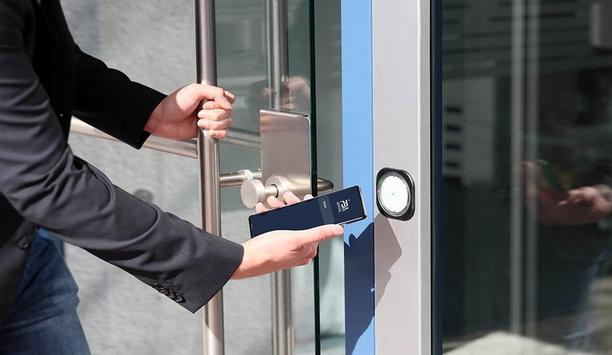
PKOC stands for Public Key Open Credential. It is a new standard that will meet a 30-year industry challenge and strip away much of the complexity and cost involved in protecting and administering credentials for access control. It could also accelerate the transition from cards to mobile access control. PKOC is a standards-based mobile credential that is essentially free, vendor-agnostic, and interoperable across multiple devices and systems. It is a highly secure access credential that can live on a mobile phone, in a plastic access card, or in any device capable of generating a public-private key pair. Access control systems PKOC is the newest standard of the Physical Security Interoperability Alliance (PSIA), a tax-exempt organization created to define, recommend, and promote standards for IP-enabled security devices and systems. PSIA introduced the Physical Logical Access Interoperability (PLAI) specification in 2013 to normalize identity data across disparate physical access control systems. The PKOC specification was introduced in 2021. We’re convinced this is the future A challenge for PSIA in promoting the PKOC mobile credential is to explain it quickly and in layman’s terms “We see the benefit of implementing the PKOC technology and doing it well,” says Sam Siegel, Senior Field Applications Engineer for ELATEC, a manufacturer of credential-agnostic readers/writers. “We wanted to get involved and join the discussion.” ELATEC has been participating in PSIA for more than a year. “This is a better way to do things,” says Siegel. “The PSIA, myself included, are convinced this is the future. The challenge is to get enough people to understand that it is a seismic shift away from what has been in place for so long.” A challenge for PSIA in promoting the PKOC mobile credential is to explain it quickly and in layman’s terms. The explanation spans the concept of public key infrastructure (PKI) and the difference between symmetrical and asymmetrical digital keys. Protecting symmetrical keys A symmetrical key system, which has been used historically in the access control market, involves the use of a single proprietary digital key to both encrypt and decrypt information. This means that digital public keys must be incorporated into each access control reader in the form of a module or a license, which the reader uses to read any compatible cards. Protecting symmetrical keys has been an expensive technology challenge the access control world The need to share these digital keys (in effect, the ability to read every compatible card) securely among access control manufacturers, integrators and end users involves extra administration and costs to ensure the security of the system. Protecting symmetrical keys has been an expensive technology challenge the access control world has borne for decades. The use of proprietary keys also promotes dependence on a single manufacturer or vendor to expand the ecosystem. The use of asymmetrical keys takes away these challenges. Advantages of using asymmetrical key pairs PKOC embraces the principle of PKI (public key infrastructure), a two-key asymmetrical system used to ensure confidentiality and encryption. In effect, there are two digital "keys," one public and one private, that are used to encrypt and decrypt information, in this case, a credential for an access control system. The secure credential standard is generated independently of a third-party credential issuer. It is generated within the device. In the access control scenario, the smartphone generates a key pair in the secure element of the phone, including a private key, which is stored on the smartphone, and a public key, which serves as the user’s ID number in the access control system. Sharing the public key is not a security risk because it is worthless without the private key that is locked away on the smartphone. PKOC-enabled smartphone The smartphone must contain the private key in order to interface with the access control system When a PKOC-enabled smartphone approaches a PKOC-enabled reader, the reader sends a one-time random number (a ‘nonce’) to the smartphone, which then encrypts it using the private key, and sends it along with the public key back to the reader. The reader uses the public key to decrypt the random number, which confirms the authorized access associated with the smartphone. The signals are sent via Bluetooth Low Energy (BLE). Importantly, the private key never leaves the smartphone and is never shared with any other elements of the access control system. Therefore, there are no administrative or technical costs associated with protecting it. The smartphone must contain the private key in order to interface with the access control system using the public key. Mobile credentialing system For ELATEC, embracing PKOC provides a new way to highlight the company’s value proposition and promote it to a new group of companies; i.e., those who adopt the PKOC approach to mobile credentialing. The ‘universal’ configuration of the ELATEC reader hardware is credential-agnostic “PKOC serves as a great way to show off our value and what we do best,” says Siegel. ELATEC provides credential readers/writers that operate in a variety of card and reader environments, incorporating an integrated BLE module to support mobile ID and authentication solutions, including PKOC. Using applicable firmware, the ‘universal’ configuration of the ELATEC reader hardware is credential-agnostic and so compatible with any RFID card or mobile credentialing system, all in a small form factor (around 1 1/2 inches square). How readers and smartphones interact The PKOC standard addresses the variables of how the reader and the smartphone share information. Currently, the PKOC standard addresses communication via BLE, but the principle is the same for systems using near-field communication (NFC), ultra-wideband (UWB), or any future protocols. PKOC also defines how device manufacturers can enable devices (readers, locks, control panels, biometric devices, etc.) to securely consume the credential for authentication and access. PKOC can be used with smart cards as well as with smartphones. In the case of a smart card, the public and private keys are contained on the smart card, which communicates via NFC with the reader. The encryption/decryption scenario is exactly the same. PKOC enables users to ‘bring your own credential’ (BYOC). Public key number ELATEC is proud to have played an instrumental role with the PSIA in the implementation of PKOC" BLE offers a broader read range than NFC; the read range can be managed using software and/or by signaling intent or two-factor authentication. Because private keys remain secure inside a smartphone, they do not have to be incorporated into a digital wallet for security purposes, although they could be incorporated for matters of convenience. To simplify administration, the public key number can be used as a badge number. If badge numbers have already been assigned, a column could be added to the database to associate badge numbers with public key numbers. “ELATEC is proud to have played an instrumental role with the PSIA in the implementation of PKOC,” said Paul Massey, CEO of ELATEC, Inc. “End-users should not be limited in their solution mix to one or two vendors due to their proprietary technology. PKOC now provides the ideal combination of security, convenience, interoperability, and cost for industry participants, by industry participants.” ‘Experience PSIA’ will promote PKOC at ISC West ISC West participants include PSIM manufacturer Advancis Software and Services The flexibility of PKOC will be on display at ISC West 2023, where ‘Experience PSIA’ will register attendees and provide them with a PKOC credential that can be used with a variety of readers throughout the show. Also showcasing the PLAI standard, PSIA’s presence at ISC West will include ELATEC along with several other vendors/manufacturers. A special PSIA event will be held from 5:30 to 7:30 p.m. on March 29 at the Venetian Ball Room B&C in Las Vegas. ISC West participants include PSIM manufacturer Advancis Software and Services, which acquired Cruatech software in 2012; and Idemia, specializing in identity-related security services including facial recognition and other biometrics. Integrated security systems Also involved are Johnson Controls (JCI), an integrated security systems provider that offers a range of security products and services; and Siemens, which offers its own range of security solutions and systems. Other participants include Last Lock, which has a unique spin on internet-enabled locks; while SAFR from Real Networks offers accurate, fast, unbiased face recognition and additional computer vision features, and Sentry Enterprises provides the SentryCard biometric platform for a privacy-centric, proof-of-identity solution. Finally, rfIDEAS manufactures credential readers.

Milestone Systems wants to double its revenue in the next five years while also setting a new standard of how technology companies behave, spotlighting more responsible use of technology. In short, the open platform video management system (VMS) company seeks to revolutionize the industry, deploying data-driven video software in security and beyond. Milestone is also shifting the approach from tech-centric to emphasizing business outcomes; that is, focusing on solving problems that keep their customers up at night. Integration partner program “Technology companies have a bad habit of falling in love with their own products,” says Thomas Jensen, Milestone CEO. “But if we cannot convey to customers what the products will do for them, then shame on us. We want to focus on business outcomes as the way we address our customers, drive business, and add value to companies. We want to focus on outcomes rather than the functions products perform.” We want to focus on business outcomes as the way we address our customers" At the MIPS 2022 Partner Summit in Minneapolis, Milestone outlined for their integrator and technology ‘partners’ the path to achieving these lofty goals. The vision includes revamping the integration partner program to eliminate two-thirds of their dealer count, with the remaining third more focused on Milestone and equipped with new marketing tools to succeed at even higher levels. Market development personnel MIPS (Milestone Integration Platform Symposium) is a combination education seminar, pep rally and mini-trade show. The yearly event continued virtually during the pandemic and is back in 2022 as a fully in-person experience — first in Dubai and then in Minneapolis for the Americas market. Milestone is also dramatically increasing its head count as an investment in the future, emphasizing a ‘people-first’ mindset that sets the company apart, says Jensen. In the Americas market, Milestone has increased the size of the organization by 75% in the last year. They have increased sales personnel 100% during that time, upped pre-sale technical personnel by 150%, and increased market development personnel by 200%. Cloud-Based setups The future of data-driven video technology will include a mixture of on-premise systems, cloud-based setups, and a combination of the two (hybrid) Milestone intends to spend more money on marketing to reflect the evolving ‘buying journey’ of business-to-business customers, who often do more online research before reaching out to vendors. The new Milestone vision also requires a heightened focus on vertical markets, including applications beyond traditional security use cases. It also embraces cloud systems for small- to medium-sized businesses. The future of data-driven video technology will include a mixture of on-premise systems, cloud-based setups, and a combination of the two (hybrid). To expand their cloud offerings, Milestone announced the introduction of Kite, a Milestone-branded version of the cloud system developed by Arcules, a Canon sister company built on the Google cloud. The ‘pure cloud’ system, targeting small- to medium-sized businesses, will be offered in addition to a previously announced version of XProtect hosted by AWS (Amazon Web Services). The new Milestone vision also requires a heightened focus on vertical markets Safe cities applications Examples of applications ‘beyond security’ include use of video technology in safe cities applications to learn traffic patterns, adjust traffic flow, etc. In 2023, Milestone will launch XProtect Hospital Assist, targeting the healthcare vertical with applications beyond hospital security. For example, the system will address the shortage of nurses using video systems that can help to monitor patients remotely and detect falls. Blurring technology, applied per camera and in real time from a smart camera interface, will be used with video to protect patient privacy. Industry-Based solutions “Each industry has different use cases, especially beyond security,” says Anders Bo Rasmussen, Director Product Direction at Milestone. “The demand is also increasing, which makes it difficult for a generic product to succeed. We are investing in finding more industry-specific use cases and transitioning to industry-based solutions. We must understand the language and the need to create intimacy that will eventually give us the business. We can be more competitive, more focused, and stand out more.” Another new vertical market product will address the hospitality industry, including gaming Another new vertical market product will address the hospitality industry, including gaming. Among other capabilities, the system can use video and facial recognition to recognize compulsive gamblers. Supporting casinos to meet legal requirements, the system will create value beyond video and beyond safety and security. Promoting human rights For one customer, a Milestone system ties together connected video and sensors on a cruise ship to respond to silent alarms without alerting guests that there is a problem. Another example involves using video in remote therapy sessions with children on the autism spectrum. Expanding in markets beyond security depends on Milestone being able to map the right stakeholders and broaden the appeal to other departments in a company. Security will continue to be the ‘gateway’ to additional business, at least in the near term. Security will continue to be the ‘gateway’ to additional business, at least in the near term Related to the responsible use of technology, Milestone subscribes to the United Nations Guiding Principles on Business and Human Rights, embracing emerging awareness of the responsibilities of business to promote human rights around the world. In practice, the commitment guides Milestone to avoid unconscious bias in products and recruitment and to perform due diligence when approving projects to ensure they do not impact human rights. Acceptable standards of surveillance Milestone has also taken a deliberate stand not to do business with companies that violate human rights. Another concern is responsible use of data. “Here is a warning for our industry: The Wild West is over,” says Jensen. “It’s our responsibility to use data in a responsible way. Now is the time to act to protect our current and future generations.” Responsible technology also extends to uses of artificial intelligence (AI), ensuring that a human directs system intent and complying with acceptable standards of surveillance throughout the world.
Case studies

Based in the heart of North Staffordshire, the hospital serves a population of over half a million patients around the areas of Newcastle-Under-Lyme, Stoke-On-Trent and the Staffordshire Moorlands. Part of The NHS Trust, the hospital currently serves over two sites; The Royal Infirmary and the City General. Both sites provide an extensive portfolio of emergency, general and specialist hospital services. Within the hospital, the General Services Department have many responsibilities including the management and security of the various keys used within the hospital. Technology objective The hospital needed a solution that would provide greater key control across departments and wards along with key reporting facilities. The challenge Within both sites there are thousands of keys in operation that require monitoring and strong security. Across both sites the General Services Department had issues with staff waiting around for keys to be issued out of hours. The exact whereabouts of keys was also difficult to manage and control as there was a lack of visibility about which member of staff had what key. Lost or stolen keys also proved problematic to the hospital as they were difficult to trace. Finally, the solution had to be delivered within a defined budget and was to provide strong reporting facilities for every key. Morse Watchmans solution When faced with the challenges of the hospital, Morse Watchman recommended and introduced the KeyWatcher® Key Control System. The KeyWatcher® is a custom-tailored solution designed to record the access history of each key, including user, date and time of checkout and return. In order to release an assigned key, each user needs an individual authorization code. By having individual authorization codes, the risk of a key being misplaced is greatly reduced. The risk of unauthorized people removing keys is completely eradicated. The KeyWatcher® comes with its unique KeyPro® Software. This user-friendly PC application delivers real time information concerning the whereabouts and history of any key for the KeyWatcher® system. Activity reports are easily produced that can trace a keys’ movements by date and time, authorization code or biometric access data. Constructed in rugged metal the slimline system eliminates the need for outdated lock boxes, messy key identification tabs and unreliable key recording manuals and manual logs. In action The KeyWatcher® Key Control System, complete with fingerprint access control options is now used across both sites of the hospital. A completely new system has been installed in the Royal Infirmary and an old KeyWatcher® system has been updated at the City General site. Both systems are now fully functional at each site. Teams now have complete visibility into the whereabouts of any key and can track usage by authorized people at any given time. Staff are assigned various levels of access to the keys which helps to maintain effective key control and guard against carelessness or oversight. Keys are now controlled 24 hours a day, 7 days a week which has meant time is no longer wasted with people waiting. The KeyPro® Software is used regularly by the General Services Department to produce reports concerning usability and any security alerts. The results The new KeyWatcher® Key Control System, has meant that the hospital teams have been able to work much smarter and faster as if a key is overdue or missing, the KeyPro® Software will notify the relevant manager immediately. As the system only releases keys to authorized people, the risk of keys being lost or taken by an unauthorized person is reduced. Finally, as the KeyPro® Software produces detailed reports on the KeyWatcher® system, a full audit trail is avaliable at the touch of a button saving valuable time and resources.

Siemens Smart Infrastructure has partnered with San Juan de Dios Hospital in Seville, Spain, to transform it into a smart and sustainable asset. With buildings accounting for around 40 percent of global carbon emissions, and healthcare facilities increasingly facing financial and sustainability pressures, improving operational efficiency is crucial. At San Juan de Dios Hospital, Siemens has turned this challenge into an opportunity with its AI-based digital building technology. By deploying its innovative solutions, Siemens enabled the hospital to cut operating costs of the analyzed assets by 35 percent, setting another benchmark for hospitals across the globe. Siemens’ AI-powered building platform The solution integrates energy and security control, as well as HVAC automation into a single system San Juan de Dios Hospital, which enjoys a history spanning more than 450 years, has undergone an impressive transformation using Siemens’ fully digital, AI-powered building platform Building X and digital services. The solution integrates energy and security management, as well as Heating, Ventilation, and Air Conditioning (HVAC) automation into a single system. This leads to significant operational, as well as energy efficiency gains for building managers. Siemens’ technology and services are expected to enable a further reduction of 10 percent in operating costs, thanks to early fault detection and optimized equipment use. Harnessing AI and interoperable platforms “With Siemens’ technology, we have gone beyond simple automation. We now have an intelligent system that coordinates, optimizes, and anticipates the functioning of our facilities, improving care quality and the well-being of those around us,” said María Jesús Pareja, Managing Director at San Juan de Dios Hospital. “This project sets another benchmark for hospital digitalization globally. By harnessing AI and interoperable platforms, healthcare facilities can transform operational complexity into simplicity and resilience – ultimately improving care outcomes while cutting costs,” said Delphine Clément, Global Head of Verticals at Siemens Smart Infrastructure Buildings. Integrates remote digital services Siemens deployed a digital layer that merges remote digital features for fault detection and diagnostics At San Juan de Dios Hospital in Seville, Siemens has deployed a digital layer that integrates remote digital services for fault detection and diagnostics, intrusion detection via Siemens Siveillance Suite, and the Desigo CC building management system. As part of the Building X platform, Operations Manager and Energy Manager provide real-time visibility into building performance and energy consumption, enabling smarter decision-making, improved operational efficiency, and measurable sustainability gains. Digital building platform Building X is a digital building platform that supports customers to digitalize, manage, and optimize their building operations. It is part of Siemens Xcelerator, an open digital business platform that enables customers to accelerate their digital transformation easier, faster and at scale.
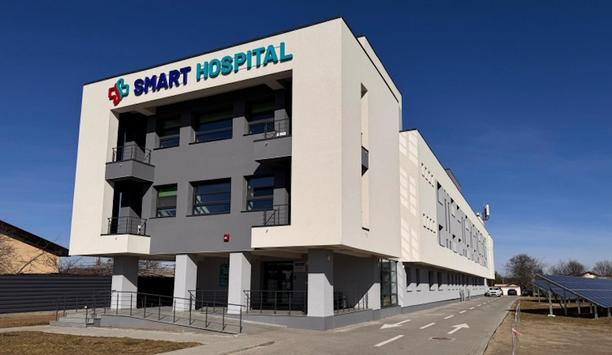
Smart Hospital Bacău, a major medical institution in Romania, has taken a huge step forward in improving patient care and operational efficiency. The hospital has introduced auxiliary care and fall detection radars, along with thermal presence detectors from Hikvision. It’s a great example of how smart devices can transform healthcare, leading to better outcomes for both patients and medical staff. Enhancing palliative care Smart Hospital Bacău offers palliative care as an essential part of its services Smart Hospital Bacău offers palliative care as an essential part of its services. Because of their fragile health conditions, palliative care patients often need round-the-clock monitoring. The hospital recognized this need and was eager to enhance its capabilities in this area. Traditional nurse call systems have limitations, as they depend on patients being conscious and able to press a button, which is not always possible for severely ill or less mobile patients. However, the hospital was aware of these constraints and was determined to find better solutions. Real-time monitoring tools Previously, the hospital relied on manual patient checks, paper records, and verbal shift-to-shift communication. While these methods have been part of the healthcare routine, they put a heavy workload on staff. Without real-time monitoring tools, the hospital's care approach was more reactive. But the hospital saw this as an opportunity for growth and was committed to safeguarding patients and staff from preventable incidents. Hikvision's comprehensive healthcare solution To address these challenges, Smart Hospital Bacău partnered with Next M, a major technology solution provider, to implement a smart healthcare solution using Hikvision products. The solution included auxiliary care radars, fall detection radars, thermal presence detectors, touchscreens and a centralized LCD display, all integrated into the hospital’s nurse call platform. In the palliative care rooms, each of the 30 beds were equipped with Auxiliary Care Radars (DS-TDSB00-EKH/POE/2m) and Bedside Touchscreens (DS-KHH9530-H(O-STD)/M). The radars can monitor heart rate and respiration without the need for patients to wear any devices. Info World Mobile module These radars also detect bed presence, sleep patterns, and abnormal movements, sending real-time alerts These radars also detect bed presence, sleep patterns, and abnormal movements, sending real-time alerts to nurses when there are issues. The touchscreens had the Info World (IW) Mobile module deployed by the healthcare software expert Info World. They ensured full software integration with hospital databases, interoperability with the hospital info and pharmacy systems. Through secure Android integration, the touchscreens serve as point-of-care digital assistants that enable medical staff to access patient records at the bedside. Fall Detection Radars In high-risk areas like bathrooms, Fall Detection Radars (DS-TDSB00-EKT/POE/4m) were deployed. They can spot sudden posture changes or long stays, enabling staff to respond quickly to emergencies while protecting patient privacy. The hospital also installed 15 Thermal Presence Detectors (HM-TD1018-1/QR). These devices combine thermal imaging and radar technology to provide non-intrusive monitoring of patient movement, including out-of-bed detection, exit alerts, and audio alarms for events like calling for help. Finally, a 55-inch LCD display (DS-2055HE-G) was placed in the nurse room. It serves as a centralized hub, providing real-time alerts and monitoring details through the HikCentral platform. Multi-layered approach The integration of these technologies into a unified system enabled faster and more informed responses This multi-layered approach ensures comprehensive coverage, with each device tailored to specific monitoring needs. The integration of these technologies into a unified system enabled faster and more informed responses to patient incidents, significantly enhancing both safety and efficiency. Improving medical workflows The Hikvision smart healthcare solution has brought great benefits to the staff and patients at Smart Hospital Bacău. The system has automated routine checks, greatly improving medical workflows. Nurses no longer need to do frequent manual rounds. Instead, they now receive real-time alerts for abnormal events and can focus on patients who really need help. This reduces human error, improves time management, and eases staff burnout. The centralized display in the nurse room gives instant access to monitoring data, making coordination easier and enabling better decision-making through trend analysis. Patient safety and well-being Hospital Manager, Ciprian Cojocaru, praised the solution, stating: “Before this system, we constantly did rounds to check on patients. Now we know exactly when and where to step in. It has greatly improved our confidence and response times.” Patient safety and well-being have also been significant improved. The system continuously and non-intrusively monitors patients. It can immediately detect emergencies like falls or breathing problems, even for patients who are unable to call for help. Faster responses reduce the risk of incidents getting worse. Privacy-friendly technology The privacy-friendly technology, which operates without video, makes patients more comfortable. Additionally, information from the devices helps create more personalized care plans. Medical teams can spot early signs of health decline and proactively adjust treatments. Beyond these immediate benefits, the implementation of the Hikvision solution has also enhanced the hospital's reputation as a modern, forward-thinking institution. Its adoption of smart healthcare sets a new standard for palliative care, earning the trust of both patients and medical professionals.

A.C. Camargo Cancer Center, a pioneering oncology treatment center in São Paulo, Brazil, recognized for its history of innovation, announces that its partnership with Axis Communications has produced savings of more than $2 million over its first two years, all of which will be reinvested in patient care. A.C. Camargo has deployed more than 2,000 state-of-the-art video surveillance cameras throughout the Center’s corridors, complex care units, and parking lots, embracing a more holistic approach to security that emphasizes patient and employee safety along with improved quality of service. Hospital’s security infrastructure Founded in 1953, A.C. Camargo treats an estimated 100,000 patients annually and is one of the world’s largest healthcare institutions and a pioneering provider of cancer treatment and research. Prior to partnering with Axis, financial losses due to theft were a growing concern for A.C. Camargo The Center is not just a hospital, but a comprehensive care platform that includes prevention, investigation, staging, treatment, palliative care, and rehabilitation services for all types of cancer. Prior to partnering with Axis, financial losses due to theft were a growing concern for A.C. Camargo, and hospital pioneers sought to transform the hospital’s security infrastructure in a way that would both enhance its security posture and streamline patient care and services. Advanced new video surveillance devices “Nearly 15,000 people pass through our entrances each day, and caring for those patients extends far beyond operating or patient rooms,” said William de Souza, Corporate Manager at A.C. Camargo Cancer Center. “By deploying advanced new video surveillance devices, we are enabling our security teams to maintain round-the-clock vigilance and our medical personnel to provide the highest quality of care to our patients." "With cameras monitoring all areas, including cafeterias and parking lots, we are always looking for potential warning signs—even after patients have been discharged. If anything seems amiss, we can alert our team that additional medical care may be needed.” Key national and international certifications The Axis devices are equipped with video analytics that allow the Center to go beyond asset protection. These analytics are deployed with a high degree of sensitivity to ensure high-quality care for patients, their families, and the nearly 6,000 staff members on-site daily, while also protecting their privacy. Axis cameras have enabled the A.C. Camargo Center to improve operations and meet key national and international certifications through: Increased Operational Efficiency: The system enhances operational efficiency by proactively detecting critical issues such as power outages, water leaks, and equipment malfunctions – including refrigerators used for medication storage. This early detection helps prevent medication loss and limit downtime. Additionally, the system can identify nitrogen leaks and immediately trigger luminous alerts, enabling staff to respond quickly and prevent potentially hazardous situations from escalating. Optimized Parking Management: With more than 300,000 vehicles passing through the Center’s parking facilities each year, traffic management is critical. The new system helps streamline the process by automatically identifying license plates belonging to authorized vehicles. Enhanced Patient Care: By providing continuous monitoring in critical areas, such as surgical centers, and delicate procedure rooms, like cellular medicine and pathology, the system enhances patient safety while maintaining strict compliance with privacy regulations. Emergency Management Solutions: Cameras throughout the facility are equipped with analytics that detect falls and suspicious behavior and can even assist in identifying and preventing situations where individuals in distress might harm themselves. Integrating video surveillance cameras Both A.C. Camargo and Axis Communications remain committed to further implementing solutions “The implementation of Axis solutions at A.C. Camargo Cancer Center underscores what is possible when innovation is paired with a deep commitment to care,” said Carlos Machado, End Customer, Key Account Manager, Brazil at Axis Communications. “By integrating video surveillance cameras enhanced with analytics, the Center has made safety a central pillar of its operations, allowing staff to fully focus on what matters most: the health and comfort of their patients. By doing so, hospital leadership has set a compelling example for other institutions facing similar challenges.” Improvement in patient outcomes After initially implementing 300 cameras, A.C. Camargo quickly noticed a difference. The Center moved to further scale the system, adding hundreds of additional cameras to achieve greater coverage throughout its facilities. Now, there are a total of 2,100 cameras throughout the seven buildings that make up the Center. Looking to the future, both A.C. Camargo and Axis Communications remain committed to further implementing solutions that support continuous improvement in patient outcomes and operational effectiveness.

Comelit-PAC has successfully upgraded the access control infrastructure at Blackpool Victoria Hospital, ensuring a seamless and secure environment for staff, patients, and visitors. Blackpool Victoria Hospital is one of the largest and busiest hospitals in the Northwest, providing essential healthcare services to thousands of patients each year. As a pioneering medical facility, ensuring a secure and efficient environment is a top priority. Integrated PAC Access Central Security technology works program integrated PAC Access Central with multiple PC workstations Designed to provide a robust and scalable security solution, the security technology works program integrated PAC Access Central with multiple PC workstations for comprehensive global administration across the hospital’s network To safeguard critical areas within the hospital, Comelit-PAC’s advanced 500 series controllers were utilized. This includes the 511, 512 model door controllers linked into the existing 500 Access & Alarm servers on site, offering a mix of ethernet and RS485 connectivity to enhance system flexibility and efficiency. Security and administrative control Martyn McKechnie, Head of Digital Identity at Blackpool Victoria Hospital, commented: "As a busy hospital with multiple departments and critical areas, we required an access control system that could integrate seamlessly while offering high levels of security and administrative control." Martyn McKechnie adds, "PAC Access Central provides the scalability and reliability we need to manage hospital-wide access efficiently. The ability to oversee all access points from multiple PC workstations ensures our Digital Identity and Security teams can respond quickly to any situation." Future-proof access control system Blackpool Victoria Hospital benefits from a resilient and future-proof access control system A key element of the installation is its server-based architecture, providing enhanced security measures and fail-safe redundancy. This ensures Blackpool Victoria Hospital benefits from a resilient and future-proof access control system, capable of meeting the bespoke demands of the healthcare environment. Advanced security infrastructure Jason Sullivan, PAC / GDX Strategic Development Manager at Comelit-PAC, said: "We worked closely with Blackpool Victoria Hospital right from the initial specification stage to deliver a solution to balance security with ease of management." Jason Sullivan adds, "PAC Access Central presents a future-proof system that allows the hospital to maintain strict access control, while adapting to evolving needs. By adopting this advanced security infrastructure, Blackpool Victoria Hospital continues its commitment to maintaining a safe and secure environment, leveraging Comelit-PAC’s expertise in access control technology."
Hospitals face complex security and operational challenges, but BriefCam’s AI-driven Video Analytics Platform is transforming how organizations like Massachusetts General Hospital (MGH) address them with impressive results: Efficiency Boost: Review one hour of video in just one minute, allowing staff to focus on critical tasks. Rapid Incident Resolution: Quickly locate missing patients and identify individuals involved in incidents using streamlined video searches. Proactive Planning: Accurately quantify visitor traffic to the hospital's museum for better operational resource management. “We can take eight hours of video, and BriefCam creates the ability for somebody to go through it in less than an hour,” said Bonnie Michelman’s, CPP, Director of Police, Security and Outside Services at MGH Hi Business Associate.
Round table discussion

As the new year dawns, it's a good time for the security industry to look ahead to 2024. We asked this week's Expert Panel Roundtable: What will be the biggest surprise for security in the year ahead?

Headlines of violence in our schools are a reminder of the need to keep educational institutions safe. In fact, if there is a positive aspect to the constant bombardment of headlines, it is that it keeps our attention perpetually focused on how to improve school security. But what is the role of physical security systems? As the new school year begins, we asked this week’s Expert Panel Roundtable: Are schools safer because of physical security systems? Why or why not?

As physical security technologies become more complex, it is incumbent on the dealer/integrator to have the skills and expertise needed to ensure that a system operates smoothly. The value of integrators increasingly rests on the skill sets they bring to bear when installing a system. If the skills are missing, there is a problem. We asked this week’s Expert Panel Roundtable: What missing skills among security integrators can cause problems for customers?
Products
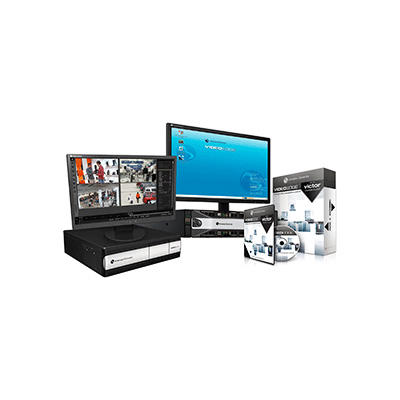
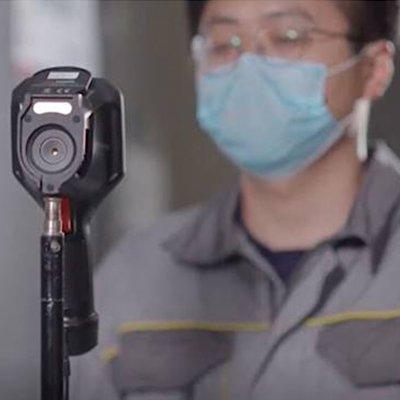
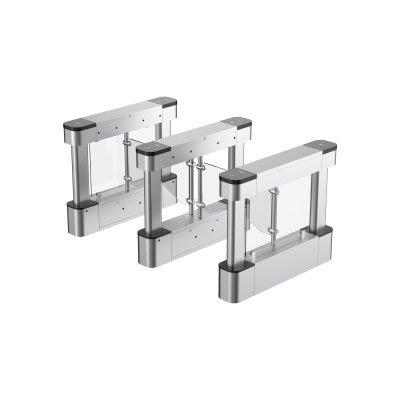
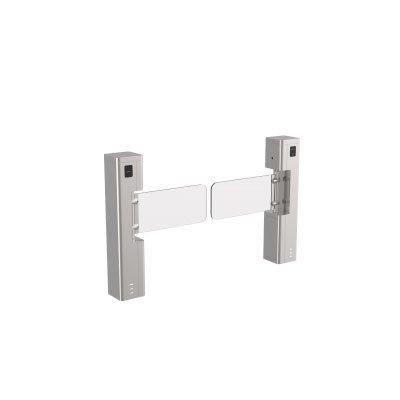
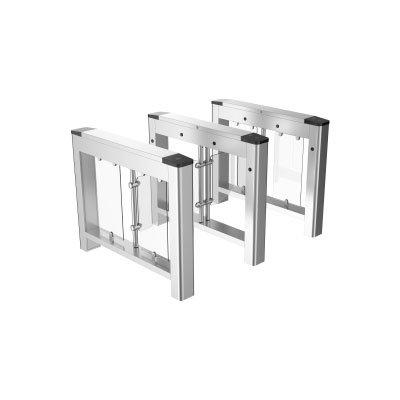

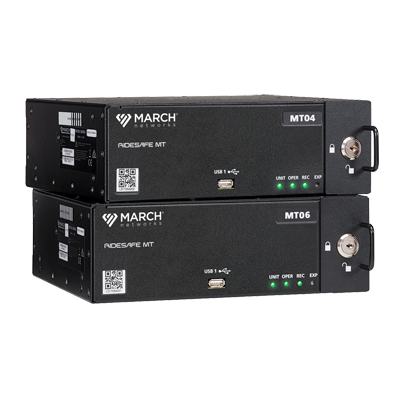

White papers

Hospital Safety In A High Risk World
Download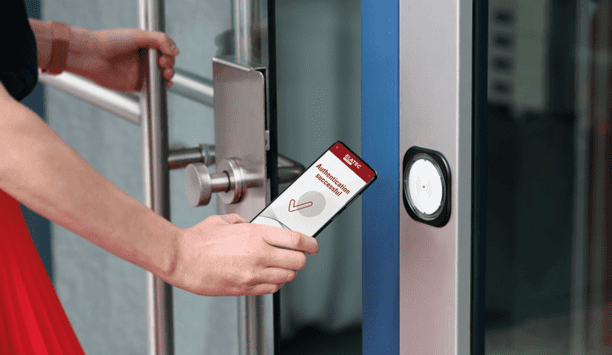
Physical Access Control
Download
Verkada Workplace Safety Survey
Download
Securing Care Closer To Patients
Download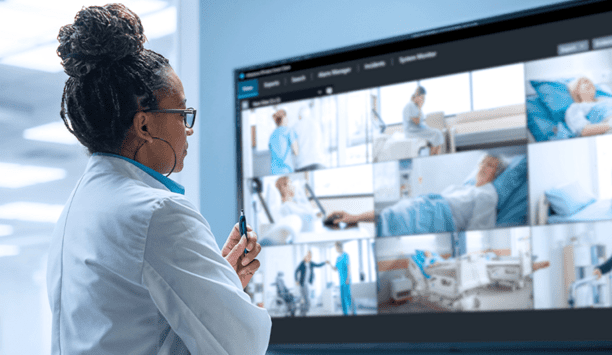
Essential Data Security Strategies For Healthcare
Download
Video Technology Strategies For Hospitals Are Moving Beyond Security
Download
The Future Of Healthcare Security Is Connectivity
Download
Creating A Secure And Positive Healthcare Experience
Download
Integrated Access Control: Reap The Benefits Of Connected Security
Download
Solve Access Control Challenges in the Healthcare Sector
Download
The Healthy Market For Video Surveillance At Medical Facilities
Download