Incident Management

The increased adoption of electric vehicles (EVs) is transforming the roads, but as with any innovation, it is also creating new opportunities for criminals. Within the EU, EV sales increased 31% YoY from 2024 to 2025, spurred on by Government grants, tax and road toll exemptions, and investment in public charging infrastructure. Yet, it is this infrastructure that is increasingly targeted for its valuable equipment and components, notably copper within the charging cables. Combined with vandali...

Cybersecurity operations are evolving at the speed of a fibre-optic lightning storm. Security teams are dealing with cyberattacks, increasingly complex IT environments, and a flood of alerts that can bury analysts beneath digital noise. In response, many organizations are turning to AI-powered Security Operations Centre (SOC) to improve threat detection, automate response processes, and strengthen resilience. Yet one important question remains: can AI-powered SOC meet strict regulatory and comp...

Veritone, Inc., a pioneer in enterprise AI and data solutions, and ZeroEyes, the creators of a multi-analytics weapons detection and threat intelligence platform, have officially partnered to deliver a powerful, differentiated public safety offering. This collaboration aligns two industry leaders to provide organizations with a coordinated security solution encompassing near real-time threat monitoring and comprehensive post-event analysis for live events and chaotic environments. “Our pa...

Group-IB, a creator of predictive cybersecurity technologies to investigate, prevent, and fight digital crime, announces that its market-pioneer adversary-centric Threat Intelligence solution, engineered to detect and flag threats early enough to serve as a warning before an attack lands, is now available in AWS Marketplace, a digital catalog with thousands of software listings from independent software vendors that make it easy to find, test, buy, and deploy software that runs on Amazon We...
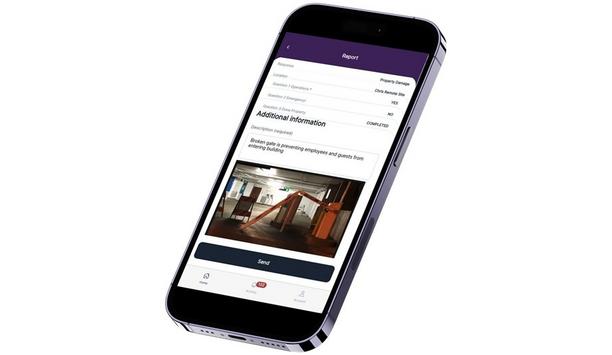
Maxxess Systems is helping organizations simplify day-to-day operations through its eMobile platform, providing facilities management, health & safety, HR and security teams a single mobile-first solution to improve communication, streamline workflows and respond more effectively to incidents. As operational demands continue to grow, many organizations are still managing incidents, compliance and workplace processes across multiple systems. From reporting health and safety concerns to coord...

European regulation regarding cybersecurity in industrial products is gaining momentum: The Cyber Resilience Act (CRA) has been in effect since December 2024 and establishes mandatory requirements for products with digital components. For companies, this means not only new regulatory requirements but also the need to systematically integrate cybersecurity throughout the entire product lifecycle. Controlled communication channels For them at MB connect line, this approach is not a paradigm shi...
News

Hikvision recently attended the Milipol Singapore 2026 exhibition, one of Asia's most prestigious platforms for public safety innovation, where it pointed toward the technologies and strategies that will define tomorrow's security landscape. As an exhibitor, Hikvision did not simply showcase products, but presented a coherent vision for what integrated, innovation-driven public safety can truly look like. From AIoT Devices to Digital Twin and Guanlan AI: Integrated, Innovative Solutions for Intelligent Urban Safety Real-world security operations At the heart of Hikvision's scenario-based AIoT showcase is a comprehensive lineup designed to address the full spectrum of public safety needs — spanning mobile enforcement with body-worn cameras, wide-area security with the 4 lens 360° VR Network Camera, public address capabilities, fire protection, and high-value detection solutions including the Gas Cloud Imaging Camera, Thermal Panoramic Scanner, and Fire Protection & Intrusion Detection Positioning System. Each solution is purpose-built for the complexities of real-world security operations, reflecting Hikvision's commitment to delivering technology that is as practical on the ground as it is intelligent at its core. A standout debut among this impressive lineup is the Visible Horn Camera, making its first-ever appearance in Singapore at this year's exhibition — turning a security fixture into a tool for crowd guidance and emergency response. Wide-area guardian Equally compelling is the Thermal Panoramic Scanner, a wide-area guardian that detects threats invisible to conventional cameras — from unauthorized intrusions under the cover of darkness to early heat signatures signaling fire risk — making it especially relevant for securing high-density urban spaces. Together, these innovations bring the promise of scenario-based AIoT to life: seamlessly connected solutions built for the complexities of real-world safety. As cities grow smarter, the way security agencies plan, monitor, and respond must evolve in equal measure. Hikvision's Digital Twin technology represents a fundamental shift in how urban security is conceived and managed effectively, using immersive virtual displays to forecast urban mobility and optimize incident management. High-efficiency safety The Hikvision Guanlan Large-Scale AI models serve as the intelligent engine powering the entire ecosystem. Making its mark as the powerhouse of the exhibit, Guanlan represents the evolution from "Perception" (seeing) to "Cognition" (understanding). This means the system can now understand complex queries, such as searching through hours of footage in seconds using natural language. By reducing false alarms and streamlining complex workflows, Guanlan ensures that human responders are only called when it matters most, effectively ushering in an era of truly intelligent, high-efficiency safety. As cities evolve and the requirements for effective urban management become more dynamic, Hikvision's integrated approach helps transition fragmented systems into an intelligent digital ecosystem, leveraging innovation to advance urban resilience for today and tomorrow.

inforcer, a provider of Microsoft 365 multi-tenant management software for Managed Service Providers (MSPs), has announced the release of its new Threat Detection and Response solution to help MSPs rapidly identify threats, contain breaches, and prevent recurrence of attacks, unifying left of boom and right of boom security. Having spent the last three years becoming the dominant player in left of boom tenant security, helping more than 1,200 MSP partners to secure and manage Microsoft 365 tenants at scale, inforcer is now branching into right of boom security. At Pax8 Beyond in Salt Lake City, held on 7-9 June, the company unveiled its new product: inforcer Threat Detection and Response. This latest release contributes to inforcer’s offering as the complete platform to manage and secure Microsoft 365 and Copilot for MSPs at scale. Management control plane The company’s solutions are designed to prevent and lessen the impact of attacks left of boom through a multi-tenant Microsoft 365 management control plane, while also enabling clients to rapidly and effectively manage attacks right of boom with real-time detection, incident management, and automated response. While customers expect MSPs to protect them from attacks by default, this is increasingly challenging. With widespread remote working and AI adoption, it is easier than ever for threat actors to launch attacks from anywhere in the world. Breaches are often invisible: once a malicious actor is inside the perimeter, they can lurk for months working to elevate their privileges before executing significant attacks. Additional revenue stream Left of boom preventative security measures are essential, but it is often difficult for MSPs to prove the value of preventative tenant management to their customers. Even the most security-forward and threat-conscious MSPs are still reliant on threat detection and response tools. To win clients and retain recurring revenue, MSPs need to visibly demonstrate how they are catching and preventing attacks – something that requires left and right of boom technologies to seamlessly work together. inforcer’s expansion into right of boom security management helps MSPs complete the security story: providing the visible evidence customers need to understand why left of boom tenant management is necessary. With inforcer’s single end-to-end security platform, MSPs can detect and respond to breaches effectively, while also demonstrating the potential impact and severity of each threat. This makes it easier to reinforce the value of preventative tenant security measures, which MSPs can also execute with inforcer, and then sell as an additional revenue stream. Minimizing false positives inforcer started out as a multi-tenant management solution. As a result, the platform already has unique insight into the Microsoft tenant across all applications. Unlike most identity threat detection and response solutions on the market, which focus solely on identity as the threat vector, inforcer Threat Detection and Response continuously monitors signals from every layer of Microsoft 365 including Entra, Defender, Purview, Teams, and SharePoint. Examining every data entry point provides MSPs with unparalleled insight into the full context of an action, minimizing false positives and alerts. Complete security platform “At inforcer, we’re building the complete security platform MSPs can use for the long-term,” said Jamie Daum, CEO at inforcer. “We’re consistently innovating and expanding, so MSPs can innovate and expand alongside us. With Threat Detection and Response, inforcer is now the single, centralized platform for multi-tenant Microsoft 365 management across the entire security lifecycle, both left of boom and right of boom."

IQSIGHT, a global pioneer in intelligence-first video security, announces its appointment as a Common Vulnerability and Exposures (CVE) Numbering Authority (CAN) in the CVE® Program. This milestone reinforces IQSIGHTʼs dedication to transparency and proactive security management, allowing the organization to issue unique, standardized identifiers, known as CVE records, for vulnerabilities found in its software and firmware. Critical advisory information Previously accomplished through the Bosch Product Security Incident Response Team, the new CNA designation for IQSIGHT will streamline the process of publishing critical advisory information to the U.S. National Vulnerability Database (NVD) and the EU Vulnerability Database (EUVD). The approval reflects the company's ongoing efforts to ensure data security and cyber resilience in its products by strengthening its vulnerability and incident management process. "Becoming a CVE Numbering Authority is a significant step in our mission to provide intelligence-first video security that leaders can trust," said Thomas Elsässer, Vice President of Research and Development at IQSIGHT. Government compliance requirements "By managing our own CVE assignments, we are ensuring customers receive timely information about potential security risks along with the appropriate mitigation strategies.ˮ IQSIGHT has been onboarded as a CNA under the European Union Agency for Cybersecurity (ENISA), which serves as the organizationʼs Root CNA. Commitment to Global Standards and Compliance As cybersecurity regulations evolve, IQSIGHT remains committed to meeting and exceeding government compliance requirements, such as the European Unionʼs Cyber Resilience Act. By establishing these capabilities now, IQSIGHT ensures it is well-positioned to meet future regulatory demands while prioritising the safety of user data.
Atos, a global pioneer in AI-powered digital transformation, announced the extension and expansion of its long-standing strategic partnership with CNA, one of the largest U.S. commercial property and casualty insurance companies, through a new multi-year infrastructure and cybersecurity services agreement with an expected total value of up to approximately $500 million over the duration of the core agreement, inclusive of potential future extensions and additional services. Agreement details The agreement marks a significant milestone in the relationship between CNA and Atos, reinforcing nearly a decade of collaboration built on trust, service excellence, and a shared commitment to operational resilience and innovation. Under the new agreement, Atos will continue delivering critical infrastructure services across CNA’s enterprise environment, including mainframe services, network and middleware operations, digital workplace support, service desk, identity and access management, major incident management, and cybersecurity services. This renewal reflects CNA’s continued confidence in Atos as a trusted strategic partner supporting mission-critical operations across one of the most complex IT environments in the insurance industry. Driving successful business outcomes “CNA’s decision to extend this partnership reflects the strength of the trusted relationship we have built together over many years,” said Michael Grunberg, head of North America, Atos. “Our teams have worked side by side to deliver measurable service improvements, modernize critical infrastructure, and help support CNA’s long-term business objectives. This agreement underscores the value of strong collaboration, transparency, and shared accountability in driving successful business outcomes.” New terms The new contract includes an initial 67-month base term, alongside potential extension options, and future scope expansions, reflecting the long-term nature of the partnership further demonstrating CNA’s long-term commitment to Atos as a key strategic partner. A key differentiator in the relationship has been Atos’ ability to work collaboratively across CNA’s broader IT partner network to drive outcomes in the best interest of the client, reducing friction, accelerating issue resolution, and improving overall service performance. More than a service provider “Atos has become much more than a service provider to CNA — they are a trusted partner,” said Jane Possell, executive vice president & chief information officer, CNA. “Their commitment to quality delivery, transparency, and partnership has played a critical role in supporting our technology transformation journey and positioning us for the future.” Looking ahead, both organizations are continuing to explore how AI-driven service innovation and infrastructure modernization can further enhance operational efficiency, resilience, and long-term business value.
Group-IB, a foremost creator of predictive cybersecurity technologies to investigate, prevent, and fight digital crime, has been named a Leader in the 2026 Gartner® Magic Quadrant™ for Cyberthreat Intelligence Technologies. This recognition places Group-IB among just five vendors to achieve Leader status in the first Magic Quadrant™ Gartner® has ever published for the threat intelligence market, an evaluation that assessed eighteen vendors across completeness of vision and ability to execute. This recognition is a testament to more than two decades of adversary-centric research, the scale and sophistication of its Unified Risk Platform, and the predictive threat intelligence advantage built on unique sources of threat intelligence and 21 years of proprietary telemetry, over 1,500 joint investigations with law enforcement agencies, and continuous 24/7 dark-web monitoring. Recognition for innovation in predictive cyber defense and unified risk intelligence In its 2026 Gartner® Magic Quadrant™ for Cyberthreat Intelligence Technologies report, Gartner® highlighted Group-IB’s verticalized intelligence as a key strength, specifically the platform’s ability to combine dark web and closed-group access, incident response validation, proprietary fraud telemetry, and unique capabilities such as BGP (Border Gateway Protocol) threat monitoring and its Cyber Fraud Fusion model. These give Group-IB particular depth in financial services, telecommunications, and government and law enforcement sectors. Gartner® also recognized the breadth and cost predictability of Group-IB’s Unified Risk Platform, a consolidated intelligence data lake spanning threat intelligence, fraud, Managed XDR, sandboxing, and investigations, offering unlimited users, APIs, hunting rules, and takedowns at enterprise scale. Group-IB’s innovation trajectory was further noted, with Gartner® acknowledging a clearly articulated roadmap shift from detection to prediction-first defense, encompassing attack-path modeling, predictive fraud disruption through Cyber Fraud Fusion, and unified incident management across Threat Intelligence, Attack Surface Management, Digital Risk Protection, and Cloud Security Posture Management. A milestone for Group-IB “Being named a Leader in the first-ever Gartner® Magic Quadrant™ for Cyberthreat Intelligence Technologies is a milestone for Group-IB, and a validation of the direction we have taken since 2003. Cybersecurity can no longer be reactive, and organizations need adversary-centric, predictive intelligence from unique threat intelligence sources that helps them anticipate attacks before they materialize. This recognition reflects the strength of our Unified Risk Platform, the depth of our proprietary telemetry, and the expertise of our global teams who work every day to help customers, partners, and law enforcement stay ahead of cybercriminals,” said Dmitry Volkov, CEO of Group-IB. Intelligence built on two decades of adversary visibility Group-IB’s Leader positioning reflects capabilities forged in the field. Its Threat Intelligence solution delivers Predictive Indicators of Attack, generated from longitudinal intelligence and 24/7 dark-web monitoring, empowering organizations to forecast attacker tactics, toolsets, and regional campaigns before they fully materialize. Group-IB’s Threat Intelligence has powered more than 1,500 joint investigations with law enforcement agencies, including INTERPOL, Europol, AFRIPOL, and underpins the threat visibility delivered to enterprises, financial institutions, and governments across Group-IB’s global network of 11 Digital Crime Resistance Centers. Group-IB’s Cyber Fraud Fusion model, which integrates fraud intelligence with threat intelligence at the data layer, eliminates the blind spots that emerge when cybersecurity and fraud teams operate in silos. In an environment where Group-IB’s proprietary research confirms that ransomware groups and fraud ecosystems are increasingly converging and sharing infrastructure, this unified view is not a feature advantage, but a strategic necessity for any organization serious about prediction-first defense.

Award-winning global security manufacturer, Gallagher Security is preparing for a strong return to The Security Event (TSE) 2026 in Birmingham later this month, bringing a wave of new solutions, an expanded European presence, and a continued focus on meaningful industry connection. Taking place at the NEC from 28-30 April (stand 5/F90), the event will provide a platform for Gallagher to demonstrate how its latest innovations are helping organizations unlock more while navigating an increasingly complex and connected security landscape. Key opportunity Executive Vice President – Europe, Spencer Marshall, says TSE remains a key opportunity to engage directly with the people shaping the industry. “TSE is a significant moment for us each year. It’s where we come together with our Channel Partners and End Users to share ideas, showcase innovation, and better understand the challenges organizations are facing on the ground. With new solutions ready to be unveiled, we’re excited to lead the conversation again in 2026.” Increasing connections Notably, Gallagher Security Chief Executive Mark Junge will attend The Security Event joining the team on the ground across the three days. Mark says the event represents an important opportunity to connect directly with the European market and wider industry. “This will be my first time attending TSE, and I’m looking forward to experiencing firsthand the energy and innovation that defines this event,” he says. “We have experienced significant growth in Europe over the past year, including opening a dedicated office in Stockholm, so opportunities like this to connect with our growing network of Channel Partners, End Users, and industry peers are incredibly valuable.” Mark also shares a glimpse of what can be expected on the Gallagher stand. “A key highlight of the event will be the European debut of AccessNow, our latest innovation that streamlines and automates access requests,” he says. Products on showcase A cloud-native platform, AccessNow is designed to automate how access is requested, approved, and provisioned; freeing security teams from administrative burden and giving End Users instant, self-serve access to the spaces they need. Also on the stand will be Gallagher’s OneLink, a cloud-based solution that makes it faster, easier and more cost-effective to deploy powerful security anywhere in the world, alongside QuickSwitch, Gallagher’s disruptive, cost-effective migration solution that simplifies the transition from legacy systems to Gallagher’s advanced access control technology. Bringing innovations to life The Gallagher booth will feature five solution pods designed to bring its innovations to life. Visitors can explore its cloud solutions, AccessNow and OneLink, discover Gallagher’s perimeter security offering, and see its QuickSwitch migration capabilities in action. A dedicated integration space will showcase how Gallagher solutions connect with leading technology partners, including Kenai, Hanwha, Milestone, Barox, and Idemia, highlighting the strength and flexibility of its broader security ecosystem. Panel sessions Gallagher Security European Marketing Manager, Bethan Thompson, shares Gallagher will be taking part in a panel session alongside Channel Partner Advancis, contributing to discussions on integrated incident management for real-world security challenges. “We also look forward to hosting our 2025 Channel Partner award winners for a celebratory dinner during the event. TSE is an excellent opportunity to show appreciation to our partners which is incredibly important to us,” she says. Gallagher Security will be exhibiting at The Security Event, 28–30 April at stand 5/F90 at the NEC Birmingham.

Expert commentary

In the old days, hopping onto the platform from a not-yet-stopped train was a commonplace stunt for daily commuters in a hurry. It was a thrilling, but dangerous part of railway travel. Today, rail travel is generally much safer, but thrill and fame seekers are finding new, creative ways to use the railway to court notoriety online. Earlier this month, a young man filmed himself laying on the tracks and allowing a train to pass over him. In another instance, two people were seen misusing a level crossing to get an 'Instagram worthy' picture. Meanwhile, the media has recently reported stories from Austria to Australia of people (and in some cases children) being seriously hurt or killed while attempting to train surf. Safety and security of the railway Safety and security have always been a top priority for railways and supporting agencies For rail companies, such incidents cause great distress and bring often unjust headlines that question the level of safety and security of the railway. Then, of course, there is the impact on the timetable when incidents cause significant delays. The ramifications of just one incident can be significant, as illustrated by a case in February when a track trespasser caused 16 trains to be canceled and a further 54 to be partially canceled at the cost of approximately 600,000 euros. Despite the negative stories, safety and security have always been a top priority for railways and supporting agencies. The British Transport Police, for example, traces its origin back to 1830 when the force was established following the death of a member of Parliament, who was struck by a passing train after alighting onto the track of the newly opened Liverpool and Manchester Railway. Modern surveillance Today, trains, platforms, yards, level crossings and sections of track are monitored by some of the very latest technology hardware and software, from high-definition cameras with built-in advanced video analytics capabilities to PSIM (physical security information management) systems that can be used to orchestrate a response to anything from a trespasser on the line to a major derailment. Even with all these systems, the sheer scale of rail networks means it is simply not possible to always have eyes everywhere. True of video analytics If a driver spots someone or something on the line and immediately applies the emergency brake What’s more, while the technology continues to make huge leaps forward, affordability and usability can limit their effectiveness. This has been especially true of video analytics and object detection, where distinguishing between a human trespasser or an animal can be challenging, especially in low light (a particular issue with passenger and freight trains running round the clock). With trains moving at a high speed, early detection is everything. If a driver spots someone or something on the line and immediately applies the emergency brake, it could take the train as much as one mile to come to a stop. LiDAR to the rescue So, what can be done to improve response times for drivers and other stakeholders? One recommendation is to focus on key sections of the rail network that provide easier access for trespassers, such as stations, platforms, tunnels, bridges and level crossings, where more than a quarter of all significant accidents occur on EU railways. This is already standard operating procedure for most rail companies. However, a growing number are going beyond the 'standard' safety and security measures, with the introduction of high-tech solutions such as 3D LiDAR (Light Detection and Ranging) sensors. This technology is already familiar to the rail industry. It has been used for some time in applications ranging from surveying environments in preparation for building high-speed rail networks to mapping railway tracks and surrounding infrastructure for ongoing maintenance works. Management of virtual perimeters LiDAR enables the creation and management of virtual perimeters and/or safe zones In the context of safety and security on the railway, LiDAR enables the creation and management of virtual perimeters and/or safe zones with pinpoint accuracy. A good example would be at level crossings where a high volume of vehicle and pedestrian traffic crosses the track when the barrier is raised, but it must be clear for rolling stock to pass safely. LiDAR sensors can be programmed to automatically switch on minutes before a train is scheduled to pass through the crossing and turned off after it has cleared the area. During this time, any movement detected with this ‘live zone’ would create an alert in the control room. Further layer of protection The addition of cameras would provide a real-time feed of the situation, enabling the control room operator to act. That could involve sending a message via a public address system to clear the area, alerting the approaching train driver to take appropriate action, and alerting emergency services and maintenance teams if there is a vehicle, animal or other blockage on the track. The investment many rail operators have made in PSIM and CAD (computer-aided dispatch) can add a further layer of protection. These systems provide the operator not only with guidance regarding the next best action but also automatically triggered responses to orchestrate the entire incident management process. Protecting critical infrastructure All of these pieces of rail infrastructure and the joint network stand to benefit from the use of LiDAR Level crossings are a good example of environments where it is not viable to have round-the-clock live surveillance, but monitoring is essential at key times. It is a similar case for stations late at night, bridges and depots, all of which are susceptible to acts of trespass, vandalism (particularly graffiti) and theft. All of these pieces of rail infrastructure and the collective network stand to benefit from the use of LiDAR, as incidents are prevented or their impact mitigated in terms of the effect on the timetable, negative publicity, fines and the costs of investigations. Latest Report on Railway Safety and Interoperability The latest Report on Railway Safety and Interoperability in the EU stated that “European railways remain among the safest in the world, with major accidents becoming rare and significant accidents decreasing in the last two decades.” This good news is heightened by the fact that more people than ever in Europe are choosing to let the ‘train take the strain’, with passenger numbers reaching record levels. However, while passengers may no longer be swinging open train doors and jumping from moving carriages just to get to work a few seconds earlier, the risks on the railways have evolved. With more rolling stock traveling at higher speeds on lines old and new, there is a need to revisit the traditional methods of safeguarding areas on the network, to deter, detect and protect against those seeking fame, infamy or gain.

The European Union’s GDPR (General Data Protection Regulation) framework represents some of the toughest and most secure privacy laws in the world. Their creation signaled the EU’s dedication to individual privacy rights and generated new standards and requirements for an organization inside or outside of the EU wanting to do business in the region. This privacy stance raises an interesting question: to what extent (if any) will France be utilizing AI-assisted security and biometrics - at the upcoming Paris Summer Olympic Games? AI-assisted security systems As France prepares to host this global event, certain AI-assisted security systems like algorithmic video monitoring have been tested and are planned to be in use. The country also passed a law with a legal framework for addressing provisions of hosting the Games in their country, Law No. 2023-380. These technologies will support the police and security efforts to detect sudden crowd movements, irregular vehicle, and pedestrian movements, abandoned objects, people lying on the ground, and more, any of which could indicate an attack. Local connectivity One recent French poll found that an overwhelming number of respondents support the use of smart cameras Such technologies, which can be connected directly to localized command centers and police departments, provide an opportunity to prevent deadly incidents like the bombing at the 1996 Summer Olympics in Atlanta, GA. There are signs that citizens of the EU are becoming more receptive to such measures, with one recent French poll finding that an overwhelming number of respondents (89 percent) support the use of smart cameras in stadiums for this purpose. Biometric technology The general public and private use of biometric technology (face matching, face liveness, and other biometric modalities), on the other hand, continues to run into challenges with adoption in this privacy-focused region. For the most part, laws ban facial recognition, permitting its use only once someone has been convicted or is suspected of having committed a serious crime. Limitations of video surveillance Limiting the utility of biometrics to only video surveillance for an event of the Paris Olympics’ magnitude is not the best approach. The ability to quickly identify or de-identify possible suspects from regular attendees greatly strengthens the activities of the police and helps protect the rights of regular attendees. Consider the example of New York City detectives using facial recognition to identify a man who, in 2019, left a pair of potential bombs in the Fulton Street subway station. Benefits of facial recognition technology Many believe that the use of facial recognition could have expedited and solved the Boston Marathon bombing tragedy With facial recognition technology, it took only one hour to identify the suspect - a process that previously would have taken several hours or even days, leaving the possibility of further damage unresolved. Citing yet another example, many believe that the use of facial recognition could have expedited and solved the Boston Marathon bombing tragedy much sooner and more efficiently, aiding investigators who reportedly had to sift through 120,000 photos and nearly 13,000 videos before identifying the perpetrator. Need for real-time video With an estimated 16 million visitors expected to descend upon France for the Games - and an environment that is harder to protect from bad actors - is limiting the use of biometrics to video surveillance the most effective? In our minds, in certain high-urgency cases, such as tracking kidnapping cases or possible terrorism activity, it should be permissible for facial recognition to be applied to recorded video in real-time and without delay. Public safety Beyond this obvious good that biometrics can bring from a public safety perspective, there are other ways that biometrics can be woven into the fabric of the Summer Olympics to support a faster, more enjoyable experience for all. Consider queue management. In a few weeks, an estimated 2.3 to 3.1 million ticket holders will form lines to access Olympic events. Fingerprint scanning technology People could pass through lines in mere fractions of a second, versus having to fumble for a paper ticket If fingerprints were captured at the point of ticket purchase and fingerprint scanning technologies made available on-site, people could pass through lines in mere fractions of a second, versus having to fumble for a paper ticket that may be torn or damaged, or an e-ticket on a phone with a dead battery. This would speed up the processing of queues tremendously. Olympics-focused gambling activity Another area where biometrics can be beneficial is in Olympics-focused gambling activity, which is expected to gain steam as the Games get underway. Biometrics can be used to match facial images with legal documentation for age verification, and then combined with geofencing to ensure gambling participants are of legal age, depending on where they are physically based. Biometrics also makes it possible to identify, beyond the shadow of a doubt, all of the activities of particular individuals, which can help track nefarious activities like money laundering. Evolution of privacy and security We believe biometrics can be a force for major good in our society and around various facets of the upcoming Paris Olympics, most notably public safety. It will be interesting to watch both the 2024 Summer Olympics and the ongoing evolution of privacy and security laws and practices in France and the European Union.

With the rise of organized retail crime (ORC) making headlines, retailers are grappling with the dual challenge of safeguarding both their staff and store assets, while addressing the economic pressures that impact profitability and consumer demand. RFID technology The key lies in identifying effective solutions to counter the current surge in ORC, enabling retailers to secure their vulnerable staff and protect inventory for paying customers. Technology plays a crucial role in supporting brands on this mission, with RFID technology continuing to be a valuable solution. It aids retailers in gaining better control over retail crime, leveraging inventory data. The ongoing surge in retail crime Inflation has elevated the challenges around affording items, prompting criminals to target the retail sector Seen as a global issue, the British Retail Consortium recently reported that incidents of theft have increased by 27% across 10 of the largest cities in the UK, with some cities reporting up to a 68% increase. In the US, retailer Target reported an inventory loss of $500 million for 2023, amounting to a 100-basis point hit to gross margins in 2023. The current surge in theft is not attributed to a singular cause. Inflation has elevated the challenges around affording items, prompting criminals to target the retail sector. Lack of preventive measures A significant contributing factor is the lack of sufficient preventive measures by law enforcement, which in some cases has led to a rise in more severe incidents. However, the implementation of technologies like RFID allows retailers to efficiently build cases against criminals, putting them in a stronger position when it comes to reporting thefts. Not all retail crimes are orchestrated by large entities or executed through sophisticated methods. Some stores have seen a reduction in staff numbers and, as a result, there are fewer people on the shop floor, making it easier for shoplifters to carry out their activities unnoticed. The true impact of retail crime Over 70% of retailers believed the threat of ORC had increased over the past five years, according to a recent survey The impact of retail crime on businesses extends beyond financial and economic consequences; it has also led to a surge in violence against retail staff, an ongoing trend elevated by the pandemic. Over 70% of retailers believed the threat of ORC had increased over the past five years, according to a recent survey conducted by the National Retail Federation. This escalation in violence not only results in immediate repercussions but also contributes to long-term mental health issues for staff, fostering an atmosphere of insecurity that has compelled some retailers to close their physical stores. Policy implementation Given the challenge of staff retention across various businesses, addressing retail crime becomes an even more urgent matter. Additionally, retailers are wary of their employees facing potential danger and the prospect of legal action. Consequently, many have implemented policies prohibiting employees from actively intervening when confronted with shoplifters. Privacy concerns with facial recognition Retail crime also affects customers, as businesses seek to offset losses by raising prices Retail crime also affects customers, as businesses seek to offset losses by raising prices, further burdening financially strained consumers. The presence of visible security systems not only makes stores more hostile but also diminishes the overall customer experience. While facial recognition technology is considered a potential solution, privacy concerns have emerged in its various applications. Today’s problems, yesterday’s solutions Retailers are resorting to historic measures such as steel cables, physical monitoring, or plastic screens to resolve customer issues. However, the reality is that these solutions are unfit for solving the problem, causing friction for both customers and staff. Digital solutions The newer approach involves equipping retail staff with body cams and providing new training The newer approach involves equipping retail staff with body cams and providing new training to deter shoplifters. Some stores are even offering the police discounted food and beverages to encourage their presence. The responsibility lies with management teams to seek effective solutions. In an era dominated by data and technology, retailers must shift their focus from traditional security methods to digital solutions that align with the challenges of today’s society and modern retail environments. Shrinkage When discussing theft or organized retail crime, retailers commonly use the term "shrinkage," referring to not only theft but the broader issue of lost inventory. Additional drivers of shrinkage include damage, fraud, and internal theft. A significant problem arises as losses are often based on guesswork and estimates rather than concrete numbers. Retailers may lack a comprehensive understanding of their inventories, further increasing the issue of shrinkage. Combating shrinkage Utilizing RFID technology notably helps in boosting inventory accuracy Some retailers still struggle with limited knowledge of the whereabouts of items, a challenge heightened by the issue of shrinkage. Utilizing RFID technology notably helps in boosting inventory accuracy. This enhancement enables retailers to obtain a clearer understanding of their inventory and the precise locations of items. Comprehensive strategy Changes in the in-store experience have highlighted the relevance of RFID, especially as self-service checkouts encounter double the shrinkage levels compared to traditional checkout stores. To combat retail theft effectively, a comprehensive strategy should involve the integration of labels, deactivation, electronic article surveillance, and data analytics. This combination works synergistically to reduce shrinkage and enhance product availability. Retail data analytics platforms RFID data can swiftly alert nearby stores, providing an opportunity for staff to monitor shop floors Linking hardware to an underlying data analytics platform empowers retailers to make more informed decisions. Retail data analytics platforms delve into alarms, deactivations, and visitor metrics, providing a deeper understanding of theft patterns. RFID technology drives efficiency by pinpointing frequently stolen items, allowing for the identification of theft patterns. In instances of flash mobs in major metropolitan areas, RFID data can swiftly alert nearby stores, providing an opportunity for staff to monitor shop floors and incoming customers. Real-time optimization The crucial question remains whether both shoppers and retailers are prepared to shoulder the responsibility for these additional precautions. Nevertheless, these changes leverage data more effectively, optimizing loss prevention strategies almost in real-time rather than relying on biannual inventory counts, therefore transitioning from static to dynamic loss prevention. Holistic approach Striking a balance between security measures and providing a seamless shopping experience is key In a retail environment, not all items require protection, and prioritizing the safeguarding of the most frequently stolen and valuable items can significantly impact shrinkage. A holistic approach to retail theft is imperative, considering the entire journey of an item through the retail environment. Striking a balance between security measures and providing a seamless shopping experience is key. Protection without hindrance As stores move towards being checkout-free, retail criminals (or ORC gangs) will be presented with lucrative opportunities to steal, so retailers need to be one step ahead by introducing unobtrusive and effective technology solutions. For example, case building can be improved with item-level data. RFID data offers a more precise means of assessing the value of stolen items compared to relying solely on CCTV. It provides detailed insights into the specific items removed from the store and the timing of these incidents. This proves beneficial in tracking repeat offenders. Increased visibility with a proactive approach The modern retail environment continues to evolve and criminals are never far behind. RFID technology plays a crucial role in minimizing shrinkage by enhancing inventory visibility. Moreover, it leverages the power of data to stay ahead, enabling better predictions of retail crime and the formulation of prevention strategies. This proactive approach allows for the implementation of more tailored solutions to alter outcomes positively.
Security beat
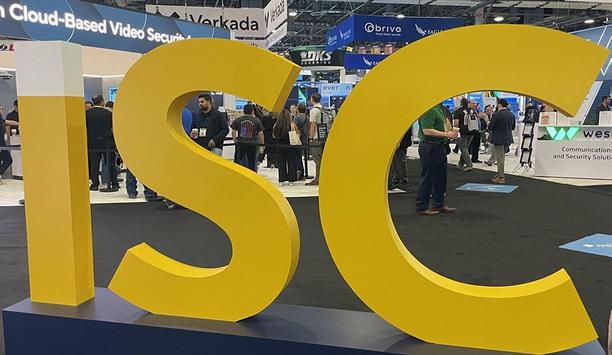
ISC West 2025 in Las Vegas showcased the latest advancements in security technology, offering security professionals a glimpse into the future of the industry. This year's expo highlighted the growing influence of artificial intelligence (AI), cloud computing, and enhanced integration. The pioneering comprehensive and converged security event attracted nearly 29,000 industry professionals to the Venetian Convention Center. Integration into unified platforms Several companies emphasized the importance of cloud-based solutions and the integration of diverse security components into unified platforms. For example, Brivo's Security Suite provides “everything in one platform” – not just access control. Customers only pay for what they use because the system is flexible and scalable from a single door to enterprise level applications. Brivo’s suite includes video, but the system can also tie in with third-party “partners.” Genetec's Security Center allows for more frequent updates through the cloud. Milestone is undergoing a two-year transition to bring its Xprotect system into the future by incorporating Arcules and Briefcam into a video-as-a service product. Suprema introduced BioStar X, which integrates access control and video analytics into a single platform. AI and mobile credentials Axis Communications’ Cloud Connect product announced three new partnerships at ISC West 2025 Axis Communications’ Cloud Connect product announced three new partnerships at ISC West – Eagle Eye Networks, SecuriThings, and Wesco. They join the three partners announced during the first year of Axis Cloud Connect – Genetec, Kone (elevators) and Milestone. AI and mobile credentials were still hot topics at ISC West 2025, but the conversation has evolved beyond amazement at the technologies’ capabilities and now centers on more practical aspects. From the theoretical to the practical “AI and mobility are still the ‘flavors de jour,’ but messages are evolving to manifest AI for better outcomes,” says Heather Torrey, General Manager, Commercial Security, Americas, for Honeywell Building Automation. The company has reframed its security portfolio to be very building- and business-focused, continuing to grow and evolve after the recent acquisition of LenelS2. “From the theoretical to the practical, we want customers to be part of the conversation so we can deliver AI that is meaningful to them, focusing on what’s most important,” says Torrey. Under Honeywell’s new ownership structure, “each part of the business can be more focused on customers’ needs,” she says. Honeywell continues its journey around mobile access and credentialing and migrating to cloud solutions. Innovations in Access Control Gallagher’s new Quickswitch access control board simplifies the migration from legacy systems Access control remains a critical component of security systems, and ISC West 2025 showcased several innovations in this area. Acre is releasing “Gallery,” its version of the App Store for access control. DormaKaba is launching the Keyscan KC Series door controller with TCP/IP connectivity and enhanced features. Gallagher’s new Quickswitch access control board simplifies the migration from legacy systems. Johnson Controls highlighted its C-Cure command center and C-Cure IQ web client, offering a unified approach to access control and video. Hardware integrations for security panels For service provider Alarm.com, hardware products prepare a path to greater customer experiences, says Abe Kinney, Alarm.com’s Director, Product Management, who oversees hardware integrations for security panels, sensors, video, etc., and drives new product development. “We are looking to bridge the physical world to digital world,” he says. “We want to bring an advantage to our dealers that they can bring to customers.” Because Alarm.com’s customers pay a monthly fee, the products must be durable and economical, says Kinney. “It should work with no need for truck rolls.” The importance of longevity and flexibility Products are evaluated based on features, price, and ease of installation Products are evaluated based on features, price, and ease of installation. In particular, longevity is important for the Alarm.com’s pro channel. There is also a growing emphasis on deterrence industrywide. Says Kinney: “We recognize that detection is part of it, but we need to prevent problems from happening in the first place. And the industry is re-evaluating.” When it comes to cloud intelligence, Eagle Eye Networks puts the emphasis on flexibility. They offer AI that can perform anywhere on the system infrastructure, on the camera, on their on-site bridge device, or in the cloud. They support their own AI and also any AI product from a third party. “We focus on what customers want from the data AI detects,” says Hans Kahler, Eagle Eye Networks’ Chief Operating Officer. Integration with other systems A timely alert from gun detection could save a life, but AI can also generate information that might be used and analyzed later, such as point-of-sale information, dwell time, foot traffic, etc. “What people want is the ability to work with the data for business intelligence,” says Kahler. Integration with other systems provides new opportunities for customers: For example, a license plate reader at a restaurant drive-thru could trigger customization of the menu board digital signage based on the customer’s previous buying pattern. Relentless Innovation Assa Abloy handles more than 40 million SKUs for all its various brands, faked in 28 factories in the US Assa Abloy handles more than 40 million stock keeping units (SKUs) for all its various brands manufactured in 28 factories in the United States. Merely complying with regulations such as the “Buy American Act” is a monumental effort considering the massive product line, attendees heard at Assa Abloy’s Annual ISC West Breakfast focusing on compliance challenges in the security market. Meanwhile, back at the trade show booth, Assa Abloy focused on “relentless innovation” in every corner of its product line. Assa Abloy’s message: Innovation in security does not have to be about AI or automation. In fact, inventive approaches to products come in all shapes and sizes and at every level of the product portfolio, and innovation is happening faster than ever. For example, the Safebolt product from Securitech, a brand recently acquired by Assa Abloy, can quickly lock down existing doors with the press of a red button on a cylindrical or mortise lock. Temporary Systems to Secure Events Securing events is the focus of Allied Universal's Unified Command Solutions, which specializes in setting up temporary security systems for conventions, trade shows, festivals, construction sites, parades, and other events. They can add technology to situations where previously mostly security officers were used, providing safety/security and enabling more efficient event operation. “We can put cameras anywhere, whether they need power or not, use cell service or WiFi, a localized network or the internet, or whatever,” says Andrew LaMadrid, VP, Sales for Allied Universal's Unified Command Solutions. Event operation and management IDIS came to ISC West looking to leverage new products that they did not promote in the past The focus is on easy implementation, flexibility, and fast setup and removal. “We look for a solution to solve each customer’s pain points,” says LaMadrid. They specialize in setting up and deploying surveillance cameras for safety/security and for event operation and management. Mobile surveillance is a relatively new “piece of our puzzle” when it comes to protecting high-profile events. “People are excited about what we can offer that’s new,” says LaMadrid. Unified Command Solutions has been around for about 12 years and was acquired by Allied Universal last summer. IDIS came to ISC West looking to leverage new products that they did not promote in the past, and visitors were very interested in those solutions, says Scott Switzer, IDIS CEO. “The progression of our product line has been tremendous,” he says. Last year, the IDIS booth offered only basic analytics, but this year they had 30 different advanced analytics including gun and aggression detection using the advanced solution “IDIS Vaidio AI.” What Makes You Different? The most common question IDIS hears at their trade show booth is: “What makes you different?” The answer: They offer an end-to-end solution, including cameras; they manage, control, design from end-to-end; and there is no need for multiple integrations. The time needed to install an IDIS system is significantly less because of the simplicity. “We have customers we have supported and grown together for over 20 years,” says Switzer. The company previously deployed IDIS cameras under the Costar brand before the Korean IDIS brand was introduced into the U.S. (IDIS purchased Costar and changed the name to IDIS America.) “This has been a tremendous show for us; we are looking to build our momentum and let more people know about IDIS,” says Switzer. Managing real AI at the edge The depth of their metadata enables new applications, whether for security or business operations Based in Prague, Czech Republic, and with U.S. offices in Pennsylvania, FF Group provides license plate recognition for harsh environments. Using Axis cameras, they offer “managed real AI at the edge,” selling through a nationwide distributed network, says Alex Osypov, CEO and Founder of FF Group. Markets include parking lots, cities/municipalities, police, government, water systems, etc. The depth of their metadata enables new applications, whether for security or business operations. They are looking to combine and correlate data including LIDAR, RADAR, etc. to exploit the advantages of “data fusion.” Osypov says: “The market is growing because we are involving other adjacent markets.” Unified platforms and advanced tools Several companies are focusing on enhancing security operations centers (SOCs) by providing unified platforms and advanced tools. Axon’s Fusus system “layers” onto existing infrastructure, tying together various sensors into a single interface for real-time monitoring and information sharing. Increasingly, enterprises have invested in a lot of technologies – ac, video, asset trackers – but none of it talks together. Fusus ties all the systems together so that operators no longer have to look at 10 different screens. Rather, there is a “single pane of glass” that shows everything and facilitates sharing of information with law enforcement. Motorola also showcased its Security Operations Center, which integrates hardware, software, smart sensors, communication radios, and broadband devices to streamline incident management.

The sale of Carrier’s Global Access Solutions to Honeywell in December amounted to a dramatic finish to a big year in 2023 for mergers and acquisitions (M&A) in the physical security market. In the transaction between two industry giants, Honeywell sought to enhance and strengthen its building automation capabilities with the acquisition of Carrier’s Global Access Solutions business for $4.95 billion, in an all-cash transaction. Honeywell acquires Carrier Access business The acquisition, which includes both hardware and software solutions, will mean a new corporate owner for the LenelS2 brand, a pioneering business for over 25 years in commercial and enterprise access solutions, including well-known offerings Onguard and Netbox. In addition, the acquisition covers the Onity brand of electronic locks, including hospitality access, mobile credentials, and self-storage access; and the Supra brand of cloud-based electronic real estate lockboxes. ADT sells commercial business, which rebrands as Everon ADT Inc. announced the sale of its commercial security, fire, and life safety business unit to GTCR ADT Inc., another industry giant and a trusted brand in smart home and small business security, announced the sale of its commercial security, fire, and life safety business unit to GTCR, a private equity firm, for a purchase price of $1.6 billion. ADT Commercial, a security integrator and premier provider of commercial security, fire, and life safety in the United States, announced that it will move forward as a standalone organization and rebrand as Everon. Bosch to sell building technologies products Bosch Building Technologies announced in 2023 that it is realigning its Building Technologies division to focus solely on its regional integrator business, with solutions and services for building security, energy efficiency, and building automation. Therefore, Bosch plans to sell most of the Building Technologies division’s product business. At year-end, Bosch was seeking a buyer who would take on all three business units with their associates and locations. This includes the Video, Access and Intrusion, and Communication business units, and affects some 4,300 associates at more than 90 locations worldwide. Building its integrator business earlier in 2023, Bosch announced the acquisition of Paladin Technologies, Inc., headquartered in Vancouver, Canada, a provider of security and life safety solutions and system integration services in North America. Motorola acquires IPVideo, creator of HALO Sensor In another deal emerging late in 2023, Motorola Solutions acquired IPVideo Corp., Bay Shore, N.Y., the creator of the HALO Smart Sensor, an all-in-one intelligent sensor that detects real-time health and safety threats. The powerful capabilities of the HALO sensor extend Motorola’s end-to-end physical security offering by integrating a non-video threat detection product into the safety and security ecosystem. IDIS acquires Costar Technologies Costar has a sales channel of over 100 distributors and 1,000 systems integrators across the U.S. Korean video manufacturer IDIS and U.S. company Costar Video Systems had enjoyed a long-term existing ODM (original design manufacturer) relationship, and approximately 60% of Costar Video products were already made by IDIS. Therefore, it made sense when IDIS Co., Ltd. and Costar Technologies Inc. announced an agreement and plan to merge, with IDIS acquiring Costar. Leveraging Costar's established distribution networks and sales channels in the U.S. gives a significant boost to IDIS' growth strategy, which is founded on building long-term relationships with systems integrators. Costar has a sales channel of over 100 distributors and 1,000 systems integrators across the U.S. that will benefit from IDIS’ NDAA-compliant and 100% Korean-made technology. SECOM invests in Brivo and Eagle Eye Eagle Eye Networks, a cloud video surveillance company, and Brivo, a provider of cloud-based access control and smart space technologies, announced one of the largest investments to date in cloud physical security in 2023. SECOM CO., LTD, based in Japan and one of the largest security integration companies in the world, has made a primary equity investment of $192 million in the two companies, $100 million in Eagle Eye Networks, and $92 million in Brivo. $100M primary equity investment Brivo will also use the additional investment to continue expanding in Europe, Latin America, and Asia Pacific Eagle Eye Networks, a global pioneer in cloud video surveillance, announced it will use the $100M primary equity investment to expand its suite of AI-powered products, fund geographic expansion, and enhance its enterprise features. Brivo will use the investment to grow sales and marketing, accelerate product development scale support and operational functions, and evaluate strategic acquisitions. Brivo will also use the additional investment to continue expanding in Europe, Latin America, and Asia Pacific, and enhance the smart spaces and AI functionality in the Brivo Access Platform. ACRE buys PremiSys Portfolio ACRE, a security company built on acquisitions, is continuing to broaden its portfolio and serve the expanding needs of its customer base. In 2023, ACRE acquired the PremiSys software and hardware portfolio and assets from IDenticard. PremiSys’ technologies enable organizations to self-manage door access and view integrated video and lockdown facilities. The acquisition extends opportunities for ACRE in healthcare, education, data centers, and senior living facilities. Qognify is a part of Hexagon Qognify extends Hexagon’s real-time monitoring and security reach to detect, assess, and respond Qognify, a provider of video (VMS) and enterprise incident management (EIM) solutions announced that it has become a part of Hexagon. Qognify joins the Safety, Infrastructure & Geospatial division of Hexagon, following the completion of its acquisition originally announced on Dec. 19, 2022. Qognify extends Hexagon’s real-time monitoring and security reach to detect, assess, and respond to incidents, providing a more robust offering. ASSA ABLOY continues its acquisition trend ASSA ABLOY continued to acquire companies in 2023 to strengthen its position in mature markets by adding complementary products and solutions to the core business. Among the companies acquired in 2023 were Ghost Controls, a U.S. supplier of automated residential gate openers, and Securitech Group, a manufacturer of high-security mechanical and electronic door hardware products in the U.S. Door and fencing ASSA ABLOY also acquired Leone Fence, a Canadian manufacturer, distributor, and installer of fencing products for commercial and residential applications, and Lawrence Hardware and Gallery Specialty, providers of commercial hinges, locksets, exit devices, and door hardware accessories in Canada. Another new acquisition is Inovadoor Portas Industriais Ltda, a Brazilian manufacturer of sectional and high-speed doors. Earlier in 2023, ASSA ABLOY completed the acquisition of Spectrum Brands’ Hardware and Home Improvement division and the divestment of Emtek and the Smart Residential business in the U.S. and Canada to Fortune Brands.

Companies at GSX 2023 emphasized new ways that technologies such as artificial intelligence (AI) and the cloud can address long-standing issues in the security market. Among the exhibitors at the event in Dallas were companies seeking creative ways to apply technology, lower costs, and make the world a safer place. Reflecting on the exhibition, here are some additional takeaways. Expanding AI at the edge i-PRO is a company reflecting the continued expansion of edge AI capability in the security market. Today, more than half of the company’s lineup supports AI at the edge so the customer has a wide choice of form factors when seeking to leverage the feature set. AI processing relay, extended warranty i-PRO is increasing their warranty period from 5 to 7 years, which could be a lifetime warranty in some cases I-PRO also has an “AI processing relay” device that accepts non-AI video streams and applies edge analytics. AI has progressed from a high-end technology to a feature available in a variety of cameras at different price points. i-PRO is also increasing its warranty period from 5 to 7 years, which could be a lifetime warranty in some cases depending on a customer’s refresh schedule and lifecycle management. Active Guard, MonitorCast The company’s video management system (Video Insight) is continuing to build new features including “Active Guard,” an integrated metadata sorter. Their access control platform, MonitorCast, is a Mercury-based solution that is tightly integrated with Video Insight. Their embedded recorders now have PoE built in. “We can move at a faster pace to fill out our product line since leaving Panasonic,” says Adam Lowenstein, Director of Product Management. “We can focus our business on adapting to the market.” Emphasis on retail and other verticals Shoplifting is a timely issue, and retail is a vertical market that got a lot of attention at GSX 2023. “We see a lot of retailers who are primarily interested in protecting employee safety, but also assets,” says Brandon Davito, Verkada’s SVP of Product and Operations. “Shrinkage is a CEO-level priority.” “Retailers are getting more engaged with security posture, instead of letting perpetrators walk,” Davito adds. Intrusion detection Verkada has an intrusion product that will notify a central station if there is an alarm On the alarm side, Verkada has an intrusion product that will notify a central station if there is an alarm, and operators can review videos to confirm the alarm. Other capabilities seeking to discourage trespassers include sirens, strobes, and “talkdown” capabilities. International expansion Verkada continues to expand internationally with 16 offices in all, including Sydney, Tokyo, and London. The core value proposition is to enable customers to manage their onsite infrastructure more simply, including new elements such as PTZ cameras, intercoms, and visitor management. Verkada emphasizes ease of use, including a mobile application to allow access to be managed across the user base. Forging partnerships “We are committed to the channel and industry, and we continue to build relationships and expand our reach,” says Davito. Among the industry relationships is a new partnership with Convergint, which was hinted at during the show and announced later the same day. They are also expanding their partnerships with Schlage, Allegion, and ASSA ABLOY. Working with other verticals They offer new features for K -12 schools, and a new alarm platform is easier to deploy and manage Verkada has also found success across multiple other verticals, notably healthcare, where they integrate with an electronic medical records system. They offer new features for K-12 schools, and a new alarm platform is easier to deploy and manage. They are integrating wireless locks to secure interior doors in schools, looking to secure the perimeter, and installing guest management systems. Transitioning the Mid-Market to the Cloud Salient is squarely focused on the “mid-market,” a large swath of systems somewhere between small businesses and enterprise-level systems. Pure cloud systems are not as attractive to this market, which has a built-out infrastructure of on-premise systems. Adding a camera to an existing system is easier and less expensive than tying it to the cloud. Benefits of cloud It’s a market that may not be ready for pure cloud, but there are benefits to be realized from adding a cloud element to existing systems. “We are continuing to augment our premise-based solutions with added cloud capabilities and flexibility,” says Sanjay Challa, Salient’s Chief Product Officer. The feedback Salient hears from their customers is “I want to own my data.” The hybrid cloud approach offers the right mix of control, flexibility, and unit economics. Cloud add-on capabilities We want to provide the flexibility for customers to go full-cloud as it becomes more economically attractive" Cloud add-on capabilities include bringing more intelligence about system operation to the user via the cloud. Over time, Salient expects to sell more cloud-centric offerings based on feedback from integrators and customers. “We want to provide the flexibility for customers to go full-cloud as it becomes more economically attractive over time,” says Challa. Vaidio AI technology Salient seeks to be a transition pioneer to help customers realize the path to the cloud. Their approach is “crawl, walk, run,” and helping customers make the transition at each stage. Salient has added AI to its product offering, incorporating Vaidio AI technology from IronYun into a powerful suite and broad array of on-premise analytics, which are gaining traction. The seamless approach makes it easy for customers to embrace AI analytics, although Salient remains broadly committed to open systems. Addressing ‘Soft’ Features for Integrators AMAG is in the process of enhancing its product line with the next generation of access control panels. However, “product” is just part of the new developments at AMAG. In addition to “hard” features (such as products), the company is looking to improve its “soft” features, too; that is, how they work with the integrator channel. Integrator channel Rebuilding a process to make your organization more efficient, is relatively easy; it just takes a lot of persistence" “We have the depth of our legacy customer base we can learn from, we just need to close the feedback loop quicker,” says Kyle Gordon, AMAG’s Executive Vice President of Global Sales, Marketing, and commercial Excellence, who acknowledges the value of reinstating face-to-face meetings after COVID. “We are laser-focused on nurturing our integrator channel,” he says. “Developing new features takes time, but rebuilding a process to make your organization more efficient, that’s relatively easy; it just takes a lot of persistence,” says Gordon. More cohesive internal communication is another useful tool, he says. Disrupting the cloud based on price Wasabi is working to make cloud applications less expensive by offering a “disruptive” price on cloud storage, $6.99 per terabyte per month (80% less than hyperscalers). Contending “hyperscalers” like AWS are charging too much for cloud storage, Wasabi is using its own intellectual property and server equipment co-located in data centers around the world. Wasabi sells “hot cloud storage,” which refers to the fact that they only have one tier of storage and data is always accessible. In contrast, a company such as AWS might charge an “egress fee” for access to data stored in a “colder” tier. Cloud storage “We saw that several video surveillance companies had not yet adopted cloud storage, and we saw an opportunity to make it easy to use,” said Drew Schlussel, Wasabi’s Senior Director of Product Marketing. “We just install a little bit of software that allows them to store data in the cloud and bring it back from the cloud.” Performance, protection (cybersecurity), and price Wasabi works with integrators, resellers, and distributors and also integrates with VMS companies Wasabi works with integrators, resellers, and distributors and also integrates with VMS companies such as Genetec and Milestone. Emphasizing performance, protection (cybersecurity), and price, their data centers are certified to SOC 2 and ISO 27001 standards. Faster throughput for weapons detection Xtract One is a young company focusing on weapons detection in a time of accelerated concern about gun issues post-COVID. Founded in Canada and based on technology developed at McMaster University, Xtract One has found a niche in providing weapons detection at stadiums and arenas. These customers already have budgets, and it is easy to shift the money to a newer, faster technology. Madison Square Garden in New York City is among its customers. Cost savings solution Xtract One can increase throughput to 30 to 50 people per entrance per minute (compared to 5 to 6 people per minute when using metal detectors). The solution doesn’t require anyone to empty their pockets and the system alarms on items beyond guns and knives. Using Xtract One allows customers to reduce the number of screening lanes and security staff, providing additional cost savings, all while getting fans through the screening process in half the time. Purpose-built sensors The system uses purpose-built sensors looking for specific characteristics, such as reflective and density properties In addition to stadiums and arenas, Xtract One, formerly Patriot One, is also getting “inbound” interest from schools, hospitals, manufacturers, and other verticals that makeup 50% of their business. “We’re on a rocket ride, mainly because the weapons issues are not going away,” says Peter Evans, CEO and Director at Xtract One. The system uses purpose-built sensors looking for specific characteristics, such as reflective and density properties, all correlated by an AI engine. Providing early warning of violence ZeroEyes is another company focused on weapons detection. Their AI gun detection system works with video images to identify if someone is “brandishing” (carrying) a weapon. In other words, the system does not detect concealed weapons. Identifying someone carrying a weapon provides early warning of a possible violent act. Increased response with AI-enables images Images are identified by AI and sent to a monitoring center where a human confirms the image before contacting first responders. Knowing the location of a shooter enables staff to lock entry points, move people to safety, and direct first responders. The company was founded to leverage existing camera views to stop mass shootings and gun violence by reducing response times.
Case studies

ZeroEyes, creators of the multi-analytics weapons detection and threat intelligence platform, announces that its AI gun detection and intelligent situational awareness platform has been deployed by New Jersey’s Sayreville Borough School District to protect students and faculty against gun-related violence. Located in Middlesex County, the district serves approximately 6,500 students and employs approximately 750 staff across 10 buildings, including a high school, middle school, upper elementary school, four K–3 elementary schools, two preschools, and a specialized 18–21 program that operates a publicly accessible store and café for job training. With strong community involvement, the district prioritises proactive safety measures and operates on the principle of staying ahead of evolving security needs. Incident management software ZeroEyes enhances the district’s comprehensive, multilayered security strategy and will be integrated with Singlewire’s InformaCast incident management software. This enables real-time gun detection alerts from ZeroEyes to automatically trigger Singlewire’s InformaCast system, which can instantly distribute customized alerts across a wide range of devices, supporting faster, more coordinated emergency responses and ensuring critical information reaches those who need it most. “Our responsibility is to create an environment where students and staff can focus on learning while knowing that safety is taken seriously,” said Dr. Richard Labbe, superintendent of Sayreville Borough School District. “By integrating advanced technology, such as ZeroEyes, into our broader security framework, we are strengthening our ability to identify potential threats early and act quickly, helping us move from awareness to action in a matter of moments.” Secure learning environment ZeroEyes' AI gun detection and intelligent situational awareness software layers onto existing digital security cameras. If a gun is identified, images are instantly shared with the ZeroEyes Operations Center (ZOC), the industry's only U.S.-based, fully in-house operation center, which is staffed 24/7/365 by specially trained U.S. military and law enforcement veterans. If these experts determine the threat is valid, they dispatch alerts and actionable intelligence — including visual description, gun type, and last known location — to law enforcement and school security teams as quickly as 3 to 5 seconds from detection. “Sayreville Borough School District’s leadership has demonstrated a strong commitment to creating a safe and secure learning environment,” said Mike Lahiff, co-founder and CEO of ZeroEyes. “We’re proud to support their efforts by turning existing security infrastructure into a source of timely, reliable insight that supports faster, more confident action.”

With an extensive network of customers spanning the globe, cybersecurity is a primary concern for our client. Protecting extensive infrastructure and customer data requires a robust cybersecurity posture and effective tools, but the team found its SIEM solution lacking. Flooding its security team with an unmanageable number of false positives, the solution was diverting attention away from genuine threats and leaving them vulnerable. A substandard SIEM solution was not the only security issue. With no UEBA platform in place to help detect insider threats and data breaches, the company was faced with a number of gaps and weak spots in its security infrastructure that needed to be addressed. Three key issues The biggest concerns centred around three key issues: A lack of insider threat detection: Without a UEBA solution, the company had difficulty identifying insider threats and anomalous user behaviour within the network. Time spent on manual investigation: Security analysts spent significant amounts of time manually correlating events and investigating incidents, leading to delays in incident response and inefficient use of resources. Alert fatigue: The company’s existing SIEM solution generated a high volume of alerts, making it challenging for analysts to identify genuine threats among the many false positives. The solution The company engaged with RiverSafe to create a bespoke implementation plan that would address its primary issues and properly secure its digital infrastructure. Working in collaboration with the in-house security team, RiverSafe got to grips with existing infrastructure, gathered requirements and outlined the desired outcomes of the project. With all challenges and end goals collated, the RiverSafe team developed a solution that would meet all requirements and eliminate current security weaknesses. The team suggested Exabeam’s Fusion SIEM platform as it addressed the key concerns: Incident management: Delivering streamlined incident management processes by automating the correlation and enrichment of security events, Fusion SIEM equips analysts with actionable insights and real-time alerts. This improved visibility helps analysts hone in on genuine threats more quickly and reduce response times. Behaviour analytics: Tackling the company’s lack of UEBA issue, Exabeam’s advanced machine learning algorithms were configured to establish baseline behaviour for all users and systems. Any deviation from this baseline alerts analysts, enabling them to investigate anomalous activities and potential security issues, including insider threats. Data integration: The platform was integrated with various data sources, including logs from firewalls, servers, applications, and network devices to ensure comprehensive visibility across the organization’s infrastructure. The outcome The implementation of Exabeam’s Fusion SIEM solution has yielded significant benefits, including: Enhanced threat detection: Exabeam’s behavioural analytics (AA) and machine learning (ML) capabilities have improved the accuracy of threat detection, enabling analysts to identify and respond to security incidents more effectively. Faster incident response: Exabeam’s automated incident enrichment and real-time alerts are helping the security team to respond to incidents promptly, minimizing the impact of potential breaches. Reduced alert fatigue: The platform’s next-generation event analysis capabilities have reduced the number of false positives generated, reducing alert fatigue and giving analysts more time to focus on genuine threats. Improved insider threat detection: With its advanced behaviour analytics, Fusion SIEM is enabling the team to detect insider threats by identifying abnormal user activities and deviations from established behavioural patterns.

The GALE Project has a vision to reshape how municipalities and defense organizations approach public safety, security, and environmental data collection, by transforming existing fixed infrastructure into autonomous drone deployment hubs. Founded by “serial entrepreneur” Jay Kriner, the early-stage company’s flagship GALE System is designed as an all-in-one platform, integrating remote active monitoring, an early alert system, and a drone deployment dock with Hanwha Vision pan-tilt-zoom (PTZ) cameras. License plate recognition capabilities The GALE System is designed primarily for public safety, supporting fire and police departments with traffic monitoring, incident management, and license plate recognition capabilities. Secondary applications include Department of Defense (DoD) use cases such as base security and asset management. Beyond security, the system also supports environmental-related public safety efforts. Kriner cited the 2025 Kerr County floods in his company’s home state of Texas as an example of a real-world scenario for his system. Enabled by Hanwha Vision AI-powered cameras, the system can be trained to monitor water levels, demonstrating its potential for environmental monitoring and providing early alerts. Public safety technology “This system was designed specifically based off floods that we’ve been prone to in the past,” said Kriner, founder/CEO, GALE Project. “The early alert application is a massive opportunity, especially if we’re able to train the AI model to monitor water flow, water levels, and tides. And these cameras play a big part in that.” The GALE System is a significant step forward in public safety technology, consolidating multiple surveillance and monitoring functions into a single, customizable platform. Its modularity is a key differentiator, allowing users to configure the system based on needs and budgets. Organizations can begin with cameras and sensors and then add the drone dock later as well as other third-party technologies. A common configuration features the GALE System mounted on utility poles, but with its modular design and integration of Hanwha Vision’s PTZ cameras, Kriner noted the system has nearly unlimited potential in any application. Third-party technologies “Some people might want to monitor vegetation growth, while others might want to track bird migration patterns,” he said. “There are so many capabilities.” A commercial rollout of a version without the drone component is anticipated by 2026, as the drone integration is the most time-intensive element of development. The company is planning to assemble a scaled prototype in the fall of 2025 with the Hanwha cameras included as an operational element, and GALE is opening another round of seed investments in November. Compact modular unit The GALE System combines a camera, sensor, and drone technology into a compact modular unit. The middle “auxiliary” section of the unit is designed to be “open-sourced,” enabling easy integration of third-party technologies. “When I say modular, just take our system and you can chop it into three sections depending on what the end user wants,” he said. “Maybe they don’t want a drone top on every single utility pole, but they do want the camera. It allows them to tailor to their needs.” The GALE Project chose to integrate Hanwha Vision PTZ cameras due to their advanced capabilities and turnkey design. Hanwha’s built-in AI and cloud solutions reduced development time and costs, enabling the GALE Project to accelerate time to market. “Using Hanwha cameras cut production cost and efforts down tremendously by offering more flexibility, and it allowed me to come to market a lot faster,” he said. Integrated AI and cloud support Kriner positions the GALE System as a disruptive technology, consolidating the roles of multiple cameras while adding new capabilities. “You look up at a utility pole, and it’s got five-plus cameras facing different directions,” he said. “We’re reducing all that into one system and then adding additional features. We see the security aspect, the public safety drone, and its first responder applications. We’re the first to come to the market on this one.” Hanwha Vision’s PTZ cameras were critical to the GALE System’s success. Kriner recalled visiting Hanwha’s Houston showroom, where he was shown a camera zooming in on an individual from a great distance, all capabilities essential for his clients. It was immediately clear that Hanwha’s advanced technology, combined with integrated AI and cloud support, would enable GALE to deliver a more flexible and efficient product. Situational awareness capabilities Kriner is keeping GALE visible on the national stage to showcase the company’s disruptive potential for enabling advanced real-time monitoring and AI-driven situational awareness capabilities. In September, he met with congressional members to represent the GALE Project and advocate for SBIR/STTR (Small Business Innovation Research/Small Business Technology Transfer) funding, which plays a vital role in accelerating innovative small businesses that are engaging in research and development with the goal of commercialization. The company also attended the prestigious AFA Air, Space & Cyber Conference, engaging directly with senior leaders from the U.S. Air Force, U.S. Space Force, and the broader defense innovation ecosystem. “At the end of the day we’re solving problems proactively instead of reactively,” Kriner said, “And everybody’s excited about a new technology that is on the forefront of public safety.”
ZeroEyes, the creators of the first AI-based gun detection video analytics platform to earn the full U.S. Department of Homeland Security SAFETY Act Designation, and Singlewire Software, the pioneer in solutions that help keep people safe and informed, announced a new partnership to improve emergency communications in schools. As part of this collaboration, Glassboro Public School District (GPSD) in New Jersey has become the first joint customer to deploy an integrated solution combining ZeroEyes’ AI gun detection with Singlewire’s InformaCast incident management software. Real-time gun detection alerts This integration supports faster, more coordinated emergency responses The integration enables real-time gun detection alerts from ZeroEyes to automatically trigger Singlewire’s InformaCast system, which can instantly distribute customized alerts across a wide range of devices. These include digital signage, PA systems, strobe lights, desk phones and more, all reaching targeted audiences. This integration supports faster, more coordinated emergency responses and ensures critical information reaches those who need it most. hosting emergency training exercises GPSD is a Pre-K through 12 public school district located in Glassboro, New Jersey, serving approximately 1,950 students and 350 staff members across four schools and two district buildings. With a diverse student population and deep partnerships with neighboring Rowan University, the district offers specialized academics in Performing Arts, STEM, Biomedical Studies, and Business Leadership. The district prioritizes safety and mental health, using tools like Senso and Gaggle to flag concerning keywords in emails, as well as hosting emergency training exercises with local law enforcement. ZeroEyes’ capabilities “Our district was immediately impressed upon seeing a demonstration of ZeroEyes’ capabilities, and recognized that integrating it with our Singlewire software would significantly enhance our security system,” said Craig Stephenson, assistant superintendent at GPSD. “The safety of our students and staff is our top priority, and this integration adds a critical new layer of protection.” Based in Madison, Wisconsin, Singlewire Software is a major provider of mass notification systems for schools, healthcare, government, and enterprise organizations. InformaCast platform Its InformaCast platform enables organizations to communicate quickly and effectively during emergencies and daily operations. Singlewire serves more than 2,000 K-12 customers across all 50 states and is widely trusted for its reliability and flexibility in high-stakes environments. “Shootings typically last only five to seven minutes, so every second counts,” said Terry Swanson, president and CEO of Singlewire Software. “By integrating ZeroEyes’ AI-based detection with our mass notification platform, we help schools take fast, decisive action. Our goal is to keep people safe and informed everywhere, every time, and this partnership strengthens that mission.” AI gun detection AI gun detection and intelligent situational awareness software layers onto existing digital security cameras ZeroEyes' AI gun detection and intelligent situational awareness software layers onto existing digital security cameras. If a gun is identified, images are instantly shared with the ZeroEyes Operations Center (ZOC), the industry's only U.S.-based, fully in-house operation center, which is staffed 24/7/365 by military and law enforcement veterans. If these experts determine that the threat is valid, they dispatch alerts and actionable intelligence — including visual description, gun type, and last known location — to first responders and school staff as quickly as 3 to 5 seconds from detection. Integration with Singlewire “This integration with Singlewire is a powerful example of how two technologies can complement each other to enhance school safety,” said Mike Lahiff, CEO and co-founder of ZeroEyes. “While ZeroEyes provides the critical early detection of a potential threat, Singlewire enables that intelligence to be instantly delivered across a wide range of devices and formats.” “It’s a mutually beneficial partnership that simplifies emergency response and helps protect lives. We’re proud to see this technology in action with Glassboro Public Schools and look forward to bringing it to more districts in the future.”

iCard, a pioneering European e-money institution, has successfully upgraded its customer checks with Regula’s advanced biometric and document verification technologies. By integrating Regula Face SDK and Regula Document Reader SDK with its KYC (Know Your Customer) and risk assessment systems, iCard has moved to speedy, automated verification with improved fraud detection, and enhanced the overall experience for customers in 30+ countries. Implementing Regula’s solutions As a licensed fintech organization, iCard must comply with strict European KYC regulations while maintaining a robust risk assessment system alongside low-effort customer experience. iCard complies with strict European KYC rules while keeping a robust risk review system Prior to implementing Regula’s solutions, manual verification processes led to inefficiencies, longer wait times, increased fraud, and potential friction for users. Customers often had to re-upload photos or wait for manual reviews, causing delays—especially outside business hours. Additionally, iCard needed a more comprehensive document verification system that was capable of recognizing a broader range of ID types. The Regula solution: Fast and fraud-free identity verification To modernize and automate its verification process, iCard selected Regula’s complete solution for document and biometric verification for its industry-leading accuracy, ease of integration, and ability to meet the company’s specific requirements. Regula Face SDK: Integrated into the iCard Digital Wallet app (Android and iOS), it provides fast and reliable biometric verification when a user logs in or performs a money transaction. The solution conducts instant liveness detection and face matching, preventing fraud attempts, including presentation attacks, deepfakes, or injected videos. Regula Document Reader SDK: Deployed in iCard’s back-office system, it automatically authenticates ID cards, passports, and residence permits, including previously unsupported paper-based IDs. Regula’s solution reads and authenticates data from multiple document zones, including MRZs (machine-readable zones), RFID chips, and barcodes, and cross-validates the information to detect any inconsistencies that may indicate fraud. Tangible business benefits The project was completed in just one month, and the impact has been immediate: Instant identity verification: Customers can now authenticate their identity in under a minute. Reduced operational costs: Automated verification processes have minimized manual reviews. Enhanced fraud prevention: Advanced biometric and document verification strengthen security measures. Increased conversion rates: Faster verification leads to a smoother onboarding experience and reduced drop-off rates. Fast and secure identity verification “Implementing Regula Face SDK and Regula Document Reader SDK has optimized our internal processes while ensuring a seamless experience for iCard Digital Wallet customers." "The integration was completed in a short period, resulting in fast and secure identity verification, improved operational efficiency, and reduced fraud risks—all while boosting customer satisfaction,” says Gabriela Anastasova, Chief Product Officer at iCard. Balancing security and user convenience “In today’s fintech landscape, balancing security and user convenience is critical. Customers expect seamless access, while businesses must comply with strict regulations and defend against sophisticated fraud. We are proud to support iCard in finding that perfect balance." "Our solutions ensure that every identity check is robust, automated, and frictionless, allowing fintech innovators like iCard to scale securely and efficiently,” comments Ihar Kliashchou, Chief Technology Officer at Regula.

The space-saving yet full-function video spectral comparator Regula 4306 has been deployed at Wattay International Airport in Vientiane, the Lao People’s Democratic Republic, to strengthen the country’s border security. This initiative aims to combat transnational crimes, including human trafficking, smuggling, and irregular migration. Forged identity documents Lao People’s Democratic Republic faces growing challenges in identifying forged identity documents Like many countries, the Lao People’s Democratic Republic faces growing challenges in identifying forged identity documents used by criminals and irregular migrants. Until recently, document verification at border checkpoints relied heavily on manual inspection, which was time-consuming, prone to errors, and less effective against increasingly sophisticated forgery techniques. Adopting a forensic solution In collaboration with International Organization for Migration (IOM), the Lao immigration authorities began modernizing their approach by adopting a forensic solution to strengthen document authentication and border security. In partnership with IOM in the Lao People’s Democratic Republic and the Australian Department of Home Affairs, the Lao immigration authorities deployed the Regula 4306 video spectral comparator at the country’s major airport in Vientiane. This step equipped border officials with advanced forensic tools for in-depth document authentication, and significantly automated the whole process. Array of features in the Regula 4306 With an array of features in the Regula 4306, ID proof at the Lao border earned much precision With a vast array of features in the Regula 4306, ID verification at the Lao border achieved much-needed high precision. For instance, the device’s high-resolution 8 MP camera with 60x optical zoom captures document images at up to 18,900 ppi and enables officials to analyze even the finest details, including printing techniques. Hyperspectral imaging module Additionally, with over 40 types of light sources and 18 light filters, the Regula 4306 allows authorities at the second line of border control to examine the most intricate document security features, such as holograms, watermarks, microprinting, and optically variable elements, ensuring a more reliable fraud detection process. Apart from that, 3D visualization helps analyze a document’s surface relief and intersecting lines, and the hyperspectral imaging module enables forensic experts to detect document alterations, differentiate ink properties, or recover faded text. Regula Forensic Studio cross-platform software Regula 4306 is controlled via Regula Forensic Studio (RFS) cross-platform software Regula 4306 is controlled via Regula Forensic Studio (RFS) cross-platform software. With RFS, an expert can perform a wide range of examinations, conduct precise measurements and comparisons, process images in various modes, and generate comprehensive examination reports without losing a single detail. Its powerful tools and intuitive interface ensure accuracy and reliability, enabling thorough and efficient forensic investigations. Regula’s identity document template database Integrated with Regula Document Reader SDK, RFS enables comprehensive, automated document checks, eliminating the need for additional equipment or software. Regula Document Reader SDK can instantly recognize and validate IDs’ machine-readable zones (MRZs), RFID chips, barcodes, and invisible personal information (IPI), significantly reducing manual workload and minimizing human error. Also, as it is backed up by Regula’s identity document template database (the most comprehensive in the world), this software is able to verify a wide range of IDs from 251 countries and territories, even the rarest ones. Adoption of Regula 4306 Regula experts conducted specialized training sessions for the Lao immigration officials To ensure seamless adoption of Regula 4306 at Wattay International Airport, Regula experts conducted specialized training sessions for the Lao immigration officials. This ensured that they had hands-on experience and were fully equipped to handle advanced document verification. “Integrating Regula’s devices into the Lao border management operations is a vital step toward combating serious crimes such as human trafficking and irregular migration. This technology enables detection of fraudulent documents with higher accuracy, eliminating human errors,” says Shareen Tuladhar, Chief of Mission, IOM in the Lao People’s Democratic Republic. Lao immigration authorities “Border crossings are the frontline of many serious crimes, making border security crucial to the country's overall safety. We are honored to contribute to strengthening Lao border security." "By equipping the Lao immigration authorities with our top-selling video spectral comparator, the Regula 4306, we are providing them with advanced forensic tools to precisely detect even the most sophisticated document forgeries and stop criminals before they can cause harm,” comments Alex Lewanowicz, Director of Hardware Engineering at Regula.
Round table discussion

The hospitality industry drives economic growth and development by creating jobs, generating revenue, and initiating a ripple effect to improve profitability throughout the supply chain. The hospitality industry includes a vast number of small businesses, including hotels and restaurants. But what are the security challenges of these businesses, and how is the security marketplace serving those needs? We asked this week's Expert Panel Roundtable: How can technology address the security challenges of the hospitality market?

By linking human resource (HR) systems to physical security, access control systems can automatically update permissions based on employee changes, such as promotions, terminations, or department transfers. In fact, connecting HR and information technology (IT) systems to physical security can provide many significant benefits in terms of access control, incident response, compliance, cost savings, and employee experience. We asked this week’s Expert Panel Roundtable: How can organizations integrate physical security with other systems, such as IT and HR?

Manufacturers make things. That hasn’t changed. Manufacturers today still produce finished goods from raw materials using various tools, equipment, and processes. What is evolving is a greater emphasis among manufacturers on understanding and meeting customer needs. In the security industry and elsewhere, the role of a manufacturer is expanding from a purely production-focused function to one that embraces technology, prioritizes adaptability, expands service offerings, and caters to a more demanding customer base. We asked this week’s Expert Panel Roundtable: How is the role of the manufacturer changing in the security market? Is “manufacturer” still the best term to reflect the changing role?