The National Security Inspectorate (NSI) has published the latest revision (Issue 3) of its Code of Practise for the Design, Installation, Commissioning, and Maintenance of Access Control Systems (NCP 109).
The updated Code will become mandatory for NSI NACOSS Gold and Systems Silver approved companies from 31st May 2022, allowing time for any necessary operational or administrative changes, however, companies may install systems compliant with Issue 3 with immediate effect.
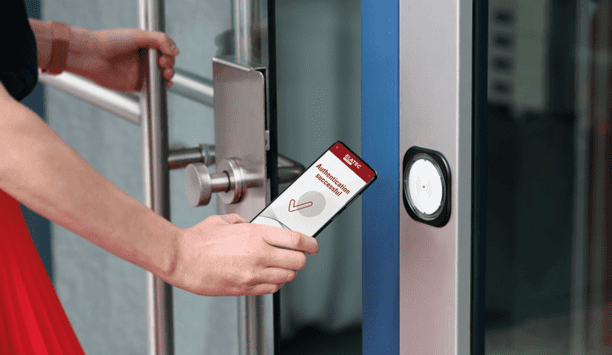
Updates about recognition technology
The revision embraces new technologies and methods providing reassurance to buyers choosing system providers compliant with the updated Code that the access control system will reflect their specific needs, usability, and operating requirements.
The updated Code covers threat assessment, expected people flows, means of escape in the event of a fire or security incident, and determination of the most suitable type of recognition technology.
Requirements mentioned in the code
Responding to evolving standards, the revised Code of Practice is aligned with the current Access Control System standard BS EN 60839-11-1 and application guidelines BS EN 60839-11-2. It also draws on the Equality Act 2010, BS 7273-4 for fire protection (activation of release mechanisms for doors), and BS 7671 for electrical installations.
The Code contains a requirement to consider customers’ security risks and operational needs for each access point
Significantly, the Code contains a requirement to consider customers’ security risks and operational needs to help define the classifications for each access point, ensuring measures are fit for purpose and customer-friendly. Additionally, there are new requirements for IP network installation and some cybersecurity recommendations.
Revision provides confidence
Richard Jenkins, NSI Chief Executive comments “This latest revision gives further confidence to buyers and specifiers that NSI approved companies are experts in their field, knowledgeable about the latest standards and technologies and hold approval underlining competency in their delivery."
“When a company gains independent approval from NSI they are making an ongoing commitment to comply with the latest Standards and Codes of Practise, maintaining a level of expertise which ultimately benefits their customers, as NCP 109 Issue 3 demonstrates.”
An NSI Technical Bulletin (0058) has been issued to NSI’s electronic security installers, providing detailed information on the changes to NCP 109.

- Network / IP
- Biometrics
- Industrial security
- Commercial security
- Private sector security
- Public sector security
- Security installation
- Security access systems
- Industrial security systems
- Network cameras
- Industrial surveillance
- Green security
- Indoor surveillance
- Cyber security
- Corporate Security
- Digital Video Recorders