Commercial security

Everon, LLC, a security integrator and premier provider of commercial security, video, fire and life safety solutions ranked the third largest integrated security company in the U.S. by SDM Magazine, announces a strategic collaboration with Teledyne FLIR (FLIR), a global pioneer in thermal imaging and sensing technologies, to deliver FLIR’s UL-listed thermal imaging cameras and bring a first of its kind early warning fire detection and monitoring service to the commercial market. Through...

barox Kommunikation AG will showcase its powerful integration with Milestone Systems’ XProtect® video management platform at SKYDD 2026, as the company introduces its integrated network management capabilities to the Nordic security market for the first time. Taking place at Stockholmsmässan, Sweden, from 20–22 October, barox will exhibit alongside longstanding technology partner Milestone Systems A/S on stand A03:30, demonstrating how the Smart-barox plug-in brings network...

ABUS UK has appointed Gary Major as Sales and Marketing Director for Home and Commercial Security. Gary joins ABUS with more than 30 years' experience across sales, marketing and business development, working with a range of manufacturing and retail businesses. He will lead the continued development of ABUS UK's Home and Commercial Security division. “The values of ABUS were a big part of what attracted me to the role,” says Gary. “The emphasis on family, honesty and fairness,...

Inovonics, a provider of wireless solutions for life safety and security applications, is celebrating 40 years of innovation and continued growth in commercial security, senior living e-call, multi-family submetering, and commercial monitoring markets. Founded in 1986, Inovonics has continued to advance 900 MHz wireless technology to develop solutions designed for life safety, intrusion detection, and environmental monitoring. “Inovonics has spent four decades building technology that per...
Security 101, a national provider of commercial electronic security solutions, announces the acquisition of Silverstrand Technologies, Inc., a San Diego-based integrator serving commercial, government, and institutional clients across Southern California. The acquisition strengthens Security 101's presence in the San Diego, Orange County, Los Angeles, and Riverside markets and brings a respected regional team with broad technical range into the company's West Region. Southern California is one...
Everon, LLC, a security integrator and premier provider of commercial security, video, fire and life safety solutions ranked the third largest integrated security company in the U.S. by SDM Magazine, announces it has acquired Scarsdale Security Systems, Inc. (Scarsdale), a prominent, New York-based provider of integrated security and fire alarm solutions serving a wide range of commercial markets. Founded in 1982 and headquartered in Scarsdale, New York, Scarsdale Security Systems brings more t...
News
The security industry is undergoing a fundamental transformation as organizations move beyond traditional video surveillance toward AI-driven “visual intelligence.” This shift reflects a growing demand for proactive, real-time security solutions that not only capture incidents but help prevent them. Once viewed primarily as passive recording tools, traditional video surveillance systems are rapidly evolving into intelligent solutions capable of delivering actionable insights. As a result, surveillance is no longer just about capturing evidence after the fact. It is becoming a strategic tool to actively protect people, assets, and operations. Delivering actionable insights This transformation is fueling significant market growth. According to Markets and Markets, the global commercial security market is projected to reach $381 billion by 2030, driven largely by the adoption of AI-powered, proactive monitoring technologies. With an estimated 150 million installed cameras still operating as simple, reactive devices containing little to no intelligence, according to the Security Industry Association (SIA), there is a significant opportunity to upgrade the existing infrastructure to adopt AI powered proactive monitoring technology. “Businesses are realising that traditional surveillance creates operational blind spots, leaving room for missed threats, response delays, and costly false alarms,” said Wes Usie, president of CHeKT. “Security is no longer about watching video. It’s about understanding what’s happening in real time and taking action.” Next-generation platforms A key driver behind this shift is the increasing focus on artificial intelligence and predictive analytics. AI is now the primary area of research and development investment for security solution providers, with predictive data analytics widely viewed as a critical component of next-generation platforms. These technologies enable systems to distinguish between real threats and harmless activity, dramatically improving response times and operational efficiency. The industry is also moving toward a Software-as-a-Service (SaaS) model, where cloud-based, camera-agnostic AI platforms layer advanced analytics onto existing infrastructure. This approach allows organizations to modernise their security systems without costly hardware replacements, while enabling integrators to deliver high-margin, long-term managed services with continuous updates and improvements. Limitation of human monitoring At the same time, growing challenges with traditional security models are accelerating the need for change. False alarms, for example, have reached a tipping point. More than half of security users report experiencing at least one false alarm and 10 percent report five or more, according to Parks Associates. These excessive alerts are overwhelming law enforcement agencies, prompting many municipalities to require verified alarms before dispatch and imposing fines of up to $400 for repeated false alarms. Compounding the issue is the limitation of human monitoring. An IEEE study shows that when operators monitor multiple screens, up to 60 percent of events can be missed, highlighting the inefficiency of labor-intensive surveillance models. These gaps contribute to widespread dissatisfaction, with 35 percent of customers citing false alarms and system unreliability as key reasons for dissatisfaction or cancelling services, according to Parks Associates. Providing meaningful notifications “The traditional model creates alert fatigue, delayed response, and unnecessary costs,” added Usie. “When critical events are missed or misinterpreted, the consequences can be severe.” These challenges are reshaping expectations across both the residential and commercial markets. Residential customers are increasingly seeking “video-first” solutions that deliver reliable, real-time alerts and active deterrence. They expect systems to automatically filter out false alarms and provide meaningful notifications, not noise. In response, 42 percent of security dealers now offer video verification as a core service, according to the SIA 2025 Security Megatrends report. Visual intelligence platforms Meanwhile, commercial and enterprise organizations are redefining how they view security investments. No longer considered a sunk cost, security is now expected to deliver a measurable return on investment. Businesses are demanding multi-purpose visual intelligence platforms that go beyond safety to provide operational insights, support compliance, and optimize logistics. Proactive visual security offers a path forward. By leveraging AI-driven analytics and real-time verification, organizations can identify threats earlier, reduce false alarms, and enable faster, more effective responses. This not only strengthens protection but also delivers tangible business value. CHeKT is at the forefront of this evolution, delivering a proactive visual security platform with intelligence that transforms how security is monitored and managed. By combining real-time video verification with advanced analytics and a network of monitoring partners, CHeKT enables security teams to detect, verify, and respond to incidents as they happen and often before they escalate.

Many businesses and buildings need trustworthy, keyless door security without the expense and invasiveness of an advanced access control system. For these premises, PIN-based digital door access adds this security efficiently, freeing managers, employees, and visitors from the cost and hassle of handling physical keys. In all kinds of workplaces, private rooms need separating – securely and reliably – from spaces where the public have free access. Their doors need a simple, standalone locking solution, whether for a stock or medicine store, staff breakroom, private office, or any similar room. Mechanical locking cylinder A Code Handle PIN lock is an elegant device designed for precisely these use-cases. A Code Handle keeps a space secure, while admitting authorized employees via a digital PIN code on its discreet handle-keypad. Designed to add valuable door security to any private room facing interior public areas, it is already proven across multiple applications and environments to keep unauthorized people out. Fitting is simple, only requiring a change of handle. The existing mechanical locking cylinder stays in place and may still be operated with the existing key. Staff need no specialist knowledge or outside help to manage their doors with Code Handle. This flexibility has seen it deployed successfully in a wide range of small and medium-sized settings, including all of the following. Small healthcare facilities In a busy medical facility – surgeries, dental practices, pharmacies, or physiotherapy suites – it is easy to accidentally leave a door unlocked*. With expensive equipment or controlled drugs on the other side, any opening invites opportunists. With a Code Handle digital PIN lock, practice managers need never worry again. Doctors and patients expect privacy during consultations. With Code Handle, they get it. To secure controlled drugs and hazardous waste bins, a Code Handle is quicker and safer than tracking a physical key – with no need to change the lock when one goes missing. Many treatment and examination rooms have expensive or dangerous equipment such as X-ray machines, dental tools, and physiotherapy equipment. With Code Handle, all this gets the extra level of security it deserves, without the expense of a software-based access system. Shops and retail environments Every store has doors from the retail floor where the public should not go. Managing keys for these openings creates unnecessary workload and distracts staff. At the same time, a bulky mechanical PIN lock can ruin carefully thought-out aesthetics. Retail managers can instead secure these doors with a slimline, contemporary handle. Code Handle adds reliable, aesthetic, digital security to almost any interior door. It is easy for shop staff to operate, no training required. When an employee moves on, it is straightforward to cancel their PIN in seconds without removing the handle. In a shop, outlet, petrol station, or car dealership, Code Handle is a convenient, low-cost solution for stock rooms, staff toilets, or offices facing any space where the public is free to roam. Home-based workspaces The contents of an office may be sensitive, valuable, private… or all three: not everyone at a workplace should have free access. Staff should be able to grab a coffee without worrying about the laptop or handbag left inside. Designed for office doors of any kind, Code Handle keeps such stuff safe and private. When the door shuts, Code Handle locks it automatically – staff do not even need to put down whatever they are carrying. The growth in work-from-home (WFH) and hybrid working strategies has also led to an increase in private workspaces within the home and other communal settings such as co-working premises. These require their own security and privacy, whether to make video calls or have a sensitive conversation. Commercial security is always desirable. In many industries, it is required by law: the physical security of documents, data, and conversations may be the responsibility of those who keep them. As experience across sectors and locations has demonstrated, the most elegant, seamless way to put an effective barrier between a residence and a private workstation is with a Code Handle digital door lock. Other education settings Staff and school administrators can relax when they know private rooms and equipment stores are properly secured. Currently, many teachers carry cumbersome key bunches to ensure pupils do not enter rooms which could put themselves or school equipment at risk. With Code Handle, this is possible without having to constantly lock and unlock by key. Fitting a Code Handle brings a sense of security and privacy to the staff room: teachers can leave marked work or mobile phones where no pupils can enter. A Code Handle makes it easy to separate pupil toilets from PIN-protected staff toilets. PIN-protected staff toilets With Code Handle fitted to just a few important doors around the building, school principals ensure sports equipment, musical instruments, cleaning stores, and kitchens are protected against unauthorized access or theft. Health and safety are also part of the package. Code Handle is fire-door compliant (EN 1634) and with a certified lifetime of at least 100,000 operations. Product design makes disinfecting easier. Unlike mechanical push-button PIN locks, a Code Handle has a smooth surface without corners or ridges. Germs have fewer places to hide. A disinfected damp cloth is all a caretaker needs to keep a handle hygienic – and school doors and storerooms secure. Keeping track of keys Code Handle devices are easy for any small organization to retrofit to their existing doors: the cylinder or lock remains in place and its handle simply swapped for the new device. For power, two standard batteries (CR2) slot inside the handle, typically lasting 30,000 lock/unlock cycles before replacement. Installation needs no wires, specialist tools, or drilling. Two screws attach it to almost any interior door up to 80mm thick. Door management becomes easy and keyless. Every Code Handle comes with a Master Code and 9 different user PINs, making it simple to abandon the inconvenience of carrying and keeping track of keys. PINs are easy to set and to change whenever an office manager decides. It is this easy to transform the security of private rooms which face public spaces.

Amid rapid international digitalisation and evolving risk environments, Secutech 2026 brought the industry’s latest advancements to the forefront at the Taipei Nangang Exhibition Centre from 22 – 24 April 2026. Concluding its 27th edition, the fair drew 396 exhibitors from nine countries and regions, presenting advanced security, fire protection, rescue, and AloT products and solutions to 14,069 visitors from 37 countries and regions including India, Indonesia, Japan, Korea, Malaysia, Philippines, Singapore and the US. Over three days, the exhibition reflected sustained regional investment in intelligent protection systems, bridging innovators, policymakers, and buyers seeking future-ready, standards-compliant infrastructure solutions. Advanced fire protection systems Throughout the exhibition, clear momentum was visible across both AI-enabled security technologies and advanced fire protection systems, underscoring the industry’s shift toward more integrated and intelligence-driven approaches to safety. “This year’s edition reflects the significant shifts taking place across Asia’s security and fire protection industries. We are seeing stronger demand for deployable AI systems, intelligent building solutions, advanced fire detection, and specialized safety equipment. At the same time, stricter regulatory requirements and infrastructure expansion are shaping purchasing priorities across the region and worldwide. Secutech brings together technology developers, public authorities, and infrastructure operators in a focused setting where practical solutions can be evaluated, partnerships formed, and new standards of safety performance advanced,” said Ms Regina Tsai, General Manager of Messe Frankfurt (HK) Ltd – Taiwan Branch. Aspirating smoke detectors This year’s highlights included AI decision platforms designed to enhance operational response, weather-proof electromagnetic locks engineered for demanding outdoor environments, palm vein door detectors for secure access control, and aspirating smoke detectors designed for data centres needing highly sensitive early fire detection. Across seven key zones covering AIoT security, smart buildings, industrial safety, fire prevention, and disaster response, the fair demonstrated the convergence of software intelligence, hardware engineering, and frontline protection. Public infrastructure development As AI driven analytics and edge computing move into broader deployment, exhibitors at Secutech highlighted the increasing focus on system integration, cost efficiency, and regional collaboration within the industry: “We continue to attract strong interest from government representatives and major contractors involved in public infrastructure development. This year, we also welcomed buyers from Southeast Asia, including Indonesia, Singapore and Thailand, reflecting growing regional demand for advanced integrated solutions. We also benefit from the organiser’s international outreach, which supports our engagement with partners beyond the local market. Looking ahead, we expect AI development to drive a gradual shift from centralized cloud infrastructure toward edge computing, as intelligent processing moves closer to the endpoint.” Mr Jefferey Lee, General Manager, 3S System Tech Inc. Actionable insight for businesses “Video systems were once viewed primarily as surveillance tools, but advances in AI and distributed computing have significantly expanded their role within organizations. Today, video has moved beyond simple monitoring and become a source of actionable insight for businesses. In response, we have evolved into an enterprise operating system that unifies streams and enables AI driven analytics through open integration. Having participated in Secutech for more than a decade, we value the exhibition as a concentrated platform for engaging system integrators, partners and decision makers, and this year we further strengthened our regional connections across Asia Pacific.” - Mr Jason Lee, Platform Manager, Network Optix APAC. While digital transformation continues to accelerate, rising regulatory expectations and stricter safety requirements are driving demand for advanced fire detection systems and specialized rescue equipment across public infrastructure and industrial environments: Enhancing safety standards “Our focus is entirely on breathing apparatus for firefighters and rescue professionals. Most visitors to our booth are government agencies, particularly fire departments and national authorities, and this year we also welcomed international representatives from markets such as Japan and the Philippines. As some of our equipment is deployed by high level units, distribution and service support must be handled with precision and professionalism. Secutech provides us with an important opportunity to demonstrate our technology directly and connect with the right partners in a focused industry setting.”- Mr Tony Chou, Chief Technology Officer, Interspiro. “The fire detection and early warning market continues to grow steadily as application scenarios expand across different industries. Secutech brings together a highly concentrated and professional audience, making it an effective venue for engaging with partners and customers. It also allows us to promote greater awareness of early warning technologies and demonstrate how these systems can be implemented across various environments to enhance safety standards. Through continued dialog with industry stakeholders, we aim to support broader adoption in Taiwan and overseas.” - Mr Jim Chen, General Manager, AVA Prevent. Urban security development Beyond exhibitor participation, international buyers emphasized the exhibition’s role in facilitating direct engagement with technology providers, particularly in areas such as AI deployment, regulatory compliance, and urban security development. For many, Secutech offered a focused setting to identify qualified partners and evaluate solutions aligned with their domestic market needs: “Thailand continues to see strong demand for security solutions, particularly in urban safety and infrastructure protection. We visited Taiwan to identify advanced technologies that can support tourism security, smart city development, and integrated urban systems. At Secutech, we have been impressed by the quality and R&D capabilities of Taiwanese companies, especially in AI driven analytics, edge computing, and cloud-based management platforms. We have already held productive discussions with several exhibitors and identified potential partners for future collaboration. As Southeast Asia continues to expand, we see significant opportunities for closer cooperation between Taiwanese manufacturers and our market.” - Mr Taweechai Yang, President, Thai Security Association. Showcasing essential technologies “India’s new Standardization Testing & Quality Certification (STQC) Directorate, which came into effect in April, mandates strict source code disclosure, quality testing, and regulatory compliance. I am attending Secutech specifically to identify Taiwan manufacturers who can meet these requirements. I have already held fruitful meetings with CCTV suppliers committed to delivering compliant solutions. Other exhibitors are also showcasing essential technologies such as AI analytics and machine to machine solutions, which are critical in India where continuous manual CCTV monitoring is not always feasible. Products such as E-vehicle fire detection systems also align well with our market needs.” - Mr Shiv Charan Yadav, Past President, Asian Professional Security Association, India. “Smart technology is definitely an emerging trend at the show, with many exhibitors integrating AI into their solutions for more intelligent industrial applications. We are seeing practical benefits such as license plate recognition, crowd analysis for railway safety, smoke detection, and unattended bag alerts, making surveillance more proactive and efficient. Secutech has been one of the best platforms I have experienced in Taiwan for security, surveillance, and monitoring. We have already connected with promising vendors for railway surveillance and solar applications, and we are looking forward to building partnerships to bring these solutions to market soon.” - Mr Bunardi, Director, PT Alvasta Teknologi, Indonesia. Discussing practical strategies In addition to the product showcases, Secutech 2026 presented 133 seminars and forums that examined new approaches to AI driven security, fire safety, and disaster prevention. Sessions united experts from industry and academia to discuss practical strategies for resilience planning and sustainable infrastructure, reinforcing the fair’s dual role as both a technology marketplace and a knowledge sharing hub. Secutech is organized by Messe Frankfurt (HK) Ltd – Taiwan Branch and is part of a global network of Safety Security and Fire trade fairs. The next edition will be held from 21 – 23 April 2027. Safety and security are increasingly important basic needs and, therefore, stand for a growing global market. With thirteen trade fairs, congresses and forums around the world, Messe Frankfurt brings together demand and supply worldwide with progressive, connected products, applications and services focusing on commercial security and the protection of buildings, spaces and people. The Safety, Security & Fire business cluster offers access to the dynamic markets of the Arabian Peninsula, Asia, Europe and South America.

AMAROK, an industry-pioneer perimeter security company, announces it has completed a strategic investment in Evolon Technology, Inc., acquiring a 45% ownership stake in the company. Evolon provides AI-powered video monitoring and virtual guarding solutions for commercial businesses. The partnership brings together proven perimeter defense and AI-powered monitoring to stop threats earlier, reduce losses, and deliver stronger outcomes for customers. This investment reinforces AMAROK’s commitment to providing best-in-class, layered solutions to customers nationwide. As threats to commercial organizations continue to rise in frequency and sophistication, businesses require more advanced deterrents. Electric fencing systems By integrating AMAROK’s proven electric fencing systems with Evolon’s AI-enabled video surveillance and virtual guarding technology, customers gain a state-of-the-art, comprehensive perimeter security solution reinforced by real-time visibility and proactive threat detection. Strengthening the ability to deliver a truly layered, intelligent security solution - unifying The Electric Guard Dog™ Fence, AI-powered camera detection, gate access, and monitoring into one seamless customer experience. The relationship between AMAROK and Evolon began through operational deployment, with AMAROK implementing Evolon’s technology within its own security ecosystem. After extensive technical evaluation and real-world application, AMAROK expanded the relationship through strategic investment, underscoring its confidence in Evolon’s technology and vision. Perimeter security solution “From day one, our focus has been clear: to build the ultimate perimeter security solution in North America,” said Mark Wesley, CEO of AMAROK. “Our investment in Evolon is a natural extension of that commitment. After experiencing the power of its AI-driven virtual guarding technology in our own operations, we recognized the critical role it will play in the future of commercial security. By combining our proven perimeter defense system with Evolon’s intelligent monitoring, we are strengthening our ability to protect customers from the outside in. Just as important, this investment allows us to continue raising the bar for the customer experience by delivering smarter, more proactive protection and greater peace of mind.” Proven perimeter defense “AMAROK shares our conviction about the future of perimeter security: intelligent, highly integrated, and built around the people who rely on it,” said Tom Galvin, CEO of Evolon. “This investment accelerates a roadmap we're deeply excited about — unifying proven perimeter defense with AI-driven monitoring into a single, seamless experience for the security teams who depend on it every day. AMAROK is exactly the partner we hoped to find.” With this investment, AMAROK has appointed two directors to the Evolon Board of Directors: Nathan Leaphart has been appointed to the Board of Directors. He has served as AMAROK’s Chief Financial Officer since 2007, overseeing the company’s financial strategy and execution, compliance, government relations, and legal functions. Leaphart is a Certified Public Accountant and a graduate of the Darla Moore School of Business at the University of South Carolina, as well as Harvard Business School’s Advanced Management Program. Integrated security solutions Hayelom Tadesse has been appointed to the Board of Directors. He serves as AMAROK's Senior Vice President of Strategy and Continuous Improvement, where he leads enterprise strategy, transformation programs, operations, product development, research and development, and mergers and acquisitions. Tadesse is a Lean Six Sigma Black Belt and a Penn State alumnus with deep technology experience, driving operational excellence across complex organizations. AMAROK’s strategic expansion, alongside Evolon’s continued growth, advances both companies’ shared vision to redefine the future of perimeter security in North America. The investment positions AMAROK and Evolon to accelerate innovation, expand their combined market footprint, and deliver more intelligent, integrated security solutions. Together, the partnership strengthens each company’s ability to protect commercial businesses against today’s evolving threat landscape while driving long-term value for customers, partners, and stakeholders.
The 27th edition of Secutech opens today at the Taipei Nangang Exhibition Center, featuring around 400 exhibitors from nine countries and regions, including China, Germany, Japan, Korea, Singapore, Spain, Taiwan, the UK and the US. Spanning over 15,000 sqm, the fair is primed to deliver a vibrant showcase of intelligent, secure, and sustainable solutions for the security and fire safety industries, affirming its position as Asia Pacific’s hub for innovation and procurement. Amid growing emphasis on data privacy, supply chain integrity, and AI ethics, Secutech 2026 welcomes buyer delegations from India, Indonesia, Japan, Myanmar, Singapore, Thailand, and Vietnam to identify secure by design solutions and build strategic partnerships that strengthen intelligent infrastructure across the region. Fire safety industries “Security today is defined by trust, transparency, and resilience,” said Ms Regina Tsai, General Manager of Messe Frankfurt (HK) Ltd, Taiwan Branch. “This year’s show spotlights how these three pillars translate into real-world innovation. Exhibitors are demonstrating a clear commitment to cybersecurity, quality assurance, and system compatibility. As a result, Secutech provides a platform where technology suppliers and solution providers can collaborate to advance the development of secure and connected industries.” Reflecting this outlook, Secutech 2026 features five specialized application zones across the show floor: Critical Infrastructure Security Applications, Smart Building and Living Applications, Smart Factory and Industrial Safety, Security + Alot, and Fire Protection / Disaster Prevention & Rescue. Together, these areas demonstrate how intelligent technologies combine safety, efficiency, and sustainability across industrial, commercial, and urban settings. Workplace safety standards Exhibitors such as Cheng Deh Fire Protection, Network Optix, REXLiTE.AI, TDV, Top Hi-Tech, and VIVOTEK will unveil advanced solutions in smart sensing, video analytics, access control, and fire management that help raise public and workplace safety standards. Complementing its broad exhibitor line-up, Secutech deepens regional ties through delegations from the Asia Pacific Security Association (India), Asosiasi Kontraktor Konstruksi Indonesia, Security Solutions Association of Singapore, and the Thai Security Association. Major companies from Myanmar, Vietnam, and Japan will also be in attendance. Covering important topics This diverse participation enhances cross border dialogue, bringing together security and smart technology leaders to exchange insights, share expertise, and drive joint initiatives in AI and digital security. Running concurrently with Fire & Safety and SMABuilding, the show offers an integrated platform where security, building, and emergency technologies intersect and new ideas circulate freely. This year’s fringe programme presents 20 seminars featuring over 130 sessions, covering important topics such as AI ethics, data governance, cyber risk management, and smart infrastructure standards. These sessions help professionals align innovation with global best practice and emerging regulations. Key highlights include: 2026 Asia Disaster Prevention Summit - Supervised by the National Fire Agency and co-organized with the Taiwan Asia Exchange Foundation and the Taiwan Association for Disaster Prevention Industry, the summit gathers regional authorities and experts to review earthquake case studies and strengthen cross border cooperation for disaster resilience in Taiwan and the APAC region. Smart Building and Living Innovation Forum - This forum explores how climate change and digital transformation are affecting urban development, covering four core themes: healthy sustainability, digital innovation, energy efficiency, and building safety. AI Trend Forum - Industry experts and researchers will share how AI is being applied to enhance precision, automation, and cross sector integration. The discussions connect standards development with practical implementation to help enterprises adopt AI strategically. Fire Safety & Disaster Prevention Seminar Series - This series focuses on cutting-edge firefighting and industrial safety solutions, introducing technologies for detection, disaster response, and factory risk management that strengthen overall safety operations. Focusing on commercial security Secutech is organized by Messe Frankfurt (HK) Ltd, Taiwan Branch and is part of a global network of Safety, Security & Fire trade fairs. Safety and security are increasingly important basic needs and, therefore, stand for a growing global market. With ten trade fairs, congresses and forums around the world, Messe Frankfurt brings together demand and supply worldwide with progressive, connected products, applications and services focusing on commercial security and the protection of buildings, spaces and people. The Safety, Security & Fire business cluster offers access to the dynamic markets of the Arabian Peninsula, Asia, Europe and South America.
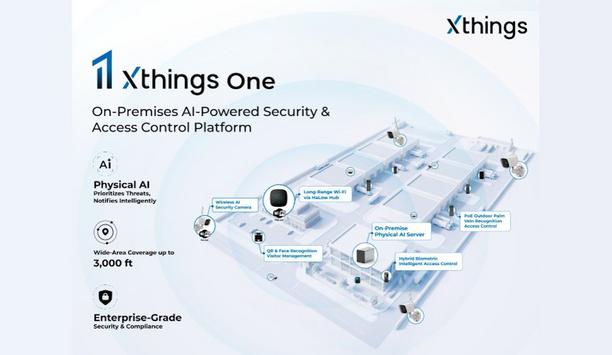
At ISC West 2026, Xthings, a global pioneer in AIoT and smart security, unveiled two new Ulticam Wi-Fi HaLow long-range camera systems, designed to solve the most persistent and expensive problems in commercial security: reliably covering large, complex, and hard-to-wire properties without running cable. Built on the Wi-Fi HaLow (802.11ah) standard, the new Ulticam Long-Range Wireless AI Security Kit and the Wireless Long Range 8-Camera Bullet Kit + NVR use sub-GHz wireless connectivity to reach distances up to 1 kilometer from a single gateway, penetrating walls, structures, and terrain that traditional 2.4 GHz Wi-Fi simply cannot. Extending video surveillance For integrators, dealers, and facility managers, extending video surveillance to remote buildings, perimeter fences, parking structures, loading docks, and detached facilities has historically required either expensive cable runs and conduit work, wireless bridges or unreliable Wi-Fi mesh networks that introduces latency, signal drops, and maintenance headaches. The cost of trenching alone can exceed the cost of the camera systems, and the result is often a compromise: critical areas go unmonitored because the infrastructure investment can’t be justified. The new Ulticam HaLow camera systems from Xthings are built to eliminate that compromise. Both kits deliver professional-grade AI-powered surveillance over long-range wireless, with no extenders, no cable trenching, and no proprietary networking equipment required. AI-powered surveillance “Every integrator knows the conversation: the customer needs cameras on the back fence line, the detached warehouse, or the far side of the parking lot, and the project stalls because the cabling cost doesn’t pencil out,” said Raj Sundar, Senior Director of Product Management at Xthings. “With HaLow, we’re removing that barrier entirely. These systems reach up to a kilometer wirelessly, carry full AI analytics on-device, and include free cloud storage with no subscription fees. For dealers and integrators, that’s a faster install, a cleaner proposal, and a happier customer.” Outdoor bullet cameras The Long-Range Wireless AI Security Kit is a HaLow gateway and camera system designed to work with Xthings One Station for rapid deployment to locations where traditional Wi-Fi falls short. The kit pairs a HaLow Wi-Fi Gateway with four B25W outdoor bullet cameras that record in 4MP (2560x1440) with HDR. The gateway provides sub-GHz wireless coverage up to 1 kilometre from a single point, penetrating walls, foliage, and structures that block conventional Wi-Fi signals. On-device edge AI provides real-time classification of people, vehicles, and pets, along with a full behavior analytics suite including intrusion detection, line crossing, region entry and exit monitoring, and loitering detection. Complete surveillance system The AI Security Kit also includes fire and smoke detection, a capability particularly relevant for agricultural operations, industrial facilities, and remote sites where early warning can prevent catastrophic loss. Storage is handled through Xthings One with support for up to 17,000 clips. Cameras support PoE (IEEE 802.3af) for installations where wired power is available. The system is managed through the Xthings One Interface. The Wireless Long Range 8-Camera Bullet Kit is a complete surveillance system built for full-site coverage of commercial properties, office complexes, educational facilities, healthcare campuses, and warehouse operations. The kit includes an 8-channel NVR with dual 3.5” HDD bays for extended onprem recording, paired with eight weatherproof B2 outdoor bullet cameras that record in up to 4MP (2560x1440) with HDR. Active audible deterrence All eight cameras connect wirelessly via Wi-Fi HaLow, eliminating the need for cable runs across the property while also supporting PoE (IEEE 802.3af) for hybrid installations where wired connectivity is preferred at certain positions. Each camera includes on-device edge AI with the same behavior analytics and classification detection suite: intrusion, line crossing, region entrance and exit, loitering, and person, vehicle, and pet classification. Built-in microphones and speakers on every camera enable two-way audio communication and active audible deterrence, giving security teams the ability to intervene in real time. H.265 compression maximises storage efficiency across the NVR’s internal storage, and the system includes free 7-day rolling cloud storage alongside local recording for redundant retention. Fundamentally different approach Ulticam HaLow systems use a proprietary Always-On Video (AOV) technology, which is a fundamentally different approach from the PIR-triggered recording used by most wireless cameras. Traditional PIR based cameras sleep until an infrared motion sensor detects movement, then wake and begin recording, a process that introduces recording delays and routinely misses the first seconds of an event. AOV keeps the camera in an ultra-low-power video state, continuously capturing keyframes so that AI detection runs directly on video rather than waiting for a passive sensor trigger. The result is pre-event footage, instant detection, and a complete event timeline from start to finish, with detection range that is not limited by the reach of a PIR sensor. Demanding lighting conditions Ulticam’s HaLow lineup is designed with dealers and integrators as the primary go-to-market path. The systems are plug-and-play out of the box, reducing on-site installation time. Wireless HaLow connectivity eliminates the cable infrastructure that drives up labor quotes and project timelines. Free 7-day cloud storage removes the subscription conversation that can stall residential and SMB deals. And because both kits support PoE alongside HaLow, integrators have the flexibility to mix wired and wireless camera positions on the same system based on site conditions. Both systems are NDAA compliant, meeting procurement requirements for government and public-sector projects. All cameras Xthings Brings Wi-Fi HaLow to Commercial Security with Two New Ulticam Long-Range AI Camera Systems Built for Large-Scale Properties are weatherproof and rated for indoor and outdoor use, with IR night vision and HDR for reliable imaging in demanding lighting conditions. Ulticam HaLow long-range camera systems will be on display at ISC West 2026 at the Xthings booth: Stand #32061.

Expert commentary

A key characteristic of many successful companies is that good ideas come from everyone, not just specific departments or job titles. What one person sees as obvious may be questioned by someone else who is less familiar with the product or process. This simple interaction can spark a whole new, faster, and better approach. While valuing tradition is important, if someone uses the phrase “that’s how we’ve always done it,” it’s essential to analyze the process to ensure it remains optimal. Business conditions change rapidly, and what was considered a perfect process last week may need adjustments this week. Comprehensive approach to innovation This comprehensive approach to innovation fosters continuous improvement across all aspects of the organization Innovation should permeate every level of an organization, from product development and customer experience to sustainability practices and employee training. This comprehensive approach to innovation fosters continuous improvement across all aspects of the organization, allowing companies to stay agile, competitive, and in tune with their customers' constantly evolving needs. Addressing real-world challenges At the heart of pervasive innovation in the security industry lies the development of smart products and solutions that address real-world challenges. This approach integrates advanced technologies to enhance security while improving user experience. For instance, the integration of mobile credentials, biometrics, real-time wireless locks, intelligent keys, and cloud-connected access control systems exemplifies how technology can streamline operations and provide users with seamless and secure access. Offering user-friendly solutions These advancements reflect a deep understanding of user needs and preferences, offering solutions that are not only secure but also convenient and user-friendly. A notable example is UniKey's Kēvo, the first Bluetooth-enabled touch-to-open smart lock, introduced in 2013. Developed in partnership with Kwikset, this innovative product allowed users to unlock doors simply by tapping the lock with a compatible smartphone. By continuously innovating across various aspects of security products and solutions, companies can ensure that their offerings remain relevant and effective in addressing the evolving challenges of the security landscape. Design-driven features Products designed for quick and straightforward installation reduce labor costs and minimize downtime Innovation extends beyond technology to encompass design-driven features that prioritize user convenience and satisfaction. For instance, ease of installation is a critical factor in the adoption of new door hardware. Products designed for quick and straightforward installation reduce labor costs and minimize downtime, making them more attractive to both installers and end users. For electronic locks, long-lasting battery performance is essential for minimizing maintenance and ensuring reliability. Products with extended battery life reduce the frequency of replacements and enhance user confidence. Incorporating antimicrobial finishes into door hardware addresses growing concerns about hygiene and cleanliness. Taking hygiene a step further, touchless technology in door hardware minimizes physical contact, reducing the potential for cross-contamination and enhancing user convenience. Sustainability initiatives Sustainability initiatives in door hardware have evolved from niche considerations to central pillars of modern product development, not least of which is the growing consumer demand for sustainable products, which is influencing purchasing decisions. According to a Nielsen report, 66% of global consumers are willing to spend more on a product if it comes from a sustainable brand, leading many companies to prioritize the use of recycled and recyclable materials in their products. Beyond material selection, manufacturers are also refining their production processes to minimize environmental impact. Finishing processes are evolving to use non-toxic and low-impact finishing methods, such as powder coating and physical vapor deposition. Energy-efficient door hardware Energy-efficient door hardware plays a significant role in the overall energy conservation of buildings Energy-efficient door hardware plays a significant role in the overall energy conservation of buildings. Properly designed door hardware can help maintain a building’s thermal envelope, reducing heating and cooling demands. For instance, the HID® Signo™ access control reader includes improved power supply technology and energy-saving features that ensure reduced energy consumption when the reader is in a resting state. Environmental Product Declarations To further demonstrate their commitment to sustainability, many manufacturers seek certifications validating their environmental efforts. Environmental Product Declarations (EPD) and Leadership in Energy and Environmental Design (LEED) certifications have become key indicators of a product’s environmental performance. An EPD provides detailed information about the environmental impact of a product throughout its lifecycle, aiding in the transparency that architects and builders require to make informed choices. Similarly, LEED certification emphasises energy savings and broad environmental priorities, including water efficiency, CO₂ emissions reduction, and improved indoor environmental quality. Customer service and training Innovation is also making great strides in the behind-the-scenes efforts of customer service and training. Predictive maintenance technologies are revolutionising how companies manage product performance and customer support. By utilizing data analytics and IoT technologies, companies can offer maintenance alerts, remote diagnostics, and connected support services that anticipate issues and failures before they occur. This shift from reactive to predictive maintenance minimizes service disruptions and enhances customer trust by ensuring products operate at optimal levels. Digital training initiatives Digital training initiatives equip employees and customers with the skills needed to utilize new technologies In parallel, digital training initiatives equip employees and customers with the skills needed to utilize new technologies in a cost-effective and accessible manner. Digital installer certification programs, learning portals, and customer enablement initiatives are all part of a comprehensive strategy to equip stakeholders with the knowledge and skills they need to succeed. By investing in comprehensive training programs, companies foster a culture of adaptability and competence, ensuring that customers can fully leverage technological advancements. This approach not only enhances operational efficiency but also strengthens customer relationships by empowering them with the knowledge to make informed decisions. Incremental improvements While groundbreaking innovations often capture headlines, it’s the steady, incremental improvements that consistently deliver real-world value. Companies can achieve sustained growth and success by focusing on continuous innovation across all facets of the organization. This quiet progress, though less visible, is often more impactful as it builds a solid foundation for long-term achievement. In a world where change is the only constant, fostering a culture of pervasive innovation is the key to sustained relevance and growth.

March is Women in Security Month, a time dedicated to celebrating and promoting the contributions of women in the security field—particularly in cybersecurity. This observance aligns with Women’s History Month, providing an opportunity to reflect on the progress made and the work still needed to advance gender equity in security. evolving role of women in security The security industry has witnessed a steady increase in women's participation. According to ISC2 Research in its “Women’s Role in Filling the Workforce Gap” report, women make up an estimated 20 to 25 percent of the security industry. Promisingly, younger generations are entering the profession at higher rates, with 26 percent of working professionals under 30 identifying as women. The security industry has witnessed a steady increase in women's participation The research tells us that women are thriving in a variety of roles, from engineering and system administration to sales, marketing, and project leadership. Key factors driving this transformation include mentorship programs, male allies advocating for gender equality, and cultural shifts recognizing the unique perspectives and strengths women bring to security challenges. These efforts are fostering more inclusive environments and ultimately strengthening the industry. The value of diverse perspectives in security Security is not a one-size-fits-all industry—each organization and facility has unique needs that require varied perspectives. Greater representation of women has introduced fresh approaches to problem-solving, fostering collaboration and driving innovation. By integrating diverse viewpoints, security professionals can create more effective solutions that better address end-user needs. Industry support for women’s professional growth SIA's WISF offers subcommittees such as NavigateHER, SupportHER, and UpLiftHER Organizations like the Security Industry Association (SIA) and ASIS International have established networking platforms and initiatives to support women in security. Events such as the Security LeadHER Conference provide valuable professional development and networking opportunities. Companies are also investing in science, technology, engineering, and mathematics (STEM) initiatives, hands-on training, and recruitment programs to attract more women into the field. Additionally, SIA's Women in Security Forum (WISF) offers subcommittees such as NavigateHER, SupportHER, and UpLiftHER, which provide pathways for engagement and growth. Challenges women in security face Despite progress, challenges remain. Many women still feel it necessary to repeatedly prove their expertise, take on additional informal responsibilities, or carefully navigate workplace dynamics. Imposter syndrome can be another hurdle, even for accomplished professionals. However, women in security are addressing these challenges by setting boundaries, advocating for themselves, and supporting one another through mentorship. By excelling in leadership and technical roles, women are reshaping outdated perceptions and advocating for more inclusive workplace policies. Steps industry pioneers can take To further support women in security, industry pioneers could: Provide targeted professional development and career advancement opportunities. Foster strong, supportive communities that recognize and mentor women. Implement structured mentorship programs that connect experienced professionals with newcomers. Promote workplace flexibility to help employees balance personal and career commitments. Actively challenge biases and advocate for meaningful change within organizations. Advice for women entering the security field Here are key pieces of advice for women considering a career in security: Own Your Expertise – Have confidence in your knowledge and skills. Seek Out Mentors & Allies – Connect with supportive professionals who can guide your career. Build a Strong Network – Join organizations like ASIS Women in Security, SIA Women in Security Forum, or Women in CyberSecurity (WiCyS), and attend industry events to expand your connections. Speak Up & Take Space – Confidently share your ideas and challenge outdated norms. Develop Resilience & Advocate for Yourself – Push past biases, demand the respect you deserve, and negotiate for fair salaries and promotions. Keep Learning & Stay Ahead – Continually build your expertise to stay competitive in the evolving security industry. The future of women in security As the security industry evolves with technological advancements and global changes, opportunities for women will continue to expand. Women are not just participating in the industry’s growth—they are shaping its future. With growing mentorship programs, male allies advocating for gender equality, and ongoing cultural shifts, the focus is no longer just on breaking barriers but on building bridges to new opportunities.

From where I sit in talking to security pioneers every day, the traditional Global Security Operations Center (GSOC) stands at a critical inflection point. Security teams are up against challenges in staffing, operational efficiency, and more threat complexity, which means “thinking outside the box” is becoming critical. The use of artificial intelligence (AI) is emerging as more than a buzzword in these situations; it’s becoming a game-changing force multiplier in security operations. Reaching a breaking point Today's GSOCs face a perfect storm of operational challenges. Security operators, typically earning between $20-40 per hour, require extensive training periods lasting weeks or months as a result of the numerous applications they’re tasked with using. Yet the industry grapples with insane turnover rates of 100-% to 300% annually, creating a costly cycle of continuous recruitment and training. Meanwhile, operators are drowning in video feeds and alarms, leading to fatigue, missed incidents, and delayed response times. Practical applications for AI The reality of many GSOCs, however, is a disjointed mess of multiple applications The GSOC is the center of an organization’s security and in a perfect world, all of the data related to safety across multiple facilities flows through there, giving operators a clear picture of what’s going on at any given time. The reality of many GSOCs, however, is a disjointed mess of multiple applications. Think about all the platforms needed to respond to a single incident – access control alarm, video to verify, standard operating procedures (SOPs) stored on a shared drive, radios to get a hold of a guard to dispatch, finding a list of emergency numbers and corresponding it to where the incident is happening, and manually logging the results. Steps into a single platform Not only is there a case for unifying all of these steps into a single platform that pulls in data from various sources, but layering response with AI-enabled technology to achieve the following: Real-time video analysis and threat detection. AI-enabled systems are revolutionizing surveillance operations by simultaneously monitoring multiple video feeds, detecting and classifying objects, people, and behaviors in real-time. The technology excels at identifying suspicious activities such as loitering, abandoned objects, or unauthorized access attempts, automatically alerting operators to potential threats – or even identifying false alarms that can take human operators away from the work they’re doing – all while maintaining vigilance across numerous camera feeds. Intelligent alarm management. One of AI's most immediate impacts is in addressing the chronic problem of false alarms. By analyzing multiple data points simultaneously, AI technology can intelligently filter and verify alerts, dramatically reducing false positives that traditionally consume valuable operator time. An AI GSOC operator, for example, can assess an incoming alarm and either identify it as a real threat (then escalate to its human supervisors) or use SOPs to determine that the alarm is false, providing feedback and reasoning that’s collected and assessed. This intelligent triage ensures security teams focus on genuine threats rather than chasing false alarms, significantly improving response efficiency. Automated incident response. When security incidents occur, AI systems can instantly gather relevant data from multiple sources – including video feeds, access control logs, and sensor data – to generate preliminary incident reports and initiate appropriate response protocols. This automation ensures consistent application of security procedures while maintaining detailed documentation for compliance and analysis purposes. Predictive analytics and pattern recognition. By analyzing historical data, AI systems can identify patterns that might indicate emerging security risks before they materialize. This includes detecting unusual access patterns, anomalies in foot traffic, or behavioral patterns that suggest potential future security threats, enabling proactive rather than reactive security measures. The benefits to the business While AI can be used in so many ways to reduce false alarms, create more efficiencies, and help GSOC operators elevate their roles to be more strategic, there is still a stigma associated with its use. However, a lot of the conversations around this kind of investment can be elevated to reflect positively on the business, which can help achieve more buy-in from leadership. Here are some of the ways: Operational improvements: Dramatic reduction in false alarm rates through intelligent verification systems that analyze multiple data points simultaneously Response times cut significantly through automated triage and threat assessment protocols Standardized and consistent application of security protocols across all shifts and incidents More efficient resource allocation through AI-driven staffing recommendations based on historical patterns Expanded security coverage without proportional staffing increases, enabling monitoring of multiple locations simultaneously Enhanced incident documentation through automated report generation and data collection Improved situational awareness through real-time correlation of multiple data sources Reduced training time for new operators through AI-assisted guidance systems Better compliance management through automated protocol enforcement and documentation Business impact: Significant cost savings through reduced false alarm response and more efficient staffing Decreased liability exposure through comprehensive incident documentation and consistent protocol application Enhanced regulatory compliance through automated record-keeping and standardized procedures Improved risk management through predictive analytics and early warning capabilities Better return on investment for security technology through integrated AI-driven optimization Increased scalability of security operations without proportional cost increases More robust business continuity through improved threat detection and response Enhanced protection of critical assets through constant AI monitoring Personnel impact: Reduced operator burnout through automation of routine and repetitive tasks Enhanced job satisfaction as operators focus on strategic decision-making rather than routine monitoring Improved work-life balance through more efficient resource allocation New career development opportunities in AI-enabled security operations Better retention rates through reduced stress and increased job engagement Enhanced skill development as operators learn to work with advanced technology Improved team collaboration through AI-assisted information sharing More effective decision-making support through AI-driven insights Greater operator confidence through AI-backed verification of security events AI and the road ahead Integration of AI into the GSOC is about more than simply technological advancement While security historically hasn’t changed as quickly as its cyber counterparts, its evolution is imminent. Integration of AI into the GSOC is about more than simply technological advancement; it’s a seismic shift in how organizations approach security operations. The future of this is in the partnership between human expertise and AI capabilities, where technology handles routine monitoring and initial threat assessment, allowing security personnel to focus on complex decision-making and strategic security initiatives. Transformation of security operations For security pioneers looking to implement AI in their GSOCs, success lies in thoughtful integration that considers both technical requirements and human factors. By carefully balancing automation with human oversight, organizations can create more effective, efficient, and responsive security operations that deliver tangible value to the enterprise. The transformation of security operations through AI isn't just about doing more with less – it's about doing better with what we have. As threats become more sophisticated and security demands continue to grow, AI-enabled GSOCs will be better positioned to meet these challenges while delivering enhanced protection for people, assets, and operations.
Security beat

2025 was another impactful year for mergers and acquisitions (M&As) in the security industry, which is undergoing an enormous transformation as global pioneers prioritise specialized technology to drive future growth. The year 2025 has been defined by massive corporate reorganisations, most notably Honeywell and Resideo spinning off core divisions to unlock shareholder value. Simultaneously, an aggressive wave of mergers and acquisitions is reshaping the landscape, with giants like ASSA ABLOY and Motorola Solutions absorbing innovators in AI-driven surveillance, cloud-native access control, and identity management. From residential security shifts to critical infrastructure enhancements, this article will summarise how these strategic moves signal a decisive industry pivot toward integrated and intelligent security ecosystems. Resideo to spin off ADI business Resideo Technologies, Inc. announced its intention to separate its ADI Global Distribution business from its Products & Solutions (P&S) business via a tax-free spin-off to shareholders. The separation is expected to be completed in the second half of 2026. P&S will continue as Resideo, a building products manufacturer of residential controls The goal is to unlock value, enhance operational performance, and improve strategic flexibility for both entities. After the separation, P&S will continue as Resideo, a building products manufacturer of residential controls and sensing solutions. ADI will become an independent public company and remain a global wholesale distributor of low-voltage products, including security and audio-visual solutions. Honeywell separates into three companies There are big changes pending at Honeywell, another global security industry company. Honeywell announced plans to separate its Automation and Aerospace businesses into two independent, publicly traded companies following a comprehensive portfolio evaluation. Combined with the previously announced spin-off of Advanced Materials, this strategy will create three distinct industry pioneers. The Automation and Aerospace separation is targeted for completion in the second half of 2026 as a tax-free transaction for shareholders. The largest portion of Honeywell’s traditional security business (cameras, access control, and fire safety) sits within the Building Automation segment of the new Honeywell Automation company. This unit includes products from recent major acquisitions, such as LenelS2. SimpliSafe’s new chapter SimpliSafe has agreed to be acquired by private equity firm GTCR from Hellman & Friedman SimpliSafe has agreed to be acquired by private equity firm GTCR from Hellman & Friedman, another private equity firm. As the third largest U.S. residential security provider, SimpliSafe will continue under the leadership of the current CEO, while its founders remain significant investors. GTCR, an experienced security industry investor, intends to support the company’s expansion and continued innovation in AI-powered, DIY home protection. This marks a new chapter in SimpliSafe’s mission to provide professional monitoring without long-term contracts. SimpliSafe is GTCR’s fifth investment in the security alarm industry, including prior investments in residential-focused security companies SecurityLink and Protection1, along with commercial-focused security companies HSM and Everon. Motorola grows technology portfolio Motorola Solutions grew its portfolio through acquisitions in 2025. The industry giant strategically expanded its safety and security ecosystem through the acquisition of four specialized technology firms. The company acquired Blue Eye to integrate AI-driven remote video monitoring and 24/7 security operations into its threat detection workflows. To support frontline workers, Motorola added Theatro’s voice-powered communication platform, which complements existing mobile and video technologies. Motorola further bolster its public safety capabilities with the acquisition of RapidDeploy, a cloud-native Next Generation 911 provider that offers real-time caller mapping and data analytics to accelerate emergency responses. Motorola also agreed to acquire InVisit to enhance its Avigilon Alta suite with cloud-based visitor management, streamlining guest registration and blocklist screening for enterprise security. These acquisitions aim to unify detection, communication, and response across various sectors, including retail, healthcare, and critical infrastructure. Allied sells majority stake in AMAG Allied Universal sold a majority stake in AMAG Technology to Shore Rock Partners In December, Allied Universal sold a majority stake in AMAG Technology to Shore Rock Partners. Shore Rock is a growth investor focused on critical infrastructure, with strategic backing from BellTower Partners. Allied Universal will retain a significant minority share. The sale is intended to allow 54-year-old AMAG, which provides integrated access control, identity, guest, and video management solutions, to operate independently from Allied Universal's services-based model for long-term growth. Shore Rock's plan is to invest in advancing AMAG's product line and customer relationships. With this transaction, David Sullivan, AMAG's President, will become CEO. Everon acquires ADT multifamily segment Commercial security provider Everon announced in September that it had entered into a definitive agreement to acquire the business-to-business (B2B) multifamily segment from ADT. This acquisition is a strategic extension that expands Everon's reach in the valuable multifamily market. It will allow the company to offer a more comprehensive portfolio of tailored solutions, including access control, video surveillance, and self-guided tour capabilities. Everon's CEO states that the deal enables them to help property owners and managers increase net operating income and improve operational efficiency. Dormakaba acquires TANlock and Avant-Garde Dormakaba, a global provider of access solutions, acquired TANlock GmbH in July Dormakaba, a global provider of access solutions, acquired TANlock GmbH in July. TANlock is a German firm specializing in innovative high-security access solutions for data centers and other critical infrastructure. The acquisition strengthens Dormakaba’s presence in the data center market. TANlock's intelligent system provides enhanced server cabinet security using electromechanical rack locks and various authentication modules. This solution is scalable, future-proof, and can be integrated into existing IT infrastructures for both retrofits and new installations. Dormakaba also agreed to acquire Indiana-based Avant-Garde Systems Inc. to strengthen its North American entrance control portfolio. This move bolsters Dormakaba’s presence in high-growth sectors like airports and data centers. Acre acquires REKS for AI Recent M&A activity also reflects the growing importance of artificial intelligence. For example, Acre Security acquired REKS, a purpose-built generative AI solution designed to transform access control, allowing professionals to use natural language queries for instant data insights. Integrated into Acre’s cloud-native ecosystem, this AI-powered platform prioritises data privacy while streamlining operations. Led by a new AI Development Team, Acre plans to expand these capabilities into intrusion detection and visitor management. Two acquisitions for Allegion Global security provider Allegion, through one of its subsidiaries, completed the acquisition of ELATEC Global security provider Allegion, through one of its subsidiaries, completed the acquisition of ELATEC, a manufacturer of security and access technology, specializing in RFID credentials and readers solutions designed in Germany and sold globally. ELATEC’s portfolio of readers leverages their internally developed software stack and ensures compatibility with nearly 100 credential types, making the company a pioneer in interoperability, which aligns well with Allegion’s partner-of-choice strategy. Allegion, also through one of its subsidiaries, acquired Brisant Secure Limited, a security hardware provider in the United Kingdom. Senstar acquires Blickfeld for LiDAR sensors Senstar Technologies Corporation has agreed to acquire Blickfeld, a specialist in 3D LiDAR sensors and software. Expected to close in Q1 2026, the acquisition integrates Blickfeld’s hardware into Senstar’s advanced security ecosystem. This strategic move expands Senstar’s addressable market into volume monitoring and traffic applications while enhancing its AI-powered situational awareness capabilities. Following the transaction, Blickfeld will operate largely independently as a subsidiary. ASSA ABLOY continues acquisition spree Global giant ASSA ABLOY was probably the most active company in the M&A market in 2025 Global giant ASSA ABLOY was probably the most active company in the M&A market in 2025, demonstrating aggressive market growth, strategically reinforcing its core business, and expanding its technological footprint across the global security marketplace. The acquisitions delivered on the company's strategy to strengthen its position in mature markets by integrating complementary products and solutions. A major theme for ASSA ABLOY was the enhancement of the door and perimeter security portfolio, particularly in the Americas. This effort included acquiring US-based Metal Products Inc. (MPI) for custom-made hollow metal doors and frames and International Door Products (IDP) for fire-rated steel door frames, both in the fall. Earlier in the year, ASSA ABLOY gained a stronger presence in Central Canada with the addition of Wallace & Wallace and Wallace Perimeter Security, a manufacturer, distributor, and installer of perimeter fencing, door, and gate solutions. The Entrance Systems Division also saw expansion with the acquisition of Belgium’s Kingspan Door Components, a manufacturer of sectional door panels. Furthermore, Door System, a Danish manufacturer of high-quality fire-rated doors, was signed for acquisition in the spring. Cloud-based platform ASSA ABLOY also made significant moves in electronic and access control solutions. Early 2025 saw two key acquisitions: Uhlmann & Zacher, a German supplier of access control handles and knobs, and InVue, a US-based provider of connected asset protection and access control solutions. Reinforcing this segment, SiteOwl, a pioneering cloud-based platform for physical security lifecycle management, was acquired in the summer. The spring acquisition of Pedestal PRO, a US manufacturer of access control pedestals and mounting solutions, further strengthens the electromechanical offerings in the Americas. ASSA ABLOY bolstered its capabilities in remote care technology with Germany’s TeleAlarm Group in late spring. HID Global expands in 2025 HID Global, a subsidiary of ASSA ABLOY, was also active on the M&A front in 2025 HID Global, a subsidiary of ASSA ABLOY, was also active on the M&A front in 2025, aggressively driving the convergence of physical and digital identity solutions and signaling a clear roadmap for security professionals. HID's move to purchase Vancouver-based IDmelon, announced in the autumn of 2025, targets the critical need for robust logical access control. IDmelon’s proprietary software platform transforms everyday identifiers, including existing physical credentials, smartphones, or biometrics, directly into enterprise-level FIDO (Fast IDentity Online) security keys. This approach streamlines an organization’s transition to phishing-resistant, passwordless multi-factor authentication (MFA) and minimizes the need for disruptive changes by integrating physical and digital access into a single, cohesive solution. Safer patient experience Separate from its focus on digital access, HID also bolstered its Identification Technologies Business Area by acquiring the Calmell Group. Calmell is a long-established manufacturer specializing in smart cards, smart paper, and magnetic tickets for the public transportation sector. This addition is expected to expand HID’s footprint and relevance in global public transportation ecosystems, allowing the Barcelona-headquartered firm to leverage HID’s core expertise in digital credentials to drive future-proof solutions for seamless mobility. Also, HID acquired Intelligent Observation to expand its Healthcare Real-Time Location Systems (RTLS) portfolio. Intelligent Observation provides a platform to reduce hospital-acquired infections (HAIs) by tracking hand hygiene compliance. The system uses wearable Near-Field Magnetic Induction (NFMI) devices and a cloud-based SaaS dashboard. This technology records and reports if healthcare workers sanitize appropriately, providing granular compliance data to administrators to enable a safer patient experience.

Ibrahim Kassem, Everon’s new Chief Technology Officer (CTO), has been in the security industry since 1998 in various IT leadership roles. Most recently, he was Chief Information Officer for a video monitoring company. With most of his professional experience rooted in commercial security, Kassem has come to understand how customer needs and demands change with the evolving technology landscape. That understanding is a foundation for his new role at Everon, the national provider of commercial security, fire, and life safety solutions formerly known as ADT Commercial. Integrate AI to security operations “In this role, I am responsible for any customer-facing technology at Everon,” says Kassem. “Our primary focus is to provide a platform that will make it easy to do business with us. That platform will involve most of our solutions, including video monitoring which is the near-future focus for us.” As an integrator, Everon’s objective is to identify the best solutions. “We have partners that we leverage to help develop solutions for our customers that directly respond to their needs,” says Kassem. “For example, we partner with video camera providers to integrate AI to take security operations to the next level.” Demand for video monitoring Everon is looking to shift from reacting to events after they take place toward proactive monitoring Like most security operations, Everon is looking to shift from reacting to events after they take place toward proactive monitoring and preventing crimes as they are happening or deterring them from taking place. The ability to detect objects and behaviors is possible through AI. “Through this detection, we can respond accordingly – that’s why it’s at the forefront of our video monitoring efforts,” says Kassem. Every pursuit at Everon is in response to customer demand, and there is tremendous demand for video monitoring, says Kassem. Customer needs are the main philosophy behind the development and acquisition of technology, which also ensures that Everon is at the forefront of evolving with the security industry. Video-based security solutions “Right now, we’re noticing a trend towards video-based security solutions versus solely intrusion and guarding,” says Kassem. Everon seeks to strike a balance between “build versus buy.” The integrator prefers to buy when there is a proven product that will bring the most value. “We’re an integrator before we are a developer of technology,” says Kassem. “However, we are not shy about complementing a technology that we purchase with technology that we build if we don’t find the proper platform.” Video monitoring solutions and services Everon continues to evolve in step with ongoing trends, including smarter AI and analytics, smarter cameras Everon continues to evolve in step with ongoing trends, including smarter AI and analytics, smarter cameras, faster internet connectivity, and availability of wireless through 4G, LTE, and 5G connections. All of these are critical pieces of the video monitoring roadmap, says Kassem. “We aim to develop our video monitoring solutions and services to provide the best value to enterprises, reduce false alarms, and focus on relevant activities to save time and money,” he adds. “That’s what we’re looking forward to in the next couple of years.” Dependence on physical security Everon provides video monitoring services on a monthly basis, so the approach plays well with their recurring monthly revenue (RMR) model. Video monitoring is in great demand, and Everon is working towards being pioneers in that space, pushing to make it a major part of their future offerings. Everon is working towards being pioneer in that space, pushing to make it a major part of their future offerings “The dependence on physical security has gotten expensive, and many responding agencies no longer dispatch without video verification, which is the biggest technology challenge currently in the commercial security space,” says Kassem. “Video monitoring is the most direct, effective answer to that challenge, replacing costly, around-the-clock guarding services while also providing video verification for first responders and law enforcement agencies.” Portfolio of security solution offerings Everon roots all its pursuits in responding to the customer. Making the difference in Everon’s approach is an eagerness to listen, an awareness of industry trends and changes, and a full portfolio of security solution offerings. “Our technological roadmap is ambitious, innovative, and looks to the future through our thoughtful investments in this space, including through acquisitions of technology and top talent,” says Kassem. “All our efforts are supported by our teams of experts with decades of experience.”
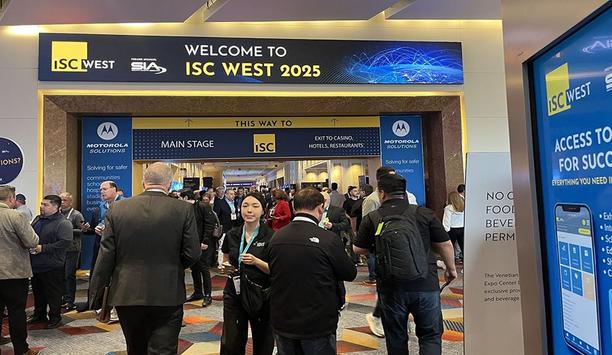
For all the emphasis on cloud systems and centralized servers at ISC West, a lot of innovation in security video systems is happening at the edge. New advancements inside video cameras are boosting capabilities at the edge, from advancements in processing power to artificial intelligence (AI) and machine learning (ML) algorithms that can now be deployed directly on the cameras or edge devices. Advancements in AI algorithms The progress of video systems becoming smarter at the edge is driven by the need for real-time insights, lower latency, bandwidth efficiency, enhanced privacy, and improved reliability. Advancements in edge computing hardware and AI algorithms are enabling a range of intelligent video applications across various industries, including physical security. Smarter functionality at the edge is a benefit of new computer systems-on-chips (SoCs) that are driving new heights of performance for today’s cameras. Axis Communications’ ARTPEC-9 Axis Communications’ new ARTPEC-9 SoC offers advanced video compression to reduce bandwidth Axis Communication’s new ARTPEC-9 system-on-chip (SoC) offers advanced video compression to reduce bandwidth and storage needs. With a low bitrate, the SoC helps deliver high-quality imaging with outstanding forensic detail. ARTPEC-9 also offers enhanced deep learning capabilities to allow users to leverage the latest video analytics and accelerate the implementation of AI technology. Axis maintains control over all aspects of the chip’s development to ensure high quality and cybersecurity. Among the benefits of ARTPEC-9 are better AI and deep learning, better image quality, better cybersecurity, and AV1 license-free video compression (see below). Hanwha Vision’s Wisenet 9 Hanwha Vision has launched Wisenet 9, its most advanced AI-powered System on Chip (SoC). Wisenet 9’s enhanced edge AI capabilities increase performance as the volume and complexity of security threats demand real-time, accurate analysis. By elevating edge-device performance, AI empowers systems to quickly analyze vast amounts of video data and discern crucial patterns and anomalies. A key differentiator driving Wisenet 9 is deployment of two Neural Processing Units (NPUs), which improve performance three-fold compared to Wisenet 7, the previous SoC generation. While one NPU handles image processing, the other focuses on object detection and advanced analytics. This dual NPU concept was introduced to ensure video quality and analytics have independent resources, thus preventing one function from impacting the performance of the other. The latest from Ambarella Ambarella is a supplier of edge AI systems-on-chips to multiple video camera manufacturers Off the ISC West trade show floor in a nearby meeting room, semiconductor company Ambarella demonstrated how it will continue to push the envelope of what is possible with generative AI at the edge. Ambarella is a supplier of edge AI systems-on-chips to multiple video camera manufacturers and recently achieved the milestone of 30 million cumulative units shipped. The demonstrations highlight Ambarella’s ability to enable scalable, high-performance reasoning and vision AI applications across its ultra-efficient, edge-inference CVflow 3.0 AI SoC portfolio. The company’s DeepSeek GenAI models run on three different price/performance levels of its SoC portfolio. In addition to advancements in GenAI processing at the edge, Ambarella integrates image processing, encoding and system-level functions into all its AI SoCs. New standard for video encoding: AV1 AV1 compression is a next-generation video coding technology that offers significant improvements in compression efficiency and video quality, especially at lower bitrates. Its royalty-free nature positions it as a crucial codec for the future of internet video. AV1 compression is a next-generation video coding technology. Axis Communication’s ARTPEC-9 chip now supports the AV1 video encoding standard. By embracing this standard, which is new to the physical security market although it was introduced in 2018, Axis sets the stage for AV1 compression to eventually become the industry standard, replacing H.264 and H.265. Network video transmission AV1 is an open-source, license-free coding format designed mainly for efficient network video transmission AV1 is an open-source, license-free coding format designed specifically for efficient network video transmission. It delivers high-quality video at low bitrates, reducing bandwidth consumption and storage costs. The codec was developed by the Alliance for Open Media (AOM), a nonprofit organization founded in 2015 by Google, Intel, Amazon, Microsoft, Netflix, and Mozilla (among others), to provide open-standard, next-gen video coding technology. AV1 is ideal for cloud solutions—making streaming applications more robust, scalable, and capable of delivering real-time insights. Now the ARTPEC-9 chipset brings these benefits to the surveillance industry, and AV1 is currently supported by AXIS Camera Station. Providers of major video management solutions (VMS) such as Genetec and Milestone will be adding support for AV1, with further developments already underway. More intelligence at the edge Intelligence inside video cameras comes from the processing power and algorithms that enable them to perform tasks beyond simply capturing and recording images. This "intelligence" allows cameras to analyze the video stream in real-time, identify objects, detect events, and make decisions or provide alerts based on what they "see." New and improved SoCs are driving performance improvements at the edge. The increasing power of embedded processors and advancements in AI are continuously expanding the capabilities of intelligent video cameras.
Case studies

Blacktown City is a bustling suburban community located approximately 22 miles west of Sydney, in New South Wales, Australia. Comprising 48 separate communities with a total population of 350,000, the city is the second largest city by population in NSW. The area is governed by Blacktown City Council which is responsible for all aspects of the city’s day-to-day operation, project development initiatives and legislative activities. Along with the City Council headquarters in the Civic Center, Council facilities also include the Main Works Depot located in the Blacktown City community of Rooty Hill. Council vehicles, heavy machinery and trucks as well as an operational work site for crews and other Depot employees are housed at this location. The Depot supports the operation of numerous city venues and development of zoned and serviced industrial and commercial land. Asset management system To help maintain usage accountability and eliminate the problem of missing or overdue vehicles, machinery and/or building keys, the Depot recently implemented a key control and asset management system from Morse Watchmans. The new KeyWatcher® Touch is designed to securely store physical keys in tamper-proof cabinets, only allowing access to keys by authorized individuals with a verified code, badge, or biometric identification. Access to the key cabinet and to individual keys is under the complete control of Depot management and the automatic tracking provides full accountability for who has which key at any time. “We manage keys for at least 500 vehicles and machines here at the Depot and each of them has at least two to three sets of keys,” said Joe Haddad, Facility Manager, Main Works Depot. “Without the KeyWatcher Touch automated control and tracking, the job of accurately keeping track of these many keys would be almost impossible.” Several key cabinets An important aspect of managing the large Depot is employee productivity and the design of the KeyWatcher Touch conforms to this by making the process of accessing or returning keys faster and easier for employees. Keys can be returned to any of the several key cabinets on site rather than having to return the key to the cabinet from which it was removed. Biometric identification, large, easy to read touch screens, voice cues, and status bar guides help to ensure a fast and easy procedure when accessing or returning keys to the cabinet. Key reservations ensure that staff will have guaranteed access to a vehicle or machine when needed. Special alert notifications The system automatically tracks the location of each key stored in a key cabinet or, if the key has been removed, the system can determine who has it out. Access to live information via the desktop or mobile lets department managers see which keys are out, if any keys are overdue, and when keys will become overdue. And for immediate information regarding a key, special alert notifications using email or SMS text provides the data instantly. Network integration of the KeyWatcher Touch with the Depot’s access control and video surveillance system further adds to its ease of use and productivity. User access programming including add/modify/delete cardholders and badge data is managed through Inner Range’s Integriti access control system and all changes are automatically synchronized. Alarms and transactions are passed to the Integriti system via the Depot’s TCP/IP connection. Key control problems “The single platform for control of our video surveillance, access and key management streamlines the operation, keeps costs down and helps to ensure that nothing falls through the cracks,” adds Mr. Haddad. “We are very pleased with this state of the art system and it has more than met our needs both today and, we expect, going forward.” The system was designed and built by system integrator Australian Security Technology (AST), a provider of key and asset management solutions in the Pacific region. Working with AST, Ryalex Security, a commercial security specialists company, helped bring the project together for Blacktown City Council. “Blacktown City Council is a long-time customer and it was important that we help them solve their key control problems as efficiently and cost effectively as possible,” said David Ishak, General Manager, AST. “The KeyWatcher Touch provided the solution to the great satisfaction of both the Depot and ourselves.”

Interface Systems, a managed service provider delivering remote video monitoring, commercial security systems, business intelligence, and network services for multi-location enterprises, announces that the fast-food hamburger chain, White Castle, has successfully piloted Interface's AI-powered exterior security solution - Virtual Perimeter Guard™ at a high-risk St. Louis location. The pilot delivered measurable reductions in loitering, late-night incidents, and security escalations while improving safety for employees and customers. The pilot focused on a location experiencing after-hours security challenges, including loitering, open-air drug use, customer pestering in drive-thru lanes, and repeated vandalism that cost thousands of dollars per incident. Increased customer comfort Within the first 30 days of deployment, 91% of perimeter security events were resolved automatically through AI detection and live voice deterrence. The site saw a significant reduction in loitering, a reduced need for morning trash clearing, and late-night escalation calls dropped from about once a week to none. White Castle also reported improved employee morale, a stronger sense of safety, and increased customer comfort while waiting in late-night drive-thru lines. “Sometimes we don’t even realize something bad may be happening, and the Interface Security experts are already intervening and telling potential criminals to leave,” said Cheryl Soest, District Supervisor at White Castle. “That allows our team to focus on serving customers instead of worrying about what’s happening outside.” Pre-recorded warning systems Unlike traditional exterior cameras or prerecorded warning systems that are often ignored, Virtual Perimeter Guard combines AI-powered detection, escalating voice downs with powerful strobe lighting, and live security professionals who intervene in real time. The White Castle Virtual Perimeter Guard system is armed nightly when exterior visibility is limited. “People don’t take prerecorded messages seriously,” Soest added. “When the lights come on, and a live person speaks, they move. They don’t wait around.” Reducing cost exposure “What this deployment of Virtual Perimeter Guard demonstrates is the shift from reactive security to proactive prevention,” said Steve Womer, Senior Vice President of Product at Interface Systems. “By combining AI detection with live human intervention, Virtual Perimeter Guard stops issues before they escalate into property damage, safety incidents, or operational disruption. White Castle’s results show how perimeter intelligence can directly improve safety, reduce cost exposure, and give operators peace of mind without adding burden to store teams.” Actively monitoring footage Installation and onboarding were completed without disrupting restaurant operations. Interface Systems managed system tuning, testing, and ongoing monitoring, while White Castle leadership received weekly insight reports, eliminating the need for on-site staff to actively monitor footage. “We didn’t have to worry about anything,” Soest said. “They handled installation, testing, and walked us through everything step by step. The whole process was very easy.” Beyond loss prevention Beyond loss prevention, White Castle noted improvements in employee confidence and customer experience, particularly during late-night operations, where perceptions of safety directly affect retention and traffic. “If customers feel safe coming onto your lot, and team members feel safe working there, it improves your business,” Soest said. Following these positive early results, White Castle is evaluating full-perimeter coverage at the pilot location and potential expansion to additional restaurants with similar challenges.

Interface Systems, a foremost managed service provider delivering remote video monitoring, commercial security systems, business intelligence, and network services for multi-location enterprises, announced that Big Brand Tire & Service, one of the nation’s fastest-growing independent tire and automotive service providers, has eliminated costly overnight break-ins and significantly reduced trespassing and vandalism at a high-risk location. The company achieved these results by deploying Interface Virtual Perimeter Guard, an AI-powered perimeter security solution designed to deter incidents before they occur. Challenges Operating more than 300 locations nationwide, Big Brand Tire & Service faced persistent after-hours security challenges at several sites. Store perimeters became frequent targets for trespassing, illegal encampments, and theft of high-value items, including tires and tools. Incidents also included repeated vandalism, such as broken windows and property damage, creating safety concerns and operational disruption. “We constantly had people in the back alley, and our managers had to regularly deal with transients on the property, some of whom became hostile. Some of our locations were facing frequent break-ins, and someone would have to come in the middle of the night to often board up a broken window,” said Johnny Wedell, Retail Commercial Operations Representative, Big Brand Tire & Service. Security measures Even relatively minor incidents, such as a broken window, could cost more than $1,000 to repair, while a single break-in resulted in damages exceeding $15,000. Beyond the direct financial impact, these events diverted staff time, increased safety risks, and disrupted day-to-day operations. The company determined that reactive security measures were no longer sufficient and began looking for a proactive solution that could deter threats before incidents occurred. Solution Interface deployed its AI-powered Virtual Perimeter Guard at a high-risk Big Brand Tire location using the existing network infrastructure, allowing the system to be implemented without interrupting daily operations. During an initial calibration phase, the system learned the site’s environment and activity patterns to improve detection accuracy. About Virtual Perimeter Guard Virtual Perimeter Guard uses AI-enabled cameras to distinguish genuine threats, such as people or vehicles, from environmental motion. When suspicious activity is detected, the system activates visible and audible deterrents, including strobe lights and pre-recorded audio warnings instructing individuals to leave the property. If activity persists, alerts escalate to Interface’s U.S.-based Interactive Security Operations Center, where trained security professionals issue live voice-down interventions and coordinate with law enforcement when necessary. Results Following deployment, the site saw immediate and measurable results. Break-ins stopped entirely after installation, and monitoring reports showed a steep decline in trespassing and loitering as repeat offenders stopped returning. Ninety-one percent of events were resolved through automated deterrence without human intervention, and overall security activations were reduced by 65 percent within weeks. The improvements also had a direct impact on daily operations, reducing late-night alerts and eliminating the need for overnight responses to secure the property. Perimeter security “The biggest benefit of Virtual Perimeter Guard is the peace of mind that comes from knowing we’re no longer facing overnight break-ins,” said Tim Handel, Loss Prevention and Risk Management Manager, Big Brand Tire & Service. Based on the success of the initial deployment, Big Brand Tire & Service is now evaluating a broader rollout of Virtual Perimeter Guard across additional locations as part of its perimeter security strategy.

Centro Ilarco is a state-of-the-art commercial office building in the heart of Bogotá, Colombia. Designed to accommodate three corporate towers with a total of 90 offices, this landmark structure focuses on providing innovative, secure, and seamless access experiences for its tenants. The solution As a multi-building office complex, Centro Ilarco required a robust access control system to ensure security, manage tenant entry, and streamline visitor access at every entry point. To meet these needs, the DNAKE S617 8” Facial Recognition Door Station was installed across the building. Since its implementation, Centro Ilarco has experienced a significant boost in both security and operational efficiency. Tenants now enjoy hassle-free, touchless access to their offices, while building management benefits from real-time monitoring, detailed access logs, and centralized control of all entry points. DNAKE smart intercom solution has not only enhanced security but also improved the overall tenant experience. Installed products S617 8” Facial Recognition Android Door Station Smart Pro APP

The global energy landscape is evolving at an unprecedented pace. With the increased adoption of renewable energy sources and the drive for a more sustainable future, the demand for efficient energy storage has never been greater. Enter Battery Energy Storage Systems (BESS)—the backbone of modern energy infrastructure, ensuring stability, resilience, and efficiency in power distribution. Record-breaking growth in storage In 2024, the US battery storage market saw record-breaking growth, with nearly 9.2 gigawatts (GW) of new capacity installed in late November alone, according to figures from S&P Global. But how is this supercharged leap into more stable power distribution fairing on a fundamental level? Despite an estimated capacity increase in the United States of a staggering 89% in 2024, according to U.S. Energy Information Administration (EIA), there is still more to be done to ensure this rapid rollout of these mainly Lithium-ion battery systems don’t pose a threat to workers, communities and the energy infrastructure. US battery storage market saw record-breaking growth, with nearly 9.2 GW of new capacity The global importance of battery energy storage systems BESS helps to bridge the gap by storing excess energy when supply is high BESS plays a critical role in balancing power supply and demand, especially as more countries transition to renewable energy sources like solar and wind. Typically, renewable energy sources are inherently intermittent—meaning they don’t produce electricity consistently throughout the day, due to a variety of uncontrollable environmental factors. BESS helps to bridge the gap by storing excess energy when supply is high and distributing it when demand peaks. While the idea of shoring up the energy infrastructure to greater withstand periods of intense strain is a laudable (and indeed, logical) one, they must ensure that in the haste to erect new BESS sites, they don’t overlook vital safety concerns. How BESS underpins growing support for the electrification In addition to grid stabilization, BESS is instrumental in enhancing energy reliability. By storing surplus electricity, BESS ensures that power remains available even during blackouts or grid failures. It’s also an important element of reducing carbon emissions, as with stored renewable energy, reliance on fossil fuel-powered plants decreases, leading to a more sustainable energy mix. Let’s not forget how BESS underpins growing support for the electrification of transportation. As electric vehicles (EVs) gain traction, BESS can facilitate fast-charging infrastructure without overloading the grid. Prominence of BESS installations can mean greater risks Renewable energy producers added 10.5 GWh power to the energy network, according to market intelligence In February 2025 alone, renewable energy producers added 10.5 GWh capacity to the global energy network, according to market intelligence firm Rho Motion’s Battery Energy Stationary Storage Monthly Database. But while BESS sites are a useful way to prevent overloading the world’s power supplies—releasing stored energy at peak times when power generators come under greater strain—they come with challenges. One of the greatest concerns is thermal runaway, a dangerous chain reaction in which rising temperatures spread from one battery cell to another. Why advanced thermal imaging solutions are essential Without proper monitoring and early detection of potential failures, thermal runaway incidents can easily snowball into devastating fires. These fires spread rapidly, passing from unit to unit, causing sizable financial losses, environmental damage, and, of course, safety hazards—including releasing toxic substances such as hydrogen fluoride gas. Advanced thermal imaging solutions are becoming essential to keep BESS sites safe That’s why advanced thermal imaging solutions are becoming essential to keep BESS sites safe and operational. Fixed thermal cameras with advanced analytics are the go-to solution, as they can trigger alarms and suppression systems when temperatures pass a set threshold.
The slit lamp examination is one of the most important diagnostic techniques in ophthalmology. It enables a detailed examination of the anterior, middle and posterior segment of the eye. Ophthalmologists can use it to recognize the smallest changes, anomalies or damage. This procedure is used for the early detection and monitoring of the progression of eye diseases such as corneal injuries, eye infections, retinal detachment or macular degeneration. However, the eye with its fast movements is a challenging subject to photograph; motion blur and shaking are typical image errors. IDS USB3 Vision industrial camera OCULUS Optikgeräte GmbH develops instruments for eye diagnostics for ophthalmologists To facilitate diagnostics for ophthalmologists and opticians, improve the workflow and at the same time shorten examination times, fast and reliable slit lamp documentation systems are required. They must provide meaningful images and be designed to be user-friendly and ergonomic. The German company OCULUS Optikgeräte GmbH develops instruments for eye diagnostics for ophthalmologists, optometrists and opticians. Part of the extensive portfolio: one of the world's smallest and lightest image documentation systems for slit lamps. A powerful, high-resolution USB3 Vision industrial camera from IDS is integrated, especially for applications in medical technology and microscopy. Efficient system The OCULUS ImageCam®3 universal slit lamp image documentation system is not only intuitive and easy to use, but also sets high standards in digital slit lamp photography. This includes an outstanding field of view that enables highly precise diagnoses of the anterior, middle and posterior segments of the eye. The images are captured by a particularly low-light, high-performance IDS camera from the USB3 uEye+ CP family. OCULUS ImageCam® 3 OCULUS ImageCam® 3 makes this possible without any loss of quality "Only a fast camera delivers low-noise images in the difficult recording situations at the eye," explains Michael Moos, Product Manager at OCULUS, the choice of camera model. Another important requirement criterion is speed. "The advanced camera features enable continuous shooting at up to 60 frames per second. Among other things, these series recordings make it possible to record the eye during breaks in movement. The innovative frame-out-of-video function enables simple documentation of the entire examination process at the slit lamp, whereby the best quality individual images can then be selected for evaluation," says Michael Moos. The OCULUS ImageCam® 3 makes this possible without any loss of quality while minimizing the time required. Powerful camera The IDS camera from the CP family is predestined for use in medical technology, as it offers extensive pixel pre-processing and has an internal 120 MB image memory for buffering image sequences. This enables a high data rate of 420 MByte/s, low CPU load and easy integration. The Sony Pregius IMX265 in the model used here is considered one of the best CMOS image sensors in the 3 MP class. The USB3 Vision industrial camera U3-3270CP Rev.2.2 with the 1/1.8" global shutter sensor thus achieves a resolution of 3.19 megapixels (2064 x 1544 px). IDS test camera functions The IDS camera from the CP family is predestined for use in medical technology "In this case, however, the image is scaled down using AOI in order to achieve a significantly higher frame rate," explains Phillip Schissler, Sales Manager Medical and Microscopy at IDS. OCULUS has integrated the camera with the IDS peak software development kit. "IDS peak allows users to test camera functions in detail and optimize them for your own applications," says the IDS Medical expert. Decisive selection criterion for the model However, the camera is not only recommended for medical technology and microscopy in terms of sensitivity, dynamic range and linearity. In addition to the required light intensity and speed, the size of the camera was also a decisive selection criterion for the model. At around 50 grams, the camera's small 29 x 29 x 29 millimetre magnesium housing is as light as it is robust, underlining its suitability for space-critical applications. Facilitated slit lamp diagnostics A beam splitter divides the light between the camera and the eyepiece of the slit lamp To deliver optimum diagnostic images, the system includes a high-quality beam splitter in addition to the camera. A beam splitter divides the light between the camera and the eyepiece of the slit lamp to simultaneously illuminate and view the eye, allowing a detailed examination of each eye segment. The beam splitter of the OCULUS system has a purely mechanical iris diaphragm that significantly increases the depth of field, regardless of the position of the pathological findings. It can also be adapted to all commercially available slit lamps. Highest quality standards in laboratory and diagnostics "The camera unit and the beam splitter are extremely small and light. This means in daily practice: It is barely noticeable, is very easy to attach and delivers images like no other in this size. This makes daily slit lamp diagnostics easier in the truest sense of the word," says the manufacturer. In terms of image quality, reliability and long-term availability, IDS stands for the highest quality standards in laboratory and diagnostics. Benefit from the image documentation system The slit lamp photos of the OCULUS ImageCam® 3 help factual documentation of eye states The slit lamp photos of the OCULUS ImageCam® 3 enable objective documentation of eye conditions in order to monitor the progress of diseases and compare treatments. Patients also benefit from the image documentation system. The visual references of the diagnosis created in this way help them to better understand their state of health and the doctors' treatment plan. The medical findings can be saved and archived accordingly. Outlook Innovative image processing systems such as OCULUS ImageCam®, which use powerful industrial cameras to deliver informative, high-contrast images with a high depth of field, help to improve diagnostic accuracy, efficiency and patient care in ophthalmology. Artificial intelligence (AI) is increasingly being integrated into the analysis of slit lamp images in order to automatically recognize diseases, support diagnostic decisions, improve the workflow for doctors and develop new treatment methods. Further development of technologies The company develops first-class instruments for eye diagnostics for this clearly defined group of users The company OCULUS Optikgeräte GmbH has been a partner for ophthalmologists, optometrists and opticians worldwide for 125 years. The company develops first-class instruments for eye diagnostics for this clearly defined group of users. The measure of all things is the high demands of customers and the continuous further development of technologies. Over 55% of OCULUS' sales are realised in foreign markets. OCULUS customers' service More than 400 employees work at the OCULUS headquarters. More than 60 % of them work in research and development, production and customer service. With 12 company-owned subsidiaries and more than 200 wholesalers in over 80 countries, OCULUS is at its customers' service around the globe. Founded in 1895, the family business is now jointly managed by the third and fourth generations.
Round table discussion
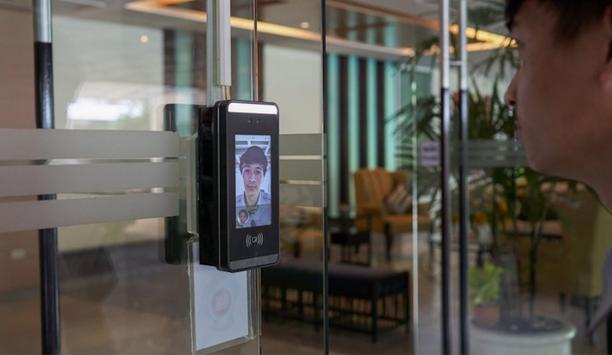
As cutting-edge trends go, convergence has been around for at least two decades. The meaning has shifted over the years, and if anything, the idea of convergence has gotten even more aspirational. Unfortunately, the widespread use of the term has also paradoxically undermined its meaning and power. However, today's concept of convergence has matured to provide new levels of benefit for security professionals. We asked our Expert Panel Roundtable: How has the meaning of “convergence” evolved in the security market? How are systems today more converged than ever?

The security marketplace has its share of buzzwords, which are words or phrases that become popular and widely used in a specific industry. Buzzwords can be useful for conveying complex ideas quickly, but they can also be misused or misunderstood. Within a specific industry, such as security, buzzwords can create a sense of shared understanding and belonging. We asked this week’s Expert Panel Roundtable: What new buzzword have you heard, and what does it mean for the security industry?

By all accounts, technology development is moving at a rapid pace in today's markets, including the physical security industry. However, market uptake of the newest technologies may lag, whether because of a lack of clear communication or not enough education of potential customers. We asked this week's Expert Panel Roundtable: How can the industry do a better job of promoting emerging technologies in physical security environments?
Products
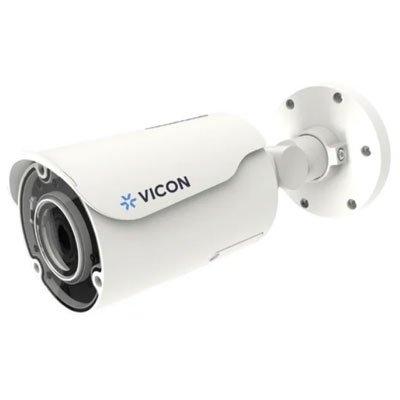


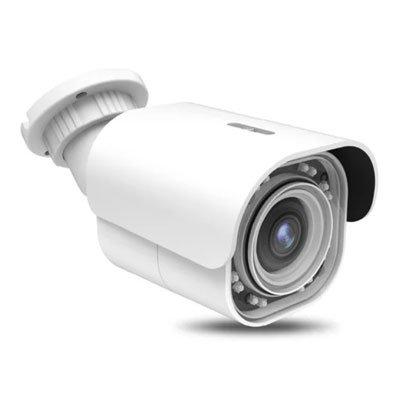
White papers

How Biometrics Are Reshaping Security In A Connected World
Download
How To Create A Successful Physical Security Roadmap
Download
Intelligent Video Security Solutions
Download
11 Advantages Of A Combined System For Access Control And Intrusion
Download
12 Questions To Ask Your Access Control Provider
Download
Six Things To Look For When Adding AI Cameras To Your Operation
Download
10 Step Guide to Staying Ahead of Emerging Security Threats
Download
Exploring New Vertical Markets for Professional Security Systems
Download
Mobile Access- What You Need To Know (Part 1)
Download
5 Steps To Finding The Right Access Control System For You
Download
Preparing Your Organization With Quality Situational Awareness
DownloadVideos
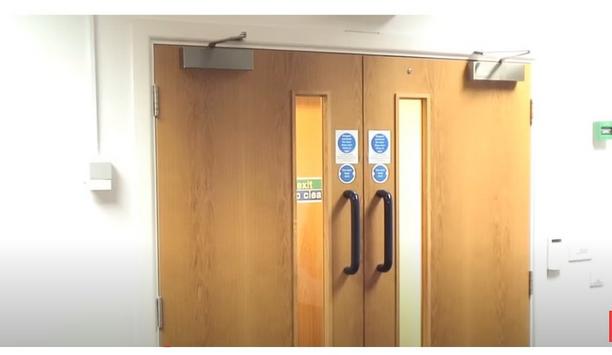


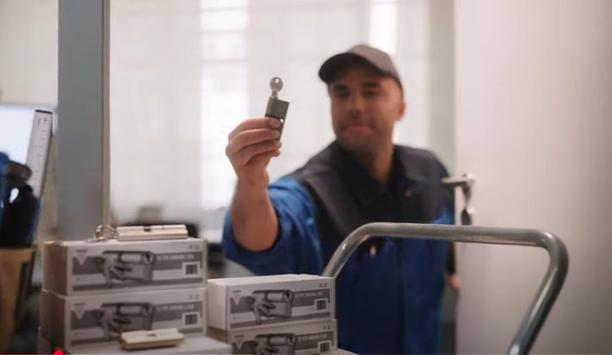
Commercial security: Manufacturers & Suppliers
- Visonic Commercial security
- Climax Technology Commercial security
- Bosch Commercial security
- Codelocks Commercial security
- Vicon Commercial security
- Honeywell Security Commercial security
- Pyronix Commercial security
- OPTEX Commercial security
- Axis Communications Commercial security
- Concord Commercial security