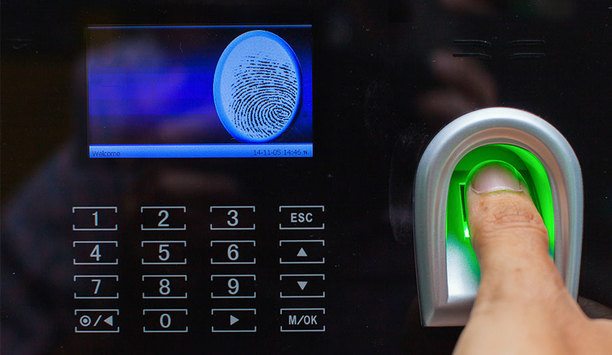

While the access control market typically moves at a near glacial pace, 2015 brought quite a bit of news to the marketplace, including the rise in advanced biometrics, the development of more and more mobile applications for access control and important acquisitions that put smaller manufacturers on the map.
For Vanderbilt, 2015 was a big year as we brought the Siemens Security Products business into the fold, building our global brand and awareness of our award-winning solutions that have been more than 25 years in the making.
Additionally, Vanderbilt continued its focus on providing more than simply access control solutions to the marketplace; instead placing emphasis on how to maximize the relationships we’ve built with our channel partners and security professionals by providing excellent customer service and training to these individuals. In 2016, we hope to expand these offerings, as well as introduce a number of new products that will give our partners an expanded access control portfolio to offer to their customers.
Shifting Access Control Priorities
In 2016, the security marketplace will see a number of new developments and shifting access control priorities, including an expanding focus on increasing lockdown capabilities in the wake of continued tragedies on our nation’s school campuses – both in K-12 and higher education. We will see an increased focus on hardening perimeters within schools and the reprioritisation of classroom and school-wide security measures to meet the demands. We also will see an uptick in integration capabilities for data between access control devices and human resources departments and event management systems to help streamline installations and ease new system transitions.
While mobile credentials are slow moving, we will continue to see mobile applications for security officials, along with the increased ability to grant access through mobile devices such as iPads, tablets or smartphones on a variety of platforms.
Access control is changing to meet the demands of today’s consumers, and manufacturers will be tasked with ensuring they have the technology to match.
See the full coverage of 2015/2016 Review and Forecast articles here