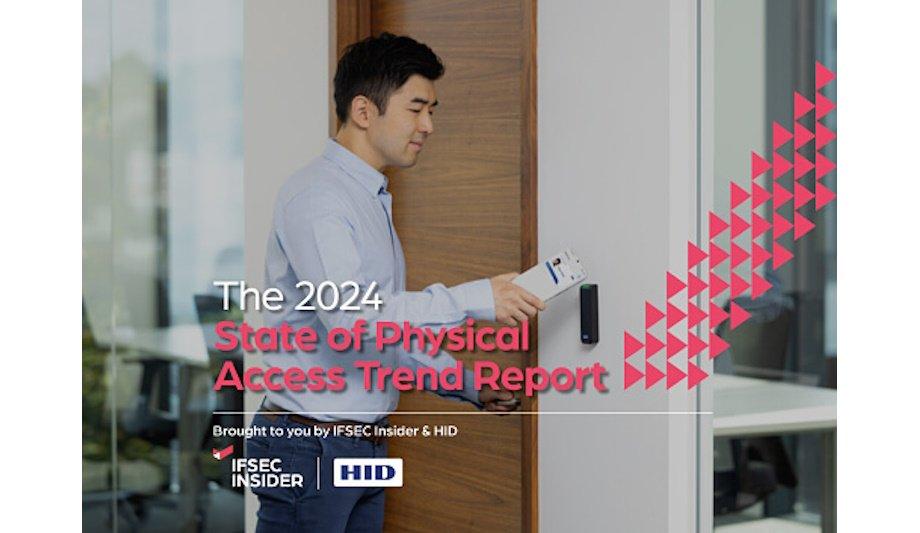

HID, a worldwide pioneer in trusted identity and physical access control solutions, announces the 2024 State of Physical Access Control Report, identifying five key trends that are shaping the future of access control.
Produced by IFSEC Global in partnership with HID, the report surveyed over 1,200 security professionals across the globe to paint a picture of an industry that has been going through considerable transformation. Conducted between November 2023 and January 2024, the survey reveals five trends, as follows:
- Mobile access and digital ID set to become ubiquitous
- While physical ID is still prevalent within the access control industry, there is no doubt that mobile access credentials and digital IDs are quickly gaining ground.
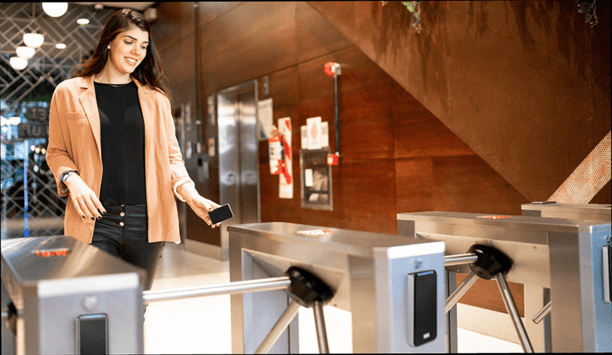
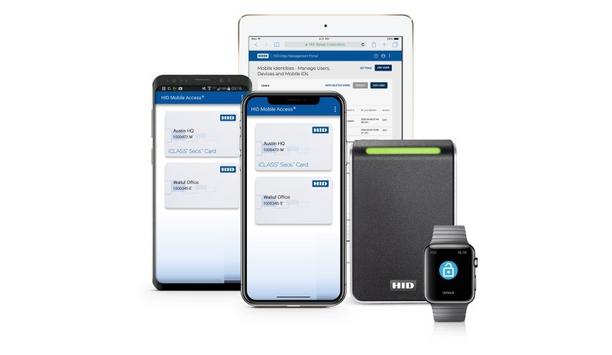
- According to this report, nearly two in five organizations (39%) now actively use mobile identities with respondents naming touchless/contactless solutions (48%) and mobile access (44%) as the two largest trends shaping the wider access control industry.
- Open standards driving the smart buildings phenomenon
- Open standards have become key drivers for more converged security solutions, where physical access control data is helping not just to decide who should be allowed into the building, but also how that building can best be used. As the report shows, almost half of organizations (48%) already have access control/badge scanning systems in place to monitor building usage throughout the day, at least to some extent. Additionally, 43% of respondents cited smart buildings and flexible workspaces being among the top three trends shaping the wider access control industry. Integration with other business functions was also listed by one in three respondents (32%) as another top trend.
- Sustainability becoming a greater influence on business decisions
- Sustainability is playing a significant role in access control with nearly two-thirds (63%) of respondents citing that those with responsibility for sustainability have either some influence or are fully consulted when it comes to upgrading physical access control systems.
- The rise of artificial intelligence for analytics use cases
- The use of Artificial Intelligence capabilities in physical access control is becoming more common as AI technologies and expertise are developed. Asked if they are looking to incorporate AI/machine learning into their access control solutions, 38% of them stated they were (although the same percentage said they were unsure of the benefits). Only 23% said they didn’t have any plans to incorporate AI technologies.
- Growing role of biometrics – especially contactless solutions
- The biometrics market is growing at a rapid pace. By 2031 the worldwide market for biometrics is expected to reach $136.18 billion while the global facial recognition market alone is predicted to grow to $16.74 billion by 2030, up from $3.83 billion in 2020. That’s a CAGR of 16% from 2021 to 2030.