

 |
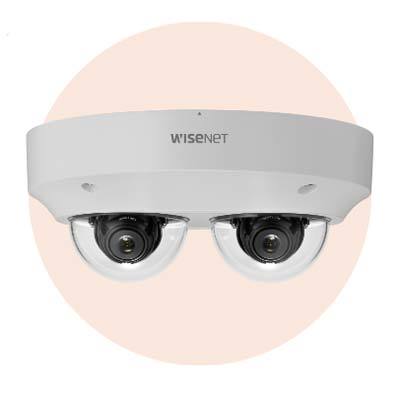
| Analytics at the edge provide the ability to process what is happening in a field of view and discern if a relevant alert is triggered |
There are multiple benefits to using video analytics at the edge (i.e., near or inside the camera). For one thing, analytics at the edge provides the ability to process what is happening in a field of view and discern if a relevant alert is triggered. This can be faster and less expensive than the original video analytics model of using a separate dedicated server.
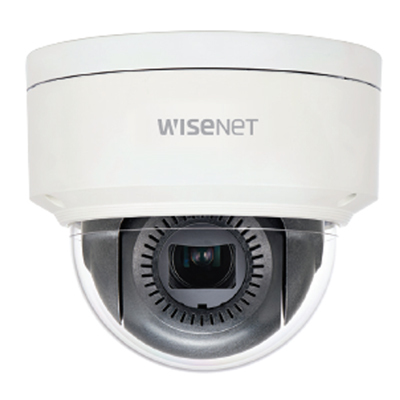
However, there isn’t one right solution, as a video analytics' complexity and a camera’s processing power are not always aligned. Some analytics can begin the analysis at the camera and also utilize a server to balance the workload. Others may be best used in server-only models. Speed of alert is of importance, as results that are not urgent may not dictate a powerful camera.
Another variable is whether the system needs actual video of an event or just information (metadata) from that video. When recorded video is not required at a server, intelligent cameras at the edge help lessen the required bandwidth, says Brian Lane, director of marketing, 3VR. He says intelligent cameras and the cloud go hand-in-hand. For example, only metadata is needed when counting people; therefore, intelligent cameras can do all the processing in the camera, and only the metadata is sent to the cloud. For security, only a low-bandwidth stream is sent to the cloud, while the high-resolution video is stored at the camera.
When video is required, the edge advantage becomes far less, since the video must reach the server to be recorded, adds Lane. Having analytics such as face and demographics at the server level keeps the cost of the cameras low since the processor on the server does most of the work. Processing power on servers is far cheaper than having a robust processor in each camera. Analytics that require a lot of processing power greatly increase the cost of the cameras, since they must have a robust processor. When the processing takes place at the server level, the customer can keep overall costs down by using far cheaper cameras and using a centralized server-based system.
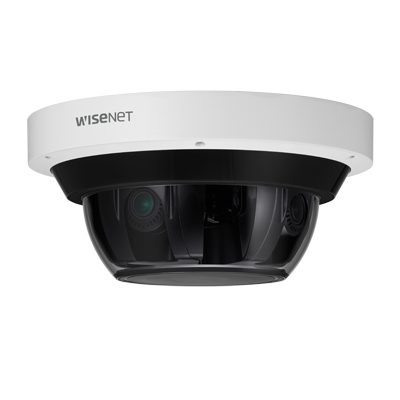
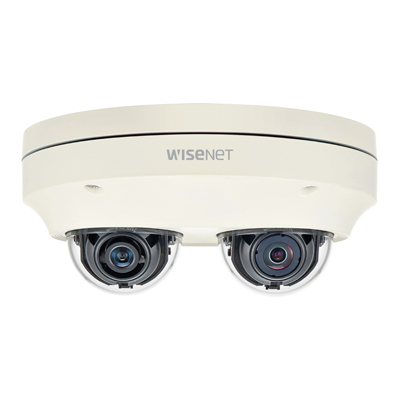
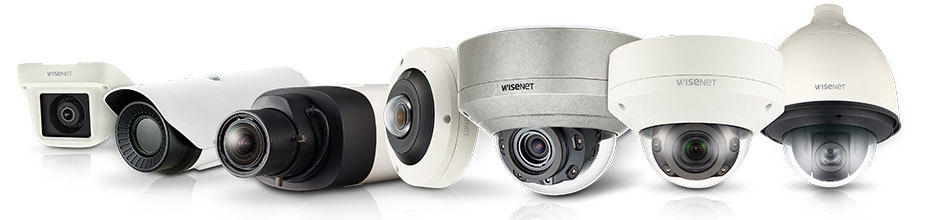
Edge-based analytic cameras offer a host of benefits to facilities that need to monitor large perimeters, complex campus environments or geographically dispersed open spaces |
Sometimes, a combination is optimal. For example, Agent Vi has a patented approach that enables analytics processing both at the server and distributed to the edge. The Agent VI system operates on a server between the camera and the video management system (VMS), analyzing video streams and providing output of that analysis. A software module called “Vi Agent” runs inside video encoders and cameras at the edge (including brands such as Axis, Samsung, Hikvision, and Vivotek). The Agent Vi software completes “preprocessing” at the edge and sends information to the server, which completes the process and provides the output. Unlike strictly edge-based analytics, the approach is not limited by processing power and memory in the camera. Compared to server-only installations, the system is more scalable (by a factor of 10 to 20 compared to server-based systems), says Zvika Ashani, chief technology officer (CTO), Agent Video Intelligence (Agent Vi). The Vi Agent and server are the same for various verticals; various functionalities are activated per user based on license keys, with various licensing at different price points.
Ashani notes a trend in the market of camera vendors turning their cameras into open platforms to allow software vendors to load analytics (and other applications) onto the cameras. Previously, software vendors had to work closely with camera vendors, even creating special software versions. “Today, the cameras are not yet at the level of an iPhone or Android [platform], but they are much more open and there is greater variety in terms of applications you can load,” he says.
Ipsotek has always seen edge-based analytics as an interesting alternative to traditional server-based (centralized) solutions. Edge deployment lends itself to a distributed solution where infrastructure is not available, hence where transmitting video of high quality to a centralized server is not an option. Transport (road/rail) has been a major beneficiary of edge-based analytics technology, says Dr. Boghos Boghossian, CTO, Ipsotek. The lack of infrastructure results in a need for a more complex management of rules and possibly more challenging environmental aspects. In order to operate advanced video analytics solutions at the edge, a suitable hardware platform should be provided with enough processing power. However, often at the edge, the system must be rugged and should operate at high temperature extremes; consequently, the availability of such a hardware platform is less likely.
There isn’t one right solution, |
“Because of these issues, most manufacturers have opted to offer only basic analytics solutions at the edge,” says Boghossian. “Ipsotek took a different route, and through the use of digital signal processing technology, has managed to move its technology to the edge with no compromise to performance, feature list or robustness.”
Ipsotek has been offering cloud-based systems to a number of large customers for a few years. The interesting correlation is the larger adoption of cloud-based solutions in projects based on edge analytics due to the lack of infrastructure and therefore reverting to cloud storage for data management. This trend may soon be overtaken by cloud-based video analytics, which is waiting for sufficient affordable bandwidth to stream video to the cloud at the required speed and quality.
Edge-based analytics run on raw video data as opposed to encoded video on the server, allowing the analytics to gather more sensitive and accurate data, says Maor Mishkin, director, Video Analytics Product Champion, DVTEL. In addition, it allows the analytics to control the sensor and enable optimized video input for the analytic engine. Edge-based analytic cameras offer a host of benefits to facilities that need to monitor large perimeters, complex campus environments or geographically dispersed open spaces. Edge-based analytic devices do not rely on servers or third-party software. This reduces the network bandwidth requirements while maintaining performance at the highest level. In addition, when technology developers offer a complete solution that ties in edge analytics and video management, users benefit from a single, tightly integrated solution, which means there is less opportunity for failure, Mishkin says.
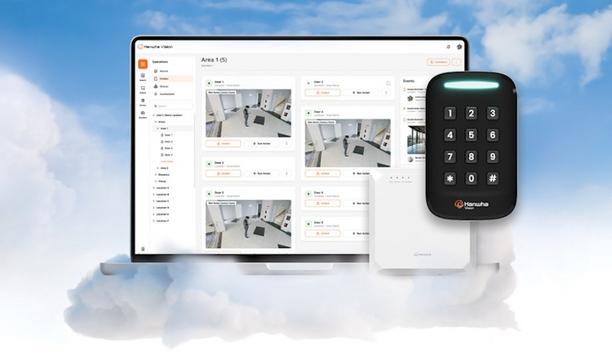
Discover how AI, biometrics, and analytics are transforming casino security