
Delta Scientific emphasizes the utmost importance of building security in today's business landscape through its comprehensive approach to access control systems.
A multi-layered strategy is crucial for safeguarding both physical and digital assets. This essential building security checklist offers a structured method for implementing a robust security approach.
Building Security Checklist
Layered security strategies prevent threats by maintaining effectiveness even if one layer fails
Ensuring the safety of a building, its grounds, and employees requires careful implementation of several key steps, which can be customized based on the facility's specific security needs. Layered security strategies prevent threats by maintaining effectiveness even if one layer fails.
- Secure Perimeter: Establish a protective boundary around the premises.
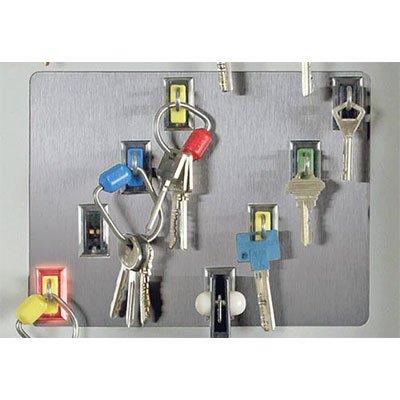
- Access Control Systems: Implement these throughout the site to manage entry and monitor movement.
- Interior Security Monitoring: Enhance surveillance and communication within the facility.
- Emergency Preparedness: Develop plans for natural and human-made disasters.
Regular maintenance of all systems, along with annual inspections, ensures operational readiness.
Perimeter Security
Perimeter security acts as the first line of defense by controlling traffic and deterring unauthorized access. Combining passive and active controls is often the most effective strategy.
- Fencing and Gates: Anti-climb fencing and tamper-resistant gates serve as physical deterrents. Clearly displayed signage indicates restricted areas.
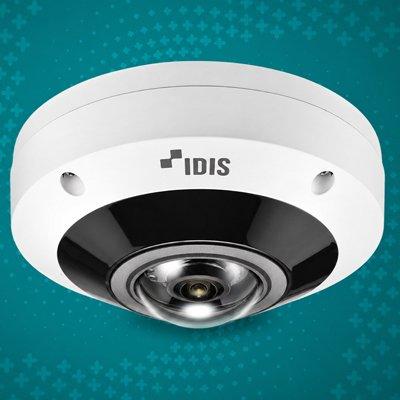
- Lighting and Surveillance: Adequate lighting, coupled with fixed, pan-tilt-zoom, and AI-enhanced cameras, reduces the chance of unauthorized access. Motion-activated lighting is ideal for low-traffic areas.
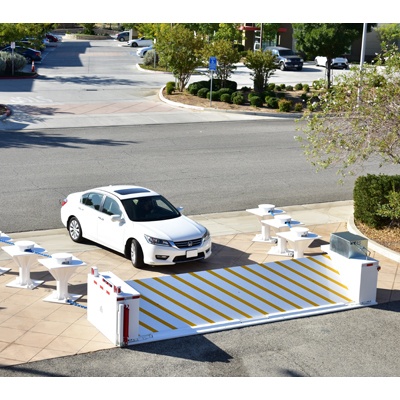
- Vehicle Barriers: Use permanent or portable barriers to control vehicular access. Options include retractable bollards and wedge barriers for high-security locations.
Access Control Systems
Access control is critical for managing entry into secure areas. Various elements, such as bollards, barriers, and biometric readers, contribute to an effective access control system.
- Bollards: Help manage vehicle and pedestrian flow and mark restricted areas.
- Restricted Space Barriers: Wedge and beam barriers prevent unauthorized vehicle entry.
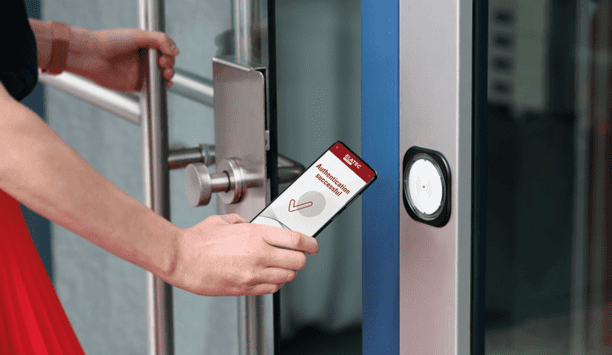
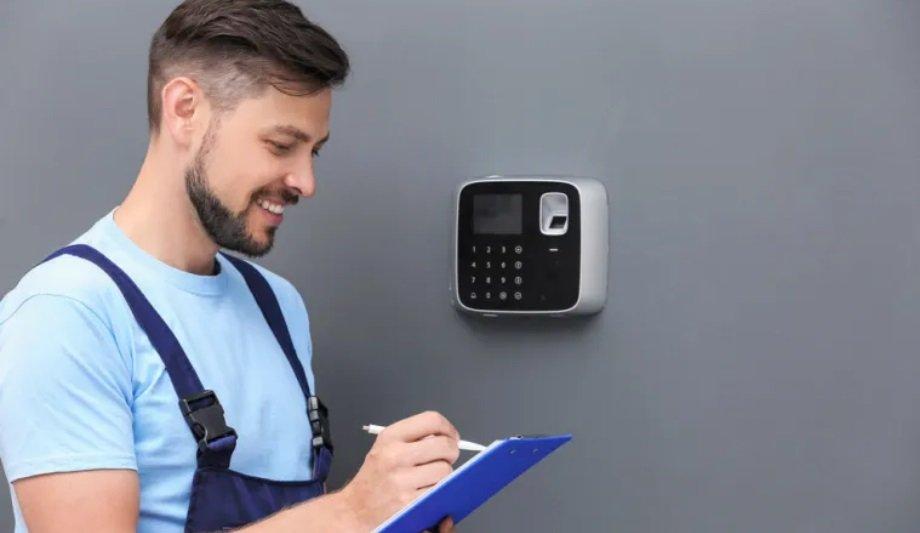
- ID and Biometric Readers: Ensure only authorized personnel access secure areas using RFID-enabled ID cards and enhanced biometric systems.
Interior Security Systems
Interior security is equally important and supports identifying bypasses in exterior defenses. Effective systems also facilitate communication regarding potential threats within the facility.
- Camera Placement: Install security cameras at entrances and high-value areas to monitor activity.
- Intrusion Alarms: Alarms on emergency exits and restricted areas warn of potential breaches.
- Emergency Communication: Equip key personnel with panic buttons and utilize intercom systems to alert employees of threats.
Natural Disaster Preparedness
Incorporating plans for responding to natural disasters is an integral part of building security. Floods, fires, and severe weather events can jeopardize both people and property.
An effective incident response plan outlines steps to handle such emergencies, including assigning staff roles and ensuring clear communication. Systems like fire alarms, smoke detectors, and fire suppression require regular testing and updates. Marked fire exits and backup power generation are essential for maintaining safety and continuity in the event of a disaster.