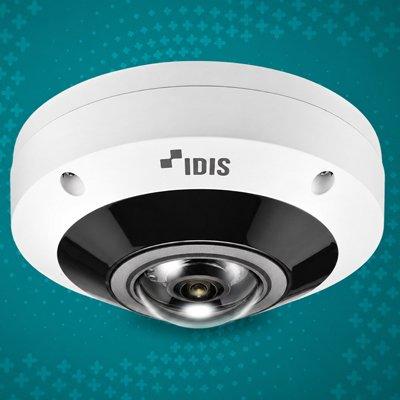

2017 witnessed a continued decline in the cost of cameras. While this creates a challenge for camera companies, it creates two clear opportunities: (1) Product differentiation now relies more heavily on software rather than camera parameters, which drives more focus and rapid innovation on the software side, and (2) cameras have become more affordable which encourages an increase in the adoption rate and size of surveillance projects.
Artificial Intelligence Surveillance Applications
Additionally, 2017 has been the breakout year for real-world implementations of Artificial Intelligence (AI). The surveillance industry was not left behind with almost weekly announcements of various new products claiming to employ AI, to some extent. New and incumbent video analytics vendors are talking about employing deep learning to provide features and accuracy not previously attainable.
While there has been a lot of hype, few companies actually shipped products successfully employing AI. In 2018 we are going to continue hearing a lot about AI (with a focus on Deep Learning) video products. We can expect to see a gradual increase in successful field deployments leading to a shift in customer expectations. Highly accurate people and vehicles detection will be considered commonplace. Demand will increase for complex applications: tracking in urban environments, anomaly detection, and smart search.
New and incumbent video analytics |
Cloud-based Video Analytics
One of the major challenges with developing Deep Learning-based applications is access to real-word data and the ability to train the applications to work in any environment. Companies with access to relevant datasets, that can iterate their solutions quickly, will come out on top. Cloud-based solutions are a significant advantage in this case, as they allow for continuous updates and easy collection of vast amounts of data.
While Agent Vi was a pioneer in implementing cloud-based video analytics, we encountered some concerns around cloud adoption during 2017, especially from traditional municipal and enterprise customers. We expect this to gradually change, as customers realize that cloud implementations are more cost-effective, easier to deploy and maintain, and in many cases, even more secure than traditional on-premise deployments. In partnership with the leading cloud providers, we help carry this message to our customers and will gradually see a shift in the acceptance of cloud-based solutions in the traditional security markets.