Ensuring the security of any event is a multifaceted task that necessitates a comprehensive approach. Unique factors such as the event type, guest count, venue layout, and location significantly influence the security measures required. To effectively address these elements, thorough assessment of each is essential in determining the specific security needs.
Assessing the Experience of Security Teams
When planning the security for an event, selecting a team with relevant experience is vital. Such experience equips them with the foresight to anticipate potential threats and manage unexpected issues efficiently. This seasoned expertise often results in a well-executed security operation, providing confidence in the security team's competency and reliability.
Managing Threats and Emergency Scenarios
An experienced security team can tailor their services to meet the unique demands of an event. Their specialized understanding allows them to offer bespoke solutions, ensuring that any potential challenges are expertly addressed. The effectiveness of a security detail heavily relies on its personnel’s training and skills, including expertise in conflict resolution and emergency management.
The Importance of Training and Skills
Trained personnel are fundamental to a successful security operation. In regions like the UK, door supervisors are mandated to hold a Security Industry Authority (SIA) license. This requirement guarantees that they have completed rigorous training and vetting. Besides technical know-how, their skill set ideally includes conflict management and emergency response, vital for handling incidents efficiently and maintaining event order.
Crafting a Comprehensive Security Plan
A robust security plan customized to the event's requirements is a hallmark of a dedicated security provider. This plan should outline strategies ranging from crowd management to emergency interventions and preventing unauthorized venue access. Components like managing guest lists, screening protocols, and securing entry points are critical aspects of this security blueprint.
Leveraging Technology in Security Operations
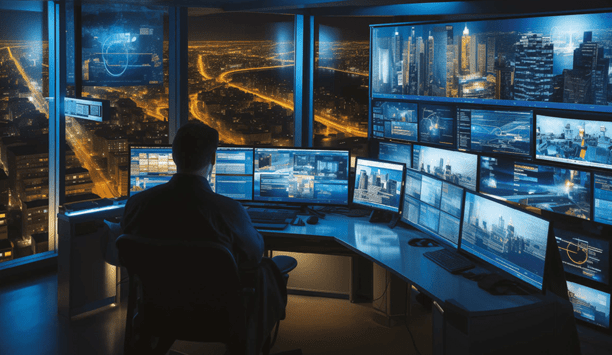
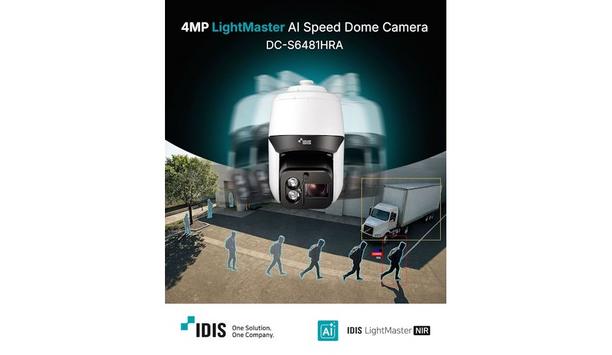
Incorporating technology enhances the effectiveness of security measures. Utilizing advanced systems like CCTV surveillance and access controls can provide additional layers of protection. These tools enable real-time monitoring and rapid incident response, significantly boosting event safety and security efficiency.
Evaluating Security Providers
Choosing the right security provider is a critical decision. Assessing client reviews and references can offer profound insights into the service quality and professionalism of the provider. Former clients provide firsthand accounts that illuminate expectations and reliability, providing a clearer understanding of the security provider's trustworthiness.
In summary, securing an event is a critical priority best managed by seasoned professionals. By evaluating factors such as provider experience, personnel training, comprehensive security plans, integration of technology, and client feedback, organizers can make informed decisions to safeguard their event successfully.
Every event is unique, and so are its security needs. Factors such as the type of event, the number of guests, the layout of the venue, and the location can all affect the kind and extent of security users will need. Thoroughly assess these factors to determine their specific security requirements.
When planning an event, one of the most important considerations is the security of the venue. Ensuring the safety and well-being of their guests, staff, and property is a responsibility that should not be taken lightly. To this end, a crucial factor to take into account when selecting the venue security is their experience in managing similar events.
Potential security threats
The importance of experience in event security cannot be overstated. The more experienced the security team, the better prepared they will be to anticipate potential security threats and effectively manage any issues that may arise. An experienced team will have been tested in the field and will have learned valuable lessons from past events. This can offer users reassurance about their competence and reliability.
Moreover, a security team with relevant experience will understand the unique challenges that the specific event may present. This knowledge will allow them to tailor their approach to their needs, providing users with a service that is both effective and bespoke.
Conflict management and emergency response
The effectiveness of any security operation rests on the quality of its personnel. It is crucial that the individuals who make up the security team are well-trained and competent. In the UK, all door supervisors are required to hold a valid license from the Security Industry Authority (SIA). This ensures that they have undergone the necessary training and vetting.
A well-trained security team will not only be equipped with the technical skills required to respond effectively to security threats, but they will also have been trained in areas such as conflict management and emergency response. This broad skill set is crucial in ensuring that the event runs smoothly and that any issues are swiftly and professionally dealt with.
Comprehensive security plan
A key indicator of a quality venue security provider is their ability to present a comprehensive security plan that is specifically tailored to the needs of the event. This plan should detail all the measures that will be in place to ensure the security of the event, from crowd control strategies to emergency response plans.
The plan should also cover how the security team will prevent unauthorized access to the venue. This could include strategies for managing guest lists, screening attendees, and securing entry and exit points. A comprehensive security plan will give you confidence that all potential security risks have been considered and planned for.
Selecting a security provider
Technology has become a significant player in the security industry. Advanced security technologies, such as CCTV surveillance and access control systems, can greatly enhance the effectiveness of the venue’s security. When selecting a security provider, look for one that can integrate these technologies into their security plan.
The use of technology can provide an extra layer of protection and increase the overall efficiency of the security operation. It can also allow for real-time monitoring and swift responses to any incidents, further increasing the safety of the event.
Client Reviews and References
Finally, when choosing a venue security provider, take the time to consider their reviews and references. These can offer users valuable insights into the quality of their services and their professionalism. Previous clients can give users a first-hand account of their experience with the provider, offering users a clearer picture of what they can expect.
Reading reviews and speaking to references can also give users a sense of the provider’s reliability. Trustworthiness is a crucial quality in a security provider, and previous clients can offer their perspective on this.
In conclusion, the security of the event is a paramount concern and one that should be entrusted to experienced, competent professionals. By considering the provider’s experience, the training of their personnel, their security plan, their use of technology, and their reviews and references, users can make an informed choice that will ensure the safety and success of the event.