Physical security - Expert commentary

Once upon a time, providers had end-to-end control when deploying a physical security platform, which is not the case anymore when we consider the modernization to IP. When considering the move to IP physical security, the provider needs to ensure the customer has a robust PoE backbone to connect the IP security device back to the application. Network readiness requirements have complicated IP security deployments, making it challenging for current providers while opening the door to new compet...

We encounter AI with increasing frequency, both online and in the media. AI has penetrated deep into various aspects of our lives, from TV sets that improve picture quality using AI, or air conditioners with automatic temperature and humidity control, to investment management services that predict return rates. AI technology first appeared in the 1950s and was briefly revived in the 1980s before falling off the radar. In the late 2000s, AI re-emerged and went on to become a key technology and d...
While the application of facial recognition within both public and private spheres continues to draw criticism from those who see it as a threat to civil rights, this technology has become extremely commonplace in the lives of iPhone users. It is so prevalent, in fact, that by 2024 it is predicted that 90% of smartphones will use biometric facial recognition hardware. CCTV surveillance cameras Similarly, CCTV is a well-established security measure that many of us are familiar with, wheth...

Since the start of the pandemic, almost a quarter of UK businesses have been forced to temporarily close, pause trading, or work remotely, with very little notice. Now nearing the 12th month of the crisis, the country is currently enduring its third national lockdown, with an unspecified timeframe. Most workers are being urged to remain at home and only venture out for essential travel. This means a huge number of premises across the board, from recreational venues such as theaters, pubs and le...

Urban populations are expanding rapidly around the globe, with an expected growth of 1.56 billion by 2040. As the number of people living and working in cities continues to grow, the ability to keep everyone safe is an increasing challenge. However, technology companies are developing products and solutions with these futuristic cities in mind, as the reality is closer than you may think. Solutions that can help to watch over public places and share data insights with city workers and officials...
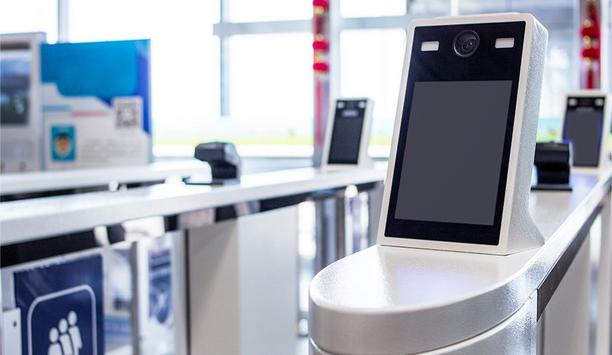
Several major players vigorously employ biometric recognition technologies around the globe. Governments use biometrics to control immigration, security, and create national databases of biometric profiles. Being one of the most striking examples, the Indian Aadhaar includes face photos, iris, and fingerprints of about 1.2 billion people. Financial institutions, on their part, make use of biometrics to protect transactions by confirming a client's identity, as well as develop and provide servi...
As a leader, I am a big proponent of using what’s happened in the past — and is currently happening in the present — to better prepare our business and our customers for what’s to come. Applying this mindset in the financial industry is particularly helpful. The emergence of various technologies and trends enables us to determine what we can optimize for the highest efficiency and satisfaction level. The past few years have been focused on the Internet of Things (IoT), d...

For decades, the nature of global safety has been evolving. From physical security threats like large-scale terrorist attacks and lone actor stabbings to chemical threats such as the Salisbury poisonings and even microbiological threats such as COVID-19, new challenges are constantly arising and the threat landscape we operate in today is constantly changing. Compounding the complexity of the security issues is the complexity and nature of attacks. With the economic downturn, there is the tradi...
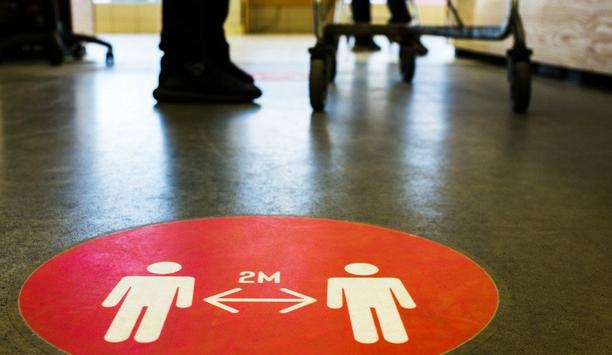
The role of physical security has expanded and grown rapidly over recent years. Below are some of our observations, particularly throughout the pandemic, and a look towards the changing times ahead. The new era of physical security The role of private security has shifted dramatically over the last decade and beyond. Historically, the focus was on protecting assets such as property and goods, but more frequently now the sector is being asked to play an even bigger role in protecting the...
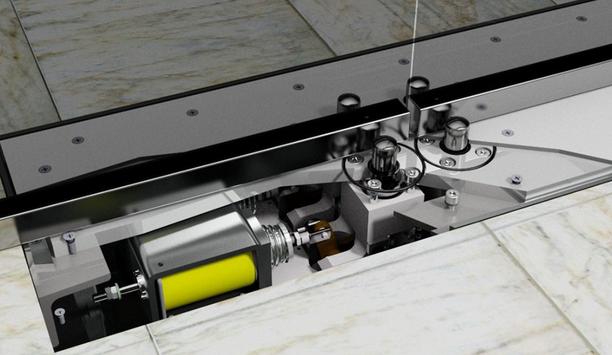
In part one of this feature, we introduced the shotbolt – a solenoid actuator – as the workhorse at the heart of most straightforward electric locking systems. Shotbolts remain at the core of most sophisticated electric locking solutions as well. But they are supplemented by materials and technologies that provide characteristics suited to specialist security applications. Here we look at some more demanding electric locking applications and contemporary solutions. Preventing forced...
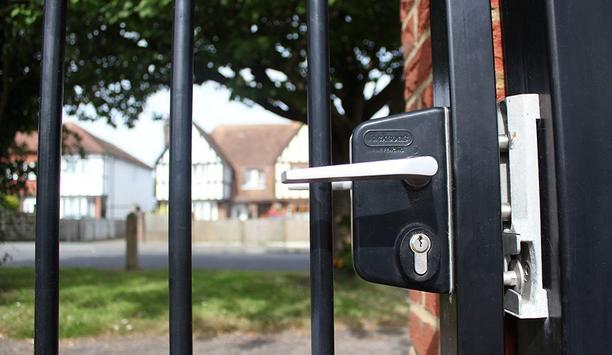
In the UK, one burglary occurs every 106 seconds. This means by the time you've finished reading this article, at least three will have taken place. Selecting robust physical security options to protect property boundaries and homes is essential to limit crime rates and deter opportunistic intruders. With 58% of burglaries said to take place while the homeowner is in, it seems that even the second wave of lockdowns, and an increased number of people confined to their homes, won't do much to eli...
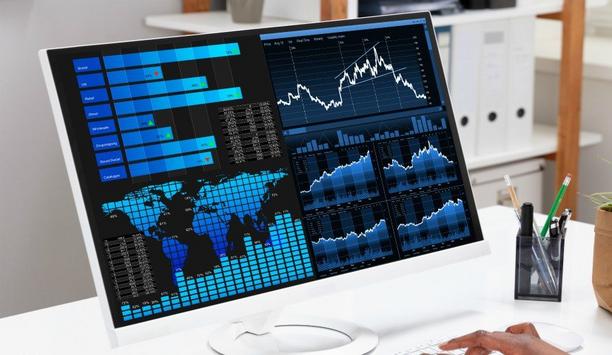
One of the biggest trends in security and technology today is centered around solutions that take advantage of the wealth of connected security systems and devices powering the organizations all over the world. As the number of cloud-powered systems and sensors have massively grown in recent years, security leaders in the private and public sectors have started to look at ways to leverage the data from these devices to better the lives of employees, customers, and residents. But while the drea...
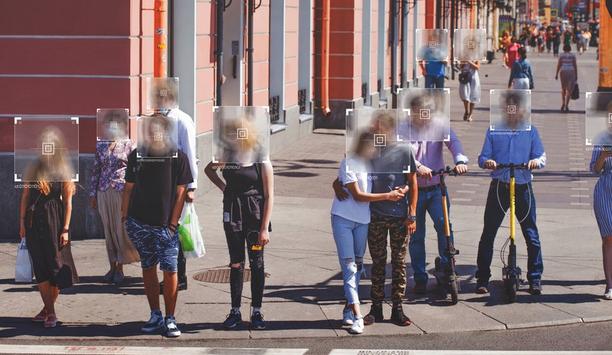
The threat landscape we operate in today is changing all the time. Around the world, pressures on law enforcement bodies remain incredibly high as they face the challenge of rising international threat levels and a backdrop of intense political, social and economic uncertainty. It is a challenge that demands a considered, proactive and dynamic response. It’s clear that new technologies, such as Artificial Intelligence (AI), can dramatically improve the effectiveness of today’s physi...
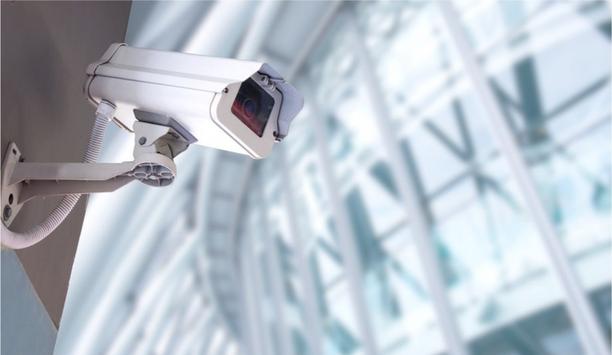
Blind spots in surveillance coverage, incompatible video and access control systems, lack of adequate perimeter measures—these are common issues that facility directors must address with their security teams. At the end of the day, facility executives need technology that accomplish more with less—that expand situational awareness, overall system functionality, and real-time response capabilities while generating cost-savings. By leveraging technology like thermal imaging, this is...
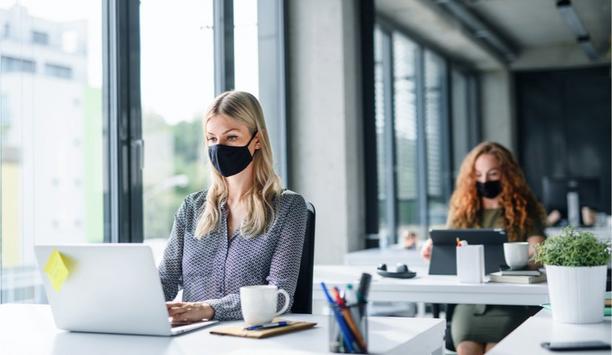
A recent survey compared how employees, tenants, property owners and managers, and developers feel about returning to the workplace, and what would make them feel safer. Among the responses from employees and tenants, 63% don’t feel comfortable returning to work, and cited their own health and safety, as well as the safety of their loved ones, as the main cause for concern. However, 73% of business owners said they plan on reopening as soon as possible, within 2-4 weeks. How can we fix the...

Schools play a key role in shaping our future. Following the reopening of classrooms up and down the country, young minds are returning to some normality. Once again they're being inspired, learning useful skills, and forging new interests to ensure our country's continued prosperity. Schools need a comprehensive security infrastructure to protect the children who attend them. Most notably, secure perimeters that keep unwanted people out, but also ensure visitors, parents, and students alike ca...
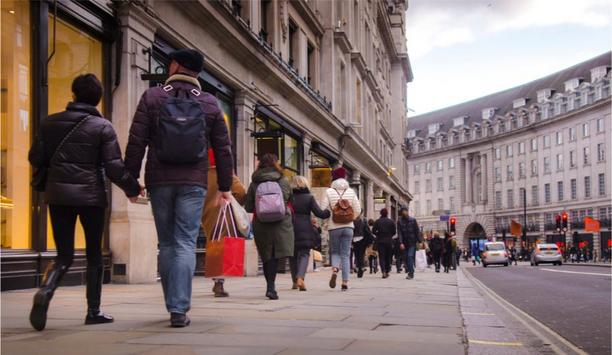
For bricks and mortar retailers, there’s no going back to how it was anytime soon. Even before the COVID-19 pandemic and economic crisis, they had been fighting a fierce battle against online shopping and significant e-commerce players. The high street has done a pretty good job of evolving over the years. From its humble beginnings in the late 19th century to its boom in the late 20th, it’s constantly adapted to meet changing consumer needs. The risk to retail But, i...

We still have some way to go before we see 5G service rolled out as a UK-wide service, but we can discuss future implications of 5G, and how it can improve device capabilities once its widely accessible. The impact of 5G lies within the increase in the amount of data that can be transferred between smart home devices through a cloud-based system. By utilising the cloud’s mass com...
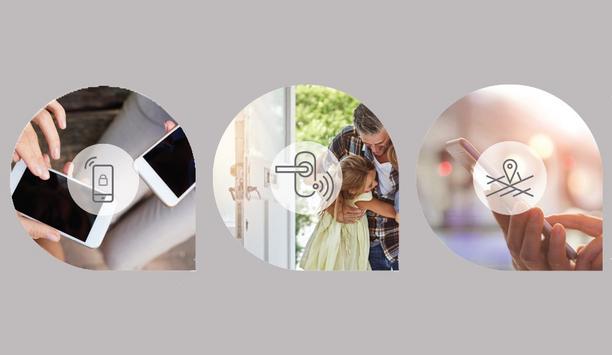
Indoor positioning is, in many ways, an inside version of the satellite-navigation apps we rely on for outdoor navigation, but with an added twist – it can also be used to help locate people and things. Let’s say you’re at home and misplaced your car keys, or you’re in a grocery store and can’t find your favorite brand of coffee. Or maybe you’re working in a factory and need a particular tool from a storage bin, or you’re a site manager dealing with an...
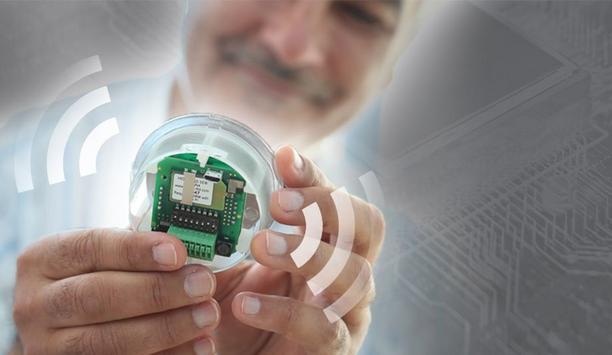
In recent years, multinational corporations such as Cathay Pacific, Facebook, Uber and numerous others have been heavily fined due to security and data protection violations. This period has seen data protection laws increase as more and more information is gathered and shared online. As such, it becomes crucial to account for security capabilities when choosing an embedded device that touches potentially sensitive data. RFID readers very much belong to the ecosystem wherein personal or user i...

Electric locking is among the most ubiquitous examples of everyday security. Yet the complexity of electric locks and the advanced technologies deployed to provide simple, dependable and, for the most part, impenetrable locking often goes unnoticed. And that’s a good thing: when we take things for granted, it usually proves they’re fit for purpose. As experts in the field of solenoid actuated designs, we’re okay knowing that remote electric locking solutions are taken for grant...
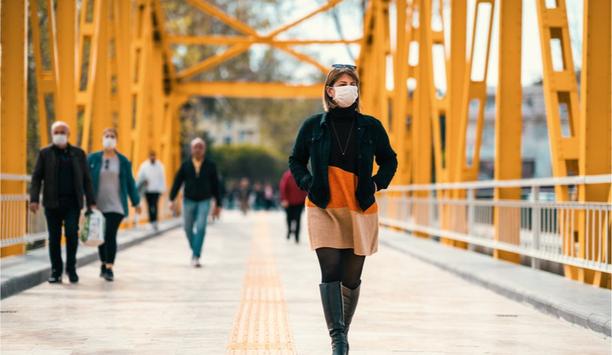
People have always had an innate need to feel secure, from building fires at the front of caves that ward off predators in prehistoric times, to today’s efforts of locking your front door. This need for security extends to venturing further afield from the home and is critical for communities to thrive and survive. More than ever, people want to be and feel safe; protected against physical and now biological threats. When it comes to staying safe, populations around the world have recentl...

As the media often reports, the world of cybersecurity can be seen like the ‘Wild West’. There’s now a wide range of Internet of Things (IoT) devices connected to the web, making this a hot topic. Among these devices are security cameras. IoT devices are computers that use software that makes them vulnerable. As the famous cybersecurity evangelist Mikko Hypponen says, "If a device is smart, it's vulnerable!" Hypponen is right. On a daily basis, new vulnerabilities are found in...
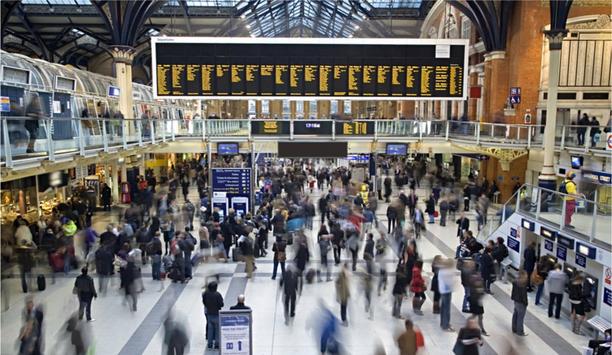
Throughout the COVID-19 pandemic, ensuring the safety of passengers and staff aboard public transport has been an ongoing concern. The scenes of underground trains, still packed with commuters as infection rates soared, will have raised alarm bells with bus and train managers, transport officials and government representatives alike. Now, as infection rates hold steady and people slowly return to the workplace, a rise in commuter levels, coupled with a need for strong infection control protocols...
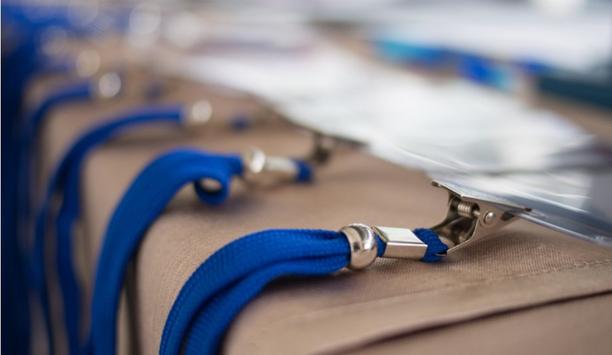
In today’s fraught times, business continuity and success hinges on how you manage the visitors to your company. By prioritizing safety and security, and coupling them with top-notch attention and customer service, you win loyalty and gain a reputation that will serve you in years to come. An excellent way to accomplish this is by identifying and implementing the best visitor management system for your company. And visitor management systems go beyond ensuring the safety of your visitors...

Security experts have discussed the demise of the passwords for years. As early as 2004, Bill Gates told the RSA Security Conference that passwords “just don’t meet the challenge for anything you really want to secure.” Change has been slow, but the sudden increase in remote working and the need for enterprises to become touchless as they try to encourage teams back to the office is increasing traction. Here we look at the future of passwordless authentication - using the examp...

The security industry knows the value of recurring revenue, as it’s the foundation of the residential security monitoring market. Commercial systems integrators have traditionally taken a different approach, focused on one-time commodity-based sales that lack the financial benefits provided through long-term serviced-based agreements. Cash flow is one of the biggest challenges faced by security systems integrators. And the truth is, during economic uncertainty, businesses will find...

All public properties are faced with a diverse and complicated set of safety and security risks, from health and safety to violence, terrorism, natural disasters, fires, political and environmental. Reducing safety and security risks requires the hands-on support of all operating teams, not just the security team, each playing their part in the pursuit of providing a safe and secure environment for all customers and staff. The challenge is twofold, one many still rely on antiquated logbooks, ch...

Developing an effective contact tracing system in the UK to monitor the spread of COVID-19 has proved to be problematic. The trials of the app developed by the government and its partners encountered numerous challenges, and despite the reopening of restaurants, pubs and shops, the current approach to contact tracing is inconsistent, with recent reports suggesting not all establishments are following the government guidance. At the same time, businesses are being encouraged to ask employe...

Since lockdown came into effect, organizations globally have undergone years' worth of transformations in a matter of months. Whether it’s been to transition their operations online or moving their IT infrastructure to the cloud, there’s no denying that the face of business has changed permanently, experiencing a seismic shift, both operationally and culturally. As we enter the “next normal” there remains a great deal of uncertainty around what the next twelve months hold...