
SecurityInformed.com
  • Products
    Video Surveillance
    • Surveillance cameras
    • Video Surveillance software
    • IP cameras
    • Digital video recorders (DVRs)
    • Dome cameras
    • Network Video Recorders (NVRs)
    • IP Dome cameras
    • Security camera lenses
    Access Control
    • Access control readers
    • Access control software
    • Access control controllers
    • Access control systems & kits
    • Intercom Systems
    • Electronic lock systems
    • Access control cards/ tags/ fobs
    • Access control accessories
    Intruder Alarms
    • Intruder alarm system control panels & accessories
    • Intruder detectors
    • Intruder alarm warning devices
    • Intruder alarm communicators
    • Intruder alarm accessories
    • Intruder alarm lighting systems
    Enhancing Physical Access Control Using A Self-Service Model
    Enhancing Physical Access Control Using A Self-Service Model
    Dahua Smart Dual Illumination Active Deterrence Network PTZ Camera

    Dahua Smart Dual Illumination Active Deterrence Network PTZ Camera

    Hikvision DS-K6B630TX: Smart Pro Swing Barrier for Modern Access Control

    Hikvision DS-K6B630TX: Smart Pro Swing Barrier for Modern Access Control

    Climax Mobile Lite: Advanced Personal Emergency Response System (PERS)

    Climax Mobile Lite: Advanced Personal Emergency Response System (PERS)

    Hanwha Vision OnCAFE: Cloud-Based Access Control for Modern Enterprises

    Hanwha Vision OnCAFE: Cloud-Based Access Control for Modern Enterprises

  • Companies
    Companies
    • Manufacturers
    • Distributors
    • Resellers / Dealers / Reps
    • Installers
    • Consultants
    • Systems integrators
    • Events / Training / Services
    • Manned guarding
    Companies by Product area
    • CCTV
    • Access control
    • Intruder alarm
    • IP networking products
    • Biometrics
    • Software
    • Digital video recording
    • Intercom systems
    Enhancing Physical Access Control Using A Self-Service Model
    Enhancing Physical Access Control Using A Self-Service Model
  • News
    News
    • Product news
    • Corporate news
    • Case studies
    • Events news
    Latest
    • Suprema BioStation 3 Sets Sales Record In Security Market
    • A Landmark Gathering Shaping The Future Of Real Estate, Investment, Sustainability & Design
    • IDIS Launches New AI PTZ Cameras With NIR Performance
    • Leuze AI Boosts Optical Distance Sensor Accuracy
    Enhancing Physical Access Control Using A Self-Service Model
    Enhancing Physical Access Control Using A Self-Service Model
  • Insights
    Insights
    • Expert commentary
    • Security beat
    • Round table discussions
    • Round Table Expert Panel
    • eMagazines
    • Year in Review 2023
    • Year in Review 2022
    Featured
    • What Are Emerging Applications For Physical Security In Transportation?
    • What Is the Most Overlooked Factor When Installing Security Systems?
    • Amid Rising Certificate Demands, Stricter Compliance And Quantum Threats, PKIaaS Is A Necessity
    • How Should Security Adapt To The Unique Aspects Of Healthcare?
    Enhancing Physical Access Control Using A Self-Service Model
    Enhancing Physical Access Control Using A Self-Service Model
  • Markets
    Markets
    • Airports & Ports
    • Banking & Finance
    • Education
    • Hotels, Leisure & Entertainment
    • Government & Public Services
    • Healthcare
    • Remote Monitoring
    • Retail
    • Transportation
    • Industrial & Commercial
    Enhancing Physical Access Control Using A Self-Service Model
    Enhancing Physical Access Control Using A Self-Service Model
    Alamo Colleges Boosts Safety With Alcatel-Lucent OmniSwitch Platform

    Alamo Colleges Boosts Safety With Alcatel-Lucent OmniSwitch Platform

    HID Mobile Access Enhances University Of Dundee Campus

    HID Mobile Access Enhances University Of Dundee Campus

    ASSA ABLOY Aperio Wireless Locks At The Camp: Secure & Sustainable

    ASSA ABLOY Aperio Wireless Locks At The Camp: Secure & Sustainable

    SBB Secures Perimeters With Hanwha Vision Cameras

    SBB Secures Perimeters With Hanwha Vision Cameras

  • Events
    Events
    • International security
    • Regional security
    • Vertical market
    • Technology areas
    • Conferences / seminars
    • Company sponsored
    Virtual events
    • Video Surveillance
    • Access Control
    • Video Analytics
    • Security Storage
    • Video Management Systems
    • Integrated Systems
    Enhancing Physical Access Control Using A Self-Service Model
    Enhancing Physical Access Control Using A Self-Service Model
    Gartner IT Infrastructure, Operations & Cloud Strategies Conference 2025

    Gartner IT Infrastructure, Operations & Cloud Strategies Conference 2025

    Technology Summit International 2025

    Technology Summit International 2025

    G2E Philippines 2025

    G2E Philippines 2025

    IFSEC India 2025

    IFSEC India 2025

  • White papers
    White papers
    • Video Surveillance
    • Access Control
    • Video Analytics
    • Video Compression
    • Security Storage
    White papers by company
    • HID
    • ASSA ABLOY Opening Solutions
    • Milestone Systems
    • Eagle Eye Networks
    • Hanwha Vision America
    Other Resources
    • eMagazines
    • Videos
    One System, One Card

    One System, One Card

    Aligning Physical And Cyber Defence For Total Protection

    Aligning Physical And Cyber Defence For Total Protection

    Understanding AI-Powered Video Analytics

    Understanding AI-Powered Video Analytics

    Modernizing Access Control

    Modernizing Access Control

About us Advertise
  • Self-Service Access Control
  • AI special report
  • Cybersecurity special report
  • 6
Electronic access control
  • Home
  • News
  • Expert commentary
  • Security beat
  • Case studies
  • Round table
  • Products
  • White papers
  • Videos

Check Out Our Special Report On Casino Security

Get it now!

Location-based Alerting Technologies To Secure Employees In Emergency Situations

Location-based Alerting Technologies To Secure Employees In Emergency Situations
Annie Asrari
Annie Asrari
icon Add as a preferred source Download PDF version
Quick Read
⌵
Summary is AI-generated, newsdesk-reviewed
  • Location-based alert systems improve employee safety in emergency situations using dynamic tracking.
  • Employers must meet Duty of Care by ensuring employees' safety during crises with alert systems.
  • Integrating communications with physical security systems boosts employee protection in critical events.

Workplace mobility is on the rise, which means organizations have an increasing number of employees who travel or work from home. In fact, there were 96.2 million mobile workers in 2015 and IDC predicts that mobile workers will account for nearly three quarters (72.3 percent) of the total U.S. workforce by 2020. While the growth of mobile workers is a boon to productivity both inside and outside the workplace, it also creates unique communication challenges – especially in emergency situations.

One of the major worries for an organization is the safety of its employees, whether they’re on-site, at a different office location, on-the-road, in the field or in the air. When disaster strikes, organizations need to quickly communicate with their employees in case of a location-based event (active shooter, fire, explosion, natural disaster or terrorist attack) to help protect their safety and direct them to take specific actions. For example, if there are angry protesters in the same area an employee is traveling, it is important to be able to notify that person to keep them out of harm’s way.

Employer Duty Of Care

This leaves companies with a tough task – do you know where your people are at all times? How can employers fulfill their Duty of Care and ensure employees are safe in times of crisis, no matter where they are located?

This is easier said than done. According to Ernst & Young’s latest Global Mobility Effectiveness Survey, only 30 percent of companies have a system in place for tracking business travellers. In addition, contractors, visitors and vendors are difficult to reach and account for when traveling in and around your facilities. But, with the help of timely location data collected from building access control systems, wifi access points, travel management systems and more, safety-conscious organizations can automatically keep employee locations current – even when employees are traveling or moving between buildings and campuses.

In such instances, organizations can improve security preparedness and employee safety by harnessing location-based technologies that help them ensure they can send the right message at the right time.

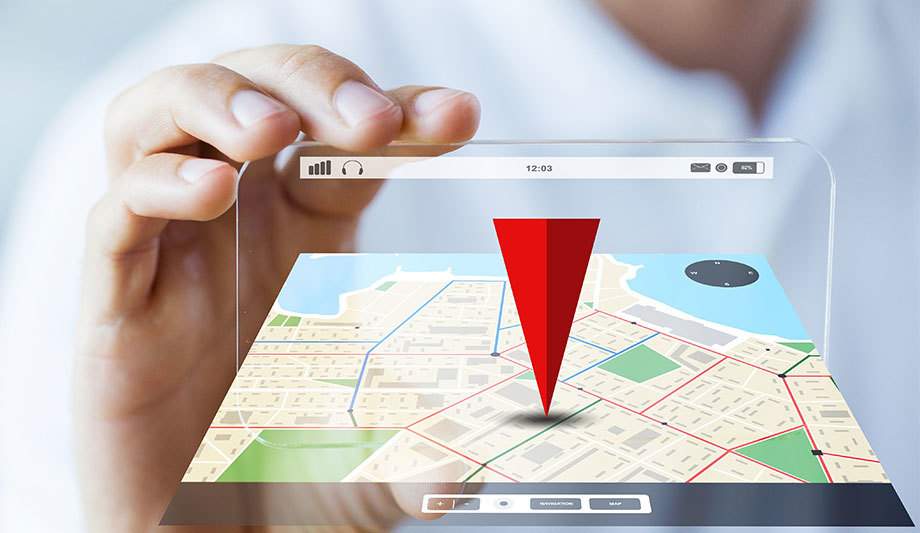
The increasing regularity of critical events worldwide necessitates the need to locate and alert employees of any nearby risks at a moment’s notice. Dynamic location tracking and alerting has huge potential for safeguarding the well-being of mobile workers. Many organizations have started to integrate critical communication solutions with physical security systems to rapidly identify, communicate with and account for employees during these disruptive events.

The beauty of today’s digital world is that everything is connected and many of the devices and technologies we use on a daily basis transmit data instantaneously
Everything from modest access control systems to sophisticated biometric systems can track specific employee movements

When implementing location-aware alerting systems, it’s important for organizations to keep the following best practices in mind:

Aggregate Location Data Across Multiple Systems

The beauty of today’s digital world is that everything is connected and many of the devices and technologies we use on a daily basis transmit data instantaneously – meaning employee locations (or, at the very least, last known locations) can be automatically acquired. Everything from modest access control and badging systems to more sophisticated biometric systems that require fingerprint and facial recognition track specific employee movements between corporate buildings.

Wi-Fi access points act similarly, providing location information linked to laptops, apps and other devices your employees connect to throughout your facilities. By tapping into these systems, companies can maintain a database of where their employees are and use that data for triggering automated incident communication for rostering, mustering and site evacuation purposes at the moment emergencies occur.

Merge Travel Risk Management With Location Alerting

But what about when someone is working remotely or traveling? Corporate travel management tools, and travel security services companies like International SOS, provide specific travel details and itineraries for individual employees – so you know where they’re traveling to, how they’re getting there (airplane, bus, train), as well as where they’ll be staying once they get there.

Data doesn’t exist in a silo, so a good location alerting system will aggregate and store data from as many sources as possible. This enables organizations to locate and communicate with staff during global events and emergencies and help determine if they are safe or need assistance – no matter where they are. Again, this helps you meet your Duty of Care to keep your team safe at all times.

Ensure Employee And Building Databases Are Accurate

Location-based notification systems, from badging systems to Wi-Fi access points, need quality data that is up-to-date and accurate in order to effectively reach an organization’s employee base. Traditional methods of importing data, including importing spreadsheets and call lists, just won’t cut it.

While these sources important contact path information like landline numbers and addresses, they clearly lack the many other contact paths that employees will be most likely to notice right away while traveling, such as cellphones and email. Collecting correct and relevant contact data, such as personal or BYOD phones, can ensure that messages are received and responded to by relevant employees.

Systems that enable employees to initiate communications are much more impactful in protecting their safety in location-based emergencies
The best communications systems are those that are multimodal and allow for two-way communications between the organization and its employees

Automate Communication And Collaboration

Once location data is gathered and stored, it must be connected to an incident communications solution that can instantaneously distribute targeted alerts in the case of an emergency. The best communications systems are those that are multimodal and allow for two-way communications between the organization and its employees.

When a location-based emergency occurs, the systems that can send messages to a targeted geographic region – whether that is a specific building, floor, neighborhood or zip code – instead of the entire employee directory, will be the most effective in ensuring the right messages are sent to the right people. Additionally, if recipients can acknowledge that a message was received, it allows organizations to identify who is safe – and who may still be in harm’s way and needs help.

Every Minute Counts

Let’s say a fire breaks out in a corporate building on the fifth floor and an emergency alert is sent out to all employees in the building. You know that three employees used their security badges to swipe in to that floor earlier that afternoon, but only one responded to your emergency alert.

Because you have enabled two-way communications and expect responses from employees that are safe and unharmed, you now know that there is a very real possibility that the other two employees are incapacitated and could be in immediate danger.

Building upon this idea, systems that enable employees to initiate communications are much more impactful in protecting their safety in location-based emergencies. If an employee finds him or herself in an active shooter situation, for example, panic button app capabilities are extremely valuable.

Panic buttons have the capability of sending a message to an organization’s security team – automatically transmitting the employee’s location, as well as any shared audio and video with just the push of a button.

During critical events, man-made incidents or natural disasters, the ability to identify and reach employees with reliable, automated communications that harness geo-intelligent tools can not only protect your business assets, but can be the difference between life and death for your staff. Because every minute counts, you can’t afford to waste time searching spreadsheets, directories and schedules to notify your employees.

Automated communications that utilize available location data enable organizations to connect with employees more effectively, helping to ensure their safety during critical events worldwide.

Discover how AI, biometrics, and analytics are transforming casino security

Download PDF version Download PDF version
Google logo Add as a preferred source on Google
  • Network / IP
  • Biometrics
  • Electronic security systems
  • Security management
  • Security access systems
  • Electronic access control
  • Public security
  • Security software
  • Security communication
  • Incident Management
  • Security Assessments
  • Related categories
  • Access control systems & kits
  • Related links
  • Articles by Annie Asrari
Related white papers
One System, One Card

One System, One Card

Download
Aligning Physical And Cyber Defence For Total Protection

Aligning Physical And Cyber Defence For Total Protection

Download
Modernizing Access Control

Modernizing Access Control

Download
Related articles
TDSi Becomes TDSi By Hirsch In 2026

TDSi Becomes TDSi By Hirsch In 2026

AI-Driven Security: HiveWatch's New Leadership

AI-Driven Security: HiveWatch's New Leadership

Securitas Acquires Sonitrol Ft. Lauderdale & Level 5

Securitas Acquires Sonitrol Ft. Lauderdale & Level 5

Follow us

Sections Products Video Surveillance Access Control Intruder Alarms Companies News Insights Case studies Markets Events White papers Videos AI special report Cybersecurity special report RSS
Topics Artificial intelligence (AI) Mobile access Healthcare security Cyber security Counter terror Robotics Thermal imaging Intrusion detection Body worn video cameras
About us Advertise About us 10 guiding principles of editorial content FAQs eNewsletters Sitemap Terms & conditions Privacy policy and cookie policy Californian Residents (CCPA)
  1. Home
  2. Topics
  3. Electronic access control
  4. News
  5. Expert commentary
About this page

Improve employee security in emergencies with location-based alerting technologies - enhance safety and communication efficiency.

Subscribe to our Newsletter

Stay updated with the latest trends and technologies in the security industry
Sign Up

DMA

SecurityInformed.com - Making The World A Safer Place
Copyright © Notting Hill Media Inc. 2000 - 2025, all rights reserved

Our other sites:
SourceSecurity.com | TheBigRedGuide.com | HVACinformed.com | MaritimeInformed.com | ElectricalsInformed.com

Subscribe to our Newsletter


You might also like
Security And Surveillance Technologies For The Casino Market
Modernizing Access Control
Addressing Cybersecurity Vulnerabilities In The Physical World
Enhancing Physical Access Control Using A Self-Service Model
Sign up now for full access to SecurityInformed.com content
Download Datasheet
Download PDF Version
Download SecurityInformed.com product tech spec