Electronic security systems


Securitas has acquired CamVision, a Danish technology driven security specialist with a strong position in retail loss prevention and electronic security solutions. The acquisition strengthens Securitas’ ability to deliver reliable and scalable security solutions for micro and small singlesite businesses as well as larger, multisite clients across Denmark. For micro and small businesses, the acquisition enhances Securitas’ offering of standardized, packaged security solutions that c...

iDenfy, a global identity verification and fraud prevention service provider, announced a major update to its most popular solution, ID verification, a non-document verification flow. Businesses that previously used iDenfy’s physical ID document verification can now offer their users the option to complete the process through the electronic ID (eIDV) flow when a physical document is not available. The update directly addresses one of the industry’s most persistent problems of legiti...

Hikvision, a world-pioneering manufacturer and supplier of security products and solutions that deliver the ideal combination of high performance and extreme value, now announced the release of its HikCentral Lite (HCL) V1.1.2 all-in-one units. Designed for small and mid-sized businesses (SMBs) and the integrators who support them, the new units combine streamlined deployment, expanded free channels, and a unified software foundation for reliable, everyday security. Newly upgraded platform "O...

Dubai World Trade Center — Sheikh Saeed Hall 2, Stand C43, January 12–14, 2026. Organizations of every size and type have discovered how connected digital access helps them implement smarter, more efficient operations. As a global pioneer in access solutions, ASSA ABLOY is at the forefront of these digitalization innovations. By digitalizing access, organizations streamline workloads, reduce costs, collaborate better, connect spaces with people more flexibly, and maximize productivi...

Integrated Control Technology (ICT®), a pioneering provider of intelligent access control, intrusion detection, building automation and security solutions, is pleased to announce the appointment of Piotr Rek as Sales Director for the Central and Eastern Europe (CEE) region. As ICT continues to expand its international footprint, the CEE region represents a significant opportunity for growth, innovation, and deeper engagement with partners across Europe. Piotr’s appointment emphasizes...

Allied Universal®, a pioneering security and facility services provider, now announced that it has sold a majority stake in AMAG Technology to Shore Rock Partners, a critical infrastructure-focused growth investor. AMAG is a pioneer in integrated high-security access control, identity, guest, and video management solutions. The new ownership group led by Shore Rock Partners with strategic backing from BellTower Partners will continue to support enhancements to AMAG’s product portfolio...
News
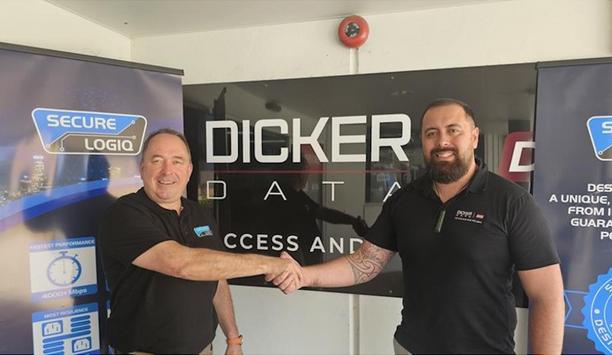
Secure Logiq has strengthened its Asia-Pacific presence with the appointment of Graham Wheeler as APAC Regional Director and a new Australian distribution agreement with DAS (Dicker Access & Surveillance). Wheeler will lead Secure Logiq’s growth across Australia and New Zealand, working with consultants, system integrators and enterprise end users to deliver high-performance video server and storage platforms optimized for modern surveillance and analytics workloads. The partnership with DAS gives the market direct access to Secure Logiq’s full portfolio through DAS’s national reseller network, backed by local pre- and post-sales support. Efficient video infrastructure “Across ANZ we’re seeing a clear shift toward smarter, more efficient video infrastructure,” said Graham Wheeler, APAC Regional Director at Secure Logiq. “Our focus is to help partners design systems that deliver more throughput and resilience without unnecessary complexity. Partnering with DAS means customers can specify, source and support Secure Logiq locally - with the responsiveness they expect.” To support the expansion, Secure Logiq has extended Australian support hours to 6 am-6 pm AEST, aligning with project and service windows across all time zones. The company will collaborate with DAS on education, training and roadshow activity to accelerate partner enablement. Secure Logiq’s platforms “Appointing Graham gives us dedicated leadership in region, while DAS brings the on-the-ground reach and technical capability to scale,” added Ben Yoxall, Joint Managing Director at Secure Logiq. “Together we’re combining British engineering with Australian market expertise to deliver performance, reliability and value for ANZ projects of any size.” Secure Logiq’s platforms are designed specifically for professional video, offering high I/O performance, efficient storage architecture and tools that simplify design and lifecycle management for large camera counts and analytics-heavy deployments.

Security-Net, Inc., a network of pioneering security system integrators, is pleased to welcome its newest member, Mala Grover, president and chief executive officer of Digitronics, based in Herndon, Va. With the addition of Grover, Security-Net strengthens its presence in the Mid-Atlantic region, including Washington, D.C., Maryland, Virginia, and West Virginia, while gaining a member with deep expertise in federal government security projects. Advanced electronic security systems Grover brings three decades of experience in the security industry, including more than 20 years pioneering Digitronics, a woman-owned small business specializing in design, installation, and support of advanced electronic security systems. The company is uniquely positioned in the federal sector, maintaining CSEIP certification and UL 2050 certification, which enable Digitronics to serve highly regulated government environments and protect critical national infrastructure. In recent years, the company has expanded its footprint into the commercial market, offering the same level of rigorous design and implementation expertise to private sector clients. Project management, bidding, and integration practices “Security-Net is truly an elite group of seasoned companies spread across the United States,” said Grover. “One of the biggest benefits is the network itself and having trusted partners across the country who I can reach out to for support on projects or team with to get them completed on time and within budget. It’s like having an extended arm that helps me deliver the best possible service to my customers.” Through her participation in Security-Net, Grover is eager to both contribute her federal sector expertise and learn from her peers’ extensive experience in project management, bidding, and integration practices. She believes the relationships she builds through Security-Net will help her business to continue to grow, innovate, and evolve. Security-Net’s collective capabilities With Digitronics joining Security-Net, the organization gains additional depth in federal government integration and expands its footprint in the important Washington, D.C. corridor, which is a region known for its complex and high-security installations. "Mala brings an exceptional level of professionalism and technical expertise to the group,” said Roy Stephenson, director of business development for Utah Yamas Controls, and a long-time Security-Net member. “Her company’s experience in the federal sector, along with its UL 2050 certification, adds a tremendous amount of value to Security-Net’s collective capabilities.” Prior roles of Grover Grover entered the security industry in 1995 after beginning her career in international business. What started as a single $450 project grew into a thriving company managing large-scale federal installations, including projects with the U.S. Department of Education. Today, Digitronics employs 23 people, including Grover’s son, who is helping expand the company’s commercial business. Security-Net currently has 19 members with an extensive geographical footprint to serve customers throughout the United States, Canada, and internationally. Together, members share best practices, including technical knowledge and training initiatives, and partner on customer projects that extend beyond a company’s geographic reach to ensure national account-level service.

Gallagher Security is celebrating a standout year marked by global expansion, people-powered growth, and continued leadership in innovation. As 2025 draws to a close, Gallagher’s executive team reflects on the milestones that shaped the year and sets the stage for an ambitious 2026. People-powered growth across the globe Gallagher strengthened their global capability in 2025 with new pioneers joining across every region and long-serving team members reaching major milestones. Key appointments included Matt Butts as Executive Vice President – the Americas, Nemer Mdradas as Regional Director MENA, and Business Development roles across Australia, Europe, India, the Middle East, Africa, the Americas, and New Zealand. Chief Executive Mark Junge says the year’s success underscores the strength of Gallagher’s global team. “Our people are the engine behind our momentum,” he says. “In 2025, we welcomed exceptional new talent, celebrated long-serving contributors, and reinforced the culture that makes Gallagher strong. Their dedication is what propels us forward.” Global expansion and strengthening regional presence 2025 also saw Gallagher deepen their footprint across key markets. The organization reclaimed full ownership of its Africa operation, expanded further into India and the Middle East, and continued to grow in Europe with a new Stockholm office. Australia strengthened its regional capability with new appointments and a new Gold Coast office, improving customer support, training experiences, and accessibility. Craig Schutte, EVP – APAC & IMEA, says the year marked a new chapter of regional momentum. “From renewed investment in Africa to expanding across India and the Middle East, 2025 demonstrated the impact of empowered local teams backed by global strength,” he says. Across the UK and Europe, Spencer Marshall, EVP – UK & Europe, highlights rising demand and customer engagement. “This has been a year of connection, collaboration, and growth across our partner network and customer base,” he says. “The traction we’ve seen sets a strong foundation for 2026.” Accelerating innovation The organization advanced its innovation leadership with several key product releases in 2025. The PIV-compliant High Security Controller 7000 delivered enhanced cyber protection for high-assurance environments, QuickSwitch simplified system upgrades and gained a strong market response, and Gallagher’s cloud solution OneLink expanded end customers’ reach into new geographies. Most recently, the release of Command Center v9.40 introduced smarter maintenance workflows, increased operational efficiency, and a future-ready architecture. Strengthening partnerships and communities Partnerships continued to play a vital role in Gallagher’s strategy this year. The organization expanded its collaboration across the Middle East, India, Latin America, APAC, and Europe through a series of Memoranda of Understanding, new partner enablement programs, and high-engagement industry events. The expansion of the Digital Badge Program recognizing training achievements for Channel and End Users across APAC and IMEA, coupled with regional partner excellence awards and technical training initiatives, further deepened Gallagher’s global partner network. In the Americas, recently appointed EVP Matt Butts says the region is thriving. “The energy across the Americas this year has been incredible,” he says. “From ISC West and GSX to regional partner events, Gallagher’s innovation and community focus are resonating strongly. The foundation laid this year sets us up for significant growth in 2026.” Gallagher also deepened their community impact through local support. The organization set a new fundraising record at their annual Bravehearts Charity Golf Day in Australia, doubled their breast cancer fundraising goal at GSX, helped protect coastal communities with a mobile shark patrol alert system in Australia, and supported cultural heritage through security upgrades at the 100-year-old Richey Suncoast Theater in Florida. Award-winning excellence Gallagher’s innovative leadership was also recognized across regions this year. The new High Security Controller 7000 earned major industry awards, including top honors from the GOVIES, Fortress Cybersecurity Awards, Australian Security Industry Awards, and Canada OSPAs while QuickSwitch was celebrated at the NSCA 2025 Excellence in Product Innovation Awards and Security Buyer Awards. The organization was also recently named Best Large Business and Supreme Award winner at the New Zealand International Business Awards, a reflection of the strength of their global positioning and contribution to New Zealand’s burgeoning tech sector. Looking ahead to 2026 As Gallagher celebrates another transformative year, the organization is focused on elevating their global vision for the future. Mark Junge closes out the year by saying: “Our teams around the world are united by a shared purpose – to shape a safter, more connected future. We’ve achieved a huge amount in 2025, and in 2026, you’ll see us accelerate in all areas.”
Securitas Technology, a world pioneer and global provider of security, health, and safety technologies, is proud to announce the acquisition of Sonitrol Ft. Lauderdale and Level 5 Security Group. This strategic move reinforces Securitas Technology’s commitment to delivering client-centric solutions and expanding its geographic footprint to better serve clients across North America. Best-in-class security solutions “This acquisition aligns with our focus and commitment to deliver best-in-class security solutions while keeping our clients at the center of everything we do,” said Tony Byerly, Global President and CEO, Securitas Technology. “We are proud to welcome the talented Sonitrol Ft. Lauderdale and Level 5 Security Group team to Securitas Technology and look forward to creating added value for our clients across Florida.” Expanded service coverage in Florida This acquisition expands Securitas Technology’s service coverage in the state of Florida, strengthening local operations for both new and existing clients. By combining resources and expertise, we are positioned to deliver a superior client experience throughout the region. “Expanding our presence in Florida allows us to deliver stronger local coverage while also enhancing our support of regional and national clients in the region,” said Byerly. "This partnership leverages unique capabilities like Sonitrol's CORE cloud platform alongside Securitas Technology's expansive resources." Cloud-based Sonitrol offering for clients Securitas Technology now expands Sonitrol’s new cloud-based offering to both new and existing clients, delivering greater flexibility, scalability, and remote management capabilities. This next-generation solution ensures businesses can access Sonitrol’s proven audio verification technology through a secure, cloud-enabled environment—enhancing operational efficiency and peace of mind. With a legacy of innovation spanning over 60 years, Sonitrol has pioneered advancements such as reducing false alarms and enhancing verified response. Level 5 Security Group brings over four decades of expertise in delivering cutting-edge integrated electronic security solutions across South Florida. Together, Securitas Technology, Sonitrol Ft. Lauderdale and Level 5 Security Group, will help make the world a safer place.
SAGE Integration is excited to announce the newest office in Ripley, Tennessee, located at 567 Highway 51 South, Ripley, TN 38063. The latest expansion continues to enhance SAGE's ability to serve its expanding regional client base and address the rising demand for advanced electronic security solutions in the region. The new Ripley office will bolster local operations, enabling quicker response times, improved service, and deeper engagement with clients and the community while supporting our National Clients throughout the area. SAGE Integration's ongoing commitment "Our presence in Ripley, TN, marks a significant milestone for SAGE Integration," said John Nemerofsky, Chief Operating Officer. "This location allows us to deliver even greater value to our clients and strengthen our relationships within the region." The Ripley office demonstrates SAGE Integration's ongoing commitment to responsive service and reinforces its role as a trusted, innovative security integration partner nationwide.

Skills for Security is proud to announce Toby Moulder from APM Fire and Security Ltd, trained by SGS College, has won the Electronic Fire & Security competition at the WorldSkills UK National Finals. WorldSkills UK brings together the most talented apprentices and learners from across the country to compete in industry-standard technical challenges. Future of the fire and security workforce The Electronic Fire & Security competition, judged by NSI and SSAIB, is designed in partnership with Skills for Security to benchmark the skills, knowledge and professional behaviors required within the fire and security industry. Darrell Gilmour, Director of Technical Education at Skills for Security, said: “WorldSkills UK is an important platform for raising the profile and standards of technical education in our sector. The competitors demonstrated exceptional discipline and a strong understanding of current industry practices. Their performance reflects the future of the fire and security workforce, one that is skilled, capable and ready to meet the demands of a fast-evolving industry.” This year’s finals saw competitors complete two days of intensive, real-world tasks covering system installation, fault-finding, configuration, compliance and customer-focused problem-solving. The event showcased technical ability alongside precision, resilience and the ability to work to professional standards under time pressure. Ongoing support of Skills for Security Ben Blackledge, Chief Executive, WorldSkills UK said: “Congratulations to all those who participated in the WorldSkills UK national competitions in Electronic Fire and Security Systems. We are grateful for the ongoing support of Skills for Security, which enables us to help apprentices develop their skills to the highest level. Our finalists represent the future of our economy." "They are the new generation of highflyers that will give UK employers a competitive edge. Our competitions, based on global standards, play a vital role in developing the skills that will drive investment, create jobs, and fuel economic growth.” Scenario-based tasks Skills for Security congratulates Joseph Jenkins, representing AGS Security Systems and trained by Skills for Security who secured second place, and Declan Oneil representing ADT and trained by Banham who achieved third place. Highly recommended was Luke Wilson, representing Atlas World and trained by South Eastern Regional College. Each demonstrated professionalism, consistency and the ability to apply their training to complex, scenario-based tasks aligned to industry expectations. Collaboration with employers and sector experts WorldSkills UK competitions are developed in collaboration with employers and sector experts to ensure they reflect real-world practice. Skills for Security plays a pioneering role in designing and delivering the Electronic Fire & Security competition, ensuring it meets national training standards and supports the development of high-quality talent entering the profession. David Scott, Managing Director of Skills for Security concluded: “All finalists should be extremely proud of their achievements. The UK fire and security sector continues to grow and innovate, and we’re so proud to support WorldSkills UK and help ensure we are preparing the next generation of skilled professionals. These apprentices have shown they are more than ready to take their next steps in the industry.” Current industry standards This year’s competition was supported by industry partners including CSL Group, The Security Event (TSE), Texecom Ltd, C-TEC, GS Yuasa Battery Sales UK Ltd, FENIX Monitoring, Dahua UK & Ireland, and Eaton. Their support enabled the competition to be delivered to current industry standards, ensuring all tasks reflected the equipment and practices used across today’s fire and security sector.

Expert commentary

In today’s world, almost any electronic security system holds the potential to become a gateway for cybercriminals. With physical security and cybersecurity increasingly entwined, security professionals aren’t doing their job unless they take all possible precautions to lock down unauthorized access to camera systems, access control platforms, intercoms, and other network-based security devices and solutions. Let’s explore the many steps companies should take throughout their security technologies’ lifecycle – from choosing a vendor all the way through device decommissioning – to avoid making the common mistakes that leave systems, and the networks they reside on, vulnerable to attack and sabotage. Prepurchase Phase: Laying the Groundwork for Cybersecurity 1. Conduct a Vendor Risk Assessment IT departments often rely on the same Vendor Risk Assessment criteria they use for evaluating IT equipment manufacturers when considering the suitability of physical security vendors. While commonalities exist between how to assess these disparate solutions, there are also differences that require distinct scrutiny. For example, device endpoints within physical security systems run on custom Linux Kernels and therefore do not utilize standard Linux distributions like Red Hat, Ubuntu, or Debian. IT divisions often rely on the same Vendor Risk Assessment criteria they use for evaluating IT kit A comprehensive evaluation should examine how each security solutions manufacturer handles its software development life cycles. Ideally, vendors should adhere to a recognized framework when developing both their platform management and device-specific software. In 2021, Executive Order 14028 made it a bit easier for companies to evaluate vendors by providing guidelines for evaluating software security, the practices of the software developer, and methods to demonstrate conformance with secure practices, specifically referencing the NIST SP 800-218 Secure Software Development Framework. In short, a good vendor should have documentation that explains everything it’s doing to address cybersecurity from development, through releases and ongoing maintenance. 2. Obtain Software Update Schedules The frequency with which manufacturers update their software varies. Each company is different. If you’re their customer, it shouldn't matter whether the vendor schedules updates every six months, three months, or more often than that. What does matter is that you know what to expect and have a plan for how to deal with that reality. For example, if updates only occur every six months, under what conditions are patches released to address vulnerabilities that emerge between updates? Customers must understand how often they'll be updating the software on their devices and ensure they have the resources to make it happen. Make sure stakeholders agree, upfront, who will be performing the software updates. Will it be the integrator who installed the system, the physical security system staff, the IT team, or the end user? Keeping an entire system current is a huge challenge, but a non-negotiable responsibility. Manufacturers who don't issue frequent releases and patches put the onus on customers to handle mitigation efforts on their own. In these instances, IT departments must be prepared to employ network segmentation, firewalls, security whitelists/blacklists, and other methods to protect their systems until a patch is released. If a company's security team has typically updated firmware only when something breaks, these additional responsibilities most likely require greater collaboration with IT departments and a shift in how security systems are managed. 3. Know the Warranty Terms and Duration of Software Support Organizations should understand the warranty policies for the devices they purchase Organizations should understand the warranty policies for the devices they purchase. Even more important is knowing when a device's software support will expire. Software support should extend well beyond hardware coverage. For example, if a camera has a five-year hardware warranty, customers should reasonably expect an additional five years of software support. When that period ends, companies must plan on replacing the device – even if it still works well. Without software updates, the device lacks vulnerability support and becomes too risky to remain on the network. Manufacturers should be transparent about their warranty and software support policies, helping organizations plan for device replacements that align with cybersecurity needs. 4. Request a Software Bill of Materials (SBOM) During the pre-discovery process, customers should request a Software Bill of Materials (SBOM) that provides a detailed inventory of the software running on each device, including open-source components. By revealing what software is "under the hood," the SBOM allows IT departments to be vigilant in protecting the company's systems from exposed vulnerabilities. For example, a customer should understand how Transport Layer Security (TLS) is being handled to secure a security solution's web server if it’s an open-source component like OpenSSL. 5. Assess Vulnerability Disclosure Practices CNA manufacturers represent the gold standard in cybersecurity practices Understanding how a manufacturer handles vulnerabilities is essential. Ideally, they should be a Certified Naming Authority (CAN) and report common vulnerabilities and exposures (CVEs) to national vulnerability databases such as NIST and MITRE. Doing so automatically includes any disclosed vulnerabilities associated with their devices in vulnerability scanners' databases. CNA manufacturers represent the gold standard in cybersecurity practices, but most security manufacturers do not reach this level. At a minimum, the vendors you choose to work with should have an email notification system in place to alert customers to new vulnerabilities. Remember – email notifications are only as reliable as the employees managing them, so investigate whether the manufacturer has a strong track record of keeping up with such communications. Ask to speak with customer references who have been using the solution for an extended period to ensure the vendor is diligent in its communications. Configuration Phase: Ensuring a Secure Setup 1. Use Hardening Guides Once a device is purchased, configuring it securely is the next critical step. Manufacturers should publish hardening guides that detail the security controls available for their products and recommended practices for implementation. Between the features offered by the vendor and your company's own cybersecurity policies, make sure all possible encryption options are activated. Using HTTPS is vital for ensuring secure communication with devices. Many physical security devices default to HTTP to accommodate customer-specific network topologies and certificate management. Failing to implement HTTPS can leave sensitive metadata unencrypted and vulnerable to interception. 2. Consider Advanced Encryption Protocols Protocols are necessary to protect video data in transit from cameras to the VMS Some solutions offer built-in encryption protocols, like MACsec, which makes it impossible for data to be compromised as it is transmitted over the network. HTTPS is still necessary to secure the connection to the devices’ webservice, but while customers set up and configure their devices, MACsec will keep network data safe. Additionally, if you want to encrypt video streams, consider protocols such as Secure Real-Time Transport Protocol (SRTP), which secures the transmission of audio and video data over the Internet, or tunneling methods like Secure Socket Tunneling Protocol (SSTP), which encapsulate data packets for safe transmission between two points, even if the network is insecure. Such protocols are necessary to protect video data in transit from cameras to the Video Management System (VMS). Encryption should also extend to the VMS hard drive where video is stored. There are different methodologies to do that, but ultimately the goal is to encrypt data in transit and in storage. 3. Implement Remote Syslog In the case of a breach, each device maintains a set of logs that are useful for forensic investigations. However, if a device gets hacked, its log may not be accessible. Best practices dictate that companies should set up a remote Syslog server that maintains a copy of all device logs within a central repository. In addition to providing redundant data for investigations, a Syslog offers IT systems an efficient way to look for anomalies. Cybersecurity teams will receive immediate notification for events like unsuccessful login attempts so they can quickly figure out what's happening. Who is trying to log in? Why on that particular device? 4. Practice Healthy Password Hygiene Ideally, organizations should move towards using Active Directory or Single Sign-On (SSO) solutions One of the most basic and yet overlooked aspects of cybersecurity is the failure to manage user accounts meticulously. Many organizations use the same username and password for all security devices because it's simply too cumbersome to manage a network of devices in which each requires a separate, unique login. It's assumed that the system's primary administrators are the only ones who know the universal password. However, the system becomes vulnerable if anyone within this select group leaves the company and the password isn't changed or deleted right away. Ideally, organizations should move towards using Active Directory or Single Sign-On (SSO) solutions. This approach ensures that employees throughout a company are each assigned a unique login credential that they use for any systems they use throughout the organization. When they leave, their passwords and access are universally terminated along with their accounts. If SSO is not an option, regular password changes and prompt account deactivation are critical. Decommissioning Phase: Securely Retiring Devices At some point, physical security devices will reach the end of their useful life. When that time comes, companies must take care in how they dispose of their devices. A good vendor will provide guidance on how to clear memory chipsets and restore factory defaults. Improper decommissioning can lead to severe risks. For example, if an improperly decommissioned device is sold on the secondary market or retrieved from a dumpster, an attacker could gain access to sensitive network configurations and use this information for malicious purposes. Conclusion Deploying physical security solutions involves more than just securing buildings and assets; it also requires robust measures to protect against cybersecurity threats. From assessing vendors and understanding update policies to configuring devices securely and managing decommissioning processes, each step presents potential pitfalls that, if overlooked, could expose organizations to significant risks. By incorporating the techniques discussed into their deployment protocols, organizations can ensure their physical security solutions provide comprehensive physical and digital protection.
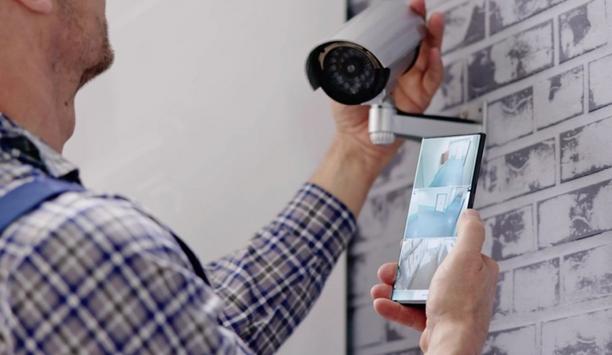
As part of ever-evolving technological advancements and the increase in digitization, home security systems remain a vital piece of equipment for at least 39 million households in the U.S., and as many as 13 million more households may install new security systems in the next 12 months. Global home security market In addition, a recent study found that 60% of burglars are deterred from attempting a burglary when a home has a security system, looking for alternative targets that are easier. Another similar study found homes without security systems are 300% more likely to experience a burglary. It’s estimated the global home security market is expected to grow to $84.4 billion as more and more people install home security systems as a way to ensure their safety. High-tech security devices Home security systems and the technology behind them will continue to expand and integrate further With the ongoing need for home security systems and the introduction of technology such as Artificial Intelligence (AI), home security companies are finding new and innovative ways to improve the home security experience by installing high-tech security devices. These devices are changing how we protect our homes, valuables, families, pets, and more. As we look ahead to the future, home security systems and the technology behind them will continue to expand and integrate further within the home as AI evolves and takes on a more meaningful and deeper role in the home security industry. Features of AI-based home security systems Most home security systems already use AI regularly for features like smart cameras, motion sensors, and alarms. These offerings incorporate AI to detect and respond to potential security threats, differentiating between everyday activities and potential suspicious behavior and then alerting homeowners based on the activity. As AI expands the capabilities of critical security features such as facial recognition, voice control connectivity, and enhanced video capabilities, it will significantly improve the traditional security systems we use today, providing additional means of not only protecting homes but also streamlining the overall home security system. Future advancements in AI home security systems Increased integration of security devices through AI As AI continues to evolve, we can expect to see increased integration and connectivity of devices included in a home security system and home – all powered by AI. This includes hardware such as cameras, motion detectors, keypads, sensors, and smart locks, as well as software, such as digital apps. This increased connectivity will not only make it easier for homeowners to manage their security system but also to customize their home and home security to meet their evolving needs. Voice control connectivity The new hands-free approach to home security enhances the user experience and opens up new possibilities Voice control connectivity is yet another key feature that is gaining popularity in AI-powered home security systems. Security system users can control and monitor their security systems using voice commands similar to how Amazon’s Alexa works, making security systems more convenient and user-friendly. The new hands-free approach to home security not only enhances the user experience but also opens up new possibilities for seamless integration with other smart home devices and mobile devices. AI will help personalize and individualize security settings Relying more heavily on facial recognition technology, AI algorithms integrated into home security systems will become more personalized and tailored to individual users based on their preferences. Imagine a security system that recognizes each member of your family and adjusts its settings and alerts based on each user’s unique preferences and habits. Thanks to facial recognition improvements in recent years, this new level of customization will enhance security and improve the ease of use, making home security more intuitive and user-friendly. By incorporating personalization via AI into home security systems, simple tasks like disarming the system when returning home or arming the system before going to bed at night will be much more efficient, and security settings will be saved based on each user’s preferences. AI will analyze threats before they become emergencies AI-powered automation will play a heightened role in the future of home security systems as it learns to proactively analyze and respond to potential threats, security breaches, and emergencies like fires or carbon monoxide leaks. Through real-time monitoring, AI will begin to predict and prevent security breaches before they occur, working efficiently with human counterparts for an effective approach to security monitoring. Security monitoring AI linked to a carbon monoxide detector may notice the levels rising before they reach a dangerous level For example, through camera monitoring, AI will learn how to tell the difference between normal and suspicious activities, automatically adjusting your security settings and alerting you of a potential risk. Similarly, AI linked to a carbon monoxide detector may notice the levels rising before they reach a dangerous level and alert the security system user and monitoring service in advance. The AI evolution of home security The traditional idea of home security systems, with physical locks, keypads, and alarms, is rapidly changing into a more intelligent system powered by AI. Just as the cell phone industry revolutionized communication by making phones constantly accessible to us all, AI is on the cusp of transforming our home security systems into a much safer and more user-friendly experience. Shortly, we’ll see a world where every aspect of home security systems is easily accessible on one or multiple devices within the home or even on mobile devices, boosted by the help of AI. From keyless entry systems that recognize our faces to AI assistants that communicate with us and adjust settings based on our preferences, the possibilities are truly endless. A safer, smarter, and more secure future As AI continues to advance and becomes more integrated into home security systems and life in general, the future will bring enhanced safety, security, convenience, and peace of mind for homeowners. As we move towards a future where AI plays a larger role in our daily lives, we can expect to see a shift in the way we think about and approach home security systems – in fact, it’s already happening. The traditional security setup of the past is being replaced by a new era of intelligent, interconnected, and proactive home security systems that work seamlessly. With AI as our ally and incorporated into our home security systems, we can look forward to a safer, smarter, and more secure future for our communities, homes, and loved ones.

Amidst the challenges of a prevailing economic downturn, the retail sector finds itself grappling with an unparalleled rise in incidents of shoplifting, theft, and burglaries. The disconcerting scenes witnessed on London’s Oxford Street in August 2023, where crowds gathered, looting as many stores as possible, sent shockwaves across the nation’s retailers. This alarming surge in retail crime has put retailers on high alert, as they contend with a rising tide of security concerns. Shoplifting concerns Recent data from the Union of Shop Distributive and Allied Workers (USDAW), has raised alarming concerns: shoplifting rates have surged by an unprecedented 24%. In the first half of 2023 alone, there were approximately 8 million reported shoplifting incidents. With the ongoing burden of the cost of living crisis and the approaching festive season, it is expected that these figures will keep surging. Implementing robust security measures Theft and prevention strategies cost retailers approximately £2 billion in 2021/2022 While more help from the Government to support retail workers and the businesses shoplifters target is certainly needed, the implementation of robust security measures will significantly contribute to deterring these crimes from occurring in the first place. British retailers spend millions on tools to deter and catch shoplifters inside stores, from CCTV and security guards to electronic tagging and alarms. The Grocer reported that theft and prevention strategies cost retailers approximately £2 billion in 2021/2022. Despite these initial costs, other threats are at play beyond the shop floor. Break-ins by criminal gangs For many large town center stores and supermarkets, and units in retail parks, the rear doors and delivery areas are commonly targeted by criminal gangs. It’s not uncommon for thefts to occur from pallets or cages that have been unloaded from lorries and sit waiting to be moved into the building. After-hours break-ins are a risk for all store owners too, particularly over the festive season when a lot of high-value stock has been delivered to shops and supermarkets. Addressing anti-social behaviour The additional fencing was deemed an essential measure to safeguard the community Anti-social behavior also poses a challenge for retailers. In 2022, an Aldi based in Derby invested in security fencing to protect staff and deter loitering groups. The additional fencing was deemed an essential measure to safeguard the community, as dangerous items were frequently found outside the store, including weapons and hypodermic needles. So how do physical security solutions such as fencing and gates help better protect retail establishments such as supermarkets and edge-of-town retail park shops? Fencing and gates: a critical component of retail security 1. Risk assessment and target hardening A thorough risk assessment will identify potential weak spots that require protection. ‘Target hardening’ involves implementing physical security measures that become more robust as they approach the target. This helps deter intruders while ensuring ease of access for customers and staff. 2. Effective perimeter security Opt for difficult-to-climb security fencing that provides a robust obstacle against thieves, vandals, and intruders Selecting fencing solutions according to the potential threats, site characteristics, and topography is crucial. It is important to specify fencing that strikes a balance and maintains a welcoming appearance while safeguarding external areas of the store or warehouse from potential harm and unauthorized access. Solid fencing which provides concealment can help to conceal expensive goods and remove them as a target for opportunistic theft. Opt for difficult-to-climb security fencing that provides a robust obstacle against thieves, vandals, and intruders. I recommend selecting a sufficiently tall and robust fence such as an acoustic barrier. Its noise-reducing properties are often beneficial for these types of sites too. 3. Controlling vehicular speeds and access To enhance security, consider controlling vehicular speeds and access. One effective approach is the installation of bollards at the ends of traditional high streets. This practice is already commonplace as a means of safeguarding against hostile vehicle attacks, but it can also play a pivotal role in preventing quick getaways of vehicles involved in potential heists. Additionally, employing road blockers and sliding gates at the rear entrances of delivery areas would serve to fortify security further. These measures can help in delaying vehicles, allowing for necessary checks to be conducted. 4. Balancing security with aesthetics The presence of high-security fencing can also make a site more of a target for vandals and burglars Another challenge is avoiding creating an imposing presence, especially important for areas situated near residential communities. The presence of high-security fencing can also make a site more of a target for vandals and burglars. To minimize this risk consider specifying timber fencing and traffic barriers to secure car parks, providing both security and a welcoming atmosphere for shoppers. Taking an integrated approach Combine secure perimeter fencing with effective lighting in places with shaded areas and at doors, gates, and shop windows, alongside Perimeter Intrusion Detection Systems (PIDS), and strategically placed CCTV. These measures will hinder unauthorized entry and escape, increasing the likelihood of detection and apprehension. Prioritising employee wellbeing Installing robust security fencing, complemented by CCTV, good lighting, and guarding, creates a safe environment Installing robust security fencing, complemented by CCTV, good lighting, and guarding, creates a safe environment for employees. This not only safeguards their well-being but also provides peace of mind that they are protected effectively in the case of a burglary or crime. When selecting security products for retail sites, it is advisable to opt for items that have undergone rigorous testing and carry relevant certifications for their security level. Each component should meet industry-specific standards for its intended purpose and originate from manufacturers accredited under ISO 9001:2015. This ensures a high standard of quality and reliability in safeguarding the premises. High-quality security fencing As the cost-of-living crisis continues, crime rates increase, and the festive season approaches, the time to act and implement on-site security is now. By investing in comprehensive security measures, retailers can protect their assets, employees, and customers, ensuring a safer and more secure shopping environment for all. High-quality security fencing is also a sound investment, that requires little or no maintenance once installed. The best fencing solutions are extremely weather-resistant, and won’t suffer from rust or corrosion. With all sectors preparing to ride the rapids of recession in the coming year, improving on-site security while selecting cost-effective measures, is one surefire way to protect your people, your property, and your profits from harm.
Security beat
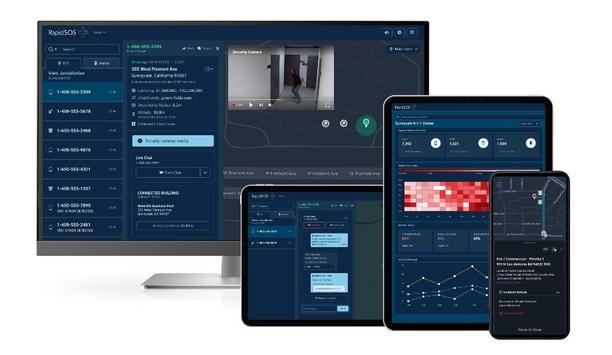
In an emergency, information is pivotal. More information provides better understanding of an emergency and empowers potentially life-saving decision-making. Emergency response teams depend on information to guide their efforts and to deliver targeted assistance. On the front lines of emergency response are 911 and field responder agencies, which must direct reaction to life-or-death situations rapidly and efficiently. Historically, 911 operators had to respond based on very little information, perhaps just a voice on the phone or a location on their screen. Providing critical information Today, there are literally millions of information sources available, ranging from connected buildings to vehicle telematics to live video streams to health information from wearable devices. In fact, there are 540 million connected devices, any one of which could provide critical information in an emergency. But how can those information sources be leveraged to improve emergency response? That’s the mission and value proposition of RapidSOS, an ‘intelligent safety platform’ company that connects 911 operators with the vast universe of information available to promote better and faster emergency response. Highly sophisticated operation The platform is integrated into every major public safety software system and first responder agency “RapidSOS fuses human and artificial intelligence to put critical information from any connected device directly into the existing systems and operating procedures of first responders across the United States,” says Michael Martin, CEO of RapidSOS. RapidSOS is widely used by first responders. The platform is integrated into every major public safety software system and first responder agency. There are more than 4,600 software integrations that serve more than 21,000 first responders and 911 agencies. In 2023, RapidSOS supported the lifesaving work of public safety across 171 million emergencies with 3.3 billion data payloads. The system is adaptable and configurable to support any agency, from a highly sophisticated operation in New York City to a local sheriff running their own 911 center. Intelligent analytics and reporting RapidSOS Unite is the latest evolution of the product, a single solution that includes AI automation, rich content pathways, redundant connection to caller phones, and access to millions of connected devices. In an emergency, Unite intelligently fuses data from among millions of sensor feeds into a unified picture of an incident, allowing public safety officials to view real-time location, health profile, telematics, alarm data, and more. RapidSOS Unite is the latest evolution of the product, a single solution that includes AI automation RapidSOS offers core modules that handle call, text, video, sensor, mapping, and administration tools, and that provide partner data from connected devices. Additional modules provide enhanced geographic information system (GIS) data, and automated translation and transcription. There is also a single sign-on (SSO) upgrade, intelligent analytics and reporting, and seamless integration into field responder applications. Field responder applications Consider how an emergency might unfold and how RapidSOS can help. In a car accident, data from a modern automobile telematics system can alert a 911 operator of the accident as it happens. Data from a passenger’s wearable device might provide information about their health and condition. A nearby video or traffic camera could fill in details of how the accident occurred. Useful information in an emergency might come from any one of thousands of sources, including public safety data, sensor feeds, enterprise security systems, smart phones, etc. In a train derailment, electronic access to the cargo manifest can identify which train cars contain hazardous materials and how to manage the specific type of hazmat. This information could save valuable time when responding to incidents like the Feb. 3, 2023, Norfolk Southern train derailment involving 38 cars in East Palestine, Ohio. Consider how an emergency might unfold and how RapidSOS can help Institutional security partners Norfolk Southern is one of the companies that provides information to first responders using RapidSOS; in effect, the company provides a direct digital link from their rail security operations to any first responder in the United States. Amazon’s global operations centers also interface with RapidSOS to provide critical information to first responders. Partnering with corporate security helps to better support the flow of data from institutional security partners and their solutions. Information can transform and guide emergency responses. For example, in a structure fire, real-time sensor feeds throughout a building can help 911 and first responders understand how the fire is progressing. Real-time security camera footage Having access to live feeds can save lives as 911 provides pre-arrival instructions such as CPR Leading the way to providing video feeds from private camera systems to 911 operators is an agreement between Eagle Eye Networks and RapidSOS, which was announced in April 2024. The agreement allows an enterprise to opt-in to share real-time security camera footage from an Eagle Eye video stream during a live 911 call. Having access to live feeds can save lives as 911 provides pre-arrival instructions such as CPR. “Security cameras are crucial in many locations, including schools, but previously those cameras could not be accessed by 911 during an emergency but were only used for investigation after an incident,” says Martin. Improving fire and life safety systems RapidSOS is also integrated with Honeywell’s Connected Life Safety Services (CLSS) system, a cloud platform that combines software and hardware to improve fire and life safety systems. Technology integrations between the two companies further modernize and digitize the public safety communications process to provide faster, more accurate communications with emergency centers (i.e., 911 agencies). RapidSOS technology securely transmits detailed data about an emergency CLSS provides real-time visibility and connectivity to help systems integrators and facilities managers make informed decisions and manage fire systems more efficiently. When combined with Honeywell's solutions, RapidSOS technology securely transmits detailed data about an emergency, such as the type of hazard, severity, and location within the impacted building, to emergency response centers. Video object detection Rapid SOS’s emerging Harmony artificial intelligence (AI) product serves as a ‘co-pilot’ for 911 operators, helping them manage the high volume of emergencies by making their response more efficient. Harmony pulls all the sensor feeds in an emergency and works to make only the most important information available in the hands of 911 and first responders. Harmony can take key insights from text and video data, use ‘sentiment analysis’ to determine the emotion tone of a message, and help 911 professionals using language translation, keyword alerts and video object detection. Harmony can help local agencies as they address a 25% average staffing shortage by providing additional support to 911 professionals while lessening the workload. Harmony is also working to help RapidSOS expand the ecosystem, stitching more data together and quickly making it more actionable than ever. Emergency response system RapidSOS also interfaces with Iamresponding, a comprehensive end-to-end emergency response system for first responders in the fire and other emergency sectors. Iamresponding’s field responder application is used by RapidSOS to get information out to first responders in the field. More than 650,000 first responders use RapidSOS’s field application RapidSOS’s recent acquisition of Iamresponding helps the company improve the connection with the last mile “in-the-field” piece of the puzzle, ensuring partners across computer-aided dispatch (CAD), integrated applications, mobile data terminals, body cameras and other responders have access to critical data. More than 650,000 first responders use RapidSOS’s field application. Enhancing emergency response RapidSOS’s Safety Pioneer Program formalizes the important partnership between RapidSOS and public safety agencies. Participants in the program receive early access to new platform features, contribute to the platform roadmap, and drive feedback to enhance emergency response. “911 and first responders do incredible lifesaving work,” says Martin. “Everything we have done and built at RapidSOS is a direct result of the engagement, partnerships, inside advice and insight we have gotten from public safety. We have learned from them, developed new technologies and tested them.” Martin adds: “Companies have data and we now know how to make that data actionable into the hands of 911 and first responders to save lives. This is an exciting moment for us continuing our mission in partnership with public safety, and for technology and security companies to have a major hand in that.” {##Poll1719488782 - What is the most valuable benefit of artificial intelligence (AI) in an emergency call center?##}

In the competitive world of physical access control, Big Tech companies are seeking to play a larger role. Physical access competition Apple Wallet continues to stake its claim on mobile credentialing. Amazon One Enterprise is pushing a palm-based identity service. Google/Nest offers smart locks for home access control, with identity and access management provided in the Google Cloud. The entry of these big companies in the historically fragmented physical access control market is causing disruption and foreboding new levels of competition. Apple Wallet Impacting Credentialing Trends The popularity of mobile wallets and contactless technologies in general has grown, creating more demand At Apple’s Worldwide Developer Conference in June 2021, the company announced support for home, office, and hotel keys, including corporate badges and student ID cards, in Apple Wallet. Later, the company announced Hyatt as the first hotel partner to support the technology. Since then, the popularity of mobile wallets and contactless technologies in general has grown, creating more demand for a seamless solution such as Apple Wallet. Easy access In 2023, HID Global announced the availability of their employee badge in Apple Wallet, allowing staff and guests to easily access corporate spaces with their iPhone or Apple Watch, including doors, elevators, turnstiles, etc. Employees just need to hold their iPhone or Apple Watch near the reader to unlock. Factors affecting the rate of adoption However, implementing and maintaining an Apple Wallet-based access control system can incur costs for hardware updates, software licensing, and ongoing maintenance. Factors affecting the rate of adoption include the need to upgrade existing infrastructures to accommodate the technology, and the necessity for access control manufacturers to develop and implement integrations with Apple Wallet. Benefits of Adoption Keys in Apple Wallet take full advantage of the privacy and security built into the iPhone and Apple Watch With larger companies leading the way, some smaller ones might take longer to catch up. There is also a need to educate building owners and administrators to see the value and benefits of switching to Apple Wallet-based access control. Convenience and greater security can accelerate adoption. Keys in Apple Wallet take full advantage of the privacy and security built into the iPhone and Apple Watch. Sensitive data protection A compatible app, specific to the building’s access control system, is needed. Once added, credentials are securely stored in the iPhone's Secure Enclave, a dedicated hardware chip designed for sensitive data protection. Holding an iPhone near an NFC-enabled reader enables the transmission of encrypted credentials. In addition to Near Field Communication (NFC), some systems also utilize Bluetooth Low Energy (BLE) for added security, longer read range, and hands-free unlocking. Phones need sufficient battery charge to function. Amazon One Enterprise Enables Palm-Based Biometrics In November 2023, Amazon Web Services Inc. (AWS) announced an identity service providing comprehensive and easy-to-use authentication for physical and digital access control. The system enables users to employ their palm as an access control credential, allowing organizations to provide a fast and contactless experience for employees and others to gain access to physical locations as well as digital assets. Physical and digital locations Physical locations include data centers, office and residential buildings, airports, hotels, resorts Physical locations include data centers, office and residential buildings, airports, hotels, resorts, and educational institutions. IT and security administrators can easily install Amazon One devices and manage users, devices, and software updates using AWS’s Management Console. Elimination of physical credentials An advantage of the Amazon approach is the elimination of physical credentials such as fobs and badges, and digital elements such as personal identification numbers (PINs) and passwords. AWS says security is built into every stage of the service, from multi-layered security controls in the Amazon One device, which is the same technology used in the Amazon Go retail stores, where shoppers can pay for purchases by scanning the palm of their hands. The devices combine palm and vein imagery for biometric matching and deliver an accuracy rate of 99.9999%, which exceeds the accuracy of other biometric alternatives, says the company. AI and ML The palm-recognition technology uses artificial intelligence and machine learning to create a “palm signature” that is associated with identification credentials such as a badge, employee ID, or PIN. Boon Edam, a revolving door and turnstile manufacturer, offers Amazon’s palm biometric technology on its equipment, and IHG Hotels & Resorts uses the technology to provide employees a convenient way to identify themselves and gain access to software systems. Google and Nest Devices in Access Control When the Nest × Yale Lock is connected to the Nest app, a resident can unlock a door from their phone Google’s Nest devices include smart locks for home access control. The Google Nest × Yale Lock allows access control via both physical keys and passcodes accessible through the Google Home app. When the Nest × Yale Lock is connected to the Nest app, a resident can unlock a door from their phone. Passcodes can be created for family, guests, and other trusted persons. Alerts can be provided whenever someone unlocks and locks the door. When Nest “knows” a resident is away, the door can lock automatically. Voice control, Google Home app Voice control, using Google Assistant integrated with various Nest devices, enables the use of voice commands to lock and unlock doors, thus adding another level of convenience. Smart home devices from various manufacturers can be controlled through the Google Home app. SMART Monitoring ADT’s Self Setup smart home security systems integrate Google Nest smart home products with ADT security and life safety technology, including SMART Monitoring technology. Microsoft Azure is another company that could impact access control. The Microsoft Azure Active Directory is an identity and access management platform that could be extended to physical access control, leveraging existing user credentials. Long-Range Impact on the Security Marketplace Big Tech companies are creating platforms for managing access control data, integrating with other security systems Increasingly, Big Tech companies are creating platforms for managing access control data, integrating with other security systems, and offering analytics for optimizing security and building operations. Big Tech is also actively researching and developing new technologies for access control, such as facial recognition, voice authentication, and AI-powered anomaly detection. Access control communication and integration As their involvement in physical access control grows, Big Tech companies could potentially gain more influence in setting industry standards for access control communication and integration, similar to how they have become dominant in other areas such as mobile platforms. Given their expertise in user interface design and data analysis, Big Tech companies could help to direct how future access control systems are managed and how users interact with them, including more intuitive and user-friendly operations. Future of physical access control Existing concerns about privacy, security, and potential dominance by a few Big Tech companies could spill over into physical access control. However, traditional security companies, startups, and industry consortiums are also actively developing innovative solutions. Ultimately, the future of physical access control will likely be shaped by a combination of many different players and technologies – large and small.
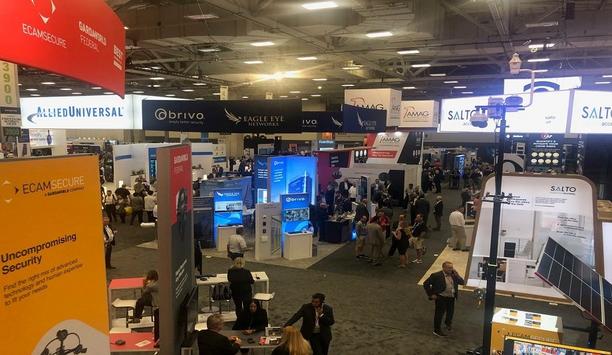
Companies at GSX 2023 emphasized new ways that technologies such as artificial intelligence (AI) and the cloud can address long-standing issues in the security market. Among the exhibitors at the event in Dallas were companies seeking creative ways to apply technology, lower costs, and make the world a safer place. Reflecting on the exhibition, here are some additional takeaways. Expanding AI at the edge i-PRO is a company reflecting the continued expansion of edge AI capability in the security market. Today, more than half of the company’s lineup supports AI at the edge so the customer has a wide choice of form factors when seeking to leverage the feature set. AI processing relay, extended warranty i-PRO is increasing their warranty period from 5 to 7 years, which could be a lifetime warranty in some cases I-PRO also has an “AI processing relay” device that accepts non-AI video streams and applies edge analytics. AI has progressed from a high-end technology to a feature available in a variety of cameras at different price points. i-PRO is also increasing its warranty period from 5 to 7 years, which could be a lifetime warranty in some cases depending on a customer’s refresh schedule and lifecycle management. Active Guard, MonitorCast The company’s video management system (Video Insight) is continuing to build new features including “Active Guard,” an integrated metadata sorter. Their access control platform, MonitorCast, is a Mercury-based solution that is tightly integrated with Video Insight. Their embedded recorders now have PoE built in. “We can move at a faster pace to fill out our product line since leaving Panasonic,” says Adam Lowenstein, Director of Product Management. “We can focus our business on adapting to the market.” Emphasis on retail and other verticals Shoplifting is a timely issue, and retail is a vertical market that got a lot of attention at GSX 2023. “We see a lot of retailers who are primarily interested in protecting employee safety, but also assets,” says Brandon Davito, Verkada’s SVP of Product and Operations. “Shrinkage is a CEO-level priority.” “Retailers are getting more engaged with security posture, instead of letting perpetrators walk,” Davito adds. Intrusion detection Verkada has an intrusion product that will notify a central station if there is an alarm On the alarm side, Verkada has an intrusion product that will notify a central station if there is an alarm, and operators can review videos to confirm the alarm. Other capabilities seeking to discourage trespassers include sirens, strobes, and “talkdown” capabilities. International expansion Verkada continues to expand internationally with 16 offices in all, including Sydney, Tokyo, and London. The core value proposition is to enable customers to manage their onsite infrastructure more simply, including new elements such as PTZ cameras, intercoms, and visitor management. Verkada emphasizes ease of use, including a mobile application to allow access to be managed across the user base. Forging partnerships “We are committed to the channel and industry, and we continue to build relationships and expand our reach,” says Davito. Among the industry relationships is a new partnership with Convergint, which was hinted at during the show and announced later the same day. They are also expanding their partnerships with Schlage, Allegion, and ASSA ABLOY. Working with other verticals They offer new features for K -12 schools, and a new alarm platform is easier to deploy and manage Verkada has also found success across multiple other verticals, notably healthcare, where they integrate with an electronic medical records system. They offer new features for K-12 schools, and a new alarm platform is easier to deploy and manage. They are integrating wireless locks to secure interior doors in schools, looking to secure the perimeter, and installing guest management systems. Transitioning the Mid-Market to the Cloud Salient is squarely focused on the “mid-market,” a large swath of systems somewhere between small businesses and enterprise-level systems. Pure cloud systems are not as attractive to this market, which has a built-out infrastructure of on-premise systems. Adding a camera to an existing system is easier and less expensive than tying it to the cloud. Benefits of cloud It’s a market that may not be ready for pure cloud, but there are benefits to be realized from adding a cloud element to existing systems. “We are continuing to augment our premise-based solutions with added cloud capabilities and flexibility,” says Sanjay Challa, Salient’s Chief Product Officer. The feedback Salient hears from their customers is “I want to own my data.” The hybrid cloud approach offers the right mix of control, flexibility, and unit economics. Cloud add-on capabilities We want to provide the flexibility for customers to go full-cloud as it becomes more economically attractive" Cloud add-on capabilities include bringing more intelligence about system operation to the user via the cloud. Over time, Salient expects to sell more cloud-centric offerings based on feedback from integrators and customers. “We want to provide the flexibility for customers to go full-cloud as it becomes more economically attractive over time,” says Challa. Vaidio AI technology Salient seeks to be a transition pioneer to help customers realize the path to the cloud. Their approach is “crawl, walk, run,” and helping customers make the transition at each stage. Salient has added AI to its product offering, incorporating Vaidio AI technology from IronYun into a powerful suite and broad array of on-premise analytics, which are gaining traction. The seamless approach makes it easy for customers to embrace AI analytics, although Salient remains broadly committed to open systems. Addressing ‘Soft’ Features for Integrators AMAG is in the process of enhancing its product line with the next generation of access control panels. However, “product” is just part of the new developments at AMAG. In addition to “hard” features (such as products), the company is looking to improve its “soft” features, too; that is, how they work with the integrator channel. Integrator channel Rebuilding a process to make your organization more efficient, is relatively easy; it just takes a lot of persistence" “We have the depth of our legacy customer base we can learn from, we just need to close the feedback loop quicker,” says Kyle Gordon, AMAG’s Executive Vice President of Global Sales, Marketing, and commercial Excellence, who acknowledges the value of reinstating face-to-face meetings after COVID. “We are laser-focused on nurturing our integrator channel,” he says. “Developing new features takes time, but rebuilding a process to make your organization more efficient, that’s relatively easy; it just takes a lot of persistence,” says Gordon. More cohesive internal communication is another useful tool, he says. Disrupting the cloud based on price Wasabi is working to make cloud applications less expensive by offering a “disruptive” price on cloud storage, $6.99 per terabyte per month (80% less than hyperscalers). Contending “hyperscalers” like AWS are charging too much for cloud storage, Wasabi is using its own intellectual property and server equipment co-located in data centers around the world. Wasabi sells “hot cloud storage,” which refers to the fact that they only have one tier of storage and data is always accessible. In contrast, a company such as AWS might charge an “egress fee” for access to data stored in a “colder” tier. Cloud storage “We saw that several video surveillance companies had not yet adopted cloud storage, and we saw an opportunity to make it easy to use,” said Drew Schlussel, Wasabi’s Senior Director of Product Marketing. “We just install a little bit of software that allows them to store data in the cloud and bring it back from the cloud.” Performance, protection (cybersecurity), and price Wasabi works with integrators, resellers, and distributors and also integrates with VMS companies Wasabi works with integrators, resellers, and distributors and also integrates with VMS companies such as Genetec and Milestone. Emphasizing performance, protection (cybersecurity), and price, their data centers are certified to SOC 2 and ISO 27001 standards. Faster throughput for weapons detection Xtract One is a young company focusing on weapons detection in a time of accelerated concern about gun issues post-COVID. Founded in Canada and based on technology developed at McMaster University, Xtract One has found a niche in providing weapons detection at stadiums and arenas. These customers already have budgets, and it is easy to shift the money to a newer, faster technology. Madison Square Garden in New York City is among its customers. Cost savings solution Xtract One can increase throughput to 30 to 50 people per entrance per minute (compared to 5 to 6 people per minute when using metal detectors). The solution doesn’t require anyone to empty their pockets and the system alarms on items beyond guns and knives. Using Xtract One allows customers to reduce the number of screening lanes and security staff, providing additional cost savings, all while getting fans through the screening process in half the time. Purpose-built sensors The system uses purpose-built sensors looking for specific characteristics, such as reflective and density properties In addition to stadiums and arenas, Xtract One, formerly Patriot One, is also getting “inbound” interest from schools, hospitals, manufacturers, and other verticals that makeup 50% of their business. “We’re on a rocket ride, mainly because the weapons issues are not going away,” says Peter Evans, CEO and Director at Xtract One. The system uses purpose-built sensors looking for specific characteristics, such as reflective and density properties, all correlated by an AI engine. Providing early warning of violence ZeroEyes is another company focused on weapons detection. Their AI gun detection system works with video images to identify if someone is “brandishing” (carrying) a weapon. In other words, the system does not detect concealed weapons. Identifying someone carrying a weapon provides early warning of a possible violent act. Increased response with AI-enables images Images are identified by AI and sent to a monitoring center where a human confirms the image before contacting first responders. Knowing the location of a shooter enables staff to lock entry points, move people to safety, and direct first responders. The company was founded to leverage existing camera views to stop mass shootings and gun violence by reducing response times.
Case studies

U.S. Bank Stadium in Minneapolis, Minnesota is a 66,200-person venue, hosting regular football games for the NFL and NCAA as well as baseball and soccer games, concerts, weddings, and many other events. Approximately 3,500 people make up the staff on a game day or during a major event. These concession workers, cleaning personnel, police, guest experience team, security officers and supervisors, operations managers and more are on site to deliver not only a safe and secure event, but also a memorable experience for all guests in the stadium. Access control systems While under construction, U.S. Bank Stadium managed their keys by using a complicated pencil-and-paper system that required key users to provide collateral against key removal; this proved to be both time-consuming and inefficient. When looking to upgrade their internal access control systems to provide the security and efficiency they required at such a large facility, U.S. Bank Stadium while working with Hoffman Security Solutions, chose Morse Watchmans’ KeyBank system for cost-effective, highly capable key management throughout their facility. Automated key control systems “There were a few different automated key control systems we looked at,” said Billy Langenstein, Director Event Services, U.S. Bank Stadium. “But when it came down to not only the financials, but also the capabilities, reporting and infrastructure that Morse Watchmans KeyBank has, I personally believe there’s nothing comparable on the market that amounts to how we wanted to use the system here at the stadium. This is the first time I’ve used this system in my career, and if I have the opportunity to open up another stadium, Morse Watchmans will be installed there as well.” In February 2016, Hoffman Security Solutions installed one KeyBank managing 120 key locations throughout U.S. Bank Stadium. In June 2017, they added 2 expansion cabinets to fill out the system, bringing their total managed key locations to 360. Maintaining business operations Each day, U.S. Bank Stadium has different staff working throughout the stadium to fulfill the varied roles needed for their many events. Contractors working on the facility itself, temporary staff, and other day-to-day workers all require access to different workspaces. By requiring that staff check out a key from the KeyBank system, U.S. Bank Stadium security staff are able to account for all the keys in the system, who removed each key, and what time they were checked out or returned through the KeyBank’s timestamp feature. At the end of each day, a report is delivered to security staff that displays this data in an easy-to-read manner, allowing staff to account for the many keys they use throughout the stadium during the day. With access control a strong component of U.S. Bank Stadium’s security, consistent reporting of key access is essential to maintaining business operations. Guest experience team U.S. Bank Stadium’s guest experience team, consisting of ushers, lobby hosts, ticket takers, scan ambassadors, and others, arrives early each morning and requires their own separate access. Through the KeyBank system, they are allowed to prepare for a game while simultaneously reporting that access to security staff. Each team member is given access to the keys they require, while ensuring safety throughout the stadium by keeping other keys restricted. This ease of use and reporting ability are what have made KeyBank an essential element of U.S. Bank Stadium’s access control and security systems. “We’re looking at installing another Morse Watchmans KeyBank here at the Stadium because we’re already outgrowing the one we have, and we want to start creating efficiencies within our own departments,” said Mr. Langenstein. “Having a Morse Watchmans KeyBank gives us a sense of security and a sense of convenience while providing the level of accountability that we want. It’s a fantastic product that we’re very proud to have here.”
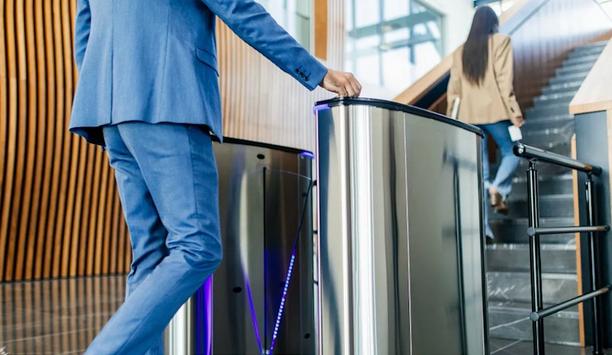
Visitor management systems can be an important component of a comprehensive security program and may help organizations manage facility access and visitor tracking as part of their overall security strategy. They also play an important role in delivering a seamless visitor experience and optimizing front desk operations by streamlining check-ins and reducing administrative burdens. Many organizations have visitor management procedures in place that require a receptionist or other employee to keep written logs or manually check in visitors, which takes time and resources away from the day-to-day business. Implementing visitor management systems can be a major task for organizations – and finding a solution that can integrate with existing systems is vital. Visitor management system Visitor management systems allow a business to centralize and automate their visitor-related processes, including pre-registering guests, providing QR codes or mobile credentials for building access and check-in, and notifying hosts automatically when guests arrive. Everon was approached by a long-standing customer in the professional lawn care industry, with over 10,000 employees in locations across North America, to upgrade their visitor management system. The customer relocated to new headquarters and sought to upgrade from written logs to a more efficient means of keeping track of appointments. Solution Everon worked closely with Sharry, a cloud-based smart access and workplace experience platform that provides workplace managers and security teams with reliable, easy-to-deploy access control solutions. Sharry offers a highly customizable visitor management solution that can be tailored to each client’s specific requirements. In this case, the client was looking for a way to ensure an automated yet secure operation of their new reception area without the need for on-site front desk staff. The customer was clear in their request that they did not want visitors to download an extra app to check in to the facility, so Sharry provided software that the customer could use on their existing compatible hardware such as iPad tablets – eliminating the need for large purchases of additional hardware. Sharry system The Sharry system is designed to provide visitors with an efficient check-in process. Once an appointment is confirmed, the host can send a standard calendar invitation via Outlook, while the Sharry system automatically issues a guest pass email to the visitor. This email includes meeting details, directions to the facility, and a QR code that serves as a temporary access credential. Upon arrival in the lobby, the visitor can use the QR code to unlock the doors, as the system is fully integrated with the customer’s existing Brivo access control infrastructure. The host is then notified in real time that their guest has arrived. Sharry’s robust visitor management system For walk-in guests without prior registration, a self-service kiosk app on a tablet at the reception is available for a smooth check-in. The system automatically verifies each guest against a do-not-admit list and simultaneously notifies the host that a visitor has arrived to see them. The host is then responsible for escorting the guest from the lobby. While not utilized in this particular deployment, Sharry’s robust visitor management system offers a wide array of additional features for consideration, such as automated parking reservations for guests, visitor ID scanning, or the management of visitor agreements. Kiosk app reflects the client’s branding Since Sharry's visitor management is delivered as a white-labeled solution, it fully incorporates the customer’s brand identity across various outputs and touchpoints. Guest pass emails are not sent under the Sharry name but are instead issued on behalf of the client, reinforcing brand consistency. Similarly, the kiosk app reflects the client’s branding, contributing to a cohesive and professional visitor experience from the moment a guest is invited to a meeting. The delivered solution also includes the Insights analytics tool, offering a clear view of visitor flow by identifying peak days and times and forecasting visits for the coming times. It can automatically generate and send data reports to support management decisions. Results This project was unique – the customer had already worked with Everon in implementing a separate access control system, Brivo, before the inclusion and integration of the Sharry system. Support from both the Brivo and Sharry teams were excellent, working closely with Everon technicians to ensure that the integration process went smoothly. “The Sharry team were ready to jump in and help at any time to provide a seamless experience,” said Richard Kensky, Project Manager at Everon, “Considering that the customer had not worked with the technology of this kind before, it was important that both teams were hands on every step of the way.” “Although this was not a typical use case for our integrated visitor management system, the project confirmed the flexibility and robustness of our system to adapt to the evolving needs of enterprise clients and office buildings,” said Michal Čeřovský, COO and co-founder at Sharry. “Thanks to smooth cooperation with Everon and their hands-on approach as a trusted partner for the client, the implementation of the integrated solution—from kickoff to full deployment—was completed in just three weeks.” Fully integrated visitor management solution The implemented visitor management solution demonstrated strong capabilities in deployment speed, cost management, and access control features, while supporting the client's security, efficiency, and compliance objectives. Modern access control technology has never been more convenient. Transform the way the organization manages visitors. Discover how Everon can help deploy a fully integrated visitor management solution that streamlines check-ins, strengthens access control, and delivers a seamless guest experience.

Interface Systems, a major managed service provider delivering business security, actionable insights, and purpose-built networks for multi-location businesses, announced the successful completion of a major security upgrade for Bethesda Community Church and Bethesda Christian School in Fort Worth, Texas. Serving more than 530 students from preschool through 12th grade, Bethesda Christian School is recognized among the top private schools in Texas. Between church services, school operations, and community events, the multi-building, 26-acre campus welcomes hundreds of people daily. This high level of activity required modern safety and security systems to protect students, staff, and parishioners while simplifying daily operations. Communication challenges Bethesda’s aging fire alarms, intercoms, and CCTV system were increasingly unreliable, creating false alarms and communication challenges. To address these concerns, the church turned to Interface to modernize its infrastructure. Interface designed and deployed an integrated solution that included: Fire Alarm System: Replacing the outdated system with a modern fire alarm system that communicates urgency effectively without causing unnecessary panic, particularly important for schoolchildren. Managed Access Control: Introducing a modern system that makes it easier for administrators to manage entry to the campus. The cloud-based setup means they can grant or restrict access remotely, without having to manage complex on-site servers. Video Surveillance Upgrade: Installing a 64-channel IP camera system on the new school building, with expansion capability to replace legacy analog cameras over time. The system provides remote monitoring and allows staff to verify alarms with live video before responding, helping to reduce unnecessary dispatches. Intercom and Paging: Replacing the outdated intercom with a flexible IP-based system that supports school bell scheduling, room-to-room communication, and all-campus announcements. It also integrates with access control, giving administrators a simple way to manage visitor entry. Effective system “The new system is effective. It gets the point across that it’s time to evacuate, but it doesn’t create panic, especially among the kids,” said Rick Campbell, Facilities Manager at Bethesda Community Church. “Having remote access to cameras and alarms has been a huge help.” The installation was carefully phased to minimize disruption to classes and worship services. “Interface worked around the kids and kept us up and running during installation,” Campbell added. “The integration was seamless, and now everything is running smoothly.” Interface’s upgrades With Interface’s upgrades, Bethesda has significantly reduced false dispatches, streamlined communication across the campus, and gained the ability to scale its systems for future growth. “Initially, we were unsure about the cost, but the investment has been well worth it,” Campbell concluded. “I’d recommend Interface to other churches without hesitation.”

Interface Systems, a pioneering managed service provider delivering business security, actionable insights, and purpose-built networks for multi-location businesses, announced the successful completion of a major security upgrade for Bethesda Community Church and Bethesda Christian School in Fort Worth, Texas. Serving more than 530 students from preschool through 12th grade, Bethesda Christian School is recognized among the top private schools in Texas. Modern safety and security systems High level of activity required modern safety and security systems to protect students Between church services, school operations, and community events, the multi-building, 26-acre campus welcomes hundreds of people daily. This high level of activity required modern safety and security systems to protect students, staff, and parishioners while simplifying daily operations. Bethesda’s aging fire alarms, intercoms, and CCTV system were increasingly unreliable, creating false alarms and communication challenges. To address these concerns, the church turned to Interface to modernize its infrastructure. Deployed an integrated solution Interface designed and deployed an integrated solution that included: Fire Alarm System: Replacing the outdated system with a modern fire alarm system that communicates urgency effectively without causing unnecessary panic, particularly important for schoolchildren. Managed Access Control: Introducing a modern system that makes it easier for administrators to manage entry to the campus. The cloud-based setup means they can grant or restrict access remotely, without having to manage complex on-site servers. Video Surveillance Upgrade: Installing a 64-channel IP camera system on the new school building, with expansion capability to replace legacy analog cameras over time. The system provides remote monitoring and allows staff to verify alarms with live video before responding, helping to reduce unnecessary dispatches. Intercom and Paging: Replacing the outdated intercom with a flexible IP-based system that supports school bell scheduling, room-to-room communication, and all-campus announcements. It also integrates with access control, giving administrators a simple way to manage visitor entry. Remote access to cameras and alarms The installation was carefully phased to minimize disruption to classes and worship services “The new system is effective. It gets the point across that it’s time to evacuate, but it doesn’t create panic, especially among the kids,” said Rick Campbell, Facilities Manager at Bethesda Community Church. “Having remote access to cameras and alarms has been a huge help.” The installation was carefully phased to minimize disruption to classes and worship services. “Interface worked around the kids and kept us up and running during installation,” Campbell added. “The integration was seamless, and now everything is running smoothly.” Interface’s upgrades With Interface’s upgrades, Bethesda has significantly reduced false dispatches, streamlined communication across the campus, and gained the ability to scale its systems for future growth. “Initially, we were unsure about the cost, but the investment has been well worth it,” Campbell concluded. “I’d recommend Interface to other churches without hesitation.”

Keeping beachgoers, swimmers and surfers safe is all in a day’s work for the team at South Maroubra Surf Live Saving Club, and every second counts when an incident unfolds on the water. One of the most topical issues and threats to those enjoying Australia’s world-renowned beaches is sharks, so for the surf club it made sense to look to smart, new technology to keep those who enjoy the sand and surf safe. Security technology to lifesavers "Since the club was established in 1959, we’ve prided ourselves on looking out for people at our iconic beach. More recently, we’ve turned to security technology to support our lifesavers to do what they do best: stay alert for hazards," says Simon Torsellini, Director of Lifesaving, South Maroubra Surf Life Saving Club. He adds, "Sharks along with surf conditions represent two of our biggest national hazards on popular beaches, so it’s of critical importance to get people out of the water as quickly as possible when a circumstance evolves." Evacuation of beach users Simon Torsellini continues: "To achieve a prompt evacuation of beach users from the water, an alert system such as an audible siren is the most effective tool. To sound a siren at South Maroubra, the club relies upon a manual switch that triggers an audible alarm across the beach, better known locally as the Shark Siren." He further states, "Like many other surf lifesaving clubs, we have our club house situated back from the shoreline. What this means is that in the event of a hazard detection, a lifesaver is dispatched from the beach to the club house to activate the audible siren - losing precious moments to alert those at risk." Recent mass rescue conditions As a result of a recent mass rescue where surf needs threatened swimmers and all lifesaving resources As a result of a recent mass rescue where surf conditions threatened swimmers and all lifesaving resources were in the water, no lifesavers were available to activate the siren, and the team recognized a solution was needed. Andrew McCabe, a surf lifesaver at the club and Director Government and Defense, Pacific at Johnson Controls, spoke to Gallagher Security about a smarter way to raise the all-important shark siren. SMB solutions After initially working with the club in 2023, Gallagher Security’s Sales Solutions Engineer - NSW, Sabrish Venugopal, was pleased to work together again and find a way to further support the hardworking lifesavers and volunteers at South Maroubra Surf Life Saving Club. "Alongside our Channel Partner, Johnson Controls, we were proud to gift the club one of our Security Made Better (SMB) solutions as a joint community initiative," says Sabrish Venugopal. Next-generation cloud-based system SMB is a cloud-based security app that simplifies everyday business tasks with plenty of functionality SMB is a cloud-based security app that streamlines everyday business tasks with plenty of functionality: from managing alarms, responding to security incidents and controlling site access. The SMB app provided the club with security and access control through a next-generation cloud-based system that can be easily managed from a smartphone. Idea of using the SMB system "As a member of the club, Andrew floated the idea of using the SMB system to trigger the shark siren, in a first for Gallagher Security," says Sabrish Venugopal, adding "We joined forces and two weeks later, we had a game-changing solution for South Maroubra Surf Life Saving Club." He continues, "Now, lifesavers on surf patrol duty can launch the shark siren immediately via their smartphones if required, to help evacuate beach users from the surf faster." Key role in enhancing security efficiency Gallagher Security team genuinely enjoys engaging with end users to discuss any challenges Sabrish says the Gallagher Security team genuinely enjoys engaging with end users to discuss any challenges they may be facing, with the aim of developing tailored solutions. They also value close collaboration with channel partners like Johnson Controls, who have a deep understanding of Gallagher Security products and play a key role in enhancing security efficiency. How security solutions can make such a positive difference? Sabrish Venugopal said, "We take great pride in playing our part to support the club keep Aussies safe at the beach." He concludes, "We’re chuffed to have helped the club continue their dedicated service to keeping South Maroubra Beach safe by using Gallagher’s SMB, and to see how security solutions can make such a positive difference to our daily lives."
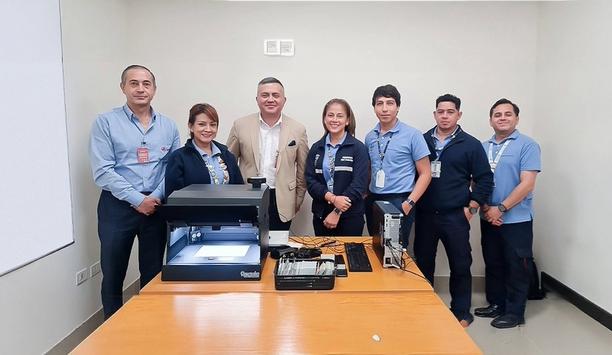
Ecuador’s border control authorities have significantly enhanced their identity verification capabilities by deploying a suite of advanced document examination devices from Regula. The nationwide upgrade, supported by the International Organization for Migration (IOM) and local partner INSETK, brings automation, precision, and speed to the country’s border checkpoints, which collectively process nearly 1.5 million travelers annually. Regula’s advanced forensic devices The project is a major step in Ecuador’s mission to modernize all land, air, and maritime entry points The project is a major step in Ecuador’s mission to modernize all land, air, and maritime entry points, including key international airports in Quito and Guayaquil, as well as northern and southern border crossings. These strategic locations now benefit from Regula’s advanced forensic devices, which enable fast and reliable detection of fraudulent documents—critical in the fight against identity-related crime. Closing the gap with a set of forensic devices Previously, document checks at Ecuador border crossings were largely manual and supported by outdated equipment, often handled by just two officers per site. This made the process slow, error-prone, and vulnerable to sophisticated fraud. To address this, Ecuador’s border checkpoints were equipped with the following Regula solutions: Regula 4308 at Quito International Airport: Ideal for high-traffic airports, this dual-video spectral comparator supports the full spectrum of light sources and optical filters. It also offers high-quality image capture capabilities thanks to its up to 320x optical zoom and up to 140,000 ppi resolution. As a result, border officers can thoroughly inspect all of the ID security features, including printing techniques, holograms, optically variable inks, and more. Regula 4306 at Guayaquil International Airport and major land borders: A space-saving device with an 8 MP high-resolution camera and over 40 LED light sources for analyzing document authenticity, just like its counterpart, the Regula 4308. Regula 4205D at frontline checkpoints: A multi-functional device tailored for primary control zones. It includes 12 light sources, automated cross-checks, and up to 30x on-screen magnification for thorough document authentication. Regula 8333M at mobile checkpoints: Designed for remote or non-standard border control situations, such as processing charter flights or cruise ship passengers, this compact mobile document reader ensures that ID checks remain reliable and consistent outside traditional migration offices. Regula’s Information Reference System Regula’s video spectral comparators are controlled via Regula Forensic Studio (RFS), a cross-platform software solution for advanced document checks. It enables precise measurements, image comparison, report generation, and scripted workflows for faster, consistent inspections. With RFS, officers can also verify MRZs, RFID chips, barcodes, and IPI—all without extra tools. For deeper document examination, border control officers have real-time access to Regula’s Information Reference System (IRS), which provides synchronized reference images and lighting presets for fast, precise comparison of travel documents. Data cross-verification and robust authenticity checks RFS also integrates with Regula Document Reader SDK to automate travel document verification RFS also integrates with Regula Document Reader SDK to automate travel document verification and prevent fraud through data cross-verification and robust authenticity checks. Importantly, Regula’s software is backed by its proprietary identity document template database—the world’s largest—featuring over 15,000 templates from 252 countries and territories, ensuring reliable validation at border checkpoints. Trusted results, faster than ever Since implementing Regula’s solutions, Ecuadorian border control authorities have noticed notable improvements: Document authentication now takes minutes instead of hours. Detection of forged documents has significantly increased. Automation reduces human error and increases operational efficiency. Officers have more time to focus on complex cases and decision-making. Technology upgrade and fraud detection “Apart from the technology upgrade and fraud detection improvement at the border crossings, our collaboration with Regula demonstrated another success." "The project was fulfilled very smoothly. From the beginning, we’ve received full support from Regula’s team—they were always ready to help with any issue, even those caused by users on the ground. It’s definitely a level of service that makes a real difference,” says Diego Calderon, Chief Executive Officer at INSETK. How technology can turn critical inspection tasks “Border security is where precision, speed, and trust must converge. We're proud to support Ecuador in modernizing its checkpoints with tools that meet forensic standards while being easy to use in the field." "This project shows how technology can turn critical inspection tasks from time-consuming to streamlined, without compromising security,” comments Arif Mamedov, CEO at Regula Forensics, Inc.
Round table discussion

Data overload is real. Sometimes it seems we are bombarded by the sheer volume, velocity, and variety of data available in our personal lives, and in our work lives. The solution is to figure out how to make sense of the data and transform it into real information we can use. In the case of physical security systems, new opportunities are emerging every day to utilize data to make our businesses safer and better managed. We asked our Expert Panel Roundtable: What is the expanding role of data in physical security systems? Why does it matter?

Physical security and cybersecurity are deeply intertwined in today’s systems. A weakness in one realm can quickly lead to a breach in the other, and vice versa. However, given the symbiotic relationship, why do physical security systems so often fall short when it comes to cybersecurity protection? We asked our Expert Panel Roundtable: Why does cybersecurity continue to be a weak link for physical security systems?

A system's lifecycle is the journey it takes from planning and design through to decommissioning. Considering the entire lifecycle of a system can encourage integrators and end users to embrace higher-quality technologies with an eye toward maximizing their value over time rather than focusing on lower-priced equipment. For additional insights, we asked our Expert Panel Roundtable: How does consideration of system lifecycles impact the choice of physical security technologies?
Products
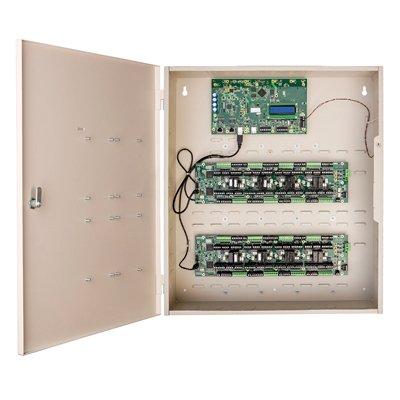
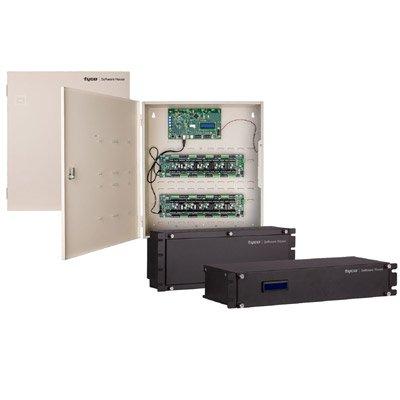

White papers

Access. Intrusion. One Estate.
Download
The User-Centric Security Revolution
Download
Unlocking Smarter Decisions With Key Control
Download
Maximizing Enterprise Security Systems In The Cloud
Download
Preventing Loss, Securing Assets
Download
Honeywell GARD USB Threat Report 2024
Download
The Real Cost Of An Outdated Video Security System
Download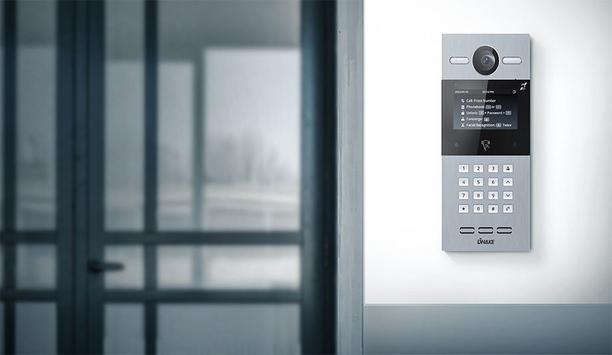
A Step-By-Step Checklist for Choosing an Intercom System
Download
Understanding Key Control Systems And Best Practices
Download
Modernizing Facilities Management
Download
A More Secure Alternative to 125 kHz Proximity Cards
Download
The Benefits of Edge AI + Cloud For Security Systems
Download
Creating A Secure And Positive Healthcare Experience
Download
11 Advantages Of A Combined System For Access Control And Intrusion
Download
Integrated Access Control: Reap The Benefits Of Connected Security
DownloadVideos




Electronic security systems: Manufacturers & Suppliers
- Software House Electronic security systems
- CyberLock Electronic security systems
- ACT Electronic security systems
- Alpro Electronic security systems
- CLIQ - ASSA ABLOY Electronic security systems
- ASSA ABLOY - Aperio® Electronic security systems
- Corbin Russwin Electronic security systems
- HID Electronic security systems
- Hikvision Electronic security systems
- Morse Watchmans Electronic security systems
- Dahua Technology Electronic security systems
- SALTO Electronic security systems
- TDSi Electronic security systems
- AMAG Electronic security systems
- Climax Technology Electronic security systems
- EVVA Electronic security systems
- Baxall Electronic security systems