Public security

Herta, a Spanish company specializing in facial recognition, video analytics and artificial intelligence, has successfully completed its participation in the first Regulatory Sandbox for Artificial Intelligence in the European Union, led by the Government of Spain through the State Secretariat for Digitalisation and Artificial Intelligence. Herta has participated in this controlled testing environment with BioSurveillance, its high-performance video surveillance system based on facial recogniti...

Intercede, a trusted pioneer in identity and credentialing solutions for federal and enterprise customers, today announced that the latest version of its flagship product, MyID CMS 12.18, now supports an extended range of security keys and authentication devices from IDEMIA Public Security (IPS). This expanded integration marks a significant milestone in the complementary use of FIDO2 and PIV (Personal Identity Verification) authentication protocols. The latest IPS devices are the first solutio...
“We are pleased to bring Secutech Vietnam back to Hanoi, a key decision making hub for discussions around smart infrastructure and public safety in Vietnam,” said Ms Regina Tsai, General Manager of Messe Frankfurt (HK) Ltd – Taiwan Branch. “As the one and only business platform in Vietnam with a long-standing presence across the security, fire safety, and smart building sectors, the show benefits from strong official support from the Ministry of Public Security and the F...
Seven-year contract worth £63 million to deliver digital development services for the UK’s electoral system. Atos, a foremost provider of AI-powered digital transformation and partner, technology transformation specialists Softwire, have been selected by the Ministry of Housing, Communities and Local Government (MHCLG) to deliver the full spectrum of development of Digital Elections Services (DES) portfolio. Delivering critical solutoins for citizens Michael Herron, Head of Atos U...
IDEMIA Public Security, the provider of secure and trusted biometric-based solutions, announces that its Identity Proofing & Verification Solution successfully met 100% of all performance thresholds for Presentation Attack Detection (PAD) in the latest Remote Identity Validation Rally (RIVR) conducted by the U.S. Department of Homeland Security (DHS) Science and Technology Directorate. In a rigorous, independent evaluation designed to reflect real-world identity verification conditions, IDE...
IDEMIA Public Security, a global pioneer of secure and trusted biometric based solutions, and Trinsic, the foremost infrastructure provider for digital ID acceptance, announced a partnership to accelerate adoption of mobile driver’s licenses (mDLs) across the United States. Through this strategic partnership, Trinsic will serve as an acceptance layer for IDEMIA Public Security-issued mobile credentials, enabling organizations to securely and seamlessly accept mDLs online during onboarding...
News
Mike Cunningham CBE QPM is to start his new role as Chair of the SIA on 1 March 2026. Appointed by the Home Office, his term as Chair will run for 3 years. The Chair of the SIA is responsible for leading the Board in carrying out its responsibilities to deliver ministerial expectations and the strategic objectives of the SIA. The SIA Chair is responsible to the Home Secretary for the governance and performance of the SIA as an arm’s length body of the Home Office. Leadership experience Michelle Russell, Chief Executive of the SIA, welcomed Mike Cunningham and said, “On behalf of the SIA Board and colleagues at the SIA, we welcome Mike Cunningham as our new Chair. Mike brings with him a wealth of leadership experience in both non-executive and executive roles in public service and community safety. We all look forward to working with Mike to drive forward our strategic plans and ambitions.” Keeping UK safe and secure Mike Cunningham takes over from Heather Baily QPM, who after 5 years as the Chair of the SIA will step down at the end of February 2026. Commenting on his appointment Mike said, “It is a privilege to take on the role of Chair of the SIA. A significant amount has been achieved over the 5 years of Heather Baily’s tenure." "This is an important time for the SIA, as it prepares to take on responsibilities as the new regulator for Martyn’s Law. I look forward to working with the SIA’s executive leadership and all the dedicated staff at the SIA and partners to build on the excellent work so far and ensure the SIA continues making significant contribution to keeping places and people safe and secure across the UK.” Thanking the prior leadership Michelle Russell added, “We would also like to thank Heather Baily for her integrity and wisdom as Chair of the SIA. She has overseen significant changes at the SIA and it regulatory approach since her appointment in 2021. Heather’s leadership has been marked by her drive to ensure the SIA worked visibly across all parts of the UK and her deep and sincere care for front line officers working tirelessly to safeguard the public and deliver public safety outcomes. We are hugely grateful to her for all her hard work and commitment.”
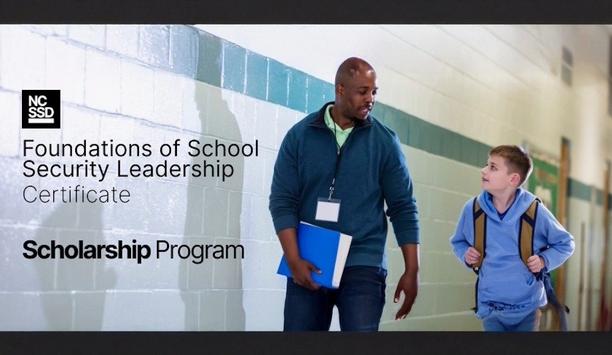
HID and the National Council of School Safety Directors (NCSSD) are proud to announce that HID has underwritten 1,000 scholarships for the Foundations of School Security Leadership Certificate course. Through this initiative, which will continue throughout 2026, HID is reducing financial barriers that may limit access to essential training to help professionals learn how to protect schools against an emerging threat landscape while still maintaining an open and nurturing environment. In addition, the program will also provide the recipients with a one-year NCSSD membership to further support their professional development. Practical solutions and measurable results “HID is proud to partner with NCSSD in advancing school safety, a critical discipline dedicated to protecting students, teachers and staff,” said Mike Garcia, K-12 Evangelist HID. “Our team is dedicated to helping educate those responsible for safeguarding our schools, and this program represents a meaningful step forward in driving practical solutions and measurable results in K-12 safety.” Application of school safety and security Created by pioneering school security professionals within NCSSD, the Foundations Certificate is a nine-part, self-paced online course built around the Path to Safer Schools framework. It equips participants with a holistic understanding and practical application of school safety and security—covering prevention, preparedness, response and recovery. This course is designed for every person directly or indirectly responsible for safety and security in both public and private schools—including directors, administrators, coordinators, specialists and staff. Address safety challenges “School administrators know how to run schools, but they are not security experts,” said Jason Stoddard, Board President, NCSSD. “They must rely on trained security professionals who are prepared to address any safety challenges that arise on K–12 campuses. The scholarships funded by HID will help ensure that school security coordinators and pioneers receive the comprehensive training they need to respond to unexpected events in real time, meet emerging challenges, and manage their aftermath effectively.” Enrollment is now open.

International Security Expo is thrilled to announce that it has appointed a new chair. Figen Murray OBE, initiator and lead campaigner for Martyn's Law, will be taking on the role effective immediately. As chair, Figen will help steer the future direction and growth of International Security Expo, whilst also ensuring it best serves the needs of the industry. She will also lead the Advisory Council that is comprised of an outstanding selection of the industry’s foremost experts, representing a broad range of sectors and Government. Figen will take over from Angela Essel, senior account director – national security at Thales UK, and former head of JSaRC, Home Office, who has held the position for the past two years. Counter terrorism legislation Having transformed her grief into a powerful movement for change, Figen is the initiator behind the campaign to introduce counter terrorism legislation – the Terrorism (Protection of Premises) Act 2025 – informally known as Martyn’s Law, after her son, Martyn Hett, was tragically killed alongside 21 others at the Manchester Arena terrorist attack on 22 May 2017. Her tireless campaigning has secured national support from cross-party politicians, the security industry, businesses and the public, to introduce legislation that will better protect venues and the public from the potential impact of a terrorist attack. Homeland and international security Beyond Figen’s legislative work, she has achieved a distinction in a counter terrorism master’s degree from the University of Lancashire. Figen’s expertise and dedication to making Britain safer saw her awarded an OBE in the 2022 New Year’s Honours List. There are very few people who have been able to bring together all elements of the security industry in such a unifying manner, whilst at the same time effecting change at a legislative level. This sees Figen ideally placed to take on the role of chair, as International Security Expo brings together Government, Industry, Academia and the entire end-user community from all corners of the world, with a key focus on both homeland and international security, and countering terrorism. Global security industry Speaking about her appointment to the role Figen says, “It is a real privilege and honor to become chair of International Security Expo. For many years it has been clear how important this event is to the global security industry – from the wealth of innovation on display to the incredible speakers who impart their knowledge and experience, along with the unique opportunity to engage with the UK Government.” “I know first-hand just how valuable this has been in the long journey to get Martyn's Law signed into legislation. The event is one of my highlights of the year and I am extremely excited to take on this prestigious role, lead the Advisory Council and help steer the direction of International Security Expo so it continues as one of the world's leading events for countering terrorism and keeping us all safe.” Ensuring public safety Angela Essel says: “It has been a great pleasure to serve as chairwoman for this fantastic event and to see how many people view it as a must-attend date in their calendar. These past two editions of International Security Expo have been the best ever and I am delighted to have helped contribute towards their success. Figen’s drive and resolve is awe-inspiring and I have no doubt she will make a superb chair and I wish her the best of luck in the role.” Rachael Shattock, Group Event Director, added: “We are extremely honored to welcome Figen as chair of International Security Expo. Watching her tireless campaigning over the years has been truly inspirational and I cannot think of anyone better to bring the energy and passion for ensuring public safety to the event. As the event continues to go from strength to strength, this is the ideal time to welcome Figen aboard and the whole team and I are very excited to work with her. I would also like to thank Angela for the fantastic work she has done as chairwoman over the past two years in helping make the event unmissable.”

The Security Industry Authority is encouraging the public to stay vigilant and report issues to security this winter as part of its ‘Safe Season Together’ campaign. At the heart of the campaign is the recognition that public safety is a collaborative effort. As the festive period begins, the Security Industry Authority is reminding everyone of the important role they play in keeping themselves and others safe. Highlighting the need for those out and about in December and January to remain alert and report concerns to the nearest licensed security operatives, who are trained to respond effectively. Creating safer environments The SIA’s communications activity emphasises how security professionals, businesses, and the public can work together to create safer environments for everyone during the winter festive period and beyond. This campaign follows on from the SIA’s Safe Summer Together campaign that ran earlier this year. At this time of year, the SIA invites everyone to participate in its winter safety campaign by sharing this message and utilising the available campaign toolkit on social media. With a team approach, public safety can be enhanced, ensuring a safer season for all.

Reliable broadband connectivity is essential for emergency services and public protection and disaster relief (PPDR) organizations to coordinate responses, share real-time information, and maintain situational awareness during critical incidents. Frequentis, a global safety-critical solutions expert, and Lyfo, a Dutch network technology specialist, are entering into a strategic partnership to advance network connectivity over 4G/5G for safety-critical applications and enable high-capacity mobile communication for emergency services and public protection and disaster relief organizations. Strongest mobile network Frequentis’ MissionX is a fully integrated Mission Critical Services (MCX) solution that ensures secure, interoperable voice, data, and video communications over multi-operator 4G/5G networks, aligned with global 3GPP standards. Lyfo’s product, Lyfo.net, specializes in patented network-selection technology, enabling devices to automatically connect to the strongest mobile network with enhanced monitoring and prioritization for mission-critical use cases. Combining these two capabilities to work together on this common goal will foster progress and the pair’s contribution to MCX exponentially. The result will be faster decisions, safer operations, and more effective protection of the public. MissionX communication solution “We are extremely proud of our long-standing partnership with Lyfo and are delighted to now develop it further. The combination of our 3GPP-standardized MissionX communication solution with the innovative, patented Lyfo portfolio creates unique added value for all safety-critical organizations, in line with the Frequentis mission: ‘For A Safer World’,” says Manuel Hintermayr, Director of Mission Critical Services at Frequentis. “We are honored that Frequentis, a key player in the mission-critical communications space, has chosen to work with us on a vital element of the MCX service. This deepening of our collaboration opens doors for Lyfo which normally would have been closed and allows us to expand our further contribution in the MCX domain." "After the introduction in the Dutch Market in 2021 and the recent launch in the German market, we are seeing a strong increase in demand for our unique technology that significantly improves the accessibility and availability of mobile 4G /5G connectivity,” says Maurits Zandbergen, CEO & Business Development at Lyfo.

The S12 Security Guarding Industry Leadership Group has announced the appointment of Paul Fullwood as its Chief of Staff, marking a significant step forward in the group’s mission to strengthen industry collaboration, shape policy, elevate standards and enhance public safety. The appointment follows the formation period for the S12, including the completion of an industry-wide consultation survey, the establishment of 15 distinct workstreams, and the opening of registrations for stakeholders to join working groups focused on tackling the sector’s most pressing challenges. Prior roles of Paul Paul joins the S12 after an exemplary 37-year career in public service, spanning the HM Armed Forces, the UK Police Service, and most recently, the Security Industry Authority (SIA), where he served as Executive Director for Inspection and Enforcement. In his new role, Paul will serve as the central coordination lead for the S12, providing strategic, operational, and administrative support to the Chair, Deputy, S12 members and key stakeholders. As Chief of Staff, he will oversee the workstream activities, stakeholder engagement, and ensure effective communication across government departments, regulators, and industry leaders. Shaping the future of the industry Reflecting on the appointment, S12 Chair Paul Evans said: “Paul’s experience, integrity, and deep understanding of the UK’s security landscape make him uniquely positioned to help drive forward the S12’s ambitions. He is very well regarded and known across all areas of the industry, and this will be vital in ensuring the role achieves its required objectives.” Echoing the Chair’s remarks, S12 Deputy Chair Peter Harrison said: “His leadership will ensure the group remains focused, transparent, and effective as we continue shaping the future of the industry together.” Paul’s distinguished background Paul’s distinguished background includes serving as Assistant Chief Constable (Specialist Policing Services) for the tri-party Bedfordshire, Cambridgeshire and Hertfordshire constabularies, where he led major crime, counter terrorism, armed policing, public order, and emergency response functions. During his tenure, he was also the National Policing Chiefs’ Council (NPCC) lead for complex and sensitive crime investigations, advising senior law enforcement leaders and overseeing nationally significant cases. Paul's national operations and initiatives At the SIA, Paul spearheaded major national operations and initiatives including Operation Empower (labor exploitation) and Operation Benchmark (training malpractice) while advising the Home Office on regulatory and safeguarding policy, mandatory business licensing, and Martyn’s Law. Speaking on his appointment, Paul Fullwood said: “I’m honored to join the S12 as Chief of Staff at such a transformative moment for the private security industry. With collaboration and inclusion at the heart of our mission, I look forward to supporting our members and partners as we drive meaningful change, elevate standards, and strengthen public safety across the UK.” Paul's key role in ensuring effective communication As Chief of Staff, Paul will play a key role in ensuring effective communication, consistency, transparency and accountability across all S12 initiatives. His central involvement will ensure strategic objectives progress into tangible and measurable outcomes. The S12 continues to invite industry professionals, organizations, and stakeholders to join established working groups and help address the industry challenges that matter most to them. These working groups will drive critical engagements with the Security Minister, the Home Office, and the SIA throughout 2026.

Expert commentary

The terrorism threat in the UK is very real. In fact, since July 2019, the threat level has never dropped lower than “substantial” or “severe.” To ensure preparedness across public places and events, the UK government has introduced the new Terrorism (Protection of Premises) Act 2025, more commonly known as Martyn’s Law in memory of Martyn Hett, a victim of the 2017 Manchester Arena bombing. Overarching aim The new legislation requires operators of public spaces and events to immediately assess and improve their readiness to respond to a terrorist attack. The overarching aim: being better prepared, protected and ready to respond should an attack occur. Everything from busy shopping centers to large stadiums must comply with Martyn’s Law by April 2027, and the Security Industry Authority (SIA) is charged with enforcing the rules. Upgraded security systems The smaller venues and events are only required to enforce low-cost solutions with no physical measures There are different rules depending on the capacity of public premises or the event, ranging from a standard-duty premises (200 – 799 people, including staff) to an enhanced-duty premise (over 800). The smaller venues and events are only required to implement low-cost solutions with no physical measures. Enhanced environments, however, must provide monitoring in and around the facility and document public protection measures. Many organizations will likely invest in upgraded security systems. However, effective responses depend not only on hardware but also on situational awareness and training, helping staff identify potential threats and respond effectively under pressure. Physical security information management systems Terror-related attacks are rare and unpredictable, and the most experienced personnel are not always on shift when something does occur. Even if they are, the most seasoned security professionals can’t ensure every decision they make is the right one. One solution gaining attention is physical security information management (PSIM) systems, which integrate siloed security tools — such as CCTV, access control, and fire sensors — into a unified platform. PSIMs enable rapid information processing, automated workflows and coordinated responses to incidents, whether routine or critical. Use PSIMs to handle emergencies PSIM systems have been around for many years and have been embraced by large airports and mass transit organizations PSIM systems have been around for many years and have been embraced by large airports, mass transit organizations and critical infrastructure companies. However, these systems are ideally suited to any larger-scale environment, such as those classified as an enhanced-duty premise by Martyn’s Law. For example, airports use PSIMs to handle emergencies, locate missing persons or assess potential threats like unattended luggage. Similarly, PSIMs can improve situational awareness for stadiums, shopping centers and event venues, aiding crowd management, emergency evacuations and collaboration with police or emergency services. External stakeholder intervention Should an incident require external stakeholder intervention, the PSIM becomes a mission-critical collaboration tool, enabling real-time information (including video footage) to be shared with decision-makers, emergency control rooms and first responders en route to the scene. This ensures they arrive with the appropriate resources and can deploy faster to the right places. PSIM systems also facilitate post-incident analysis, helping organizations improve protocols, demonstrate compliance and fulfill their duty of care. Impacted by terror-related tragedies Martyn’s Law aims to eliminate the complacent mindset of “it won’t happen here” when assessing the risks associated with public gatherings. Communities impacted by terror-related tragedies serve as a stark reminder that such incidents can and do occur. Within the security sector, it is crucial to promote discussions on how new approaches, technologies, and training can enhance preparedness. Equally important is the responsibility to raise awareness about Martyn’s Law and its role in fostering safer public spaces.

As the backbone of community welfare, healthcare facilities cater to crucial public needs from emergency care to specialized medical treatments, and due to its position as a significant facet of the world's critical infrastructure, the healthcare sector faces a multitude of challenges in ensuring patient and visitor security, managing high traffic, and safeguarding sensitive data. Medical sites, such as large hospitals and urgent care clinics, see a wide variety of patients, medical staff, administrative teams, and visitors throughout the day. In addition to protecting patients, visitors, and staff, healthcare environments must protect medical and patient data, ensure immediate response to urgent medical events, and maintain 24/7 operations. Security challenges Cloud-based solutions have made their mark on healthcare security, offering unparalleled scalability Addressing the security challenges presented by 24/7 availability and high patient and visitor traffic calls for a merging of technology, processes, and security strategies that go beyond what a typical security infrastructure would look like. Cloud-based solutions have made their mark on healthcare security, offering unparalleled scalability, accessibility, and integration capabilities. These advancements address the multifaceted demands of healthcare organizations, ensuring seamless around-the-clock operations while prioritizing patient care and safety. Enhancing Operational Efficiency to Save Lives Cloud-based access control solutions have revolutionized how healthcare security professionals approach collaboration within medical facilities. These solutions offer unparalleled accessibility and insight into patient and visitor security information and access logs, improving coordination among security teams and leading to more accurate monitoring and response to developing medical events. By managing and operating access control solutions via the cloud, healthcare facilities can implement effective physical security measures while ensuring seamless collaboration among staff to deliver the highest medical care possible to patients across facilities. Physical access controls Cloud-based access control systems allow users to securely access and manage physical access controls Cloud-based access control systems allow multiple users to securely access and manage physical access controls and visitor management data simultaneously, enabling them to keep track of patient movements as they are transferred throughout the facility or between different facilities. For larger hospitals or medical campuses with multiple facilities hosting access controls via the cloud empowers users with the ability to find patients and patient data in an instant, as well as opening the door to collaborate with teams separated by long distances, ensuring all team members have access to the information they need to continue saving lives. Scaling the way to top-notch care Healthcare institutions are constantly growing and changing in response to evolving industry regulations and standards, and the access control solutions these organizations rely on should be able to scale to meet their changing needs. To ensure their access control systems can keep up with these growing demands, healthcare security professionals can invest in access control solutions hosted in the cloud to avoid the tedious hardware constraints that come with traditional on-premises solutions. Cloud solutions offer significant levels of scalability, enabling healthcare organizations to adjust their storage requirements and computing resources based on changing requirements on the fly. This capability for flexibility ensures users can manage large amounts of data without significant upfront investments in hardware. Cloud-based access control solutions Cloud-based access control solutions provide healthcare organizations with the flexibility they need to expand their access In addition to compliance with changing regulations, cloud-based access control solutions provide healthcare organizations with the flexibility they need to expand their access control platform across a growing campus or multiple buildings. Larger healthcare facilities typically consist of multiple sites of varying sizes across diverse landscapes, each with distinctive security needs. Systems hosted in the cloud provide scalability and flexibility for user organizations, allowing security teams to modify or expand upon their security infrastructure as needed without spending on costly new hardware. This adaptability is crucial for helping address varying risks over multiple sites, providing security personnel the flexibility they need to ensure patient safety over long distances. Ease of use for security teams To truly understand the value of a cloud-based access control system, healthcare security professionals must consider the long-term savings and ROI these solutions provide by bolstering operational efficiencies and enabling unprecedented scalability. These systems ensure compliance with changing standards and deliver a simplified user experience across platforms, prioritizing security and ease of use for security teams across the healthcare sector.

For K12 education pioneers, embarking on a journey to upgrade security controls can present a myriad of questions about finding the best-fit solutions and overcoming funding hurdles. A majority of public-school districts today are faced with outdated infrastructure and security controls, requiring necessary upgrades. By addressing these concerns head on, schools will ensure a safer environment for both students and staff, mitigating risks posed by unforeseen physical and digital threats. Common K12 security pain points There’s no one-size-fits-all solution in school district security. School districts may have big plans to implement upgraded security systems but to set out on the right foot, pioneers must have a clear vision of their long-term strategy. When embarking on their security journey, education pioneers often wonder where to start and what exact steps are they need to be taking to identify and address weaknesses. Local K12 and government pioneers are promoting and mandating security assessments to uncover safety gaps on campuses and mitigate these risks with advanced technology solutions. Not only do assessments provide detailed, customizable roadmaps for district pioneers, but they also recommend technologies and funding opportunities to help close threat gaps. K12 school districts are mainly vulnerable to cyber-attacks due to the sensitive nature of student records In today’s climate, schools face a growing number of physical and digital security threats. From a cybersecurity standpoint, K12 school districts are particularly vulnerable to cyber-attacks due to the sensitive nature of student records. However, only one-third of these districts have adequate staffing to address threats effectively. In addition, according to a recent survey from Johnson Controls and Forrester Consulting, security decision-makers are having trouble receiving actionable insights. Nearly two-thirds of respondents said that they struggle to receive information from all necessary systems regarding their security threats. To gain more clarity into what school districts need in terms of security tools and threat mitigation, implementing system-wide monitoring and optimization can be invaluable. This approach enhances equipment and operational efficiency, while providing necessary resources and expertise for critical patch updates across all systems, strengthening their overall security posture. Achieving a well-rounded security program In the past few years, AI technology has emerged as a trending solution and is generating considerable attention. While the allure of implementing cutting-edge technologies is undeniable, it’s important to recognize that a robust security program hinges on solid access control. Access control technology provides administrators with the means to oversee and regulate entry into facilities, serving as the foundation for basic physical security. The technology helps administrators and staff control access to multiple areas from web-enabled devices, even during lockdowns which is crucial in emergency situations. School district pioneers should utilize available digital risk assessment tools to uncover threat areas Once basic security controls are in place, school districts must address their next set of security pain points and identify which solutions meet their specific needs. This involves identifying and prioritizing the highest need and most cost-effective investments that will have the greatest impact on enhancing security measures. To accurately determine which security solutions are needed for a specific environment, school district pioneers should utilize available digital risk assessment tools to uncover threat areas and determine levels of priority. By focusing on these priority areas, districts can allocate their resources and efforts where they are needed most, ensuring maximum effectiveness in mitigating risks and vulnerabilities. Securing funding before approaching deadlines A major challenge for school districts surrounding campus security is identifying and securing the necessary funding to implement solutions aligned with their goals. Leveraging available funding sources is critical, especially considering certain programs are approaching their deadline, like the Elementary and Secondary School Emergency Relief (ESSER) fund. Announced during the pandemic, ESSER is a funding program that has allocated nearly $190 billion in aid to U.S. public school districts to fund projects benefitting the well-being of occupants. Notable ESSER funding deadlines to keep in mind as the clock winds down include September 30, 2024 Notable ESSER funding deadlines to keep in mind as the clock winds down include September 30, 2024, when schools must attribute all of their funds to assigned contracts. Following this date, pioneers will need to complete all ESSER spending by January 2025 unless approved for an extension into March 2025. As ESSER wanes, school districts are acutely aware of the fiscal cliff in budgets through 2025. However, many states are ramping up grant funding to close the deficit gap. Administrators should become familiar with these grant opportunities at a local and state level. Get started on security plans The time for school district pioneers to act is now. While the safety and well-being of students and staff are always top priorities, it’s crucial to acknowledge that a lack of insight into necessary security upgrades and available funding options will leave districts behind the curve. Seizing the final months of ESSER funding presents an ideal window to address security pain points and build a safer future for K12 facilities. Looking beyond ESSER, pioneers must proactively seek out and leverage other funding avenues to help ensure the continuity of their security efforts and maintain a proactive stance in safeguarding healthy and safe educational environments.
Security beat
A pioneer in the access control sector since 1971, AMAG Technology is looking to the future and the next generation of products that will expand its services to customers. “In our vision, we have advanced approaches that will not only provide our partners with advanced technologies but also ones that are easier to install with tools to expand their services,” says David Sullivan, who was appointed President of the venerable access control company in September 2022. New challenges at AMAG Sullivan brings a new outlook to the AMAG business, a part of Allied Universal, and a new vision to lead the company into the future. We caught up with David Sullivan to discuss his new challenges at AMAG and the journey ahead as the company looks to the future. Q: How does your background inform your approach to leading AMAG? I believe that it helps me to define a vision for AMAG that will be unique and on the leading edge of our industry David Sullivan: With the exception of only a few short years, my career has been in access control. I have experience with several systems and have had the privilege to manage several successful access control companies. As a result, I bring a great deal of experience into my role at AMAG. I believe that it helps me to define a vision for AMAG that will be unique and on the leading edge of our industry. Q: How would you describe AMAG’s journey over the last several years and how do you see the future? Sullivan: Prior presidents of AMAG always shared their leadership vision and direction with senior leaders located in the United Kingdom. This had an impact on the full direction of the business, sometimes limiting its ultimate success. Before I became a part of AMAG, these senior leaders that were located in the UK retired, placing for the first time the full management responsibilities of the president. This has allowed me to integrate the business into a single team, with single objectives, and a single vision. We expect to begin to reveal this new vision in the coming weeks. We are excited about the future of AMAG and believe we will surprise the industry with our new products and approach in the coming months and years. Q: How important is it that a manufacturer provides both hardware and software solutions? How does AMAG’s approach (in general) differentiate it in the market? We can design the complete solution, providing functionality that others may find more difficult to accomplish Sullivan: Regardless of the manufacturer, we all provide hardware and software. An access control solution is not complete without both. Some of us choose to make our panels, and others do not. Those who are dependent on third-party suppliers are restricted to the developments and direction of that company, and while it might be perceived to be an open technology, it still is proprietary to the hardware manufacturer. AMAG has controlled its manufacturing of panels from day one. The result means that we can design the complete solution, providing functionality that others may find more difficult to accomplish. Q: How does the breadth of AMAG’s product suite provide advantages to customers and/or integrators? Sullivan: AMAG’s product portfolio is unique and provides the end user with an end-to-end identity management solution from one company. Our Control Room PSIM, Symmetry CONNECT Identity Management Solution, Symmetry Access Control, and Symmetry GUEST solutions all integrate to provide the user with a broad set of features and capabilities from a single provider. There is no finger-pointing when we come to support your system. We hold full responsibility for making it work and can quickly provide a resolution to any application difficulties the user may be experiencing. Q: How does AMAG address the divide between on-prem and cloud systems? How do you help customers make the transition and/or plan for the future? We are in the early stages of developing our next generation of access control in which we intend to provide on-prem Sullivan: In our current product portfolio, we have three products that are cloud-based. Our mobile credential platform (Symmetry Mobile), our visitor management solution (Symmetry GUEST), and our physical identity and access management solution (Symmetry CONNECT) are all offerings that operate in the cloud. We are in the early stages of developing our next generation of access control in which we intend to provide on-prem, web client, and cloud-based offerings. One of the primary objectives is to ensure that the large installed base of systems that are out there today will be able to migrate not only to our next generation but as well to the cloud if the client so desires. Q: What is AMAG’s approach to mobile credentialing? Sullivan: As an access control provider, adding Symmetry Mobile credentialing to our portfolio just made sense. We want our customers to have a forward-thinking solution with the opportunity to save money not only on the physical badges but the cost of printing and distributing badges. Mobile credentials can be easily issued and revoked remotely, reducing administrative overhead, and eliminating the need for physical inventory management. Organizations can centrally configure what devices are used and the read range for each type of device and operating system, thus providing flexibility. Symmetry Mobile offers a customized questionnaire that controls access and reduces liabilities. Q: What has surprised you the most in your first year or so leading AMAG? Not many companies are blessed with such a broad portfolio that is supported by a resource-rich company Sullivan: I wouldn’t say I was surprised by this as much as happy to see, but I would say that the quality of our people was a pleasant surprise. As well, the AMAG product offering is broad and has some unique elements. When coupled with the depth of the resources that we have in AMAG, I know that we are second to none. Not many companies are blessed with such a broad portfolio that is supported by a resource-rich company that has so many talented people. Q: Please describe your dealer channel, and how you are seeking to expand it. Sullivan: The AMAG products are sophisticated and typically are installed for higher-end applications. With this sophistication comes a need to be well able to install such a solution. We have a strong group of certified and loyal partners who help us to deliver these enterprise solutions. We desire to provide our existing partners with updated and competitive systems to offer to their end users. Q: What is the security industry’s (and/or AMAG’s) biggest challenge in the next five years? We need to find ways to provide both our channel partners and the customers with solutions that are easily integrated Sullivan: I believe that the advancements that we are seeing in technology provide our industry with the opportunity to truly change how security is provided to our collective customers. As we advance these solutions, we will need to do so responsibly and in a way that helps the channel’s abilities. We need to find ways to train our partners to both install and support these more complex solutions. At the same time, we need to find ways to provide both our channel partners and the customers with solutions that are easily integrated, moving away from proprietary closed systems to open and cohesive solutions. This will ensure that the users get the best, and most complete solutions. Q: What does the industry as a whole misunderstand about AMAG -- time to set the record straight! Sullivan: Well, I am not ready to openly share where we are heading. We are in the process of putting together some advanced approaches to how we will do business with our partners. We are focused on providing tools that will enhance their services to their customers, and with products that are leading edge. I can only state that all should keep their eyes on AMAG, because over the next few years, we are going to surprise some people, and more importantly make our loyal partners quite powerful.
Acre is a company built on mergers and acquisitions (M&A). Since its founding in 2012, Acre acquired several familiar access control companies, from Vanderbilt to RS2 Technologies, Open Options to Feenics, and several others. Acre itself was acquired in 2021 by UK-based private equity firm Triton, thus launching a new chapter in the company's history. Don Joos was named the new CEO in 2022 and set about transforming Acre from a collection of acquired companies into a coherent whole (representing various brands). A year later, we recently caught up with Don Joos to discuss the "new Acre" and what's ahead. Q: How does your background inform your approach to leading Acre Security? In physical security, there is a shift to more of a software-centric versus hardware approach Joos: This is my fourth company as CEO. What I’ve found along the way is that no matter the size or type of business, there’s a common theme, the business is going through some form of evolution or transformation because the industry they're in is going through an evolution. And today, in physical security, there is a shift to more of a software-centric versus hardware approach, and there’s a shift occurring that’s pulling us to the cloud. I think a key thing here is that while the industry is evolving, we must keep a careful eye on the evolution of the customer because the customer is the one who will dictate the pace of change, and I think that is what a lot of people sometimes lose sight of. Q: It seems Acre is on the path from being a “collection of small companies” to “a collection of brands within a single company.” Joos: I think most people think of Acre as a federation of companies. Acre Security was seen more as a holding company. For me, I think the biggest misconception is just that: “This is just a federation of companies” versus “This is a business.” Acre Security is a business that has a range of portfolios to address key verticals and pivotal business problems for customers. Because of what’s happening now and the market dynamics that are occurring, it ties back to “Who is Acre Security?” We have a clear answer as to where we want to be from cloud access control versus on-premise access control. We have clear answers regarding market segments, visitor management, and intrusion. When you think about it, those are the core areas of our business. Q: What has surprised you the most in your first year or so at Acre? Joos: I think the thing that surprised me the most was how similar the problems are because I was coming into a new industry. It’s surprising how strong a correlation [security has] to other industry transformations that I’ve been a part of. Q: What are the points of differentiation among the various Acre Security brands? Joos: I think if you go back to the history of the company, it was designed to compete. That is, that's how it was set up under the logic of, “If we have three bids in a deal, it increases the odds that we're going to win one of them.” As we evolve, to have sustained scalable growth, it is not just about going shallow and casting a wide net. It’s about creating a concentrated focus. Some of the technology is just inherently older technology. And so for me, it’s about creating migration paths for the customers to move to more modern technology, such as the cloud. I love our installed base. When you think about the cost of acquisition to get a new cloud customer, it costs a lot less when you have an installed base that you can migrate to the more modern solution versus having to spend the money and the sales energy to hunt for that next opportunity. Q: Where has Acre positioned itself in the marketplace? We can take care of your current needs, but we also have a clear migration path to take care of your future needs Joos: If you're ready to go to the cloud, we have an answer for you. If you're not ready to go to the cloud, but you're ready to take more cloud-based applications to continue to evolve, we have an answer for you. If you're not quite ready yet and you're still looking for a market-leading premises solution, we have an answer for you, and we have a migration path when you're ready down the road. So, you have a safe bet with Acre because we can take care of your current needs, but we also have a clear migration path to take care of your future needs. Q: How are you building up your team? Joos: In 2023, we’re getting a lot of core building blocks in place and making investments in people who have experience in this space or aligned industries. It is a balance. I think we need a group that understands the industry and a group that's going to come into it and challenge why we do things the way we do. I think that makes us unique: we have fresh eyes looking at things from a different perspective. With that, you’re naturally going to end up with a better answer to problems because people are comfortable challenging the status quo. Q: How are you seeking to expand your dealer channel and/or transition it from the various dealers “inherited” in previous acquisitions? Joos: The channel invests in Acre Security. Our success is their success, and so what we're proposing to them is a range of solutions that supports their longevity and their financial success. But we also continue to build out our portfolio through organic technology innovation or M&A. We're continuing to make investments in our channel strategy and how our partners interact with us We're continuing to expand their addressable market if they want to make investments with us. We're continuing to make investments in our channel strategy and how our partners interact with us. The design of our upcoming technology right now is built with the channel in mind. We want to ensure that we are not creating any channel conflict or any perceived channel conflict. I think that's usually the worst kind: when it's perceived but not real. You need to be very upfront and clear with communications. Q: What is the biggest challenge in the industry right now? Joos: Companies and customers are looking to embed security into their workflows. What I mean is these are not just standalone solutions anymore. They’re integrating with enterprise resource planning (ERP) and human resource (HR) software systems. In property management, they want it integrated into the fitness center, they want it integrated into the cafeteria areas and the dry cleaners, and so forth. So, this is about an ecosystem, and there are times when we are going to be the core, and there is going to be a lot of technology that is adjacent to us. There are times when we are the adjacency to someone else's core in a smart city or a smart building. This gets to why having an open application programming interface (API) is going to be an important part of the technology evolution. It cannot be a closed environment anymore; that is part of the past. Q: What’s next for Acre? We're constantly evolving our cloud access control as well as our on-premise access control Joos: There is a lot of work going on with integrating the business into a single Acre Security company. This is an investment year for us, we are adding people to our team. We are making a lot of investments from a systems and technology perspective. We have a lot of work right now going into integrating the business from an IT infrastructure perspective and all the tools that we use from an employee perspective. We are making a lot of investment as it relates to the commercial side. You're going to see some next-gen technology coming out from an intrusion perspective. We're constantly evolving our cloud access control as well as our on-premise access control. We're also bringing software applications, too. Q: What is Acre’s “message” going forward? Joos: One of the takeaways for me is this is not the Acre of the past. We are making some bold changes. New things are happening here; you better pay attention because clearly, something is different. I think that's one. I think the second is that as they spend time within us, they're going to realize the wide range of solutions and use cases that we can address, whether you're in access control or cloud, whether you're in intrusion, whether you are in visitor management, or whether you're looking at some network connectivity solutions. The third thing that I think people are going to see is a whole lot of energy as they talk to our people and the passion that you see from the team. If I wrap those three points up in one kind of statement there, I think my goal is that people walk away saying “Something is going on at Acre Security. We better pay attention.”
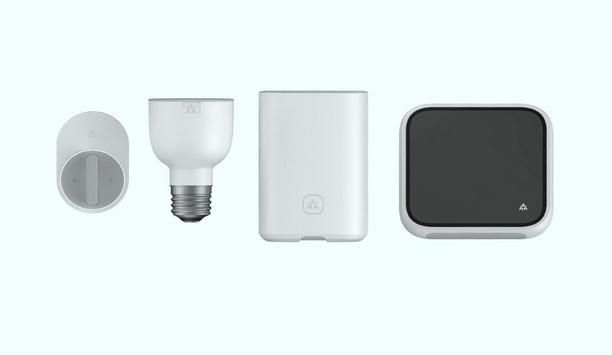
Matter is a new open-source interoperability standard that will simplify the connectivity of smart home systems, including security. The growing popularity of the Matter 1.0 standard was evident at the large Consumer Electronics Show (CES) in January in Las Vegas, where the standard was heavily promoted by companies including Google, Amazon, and Samsung. A flood of Matter-connected products is on the horizon for ship dates in the second half of 2023. Evolve, and manage IoT standards Creating the standard is the Connectivity Standards Alliance (CSA), formerly the Zigbee Alliance, which changed its name in May 2021. With 300 companies as members, CSA seeks to create, evolve, and manage Internet of Things (IoT) technology standards through a well-established, collaborative process. CSA promotes the benefits of global, open standards, and the value of the IoT to customers and consumers, and seeks to break down the barriers to broad access and adoption of IoT technologies and solutions. Matter The new brand name Matter was launched in May 2021 to designate the standard formerly known as Project CHIP (Connected Home over IP), developed by CSA member companies including Apple, Google, Samsung, and Amazon. There are currently 800 devices and apps certified to the new smart home standard, including various smart home equipment (except video cameras, which will be included in a major release in the fall of 2023). Matter version 1.0 was initial launch in October 2022. Matter 1.0 release Twice a year moving forward, Matter plans a minor release each spring and a major release each fall As part of the Matter 1.0 release, authorized test labs are open for product certification, the test harnesses and tools are available, and the open-source reference design software development kit (SDK) is complete, thus enabling new products to be brought to market. Twice a year moving forward, Matter plans updated releases, a minor release each spring and a major release each fall. Smart home interoperability Currently, a variety of CSA working groups are addressing various aspects of interoperability in the smart home, including issues such as data privacy, security, energy management, and health and wellness, says Christopher LaPré, CSA’s Head of Technology. “Implementing elements requires that the standards alliance be able to multitask on several tracks,” says LaPré. Some development is centering around connectivity and the need for a “hub” to which multiple systems can communicate and incorporate an “identity” to regulate the availability of information to various systems. The standards will enable both do-it-yourself (DIY) systems and devices deployed by professional installers. Addressing privacy requirements The new development will be guided by what installers need to succeed in the home automation" Ecosystems depend on the availability of some type of “identity” to meet privacy requirements. Rules must be implemented across the ecosystem that deploys a “trust system” to ensure privacy. Solving the challenge involves getting all the major players to the table at the technical level to meet the bar from the business and technology perspective. “Integrators and retailers will play a role as Matter continues to evolve,” says LaPré. “New development will be guided by what installers need to succeed in the home automation market.” Matter-certified devices There is still work to be done to expand the 800 certified devices to function throughout the Matter ecosystem and to add new devices over time. One goal is to simplify an integrator’s solution using fewer hubs (and possibly a single hub) to provide a wide variety of services. The timeline of adding new Matter-certified devices may be delayed by the availability of equipment in the global supply chain, says LaPré. Flexibility Multi-admin provides for the simultaneous operation of devices in multiple smart home systems A multi-admin feature of Matter enables more flexibility for multiple ecosystems. A core feature of Matter, multi-admin provides for the simultaneous operation of devices in multiple smart home systems. Accordingly, family or household members could operate the device with the digital assistant or smartphone app of their choice. A bridging protocol helps to tie existing systems together. Amazon, Apple, Comcast, Google, SmartThings, and the Connectivity Standards Alliance came together in 2019 to develop and promote this new standard, joined by fellow Alliance board member companies IKEA, Legrand, NXP Semiconductors, Resideo, Schneider Electric, Signify, Silicon Labs, Somfy and Wulian. Smart device communication Currently, member organizations span all sizes, across a range of business categories. More than 1,700 Member individuals participate in bringing the Matter specification, reference implementations, testing tools, and certification programs to life. Matter's underlying network technologies are Wi-Fi and Thread. Wi-Fi enables Matter devices to interact over a high-bandwidth local network and allows smart home devices to communicate with the cloud. Thread provides a mesh network within the home. Both the Wi-Fi Alliance and Thread Group partnered with the Connectivity Standards Alliance to help realize the vision of Matter.
Case studies

Set in 33 hectares of woodland on the edge of Dartmoor National Park, the zoo is home to an impressive variety of exotic and native animals, including Amur tigers, African lions, and Amur leopards. New patented master key system On-site challenges before the introduction of the new patented master key system. Before implementing the new master key system, the zoo faced the challenge of ensuring secure and efficient access control to sensitive areas, particularly enclosures with potentially dangerous animals. The previous master key systems were outdated and did not provide the necessary security and flexibility required for the zoo's daily operations. Installation of EPS NP and its advantages The EVVA EPS NP system was installed in collaboration with local partner Sir Fix-a-Lock. This system offers robust patent protection, long-term key control and high reliability in demanding environments. A total of 192 Asec weatherproof padlocks were installed in a 6-level master key system. The flexibility of EPS NP enabled graduated key control across the entire site, including special levels for animal care. Advantages of the new patented key system for the zoo Thanks to the new master key system, the zoo has been able to implement a secure and practical solution that enables staff to work efficiently while maintaining strict access controls. The color-coded keys make it easy to quickly identify access authorisations, which is particularly advantageous in security-critical areas. The Asec weatherproof padlocks also offer high resistance to environmental influences, ensuring the longevity of the system. "EPS has revolutionized our access control and gives us the security and flexibility we need." The project at Dartmoor Zoo impressively demonstrates how EVVA's flexible master key systems can be adapted to specific requirements to ensure security, control and long-term protection.
ZeroEyes, the creators of the first AI-based gun detection video analytics platform to earn the full US Department of Homeland Security SAFETY Act Designation, announced a more than 300% expansion of its deployment with the Regional Transportation Commission of Southern Nevada (RTC). Following a successful pilot, RTC has made the decision to deploy ZeroEyes in many additional strategic locations. RTC became the first transit agency in the United States to fully deploy weapons detection analytics when it launched its ZeroEyes implementation in June 2024. As part of a multi-pronged strategy including armed security officers and GPS-enabled panic buttons for drivers, RTC saw a 40% reduction in passenger-on-passenger assaults and a 26% drop in operator assaults over the course of 2024. RTC’s continued innovation The American Public Transportation Association recently recognized the RTC with two major honors The American Public Transportation Association recently recognized the RTC with two major honors: the 2024 Innovation Award for its ZeroEyes deployment and the 2025 Bus Security Award for the agency’s comprehensive efforts to keep riders, drivers, and staff safe. United Safety & Survivability Corporation (United Safety), a strategic partner of ZeroEyes in the transit industry, applauded RTC’s continued innovation and leadership in transit safety. AI-driven threat detection “RTC’s results clearly demonstrate how we can save lives when cutting-edge technology and a proactive safety mindset come together,” said Joe Mirabile, President and CEO of United Safety. He adds, “We’re proud to work alongside ZeroEyes to bring AI-driven threat detection to the forefront of public transportation and help agencies like RTC protect operators and passengers with unmatched speed and intelligence.” ZeroEyes' AI gun detection ZeroEyes' AI gun detection and intelligent situational awareness software layers onto digital security cameras ZeroEyes' AI gun detection and intelligent situational awareness software layers onto existing digital security cameras. If a gun is identified, images are instantly shared with the ZeroEyes Operations Center (ZOC), the industry's only U.S.-based, fully in-house operation center, which is staffed 24/7/365 by specially trained U.S. military and law enforcement veterans. If these experts determine the threat is valid, they dispatch alerts and actionable intelligence — including visual description, gun type, and last known location — to law enforcement and local security teams as quickly as 3 to 5 seconds from detection. RTC’s initial ZeroEyes implementation “RTC’s initial ZeroEyes implementation set a new benchmark for safety in public transportation systems nationwide,” said Mike Lahiff, CEO and Co-Founder of ZeroEyes. He adds, “We are honored to expand the deployment and continue protecting passengers and staff against gun-related threats.”
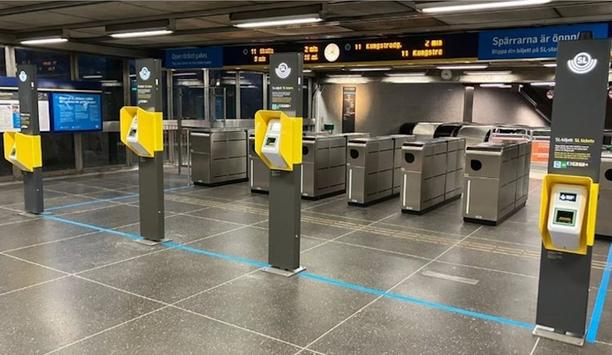
HID, the pioneer in trusted identity and authentication solutions, announced that it successfully supported Stockholm's public transit authority, Storstockholms Lokaltrafik (SL), in transforming the daily travel experience for hundreds of thousands of passengers in the capital through a comprehensive digital ticketing modernization program. The initiative has eliminated paper tickets and enabled seamless contactless payments across buses, ferries, trams and metro stations. The technology upgrade has delivered measurable benefits, including dramatically reduced fare evasion that translates to millions of Swedish Kronos in recovered revenue for SL. Residents experience faster, more convenient travel New ticketing infrastructure was specifically selected because it withstands harsh Nordic winters With the new integrated ticketing devices from HID, citizens can now use the same payment method – whether a mobile app, contactless card or digital wallet – across all 2,600 buses, 140 ferry validators, 320 tram platforms and 1,035 metro fare gates throughout the capital region. Most importantly, the new ticketing infrastructure was specifically selected because it withstands harsh Nordic winters, a crucial factor for passengers who depend on public transit year-round. Legacy hardware, systems and networks “Serving hundreds of thousands of passengers daily across multiple transit modes required a ticketing solution that could scale with our needs while providing a consistent experience for our riders." "We chose HID for its multi-technology ticket validators for buses, ferries, and gates, as well as its ability to run side-by-side with our legacy hardware, systems, and networks. It was a real challenge for everyone involved to get this working, but it was one we overcame together,” said Karin Harrius, Business System Administrator, Ticket Readers at SL. Seamless ecosystem across touchpoints The implementation was designed to ensure a consistent validation experience and deliver a seamless ecosystem across all transit touchpoints. It included: Enhanced passenger convenience on buses: HID VAL100 ticket validators integrated with HID TripTick™ barcode technology and NFC/RFID contactless payment functionality in a single point of presentation for tickets and travel passes Reliable outdoors operation in extreme weather: HID VAL150 validators featuring a waterproof design on ferries and tram platforms Streamlined fare collection across metro stations: HID TripTick 220 OEM barcode, NFC and cEMV ticket modules within fare gates and ticket machines in the Stockholm metro, enabling multi-format ticket reading throughout the system. Significant reduction in fare evasion Improvement ensures that all users contribute fairly to keeping these vital transport links The modernization has delivered substantial financial benefits for SL. Fare evasion dropped from 3.1% in 2019 to just 2.3% in 2023 – a 26% reduction that has recovered millions of Swedish Kronor annually for reinvestment in public transit infrastructure and services. The impact was particularly dramatic on ferry services, where ticket validation rates increased from just 58% in November 2021 to 89% by March 2025. This improvement ensures that all users contribute fairly to maintaining these essential transportation links connecting Stockholm's islands and waterways. Digital-first approach meets evolving expectations Citizens particularly benefit from the system's ability to prevent ticket duplication The comprehensive digital transformation addresses the evolving expectations of Swedes in an increasingly mobile-first society. Citizens particularly benefit from the system's ability to prevent ticket duplication and unauthorized sharing through social media platforms – issues that had previously undermined fare revenue and service sustainability. Future integration of new technologies With Stockholm County – which represents 20% of Sweden's population despite covering only 2% of the country's area – the scalable, open-architecture system ensures SL can adapt to evolving technologies and passenger expectations. The system's flexibility allows for future integration of new technologies and travel services without requiring complete infrastructure replacement, protecting the public investment while maintaining service innovation.

Faced with rising crime, open-air drug markets, and declining neighborhoods in the late 1990s, the citizens of Lancaster, Pennsylvania, took action. What began as a grassroots response evolved into one of the nation's most effective community-supported video security networks, powered by Milestone Systems’ XProtect open platform video management software (VMS). For this city of nearly 60,000, with much of its economy based on tourism, the results demonstrate the power of community-driven technology solutions. Video evidence availability soared from 55 percent to over 90 percent, enabling faster case resolution and stronger prosecutions. Live video support Coalition operators provided live video support to 911 dispatchers during more than 4,100 incidents In 2023 alone, Coalition operators provided live video support to 911 dispatchers during more than 4,100 incidents. Most significantly, once-empty downtown streets now thrive with pedestrian activity and bustling businesses. The Lancaster Safety Coalition operates as a nonprofit organization, separate from law enforcement, but works collaboratively with police to enhance public safety. At the system's core, Milestone XProtect video management software provides a flexible foundation that enables city-wide scaling while adapting to evolving community needs. Technical infrastructure XProtect now supports more than 13,000 different security devices from over 700 manufacturers The technical infrastructure, designed and maintained by systems integrator App-Techs Corporation, supports approximately 170 4K quad-sensor cameras positioned strategically throughout Lancaster's neighborhoods and downtown area. The open platform architecture proved critical for long-term success. XProtect now supports more than 13,000 different security devices from over 700 manufacturers. This flexibility enabled the Coalition to select the best cameras for each location while ensuring cost-effective expansion. "What makes this project remarkable is the synergy between the technology partners and our community vision," said Tim Miller, Executive Director of the Lancaster Safety Coalition. Open platform "The open platform from Milestone, the technical expertise from App-Techs, and our community-driven approach created a formula that's yielded extraordinary results.” “We've seen crime rates plummet, businesses return to downtown, and most importantly, neighbors are reclaiming their streets. This isn't just about cameras, it's about using the right tools with the right partners to empower a community," concluded Tim Miller. Operational excellence A custom digital evidence delivery system maintains strict chain-of-custody protocols The system operates as a force multiplier for local police, with officers regularly collaborating with Coalition operators on investigations and warrant service. A custom digital evidence delivery system maintains strict chain-of-custody protocols, allowing operators to compile, document, and securely transfer video evidence to law enforcement through an efficient browser-based interface. The Coalition's effectiveness has changed investigation dynamics entirely. In one remarkable case, operators tracked a shooting suspect from the crime scene back to their residence within 15 minutes, leading to immediate arrest. Community-operated technology This capability demonstrates how community-operated technology can provide law enforcement with unprecedented investigational support. Looking ahead, the Lancaster Safety Coalition plans to add approximately 20 additional cameras over the next two years, representing its largest geographic expansion since 2009. These additions will focus on areas still facing safety challenges, consistent with the Coalition's belief that quality of life should not be determined by street address.

A community-supported video security initiative has transformed public safety in Lancaster, Pennsylvania. The citizen-led collaboration demonstrates how open platform video technology can help revitalize struggling urban areas. Faced with rising crime, open-air drug markets, and declining neighborhoods in the late 1990s, the citizens of Lancaster, Pennsylvania, took action. What began as a grassroots response evolved into one of the nation's most effective community-supported video security networks, powered by Milestone Systems’ XProtect open platform video management software (VMS). Video evidence availability For this city of nearly 60,000, with much of its economy based on tourism, the results demonstrate the power of community-driven technology solutions. Video evidence availability soared from 55 percent to over 90 percent, enabling faster case resolution and stronger prosecutions. In 2023 alone, Coalition operators provided live video support to 911 dispatchers during more than 4,100 incidents. Most significantly, once-empty downtown streets now thrive with pedestrian activity and bustling businesses. Technology infrastructure enables community success Milestone XProtect video management software provides a flexible basis that enables city-wide scaling The Lancaster Safety Coalition operates as a nonprofit organization, separate from law enforcement, but works collaboratively with police to enhance public safety. At the system's core, Milestone XProtect video management software provides a flexible foundation that enables city-wide scaling while adapting to evolving community needs. Open platform architecture The technical infrastructure, designed and maintained by systems integrator App-Techs Corporation, supports approximately 170 4K quad-sensor cameras positioned strategically throughout Lancaster's neighborhoods and downtown area. The open platform architecture proved critical for long-term success. XProtect now supports more than 13,000 different security devices from over 700 manufacturers. This flexibility enabled the Coalition to select the best cameras for each location while ensuring cost-effective expansion. Community-driven approach XProtect now supports more than 13,000 different security devices from over 700 manufacturers "What makes this project remarkable is the synergy between the technology partners and our community vision," said Tim Miller, Executive Director of the Lancaster Safety Coalition. "The open platform from Milestone, the technical expertise from App-Techs, and our community-driven approach created a formula that's yielded extraordinary results." "We've seen crime rates plummet, businesses return to downtown, and most importantly, neighbors are reclaiming their streets. This isn't just about cameras, it's about using the right tools with the right partners to empower a community." Operational excellence through community partnership The system operates as a force multiplier for local police, with officers regularly collaborating with Coalition operators on investigations and warrant service. A custom digital evidence delivery system maintains strict chain-of-custody protocols, allowing operators to compile, document and securely transfer video evidence to law enforcement through an efficient browser-based interface. Coalition's effectiveness Operators tracked a shooting suspect from the crime scene back to their residence within 15 minutes The Coalition's effectiveness has changed investigation dynamics entirely. In one remarkable case, operators tracked a shooting suspect from the crime scene back to their residence within 15 minutes, leading to immediate arrest. This capability demonstrates how community-operated technology can provide law enforcement with unprecedented investigational support. Lancaster Safety Coalition plans Looking ahead, the Lancaster Safety Coalition plans to add approximately 20 additional cameras over the next two years, representing their largest geographic expansion since 2009. These additions will focus on areas still facing safety challenges, consistent with the Coalition's belief that quality of life should not be determined by street address.

Genetec Inc., the pioneer in enterprise physical security software, announced that its cloud-based vehicle investigation system, Cloudrunner™, is now hosted in Canada on the Microsoft Azure cloud platform. This will ensure that sensitive data for Canadian law enforcement, security agencies, and private-sector organizations remains in Canada while delivering responsiveness, scalability, and reliability. Vehicle-centric investigation system Cloudrunner is a cloud-native vehicle-centric investigation system that helps public safety agencies Cloudrunner is a cloud-native vehicle-centric investigation system that helps public safety agencies and security teams detect, analyze, and respond to vehicle-related crime. Designed with privacy and compliance in mind, Cloudrunner supports proactive policing and community safety. It offers real-time alerts, historical search tools, and an intuitive map-based interface that makes it easy to visualize vehicle activity, collaborate across jurisdictions, and share insights securely. Data-driven tools “With vehicle-related crime on the rise in Canada, law enforcement agencies need powerful, data-driven tools that help them solve cases faster and keep communities safe,” said Larry Legere, Commercial Director at Genetec Inc. "By hosting Cloudrunner in Canada, we're giving agencies the tools they need to make quick, informed decisions that help them stay ahead of criminal activity, while keeping sensitive data within our borders.” Users can quickly identify vehicles Cloudrunner enables users to quickly identify vehicles of interest, even with partial information By combining automated license plate recognition (ALPR) with rich metadata, such as vehicle type, make, model, and color, Cloudrunner enables users to quickly identify vehicles of interest, even with partial information, at any time of day or night, and in any weather condition. The platform supports real-time hotlist alerts, historical search capabilities, and investigative tools that help law enforcement locate suspects on the move, and close cases faster. Evaluation of Cloudrunner "One of our primary considerations during the evaluation of Cloudrunner was ensuring that all collected data would be securely stored and remain within Canadian borders," said Jeff Joyce, Manager - Parking Services, at the University of British Columbia (UBC). "Data sovereignty was a non-negotiable priority for us, as it not only addresses regulatory requirements but also reinforces our commitment to protecting sensitive information and upholding the trust of our campus community." Setting up Cloudrunner Canada now joins a growing list of countries, including the United States, Australia, and New Zealand, where Cloudrunner is hosted locally to meet the needs of agencies that require data to reside within national borders. New and existing Canadian users will automatically use Canada as their hosting region when setting up Cloudrunner, with no changes to existing workflows.
Round table discussion

Audio might detect sounds like breaking glass or footsteps before a person even enters the field-of-view of a video camera. Audio also helps to provide context: Someone running in a video image might be suspicious, but the situation is different if they are yelling for help. Furthermore, audio enables operators to talk remotely to people on site, which can deter crime, de-escalate situations, or gather information. And yet, optimizing audio is often an overlooked aspect of physical security system design. We asked this week's Expert Panel Roundtable: What is the expanding role of audio in today's physical security systems?

For many years, security systems produced their share of "data exhaust." Every access control action and each video image became a data point to be stored in perpetuity, with no practical way to use the data. More recently, systems have been developed to enable organizations to analyze data from sensors and other connected devices to gain valuable insights into how their systems are being used, to identify potential vulnerabilities; and even to provide insights into broader enterprise operations. We asked this week’s Expert Panel Roundtable: How are data analytics changing the course of the security marketplace?

Headlines of violence in our schools are a reminder of the need to keep educational institutions safe. In fact, if there is a positive aspect to the constant bombardment of headlines, it is that it keeps our attention perpetually focused on how to improve school security. But what is the role of physical security systems? As the new school year begins, we asked this week’s Expert Panel Roundtable: Are schools safer because of physical security systems? Why or why not?
Products





White papers

Improving City Mobility Using Connected Video Technology
Download
Charting The Path To Safe Cities
Download
Securing Unmanned Infrastructure at the Network Edge
Download
Smart And Reliable Rail And Metro Operations
Download
6 Questions To Ask When Choosing A Security System
Download
Effective Access Control For Museums And Public Spaces
Download
Future-proof IP Surveillance For Harsh Environments
Download