Security Assessments

Sophos, a global cybersecurity pioneer, launches Sophos CISO Advantage, an agentic AI-enabled solution that connects security operations to security strategy. The solution gives organizations a clear picture of their cyber risk, a prioritised plan to reduce it, and measurable proof of progress, in plain language that business leaders can understand, fund, and act on. Delivered through Sophos Fusion, the Sophos AI-Native Cybersecurity Defense System, Sophos CISO Advantage begins rolling out toda...

Allied Universal®, the world’s pioneer security and facility services provider, announces that Paul E. Masto has been appointed vice president of business development for Allied Universal Enhanced Protection Services, a business unit of Allied Universal. Masto brings 25 years of experience with the United States Secret Service, where he served on both the Presidential Protective Division and the Vice Presidential Protective Division during the Ronald Reagan and George H.W. Bush admini...
Interface Systems, a provider of AI-powered security and expert remote video monitoring for restaurants, retailers, and commercial businesses, today announced the addition of Brivo to its end-to-end managed access control portfolio that includes solution design, system integration, professional installation, ongoing maintenance, and technical support. As organizations continue to adopt cloud-based security technologies, many are seeking access control solutions that simplify administration acro...

Automatic Systems, a world pioneer in the automation of secure entrance control, is pleased to welcome Jeff Kernohan as Business Development Manager for North America. Jeff Kernohan has over 27 years of experience in physical security, enterprise risk management, critical infrastructure protection, and security consulting experience. Prior to joining Automatic Systems, he held leadership positions with several globally recognized consulting firms, including Kroll and Guidepost Solutions, where...
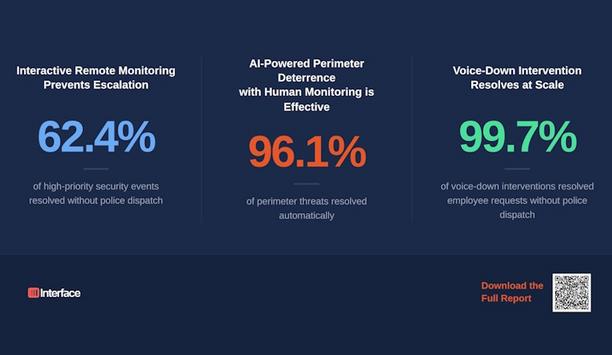
Interface Systems, a provider of AI-powered security and expert remote video monitoring for restaurants, retailers, and commercial businesses, today released its 2026 Retail Loss Prevention Benchmark Report, an annual study based on 1.6 million remote monitoring events across 18,258 U.S. retail locations and 51 brands throughout 2025. The report provides operational data at a scale to help retail loss prevention leaders understand when risk peaks, which threats escalate fastest, and which inter...

Opengear, a Digi International company and a pioneering provider of secure and Smart Out of Band™ management solutions, announced now that it has achieved SOC 2 Type 2 and ISO 27001 compliance. This milestone strengthens the security foundation of the independent management plane, which enterprises and service providers rely on to maintain network access during outages and other critical events. Streamline compliance and procurement processes As cyberattacks increase and infrastructure...
News
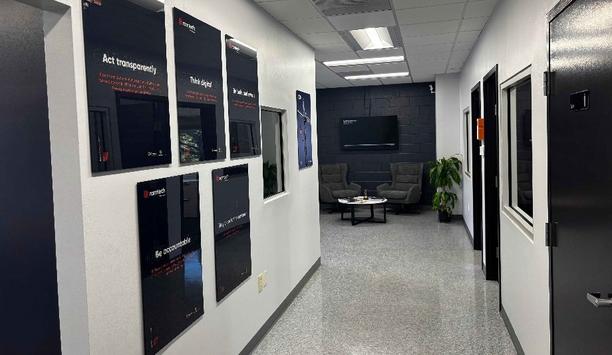
Pioneer wireless fire safety solutions provider Ramtech has established its first international base, opening a new U.S. office in Charlotte, North Carolina. The move reinforces the company’s commitment to delivering modern fire and safety across the construction industry and establishing a full U.S. supply chain. By establishing a permanent presence on the Atlantic coast, Ramtech, which is headquartered in Nottingham, will enhance efficiency, mobilization and reliable delivery of safety solutions for contractors nationwide through the provision of direct access to equipment, training and support. National service coverage James Pecz, head of North America, Middle East and Global CX at Ramtech, said: “We are proud to establish a permanent presence in the U.S., marking an important milestone in Ramtech’s global growth.” “This launch demonstrates our commitment not only to partners and clients across the U.S., but also reinforces the strength of our business model, proven in the UK, and its ability to scale internationally. Our Charlotte office brings us closer to delivering safety solutions efficiently and reliably, supported by a full U.S. supply chain and national service coverage.” Supporting major construction firms Ramtech has been operating in the U.S. for seven years, supporting major construction firms including Turner, PCL and Barton Malow, as well as the maritime defense sector. Its WES system, successfully deployed on high-profile UK projects such as the Everton FC Hill Dickinson Stadium and Thames Tideway, has also protected more than 350 workers on major international projects, including Hudson Detroit ($1B) and Gaylord Pacific Resort. The company partners with over a dozen U.S. distributors, including Space Age Electronics. State-specific partners While the majority of Ramtech’s U.S. experience and recognition has been in the North and South East regions, it is keen to expand this reach across the South and Midwest. Charlotte will be an anchor for the firm, while it looks to cover new ground with its regional and state-specific partners. James added: “As we continue to grow our presence in the U.S., this step ensures that Ramtech is not just responding to the currency of industry needs, but actively shaping the future of wireless evacuation solutions, helping protect workers and facilities at every stage of a project.” The opening was celebrated with a ribbon-cutting ceremony led by Bruna Pacios Esposito, Ramtech’s business unit director, alongside Orama managing director Giorgio Koursaris. The day involved product innovations presented by product marketing manager Jiayao Wang.
Abnormal AI, the pioneer in AI-native human behavior security, announced it has been recognized as a Leader in the 2025 Gartner® Magic Quadrant™ for Email Security, marking the company’s second consecutive year in the Leaders Quadrant. Gartner evaluated vendors based on their Completeness of Vision and Ability to Execute. Among 14 vendors evaluated, Abnormal was placed furthest right on the Vision axis. API-based approach In the report, Gartner highlights that “the high volume of sophisticated, email-enabled social engineering attacks, combined with the difficulty in consistently quantifying true detection efficacy across the market, justifies organizations utilizing multiple vendors for comprehensive protection.” To better combat these sophisticated threats, there is growing potential in solutions that utilize behavioral AI and natural language processing to analyze user behavior and help detect anomalies. The Abnormal Behavior Platform analyzes identity, behavior, and contextual signals in order to baseline normal activity and help identify deviations indicative of malicious activity. This API-based approach is designed to enable autonomous protection against a wide range of attacks — including business email compromise, credential phishing, and account takeover — without requiring cumbersome mail routing changes or complex configurations. AI-native approach “Being named a Leader in the Gartner Magic Quadrant for the second year in a row—while maintaining the furthest placement on Vision—is an incredible milestone for us,” said Evan Reiser, chief executive officer of Abnormal AI. “We’re proud to see our AI-native approach continuing to drive innovation and impact as we build toward a future where understanding human behavior is the cornerstone of keeping people and organizations safe.” AI Phishing Coach and AI Data Analyst This recognition follows a year of exceptional growth and innovation for Abnormal AI. In 2025, Abnormal launched its first autonomous AI agents—AI Phishing Coach and AI Data Analyst—to help organizations detect, remediate, and train themselves against threats in real time. The company also achieved FedRAMP Moderate Authorization and earned the ISO/IEC 42001 AI governance certification, underscoring its commitment to both security and responsible AI. Abnormal now protects more than 25% of the Fortune 500 and continues its global expansion, recently entering new markets in Germany, Japan, and France. The year also brought strong industry and customer validation—from featuring on the CNBC Disruptor 50, to the Forbes Cloud 100, and the Fortune Cyber 60. Abnormal was also named a Gartner Peer Insights™ Customers’ Choice for Email Security Platforms in July 2025, earning a 99% “Would Recommend” rating and, in our opinion, reaffirming the trust placed in Abnormal’s AI-native approach.

BlackFog, the pioneer in AI-based anti data exfiltration (ADX) technology, announces the availability of its newest solution, ADX Vision. Designed to secure every endpoint and every LLM interaction, ADX Vision delivers the visibility and control organizations need to manage AI securely. Operating directly on the device, it detects shadow AI activity, prevents unauthorized data movement in real-time, and enforces governance policies automatically, all without disrupting productivity. Increased regulatory scrutiny The launch comes as organizations rapidly adopt AI tools to drive innovation and employees leverage LLMs to boost productivity. The unchecked use of unvetted AI applications is creating hidden channels for data exfiltration, exposing companies to the loss of intellectual property, confidential information, and increased regulatory scrutiny. With AI systems capable of capturing, storing, and learning from enterprise data outside of approved security controls, shadow AI has quickly become one of the most significant - and least understood - drivers of data loss today. Potential data privacy risks New findings from a BlackFog survey of 2,000 employees underscore the scale of this risk. Nearly half (49%) of respondents reported using AI tools not sanctioned by their employer at work. The research also reveals gaps in awareness of data privacy: only 53% of employees understand how the data they input into AI tools is saved, analysed, or stored. Yet, 71% believe the productivity benefits of using unapproved AI tools at work outweigh the potential data privacy risks. “As AI adoption accelerates, so does the risk of data loss through unmonitored tools. This research highlights the extent of that risk and the critical need for organizations to protect the data flowing through AI systems,” said Dr Darren Williams, CEO and Founder of BlackFog. Preventing data exfiltration “Preventing data exfiltration has been at the core of our mission from day one, and we’ve consistently adapted our technology to stay ahead of emerging threats. ADX Vision is the next step in that journey, offering unmatched visibility into shadow AI activity so organizations can protect their data with confidence.” ADX Vision delivers unified insights across the enterprise and the confidence that sensitive information stays protected. ADX Vision is available now for Windows, with support for macOS and Linux available in early 2026.

Magenta Security Services marked its 30th anniversary in style last night at the Security & Fire Excellence Awards, where the company was named Security & Fire Sustainability Champion for the third year running. The Security & Fire Awards for Excellence are recognized across the sector as a benchmark for outstanding performance, innovation and best practice in both security and fire. The Sustainability Champion category honors organizations that demonstrate leadership in environmental responsibility and long-term commitment to sustainable operations. Magenta first secured the title in 2023 and retained it in 2024 before completing the hat trick in 2025. Security and sustainability “Winning the Sustainability Champion title for the third year in a row, while celebrating 30 years in business, is an incredible milestone for everyone at Magenta,” said Abbey Petkar, Managing Director of Magenta Security Services. “From the very beginning we believed that security and sustainability must go hand in hand. This recognition shows that our approach is working for our clients, our people and the planet.” Magenta’s sustainability journey Magenta’s sustainability journey is woven through its three decades in business. The company was one of the first security providers to certify to ISO 14001, embedding environmental management into its core operations rather than treating it as an add-on. That discipline enabled Magenta to reach carbon zero status in 2022, three years ahead of its public 2025 target and without relying on offsetting. Key measures include a fully electric fleet supported by on-site solar charging at its headquarters, a switch to 100 per cent renewable electricity across its estate, deep energy-efficiency upgrades and a fully paperless office environment that saves more than 150 trees each year. Cyber Essentials certification Recognising that modern risk and sustainability span both physical and digital domains, Magenta has also invested in Threat Evolution, its dedicated cyber security training and consulting arm. Threat Evolution supports clients with Cyber Essentials certification, penetration testing, vulnerability scanning and tailored cyber awareness training, extending Magenta’s commitment to resilience, governance and data protection. Magenta’s approach Transparency is another cornerstone of Magenta’s approach. The company publishes its emissions data through the Carbon Database Initiative (CaDI), inviting scrutiny and sharing practical lessons on topics such as phasing electric vehicles, mapping energy use in older buildings and designing out paper from guarding processes. Magenta also supports Police Community Clubs locally and sponsors children internationally, aligning commercial success with long-term social value. Own environmental performance Abbey Petkar added, “Sustainability is not a project for us. It is how Magenta works, from the vehicles we drive and the energy we use to the way we support communities and help clients improve their own environmental performance." "To receive this award again, in our 30th year, is both a proud moment and a powerful motivation to keep raising the bar.”

Cyware, a pioneer in AI-powered threat intelligence management, automation, and security orchestration, announced a strategic partnership with Microsoft built on deep product integrations to help global enterprises and public sector organizations operationalize threat intelligence with greater speed, ease and confidence. The partnership delivers a uniquely integrated threat intelligence workflow across Cyware and Microsoft Sentinel, giving customers a faster path from threat insights to action. Expanding partnership As a Microsoft partner, Cyware’s solutions are already available in the Microsoft Commercial Marketplace, simplifying procurement for commercial and government buyers. The companies are now expanding on their partnership to deliver an end-to-end solution that modernizes security operations automating threat intelligence ingestion, enrichment, and actioning. The deep integration between Microsoft Sentinel and Cyware Intel Exchange enables bi-directional threat intelligence exchange, including support for STIX/TAXII-based threat intelligence sharing to validate indicators at scale for mutual customers. Operationalizing threat intelligence Many security teams still struggle to operationalize threat intelligence at scale due to siloed data, inconsistent context and validation, and manual handoffs between tools. With this collaboration, Microsoft Sentinel can ingest actionable threat intelligence from Cyware, while Cyware can receive intelligence from Microsoft Sentinel to drive faster investigations and response with real-time context sharing and actioning. AI-powered threat intelligence operations “This partnership with Microsoft brings together Cyware’s strength in AI-powered threat intelligence operations and Microsoft’s security technology to help customers make smarter, faster decisions,” said Anuj Goel, CEO and Co-Founder, Cyware. “By meeting defenders directly in Microsoft Sentinel, and making Cyware deployable through Microsoft Commercial Marketplace we are reducing friction from purchase to value while giving security teams enriched, high-fidelity intelligence they can act on immediately.” Intelligence-driven experience “We’re focused on empowering every defender with a more connected, intelligence-driven experience,” said Erez Einav, Corporate Vice President, Sentinel and Defender XDR at Microsoft, adding “This partnership with Cyware extends how threat intelligence is shared, validated, and automated across Microsoft Sentinel, helping customers streamline workflows, strengthen detection quality, and accelerate response.” In addition to the Microsoft Sentinel integration, Cyware Intel Exchange also integrates with Microsoft Defender, enabling Defender Threat Intelligence feeds to flow into Cyware for enrichment and automated indicator searches against Microsoft Defender data, speeding triage and investigation. Cyware’s inclusion in MISA This announcement also builds on Cyware’s recent inclusion in the Microsoft Intelligent Security Association (MISA) and continued momentum with Microsoft Security Copilot, where Cyware participated as one of the inaugural Copilot launch partners. The collaboration strengthens ongoing integrations between Cyware Intel Exchange, Microsoft Sentinel, and Microsoft Defender and supports Azure-hosted deployment options for customers standardizing on Microsoft.
ZBeta, a pioneer in delivering comprehensive physical security consulting services, has announced the appointment of Chris Martini as Principal Consultant. In this role, Chris will guide strategic initiatives, strengthen client partnerships, and help advance ZBeta's mission of delivering transformative solutions. Prior roles of Chris Martini Chris is a board-certified security pioneer with more than 30 years of experience designing and pioneering enterprise risk, physical security, and resilience programs for large, complex organizations. His career spans industries, including finance, technology, critical infrastructure, healthcare, and manufacturing, with leadership roles on both the corporate and consulting sides. He has built and scaled global security programs, led multi-region crisis responses, and overseen large-scale technical security initiatives, including enterprise access control and video management deployments. Most recently, Chris served as Senior Security Consultant at Burns & McDonnell and previously held senior roles at Control Risks, Swiss Re, and Gemini, where he drove measurable improvements in security posture, compliance, and business continuity. He also has deep familiarity with ZBeta, having supported the company as both a Senior Consultant and Principal Consultant in earlier engagements. ZBeta's dedication to delivering programs “I’m excited to have the opportunity to rejoin ZBeta,” said Chris. “What makes this company unique is its vision, its people, and a culture that encourages collaboration and innovation. I'm eager to take on new challenges and shape solutions that drive meaningful progress through data-driven security strategies." In his new position, Chris will emphasize cultivating strong client partnerships while reinforcing ZBeta's dedication to delivering programs that meet the demands of an evolving security landscape. His familiarity with the organization's values and priorities ensures he can create impact and add value from the first day. Chris's expertise and leadership "Chris has continually established himself as a trusted advisor and innovative thinker, and we are happy to welcome him back to the ZBeta team," said Andrew Corsaro, Vice President of Consulting Services, ZBeta. “His expertise and leadership will be instrumental as we continue to build programs that deliver unmatched value for our clients." Chris is actively engaged in professional organizations, such as ASIS International. He is also a frequent speaker and contributor to pioneering industry conferences and publications.

Expert commentary

Digital access control has well-known benefits over traditional security, of course, but also costs attached to each stage of its lifetime. However, these costs are not fixed. Many factors – including building size, shape, type, location, national regulations and more – impact affordability and efficiency calculations. Crucially, the type of access solution a business selects – wired or wireless – impacts total operating costs, including during installation, running, and any potential expansion or reconfiguration stages. Wireless installation Wiring premises can be expensive. So, the potential cost savings from choosing wireless digital access begin at the very start. Installation stage is the largest contributor to potential cost savings when businesses go wireless. In calculations for one report, access experts at ASSA ABLOY examined projected costs for a fictional 100-door installation. Labor savings for those who chose wireless over wired locks were 82.5%. Why? Firstly, because wireless installation is much faster. It is also less intrusive. Most wireless locking devices require little or no drilling of the door, whereas wired security needs cabling through and partly around a door – which means not just door damage, but the contracting of specialist electrical installers who may require multiple site visits. These costs add up. Digital access technology Torus aims for the highest level of LEED certification for all its new properties In Poland, for example, developer Torus aims for the highest level of LEED certification for all their new properties around Gdansk. Where possible, they choose products with Environmental Product Declarations (EPDs) and Green Circle documentation, favoring access solutions which reduce their carbon footprint. Wireless digital access technology is a natural choice. “The lack of wiring significantly reduces materials use, reduces costs, and ensures quick installation,” confirms Torus’ Roman Sokolowski. There’s no cabling, which cuts power consumption. There’s less damage to the building fabric and fitters make fewer journeys to and from the site. Adaptable locking solution By choosing a wireless solution, organizations also upgrade building security with little disruption. A wireless system makes it easier to improve security at an existing building via a retrofit process which does not inconvenience staff or disturb work routines. This was one goal at Plexal, a £15 million flexible work environment for London enterprise and academia. Plexal chose battery-powered wireless locks integrated with DoorFlow, NetNodes’ online platform for managing and auditing building access. “Plexal required an adaptable locking solution for a range of different doors and, with no wiring required, it was quick and easy to install ASSA ABLOY Aperio® devices with minimal disruption,” confirms Stewart Johnson, Director at NetNodes. Cost savings with improved energy efficiency Choosing wireless over wired locking can play a vital role in reducing ongoing energy use Choosing wireless over wired locking can play an important role in reducing ongoing energy use – and, therefore, expenditure. Wholesale electricity prices in Europe are approximately double what they were in 2019, according to the IEA’s “Electricity 2024” report. For a variable cost such as energy, where businesses have little control over unit prices, it is critical to control usage, especially if high and/or changeable energy prices become what analysts at ING called “the new normal for business”. Thus, the fact that battery-powered locks consume much less energy than traditional wired solutions is increasingly relevant and important. Additional savings on energy costs Traditional wired door access devices often work via magnets connected permanently to mains electricity. These doors draw power around the clock to remain locked. Wireless locks work differently. They only “wake up” when presented with a credential, to make the access decision. This translates to an additional saving on energy costs during operation: more than 70%, or thousands of euros over a typical access system’s lifetime. Wireless digital access Wireless locks only need a change of their standard battery, which may be rechargeable Related energy and materials costs during in-use stage are also lower. Wireless locks only need a change of their standard battery – which may be rechargeable – typically once every two years. No specialist maintenance is required, saving on specialists and their travel to and from the site(s). By choosing wireless digital access, businesses help protect themselves against these ongoing costs, notably energy price increases and volatility. Cost-efficient flexible working, for staff and facilities managers Perhaps harder to quantify, but equally easy to imagine, the financial benefits of choosing a wireless digital solution are felt in the increased convenience and efficiency of daily operations. In the co-working sector, for example, flexible access to offices is a priority. As “fixed” office space rented by corporations continues to fall, co-working spaces are expected to keep growing, with one estimate suggesting almost 18% CAGR to 2030. To stand out from the competition, the founders of ULab in Alicante sought the latest innovations in access and design to create their 21st-century business center. Part of the suite of digital access solutions from ASSA ABLOY, a SMARTair® system gave ULab real-time access management via battery-powered locks and Openowä, the Mobile Key solution for SMARTair, without any need to wire doors and other openings. SMARTair TS1000 Web interface With SMARTair and Openow, workspace residents can carry virtual keys on their smartphone With SMARTair and Openow, workspace residents can carry virtual keys on their smartphone; ULab’s security team update their rights over the air. An office manager can perform any operation remotely from the SMARTair TS1000 Web interface. In case of an emergency, they could lock-down the site or open doors remotely, for example. It’s convenient, efficient and boosts ULab’s security, benefiting users and managers. And because of SMARTair’s flexibility, they can comfortably welcome many more than their usual 100 daily users. “In addition to regular daily traffic, weekly traffic can almost multiply by 10 if an event is held,” says Enrique Burgos Pérez, Director at ULab. “We needed an access control system as flexible and convenient as SMARTair.” ASSA ABLOY benchmarking report Choosing wireless locks also adds flexibility – and can reduce costs – when an organization reconfigures or expands their commercial space. High-quality wireless devices like SMARTair can typically be reinstalled at another opening without impacting reliability. They move to wherever is convenient. If a business is rethinking workspace to encourage flexible or hybrid work patterns, for example, cost efficiencies could be significant. Typical savings on office relocation or expansion are estimated at around 30% with wireless over wired locking, according to the same ASSA ABLOY benchmarking report. Cost efficiency and more control with ASSA ABLOY digital access To refit and improve their student accommodation, managers at the University of St Andrews sought energy- and cost-efficient access control. They chose Aperio, another innovative digital access solution from ASSA ABLOY. Approximately 1,600 doors so far are equipped with battery-powered Aperio escutcheons – without cabling. Aperio devices integrate fully with both the university’s existing central security system and their student ID card. University security managers continue to enjoy the efficiency benefits of monitoring and controlling access from a single point and in real-time, including for doors across multiple buildings. Aperio, another innovative digital access solution from ASSA ABLOY. Benefits of cost-efficiency In comparison to a wired solution, Aperio offers significant cost-efficiency benefits. Devices are wireless, so can be installed with little energy use and no need for wiring to the mains. They consume near-zero energy when idle and run on standard batteries, consuming little power during operation. Through the entire product life-cycle, Aperio combines reliability with cost effectiveness. “Aperio gives us central management and control,” says Pauline Brown, Associate Chief Information Officer at the University of St Andrews, “and contributes to our award-winning track record in energy efficiency.”

As the backbone of community welfare, healthcare facilities cater to crucial public needs from emergency care to specialized medical treatments, and due to its position as a significant facet of the world's critical infrastructure, the healthcare sector faces a multitude of challenges in ensuring patient and visitor security, managing high traffic, and safeguarding sensitive data. Medical sites, such as large hospitals and urgent care clinics, see a wide variety of patients, medical staff, administrative teams, and visitors throughout the day. In addition to protecting patients, visitors, and staff, healthcare environments must protect medical and patient data, ensure immediate response to urgent medical events, and maintain 24/7 operations. Security challenges Cloud-based solutions have made their mark on healthcare security, offering unparalleled scalability Addressing the security challenges presented by 24/7 availability and high patient and visitor traffic calls for a merging of technology, processes, and security strategies that go beyond what a typical security infrastructure would look like. Cloud-based solutions have made their mark on healthcare security, offering unparalleled scalability, accessibility, and integration capabilities. These advancements address the multifaceted demands of healthcare organizations, ensuring seamless around-the-clock operations while prioritizing patient care and safety. Enhancing Operational Efficiency to Save Lives Cloud-based access control solutions have revolutionized how healthcare security professionals approach collaboration within medical facilities. These solutions offer unparalleled accessibility and insight into patient and visitor security information and access logs, improving coordination among security teams and leading to more accurate monitoring and response to developing medical events. By managing and operating access control solutions via the cloud, healthcare facilities can implement effective physical security measures while ensuring seamless collaboration among staff to deliver the highest medical care possible to patients across facilities. Physical access controls Cloud-based access control systems allow users to securely access and manage physical access controls Cloud-based access control systems allow multiple users to securely access and manage physical access controls and visitor management data simultaneously, enabling them to keep track of patient movements as they are transferred throughout the facility or between different facilities. For larger hospitals or medical campuses with multiple facilities hosting access controls via the cloud empowers users with the ability to find patients and patient data in an instant, as well as opening the door to collaborate with teams separated by long distances, ensuring all team members have access to the information they need to continue saving lives. Scaling the way to top-notch care Healthcare institutions are constantly growing and changing in response to evolving industry regulations and standards, and the access control solutions these organizations rely on should be able to scale to meet their changing needs. To ensure their access control systems can keep up with these growing demands, healthcare security professionals can invest in access control solutions hosted in the cloud to avoid the tedious hardware constraints that come with traditional on-premises solutions. Cloud solutions offer significant levels of scalability, enabling healthcare organizations to adjust their storage requirements and computing resources based on changing requirements on the fly. This capability for flexibility ensures users can manage large amounts of data without significant upfront investments in hardware. Cloud-based access control solutions Cloud-based access control solutions provide healthcare organizations with the flexibility they need to expand their access In addition to compliance with changing regulations, cloud-based access control solutions provide healthcare organizations with the flexibility they need to expand their access control platform across a growing campus or multiple buildings. Larger healthcare facilities typically consist of multiple sites of varying sizes across diverse landscapes, each with distinctive security needs. Systems hosted in the cloud provide scalability and flexibility for user organizations, allowing security teams to modify or expand upon their security infrastructure as needed without spending on costly new hardware. This adaptability is crucial for helping address varying risks over multiple sites, providing security personnel the flexibility they need to ensure patient safety over long distances. Ease of use for security teams To truly understand the value of a cloud-based access control system, healthcare security professionals must consider the long-term savings and ROI these solutions provide by bolstering operational efficiencies and enabling unprecedented scalability. These systems ensure compliance with changing standards and deliver a simplified user experience across platforms, prioritizing security and ease of use for security teams across the healthcare sector.

For K12 education pioneers, embarking on a journey to upgrade security controls can present a myriad of questions about finding the best-fit solutions and overcoming funding hurdles. A majority of public-school districts today are faced with outdated infrastructure and security controls, requiring necessary upgrades. By addressing these concerns head on, schools will ensure a safer environment for both students and staff, mitigating risks posed by unforeseen physical and digital threats. Common K12 security pain points There’s no one-size-fits-all solution in school district security. School districts may have big plans to implement upgraded security systems but to set out on the right foot, pioneers must have a clear vision of their long-term strategy. When embarking on their security journey, education pioneers often wonder where to start and what exact steps are they need to be taking to identify and address weaknesses. Local K12 and government pioneers are promoting and mandating security assessments to uncover safety gaps on campuses and mitigate these risks with advanced technology solutions. Not only do assessments provide detailed, customizable roadmaps for district pioneers, but they also recommend technologies and funding opportunities to help close threat gaps. K12 school districts are mainly vulnerable to cyber-attacks due to the sensitive nature of student records In today’s climate, schools face a growing number of physical and digital security threats. From a cybersecurity standpoint, K12 school districts are particularly vulnerable to cyber-attacks due to the sensitive nature of student records. However, only one-third of these districts have adequate staffing to address threats effectively. In addition, according to a recent survey from Johnson Controls and Forrester Consulting, security decision-makers are having trouble receiving actionable insights. Nearly two-thirds of respondents said that they struggle to receive information from all necessary systems regarding their security threats. To gain more clarity into what school districts need in terms of security tools and threat mitigation, implementing system-wide monitoring and optimization can be invaluable. This approach enhances equipment and operational efficiency, while providing necessary resources and expertise for critical patch updates across all systems, strengthening their overall security posture. Achieving a well-rounded security program In the past few years, AI technology has emerged as a trending solution and is generating considerable attention. While the allure of implementing cutting-edge technologies is undeniable, it’s important to recognize that a robust security program hinges on solid access control. Access control technology provides administrators with the means to oversee and regulate entry into facilities, serving as the foundation for basic physical security. The technology helps administrators and staff control access to multiple areas from web-enabled devices, even during lockdowns which is crucial in emergency situations. School district pioneers should utilize available digital risk assessment tools to uncover threat areas Once basic security controls are in place, school districts must address their next set of security pain points and identify which solutions meet their specific needs. This involves identifying and prioritizing the highest need and most cost-effective investments that will have the greatest impact on enhancing security measures. To accurately determine which security solutions are needed for a specific environment, school district pioneers should utilize available digital risk assessment tools to uncover threat areas and determine levels of priority. By focusing on these priority areas, districts can allocate their resources and efforts where they are needed most, ensuring maximum effectiveness in mitigating risks and vulnerabilities. Securing funding before approaching deadlines A major challenge for school districts surrounding campus security is identifying and securing the necessary funding to implement solutions aligned with their goals. Leveraging available funding sources is critical, especially considering certain programs are approaching their deadline, like the Elementary and Secondary School Emergency Relief (ESSER) fund. Announced during the pandemic, ESSER is a funding program that has allocated nearly $190 billion in aid to U.S. public school districts to fund projects benefitting the well-being of occupants. Notable ESSER funding deadlines to keep in mind as the clock winds down include September 30, 2024 Notable ESSER funding deadlines to keep in mind as the clock winds down include September 30, 2024, when schools must attribute all of their funds to assigned contracts. Following this date, pioneers will need to complete all ESSER spending by January 2025 unless approved for an extension into March 2025. As ESSER wanes, school districts are acutely aware of the fiscal cliff in budgets through 2025. However, many states are ramping up grant funding to close the deficit gap. Administrators should become familiar with these grant opportunities at a local and state level. Get started on security plans The time for school district pioneers to act is now. While the safety and well-being of students and staff are always top priorities, it’s crucial to acknowledge that a lack of insight into necessary security upgrades and available funding options will leave districts behind the curve. Seizing the final months of ESSER funding presents an ideal window to address security pain points and build a safer future for K12 facilities. Looking beyond ESSER, pioneers must proactively seek out and leverage other funding avenues to help ensure the continuity of their security efforts and maintain a proactive stance in safeguarding healthy and safe educational environments.
Security beat

Already a strong player, particularly in New Zealand and Australia, Gallagher is still climbing in the U.S. market, which it sees as a big opportunity to invest in the company. Active in the United States for 10 years, Gallagher undertook a more aggressive growth strategy about five years ago. There are 52 employees in Gallagher’s U.S. security business, and about half the workforce has been hired in the last couple of years. They have grown from three sales territories to 16, operated by a full sales and engineering staff. Culture of innovation sets As it happens, Gallagher’s U.S. headquarters is located a short drive from my home office in the wider vicinity of Atlanta. I missed seeing them at GSX in Dallas, so we scheduled an in-person visit to catch up on their company. Gallagher’s strong culture of innovation sets them apart, as does their “people-first” commitment, says Scott Elliott, Gallagher’s Executive Vice-President, The Americas. “We have intentionally recruited for a diversity of thought that drives the business,” says Elliott. “We are a people business.” Melissa Vidakovic, Director of Marketing, Americas; and Scott Elliott, Executive VP, Americas, at Gallagher Security's office in Canton, GA. Unified approach An advantage Gallagher has in the market is total ownership of their supply chain; it manufactures each of the hundreds of products used across their solutions, from plastic components to readers to controllers to their own software systems. Among other advantages, the unified approach enables tighter control from a hardening and cybersecurity perspective, enabling them to minimize any threat vectors or vulnerabilities. The strategy also avoids dependence on third-party suppliers, which was a huge advantage during recent supply chain disruptions. While competitors struggled with availability issues related to third-party manufacturers, Gallagher’s supply was uninterrupted. Gallagher’s commitment Gallagher uses the same norms as the nation and subjects its effects to inner and outer penetration As a manufacturer serving a broad spectrum of markets, it’s Gallagher’s commitment to the high end of the market (e.g., high-security applications), where the company incorporates core tenets such as authentication and encryption. Gallagher uses some of the same standards as the government and subjects its products to internal and external penetration testing. These core strengths are also integral to Gallagher’s complete product line. “If it’s good enough for a high-level customer, it’s good enough for Mr. Business Owner,” says Elliott. The New Zealand company was founded in 1938 and was the first company to commercialize the electric fence, which it still uses for its agriculture business sector, separate from the security business. Gallagher entered the access control business 35 years ago in 1988 when a product used to restrict access to fuel pumps evolved into broader access control. Gallagher platform In the intervening years, the product has grown into a unified platform that incorporates access control, intrusion detection, and perimeter detection in a single ecosystem. “The platform is all-encompassing,” says Elliott. “No other platform does all three.” Augmenting access control, intrusion, and perimeter protection, there are other applications available in the Gallagher platform, such as workforce management, health and safety functions, and a spectrum of features useful to a wider stakeholder community. Fatigue management applications For example, Gallagher can implement routine randomized checks to proactively mitigate potential risks such as drug or alcohol abuse, thus ensuring workers are fit to work, to operate various machinery and that they do not pose a threat to fellow employees or the company. “Fatigue management” applications can monitor the use of equipment to avoid repetitive injuries or manage how long an employee works at a job site, requiring a worker to swipe or tap a card to a reader mounted on a machine to monitor and limit the time they operate that machine. Mobile mustering provides location and identification of evacuees in case of an emergency. Impact of digital transformation Gallagher’s “Better Ways of Working” concept zeroes in on the impact of digital transformation Gallagher is also embracing the “digital transformation” of the industry. Security companies must adapt to a more agile workforce and shifting processes, says Elliott. Gallagher’s “Better Ways of Working” concept zeroes in on the impact of digital transformation on their workforce. They also seek to address the changing workforce, where Gen-Z’ers work side-by-side with tenured, experienced workers, and where creating trust is the best approach to closing the generational gap. Gallagher also seeks to educate the market on trends such as artificial intelligence (AI), machine learning, cloud adoption, various service delivery models, and other issues. Industry consolidation Gallagher has more than 1,200 employees; operates in 140 countries, from South America to Canada, Europe to the Asia-Pacific and Australia; and serves almost 16,000 customers. Gallagher is part of New Zealand’s growing technology export sector, which is growing 30% faster than the overall economy and is now the second-largest export sector in New Zealand. In an age of industry consolidation and a market dominated by corporate conglomerates, Gallagher is a privately held organization seeking to be agile and innovative, and to deliver customer value more quickly. Gallagher re-invests about 15% of its profits into research and development. “Our customer service is the primary reason people buy from us,” says Elliott. Security integrators Security integrators quickly appreciate the breadth and strength of the product line Gallagher positions itself as an alternative in a market in the midst of disruption. Brand awareness continues to be a challenge in the United States, and the sales team often hears the question: “Who is Gallagher?” Once the introduction is made, security integrators quickly appreciate the breadth and strength of the product line, says Elliott. “We allow our customers to select among best-of-breed platforms, and [using open systems,] we are not limited by the technology we offer,” says Elliott. “Our value proposition to the integrator channel is our focus on the relationship,” says Elliott. Supporting end users through an authorized, certified channel, Gallagher also emphasizes value, cost-competitiveness, and cybersecurity. “Our partner relationships are built around cultural alignment,” says Elliott. Product innovation perspective What’s ahead for Gallagher and for the industry as a whole? Hard to say, notes Elliott, given the unfolding of unpredictable geopolitical and financial trends. However, from a product innovation perspective, Gallagher will continue to evolve, balancing a dependence on “cash cow” legacy product lines with investment in leapfrog innovations such as frictionless access control, cloud platforms, and mobile systems. In general, Elliott predicts AI will yield an opportunity to analyze a person’s pattern of behavior and intent, thus enabling a security system to adapt down the road. “With the ability to predict with some degree of certainty what might happen, these capabilities will evolve,” says Elliott.

When it comes to security cameras, the end user always wants more—more resolution, more artificial intelligence (AI), and more sensors. However, the cameras themselves do not change much from generation to generation; that is, they have the same power budgets, form factors and price. To achieve “more,” the systems-on-chips (SoCs) inside the video cameras must pack more features and integrate systems that would have been separate components in the past. For an update on the latest capabilities of SoCs inside video cameras, we turned to Jérôme Gigot, Senior Director of Marketing for AIoT at Ambarella, a manufacturer of SOCs. AIoT refers to the artificial intelligence of things, the combination of AI and IoT. Author's quote “The AI performance on today’s cameras matches what was typically done on a server just a generation ago,” says Gigot. “And, doing AI on-camera provides the threefold benefits of being able to run algorithms on a higher-resolution input before the video is encoded and transferred to a server, with a faster response time, and with complete privacy.” Added features of the new SOC Ambarella expects the first cameras with the SoC to emerge on the market during early part of 2024 Ambarella’s latest System on Chip (SOC) is the CV72S, which provides 6× the AI performance of the previous generation and supports the newer transformer neural networks. Even with its extra features, the CV72S maintains the same power envelope as the previous-generation SoCs. The CV72S is now available, sampling is underway by camera manufacturers, and Ambarella expects the first cameras with the SoC to emerge on the market during the early part of 2024. Examples of the added features of the new SOC include image processing, video encoders, AI engines, de-warpers for fisheye lenses, general compute cores, along with functions such as processing multiple imagers on a single SoC, fusion among different types of sensors, and the list goes on. This article will summarize new AI capabilities based on information provided by Ambarella. AI inside the cameras Gigot says AI is by far the most in-demand feature of new security camera SoCs. Customers want to run the latest neural network architectures; run more of them in parallel to achieve more functions (e.g., identifying pedestrians while simultaneously flagging suspicious behavior); run them at higher resolutions in order to pick out objects that are farther away from the camera. And they want to do it all faster. Most AI tasks can be split between object detection, object recognition, segmentation and higher-level “scene understanding” types of functions, he says. The latest AI engines support transformer network architectures (versus currently used convolutional neural networks). With enough AI horsepower, all objects in a scene can be uniquely identified and classified with a set of attributes, tracked across time and space, and fed into higher-level AI algorithms that can detect and flag anomalies. However, everything depends on which scene is within the camera’s field of view. “It might be an easy task for a camera in an office corridor to track a person passing by every couple of minutes; while a ceiling camera in an airport might be looking at thousands of people, all constantly moving in different directions and carrying a wide variety of bags,” Gigot says. Changing the configuration of video systems Low-level AI number crunching would typically be done on camera (at the source of the data) Even with more computing capability inside the camera, central video servers still have their place in the overall AI deployment, as they can more easily aggregate and understand information across multiple cameras. Additionally, low-level AI number crunching would typically be done on camera (at the source of the data). However, the increasing performance capabilities of transformer neural network AI inside the camera will reduce the need for a central video server over time. Even so, a server could still be used for higher-level decisions and to provide a representation of the world; along with a user interface for the user to make sense of all the data. Overall, AI-enabled security cameras with transformer network-based functionality will greatly reduce the use of central servers in security systems. This trend will contribute to a reduction in the greenhouse gases produced by data centers. These server farms consume a lot of energy, due to their power-hungry GPU and CPU chips, and those server processors also need to be cooled using air conditioning that emits additional greenhouse gases. New capabilities of transformer neural networks New kinds of AI architectures are being deployed inside cameras. Newer SoCs can accommodate the latest transformer neural networks (NNs), which now outperform currently used convolutional NNs for many vision tasks. Transformer neural networks require more AI processing power to run, compared to most convolutional NNs. Transformers are great for natural language processing (NLP) as they have mechanisms to “make sense” of a seemingly random arrangement of words. Those same properties, when applied to video, make transformers very efficient at understanding the world in 3D. Transformer NNs require more AI processing power to run, compared to most convolutional NNs For example, imagine a multi-imager camera where an object needs to be tracked from one camera to the next. Transformer networks are also great at focusing their attention on specific parts of the scene—just as some words are more important than others in a sentence, some parts of a scene might be more significant from a security perspective. “I believe that we are currently just scratching the surface of what can be done with transformer networks in video security applications,” says Gigot. The first use cases are mainly for object detection and recognition. However, research in neural networks is focusing on these new transformer architectures and their applications. Expanded use cases for multi-image and fisheye cameras For multi-image cameras, again, the strategy is “less is more.” For example, if you need to build a multi-imager with four 4K sensors, then, in essence, you need to have four cameras in one. That means you need four imaging pipelines, four encoders, four AI engines, and four sets of CPUs to run the higher-level software and streaming. Of course, for cost, size, and power reasons, it would be extremely inefficient to have four SoCs to do all this processing. Therefore, the latest SoCs for security need to integrate four times the performance of the last generation’s single-imager 4K cameras, in order to process four sensors on a single SoC with all the associated AI algorithms. And they need to do this within a reasonable size and power budget. The challenge is very similar for fisheye cameras, where the SoC needs to be able to accept very high-resolution sensors (i.e., 12MP, 16MP, and higher), in order to be able to maintain high resolution after de-warping. Additionally, that same SoC must create all the virtual views needed to make one fisheye camera look like multiple physical cameras, and it has to do all of this while running the AI algorithms on every one of those virtual streams at high resolution. The power of ‘sensor fusion’ Sensor fusion is the ability to process multiple sensor types at the same time and correlate all that information Sensor fusion is the ability to process multiple sensor types at the same time (e.g., visual, radar, thermal, and time of flight) and correlate all that information. Performing sensor fusion provides an understanding of the world that is greater than the information that could be obtained from any one sensor type in isolation. In terms of chip design, this means that SoCs must be able to interface with, and natively process, inputs from multiple sensor types. Additionally, they must have the AI and CPU performance required to do either object-level fusion (i.e., matching the different objects identified through the different sensors), or even deep-level fusion. This deep fusion takes the raw data from each sensor and runs AI on that unprocessed data. The result is machine-level insights that are richer than those provided by systems that must first go through an intermediate object representation. In other words, deep fusion eliminates the information loss that comes from preprocessing each individual sensor’s data before fusing it with the data from other sensors, which is what happens in object-level fusion. Better image quality AI can be trained to dramatically improve the quality of images captured by camera sensors in low-light conditions, as well as high dynamic range (HDR) scenes with widely contrasting dark and light areas. Typical image sensors are very noisy at night, and AI algorithms can be trained to perform excellently at removing this noise to provide a clear color picture—even down to 0.1 lux or below. This is called neural network-based image signal processing, or AISP for short. AI can be trained to perform all these functions with much better results than traditional video methods Achieving high image quality under difficult lighting conditions is always a balance among removing noise, not introducing excessive motion blur, and recovering colors. AI can be trained to perform all these functions with much better results than traditional video processing methods can achieve. A key point for video security is that these types of AI algorithms do not “create” data, they just remove noise and clean up the signal. This process allows AI to provide clearer video, even in challenging lighting conditions. The results are better footage for the humans monitoring video security systems, as well as better input for the AI algorithms analyzing those systems, particularly at night and under high dynamic range conditions. A typical example would be a camera that needs to switch to night mode (black and white) when the environmental light falls below a certain lux level. By applying these specially trained AI algorithms, that same camera would be able to stay in color mode and at full frame rate--even at night. This has many advantages, including the ability to see much farther than a typical external illuminator would normally allow, and reduced power consumption. ‘Straight to cloud’ architecture For the cameras themselves, going to the cloud or to a video management system (VMS) might seem like it doesn’t matter, as this is all just streaming video. However, the reality is more complex; especially for cameras going directly to the cloud. When cameras stream to the cloud, there is usually a mix of local, on-camera storage and streaming, in order to save on bandwidth and cloud storage costs. To accomplish this hybrid approach, multiple video-encoding qualities/resolutions are being produced and sent to different places at the same time; and the camera’s AI algorithms are constantly running to optimize bitrates and orchestrate those different video streams. The ability to support all these different streams, in parallel, and to encode them at the lowest bitrate possible, is usually guided by AI algorithms that are constantly analyzing the video feeds. These are just some of the key components needed to accommodate this “straight to cloud” architecture. Keeping cybersecurity top-of-mind Ambarella’s SoCs always implement the latest security mechanisms, both hardware and software Ambarella’s SoCs always implement the latest security mechanisms, both in hardware and software. They accomplish this through a mix of well-known security features, such as ARM trust zones and encryption algorithms, and also by adding another layer of proprietary mechanisms with things like dynamic random access memory (DRAM) scrambling and key management policies. “We take these measures because cybersecurity is of utmost importance when you design an SoC targeted to go into millions of security cameras across the globe,” says Gigot. ‘Eyes of the world’ – and more brains Cameras are “the eyes of the world,” and visual sensors provide the largest portion of that information, by far, compared to other types of sensors. With AI, most security cameras now have a brain behind those eyes. As such, security cameras have the ability to morph from just a reactive and security-focused apparatus to a global sensing infrastructure that can do everything from regulating the AC in offices based on occupancy, to detecting forest fires before anyone sees them, to following weather and world events. AI is the essential ingredient for the innovation that is bringing all those new applications to life, and hopefully leading to a safer and better world.

Collaboration among manufacturers in the physical security industry can result in systems that are easier to install for integrators and that provide a better customer experience for end users. Illustrating the point is the recent collaboration among a turnstile technology company, a supplier of short-range wireless readers/writers, and a biometric business focused on ‘frictionless’ access control. “The more manufacturers collaborate with each other, the more benefits for end users,” says Steve Caroselli, the Chief Executive Officer (CEO) of Orion Entrance Control. Better collaboration means a better user experience We look for opportunities to collaborate and make sure the experience is above and beyond" Steve Caroselli adds, “Better collaboration means a better user experience. We look for opportunities to collaborate and make sure the experience is above and beyond.” Orion’s collaboration with ELATEC RFID Systems and SAFR touchless biometrics by RealNetworks Inc. highlights the advantages of manufacturers working together to ensure technologies operate smoothly in the real world. Taking ownership of the customer experience When Orion Entrance Control provides a SpeedGate swing-glass optical turnstile, they take full ownership of the customer’s experience. That means ensuring the turnstile application operates as it should, regardless of which component of the broader system might be at fault. To the customer experience, a card reader that doesn’t work is the equivalent of a turnstile that doesn’t work. Which component is at fault is irrelevant, and in fact, invisible, to the overall customer experience. Importance of dependable operation of turnstiles As the most visible element in many access control systems, dependable operation of turnstiles reflects positively on the manufacturer and on the entire system. Orion tests various third-party components with their turnstiles To ensure an optimum customer experience, Orion tests various third-party components with their turnstiles, in order to ensure flawless operation before a turnstile is delivered to a customer. Customers buying an Orion turnstile send the card readers they want to use to Orion’s corporate headquarters in Laconia, New Hampshire, USA, where Orion engineers ensure seamless operation. Ensuring optimum customer experience All readers are designed to be bolted to the wall rather than installed inside a turnstile In addition to scenario-based testing, readers are placed inside the turnstile for a streamline appearance, which can be a challenge given the variety of sizes and types of readers a customer might choose. All readers are designed to be bolted to the wall rather than installed inside a turnstile, which complicates adaptation efforts. In short, historically for Orion, ensuring the optimum customer experience involved extra time and effort, although obviously it was worth it. Providing flexibility for any environment Seeking to simplify the process, Orion has found an alternative to using many different types and models of card readers for its turnstiles. Deploying an RFID reader/writer from ELATEC provides flexibility to operate in a variety of card and reader environments, including almost all 125 kHz and 13.56 MHz contactless technologies. The product is compatible with low-frequency (LF), high-frequency (HF), near field communication (NFC) or Bluetooth Low Energy (BLE) signals. An integrated BLE module supports mobile ID and authentication solutions. There is an integrated antenna for LF and HF to ensure excellent contactless performance. ‘Universal’ configuration of the ELATEC reader hardware Using applicable firmware, the ‘universal’ configuration of the ELATEC reader hardware is compatible with any card system. It works with all the access control protocols, including SEOS, OSDP and other open protocols. “We can stock an open SKU and flash the firmware as per the customer requirement,” says Steve Caroselli. The small form factor (around 1 1/2 inches square) of the ELATEC module lends itself to easy installation inside the turnstile housing. Easy availability of the ELATEC readers helps Orion continue to serve customers, despite recent disruptions in the supply chain. And, ELATEC’s reader hardware has earned global certifications that enable Orion to use their products for customers around the world. Testing to ensure smooth operation ELATEC was responsive at every stage as the relationship evolved, providing sample equipment for testing Before embracing the ELATEC reader module, Orion tested it for several months to ensure compatibility with its turnstiles. ELATEC was responsive at every stage as the relationship evolved, providing sample equipment for testing and working closely with the Orion team. Everyone in the ELATEC sales and engineering team, right up the company’s C-suite, worked to support Orion during the testing phase. In the end, in addition to other advantages, ELATEC’s detection speed and read range compares favorably to competing technologies. “We move really fast as an organization, so we are looking for other organizations that move very fast,” says Steve Caroselli, adding “We met with ELATEC one week and had the equipment for testing the next week. We like to work with companies that move fast, and they are culturally aligned with how we do business.” Orion turnstiles with ELATEC TWN4 Palon Compact panel The Orion turnstiles incorporate an ELATEC TWN4 Palon Compact panel, a versatile panel-mount reader designed for integration into third-party products and devices. It supports enhanced interfaces, especially RS-485, and reflects the advantages and integrated tool support of the ELATEC TWN4 family. Orion is implementing SAFR SCAN biometric technology using hardware and software from RealNetworks Inc. “The selection of ELATEC products allows Orion to provide their customers and partners with a flexible RFID reader solution that supports numerous credential options and virtually all transponder technologies,” said Paul Massey, the Chief Executive Officer (CEO) of ELATEC, Inc., adding “This is especially valuable in multi-tenet, multi-credential environments.” Orion works with all the various stakeholders – architects, consultants, integrators, and end users – to ensure total satisfaction with an installation. Biometric technology for ‘frictionless’ access control Orion is also implementing SAFR SCAN biometric technology into their turnstiles using hardware and software from RealNetworks Inc. The facial recognition reader technology, designed for mainstream commercial access control, provides a ‘frictionless’ experience, and allows users to pass through turnstiles at a walk. The system can authenticate up to 30 individuals per minute with 99.9% accuracy, despite varied lighting conditions. SAFR’s system provides a good user experience Orion designed a mounting system to incorporate the biometric reader into their turnstile design Orion designed a mounting system to incorporate the biometric reader into their turnstile design. SAFR’s system provides a good user experience, when it comes to enrollment. On each turnstile, the SAFR technology can operate separate from the ELATEC reader or in conjunction with it for multi-factor authentication in higher-security applications. Innovation for new applications A broad approach to the customer experience reflects Orion’s positioning as a technology company, in addition to being a manufacturer of turnstiles. Their Infinity software is the ecosystem ‘nerve center’ platform to ensure operation and connected through a single ‘pane of glass.’ The need to protect more entrances beyond the lobby led Orion to develop its recently patented DoorGuard, a LIDAR-based solution that detects each person who passes through a doorway and prevents tailgating (like a turnstile) for applications, such as stairway doors, perimeter doors, data centers, IDF closets, etc. The software mimics the advantages of a turnstile to monitor access control and occupancy. Removing friction during installation and beyond Orion’s Constellation is a presence detection system that uses UWB (ultra-wideband) radar to sense where people are in a building for emergency response and building utilization applications. “One of our core values is to remove friction and make customers’ lives easier,” says Steve Caroselli, adding “Our people-first philosophy is: What can we do to make your life better? We want to be systematic, and everything must be repeatable in terms of how we react and interact with customers.”
Case studies

The client, a British media and telecommunications company, was looking to increase operational efficiency, save time spent on identifying and addressing vulnerabilities and reduce risk by increasing visibility across their environment. With multiple security tools in different places, security data was siloed and needed to be accessed separately. This led to long periods of time spent jumping between tools to find data, and a lot of context switching when it came to looking at the results. Developers, security teams and senior directors were forced to search in multiple places for critical, often time-sensitive information about vulnerabilities. Risk of vulnerabilities Not only did this eat into their valuable time, but it also meant they had no overall visibility into the organization’s security posture. This lack of visibility significantly hampered the development process, as developers struggled to locate and address security issues. In addition, the organization did not have centralized CI/CDs, instead running different pipelines for individual developers or teams. Combined with poor visibility, this lack of efficiency was causing major frustration for the development team, slowing down development and increasing the risk of vulnerabilities in the code going undetected. The solution RiverSafe was initially brought on board to address the issue of decentralized security data, and help improve operational efficiency. The team’s goal was to allow for the results to be sent directly to the developers without them needing to access and search multiple security platforms to find the information they needed. The RiverSafe team created an integration script for the developers to execute when they were running their pipelines. Once triggered, the script would send a notification to a server that RiverSafe had specifically designed, which collated the identified vulnerabilities and relayed them back to the developers’ pull request. This ensured the development team got the information they needed to improve the security of their code. The next phase: Developing the data insights RiverSafe consultants worked alongside the client’s team to take all the security data that was being collected and, rather than sending it to individual developers’ pull requests, instead created and directed it to a pane-of-glass tool. This tool allows the developers to log in and see their repositories and projects in one place. For management, it allows them to have a complete picture of all the vulnerabilities and what they are impacting, on both individual repositories or a given product. The tool also allows them to build reports and includes a scoring model to give a visual rating so everyone can easily see if their repositories are secure or not. The scoring system, ranging from insecure to excellent sends alerts to let the developers know if their repositories fall below a certain level so they don’t need to continually monitor themselves. The RiverSafe team also provides advice on the steps that should be taken to remediate any identified vulnerabilities. Multiple security operations A key requirement of this tool was that it supported multiple security operations, including SAST (Static Application Security Testing), which would look at code smells and general quality of life, Source Code Analysis (SCA), which would look at which libraries are being used and also Secret Scanning to look for secrets in the code. RiverSafe also wanted to ensure that all of this is serverless on AWS to minimize the time spent on infrastructure maintenance. After launching, RiverSafe continued to work on improving this tool, making quality improvements, performing maintenance, and enhancing the integration via the shell scripts. The outcome The tool now brings together data from over 22,000 code repositories into one centralized place, allowing the client to see all of their security information, what libraries were most common, where the vulnerabilities were, and to start looking for trends. Developers and other stakeholders no longer need to scour multiple locations for vulnerability data, saving the company huge amounts of time and making its development process more efficient. With the bespoke script in place, the data comes to them. This increase in visibility has also led to improvements in response times to zero-day vulnerabilities. Previously, it could take weeks or even months to find all the affected repositories. However, since implementing RiverSafe’s custom tool, the team has been able to locate repositories featuring the vulnerable package immediately and remediate any issues quickly, massively improving their overall security posture. Thanks to this uplift in operational efficiency, the development team is now able to spend more time improving their code. RiverSafe and the client’s team are now working on expanding coverage throughout the organization, improving analytics and alerting, and centralizing CI/CD pipelines.

Atlanta faces crime challenges in its public parks, just like any major U.S. city. However, unlike most, it has tackled the issue head-on with a large-scale, multi-year investment in new surveillance cameras powered by Hanwha Vision technology. “Our primary focus is always on addressing high-crime areas to better protect citizens using our facilities,” said Anthony Jones, Director of Public Safety, Department of Parks & Recreation (DPR), City of Atlanta. “To achieve this, our internal security team collaborates closely with the Atlanta Police Department.” Public safety concerns DPR oversees all public parks, recreation centers, facilities, trails, and programs across Atlanta. In 2021, the department began prioritising locations for the first phase of security upgrades, in response to growing public safety concerns. DPR worked with NetPlanner Systems, a leading technology integrator, to select 20 sites with the highest frequency of major crimes based on a police department study. “In recreation centers, surveillance typically includes dual-dome or single-dome cameras installed at entry points and gymnasiums, while in outdoor spaces we strategically select locations to maximize coverage,” said Randy Major, Senior Security Engineer at NetPlanner. “We also evaluate when a dual-sensor camera is sufficient or when a PTZ (pan-tilt-zoom) camera is justified, ensuring that any infrastructure investment delivers the most value.” Existing local infrastructure To address various project challenges, NetPlanner introduced creative solutions including the use of solar support and existing local infrastructure. In parks where traditional power sources are unavailable, NetPlanner deployed a unique solar-powered setup that ensures continuous operation of surveillance systems. This approach reflects the City’s commitment to maintaining comprehensive public safety coverage, even in areas with limited infrastructure. The City transitioned to Hanwha Vision cameras after the previous supplier experienced supply chain issues. Hanwha was able to meet key timelines, especially the frequent need for overnighting parts, and has since provided reliable performance, support, and quality. When power supplies were missing from a shipment for a major park, 20 units were overnighted to keep the project on schedule. Incident response times To date, more than 400 Hanwha Vision cameras are installed throughout DPR locations, mainly the PNM-C34404RQPZ, featuring a quad-sensor (4-channel) module in 4K (8 MP) resolution, combined with a 2 MP PTZ (pan-tilt-zoom) unit. The Hanwha Vision cameras integrate with Atlanta PD’s 911 dispatch and Fusus real-time crime center (RTCC) command center platform. The new cameras’ improved video quality and comprehensive coverage allow for precise identification and incident documentation, speeding law enforcement investigations and reducing incident response times. Comprehensive surveillance system “The cameras’ pinpoint accuracy and visual clarity help us to quickly retrieve footage, conduct research, and assist in investigations,” said Jones. “This capability provides residents with peace of mind, knowing that their parks are covered by a comprehensive surveillance system." The new surveillance cameras’ effectiveness was successfully tested following a recent incident at Atlanta’s Coan Park. Incident footage was recorded and turned over to Atlanta PD, leading to timely arrests. Improved public confidence The City will expand its system based on ongoing security assessments by DPR teams and NetPlanner security engineers to determine the best technology to deploy, adding cameras for wider coverage in high-crime areas and exploring the use of more AI-driven features. The Atlanta DPR surveillance upgrade is a blueprint for major metropolitan public safety initiatives, effectively demonstrating the long-term benefits of collaboration between law enforcement and city management. The department is confident its new security capabilities will grow with their needs, delivering higher video quality, effective coverage, and improved public confidence.

Comelit-PAC has successfully upgraded the access control infrastructure at Blackpool Victoria Hospital, ensuring a seamless and secure environment for staff, patients, and visitors. Blackpool Victoria Hospital is one of the largest and busiest hospitals in the Northwest, providing essential healthcare services to thousands of patients each year. As a pioneering medical facility, ensuring a secure and efficient environment is a top priority. Integrated PAC Access Central Security technology works program integrated PAC Access Central with multiple PC workstations Designed to provide a robust and scalable security solution, the security technology works program integrated PAC Access Central with multiple PC workstations for comprehensive global administration across the hospital’s network To safeguard critical areas within the hospital, Comelit-PAC’s advanced 500 series controllers were utilized. This includes the 511, 512 model door controllers linked into the existing 500 Access & Alarm servers on site, offering a mix of ethernet and RS485 connectivity to enhance system flexibility and efficiency. Security and administrative control Martyn McKechnie, Head of Digital Identity at Blackpool Victoria Hospital, commented: "As a busy hospital with multiple departments and critical areas, we required an access control system that could integrate seamlessly while offering high levels of security and administrative control." Martyn McKechnie adds, "PAC Access Central provides the scalability and reliability we need to manage hospital-wide access efficiently. The ability to oversee all access points from multiple PC workstations ensures our Digital Identity and Security teams can respond quickly to any situation." Future-proof access control system Blackpool Victoria Hospital benefits from a resilient and future-proof access control system A key element of the installation is its server-based architecture, providing enhanced security measures and fail-safe redundancy. This ensures Blackpool Victoria Hospital benefits from a resilient and future-proof access control system, capable of meeting the bespoke demands of the healthcare environment. Advanced security infrastructure Jason Sullivan, PAC / GDX Strategic Development Manager at Comelit-PAC, said: "We worked closely with Blackpool Victoria Hospital right from the initial specification stage to deliver a solution to balance security with ease of management." Jason Sullivan adds, "PAC Access Central presents a future-proof system that allows the hospital to maintain strict access control, while adapting to evolving needs. By adopting this advanced security infrastructure, Blackpool Victoria Hospital continues its commitment to maintaining a safe and secure environment, leveraging Comelit-PAC’s expertise in access control technology."

In 1979, nine districts and five cities in Bavaria, Germany, founded a joint association for the disposal of residual waste. They targeted future-oriented, environmentally friendly and economical fulfillment of local statutory obligations. Now with 17 association members, ZMS (Zweckerverband Müllverwertung Schwandorf) disposes waste for around a fifth of Bavaria, almost two million citizens. They also use the energy generated by the waste power plant as efficiently as possible. Different levels of security Devices and other access hardware also need high weather resistance, for deployment outdoors In the past, a mechanical locking system was used on all ZMS properties. The association planned a digital upgrade to boost flexibility over their existing mechanical locking. Their principal site at Schwandorf has areas requiring different levels of security. Devices and other access hardware also need high weather resistance, for deployment outdoors. Managers also considered workflow efficiency. They wanted a way to manage access authorisations more flexibly and align security infrastructure with upcoming IT security laws such as NIS2. Digital Access Solutions from ASSA ABLOY The company chose eCLIQ, part of the suite of Digital Access Solutions from ASSA ABLOY. This innovative, programmable key-based solution now equips not only the power plant and headquarters in Schwandorf, but also buildings across eastern Bavaria, including transfer stations, a waste disposal site, a sorting plant in Bodenwöhr, and a sludge drying plant, as well as all technical and commercial offices, gate control systems and local control points. Because eCLIQ offers a broad range of digital cylinders within its single ecosystem, it suits diverse and complex organizations like ZMS. The benefits of programmable key-based digital access These Wall PDs also make it easy to set limited access time windows for fitters or maintenance contractors The digitally networked eCLIQ system allows access rights and security levels to be defined and assigned flexibly and precisely. A total of 20 Wall Programming Devices (Wall PDs) installed in the head office and branch offices ensure that only authorized employees gain access. These Wall PDs also make it easy to set limited access time windows for fitters or maintenance contractors. If a key is lost, it can be programmed out immediately to prevent misuse. Standard eCLIQ keys “Now we are going with the times and can conveniently enjoy a wide range of advantages,” says Manuel Emerich, Project Manager at ZMS. “As a critical infrastructure company, we can also react very rapidly and flexibly to future requirements.” The solution offers the advantage that a depleted battery does not render a cylinder useless With eCLIQ, each of ZMS’s approximately 1,000 wireless digital cylinders is powered by a battery inside the keyholder’s personalized key. Standard eCLIQ keys have a battery life of 10 years with typical usage. The solution offers the advantage that a depleted battery does not render a cylinder useless. The key is simply fitted with a spare battery, saving time and effort. Future of evolving physical and cyber-security threats Security is a critical concern at municipal and infrastructure sites: every eCLIQ device offers reliable protection against manipulation and intelligent break-in attempts. Keys are robust, with a waterproof casing, and operate reliably in the most challenging environmental conditions. With eCLIQ, ZMS feel ready to face a future of evolving physical and cyber-security threats. “For us, the introduction of digital locking technology and the ability to respond quickly and specifically to security incidents is a decisive step towards a holistic and future-proof system to defend against cyber–physical threats,” adds Manuel Emerich.
Crime analysts at DeterTech, a trusted security partner to renewables and the police, have identified the unwanted import of a crime type more commonly seen in mainland Europe and North America. The theft of copper cabling from inside wind turbines has historically been rare in the UK. However, this has dramatically changed over the past month. There have been 9 reported offenses since 14 April suggesting an organized group is targeting the industry. Wind farm complex The targeted locations span several counties, including Cambridgeshire, Bedfordshire, Derbyshire, Essex, Humberside, Northamptonshire, North Yorkshire and Lincolnshire. In one instance, three turbines within a single wind farm complex were broken into, further underscoring the scale and potential coordination of these operations. Risk of electrocution The offenders appear undeterred by the fact that the turbines are active at the time of entry Once offenders have gained entry, the turbine door is forcibly opened, and the electricity supply is isolated to eliminate the risk of electrocution. The copper cabling is then cut and removed. Notably, the offenders appear undeterred by the fact that the turbines are active at the time of entry, indicating a high level of confidence and familiarity with the infrastructure. Recent CCTV footage Richard Crisp, Intelligence Analyst, DeterTech, says: “With such a surge of cable theft incidents in the UK, we are urging wind farm management companies to inspect their turbines for any signs of tampering or theft. Any incidents need to be reported immediately to the local police. Additionally, we encourage operators to review recent CCTV footage for any suspicious activity, particularly around entrance gates, and to remain vigilant to unfamiliar vehicles or individuals near their sites”. In the first instance, all thefts, suspicious vehicle and hostile reconnaissance need to be reported to local police force – this allows the National Infrastructure Crime Reduction Partnership (NICRP) and UK policing agencies to build a comprehensive picture of the threat and coordinate an effective response.

Forklift collisions cost UK businesses over £100 million annually in workplace injury claims and equipment damage, according to HSE statistics. SharpEagle Technology, a globally renowned provider of industrial safety solutions, has announced a significant breakthrough in warehouse safety across the UK. Facilities that adopted SharpEagle’s Radar Blind Spot Detection System have reported up to 70% reduction in forklift-related accidents, marking a major milestone in workplace safety. The UK's blind spot crisis With over 1,300 forklift-related incidents reported to HSE each year, many involving serious injuries, UK regulators are pushing for smarter safety solutions. Traditional mirrors and cameras frequently fail in: Rainy loading docks Dusty manufacturing plants Crowded retail distribution centers Visual and audible signals The system, which uses radar sensors to monitor blind spots and detect real-time sign around forklifts The system, which uses radar sensors to monitor blind spots and detect real-time movement around forklifts, has proven to be a game changer in accident prevention. It immediately alerts operators through visual and audible signals when people or objects enter dangerous proximity zones, reducing the likelihood of collisions, especially in busy loading docks and narrow warehouse aisles. Real-time awareness "In a typical warehouse, poor visibility and human error can lead to severe accidents. Our technology gives operators real-time awareness they didn’t have before," said the UK Business Head of SharpEagle Technology, adding "The impact has been measurable. Clients report fewer incidents, improved productivity, and safer working conditions." Adoption growing across logistics The system offers cost-effective safety enhancement without the need for vehicle relief The Radar Blind Spot Detection System has quickly gained popularity among UK logistics providers, manufacturing units, and retail distribution centers — sectors where high forklift traffic and pedestrian movement often intersect. By integrating with existing forklift infrastructure, the system offers cost-effective safety enhancement without the need for vehicle replacement. It is also compatible with SharpEagle’s wider range of forklift safety solutions, including AI-based camera systems and anti-collision lights. Regulatory & insurance benefits In addition to preventing injuries, the deployment of radar-based detection systems has helped warehouses comply with UK Health and Safety Executive (HSE) guidelines. Several facilities have seen a reduction in insurance claims and premiums, along with fewer incidents of lost workdays due to injury. "Workplace safety is not just a legal requirement — it’s a business imperative. This technology ensures companies are equipped to meet the demands of a modern, high-speed supply chain without compromising on the well-being of their workforce."
Round table discussion

By all accounts, technology development is moving at a rapid pace in today's markets, including the physical security industry. However, market uptake of the newest technologies may lag, whether because of a lack of clear communication or not enough education of potential customers. We asked this week's Expert Panel Roundtable: How can the industry do a better job of promoting emerging technologies in physical security environments?

The hospitality industry drives economic growth and development by creating jobs, generating revenue, and initiating a ripple effect to improve profitability throughout the supply chain. The hospitality industry includes a vast number of small businesses, including hotels and restaurants. But what are the security challenges of these businesses, and how is the security marketplace serving those needs? We asked this week's Expert Panel Roundtable: How can technology address the security challenges of the hospitality market?

Retaining top talent is a route to bring innovative ideas and creative solutions to a company. Talent drives product development, improves processes, and helps businesses stay ahead of the competition. In essence, retaining top talent is essential for businesses to remain competitive, innovative, and successful. Unfortunately, staffing shortages are a reality for many corporate players in the security industry, as well as throughout the business community. We asked this week's Expert Panelists: How can physical security organizations attract and retain top talent?
White papers
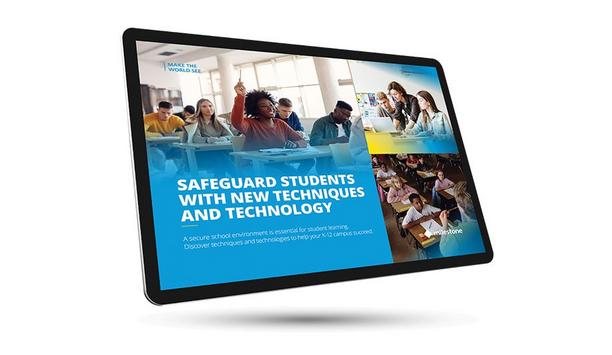
Safeguard Students With New Techniques And Technology
Download
Cybersecurity in Keyless Access Management
Download
Assessing Safety Readiness For Education Campuses
Download
Preparing Your Organization With Quality Situational Awareness
Download
Expanding Video Surveillance In The Enterprise Market
Download