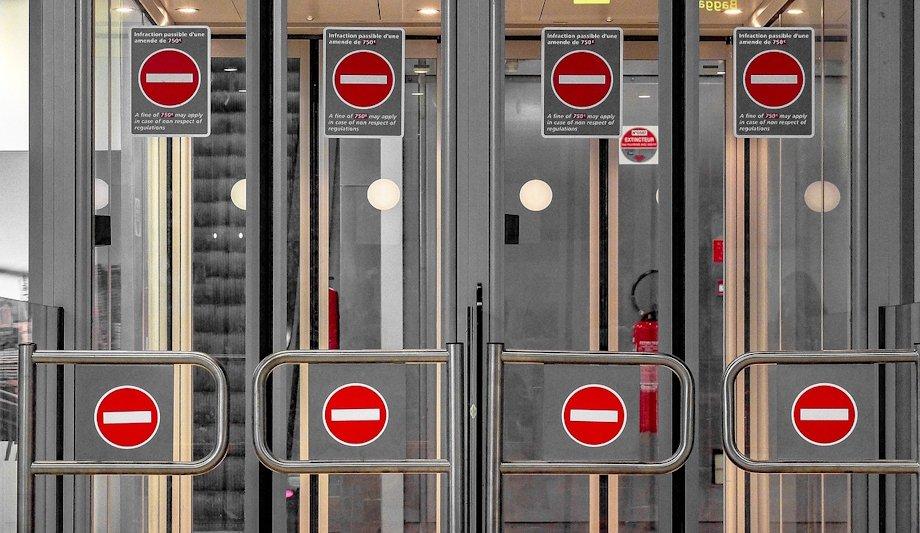
In the world of airport security, significant strides have been made to address evolving threats and accommodate the ever-growing number of global air travelers. Transitioning from manual inspections to technologically advanced systems, airports are prioritizing both safety and efficiency. Continuous improvements in airport security systems remain essential to providing a secure transit environment for millions of passengers worldwide.
The increasing use of biometric technology in airport security underscores its role in enhancing safety and streamlining operations. By using distinctive physiological traits such as fingerprints, facial characteristics, and iris patterns, these systems boost security while facilitating smoother, faster passenger processing from check-in to boarding. The global pandemic accelerated the adoption of contactless biometric systems, offering a more sanitary and secure travel experience.
Modern CCTV systems in airports have evolved from basic surveillance tools into comprehensive security solutions that incorporate Artificial Intelligence and Machine Learning. These advanced systems provide real-time analytics to swiftly identify and address unusual activities. As per the Civil Aviation Authority, busy airports in the UK demand such capabilities to ensure safety and manage large passenger volumes effectively. Insights from these systems help allocate security resources strategically and preempt security risks.
Securing access to critical airport areas is vital for passenger and asset protection. Advanced door entry systems using technologies like smart cards, biometrics, and multi-factor authentication limit access to approved personnel, strengthening physical security. These systems also maintain detailed logs of entries to sensitive areas, supporting accountability and aiding investigations if incidents occur.
Comprehensive airport security involves integrating various technological solutions such as biometric identification, CCTV surveillance, and sophisticated entry systems within a robust cybersecurity framework. This integration fosters seamless communication and adaptability among security technologies, creating a thorough, efficiently managed security environment that is ready to meet emerging threats.
Artificial Intelligence has revolutionized airport security by introducing predictive analytics and automation that enhance the effectiveness of security protocols. AI is embedded in numerous security components, including surveillance and access control, providing a smart, adaptive management approach. AI-enabled systems can autonomously identify and alert authorities of suspicious activities, enhancing threat detection and response times. Its ability to analyze and learn from data further refines airport security.
In an era defined by data and connectivity, the digital security of physical security systems becomes crucial for airport safety. Cybersecurity measures protect biometric scanners, CCTV networks, and entry systems from cyber threats. Robust cyber defenses, such as firewalls, encryption, and regular audits, ensure these technologies operate securely without being compromised, preventing data breaches and digital disruptions.
Standardized security protocols and international cooperation contribute to a secure and efficient passenger experience worldwide. Organizations such as the International Civil Aviation Organization (ICAO) and regional authorities develop guidelines shaping global airport security measures. By sharing knowledge and intelligence, airports collectively enhance security and provide consistent experiences for travelers across different destinations.
The evolution of airport security has led to increasingly sophisticated measures designed to address escalating numbers of travelers and complex threats. As the future presents new challenges, the integration of technology, strategic planning, and proactivity in security management will ensure safer air travel and secure journeys.
Navigating through the annals of airport security, one discerns a compelling narrative of evolution and innovation tailored to address the fluctuating threat levels and the burgeoning number of air travelers globally.
From manual checks to the current era, where technology plays an instrumental role in securing airports, the trajectory of advanced airport security systems illustrates a relentless pursuit of enhanced safety and efficiency.
The paramount need to shield airports from potential threats has propelled continuous advancements in their security systems, ensuring a safe transit space for millions of passengers.
Biometric security
A surge in the adoption of biometric technology within airport security paradigms exemplifies the integration of enhanced security with operational efficiency.
Biometric security systems, leveraging unique physiological characteristics such as fingerprints, facial features, and iris patterns, not only fortify security but also streamline passenger flow through airports.
By automating identification processes, airports can ensure secure and expedited transitions for passengers, from check-in to boarding, while minimizing queues and facilitating smoother operations. The global pandemic further bolstered the adoption of contactless biometric systems, contributing to a safer and more hygienic travel environment.
Advanced CCTV systems
CCTV systems within airports have transcended beyond mere surveillance to become comprehensive security solutions, interweaving advanced technologies such as Artificial Intelligence and Machine Learning.
Modern CCTV systems provide real-time analytical data, enabling security personnel to detect and respond to anomalous activities swiftly and effectively. According to the Civil Aviation Authority, the UK hosts some of the world’s busiest airports, necessitating a vigilant eye that can concurrently ensure safety and manage enormous passenger volumes.
The data and insights derived from these advanced CCTV systems are pivotal, enabling strategic deployment of security resources and facilitating preemptive actions against potential security breaches.
Sophisticated door entry systems
Ensuring secure access to critical areas within an airport is paramount to safeguarding both passengers and assets. Advanced door entry systems, which employ technologies such as smart cards, biometrics, and multi-factor authentication, restrict access to authorized personnel, thereby fortifying physical security barriers.
These systems not only deter unauthorized access but also provide a traceable log of entries and exits to sensitive zones, ensuring accountability and enhancing investigative capabilities in the event of a security incident.
Unified airport security systems
Conjoining the various strands of security technologies, unified airport security systems stand out as a beacon for the future trajectory of airport security. Integration of biometric security, CCTV surveillance, and advanced door entry systems, underpinned by a robust cybersecurity framework, manifests as a cohesive security apparatus that is both resilient and adaptive.
By fostering seamless communication and interoperability among various security technologies, airports can cultivate an environment that is comprehensively secure, efficiently managed, and prepared to adapt to the evolving threat landscape.
Power of Artificial Intelligence
The advent of Artificial Intelligence (AI) has inaugurated a new chapter in the book of advanced airport security systems, by adding a layer of predictive analytics and automated functionalities that enhance the responsiveness and effectiveness of security protocols.
AI integrates into various facets of security systems, including CCTV surveillance and access control, offering a smart, adaptive, and highly efficient security management approach.
For instance, AI-enabled cameras can autonomously identify and alert security personnel about suspicious activities, unattended objects, or crowd anomalies, ensuring that potential threats are identified and mitigated in real-time. Furthermore, AI’s capability to analyze and learn from data enables airports to continually refine and augment their security measures based on emerging trends and threat patterns.
Cybersecurity
In an era where data is paramount and connectivity is pervasive, safeguarding the digital realms of physical security apparatus emerges as a pivotal facet of airport security.
Cybersecurity in airport security systems ensures that the technologies deployed, such as biometric scanners, CCTV networks, and door entry systems, are impervious to cyber-attacks and data breaches. A secure cyber framework not only protects sensitive data from being compromised but also ensures that the integrated security technologies function cohesively without being sabotaged digitally.
This includes employing firewalls, encryption, and multi-factor authentication, and also ensuring regular audits and updates to safeguard against evolving cyber threats, thereby maintaining the integrity and functionality of the physical security infrastructure.
Standardization in airport security
As air travel inherently connects various corners of the globe, the standardization and collaboration in security protocols across international borders are essential to ensuring a universally secure and efficient passenger experience.
The International Civil Aviation Organization (ICAO) and various regional bodies work towards crafting guidelines and standards that shape the security protocols of airports globally. Through international collaboration, airports can share insights, innovations, and threat intelligence, enabling a collective enhancement of security measures.
Additionally, standardized security practices ensure that passengers encounter a consistent and predictable security process, irrespective of their travel destination, thereby enhancing passenger experience and global security simultaneously.
Monumental advancements
In conclusion, the paradigm of airport security has witnessed monumental advancements, each epoch ushering in more refined and robust security measures.
As the volume of air travelers escalates and the complexity of potential threats magnifies, the continuous evolution and integration of advanced airport security systems remain paramount.
In navigating towards a future laden with unseen challenges, the harmonious fusion of technology, strategy, and proactive security management will steer the course towards safer skies and secure journeys.