
 |
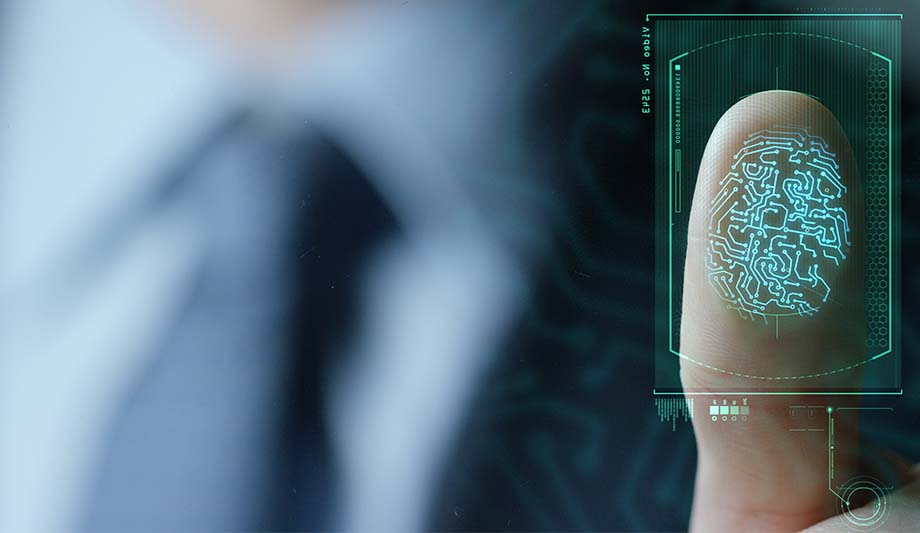
| Biometric solutions are replacing PINs at physical ATMs and providing a more fool-proof form of identification for banking security |
Biometrics is seeing especially rapid adoption rates throughout the worldwide banking infrastructure, particularly at the ATM and teller counter, says Phil Scarfo, VP worldwide marketing, biometrics, HID Global.
“There are also opportunities for biometrics to improve security by enabling transaction-based authentication for online and mobile banking”, he says. Apart from the usual video security and CCTV solutions that are being widely used, biometric authentication ensures enhanced protection for banks.
Interoperable Biometric Authentication Devices For Payments & Mobile Banking
Popular use cases include a) PIN replacement at physical ATMs; b) proof-of-presence (such as pension benefit distribution) that requires liveness detection; c) more easily authenticating multiple transactions during a single ATM session; d) incorporating biometric information directly into a smart device; and e) the ability to leverage investments in biometric enrolment databases across multiple applications.
An example of the latter is when fingerprint authentication on mobile devices used for payments and secure mobile banking is also used in conjunction with enrolled information for authentication at an ATM. The availability of interoperable authentication devices would permit cross-bank usage and pave the way for many new applications in the future.
When multi-spectral fingerprint technology is combined with a trusted biometric authenticator, it can enable new user experiences that are highly inclusive, non-intrusive and secure, says Scarfo. In one example, a financial institution has enabled customers to enjoy card-less processing, which improves security by eliminating the need for PINs while offering the convenience of making their finger the only required personal “key” or “wallet” for accessing cash and conducting other transactions at an ATM. Users simply enter their account number and confirm the transaction with a fingerprint. The bank that took this to market established a competitive advantage over its peers who did not offer the service, which resulted in the successful acquisition of new customers who made the switch specifically for this reason.
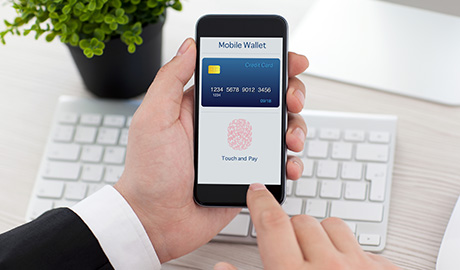 |
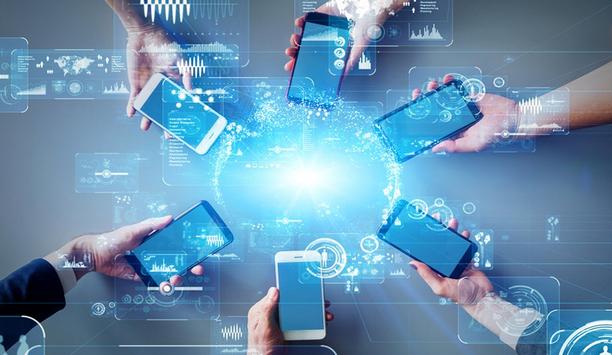
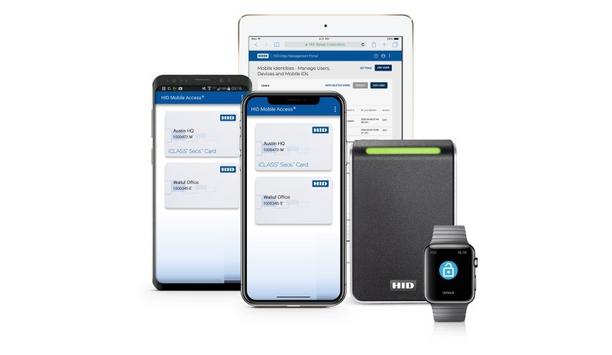
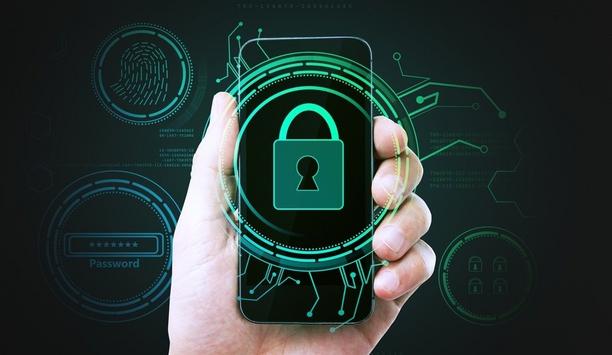
| Biometric solutions on smart devices combine security and convenience for the user, removing the need for bank cards to make cash transactions |
Biometrics Identity-Proofing Reduces Risk Of Fraud & Identity Theft
Scarfo says many countries use biometrics to strengthen the chain of trust across many different types of transactions – from banking to citizen ID applications like pension delivery and public healthcare services.
By enrolling a citizen’s fingerprints and then creating an ecosystem in which these transactions are strongly tied to that individual’s biometrics, the potential for fraud and identity theft approaches zero, says Scarfo, and the process is simple and convenient for users.
The biometric for identity-proofing each transaction must interoperate with trusted devices at each verification point (including PCI-compliance readers and mobile devices bound to their owners), and there must be adequate liveness detection and identity proofing across all transactions.
Scarfo says HID Global’s Lumidigm biometric authenticator exemplifies this approach for creating a device-independent, trusted physical identity verification process. It connects to an institution’s systems through a cryptographically secure channel protected by hardware tamper detection and response, establishing trust between devices and the institution’s systems independent of intermediate systems and networks.
The device performs a finger scan with best-in-class liveness detection to ensure the person transacting is the one that enrolled the fingerprint. Extending this concept, if a card, smartphone, PID pad, or other form of authentication is then presented for authentication, each is also confirmed by the biometric to ensure true identity verification was performed in a trusted manner.
Understand how converged physical and cybersecurity systems can scale protection.