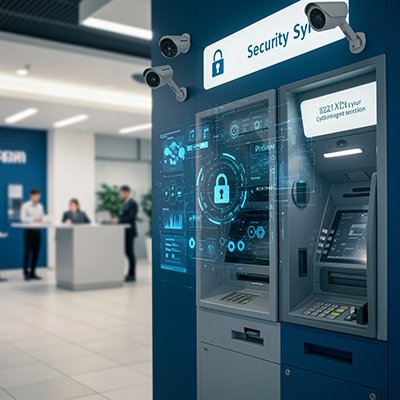
The expansion of electric vehicle (EV) charging infrastructure in rural and lesser-developed areas has inadvertently created vulnerable spots targeted by organized crime groups, particularly for the theft of valuable copper cabling.
According to recent government statistics, rural installations have increased by 45% in the last year, surpassing the 35% growth rate in urban regions. These installations form a crucial part of the UK's 2030 infrastructure objectives but present a unique security challenge due to their remote locations, which often provide minimal surveillance and convenient escape paths for criminals.
AI-Powered Security Solutions
To counteract this issue, G4S has implemented AI-driven security technologies at the charging ports under its protection. This initiative has resulted in a significant 40% reduction in vandalism and cable theft across nationwide sites. These advanced security measures signify a shift from traditional surveillance recordings to proactive, real-time interventions.
Copper's rising value has fueled concerns about increased theft, with each cable containing approximately £25 worth of metal. Criminals are employing sophisticated methods, such as using cloned contractor vehicles and high-visibility gear, to masquerade as legitimate workers and strip sites in broad daylight, leading to rapid deactivation of entire charging hubs.
Reputational Risks and Security Strategies
The consequences of charging point outages extend beyond repair costs
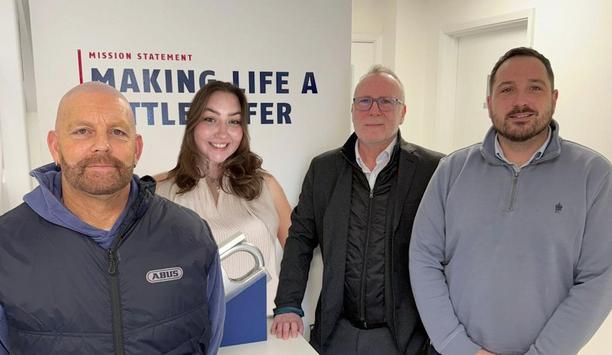
The consequences of charging point outages extend beyond repair costs, posing a threat to the reputation of charge point operators (CPOs). Simon Martindill, Head of the G4S Academy for UK & Ireland, highlighted the broader financial implications of copper theft: "While a thief might only net £25 in scrap copper per cable, the Charge Point Operator faces a costly bill when accounting for repairs, lost revenue, reputational harm with customers, and the risk of heavy government fines for service downtime."
As installation increases in remote areas, criminal groups are exploiting jurisdictional gaps across county lines. Martindill emphasized the critical importance of proactive security: "By using AI-powered technology to detect and challenge suspicious activity in real-time, we are helping operators move from reactive recording to active prevention - which has already resulted in a 40% reduction in theft and vandalism across our hubs."
Layered Defense with AI-Driven Systems
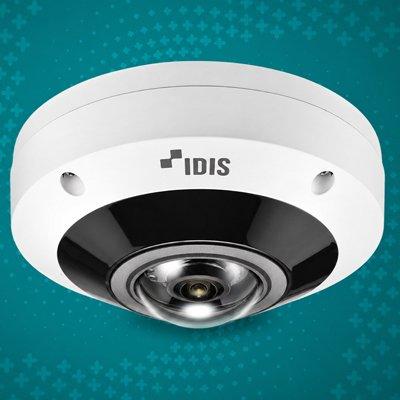
The G4S "Smart Edge" security model offers a proactive approach, surpassing traditional CCTV, which often only captures events post-occurrence. Through AI analytics, G4S systems are capable of identifying suspicious behavior like loitering or unusual heat signatures, triggering immediate deterrent actions.
The comprehensive defense strategy includes:
- Alerting: AI analytics identify and alert to suspicious activity.
- Audio Deterrence: Speakers warn offenders they are under surveillance.
- Live Intervention: Remote operators challenge individuals via two-way audio.
- Mobile Response: Deployment of on-ground security teams for site security and evidence collection.
Impact on Business Model
This G4S-managed security framework, deployed across 76 hubs nationwide, achieved a reported 40% reduction in vandalism and cable theft in just six months.
Additionally, remote troubleshooting capabilities have lowered physical site visits by 25%, supporting the commercial viability by enabling centralized management. A single operator can oversee all sites effectively despite their dispersed geographical locations.
A sharp rise in the installation of electric vehicle (EV) charging points in rural and underdeveloped areas is creating a dangerous security blind spot that is being exploited by organized crime groups seeking high-value copper cabling.
Rural installations of charging ports surged by 45% last year - outpacing the 35% growth seen in urban settings according to recent government data - and are essential for the UK’s 2030 infrastructure goals. However, this rapid roll-out into isolated areas, often near motorway gateways, provides criminals with the perfect combination of zero surveillance and quick escape routes.
AI-powered security technology
To combat this, G4S has deployed AI-powered security technology at charging ports it protects that has already slashed vandalism and cable theft by 40% across nationwide hubs - moving the industry from reactive recording to proactive, real-time intervention.
There is concern the number of thefts will grow, with the value of copper inside each cable having risen significantly in the past year - each one now contains around £25 worth of metal. Criminal gangs are also using increasingly sophisticated "guerrilla" tactics to strip sites in broad daylight. They frequently use cloned contractor vans and high-visibility PPE to pose as legitimate maintenance crews, disabling entire charging hubs in minutes.
Significant reputational damage
While the impact of charging bays being unavailable extends beyond just repair costs. The network charge point operator faces significant reputational damage, with consumers being less likely to return to a charging port if it is out of action.
Simon Martindill, Head of the G4S Academy for UK & Ireland said: "While a thief might only net £25 in scrap copper per cable, the Charge Point Operator (CPO) faces a costly bill when accounting for repairs, lost revenue, reputational harm with customers, and the risk of heavy government fines for service downtime.”
Challenging suspicious activity
“The increase in rural and underdeveloped locations will be seen as an opportunity by gangs - who are already increasingly operating across county lines to exploit gaps in local police jurisdiction.”
“This is why proactive security is so vital. By using AI-powered technology to detect and challenge suspicious activity in real-time, we are helping operators move from reactive recording to active prevention - which has already resulted in a 40% reduction in theft and vandalism across our hubs.”
AI-powered analytics
G4S’s proactive "Smart Edge" security model moves beyond traditional CCTV, which often only records a theft after the damage is done. By utilising AI-powered analytics, the G4S system can detect suspicious behavior - such as loitering or unusual heat thresholds - and trigger immediate deterrents.
The layered defense system includes:
- Alerting: Analytics identify unusual or suspicious behavior and flag an alert.
- Audio Deterrence: AI-triggered speakers that warn offenders they are being monitored in real-time.
- Live Intervention: Remote security operators who can challenge individuals via two-way audio.
- Mobile Response: Rapid dispatch of physical security teams to secure the site and gather evidence.
Commercial business model
In a nationwide rollout across 76 hubs, this G4S-managed security architecture achieved an estimated 40% reduction in vandalism and cable theft within the first six months.
Additionally, remote visual troubleshooting has allowed operators to reduce physical site visits by 25%, further protecting their commercial business model. Managing the bays centrally allows a single staff member to have a consolidated view of all of the bays - which is particularly important given the geographically dispersed nature of the bays.