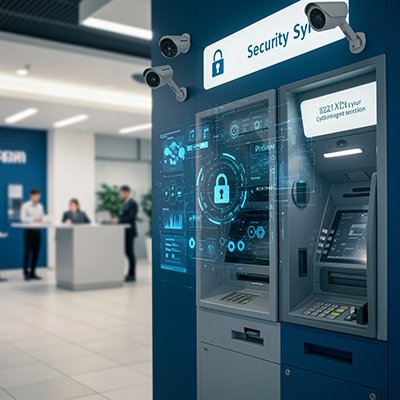
In workplaces across the globe, those small pauses for security checks—like searching for a keycard or slowing down at a security desk—are more than just minor inconveniences; they add up to what can be termed a Productivity Tax. These brief interruptions can affect daily efficiency and leave team members frustrated before even reaching their stations.
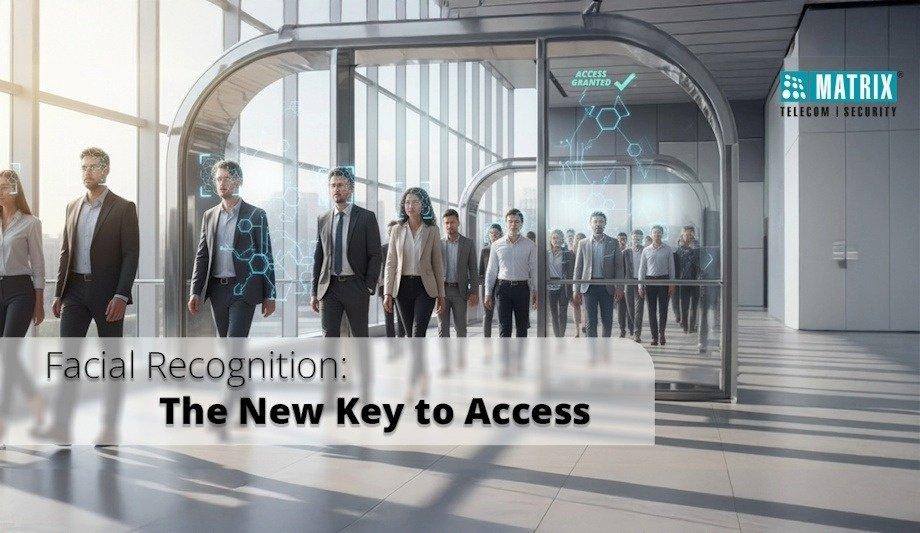
Imagine a future where this friction is removed with a mere glance, where access control becomes an invisible, seamless part of the day. This vision of improved efficiency begins with the adoption of modern face recognition technology, emphasizing the crucial attribute of speed.
Speed as a Strategic Advantage
In the business landscape, speed serves as a strategic advantage, differentiating pioneers from the followers
In the business landscape, speed serves as a strategic advantage, differentiating pioneers from the followers. This same principle applies to access control systems, which traditionally have compromised by prioritizing security over pace.
However, facial recognition technology offers the ability to merge quick access with high security. By transitioning from the concept of “checking in” to “walking through,” organizations can significantly enhance operational speed.
With traditional systems, identity verification can take between 5-10 seconds per person, longer if a badge is forgotten. In contrast, advanced face recognition systems can verify identity in under one second, turning congested entry points into efficient, seamless entrances.
From Clicks to Glances
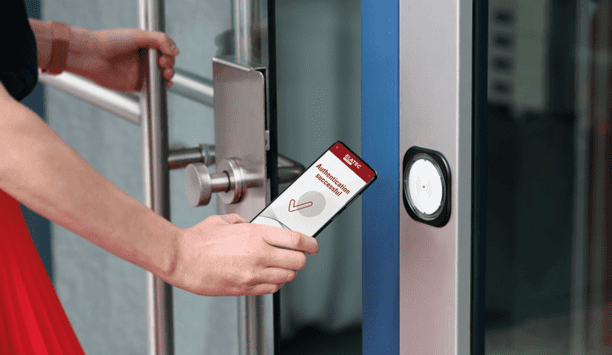
The most efficient workflows are those that people don't even notice. By eliminating the need for tangible items like badges and passwords, facial recognition technology transforms access into a subconscious, hands-free action.
This seamless experience not only adds convenience but also lays the groundwork for a more focused and productive workplace.
Beyond Speed: A Smarter, More Secure Foundation
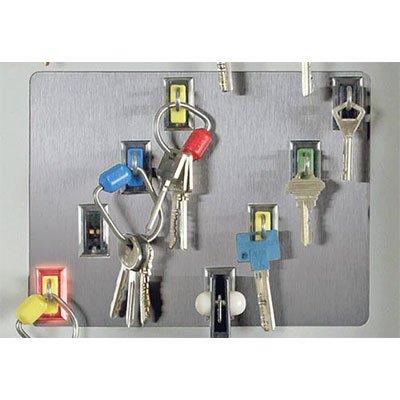
Traditional forms of label are susceptible to loss, duplication, or sharing, introducing vulnerabilities
Though speed is a primary benefit, the underlying security and intelligence of these systems is just as critical. A rapid system is meaningless if it's not secure.
Traditional forms of identification are susceptible to loss, duplication, or sharing, introducing vulnerabilities. Passwords too, can be complicated by breaches or forgetfulness, increasing IT burdens.
Facial recognition mitigates these concerns by directly linking credentials to individuals, achieving over 99% accuracy, and utilizing advanced liveness detection to prevent unauthorized access through spoofing.
A Unified Solution
As organizations expand, maintaining a badge-based system becomes cumbersome with the logistical demands of card reissuing and permission management. Facial recognition offers a streamlined, scalable solution that manages identities centrally and efficiently.
The Future of Faster and Smarter Access
This technology is already proving effective in high-pressure, high-traffic settings. A transformative example is Dubai International Airport's implementation of a "smart tunnel" utilizing facial recognition. This innovation has redefined passenger processing, replacing long passport queues with a quick, automated identity confirmation, allowing travelers to proceed smoothly.
Beyond convenience, this approach significantly cuts down passenger wait times and congestion, while bolstering security via a more reliable, non-transferable form of identification. Dubai’s initiative stands as a clear demonstration of facial recognition’s positive impact when deployed thoughtfully.
On September 29th, the potential of this advanced technology will be showcased at Intersec KSA, a prominent event in the security industry. Attendees will have the opportunity to experience firsthand how face recognition technology can revolutionize their business operations, reinforcing the notion that the future of access control is not something one carries—it's an inherent part of the individual.
Every morning, it happens in offices everywhere: that tiny, almost imperceptible delay. The brief pause to find a keycard, the slow queue at the security desk, the momentary friction that interrupts the rhythm of the day. This isn't just a minor annoyance—it's a Productivity Tax. These small moments add up, draining efficiency and leaving teams frustrated before they even get to their desks.
But what if they could eliminate that friction with a single glance? What if access control wasn't a barrier they had to navigate, but an invisible, effortless part of the day? This is the promise of modern face recognition technology, and it starts with one critical factor: speed.
Speed as a strategic advantage
In the world of business, speed is a strategic advantage. It's what separates market pioneers from the rest. The same principle applies to access control. For years, they've settled for systems that prioritize security at the cost of speed. But the best solutions deliver both.
Face recognition is the key to unlocking this dual advantage. It's about moving from a system of "checking in" to a system of "walking through."
- The Power of a Second: Traditional systems can take 5-10 seconds per person—more if they forget their badge. A state-of-the-art face recognition device can verify an identity in less than one second. This rapid authentication eliminates bottlenecks at peak hours, transforming entry points from congested zones into seamless flows.
- From Clicks to Glances: The most efficient workflow is one they don't even have to think about. By eliminating the need for badges, passwords, or even a swipe of a finger, face recognition makes the act of gaining access a natural, subconscious action. This hands-free, frictionless experience is not just a convenience—it’s a foundation for a more productive and focused work environment.
Beyond speed: A smarter, more secure foundation
While speed is the headline benefit, it's underpinned by a foundation of superior security and operational intelligence. A fast system that isn't secure is useless.
- Enhanced Security: Traditional cards can be lost, cloned, or shared, creating obvious security vulnerabilities. Passwords can be breached or forgotten, leading to costly IT support tickets. Face recognition links the credential directly to the individual. High-end systems achieve over 99% accuracy, and as they'll explore in the next blog post, they use advanced liveness detection to prevent spoofing with photos or videos.
- A Unified Solution: Speed is also a key factor in scalability. As a business grows, a badge-based system becomes a logistical nightmare of re-issuing cards and managing user permissions. A face recognition system simplifies this, providing a unified platform that manages identity at its source.
The future of faster and smarter access
The technology is now a proven solution in high-stakes, high-traffic environments. Consider the transformation at major international hubs like Dubai International Airport.
By implementing a "smart tunnel" that utilizes facial recognition, the airport has fundamentally changed the passenger experience. Instead of waiting in long queues for a passport officer, travelers simply walk through a short, automated corridor. The system instantly verifies their identity and travel documents in seconds, allowing them to proceed without breaking stride.
Future of access control
This isn't just about convenience. This streamlined process has significantly reduced passenger wait times and congestion, while simultaneously enhancing security by providing a more reliable and non-transferable form of identification. The case of Dubai's smart tunnel is a powerful testament to the fact that when implemented responsibly, facial recognition technology can make a measurable impact on both productivity and security.
On September 29th, they’re bringing this future to the heart of the security industry at Intersec KSA. They invite them to experience the latest technological addition, firsthand, and discover what a single second can do for their business. Because the future of access control isn't something they carry—it's something they are.