
The Chertoff Group, a global security advisory firm that provides risk management, business strategy and merchant banking advisory services, today announced that its Security Risk Management Consulting Methodology has been approved as a designated SAFETY Act “qualified anti-terrorism technology.” The Chertoff Group is one of the only professional services companies in the world to have achieved SAFETY Act designation across all industries for its proven Security Risk Management Consulting Methodology.
The Chertoff Group developed its SAFETY Act-approved methodology to enable organizations to assess, mitigate and monitor physical and cyber security risks
Security risk management
According to the Global Terrorism Database, there were 5,367 terrorist attacks directly targeting businesses between 2001 and 2016. The Chertoff Group developed its SAFETY Act-approved methodology to enable organizations to assess, mitigate and monitor physical and cyber security risks to their people, facilities and technology assets as well as to the business operations they support. The service helps clients assess current security measures and, as appropriate, build out a security risk management program to deter, protect against, respond to and recover from key threat scenarios, as appropriate. Additionally, the firm provides a risk monitoring service to evaluate the effectiveness of controls being implemented. The methodology is flexible and modular, allowing it to be applied to address risks specific to an organization’s unique operating environment.
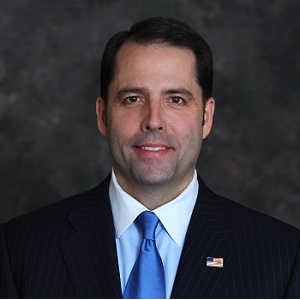
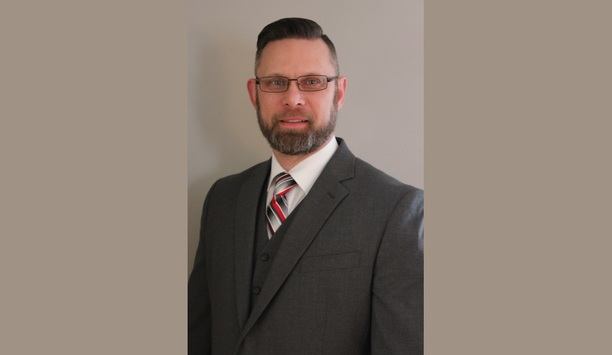
“Achieving SAFETY Act designation is a key milestone in the continued advancement of our firm’s thought leadership and advisory services capabilities,” said Chad Sweet, co-founder and CEO of The Chertoff Group. “It puts us in a unique position to help our clients buy down security risk while also addressing liability protection.”
To obtain SAFETY Act-approval, The Chertoff Group had to prove that its methodology demonstrated substantial utility and effectiveness
Effective anti-terrorism capabilities
In 2002, the U.S. Congress enacted the Support Anti-Terrorism by Fostering Effective Technologies (SAFETY) Act to foster development of effective anti-terrorism capabilities by providing important legal liability protections to sellers of capabilities that could save lives in a terrorist attack. The SAFETY Act creates liability limitations for claims arising out of, relating to, or resulting from an act of terrorism where Qualified Anti-Terrorism Technologies (QATTs) have been deployed. The statute has been interpreted to apply to a broad range or combination of technologies, including both products (hardware and software), services and programs.
To obtain SAFETY Act-approval, The Chertoff Group had to prove that its methodology demonstrated substantial utility and effectiveness, as well as availability for immediate deployment, among other factors.