Parking bollards play a crucial role in controlling vehicle access, safeguarding properties, and ensuring the safety of pedestrians and drivers.
With various types of parking bollards available, it's essential to understand their uses to determine the most suitable option for specific needs.
Different Types of Parking Bollards
Delta Scientific offers a range of parking bollards, each tailored for distinct applications and security levels. Notable options include:
- Fixed Bollards: Ideal for areas requiring constant vehicular protection, such as sidewalks and storefronts, these bollards are also well-suited for high-traffic zones like drive-throughs.
- Removable Bollards: These can be swiftly deployed or removed, making them popular for managing increased traffic during major events.
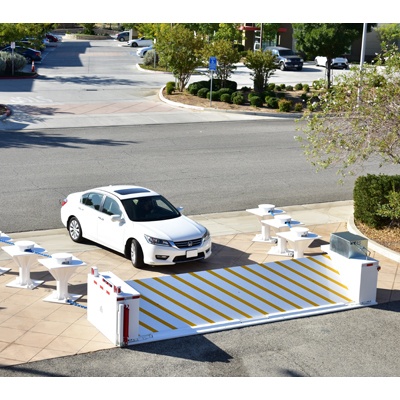
- Automatic Bollards: Suitable for high-security locations, such as government buildings, these can be raised or lowered via remote control or other security systems.
- Retractable Bollards: Designed to retract into the ground when not in use, retractable options offer a convenient and visually unobtrusive alternative to fixed installations.
Enhancing Pedestrian Safety
Parking bollards enhance pedestrian safety, raise driver awareness about potential obstacles, and protect properties from vehicular damage.
They are also beneficial in preventing illegal parking and ensuring smooth traffic flow in parking lots, driveways, and streets. Additionally, bollards can be used to redirect traffic during emergencies, providing a secure zone for first responders.
Installing Parking Bollards
Ensure that automatic and retractable bollards function smoothly with their control devices
Before installation, assess the environment, the required number of bollards, and the best type for the site. Preparation involves setting up the worksite, which may include excavation, leveling, and inspecting for underground utilities.
Permanent bollards need to be securely anchored, while retractable bollards require sufficient underground space for retraction. Ensure that automatic and retractable bollards function smoothly with their control devices, and check the stability of fixed bollards.
Compliance with the Americans with Disabilities Act (ADA) is crucial, ensuring that bollards do not obstruct access aisles next to accessible parking spots. Regular inspections for damage or wear and tear are recommended to maintain bollards in optimal condition.
Parking bollards are key tools for limiting vehicle access, protecting properties, and keeping pedestrians and other drivers safe. However, there are several different types of parking bollards available, with different pros and cons for each one.
It’s important to understand where parking bollards are most useful to evaluate whether a specific type is the right solution.
What types of parking bollards are there?
At Delta Scientific, they offer several kinds of parking bollards, each designed for specific applications and security levels. Here are some popular options in their inventory:
- Fixed Bollards: They recommend these for areas that need constant protection from vehicle traffic, such as sidewalks or storefronts. This type of parking bollard is also popular in areas that experience a lot of traffic, such as drive-through windows.
- Removable Bollards: This style can be quickly set up and taken down as needed. They can often be seen during major events to direct a greater volume of traffic in the area.
- Automatic Bollards: These are best for high-security facilities or government buildings, as they can be raised or lowered using a remote control or another security system.
- Retractable Bollards: When these bollards aren’t needed, they can quickly retract into the ground, offering a convenient and cost-effective option for all kinds of properties. This option is also helpful in areas where fixed bollards could be an eyesore.
Boosting pedestrian safety
The benefits of parking bollards include boosting pedestrian safety, increasing drivers’ awareness of certain obstacles, and protecting property from traffic.
Bollards can also be useful in parking lots, driveways, and streets to prevent illegal parking and keep traffic flowing smoothly. Another important use for parking bollards is redirecting traffic during emergencies, creating a safe zone for first responders to appropriately address the situation.
How to set up parking bollards
Before setting up parking bollards, it’s important to evaluate the type of environment the bollards will be in, how many bollards the space will require, and which type of bollard is the best fit. Then, it is time to focus on properly setting up the worksite, which may involve excavating, leveling, and checking for underground utilities that could be affected.
Permanent bollards must be anchored securely to the foundation, whereas retractable bollards will need space underground to hide when not in use. Check to see if the automatic and retractable bollards operate smoothly and reliably with the remote control devices. If users have fixed bollards, thoroughly assess their stability.
Make sure to remain compliant with the Americans with Disabilities Act (ADA by ensuring that the bollards will not block the access aisles adjacent to accessible parking spots. They recommend frequently checking the bollards for signs of damage or wear and tear to keep them in optimal condition.