As 2026 approaches, a year anticipated to be pivotal for global sporting events, host cities face the formidable task of ensuring the safety of both residents and visitors.
Major events, ranging from winter sports competitions to top-tier soccer tournaments, require extensive preparation not only for athletes but also for the teams responsible for security.
These two groups share common objectives: employing the latest tools and technologies to enhance reaction times, make split-second decisions, and adapt swiftly to dynamic conditions.
An Integrated Safety Ecosystem
The challenge of maintaining security in such high-stakes environments is well understood by Hexagon, a company with experience supporting various host cities, including Paris, London, Rio de Janeiro, and Vancouver, since Calgary in 1986. Ensuring the wellbeing of participants and spectators necessitates a highly coordinated ecosystem extending beyond the confines of sports venues.
Cities designated to host major sporting events often see significant investment in infrastructure, encompassing new venues, public areas, accommodations, and transportation links. This investment is aimed at promoting the country on a global stage while leaving a lasting legacy. Meanwhile, security experts and public safety organizations work in tandem to manage risks and coordinate swift responses to emerging situations.
Security Technologies and Systems
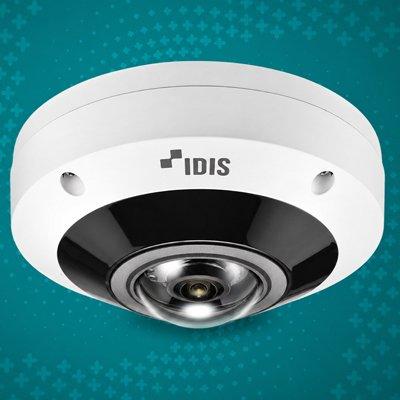
Video technology is central to security, evolving from analog cameras to IP systemsVideo technology remains a crucial component in security efforts, with advances from analog to IP cameras and recent introductions of body-worn video, facial recognition, and drones. The scale of deployment continues to expand, as exemplified by Mexico City, which is installing an additional 40,000 cameras for upcoming soccer events.
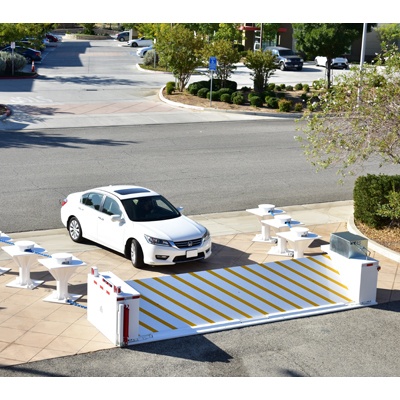
Complementing video technology are various mission-critical systems, including access control, perimeter protection, public address systems, alarms, and sensors.
Unified Command with Video Management Systems
A practical example of these technologies in action is a host city’s implementation of a comprehensive safe-city solution. This system merges disparate data sources into a unified operational framework, integrating video, audio, radio, geolocation data, and web inputs. Thousands of cameras are connected to a central video management system, linked to an integrated command and control center.
This setup enables operators, using resources such as 40 desktop workstations and a PSIM interface developed with local law enforcement, to execute operations using automated response plans and adaptive workflows. The system can automatically identify issues such as overcrowding, loitering, unattended baggage, and perimeter breaches, while also safeguarding critical infrastructure and aiding in traffic and congestion management.
Streamlining Event Management
For events with tight schedules and significant attendee numbers, seamless integration is essential. Any disruption, such as a train incident or road closure, could lead to logistical challenges or empty venues on critical days. A real-time, comprehensive view of the situation allows teams to effectively orchestrate responses ranging from traffic redirection to full-scale evacuations.
Additionally, technologies installed for safety purposes can enhance event operations, particularly in competitions spanning large areas, like marathons or motorsports. An example is a famous French racetrack employing its video management system year-round for security, while also providing race marshals with live visuals during events to support on-the-spot decision-making.
Continuous Security Evaluation
Ongoing evaluation of security strategies is vital for preparedness and public safetyWhile few cities are home to the globe's largest sporting events, many face similar challenges such as seasonal tourism and major public gatherings. These cities must stay adaptable to an evolving landscape of geopolitical realities, emerging threats, and increasing demands for public safety.
Continuous evaluation of security strategies is crucial, enabling cities to better prepare for adversities and ensure the safety of infrastructure, public spaces, and their inhabitants.
2026 is set to be a banner year for sporting events around the globe. From the winter games to the world’s premier soccer tournament happening this summer, host cities will be under tremendous pressure to keep residents and visitors safe.
When athletes take to the field or hit the slopes, it always marks the culmination of years of planning and preparation — not only for the competitors, but also for the teams responsible for their safety and security.
In many ways, both groups share similar goals: using the latest tools, technology and training to reduce friction, sharpen reactions, make split‑second decisions and quickly adapt to changing conditions.
An integrated ecosystem
Rising to these challenges is something that Hexagon knows well, having supported customers in multiple host cities, including Paris, London, Rio de Janeiro, Vancouver, Turin and others, going as far back as Calgary in 1986.
Ensuring the safety of participants and spectators is always a top priority. Achieving it requires building and managing a tightly integrated ecosystem that reaches far beyond the slopes or stadiums. When a city is awarded host status for a major sporting event, it typically triggers massive investment in new venues, public areas, accommodations, commercial developments and transport links — designed both to showcase the nation globally and to create a lasting legacy.
In parallel, security specialists and public safety organizations collaborate to mitigate risks and coordinate fast, effective responses to emerging situations.
Security systems
Video technology has long been a cornerstone of these efforts. Over the decades, we’ve seen the evolution from analog to IP cameras, and more recently, the adoption of body‑worn video, facial recognition and drones. Scale continues to increase as well; for example, Mexico City has reportedly deployed 40,000 additional cameras in preparation for upcoming soccer events.
Alongside video are numerous other mission‑critical systems — access control, perimeter protection (from traditional fencing to advanced LiDAR), public address systems, alarms and sensors.
Video management system
To illustrate how these elements come together, one of the customers in a host city implemented a comprehensive safe‑city solution to merge disparate data sources into a single operational picture. Multiple systems — including video, audio, radio, geolocation data and web inputs — were integrated into a common framework.
Thousands of cameras fed a central video management system that connected to an integrated command and control centre. Operators used 40 desktop workstations and a PSIM interface, developed in collaboration with local law enforcement, to coordinate operations using automated response plans and adaptive workflows.
This system enabled authorities to automatically detect overcrowding, loitering, unattended baggage and perimeter intrusions. It also protected critical infrastructure and supported traffic monitoring, congestion management and the detection of illegal parking.
Ease of management and safety
Such integration is essential for events with tight schedules and large, continuous flows of people. A single train incident, road closure or protest could delay thousands and result in empty venues — an unwelcome scenario when the world is watching. A unified, real‑time view allows teams to confidently coordinate responses ranging from traffic redirection to full stadium evacuations.
Technology installed for safety can also support competition operations, especially in events spanning large areas such as skiathlons, marathons, triathlons or motorsports. One iconic French racetrack, for example, uses its VMS year‑round for security but also supplies race marshals with live and recorded visuals via a six‑screen view wall during events. This enhances on‑track decision‑making and maximizes the value of the technology investment.
Evaluating security measures
Few cities host the world’s largest sporting events, but many face similar challenges — seasonal tourism, game days, festivals and major public celebrations. They must also adapt to shifting geopolitical realities, evolving threats and rising expectations for public safety.
Every city should continually evaluate how it can better prepare for adversity and create safer, more secure environments for its people, places and infrastructure.