 |
| With Nedap’s flexlockers, students can now only claim a locker when they need it, using their existing smart card |
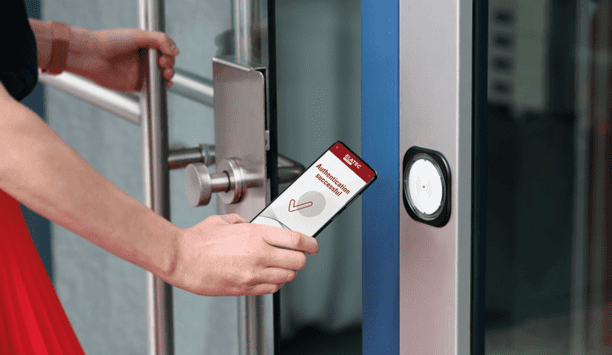
Leading university hospital, King Khalid, has saved significant time and money by shifting from traditional, key-based metal lockers to flexlockers secured by Nedap’s electronic locks. Locker key management was becoming increasingly more time consuming and expensive, but it’s important for the university to provide a safe place for students’ belongings. It consulted trusted partner Best InfoTech Solutions, which recommended Nedap’s electronic locks. Students can operate these using their existing smart card, so keys are no longer needed.
Eliminating Key Management
Eng. Hatem Al Rashdan said: “In the past, we had 1500 metal lockers, for which 1500 students all possessed their own mechanical key. Locks wore out regularly and keys got lost or stolen, so it became a real hassle to replace locks and manage the reproduction of keys. Best InfoTech Solutions, our system integrator, listened to our challenges and offered us the electronic locker management solution from Nedap. It’s a function-rich system. Students can open and close lockers using their existing smart card, so we don’t have to manage keys or replace locks anymore. And, since we have 904 lockers divided over two dressing rooms, it’s convenient that I can manage them centrally from my desktop PC. Via the web browser, I get a clear overview of all lockers and users in the building and can easily set who should have the rights to access which locker at what time. Moreover, I can also check users’ history, so I’m confident our students’ belongings are always stored safely.”
Reducing The Number Of Lockers
Eng. Hatem Al Rashdan continues: “Our new system hasn’t only enabled us to eliminate time consuming key management, it saves space too. Before, we had a personal locker for every single student, the whole year. But, in a flexible environment like a university hospital, you don’t need this because people often work in shifts. With Nedap’s electronic flexlockers, students can now only claim a locker when they need it, using their existing smart card. Once they finish their shift, they take their belongings out of the locker again and it becomes available for the next person. This has enabled us to bring the number of lockers down from 1500 to 904, resulting in a 40% space saving. We don’t have to be concerned about students keeping lockers for a long time because I’ve predefined, via the web-based application, that they can’t do this. So 904 lockers is plenty to serve all of our students.
Ready For Future Expansion
Currently, there are 452 lockers in the men’s dressing room and 452 in the women’s. King Khalid University Hospital could choose to expand this number at any time. It’s an open system, so extra electronic locking systems can easily be integrated, even if they’re not in the same building as the existing lockers.