Facing the growing complexity and speed of cyber threats alongside increased workloads and a shortage of skilled personnel, modern Security Operations Centers (SOCs) are under immense pressure.
Security teams often wrestle with alert fatigue, as many analysts spend considerable time investigating alerts that turn out to be false positives, leaving genuine threats under-addressed. Artificial intelligence (AI) is emerging as a potent solution, reshaping one of the SOC's critical tasks: incident triage. By automating the prioritization, enrichment, and investigation of security events, AI enables faster and more effective threat response.
Incident triage is essential in cybersecurity operations, involving the evaluation and prioritization of security alerts to distinguish genuine threats from false alarms. Tools such as firewalls, endpoint detection systems, and cloud security solutions produce numerous alerts daily, a significant number of which are false positives or misconfigurations. Incident triage helps ensure that security teams can quickly identify real threats from these alerts, maintaining organizational security and operational efficiency.
Without efficient triage, critical threats risk being overlooked. Analysts must evaluate the legitimacy of alerts, assess risk severity, and decide appropriate follow-up actions. Incorrectly categorizing malicious events as safe can allow attackers extended access, while excessive focus on low-risk alerts leads to delayed responses to actual threats. The ability to swiftly isolate and respond to genuine threats is crucial for fortifying an organization's defenses against cyberattacks.
Traditional triage methods rely heavily on human analysts to review alerts and correlate data across numerous tools, a scenario that becomes untenable as alert volumes grow. This workload exacerbates alert fatigue and delays response times, risking burnout among skilled professionals. AI can streamline the triage process by analyzing and prioritizing alerts based on factors like risk, context, historical data, and threat intelligence, directing analyst focus toward the most critical incidents.
Raw alerts often lack necessary context, historically requiring analysts to manually gather information across various systems. AI can automate this enrichment by collecting and correlating relevant data swiftly, including asset vulnerabilities, user activities, and more, against a backdrop of threat intelligence databases. By doing so, AI provides comprehensive insights without the manual integration effort.
AI enhances SOC efficiency by enabling analytical insights into security events, connecting disparate activities into coherent narratives. This capability extends beyond automation by improving detection accuracy and reducing false positives, thereby enhancing organizational capacity to identify and respond to real threats gradually. As AI systems learn from past incidents, they continue to refine their sensitivity to both normal and malicious activities, enhancing overall security operations.
AI aids in scaling operations as organizations expand, allowing larger volumes of alert data to be processed effectively without proportional staffing increases. By automating routine tasks and reducing repetitive work, SOC teams can channel resources into activities like threat hunting and strategic analysis. Furthermore, AI-driven triage maintains employee well-being by mitigating alert fatigue and helping retain skilled cybersecurity talent.
As cyber threats evolve, AI-driven automation will become integral to incident triage, pushing SOCs towards autonomous security operations.
While human expertise remains essential for strategic and complex tasks, AI will increasingly facilitate efficient security operations. Organizations adopting AI-driven triage stand to benefit significantly by maintaining robust cybersecurity postures amidst escalating alert volumes and accelerating threat landscapes.
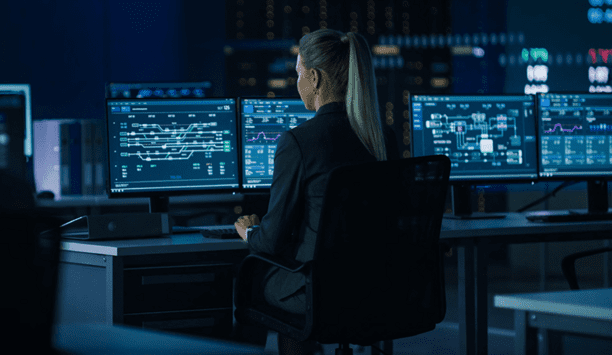
Pressure is increasing on modern Security Operations Centre (SOC). Cyber threats are growing in volume, sophistication, and speed, while security teams face increasing workloads, talent shortages, and alert fatigue. Many SOC analysts spend a significant portion of their day investigating alerts that ultimately turn out to be false positives, leaving less time to focus on genuine threats.
Artificial intelligence (AI) is helping organizations address this challenge by transforming one of the most critical SOC functions: incident triage. Rather than forcing analysts to manually review thousands of alerts, AI can automatically prioritise, enrich, and investigate security events, allowing teams to respond faster and more effectively.
AI-driven security operations
In this article, users will learn what incident triage is, why it is a fundamental part of cybersecurity operations, how AI automates the triage process, and the key benefits organizations gain from AI-driven security operations. Incident triage is the process of reviewing, assessing, and prioritising security alerts and incidents to determine which events require immediate attention and which pose little or no risk.
Every day, security tools such as firewalls, endpoint detection platforms, SIEM systems, identity management solutions, and cloud security tools generate enormous numbers of alerts. Not all alerts represent genuine threats. Some are duplicates, some are misconfigurations, and many are false positives.
Delayed response times
The purpose of incident triage is to separate meaningful threats from background noise. Analysts must determine whether an alert is legitimate, assess its severity, identify affected assets, and decide what actions should follow. Without effective triage, organizations risk overlooking critical attacks while wasting valuable resources on low-priority events.
Incident triage acts as the gateway to the entire incident response process. Every investigation begins with a decision about whether an alert deserves attention. If a malicious event is incorrectly classified as harmless, attackers may remain undetected within the environment for extended periods. Conversely, if analysts spend excessive time investigating low-risk alerts, critical threats may be missed due to delayed response times.
Resilience against cyberattacks
Consider this hypothetical question:
What if the SOC received 20,000 alerts today, but only 20 represented genuine threats capable of causing significant business disruption? Would the analysts find the right 20 before attackers achieved their objectives?
This challenge highlights why effective triage is so important. The ability to rapidly identify genuine threats directly influences an organization's security posture, operational efficiency, and resilience against cyberattacks.
Multiple security tools
Traditional triage processes rely heavily on human analysts. Security personnel review alerts, gather context, examine logs, correlate events, and determine whether an investigation should proceed. While this approach can be effective, it becomes increasingly difficult as organizations grow. Modern enterprises may generate thousands or even millions of security events every day. Analysts often spend hours collecting information from multiple security tools before they can make an informed decision.
This creates several challenges. Alert fatigue becomes common, response times increase, false positives consume resources, and skilled analysts become overwhelmed by repetitive work. These pressures contribute to burnout and make it difficult for SOC teams to maintain consistent performance.
Threat intelligence indicators
AI introduces intelligence and automation into the triage process, enabling SOC to analyze and prioritise alerts at machine speed. Instead of treating every alert equally, AI systems evaluate events based on risk, context, historical patterns, and threat intelligence. This allows the SOC to focus attention where it matters most.
One of the most valuable capabilities of AI is its ability to prioritise alerts automatically. Machine learning models analyze factors such as asset criticality, user behavior, attack patterns, vulnerability data, and threat intelligence indicators. The system then assigns risk scores to alerts based on their likelihood of representing a genuine threat. Rather than reviewing thousands of alerts manually, analysts can immediately focus on the incidents with the highest probability of causing harm. This significantly reduces investigation workloads while improving detection efficiency.
Automated alert enrichment
A raw alert often lacks the context needed for rapid decision-making. Traditionally, analysts gather additional information by consulting multiple systems, including endpoint platforms, asset inventories, identity management tools, vulnerability scanners, and threat intelligence feeds.
AI can automate this enrichment process. When an alert is generated, AI systems automatically collect and correlate relevant information. They can identify the affected asset, determine whether it contains sensitive data, check for known vulnerabilities, analyze user activity, and compare indicators against threat intelligence databases.
Multiple security tools
AI also helps SOC teams investigate alerts more effectively. Modern AI-driven SOC platforms can correlate events across multiple security tools and data sources. Rather than viewing alerts in isolation, the system identifies relationships between activities occurring throughout the environment.
For example, AI may connect a suspicious login attempt, privilege escalation activity, unusual endpoint behavior, and data transfer events into a single attack narrative. This broader perspective helps analysts understand the full scope of an incident without manually piecing together evidence from numerous systems. Unlike static rule-based systems, AI can learn from historical investigations and analyst feedback.
Most significant benefits
As analysts validate incidents and classify alerts, machine learning models refine their understanding of normal behavior and malicious activity. Over time, this improves accuracy and reduces false positives.
The result is a continuously evolving security operation that becomes more efficient as it gains experience. The impact of AI-powered triage extends far beyond simple automation. One of the most significant benefits is faster response times. By prioritising high-risk alerts and providing immediate context, AI enables security teams to begin investigations sooner and contain threats more quickly. Organizations also benefit from reduced analyst workloads. Routine investigative tasks that once required substantial manual effort can now be completed automatically, allowing analysts to focus on higher-value activities such as threat hunting, strategic analysis, and incident response.
Identifying genuine threats
Improved detection accuracy is another major advantage. AI helps reduce false positives while increasing the likelihood of identifying genuine threats that might otherwise be overlooked.
Operational scalability also improves considerably. As organizations grow and generate more security data, AI can process increasing volumes of alerts without requiring proportional increases in staffing. Perhaps most importantly, AI helps combat analyst fatigue. By eliminating repetitive tasks and reducing alert overload, organizations can improve employee satisfaction and retain valuable cybersecurity talent.
Strategic decision-making
As cyber threats continue to evolve, incident triage will become increasingly dependent on AI-driven automation. Future SOC will move beyond basic alert prioritisation towards autonomous security operations, where AI systems perform much of the investigative work independently before escalating only the most significant incidents to human analysts.
Human expertise will remain essential for strategic decision-making, complex investigations, and oversight. However, AI will increasingly serve as the force multiplier that allows security teams to operate more efficiently and effectively. The organizations that embrace AI-driven triage today will be better positioned to manage growing alert volumes, respond to threats faster, and strengthen their overall cybersecurity posture.