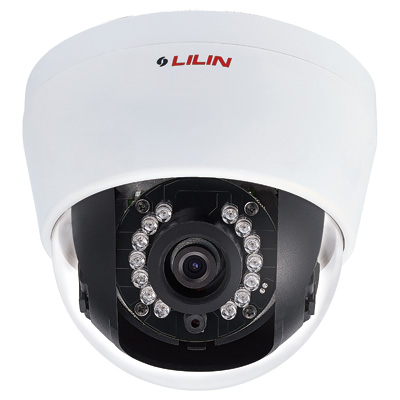
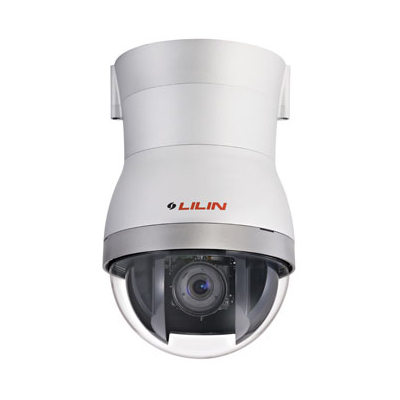
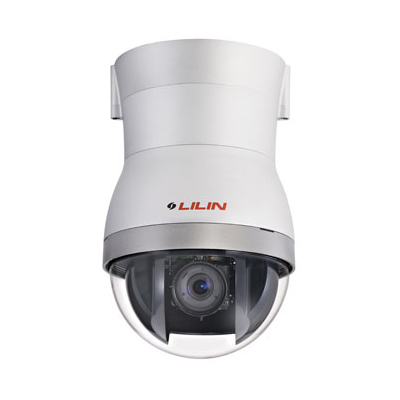
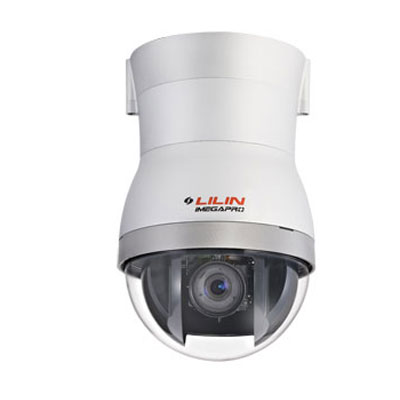
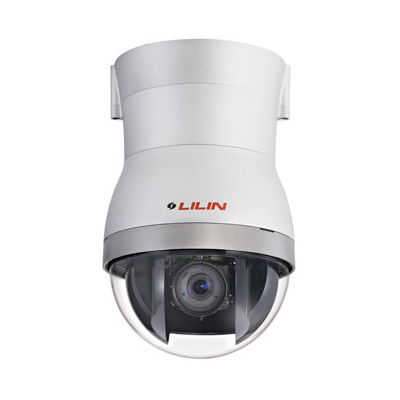
LILIN IPS3124P Day/night IP Dome Camera With 600 TVL Resolution
Technical Specification
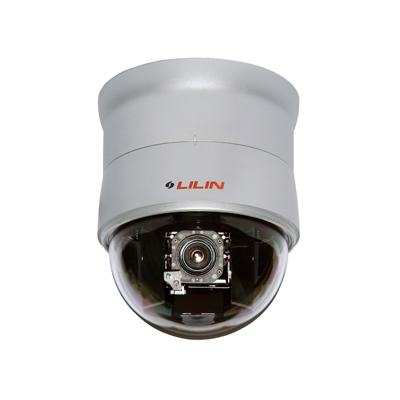

Features:
- Make: LILIN
- Model code: IPS3124P
- Chip Inch Size: 1/4
- Color Type: Color / Monochrome
- Resolution TVL: 600
Additional info:
LILIN IPS3124P is a day/night IP dome camera with 600 TVL resolution. The camera features auto focus lens, privacy zone masking, multi-protocol, and horizontal flip. It is ONVIF, iPhone and Android supported.
Read more| Make | LILIN |
|---|---|
| Manufacturer | LILIN |
| Category | Video Surveillance>IP Dome cameras |
| Model code | IPS3124P |
| Chip Inch Size | 1/4 |
| Color Type | Color / Monochrome |
| Resolution TVL | 600 |
| Sensitivity lux | 0.06 |
| Dome Type | PTZ |
| Pan Speed o/ sec | 0.5 ~ 90 |
| Tilt Speed o/ sec | 0.5 ~ 90 |
| Digital (DSP) | Yes |
| Electrical Specifications |
Voltage: 24 V AC Power Consumption: 11.5 W |
| Focal length | 3.8 ~ 45.6 mm |
| Presets | 128 |
| Compression | H.264/AVC Main Profile , Level 3 (I / P / B frames) , Motion JPEG |
| Back Light Compensation | Yes |
| Auto Gain Control | Yes |
| White Balance | Yes |
| Electronic Shutter range | 1/50 ~ 1/100,000 sec |
| S/ N (Signal/ Noise) Ratio dB | > 50 |
| Synchronisation | Internal |
| Signal Mode | PAL |
| Video Output | CVBS 1.0 Vp-p / 75 ohms BNC |
| Zoom Ratio | x12 |
| Network Properties |
Interface: 10Mbps / 100Mbps , RJ-45 Network Protocols: IP,TCP,UDP,HTTP,SMTP,ESMTP,NTP,DDNS,FTP,ARP, DHCP,PPPoE,DNS,Telnet,RTP,RTSP,RTCP Control: PTZ Image Frame Rate: 30 fps |
| Physical Specifications |
Dimensions mm: 164 x 135 Weight g: 1,150 |
| Environmental Specifications |
Operating Temp oC: -10 ~ +50 C (14 ~ 122 F) Operating Humidity %: 0 ~ 90 |
| System Requirements |
Operating System: Windows 2000, Windows XP, Windows Vista, Windows 7, Windows 8, Embedded Linux 2.6.9 Web Browser: Windows Internet Explorer 6.0 or above |
| Additional info | LILIN IPS3124P is a day/night IP dome camera with 600 TVL resolution. The camera features auto focus lens, privacy zone masking, multi-protocol, and horizontal flip. It is ONVIF, iPhone and Android supported. |
More LILIN IP Dome cameras


See comparison of LILIN IPS3124P with similar LILIN IP Dome cameras



Compare LILIN IPS3124P with IP Dome cameras from other manufacturers




You might be interested in these products


Related Whitepapers

14 Success Stories About How Video Technology Is Improving City Life

Empowering Cameras With AI

The Rise of Ethical Facial Recognition