


Sports security has always played a crucial role in securing major sporting events around the world. Ensuring the safety of millions of spectators who throng the venues during such events is not an easy task. Apart from the usual surveillance cameras and barricades that are put into place, to prevent overcrowding and stampeding, other security measures are also implemented.
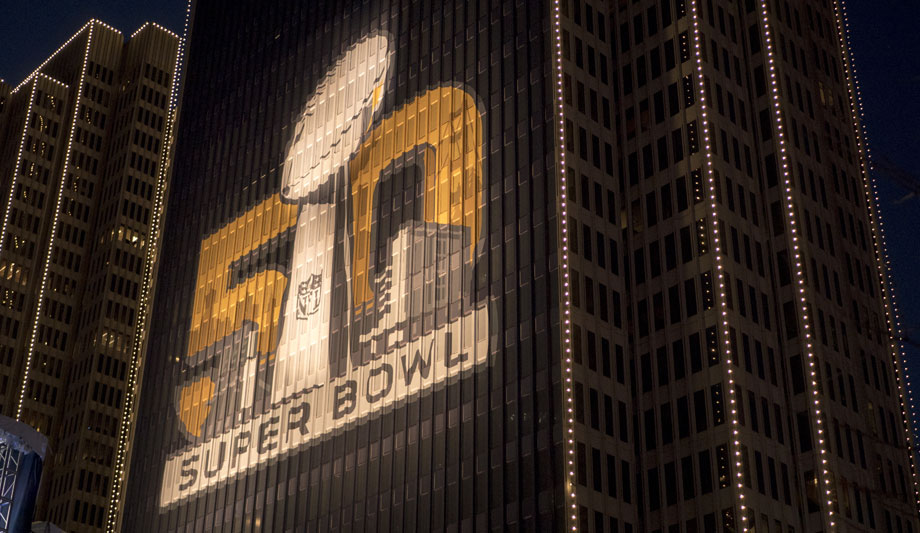
The Super Bowl is one of the biggest events of the year in the United States, so no wonder it’s also a huge event for security. Endless festivities are the norm, and ticket re-sales for the big National Football League championship game averaged more than $4,500 per ticket.
2 Years Of Planning Amongst Security & Governmental Agencies
The over-the-top security effort involved dozens of federal, state and local jurisdictions and thousands of law-enforcement and private security personnel. The security plan had been in the works for more than two years, and the U.S. Department of Homeland Security designated Super Bowl 50 as a Level 1 Special Event and a possible target of terrorism.
It goes to show what can be accomplished security-wise if there is enough time and planning involved – and almost unlimited funds.
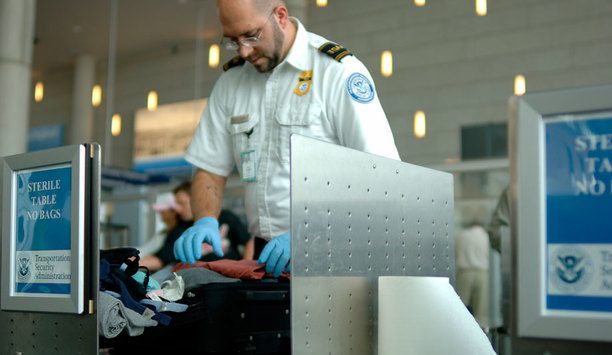
At the game, soldiers stood guard next to armored Humvees, machine guns strapped to their chests. Fans faced bag checks, metal detectors and pat-downs. Other extreme elements included hovering helicopters and military fighter jets on standby at Levi’s Stadium, restricted flights around the event, and a no-drone zone near the stadium. Canines sniffed for body-worn bombs. Robots were on hand to detect and disarm any explosives.
Advanced Security Technologies: CCTV, Social Media Monitoring, Data Analysis
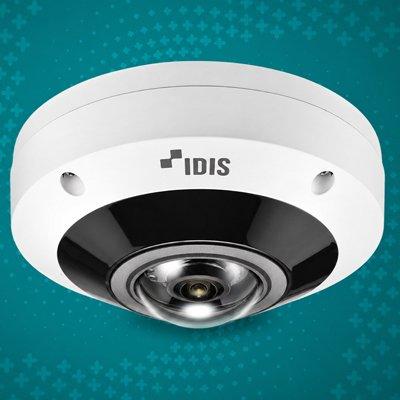
In addition to people power, technology played a role, including equipment familiar to our market, such as 600 video cameras positioned around the stadium. Computer analytics were used to target social media, sifting through data for any social media posts involving threats or other questionable content (in a previous year, a social media post had threatened to “shoot the place up.”). Other data came from phone tips, traffic reports and patrolling officers. Overseeing the total effort was a Security Operations Center in an undisclosed location about six miles from the stadium.
Computer processing was at the center of Super Bowl security, aggregating multiple data streams and providing real-time information on what’s happening in the stadium and surrounding areas, all displayed on a big digital map.
All in all, Super Bowl 50 was a great testament to our market’s expanding technology capabilities, and how those technologies interface with and/or complement other elements of the security “big picture” – from aircraft to robots to bomb-sniffing dogs.
It’s reassuring that these capabilities exist, and looking back, it’s great that Super Bowl 50 came off without a hitch. It helped that the Super Bowl is a predictable event that happens with plenty of prior notice, and with a profile so high that the cost of protecting it is almost irrelevant.
A Successful Security Strategy
Peyton Manning and the Denver Broncos were the big winners at this year’s Super Bowl, but anytime we can make it through a big event without a terrorist attack or other significant security mishap, we are all winners.
Too often, current events are sad and require us to look back and question what went wrong with security. In this case, all the news is good, and we can acknowledge what went right.
It’s unfortunate that we can’t take such things for granted, but gratifying that we have the tools, resources and will to keep a big event safe. They were all on full display at Super Bowl 50.