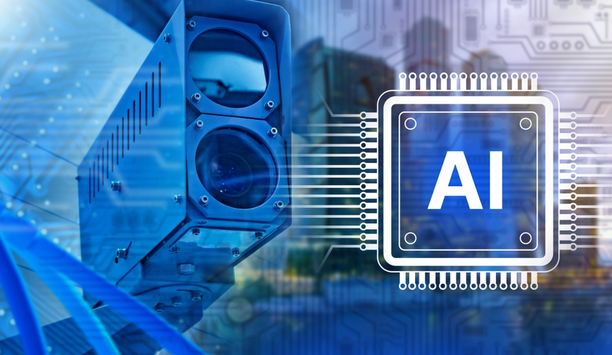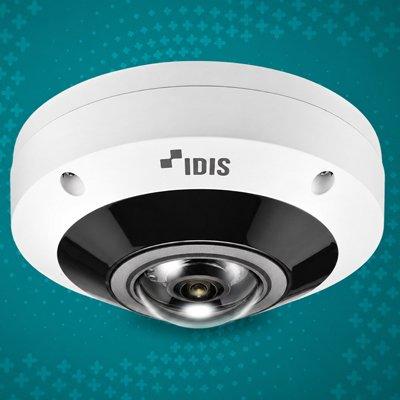


Camera manufacturers are coming up with new ways to use the intelligence inside today’s IP cameras. We all know that cameras now have chips inside, and Moore’s Law (look it up) tells us that processing power increases every two years, which means today’s cameras should be (and indeed are) much smarter than the IP cameras of several years ago.
Some of that intelligence is being used to accommodate higher resolutions in many of today’s cameras, and it is making possible more sophisticated video analytics inside the camera level. And there are other uses, too, as illustrated by recent developments at several camera manufacturers.
Panasonic, for example, is offering functions such as lens distortion compensation, higher levels of wide dynamic range (WDR) imaging (four times better than what was offered five or six years ago), better color in low light, and the ability to see through fog and rain, among others. Processing the images to improve them after they are captured is expanding the usefulness of video cameras. Flexibility is another feature Panasonic is touting related to greater intelligence inside its cameras. For example, the newest 6 series cameras can be updated with additional video motion detection capabilities later after they are purchased. Several manufacturers have mentioned the capability to enhance or add new functionalities to cameras through later firmware upgrades – one approach to “future-proofing” a system.
Axis recently cited Moore’s Law in connection with its smarter camera features. Two video analytics available on Axis cameras have been endorsed by the United Kingdom Home Office’s Imagery Library for Intelligent Detection Systems (i-LIDS), the government’s benchmark for video analytics (VA) systems. Better functioning analytics running on the edge are now appropriate for critical infrastructure applications. Axis also says the extra computing power could be used to store half a million license plates numbers and capture plates from cars driving past at 24 miles (40 kilometers) per hour. Greater computer power also enables Axis to offer better low-light imaging with its LightFinder feature, and also drives their new electronic image stabilization. Better intelligence also enables better forensic capture of video, especially optimizing face images.
These are just a couple of examples. There are many. Every smart phone is a computer these days, so maybe it’s not surprising that the trend is toward every camera being a computer, too. How close are we to cameras that can be purpose-adapted for applications after they are manufactured, simply by loading new computer software? How soon in the future might we have video cameras that can be upgraded as easily as downloading an app?