Which Security Technologies Will Be Useful In A Post-Pandemic World?
24 May 2021

- Evolving security technologies to address post-pandemic challenges and remote work environments.
- Increased focus on cybersecurity and digital infrastructure for a post-COVID-19 world.
- Security industry shifts towards automation and AI-driven solutions after the pandemic.
Editor Introduction
In the past few weeks, the light at the end of the COVID-19 tunnel has brightened, providing new levels of hope that the worst of the pandemic is behind us. Dare we now consider what life will be like after the pandemic is over? Considering the possible impact on our industry, we asked this week’s Expert Panel Roundtable: Which security technologies will be most useful in a post-pandemic world?


The technologies that have proven useful during the pandemic will continue to remain so, even after COVID-19 subsides. Video conferencing applications have kept remote workforces collaborating despite closed offices, and social media apps have provided nearly instantaneous awareness of how things and people were faring anywhere in the world. Video cameras and applications purpose-built for security use cases will be the most useful technologies in a post-pandemic world for similar reasons. Families will use security apps to ascertain the wellbeing of loved ones, check in on a pet left at home, control their locks, lights, shades, thermostats and irrigation systems, and even greet visitors through doorbells that don’t require a push button. Owners will watch over properties via smart video cameras that alert only when predetermined conditions are met, get notified when cars and HVAC systems show signs of pending mechanical issues, and detect water leaks before major damage occurs.

A post-pandemic world will be very different to the world we inhabited in 2019. However, the same priorities apply when considering security technology - It must be efficient, reliable and secure, and above all, keep people safe. The COVID-19 pandemic sparked rapid advances in technology, accelerating some developments by years, in just a matter of months. Working with a sense of responsibility to safeguard workers, commuters and the general public, companies worked as a community to fast-track technologies, such as face-mask detection, crowd control and people counting. If we look at some of the sectors hit hardest by the pandemic, such as public transport or retail, then the security technologies we can expect to see play a vital role in a post-pandemic world include applications that allow operatives to manage their systems with real-time alerts, and the ability to respond quickly.

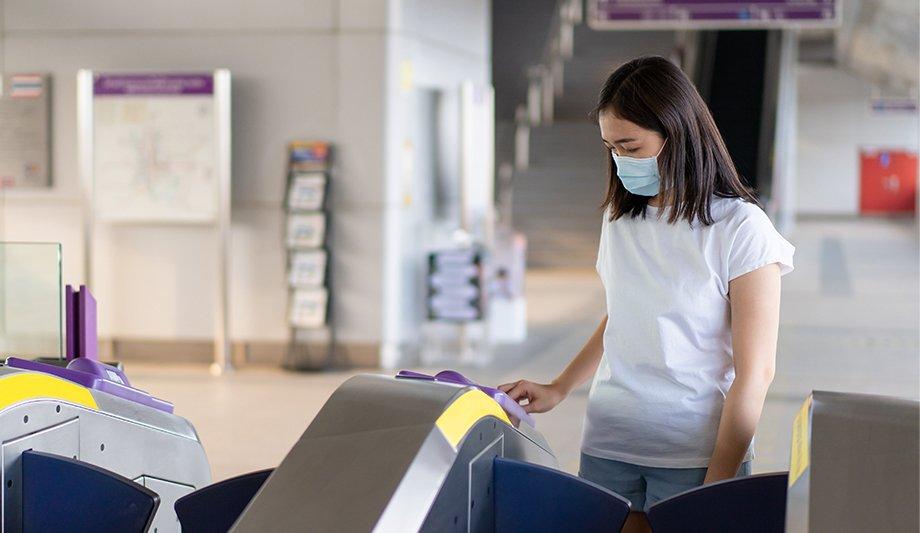
One requirement created by the pandemic that is likely to remain, is the need to know who is entering and leaving a facility, and how many people are in a building at any given time. By using the cameras already deployed to generate real-time video analytics data, an access/occupancy management solution can be used to standardize, digitize, and automate standard operating procedures (SOPs). These types of video analytics can also be used to inform other activities, like cleaning processes or to make informed operational decisions, such as making better use of office space. The pandemic also created a need for visitor management and access management screening checkpoints. Customers across several industries including healthcare institutions, critical infrastructure organisations and security departments have deployed tools to automate screening processes for employees and visitors entering facilities. The system centralizes the data collected and automates notification to supervisors, while minimizing the operational disruption.

A post-pandemic world will have many of the same challenges we saw pre-pandemic. Explosive growth in population and urbanization has made us more vulnerable to spread disease through contact. As a population, we are living more closely together than ever, but technology can help to make it as safe as when there was more space. As such, any sort of technology that allows for monitoring of crowds, occupancy management and hygiene enforcement can assist with this. Additionally, the pandemic has shone a spotlight on some sectors, where there was already a lot of room for improvement and a need for increased efficiencies. A prominent example of this is healthcare, an industry that could benefit greatly from computer vision to improve processes and allow for more efficient mitigation of challenges.

Over recent months, innovative integrations that were not previously deemed critical have taken center stage to combat COVID-19. As a result, IDL has seen a surge in demand for technologies that will help facilities managers maintain hygiene standards and monitor a building’s population. This has led to an increase in popularity of products like the Door Detective Plus and touchless biometric systems, that help minimize the spread of germs by enabling touchless entrance for occupants. Another key concern for management teams is centered on reducing the number of people in a building at one time. IDL users can do this with a Fastlane Connect Multilane Controller that facilitates the convenient monitoring and control of up to 63 lanes of Fastlane turnstiles or Door Detective Plus doorways, from one screen. This enables facilities and security managers to keep track of and enforce how many people are in their building.

As businesses slowly return to pre-pandemic staffing levels and hours of operation, a lack of available resources will continue to be a challenge for many. Security systems can play a major role by providing more eyes and ears on the ground. By utilizing AI-based analytics, staff can be alerted in real time to important events that need their attention. Video-verified alarm services that integrate video surveillance and alarm systems together can reduce false alarms and avoid nuisance calls, and fees. For lone workers or minimal staffing, a virtual guard service can watch over the premises and announce its presence with voice-down notifications from a professional monitoring service. AI-based analytics can also provide insightful data for sales and marketing teams, in order to identify peak periods and monitor customer flow, and interaction throughout a store. These technologies and services can help workers feel more secure, while simultaneously providing a solid path to profitability.

As return-to-work strategies begin, businesses need secure facility access and a friction-free experience, while keeping track of the current health and vaccination status of employees. Companies will continue to rely on smartphones and cloud-hosted security management platforms to incorporate an automated, access control framework for a self-approval process that can be customized to the user’s compliance regulations and workflows. A required checkpoint option, part of Safe Passage by Connect ONE, means their approval is dependent on entering the premises via the designated area and passing an additional condition, such as temperature scan or health waiver documentation. If workers try to access a different door in the facility, an Access Violation event is generated and managers are notified via email or text. Users can establish specific template options, such as checkpoints, protected areas, approval and re-approval processes, custom messages and other requirements or documentation necessary for entry.

I think it is important to note that one technology will not be coming in to replace another, post-pandemic. Rather, technology that supports surveillance use cases will continue to be equally as important as they were pre-pandemic. However, what I anticipate seeing is an additional boost to the analytics market, triggered by use cases brought on by the pandemic, including crowd management, fever detection, social distancing, etc. These use cases will be a critical addition to the classic, pre-pandemic surveillance use cases.

People have become more sensitized to crowds and personal space. They are more aware when they make physical contact with doors and interfaces. As the pandemic subsides, these habits will likely remain for a majority of people. Utilizing AI-based cameras to accurately monitor the number of people in a room or in a queue will enable staff to take action to improve the customer experience. For example, AI-based analytics can quickly notify security or operations when people are waiting at a door and initiate 2-way audio for touchless access. The same in-camera AI analytics that were used during the pandemic for social distancing, occupancy monitoring, and mask detection will continue to be used, but this time to provide data on how people and vehicles are moving in and around a business. Increased automation from actionable data will ensure that security teams never miss an important event.

When the world went off its axis due to COVID-19, we saw a further acceleration in the levels of cybercriminal activity, as the world was forced online. INTERPOL reported an ‘alarming rate of attacks’, while the UK alone reported a 31% increase in nefarious online activity towards the end of 2020. As a result, it has thrust the role of identity solutions to the fore as the best line of defense against cyber fraudsters in a time of remote onboarding. New and enhanced solutions are being deployed with greater urgency, as the scope of pandemic-era fraud and cyber theft were felt across the financial world, from government disbursements to instant money apps. By taking a holistic approach, using a variety of identity verification and authentication methods to deliver the appropriate level of risk protection, businesses can prevent bad actors from infiltrating their platforms and exploiting customers' private data, for instance.

Video solutions are one of the obvious security technologies that will continue to provide value in a post-pandemic world. However, speaking in terms of access or entry control, it is more important than ever for businesses, tenants and building managers to have the ability to control access and occupancy into buildings. It is no longer enough to only have a card and reader system, where cards can be easily stolen, damaged or used to admit non-cardholders. Having some type of access control system in tandem with video, such as a video intercom, can allow security decision makers to ensure that the health safety and security of employees, tenants and assets, by visually confirming identity, as well as having comprehensive video footage.

Touchless solutions have become a significant driver during the COVID-19 pandemic. By their very nature, contactless RFID-based readers and credentials make use of touchless technologies. Particularly compelling are long-range transmitter solutions, where the customer directs access, such as through a vehicle gate, with a click of a button. Another is mobile identification solutions, where the smartphone is the access credential. Mobile technology in access control applications is a growing trend and integrators are well positioned to take advantage of its benefits. Secure data transfer, end-user convenience, support for multiple formats and flexible system compatibility have finally all been combined. OSDP will become almost as well known as the hardware it serves. Standardized now by the Security Industry Association (SIA), OSDP takes solutions beyond the limitations of Wiegand and lets security equipment such as card and biometric readers from one company interface easily with control panels and equipment from another manufacturer.

Post-pandemic, there will undoubtedly be a much greater focus on stopping COVID-19 resurgence and protecting the population against other potential future infectious disease risks. Therefore, a key focus for security technology going forwards will be proactive disease control. The market will be looking for access control with additional features for managing and controlling occupancy levels in various areas within a facility, in order to help minimize risk. To complement this, a Track and Trace capability will enable access control systems to contact and notify those at potential risk from identified infectious persons. On the interactions side of things, contactless biometric reader technology such as facial recognition with mask detection and temperature measurement will continue to be an essential choice for many security installations. This will be joined by peripherals that reduce contamination vectors, such as Contactless Request to Exit buttons and automatic door opening hardware, thereby helping users avoid touching shared surfaces.

Identity and access converged across HR, IT and OT systems is at the center of effective Physical Security in a post-pandemic world. Across the globe, major companies are making plans for a final strategic push to return to work, while keeping employees, visitors and contractors safe. In this new normal and as immunizations continue to ramp up, businesses need data to gain accurate insights into workforce Health and Safety, while meeting new compliance regulations. As we head down this final mile, Physical Security plays a critical role in the orchestration and management of the newly vaccinated. Vaccination records will become part of the digital identity, helping to define physical access to spaces through automated Physical Security controls, according to COVID-19 vaccination policies. Managing the workforce, how they gain access and controlling tenant populations will continue to be transformed in the new era of work, providing security and access management that’s seamless and frictionless.

In the global pandemic environment, CDC asked civilians to comply with mask rules. To meet the market needs, a lot of new security applications and technologies emerged. The most popular one is the combination of infrared temperature detection and facial recognition. The technology is quite common in the areas of video surveillance and access control. The new biometric access control products supplied by Anviz, the FaceDeep3 IRT and FaceDeep5 IRT series also equipped with this new technology, to confirm the safety of back to school and work.
Editor Summary
The technology capabilities of the physical security industry more than demonstrated their worth during the worst of the pandemic. Technology displayed new levels of value in new applications, in some cases stepping in when lives were on the line. Some of those technologies will continue to find heightened utility in the post-pandemic world, whether providing new levels of awareness and control over environments, or to ensure we are prepared in case of another global health catastrophe.
Hanwha Vision America products



Hanwha Vision America news

Artificial Intelligence (AI) had a major presence at the ISC West 2026 show in Las Vegas. Almost every booth offered some variation on AI and how intelligence is transforming the physical security industry. Several industry leaders led the way, showcasing how they are tackling complex security challenges with smarter, more efficient solutions. Obviously, the security industry will never be the same. Milestone Systems: Responsible AI and open platforms Milestone has declared 2026 the "year of...

Following the introduction of BLAZE VMS, Hanwha Vision announced a new lineup of BLAZE appliances, purpose-built systems designed to simplify deployment and operation of the hybrid video management platform. Optimized for BLAZE VMS, the appliances provide organizations with a streamlined way to deploy scalable video surveillance systems while reducing installation complexity and ongoing system management. Purpose-built appliances for simplified deployment BLAZE appliances are specifically en...

Hanwha Vision is expanding its surveillance ecosystem with BLAZE VMS, a next-generation hybrid Video Management System (VMS) designed to simplify system deployment, AI-powered investigations, and multi-site management across modern surveillance environments. Built as a true Hanwha end-to-end platform, BLAZE integrates seamlessly with Hanwha Vision cameras and devices while combining on-premises system performance with cloud-based federation and centralized user management. The hybrid architectu...
Hanwha Vision America case studies

Wilson Bank & Trust, member FDIC, is an independent, community-based bank that began operating in Tennessee, USA in 1987. They have mortgage offices, operations centers, ATMs and branches located in and around Middle Tennessee that serve the city and surrounding rural areas. In total, they have operations and security at approximately 40 locations. One of the keys to their on-going success is their continuous search to improve their offerings. This drive extends to their physical security a...

Hanwha Techwin America, a global supplier of IP and analog video surveillance solutions, has announced that Army and Navy Academy, a college preparatory military boarding school in California, has upgraded its security infrastructure with Hanwha security cameras. Located on a 23-acre beach-front property, the Army and Navy Academy is home to more than 300 students and employs more than 140 faculty and staff members. Two-fold surveillance upgrade According to Jeffrey Gibson, a system with anal...
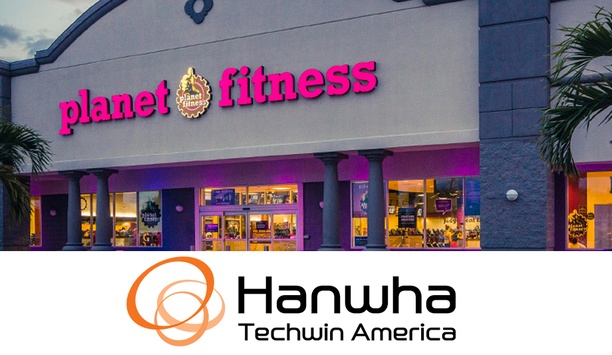
Recently, Planet Fitness, with the help of their preferred system integrator Adirondack Direct, incorporated a video surveillance solution from Hanwha Techwin and Genetec that not only enhances security, but also improves operations. When leadership evaluated security at their 70-plus corporate run locations a few years ago, they chose to incorporate a video surveillance solution that would address security needs and would be advanced enough to help with management and operations. Each of...
Hanwha Vision America white papers





Hanwha Vision America virtual events


Hanwha Vision America videos


Hanwha Customer Stories: Buffalo And Erie County Naval And Military Park

COVID-19 Solutions: '5 Minutes With' Video Interview with Thomas Cook from Hanwha Techwin America
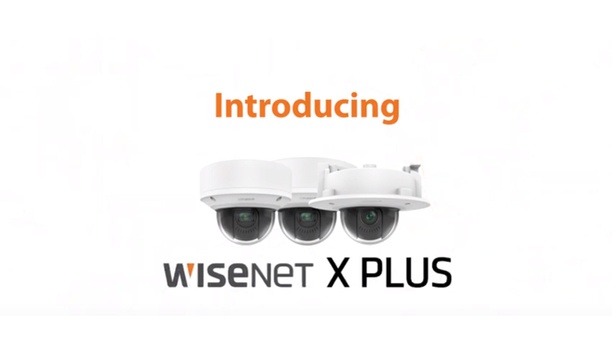
Hanwha Techwin’s Wisenet X series Plus
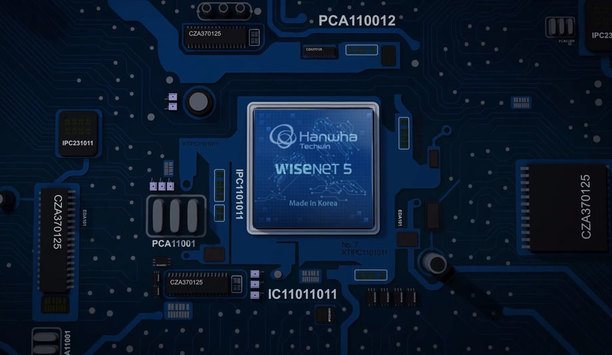
Introducing Hanwha Wisenet X Series Exclusive Wisenet 5 SoC Chipset
Expert commentary